



1. Search Result
Search Result
Results for "

Pro-inflammatory cytokine inducer

" in MedChemExpress (MCE) Product Catalog:

195

Inhibitors & Agonists

1

Bibliotecas de Screening

2

Fluorescent Dyes

9

Biochemical Assay Reagents

17

Peptides

12

Inhibitory Antibodies

70

Natural
Products

2

Isotope-Labeled Compounds

3

Oligonucleotides

1

GMP Molecules

Cat. No. Nombre del producto Target Áreas de investigación Chemical Structure
  • HY-Y0344D
    Sodium chloride, for cell culture
    3 Publications Verification

    Halite, for cell culture

    Environmental Pollutants Biochemical Assay Reagents Interleukin Related Na+/K+ ATPase Inflammation/Immunology Cancer
    Sodium chloride, for cell culture is an orally active salt. Sodium chloride, for cell culture induces the expression of ATP1A1. Sodium chloride, for cell culture induces the pro-inflammatory cytokines IL-2, TNFα, IL-9 and several chemokines. Sodium chloride, for cell culture enhances the anti-tumor activities of Digoxin (HY-B1049) against small cell lung cancer. Sodium chloride, for cell culture drives autoimmune disease by the induction of pathogenic Th17 cells .
    Sodium chloride, for cell culture
  • HY-P991028

    AZD0486; TNB-486

    CD3 CD19 Interleukin Related TNF Receptor IFNAR Cancer
    Surovatamig (AZD0486; TNB-486) is a fully human anti-CD19/CD3 IgG4 bispecific antibody. Surovatamig triggers T cell activation, releases cytotoxic granules, and induces T cell-dependent cellular cytotoxicity and tumor cell lysis. Surovatamig can reduces release of pro-inflammatory cytokines including IL-2, IFNγ, TNF. Surovatamig can be used for the research of cancer, such as B cell non-Hodgkin lymphoma .
    Surovatamig
  • HY-B1203

    9α-Fludrocortisone; 9α-Fluorcortisol

    Mineralocorticoid Receptor Glucocorticoid Receptor Apoptosis Neurological Disease Metabolic Disease Inflammation/Immunology Cancer
    Fludrocortisone (9α-Fludrocortisone) is an orally active mineralocorticoid and glucocorticoid receptor agonist. Fludrocortisone suppresses pro-inflammatory cytokine expression, reduces CCL2, IL-6, IL-8 levels, upregulates mineralocorticoid receptor (MR) expression, induces PI3K/Akt, GSK-3β, CREB, ERK1/2, mTOR phosphorylation, blocks Tau hyperphosphorylation, prevents apoptosis, promotes survival and proliferation, enhances renal sodium and water transport, increases plasma volume and blood pressure, reduces plasma potassium and renin activity, stimulates erythropoietin expression, modulates uterine receptivity genes, and reverses PP242-induced MUC1 upregulation. Fludrocortisone can be used for the research of congenital adrenal hyperplasia, postural hypotension, and adrenal insufficiency .
    Fludrocortisone
  • HY-155876

    NLRP3 antagonist 2

    NOD-like Receptor (NLR) Infection Inflammation/Immunology
    NVP-DFV890 is an orally administered, selective NLRP3 inhibitor. NVP-DFV890 directly binds to NLRP3, blocks maturation of pro-inflammatory cytokines IL-1β and IL-18, and inhibits pyroptotic cell death. NVP-DFV890 acts as an inducer of viral clearance, promoting earlier clearance of SARS-CoV-2. NVP-DFV890 can be used for the research of COVID-19 pneumonia and coronavirus-associated acute respiratory distress syndrome (CARDS) .
    NVP-DFV890
  • HY-N1934

    Potassium Channel HSP Cardiovascular Disease Inflammation/Immunology Cancer
    Dihydroberberine is a naturally occurring isoquinoline alkaloid with anti-inflammatory, anti-atherosclerotic, hypolipidemic and anti-tumor activities. Dihydroberberine inhibits the human ether-related gene (hERG) channel and significantly reduces the expression of heat shock protein 90 (Hsp90) and its interaction with hERG. Dihydroberberine also blocks the TLR4/MyD88/NF-κB signaling pathway to reduce pro-inflammatory cytokines and immunoglobulins, and has inhibitory effects on DSS (HY-116282C)-induced experimental colitis. Dihydroberberine also increases the sensitivity of lung cancer to sunitinib (HY-10255A), with synergistic efficacy .
    Dihydroberberine
  • HY-P1860
    TNF-α (31-45), human
    Maximum Cited Publications
    11 Publications Verification

    TNF Receptor NF-κB Apoptosis Inflammation/Immunology Cancer
    TNF-α (31-45), human is a potent NF-kB pathway activator. TNF-αis a proinflammatory cytokine that induces necrosis or apoptosis. TNF alpha stimulates NF-κB pathway via TNFR2 promotes cancer growth, invasion, and metastasis .
    TNF-α (31-45), human
  • HY-N0515
    Ophiopogonin D
    1 Publications Verification

    PPAR NF-κB Calcium Channel Reactive Oxygen Species (ROS) ERK Cardiovascular Disease Metabolic Disease Inflammation/Immunology
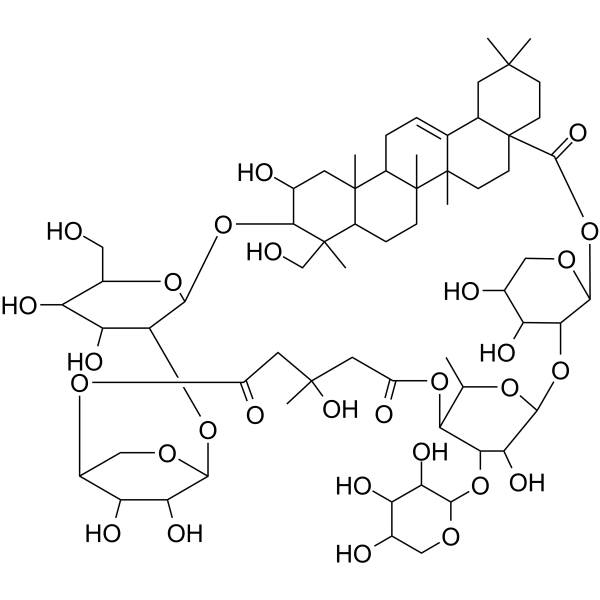
    Ophiopogonin D can be isolated from the tubers of Ophiopogon japonicus, is a rare naturally occurring C29 steroidal glycoside. Ophiopogonin D is a CYP2J3 inducer that significantly inhibits Ang II induced NF-κB nuclear translocation, IκBα down-regulation, intracellular Ca 2+ overload and activation of pro-inflammatory cytokines by increasing the expression of CYP2J2/EETs and PPARα in human umbilical vein endothelial cells (HUVECs). Ophiopogonin D can inhibit isteoclastic differentiation in RAW264.7 cells. Ophiopogonin D has protective effect as an antioxidant in H2O2-induced endothelial injury. Ophiopogonin D blocks ERK signaling cascades. Ophiopogonin D alleviates high-fat diet-induced metabolic syndrome and changes the structure of gut microbiota in mice. Ophiopogonin D has been used against inflammatory, metabolic and cardiovascular diseases .
    Ophiopogonin D
  • HY-159520

    Ofirnoflast; HT-6184

    NEKs NOD-like Receptor (NLR) Caspase Apoptosis Pyroptosis NF-κB Cardiovascular Disease Inflammation/Immunology Cancer
    Ofirnoflastum (Ofirnoflast) is an orally active first-in-class allosteric NEK7 inhibitor with an IC50 of 46 nM. Ofirnoflastum binds an allosteric site adjacent to NEK7’s ATP-binding pocket, induces conformational shifts, disrupts NEK7-NLRP3 binding, blocks NLRP3 inflammasome assembly, spares NEK7’s physiological functions, and suppresses caspase-1, caspase-8, NF-κB, and TNF activity. Ofirnoflastum reduces pro-inflammatory cytokine production, suppresses ASC specks, IL-1β release, pyroptotic cell death, and leukemic burden, induces apoptosis and erythroid differentiation, restores hematopoiesis, and improves outcomes in colitis models. Ofirnoflastum can be used for the research of myelodysplastic syndromes, chronic myelomonocytic leukemia, and acute myeloid leukemia .
    Ofirnoflastum
  • HY-Y0344J
    Sodium chloride, for molecular biology
    3 Publications Verification

    Halite, for molecular biology

    Biochemical Assay Reagents Na+/K+ ATPase Interleukin Related Inflammation/Immunology Cancer
    Sodium chloride is an orally active salt. Sodium chloride induces the expression of ATP1A1. Sodium chloride induces the pro-inflammatory cytokines IL-2, TNFα, IL-9 and several chemokines. Sodium chloride enhances the anti-tumor activities of Digoxin (HY-B1049) against small cell lung cancer. Sodium chloride drives autoimmune disease by the induction of pathogenic Th17 cells .
    Sodium chloride, for molecular biology
  • HY-N0807
    Swertiamarin
    1 Publications Verification

    MMP NF-κB JAK Keap1-Nrf2 Metabolic Disease Inflammation/Immunology Cancer
    Swertiamarin is an orally active natural product with hypoglycemic, lipid-lowering, anti-rheumatic, and antioxidant activities. Swertiamarin can regulate the levels of pro-inflammatory cytokines, MMP, and NF-κB, and promote osteoblast proliferation. Swertiamarin has antioxidant and hepatoprotective effects against carbon tetrachloride induced rat liver toxicity through the Nrf2/HO-1 pathway. Swertiamarin can attenuate inflammatory mediators by regulating JAK2/STAT3 transcription factors in adjuvant induced arthritis rats. Swertiamarin can be used in the research of diabetes and arthritis .
    Swertiamarin
  • HY-170621

    STAT NO Synthase COX Interleukin Related TNF Receptor Neurological Disease Metabolic Disease Inflammation/Immunology Cancer
    STAT1/3-IN-1 is a potent STAT1/3 inhibitor with potent anti-inflammatory effect. STAT1/3-IN-1 inhibits phosphorylation and nuclear translocation of STAT1/3 to modulate microglial inflammation, reduces LPS (HY-D1056)-induced pro-inflammatory cytokines (NO, IL-1β, IL-6, and TNF-α) and inflammatory mediators (iNOS, COX-2). STAT1/3-IN-1 exhibits low toxicity in mice. STAT1/3-IN-1 can be used for the research of neuroinflammation .
    STAT1/3-IN-1
  • HY-147105

    Orphan Nuclear Receptor Interleukin Related Inflammation/Immunology
    LRH-1 agonist-2 (Compound 6N) is a selective, full LRH-1 agonist with an EC50 of 15.7 nM. LRH-1 agonist-2 directly interacts with the Thr352 and His390 residues in the LRH-1 binding pocket, promotes allosteric signaling to the activation function surface (AFS), stabilizes the AFS and enhances coactivator recruitment. LRH-1 agonist-2 induces the anti-inflammatory cytokine IL-10, and reduces the pro-inflammatory cytokines IL-1β and TNFα. LRH-1 modulator-1 exerts anti-inflammatory effects in intestinal organoids. LRH-1 modulator-1 can be used in studies related to inflammatory bowel disease .
    LRH-1 agonist-2
  • HY-N0260
    Epmedin C
    5+ Cited Publications

    Epimedin-C; Baohuoside-VI

    Keap1-Nrf2 CDK Caspase Infection Metabolic Disease Inflammation/Immunology Cancer
    Epmedin C (Epimedin-C; Baohuoside-VI) is an orally active anti-inflammatory agent and immunomodulator that binds to multiple key proteins including UCP1, Caspase-1, CDK2 and Keap1. Epmedin C inhibits epithelial cell proliferation by disrupting the complex function of CDK2/Cyclin E. Epmedin C also upregulates Nrf2 expression, reduces ROS levels and inhibits pro-inflammatory cytokine secretion, thereby effectively restoring antibody production and alleviating tissue damage. Epmedin C has good safety with no hepatotoxicity or skin sensitization, and it has been used in studies on diseases such as obesity, Deoxynivalenol (HY-N6684)-induced immunotoxicity and mammary hyperplasia .
    Epmedin C
  • HY-Y0344I

    Halite, meets analytical specification of Ph. Eur. BP USP

    Biochemical Assay Reagents Na+/K+ ATPase Interleukin Related Inflammation/Immunology Cancer
    Sodium chloride, meets analytical specification of Ph. Eur. BP USP, ≤0.00002% Al, an inorganic salt is an orally active salt. Sodium chloride, meets analytical specification of Ph. Eur. BP USP, ≤0.00002% Al, an inorganic salt induces the expression of ATP1A1. Sodium chloride, meets analytical specification of Ph. Eur. BP USP, ≤0.00002% Al, an inorganic salt induces the pro-inflammatory cytokines IL-2, TNFα, IL-9 and several chemokines. Sodium chloride, meets analytical specification of Ph. Eur. BP USP, ≤0.00002% Al, an inorganic salt enhances the anti-tumor activities of Digoxin (HY-B1049) against small cell lung cancer. Sodium chloride, meets analytical specification of Ph. Eur. BP USP, ≤0.00002% Al, an inorganic salt drives autoimmune disease by the induction of pathogenic Th17 cells .
    Sodium chloride, meets analytical specification of Ph. Eur. BP USP, ≤0.00002% Al
  • HY-128799
    CL097
    2 Publications Verification

    Toll-like Receptor (TLR) Reactive Oxygen Species (ROS) Inflammation/Immunology
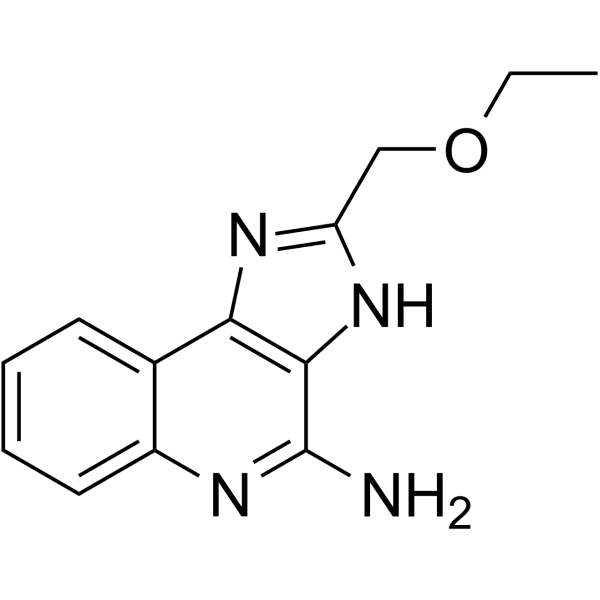
    CL097, a potent TLR7 and TLR8 agonist, induces pro-inflammatory cytokines in macrophages . CL097 induces NADPH oxidase priming, resulting in an increase of the fMLF-stimulated ROS production .
    CL097
  • HY-149143
    JNJ-28583113
    5 Publications Verification

    TRP Channel Inflammation/Immunology
    JNJ-28583113 is an TRPM2 antagonist with brain permeability. JNJ-28583113 inhibits TRPM2 blocked phosphorylation of GSK3α and β subunits. JNJ-28583113 protects cells from oxidative stress induced cell death. JNJ-28583113 also suppresses cytokine release in response to pro-inflammatory stimuli in microglia .
    JNJ-28583113
  • HY-P9983

    SGN-33; HuM-195; GLK-33 Antibody

    Transmembrane Glycoprotein Radionuclide-Drug Conjugates (RDCs) Inflammation/Immunology
    Lintuzumab (HUM-195) is an anti-CD33 humanized monoclonal antibody. Lintuzumab reduces the production of TNFα-induced pro-inflammatory cytokines and chemokines by AML cells. Lintuzumab promotes tumor cell killing through antibody-dependent cellular cytotoxicity (ADCC) and phagocytosis (ADCP) activities against MDR and MDR+ AML cell lines and primary AML patient samples. Lintuzumab enhances survival and reduces tumor burden in mice .
    Lintuzumab
  • HY-N0444

    Reactive Oxygen Species (ROS) Inflammation/Immunology
    Rubiadin is an orally active polyketide-derived compound and free radical scavenger that inhibits the activation of the NF-κB pathway. Rubiadin inhibits osteoclast formation, bone resorption, lipid peroxidation, HBV DNA replication and cancer cell proliferation; reduces pro-inflammatory cytokine levels; induces cancer cell apoptosis; and possesses antifungal, antimalarial, antibacterial and anticonvulsant activities. Rubiadin can be used in the research of osteoporosis, acute inflammation, chronic inflammation, carbon tetrachloride-induced liver injury, Alzheimer's disease, breast cancer, iron overload disorders, hepatitis B virus infection, colon cancer, liver cancer, T-lymphocytic leukemia, cervical cancer, diabetic nephropathy, epileptic seizures, fungal infections, malaria and bacterial infections .
    Rubiadin
  • HY-N6017

    HDAC TNF Receptor Interleukin Related TGF-β Receptor IFNAR PI3K PKC Akt GSK-3 Caspase Apoptosis Cancer
    Bakkenolide A is an anticancer agent. Bakkenolide A reduces the viability of leukemia cells, inhibits cell colony formation and invasion, and downregulates the expression of HDAC3 in cells. Bakkenolide A downregulates the expression of pro-inflammatory cytokines including TNF-α, interleukins such as IL-1β, TGF-β1 and IFN-γ, as well as the expression of PI3K, PDK and PKC in leukemia cells. Bakkenolide A downregulates activated Akt, GSK and Bad, while upregulates Cyto-c, cleaved Caspase3 and cleaved Caspase7, induces apoptosis (apoptosis) in leukemia cells and thereby inhibits inflammatory responses in leukemia cells. Bakkenolide A significantly slows the growth of subcutaneous leukemia tumors in nude mice. Bakkenolide A is applicable to leukemia-related research .
    Bakkenolide A
  • HY-145645

    NI-0101

    Toll-like Receptor (TLR) Inflammation/Immunology
    Paridiprubart (NI-0101) is a humanised anti-TLR4 monoclonal antibody. Paridiprubar inhibits the production of pro-inflammatory cytokines by monocytes from rheumatoid arthritis specimen induced by rheumatoid arthritis synovial fluid (RASF). Paridiprubart can be used for the study of rheumatoid arthritis .
    Paridiprubart
  • HY-121309
    Doxorubicinone
    2 Publications Verification

    Adriamycin aglycone; Adriamycinone

    NF-κB TNF Receptor Interleukin Related Drug Derivative Inflammation/Immunology Cancer
    Doxorubicinone (Adriamycin aglycone) is the aglycone of the antibiotic Doxorubicin (HY-15142A), i.e., its sugar-free parent nucleus structure. Doxorubicinone does not induce DNA damage or bind to RelA, but still downregulates the expression of pro-inflammatory cytokines (such as TNF, IL-12, etc.) regulated by the NF-κB pathway. Doxorubicinone can be used in sepsis-related research .
    Doxorubicinone
  • HY-W041608

    NF-κB Toll-like Receptor (TLR) Bacterial Infection Inflammation/Immunology
    Methylchloroisothiazolinone is a widely used fungicide and also an aquatic pollutant with pro-inflammatory activity and neurotoxicity. Methylchloroisothiazolinone induces the production of pro-inflammatory cytokines (such as IL-1β, TNF-α, IL-6) by activating the NF-κB signaling pathway and upregulating TLR4 expression, thereby triggering allergic contact dermatitis. Methylchloroisothiazolinone reduces cholinesterase activity and exacerbates oxidative stress by impairing catalase activity and disrupting redox balance. Methylchloroisothiazolinone poses significant harm to Mediterranean mussels, reducing the viability of hemocytes and digestive gland cells, inhibiting immune phagocytic function, and disrupting osmoregulatory capacity. Methylchloroisothiazolinone is used in studies on allergic contact dermatitis and related immunotoxicity mechanisms .
    Methylchloroisothiazolinone
  • HY-P99236
    Bexmarilimab
    1 Publications Verification

    FP-1305

    Transmembrane Glycoprotein Inflammation/Immunology Cancer
    Bexmarilimab (FP-1305) is a potent humanized anti-CLEVER-1 IgG4 antibody with an IC50 value of 4.51 nM. Bexmarilimab is capable of inducing a phenotypic M2 to M1 immune switch of tumor-associated macrophages. Bexmarilimab can promote antigen presentation and pro-inflammatory cytokine secretion. Bexmarilimab can induce B-cell and T-cell activation. Bexmarilimab can be used in researches of immunology and cancer, such as colorectal carcinoma .
    Bexmarilimab
  • HY-165613

    Dipalmitoyl-S-glyceryl-cysteine; S-[2,3-Bis(palmitoyloxy)Propyl]cysteine

    Toll-like Receptor (TLR) Influenza Virus NF-κB Infection Inflammation/Immunology
    Pam2Cys (Dipalmitoyl-S-glyceryl-cysteine; S-[2,3-Bis(palmitoyloxy)propyl]cysteine) is a TLR2 agonist and immunostimulant. Pam2Cys binds to TLR2 to activate dendritic cells and trigger the TLR2-dependent NF-κB signaling pathway. Pam2Cys also induces dendritic cell maturation by upregulating the expression of cell surface MHC II molecules. Pam2Cys activates innate immune signaling pathways, drives pro-inflammatory and antimicrobial responses, enhances the expression of macrophage activation markers, increases phagocytic activity, induces the release of IL-12 and pro-inflammatory cytokines, and polarizes macrophages into a pro-inflammatory, antimicrobial phenotype without interfering with IL-10-induced macrophage polarization. Pam2Cys also serves as the lipid moiety in synthetic lipopeptide vaccines and possesses self-adjuvant properties. Pam2Cys enhances the immunogenicity of conjugated peptide segments and induces cellular and humoral immune responses. However, it does not activate CD4 T cells in mouse splenocyte cultures when used alone. Pam2Cys activates pulmonary TLR2 signaling pathways, triggers innate immune responses, recruits neutrophils and macrophages, induces the secretion of various cytokines, alleviates symptoms and damages associated with influenza A virus infection in mice without impairing adaptive immunity. Pam2Cys can be used in studies related to tuberculosis and influenza A virus infection .
    Pam2Cys
  • HY-W013331
    Deoxyartemisinin
    1 Publications Verification

    2-Deoxyartemisinin

    TNF Receptor Neurological Disease Inflammation/Immunology
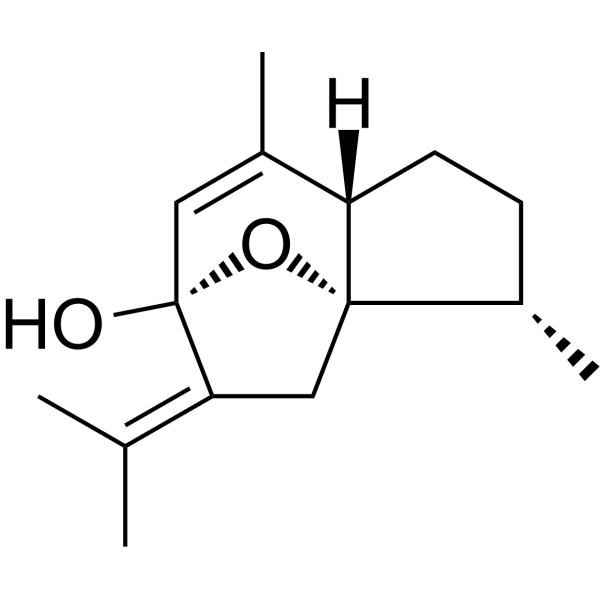
    Deoxyartemisinin (2-Deoxyartemisinin) is an orally active anti-inflammatory and analgesic agent. Deoxyartemisinin selectively reduces the level of the pro-inflammatory cytokine TNF-α. Deoxyartemisinin alleviates neuropathic pain, inflammatory pain, and croton oil-induced ear edema.\nDeoxyartemisinin exerts an analgesic effect against thermal stimulation. Deoxyartemisinin has anti-ulcer activity. Deoxyartemisinin can be used in research related to inflammatory diseases, pain, and gastric ulcers .
    Deoxyartemisinin
  • HY-P5255

    Bacterial Infection Inflammation/Immunology
    Oligopeptide-10 is a bioactive peptide with antimicrobial activity. Oligopeptide-10 exhibits broad-spectrum bactericidal effects against Gram-positive bacteria including Propionibacterium acnes and Staphylococcus aureus. Oligopeptide-10 targets lipoteichoic acid (LTA) on the surface of bacterial cell membranes, induces bacterial osmotic imbalance by disrupting the integrity of bacterial membranes, and reduces the release of pro-inflammatory cytokines induced by bacteria. Oligopeptide-10 possesses skin-protective activity. Oligopeptide-10 can be applied in research related to acne vulgaris, dandruff, seborrheic dermatitis, and tinea pedis .
    Oligopeptide-10
  • HY-136065
    bpV(phen)
    3 Publications Verification

    PTEN Phosphatase Parasite Apoptosis Infection Metabolic Disease Inflammation/Immunology Cancer
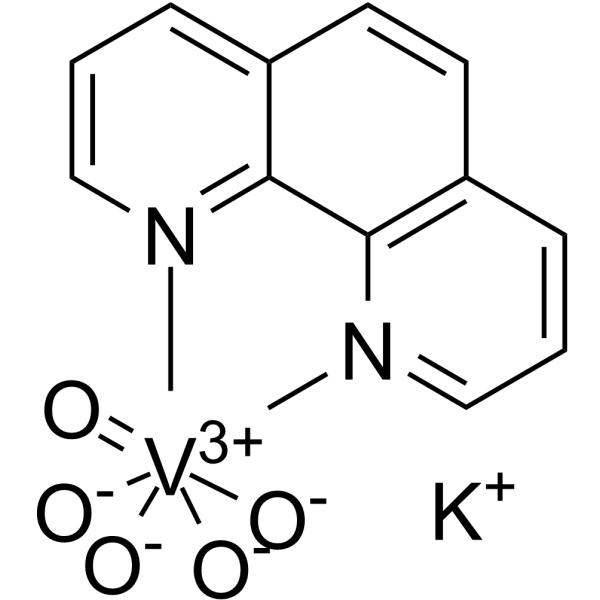
    bpV(phen), a insulin-mimetic agent, is a potent protein tyrosine phosphatase (PTP) and PTEN inhibitor with IC50s of 38 nM, 343 nM and 920 nM for PTEN, PTP-β and PTP-1B, respectively. bpV(phen) inhibits proliferation of the protozoan parasite Leishmania in vitro. bpV(phen) strongly induces the secretion of a large number of chemokines and pro-inflammatory cytokines, and it activates a Th1-type pathway (IL-12, IFNγ). bpV(phen) can also induce cell apoptosis, and has anti-angiogenic and anti-tumor activity .
    bpV(phen)
  • HY-128578
    KPLH1130
    2 Publications Verification

    PDHK NO Synthase Interleukin Related HIF/HIF Prolyl-Hydroxylase Metabolic Disease Inflammation/Immunology
    KPLH1130 is a pyruvate dehydrogenase kinase (PDK) inhibitor. KPLH1130 potently inhibits M1 macrophage polarization by reducing the expression of pro-inflammatory cytokines, decreasing the levels of M1 phenotype markers (HIF-1α, iNOS) and nitric oxide (NO) production. KPLH1130 prevents the reduction of mitochondrial oxygen consumption rate (OCR) induced by inflammatory stimuli (LPS ((HY-D1056) + IFN-γ) in various macrophage types. KPLH1130 improves glucose tolerance in HFD-fed mice. KPLH1130 can be used for the study of obesity-associated metabolic disorders and other inflammatory conditions .
    KPLH1130
  • HY-N2282

    Zingiberensis newsaponin

    Aldose Reductase JAK STAT Autophagy Apoptosis NF-κB SOD Reactive Oxygen Species (ROS) Cardiovascular Disease Neurological Disease Inflammation/Immunology Cancer
    Zingiberen Newsaponin (Zingiberensis newsaponin) is an orally active type of steroid saponin compound. Zingiberen Newsaponin exerts anti-hepatocellular carcinoma (HCC) effects by inhibiting autophagy and the AKR1C1/JAK2/STAT3 pathway. Zingiberen Newsaponin activates oxidative stress (upregulates ROS and MDA) and mitochondrial pathways, promoting cancer cell apoptosis. Zingiberen Newsaponin alleviates cerebral ischemia-reperfusion (I/R) injury by decreasing the concentration of pro-inflammatory cytokines and inhibits NF-κB. Zingiberen Newsaponin can enhance the activity of SOD, eliminate free radicals and protect nerve cells. Zingiberen Newsaponin induces platelet aggregation .
    Zingiberen newsaponin
  • HY-N2125

    5-HT Receptor iGluR Caspase Interleukin Related TNF Receptor SOD NF-κB Neurological Disease Inflammation/Immunology
    Parishin C is a brain-penetrant major bioactive component found in Gastrodia elata Blume. Parishin C is a 5-HT1A receptor agonist with an EC50 of 34 nM. Parishin C has antipsychotic and neuroprotective effects. Parishin C protects against Aβ-induced long-term potentiation damage and NMDA receptor current impairment. Parishin C reduces oxidative stress, pro-inflammatory cytokine levels, caspase activity, brain water content, and cerebral infarct volume; increases antioxidant enzyme activity and BDNF levels; improves nerve function and histopathological brain damage. Parishin C attenuates phencyclidine-induced immobility time increases, sociability deficits, and visual recognition memory impairment. Parishin C can be used for the research of ischemic stroke, Alzheimer's disease, and schizophrenia-like psychosis .
    Parishin C
  • HY-177204

    Ferroptosis Apoptosis Glutathione Peroxidase Cardiovascular Disease
    DSPE-PEG2000-WLSEAGPVVTVRALRGTGSW is a polypeptide targeting tenascin-X (Tenascin-X) that can be conjugated with liposomes and exosomes. DSPE-PEG2000-WLSEAGPVVTVRALRGTGSW specifically binds to Tenascin-X on the surface of cardiomyocytes, mediates receptor-dependent uptake of nanocarriers, enhances targeted drug delivery of cargo to cardiomyocytes, and increases drug accumulation in cardiac tissue. DSPE-PEG2000-WLSEAGPVVTVRALRGTGSW protects cardiomyocytes treated with LPS, alleviates oxidative stress, repairs mitochondrial function, inhibits ferroptosis and apoptosis, and downregulates the secretion of pro-inflammatory cytokines at the same time. DSPE-PEG2000-WLSEAGPVVTVRALRGTGSW improves cardiac injury and pathological morphology in mice with sepsis-induced cardiomyopathy, restores GPX4 expression, and promotes the internalization of cardiomyocyte-derived exosomes, making it suitable for related research on sepsis-induced cardiomyopathy, myocardial ischemia-reperfusion injury, and other conditions .
    DSPE-PEG2000-WLSEAGPVVTVRALRGTGSW
  • HY-P11077

    TLT-1 (94-110)

    TREM receptor Inflammation/Immunology
    LR-17 (TLT-1 (94-110)), a 17-aa peptide, is a TREM-1 inhibitor. LR-17 shows anti-inflammatory effects that can reduce the secretion of pro-inflammatory cytokines induced by Lipopolysaccharides (HY-D1056) (LPS). LR-17 can be used for the study of sepsis .
    LR-17
  • HY-120602

    Carboxylesterase (CES) PPAR Interleukin Related Mitochondrial Metabolism Metabolic Disease Inflammation/Immunology
    WWL229 is a selective inhibitor of carboxylesterase 3 (CES3) with an IC50 1.94 μM. WWL229 attenuates LPS (HY-D1056)-induced pro-inflammatory cytokine mRNA levels, inhibits lipolysis and adipose thermogenesis, impairs mitochondrial function, and promotes lipid storage. WWL229 can be used for the research of obesity, insulin resistance, type 2 diabetes, and lung inflammation .
    WWL229
  • HY-122818
    BpV(phen) trihydrate
    3 Publications Verification

    Bisperoxovanadium(phen) trihydrate

    PTEN Phosphatase Parasite Apoptosis Infection Metabolic Disease Inflammation/Immunology Cancer
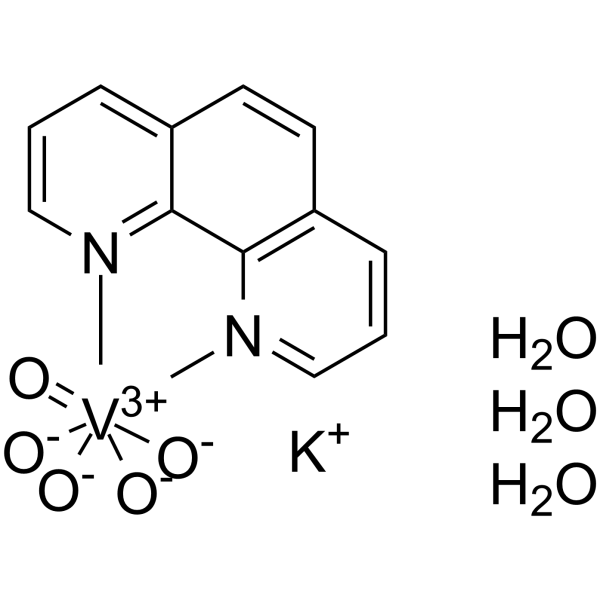
    BpV(phen) trihydrate, a insulin-mimetic agent, is a potent protein tyrosine phosphatase (PTP) and PTEN inhibitor with IC50s of 38 nM, 343 nM and 920 nM for PTEN, PTP-β and PTP-1B, respectively. BpV(phen) trihydrate inhibits proliferation of the protozoan parasite Leishmania in vitro. bpV(phen) trihydrate strongly induces the secretion of a large number of chemokines and pro-inflammatory cytokines, and it activates a Th1-type pathway (IL-12, IFNγ). BpV(phen) trihydrate can also induce cell apoptosis, and has anti-angiogenic and anti-tumor activity .
    BpV(phen) trihydrate
  • HY-113440
    5-Methoxytryptophol
    1 Publications Verification

    Melatonin Receptor ERK TNF Receptor Interleukin Related MMP Endogenous Metabolite Neurological Disease Metabolic Disease Inflammation/Immunology
    5-Methoxytryptophol is a 5-methoxyindole alcohol structurally homologous to Melatonin (HY-B0075). It is secreted by the mammalian pineal gland and exhibits an inverse circadian rhythm. 5-Methoxytryptophol regulates bone metabolism by activating the ERK1/2 pathway. It reduces the levels of pro-inflammatory cytokines TNF-α and IL-1β, as well as proteolytic enzymes MMP-1 and MMP-2, in serum and dental pulp tissues, thereby ameliorating acute pulpitis. 5-Methoxytryptophol induces rapid sleep in mice, while high doses cause respiratory depression and death. 5-Methoxytryptophol. 5-Methoxytryptophol can be used in studies related to acute pulpitis, hypnosis, and bone metabolism .
    5-Methoxytryptophol
  • HY-128799A
    CL097 hydrochloride
    2 Publications Verification

    Toll-like Receptor (TLR) Reactive Oxygen Species (ROS) Inflammation/Immunology
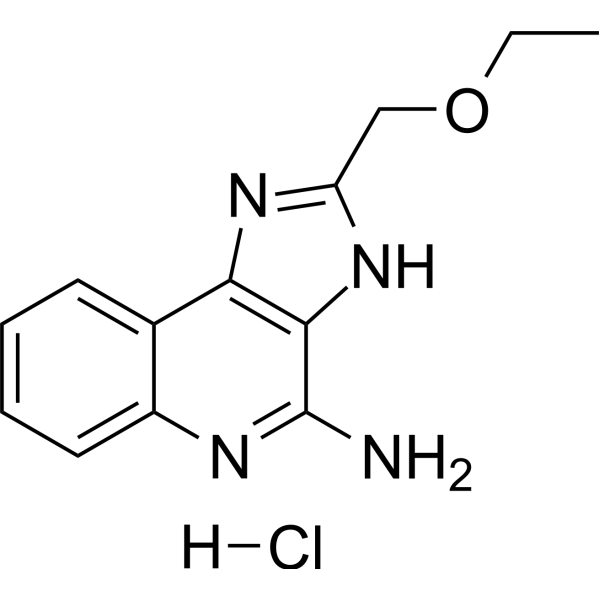
    CL097, a potent TLR7 and TLR8 agonist, induces pro-inflammatory cytokines in macrophages . CL097 induces NADPH oxidase priming, resulting in an increase of the fMLF-stimulated ROS production .
    CL097 hydrochloride
  • HY-P11296A

    IKK NF-κB Inflammation/Immunology
    LLVK TFA is a selective IκB phosphorylation inhibitor. LLVK TFA reduces LPS-induced pro-inflammatory cytokines (IL-1β, IL-6, TNF-α). LLVK TFA is promising for research of inflammatory bowel disease and rheumatoid arthritis .
    LLVK TFA
  • HY-P11296

    IKK NF-κB Inflammation/Immunology
    LLVK is a selective IκB phosphorylation inhibitor. LLVK reduces LPS-induced pro-inflammatory cytokines (IL-1β, IL-6, TNF-α). LLVK is promising for research of inflammatory bowel disease and rheumatoid arthritis .
    LLVK
  • HY-N6908

    Bacterial p38 MAPK Apoptosis PARP Bcl-2 Family Caspase Interleukin Related COX PERK JNK NF-κB NO Synthase SOD Infection Neurological Disease Inflammation/Immunology Cancer
    Continentalic acid is a diterpenoid organic acid. Continentalic acid exhibits multiple activities including anti-inflammatory, antioxidant, neuroprotective, antibacterial and antitumor effects. Continentalic acid alleviates oxidative stress, reduces pro-inflammatory cytokine production, inhibits MAPK phosphorylation and neutrophil infiltration, and induces growth inhibition and apoptosis of cancer cells. Continentalic acid can be used in research related to traumatic brain injury, cancer, inflammation and infections .
    Continentalic acid
  • HY-Y0344H

    Halite (Pharmaceutical primary standard, USP)

    Biochemical Assay Reagents Na+/K+ ATPase Interleukin Related Inflammation/Immunology Cancer
    Sodium chloride, United States Pharmacopeia (USP) Reference Standard is an orally active salt. Sodium chloride, United States Pharmacopeia (USP) Reference Standard induces the expression of ATP1A1. Sodium chloride, for cell culture induces the pro-inflammatory cytokines IL-2, TNFα, IL-9 and several chemokines. Sodium chloride, United States Pharmacopeia (USP) Reference Standard enhances the anti-tumor activities of Digoxin (HY-B1049) against small cell lung cancer. Sodium chloride, United States Pharmacopeia (USP) Reference Standard drives autoimmune disease by the induction of pathogenic Th17 cells .
    Sodium chloride, United States Pharmacopeia (USP) Reference Standard
  • HY-W419589

    COX NO Synthase Interleukin Related Reactive Oxygen Species (ROS) Inflammation/Immunology Cancer
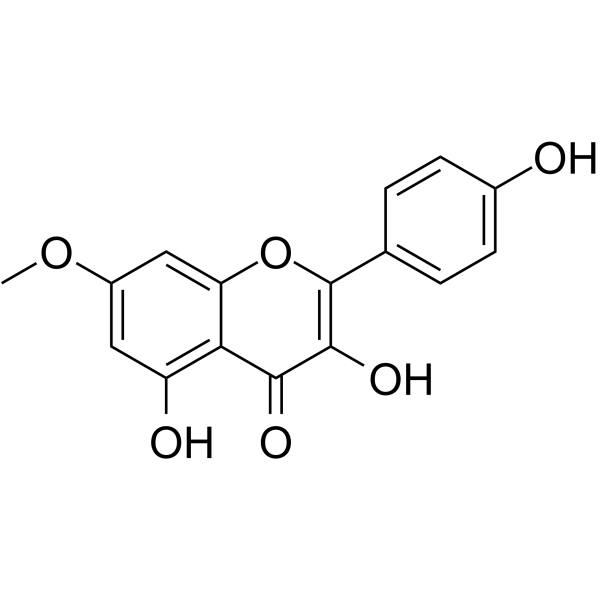
    Xanthomicrol is extracted from the resin of the plant called Chinese bellflower (a member of the Scrophulariaceae family) and is a monoamine oxidase (MAOs) inhibitor. Xanthomicrol has anti-tumor and anti-inflammatory properties, with IC50 values of 0.88 and 1.69 μg/mL in HL60 and K562 cells. Xanthomicrol's the main metabolite of 5DT in mouse colon, and it can reduce levels of iNOS protein and mRNA, as well as COX-2 protein levels. Additionally, Xanthomicrol decreases the production of the pro-inflammatory cytokine IL-1β and induces the expression of the antioxidant enzyme HO-1 .
    Xanthomicrol
  • HY-N12188

    NF-κB TNF Receptor Interleukin Related p38 MAPK Inflammation/Immunology
    Stigmasta-3,5-dien-7-one is a steroid compound that can be isolated from Harrisonia abyssinica. Stigmasta-3,5-dien-7-one blocks the NF-κB signaling pathway via down-regulation of phospho-p38 mitogen-activated protein kinase and phosphorylation and degradation of inhibitor of NF-κB α. Stigmasta-3,5-dien-7-one reduces LPS (HY-D1056)-induced nitric oxide, PGE2, and pro-inflammatory cytokine levels in macrophages. Stigmasta-3,5-dien-7-one can be used for inflammation diseases .
    Stigmasta-3,5-dien-7-one
  • HY-134375

    Cyclic Adenosine-Inosine Monophosphate

    NF-κB IFNAR Inflammation/Immunology
    cAIMP (Cyclic Adenosine-Inosine Monophosphate) is an effective synthetic cyclic dinucleotide. cAIMP activates IRF and NF-κB in the THP1 human monocyte reporter cell line (THP1-Dual). cAIMP induces the secretion of IFNs and pro-inflammatory cytokines in vitro in human blood, with an EC50 of 6.4 μmol/L .
    cAIMP
  • HY-149365

    Salt-inducible Kinase (SIK) Inflammation/Immunology
    SIKs-IN-1 (compound 8h), a pyrimidine-5-carboxamide derivative, is a Salt-inducible kinases (SIKs) inhibitor. SIKs regulates the transformation of M1/M2 macrophages, involving in inflammation process. SIKs-IN-1 inhibits SIK activity, up-regulates anti-inflammatory cytokine IL-10, but down-regulates pro-inflammatory cytokine IL-12. SIKs-IN-1 shows excellent anti-inflammatory effects in a DSS-induced colitis model .
    SIKs-IN-1
  • HY-177559

    NEKs Interleukin Related NOD-like Receptor (NLR) Inflammation/Immunology
    NEK7 degrader-2 (Compound 25) is a NEK7 degrader. NEK7 degrader-2 shows dose-dependent NEK7 degradation ability in human PBMC-derived macrophages. NEK7 degrader-2 reduce the release level of pro-inflammatory cytokines IL-1β induced by NLRP3 inflammasome activation. NEK7 degrader-2 can be used for the study of inflammatory diseases .
    NEK7 degrader-2
  • HY-175655

    p38 MAPK Cholinesterase (ChE) Interleukin Related Neurological Disease Inflammation/Immunology
    BChE/p38-α MAPK-IN-1 is a selective dual inhibitor of hBChE (IC50 = 772 nM) and p38α MAPK (IC50 = 191 nM). BChE/p38-α MAPK-IN-1 reduces the production of pro-inflammatory cytokines (IL-1β, IL-6, IL-8, TNF-α) in cells. BChE/p38-α MAPK-IN-1 improves Scopolamine (HY-N0296)-induced cognitive impairment, as well as alleviates LPS (HY-D1056)-induced spatial learning impairment and exerts anti-neuroinflammatory effects in mice. BChE/p38-α MAPK-IN-1 can be used for the study of Alzheimer’s disease (AD) by targeting both cholinergic deficit and neuroinflammation .
    BChE/p38-α MAPK-IN-1
  • HY-N1934R

    Reference Standards Potassium Channel HSP Cardiovascular Disease Inflammation/Immunology Cancer
    Dihydroberberine (Standard) is the analytical standard of Dihydroberberine. This product is intended for research and analytical applications. Dihydroberberine is a naturally occurring isoquinoline alkaloid with anti-inflammatory, anti-atherosclerotic, hypolipidemic and anti-tumor activities. Dihydroberberine inhibits the human ether-related gene (hERG) channel and significantly reduces the expression of heat shock protein 90 (Hsp90) and its interaction with hERG. Dihydroberberine also blocks the TLR4/MyD88/NF-κB signaling pathway to reduce pro-inflammatory cytokines and immunoglobulins, and has inhibitory effects on DSS (HY-116282C)-induced experimental colitis. Dihydroberberine also increases the sensitivity of lung cancer to sunitinib (HY-10255A), with synergistic efficacy .
    Dihydroberberine (Standard)
  • HY-N17239

    TNF Receptor Interleukin Related NO Synthase Inflammation/Immunology
    Oleracone is a type of alkaloid that can be found in Portulaca oleracea L.. Oleracone exhibits a significant anti-inflammatory effect in the RAW 264.7 macrophage model induced by LPS (HY-D1056), capable of inhibiting NO production and significantly suppressing the secretion of pro-inflammatory cytokines TNF-α, IL-6, and prostaglandin E₂ (PGE₂). Oleracone can be used for the study of inflammatory diseases .
    Oleracone
  • HY-176257

    STING Cancer
    STING agonist-44 (Compound 4) is a potent and selective STING agonist with an EC50 value of 5.68 for IRF induction in THP1 cells and 2.212 μM in RAW cells. STING agonist-44 activates the STING pathway, inducing the production of type I interferons and pro-inflammatory cytokines (e.g., CXCL10, TNFα). STING agonist-44 is promising for research of cancers .
    STING agonist-44
  • HY-149426

    Sirtuin Inflammation/Immunology
    SIRT5 inhibitor 7 (compound 58) is a substrate-competitive and selective SIRT5 inhibitor with anti-inflammatory activity. SIRT5 inhibitor 7 has renal protective effects and regulates protein succinylation and the release of pro-inflammatory cytokines. SIRT5 inhibitor 7 has in vivo activity in AKI mouse models of lipopolysaccharide (LPS) and cecal ligation/perforation (CLP)-induced sepsis-related acute kidney injury .
    SIRT5 inhibitor 7

Consulta en línea

Your information is safe with us. * Required Fields.

Saludo


Country or Region *

Nombre del solicitante *


Nombre de la Organizaciòn *

Department *


Direcciòn del E-mail *


Nombre del producto *

Cat. No.


Requested quantity *

Número de teléfono *


Observaciones

Consulta en línea

Inquiry Information

Nombre del producto:
Cat. No.:
Cantidad:
MCE Japan Authorized Agent:

