

From 11:00 pm to 12:00 pm EST ( 8:00 pm to 9:00 pm PST ) on January 6th, the website will be under maintenance. We are sorry for the inconvenience. Please arrange your schedule properly.
Ethylenediaminetetraacetic acid (EDTA) is a kind of metal chelating agent (binds to bivalent and trivalent metal cations, including calcium). Ethylenediaminetetraacetic acid has antibacterial, anti-inflammatory, antioxidant, anti-hypercalcemia and anticoagulant activities. Ethylenediaminetetraacetic acid decreases the metal ion-catalyzed oxidative damage to proteins, and allows maintenance of reducing environment during protein purification. Ethylenediaminetetraacetic acid can alleviate the liver fibrosis. Ethylenediaminetetraacetic acid can be used for coronary artery disease and neural system disease research .
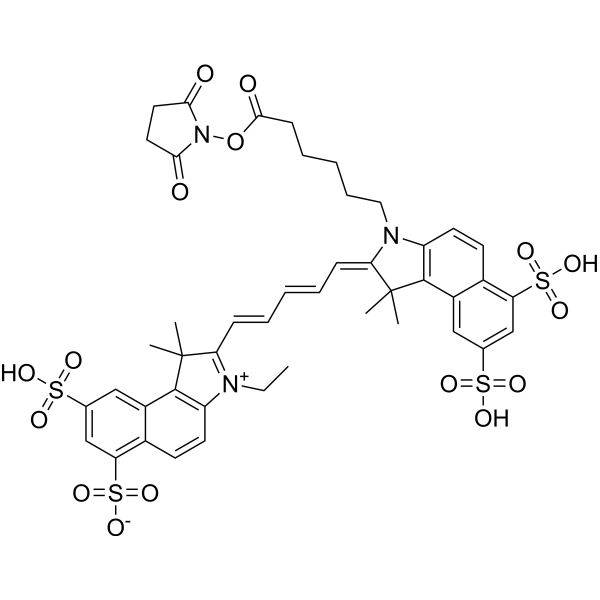
AF647-NHS ester is an analog of Alexa Fluor 647 (AF647). NHS ester can covalently bind to molecules with amino groups (such as proteins, antibodies, etc.). AF647 is a far-red fluorescent dye with an excitation wavelength (λex) of 635 nm (conventional fluorescence detection)/620 nm (instantaneous detection). Storage: Protect from light .
Ethylenediaminetetraacetic acid (EDTA) disodium dehydrate is a kind of metal chelating agent (binds to bivalent and trivalent metal cations, including calcium). Ethylenediaminetetraacetic acid disodium dehydrate has antibacterial, anti-inflammatory, antioxidant, anti-hypercalcemia and anticoagulant activities. Ethylenediaminetetraacetic acid disodium dehydrate decreases the metal ion-catalyzed oxidative damage to proteins, and allows maintenance of reducing environment during protein purification. Ethylenediaminetetraacetic acid disodium dehydrate can alleviate the liver fibrosis. Ethylenediaminetetraacetic acid disodium dehydrate can be used for coronary artery disease and neural system disease research .
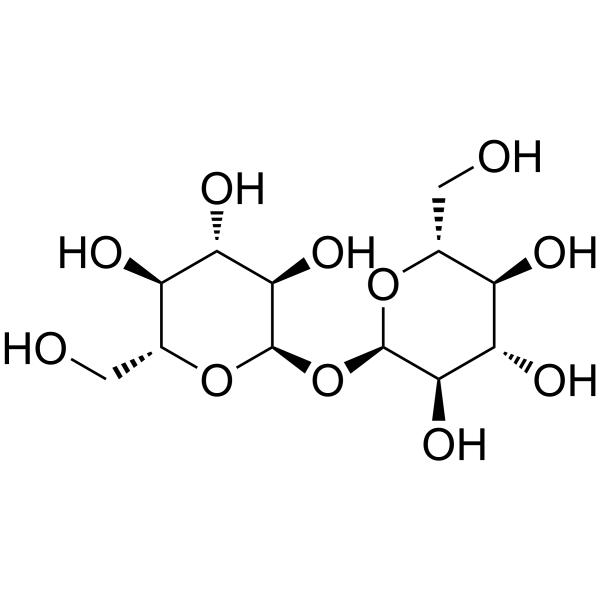
D-Trehalose is a disaccharide formed by a 1,1-glycosidic bond between two α-glucose units and is widely used as a food ingredient and pharmaceutical excipient. D-Trehalose is known to protect and stabilise proteins. For long-term storage, recombinant protein solution should be diluted further with 5% D-Trehalose, Carrier Protein.
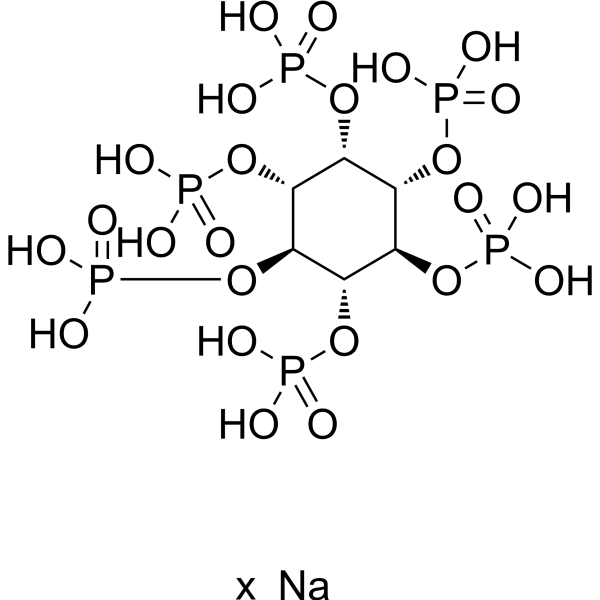
Phytic acid (myo-Inositol; hexakis dihydrogen phosphate; Inositol hexaphosphate) sodium salt is an orally active compound. Phytic acid sodium salt can be derived from the seeds of legumes. Phytic acid sodium salt is a [PO4] 3- storage depot and precursor for other inositol phosphates and pyrophosphates. Phytic acid sodium salt attenuates Aβ oligomers and upregulates autophagyprotein. Phytic acid sodium salt can be used in cardiovascular disease, metabolic disease, nervous system disease and cancer research .
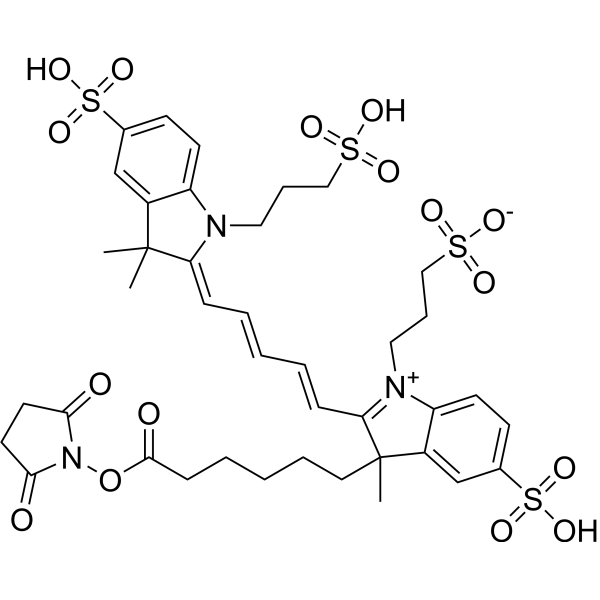
Cy5.5-SE (Cyanine5.5 NHS ester) is a CY dye. CY, short for Cyanine, is a compound consisting of two nitrogen atoms connected by an odd number of methyl units. Cyanine compounds have the characteristics of long wavelength, adjustable absorption and emission, high extinction coefficient, good water solubility and relatively simple synthesis . CY dyes are of en used for the labeling of proteins, antibodies and small molecular compounds. For the labeling of protein antibodies, the combination can be completed through a simple mixing reaction. Below, we introduce the labeling method of protein antibody labeling, which has certain reference significance . Storage: protect from light.
Bovine Serum Albumin (BSA) is a 583 amino acid protein consisting of three homologous full alpha structural domains. BSA is a spherical protein essential for the transport of molecules such as fatty acids, drugs and hormones from the blood. It is used in many biochemical applications as a drug carrier for biologically active compounds. For long-term storage, recombinant protein solution should be diluted further with 0.1% BSA .
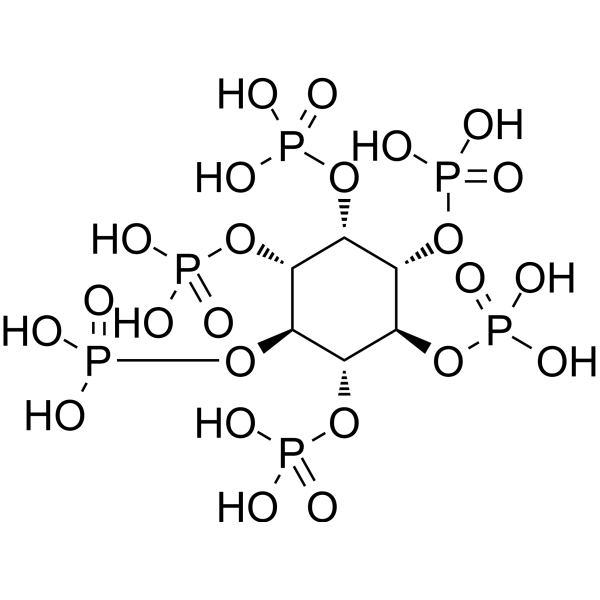
Phytic acid (myo-Inositol; hexakis dihydrogen phosphate; Inositol hexaphosphate) is an orally active compound. Phytic acid can be derived from the seeds of legumes. Phytic acid is a [PO4] 3- storage depot and precursor for other inositol phosphates and pyrophosphates. Phytic acid attenuates Aβ oligomers and upregulates autophagyprotein. Phytic acid can be used in cardiovascular disease, metabolic disease, nervous system disease and cancer research .
Ethylenediaminetetraacetic acid trisodium salt (EDTA trisodium salt; Trisodium EDTA) is a kind of metal chelating agent (binds to bivalent and trivalent metal cations, including calcium). Ethylenediaminetetraacetic acid trisodium salt has antibacterial, anti-inflammatory, antioxidant, anti-hypercalcemia and anticoagulant activities. Ethylenediaminetetraacetic acid trisodium salt decreases the metal ion-catalyzed oxidative damage to proteins, and allows maintenance of reducing environment during protein purification. Ethylenediaminetetraacetic acid trisodium salt can alleviate the liver fibrosis. Ethylenediaminetetraacetic acid can be used for coronary artery disease and neural system disease research .
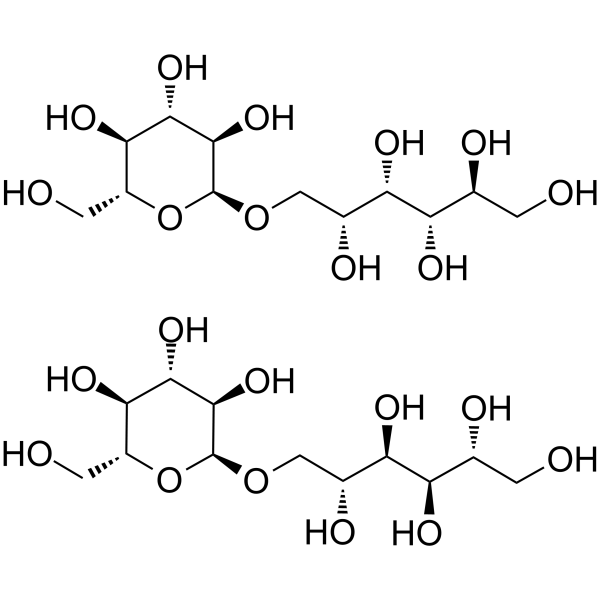
Isomalt (Palatinitol), a well-tolerated, non-toxic polyol and a protein-stabilizing excipient, stabilizes lactate dehydrogenase (LDH) moderately during freeze-drying, and performs better during storage. Isomalt is traditionally used as a sweetening agent in the food industry and as a tabletting excipient for pharmaceutical purposes .
Aspergillopepsin I (Aspergillus acid protease) is a metal-containing aspartic protease that catalyzes the hydrolysis of peptide bonds in soybean 7S globulin, soybean 11S globulin and various proteins, with broad specificity. Aspergillopepsin I is intended for use in wine production, where it hydrolyzes haze-forming proteins into small peptides to prevent turbidity during storage. Aspergillopepsin I can be used in studies related to soybean protein hydrolysis and wine production .
EDTA (Ethylenediaminetetraacetic acid) hydrate sodium is a kind of metal chelating agent (binds to bivalent and trivalent metal cations, including calcium). EDTA hydrate sodium has antibacterial, anti-inflammatory, antioxidant, anti-hypercalcemia and anticoagulant activities. EDTA hydrate sodium decreases the metal ion-catalyzed oxidative damage to proteins, and allows maintenance of reducing environment during protein purification. EDTA hydrate sodium can alleviate the liver fibrosis. Ethylenediaminetetraacetic acid can be used for coronary artery disease and neural system disease research .
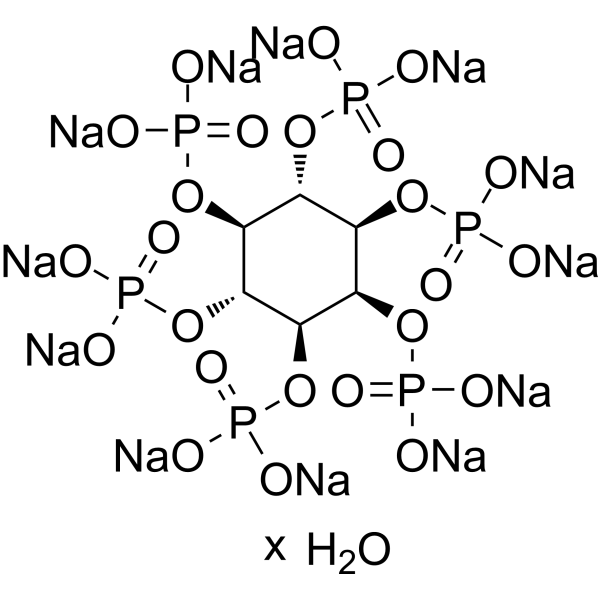
Phytic acid (Inositol hexaphosphate) dodecasodium hydrate is a phosphorus storage compound of seeds and cereal grains. Phytic acid dodecasodium hydrate is known as a food inhibitor, which has a strong ability to chelate multivalent metal ions, specially zinc, calcium, iron and as with protein residue. Phytic acid dodecasodium hydrate inhibits the enzymatic superoxide source xanthine oxidase (XO), and has antioxidative, neuroprotective, anti-inflammatory effects .
LacCer (d18:1/16:0) (C16 Lactosylceramide (d18:1/16:0)) is an endogenous bioactive sphingolipid that can form membrane microdomains with Lyn kinase and the αi subunits of inhibitory G protein-coupled receptors (GPCRs). The levels of LacCer (d18:1/16:0) are elevated in the plasma of insulin-resistant cattle. In a mouse model of Niemann-Pick type C1 disease (a neurodegenerative cholesterol-sphingolipid lysosomal storage disorder), the expression of LacCer (d18:1/16:0) is also upregulated. LacCer (d18:1/16:0) can be used in research on metabolic diseases and neurodegenerative diseases .
Biotin-Lipopolysaccharide, from E.coli O111:B4 (Biotin-LPS, from Escherichia coli (O111:B4)) is a biotin-conjugated Lipopolysaccharide (LPS) (HY-D1056A1) that can be coupled with streptavidin protein. Biotin-Lipopolysaccharide, from E.coli O111:B4 can be used to identify Lipopolysaccharide ligands. Lipopolysaccharides, from E. coli O111:B4 (LPS, from Escherichia coli (O111:B4)) are endotoxins and TLR4 activators extracted from Escherichia coli (E. coli O111:B4) and are classified as S (smooth) type LPS. Lipopolysaccharides, from E. coli O111:B4 possess the typical three-part structure: O-antigen, R3-type core oligosaccharide, and lipid A. Lipopolysaccharides, from E. coli O111:B4 activate TLR-4 in immune cells and can cause significant gastric diseases. Lipopolysaccharides, from E. coli O111:B4 can also induce M1-type polarization in mouse macrophages .
It is recommended to prepare a solution with concentration ≥2 mg/mL. Vortex thoroughly for more than 10 minutes. Due to the adsorption characteristics of LPS, silanized container or low adsorption centrifuge tubes should be used for aliquoting and storage, and mix thoroughly before use.
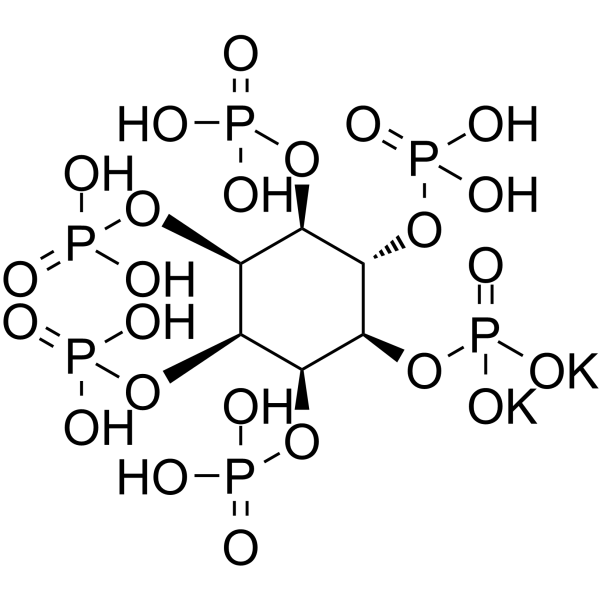
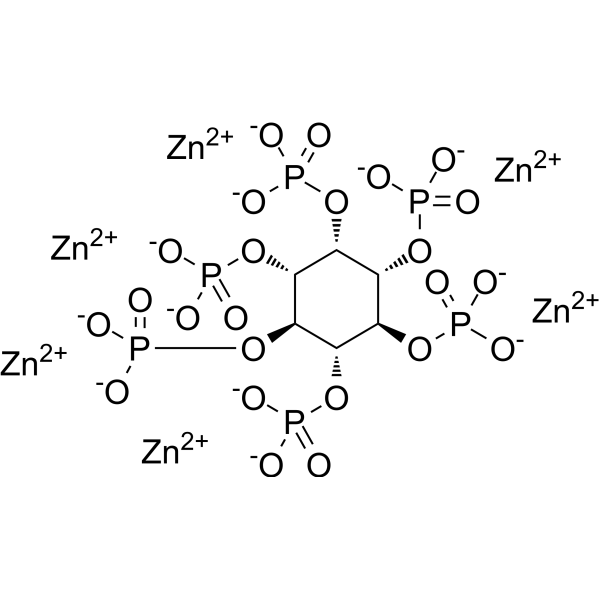
Zinc Phytate (myo-Inositol; hexakis dihydrogen phosphate; Inositol hexaphosphate) is an orally active compound. Zinc Phytate can be derived from the seeds of legumes. Zinc Phytate is a [PO4] 3- storage depot and precursor for other inositol phosphates and pyrophosphates. Zinc Phytate attenuates Aβ oligomers and upregulates autophagyprotein. Zinc Phytate can be used in cardiovascular disease, metabolic disease, nervous system disease and cancer research .
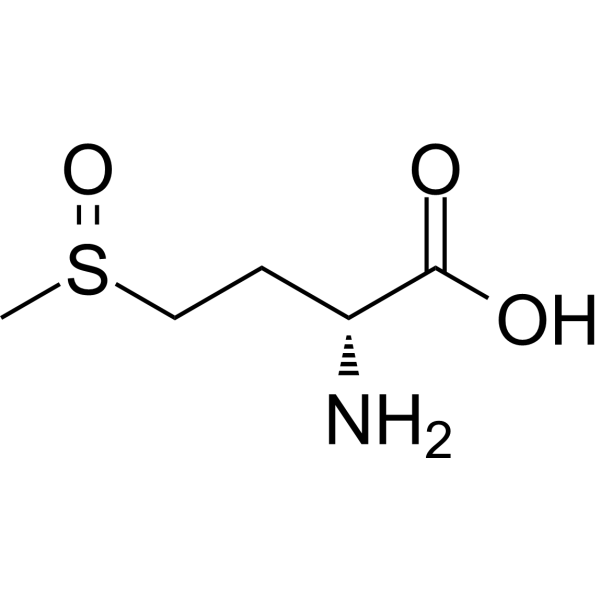
D-methionine sulfoxide is the D-isomer of Methionine sulfoxide. Methionine sulfoxide is an oxidation product of methionine. Methionine is the limiting amino acid in milk or leguminous proteins , which is easily oxidized during the course of storage or processing .
Ethylenediaminetetraacetic acid (EDTA) tetrasodium is a kind of metal chelating agent (binds to bivalent and trivalent metal cations, including calcium). Ethylenediaminetetraacetic acid tetrasodium has antibacterial, anti-inflammatory, antioxidant, anti-hypercalcemia and anticoagulant activities. Ethylenediaminetetraacetic acid tetrasodium decreases the metal ion-catalyzed oxidative damage to proteins, and allows maintenance of reducing environment during protein purification. Ethylenediaminetetraacetic acid tetrasodium can alleviate the liver fibrosis. Ethylenediaminetetraacetic acid tetrasodium can be used for coronary artery disease and neural system disease research .
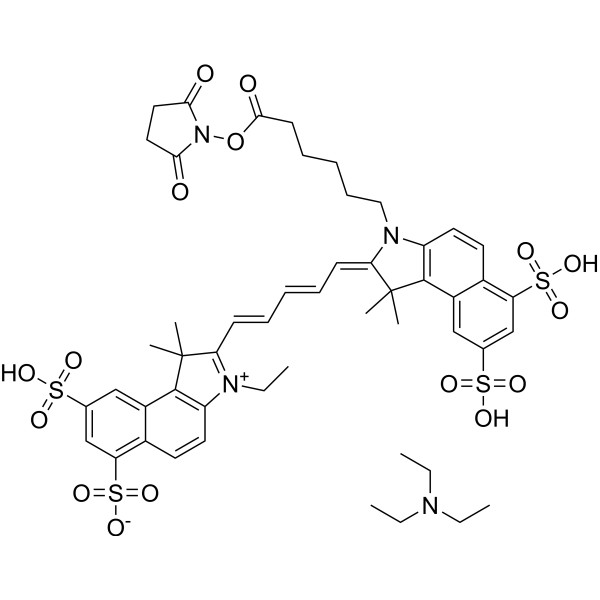
Cy5.5-SE TEA (Cyanine5.5 NHS ester TEA) is a CY dye. CY, short for Cyanine, is a compound consisting of two nitrogen atoms connected by an odd number of methyl units. Cyanine compounds have the characteristics of long wavelength, adjustable absorption and emission, high extinction coefficient, good water solubility and relatively simple synthesis . CY dyes are of en used for the labeling of proteins, antibodies and small molecular compounds. For the labeling of protein antibodies, the combination can be completed through a simple mixing reaction. Below, we introduce the labeling method of protein antibody labeling, which has certain reference significance . Storage: protect from light.
EDTA tetrasodium tetrahydrate is a metal chelator (binds to metal divalent and trivalent cations including calcium), which shows activities of anticoagulant and anti-hypercalcemic. EDTA tetrasodium tetrahydrate decreases the metal ion-catalyzed oxidative damage to proteins, and allows maintenance of reducing environment during protein purification. EDTA tetrasodium tetrahydrate can also decrease the formation of disulfide bonds .
EDTA dihydrate tripotassium (Ethylenediaminetetraacetic acid dihydrate tripotassium) is a kind of metal chelating agent (binds to bivalent and trivalent metal cations, including calcium). EDTA dihydrate tripotassium has antibacterial, anti-inflammatory, antioxidant, anti-hypercalcemia and anticoagulant activities. EDTA dihydrate tripotassium decreases the metal ion-catalyzed oxidative damage to proteins, and allows maintenance of reducing environment during protein purification. EDTA dihydrate tripotassium can alleviate the liver fibrosis. EDTA dihydrate tripotassium can be used for coronary artery disease and neural system disease research .
Ethylenediaminetetraacetic acid (EDTA) sodium hydrate is a kind of metal chelating agent (binds to bivalent and trivalent metal cations, including calcium). Ethylenediaminetetraacetic acid sodium hydrate has antibacterial, anti-inflammatory, antioxidant, anti-hypercalcemia and anticoagulant activities. Ethylenediaminetetraacetic acid sodium hydrate decreases the metal ion-catalyzed oxidative damage to proteins, and allows maintenance of reducing environment during protein purification. Ethylenediaminetetraacetic acid sodium hydrate can alleviate the liver fibrosis. Ethylenediaminetetraacetic acid sodium hydrate can be used for coronary artery disease and neural system disease research .
N-Boc-3-hydroxy-1,2,3,6-tetrahydropyridine can increase the activity of β-glucocerebrosidase by 20%. N-Boc-3-hydroxy-1,2,3,6-tetrahydropyridine can be used in the study of lysosomal storage diseases and other proteinstorage diseases .
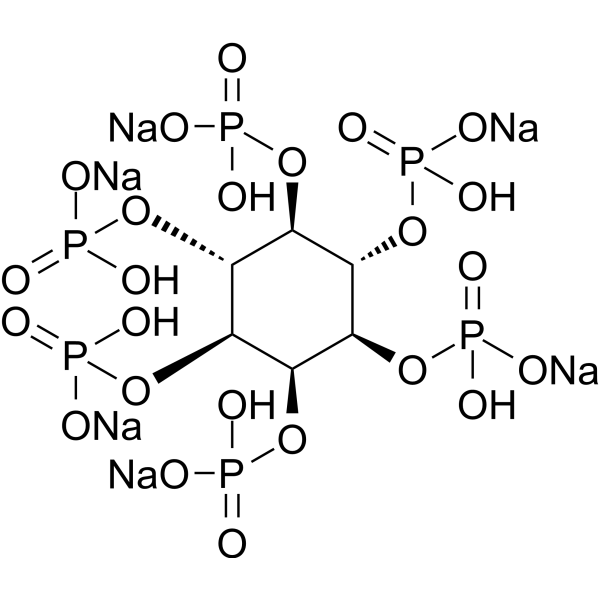
Phytic acid (Inositol hexaphosphate) hexasodium is a phosphorus storage compound of seeds and cereal grains. Phytic acid hexasodium has a strong ability to chelate multivalent metal ions, specially zinc, calcium, iron and as with protein residue. Phytic acid hexasodium inhibits the enzymatic superoxide source xanthine oxidase (XO), and has antioxidative, neuroprotective, anti-inflammatory effects.
Ethylenediaminetetraacetic acid (trisodium salt) (Standard) is the analytical standard of Ethylenediaminetetraacetic acid (trisodium salt). This product is intended for research and analytical applications. Ethylenediaminetetraacetic acid trisodium salt (EDTA trisodium salt; Trisodium EDTA) is a kind of metal chelating agent (binds to bivalent and trivalent metal cations, including calcium). Ethylenediaminetetraacetic acid trisodium salt has antibacterial, anti-inflammatory, antioxidant, anti-hypercalcemia and anticoagulant activities. Ethylenediaminetetraacetic acid trisodium salt decreases the metal ion-catalyzed oxidative damage to proteins, and allows maintenance of reducing environment during protein purification. Ethylenediaminetetraacetic acid trisodium salt can alleviate the liver fibrosis. Ethylenediaminetetraacetic acid can be used for coronary artery disease and neural system disease research .
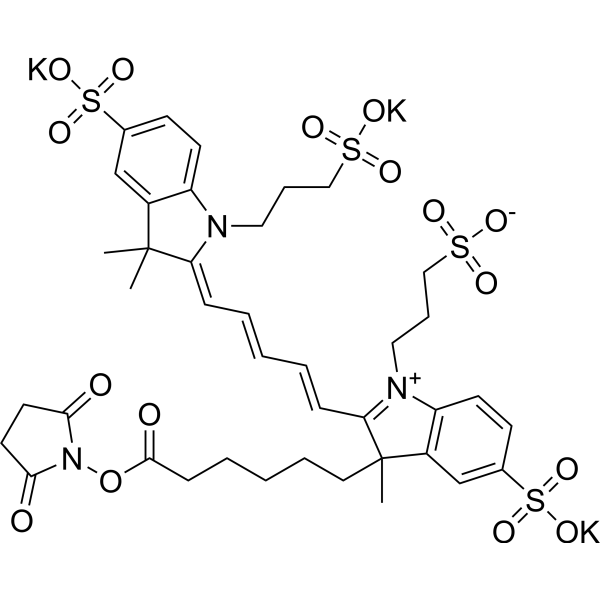
AF647-NHS ester tripotassium is an analogue of Alexa Fluor 647 (AF647) (HY-D1119). NHS ester can covalently bind to molecules with amino groups (such as proteins, antibodies, etc.). AF647 is a bright, far-red fluorescent dye with an excitation wavelength (λex) of 635 nm (conventional fluorescence detection)/620 nm (instantaneous detection). Storage: protect from light .
LacCer (d18:1/16:0) (C16 Lactosylceramide (d18:1/16:0))-d3 is the deuterium labeled LacCer (d18:1/16:0) (HY-153830). LacCer (d18:1/16:0) is an endogenous bioactive sphingolipid that can form membrane microdomains with Lyn kinase and the αi subunits of inhibitory G protein-coupled receptors (GPCRs). LacCer (d18:1/16:0) are elevated in the plasma of insulin-resistant cattle. LacCer (d18:1/16:0) is also upregulated in a mouse model of Niemann-Pick type C1 disease (a neurodegenerative cholesterol-sphingolipid lysosomal storage disorder). LacCer (d18:1/16:0) can be used in research on metabolic diseases and neurodegenerative diseases .
D-methionine sulfoxide hydrochloride is the D-isomer of Methionine sulfoxide hydrochloride. Methionine sulfoxide is an oxidation product of methionine. Methionine is the limiting amino acid in milk or leguminous proteins, which is easily oxidized during the course of storage or processing .
Isomalt (Standard) is the analytical standard of Isomalt. This product is intended for research and analytical applications. Isomalt (Palatinitol), a well-tolerated, non-toxic polyol and a protein-stabilizing excipient, stabilizes lactate dehydrogenase (LDH) moderately during freeze-drying, and performs better during storage. Isomalt is traditionally used as a sweetening agent in the food industry and as a tabletting excipient for pharmaceutical purposes .
Ethylenediaminetetraacetic acid (Standard) is the analytical standard of Ethylenediaminetetraacetic acid. This product is intended for research and analytical applications. Ethylenediaminetetraacetic acid (EDTA) is a kind of metal chelating agent (binds to bivalent and trivalent metal cations, including calcium). Ethylenediaminetetraacetic acid has antibacterial, anti-inflammatory, antioxidant, anti-hypercalcemia and anticoagulant activities. Ethylenediaminetetraacetic acid decreases the metal ion-catalyzed oxidative damage to proteins, and allows maintenance of reducing environment during protein purification. Ethylenediaminetetraacetic acid can alleviate the liver fibrosis. Ethylenediaminetetraacetic acid can be used for coronary artery disease and neural system disease research [4] .
Ethylenediaminetetraacetic acid (disodium dihydrate) (Standard) is the analytical standard of Ethylenediaminetetraacetic acid (disodium dihydrate). This product is intended for research and analytical applications. Ethylenediaminetetraacetic acid (EDTA) disodium dehydrate is a kind of metal chelating agent (binds to bivalent and trivalent metal cations, including calcium). Ethylenediaminetetraacetic acid disodium dehydrate has antibacterial, anti-inflammatory, antioxidant, anti-hypercalcemia and anticoagulant activities. Ethylenediaminetetraacetic acid disodium dehydrate decreases the metal ion-catalyzed oxidative damage to proteins, and allows maintenance of reducing environment during protein purification. Ethylenediaminetetraacetic acid disodium dehydrate can alleviate the liver fibrosis. Ethylenediaminetetraacetic acid disodium dehydrate can be used for coronary artery disease and neural system disease research [4] .
AF647-NHS ester (trisodium) is an analogue of Alexa Fluor 647 (AF647) (HY-D1119). NHS ester can covalently bind to molecules with amino groups (such as proteins, antibodies, etc.). AF647 is a bright, far-red fluorescent dye with an excitation wavelength (λex) of 635 nm (conventional fluorescence detection)/620 nm (instantaneous detection). Storage: protect from light .
(-)-Phaselic acid is a protein protectant that can be isolated from red clover (Trifolium pratense) leaves. (-)-Phaselic acid is synthesized through an acyl transfer reaction between caffeoyl-CoA and malic acid catalyzed by the HCT2 enzyme. As a substrate for endogenous polyphenol oxidase (PPO), its oxidation to o-quinone can inhibit protein degradation during forage storage. (-)-Phaselic acid can be used to improve the protein preservation performance of forage crops such as alfalfa, reducing nutritional losses during storage and environmental nitrogen pollution .
Tetrakis (hydroxymethyl) phosphonium sulfate is a protein crosslinker and hydrogel modifier. Tetrakis (hydroxymethyl) phosphonium sulfate covalently binds to primary and secondary amines of amino acids or proteins via a Mannich-type reaction, thereby constructing stable crosslinking bonds between protein molecules. Tetrakis (hydroxymethyl) phosphonium sulfate not only regulates the gelation time and storage modulus of recombinant elastin-like protein hydrogels, but also exhibits excellent cytocompatibility, and supports the differentiation and growth of embryonic stem cells and neural cells in a three-dimensional encapsulation environment. Tetrakis (hydroxymethyl) phosphonium sulfate is suitable for protein-based hydrogel systems, especially for applications related to cell encapsulation .
Phytic acid (Inositol hexaphosphate hexalithium) hexalithium is an orally active compound. Phytic acid hexalithium can be derived from the seeds of legumes. Phytic acid is a [PO4] 3- storage depot and precursor for other inositol phosphates and pyrophosphates. Phytic acid hexalithium attenuates Aβ oligomers and upregulates Autophagyprotein. Phytic acid hexalithium can be used in cardiovascular disease, metabolic disease, nervous system disease and cancer research .
β-Mannosidase, Streptomyces coelicolor (EC 3.2.1.25) catalyses the following chemical reaction:Hydrolysis of terminal, non-reducing beta-D-mannose residues in beta-D-mannosides. This gene encodes a member of the glycosyl hydrolase 2 family. The encoded protein localizes to the lysosome where it is the final exoglycosidase in the pathway for N-linked glycoprotein oligosaccharide catabolism. Mutations in this gene are associated with beta-mannosidosis, a lysosomal storage disease that has a wide spectrum of neurological involvement.
Humulinone is a foam-enhancing agent. Humulinone interacts with Protein Z, with a binding constant of 1.64 × 10 5 M -1. Humulinone improves the foamability, foam stability and foam texture of Protein Z. Humulinone can be used in beer research .
AF647-NHS ester is an analog of Alexa Fluor 647 (AF647). NHS ester can covalently bind to molecules with amino groups (such as proteins, antibodies, etc.). AF647 is a far-red fluorescent dye with an excitation wavelength (λex) of 635 nm (conventional fluorescence detection)/620 nm (instantaneous detection). Storage: Protect from light .
Cy5.5-SE (Cyanine5.5 NHS ester) is a CY dye. CY, short for Cyanine, is a compound consisting of two nitrogen atoms connected by an odd number of methyl units. Cyanine compounds have the characteristics of long wavelength, adjustable absorption and emission, high extinction coefficient, good water solubility and relatively simple synthesis . CY dyes are of en used for the labeling of proteins, antibodies and small molecular compounds. For the labeling of protein antibodies, the combination can be completed through a simple mixing reaction. Below, we introduce the labeling method of protein antibody labeling, which has certain reference significance . Storage: protect from light.
Cy5.5-SE TEA (Cyanine5.5 NHS ester TEA) is a CY dye. CY, short for Cyanine, is a compound consisting of two nitrogen atoms connected by an odd number of methyl units. Cyanine compounds have the characteristics of long wavelength, adjustable absorption and emission, high extinction coefficient, good water solubility and relatively simple synthesis . CY dyes are of en used for the labeling of proteins, antibodies and small molecular compounds. For the labeling of protein antibodies, the combination can be completed through a simple mixing reaction. Below, we introduce the labeling method of protein antibody labeling, which has certain reference significance . Storage: protect from light.
AF647-NHS ester tripotassium is an analogue of Alexa Fluor 647 (AF647) (HY-D1119). NHS ester can covalently bind to molecules with amino groups (such as proteins, antibodies, etc.). AF647 is a bright, far-red fluorescent dye with an excitation wavelength (λex) of 635 nm (conventional fluorescence detection)/620 nm (instantaneous detection). Storage: protect from light .
AF647-NHS ester (trisodium) is an analogue of Alexa Fluor 647 (AF647) (HY-D1119). NHS ester can covalently bind to molecules with amino groups (such as proteins, antibodies, etc.). AF647 is a bright, far-red fluorescent dye with an excitation wavelength (λex) of 635 nm (conventional fluorescence detection)/620 nm (instantaneous detection). Storage: protect from light .
Ethylenediaminetetraacetic acid (EDTA) is a kind of metal chelating agent (binds to bivalent and trivalent metal cations, including calcium). Ethylenediaminetetraacetic acid has antibacterial, anti-inflammatory, antioxidant, anti-hypercalcemia and anticoagulant activities. Ethylenediaminetetraacetic acid decreases the metal ion-catalyzed oxidative damage to proteins, and allows maintenance of reducing environment during protein purification. Ethylenediaminetetraacetic acid can alleviate the liver fibrosis. Ethylenediaminetetraacetic acid can be used for coronary artery disease and neural system disease research .
Ethylenediaminetetraacetic acid (EDTA) disodium dehydrate is a kind of metal chelating agent (binds to bivalent and trivalent metal cations, including calcium). Ethylenediaminetetraacetic acid disodium dehydrate has antibacterial, anti-inflammatory, antioxidant, anti-hypercalcemia and anticoagulant activities. Ethylenediaminetetraacetic acid disodium dehydrate decreases the metal ion-catalyzed oxidative damage to proteins, and allows maintenance of reducing environment during protein purification. Ethylenediaminetetraacetic acid disodium dehydrate can alleviate the liver fibrosis. Ethylenediaminetetraacetic acid disodium dehydrate can be used for coronary artery disease and neural system disease research .
Bovine Serum Albumin (BSA) is a 583 amino acid protein consisting of three homologous full alpha structural domains. BSA is a spherical protein essential for the transport of molecules such as fatty acids, drugs and hormones from the blood. It is used in many biochemical applications as a drug carrier for biologically active compounds. For long-term storage, recombinant protein solution should be diluted further with 0.1% BSA .
EDTA (Ethylenediaminetetraacetic acid) hydrate sodium is a kind of metal chelating agent (binds to bivalent and trivalent metal cations, including calcium). EDTA hydrate sodium has antibacterial, anti-inflammatory, antioxidant, anti-hypercalcemia and anticoagulant activities. EDTA hydrate sodium decreases the metal ion-catalyzed oxidative damage to proteins, and allows maintenance of reducing environment during protein purification. EDTA hydrate sodium can alleviate the liver fibrosis. Ethylenediaminetetraacetic acid can be used for coronary artery disease and neural system disease research .
Biotin-Lipopolysaccharide, from E.coli O111:B4 (Biotin-LPS, from Escherichia coli (O111:B4)) is a biotin-conjugated Lipopolysaccharide (LPS) (HY-D1056A1) that can be coupled with streptavidin protein. Biotin-Lipopolysaccharide, from E.coli O111:B4 can be used to identify Lipopolysaccharide ligands. Lipopolysaccharides, from E. coli O111:B4 (LPS, from Escherichia coli (O111:B4)) are endotoxins and TLR4 activators extracted from Escherichia coli (E. coli O111:B4) and are classified as S (smooth) type LPS. Lipopolysaccharides, from E. coli O111:B4 possess the typical three-part structure: O-antigen, R3-type core oligosaccharide, and lipid A. Lipopolysaccharides, from E. coli O111:B4 activate TLR-4 in immune cells and can cause significant gastric diseases. Lipopolysaccharides, from E. coli O111:B4 can also induce M1-type polarization in mouse macrophages .
It is recommended to prepare a solution with concentration ≥2 mg/mL. Vortex thoroughly for more than 10 minutes. Due to the adsorption characteristics of LPS, silanized container or low adsorption centrifuge tubes should be used for aliquoting and storage, and mix thoroughly before use.
EDTA dihydrate tripotassium (Ethylenediaminetetraacetic acid dihydrate tripotassium) is a kind of metal chelating agent (binds to bivalent and trivalent metal cations, including calcium). EDTA dihydrate tripotassium has antibacterial, anti-inflammatory, antioxidant, anti-hypercalcemia and anticoagulant activities. EDTA dihydrate tripotassium decreases the metal ion-catalyzed oxidative damage to proteins, and allows maintenance of reducing environment during protein purification. EDTA dihydrate tripotassium can alleviate the liver fibrosis. EDTA dihydrate tripotassium can be used for coronary artery disease and neural system disease research .
Ethylenediaminetetraacetic acid (EDTA) sodium hydrate is a kind of metal chelating agent (binds to bivalent and trivalent metal cations, including calcium). Ethylenediaminetetraacetic acid sodium hydrate has antibacterial, anti-inflammatory, antioxidant, anti-hypercalcemia and anticoagulant activities. Ethylenediaminetetraacetic acid sodium hydrate decreases the metal ion-catalyzed oxidative damage to proteins, and allows maintenance of reducing environment during protein purification. Ethylenediaminetetraacetic acid sodium hydrate can alleviate the liver fibrosis. Ethylenediaminetetraacetic acid sodium hydrate can be used for coronary artery disease and neural system disease research .
Ethylenediaminetetraacetic acid (Standard) is the analytical standard of Ethylenediaminetetraacetic acid. This product is intended for research and analytical applications. Ethylenediaminetetraacetic acid (EDTA) is a kind of metal chelating agent (binds to bivalent and trivalent metal cations, including calcium). Ethylenediaminetetraacetic acid has antibacterial, anti-inflammatory, antioxidant, anti-hypercalcemia and anticoagulant activities. Ethylenediaminetetraacetic acid decreases the metal ion-catalyzed oxidative damage to proteins, and allows maintenance of reducing environment during protein purification. Ethylenediaminetetraacetic acid can alleviate the liver fibrosis. Ethylenediaminetetraacetic acid can be used for coronary artery disease and neural system disease research [4] .
Ethylenediaminetetraacetic acid (disodium dihydrate) (Standard) is the analytical standard of Ethylenediaminetetraacetic acid (disodium dihydrate). This product is intended for research and analytical applications. Ethylenediaminetetraacetic acid (EDTA) disodium dehydrate is a kind of metal chelating agent (binds to bivalent and trivalent metal cations, including calcium). Ethylenediaminetetraacetic acid disodium dehydrate has antibacterial, anti-inflammatory, antioxidant, anti-hypercalcemia and anticoagulant activities. Ethylenediaminetetraacetic acid disodium dehydrate decreases the metal ion-catalyzed oxidative damage to proteins, and allows maintenance of reducing environment during protein purification. Ethylenediaminetetraacetic acid disodium dehydrate can alleviate the liver fibrosis. Ethylenediaminetetraacetic acid disodium dehydrate can be used for coronary artery disease and neural system disease research [4] .
Phytic acid (myo-Inositol; hexakis dihydrogen phosphate; Inositol hexaphosphate) sodium salt is an orally active compound. Phytic acid sodium salt can be derived from the seeds of legumes. Phytic acid sodium salt is a [PO4] 3- storage depot and precursor for other inositol phosphates and pyrophosphates. Phytic acid sodium salt attenuates Aβ oligomers and upregulates autophagyprotein. Phytic acid sodium salt can be used in cardiovascular disease, metabolic disease, nervous system disease and cancer research .
Phytic acid (myo-Inositol; hexakis dihydrogen phosphate; Inositol hexaphosphate) is an orally active compound. Phytic acid can be derived from the seeds of legumes. Phytic acid is a [PO4] 3- storage depot and precursor for other inositol phosphates and pyrophosphates. Phytic acid attenuates Aβ oligomers and upregulates autophagyprotein. Phytic acid can be used in cardiovascular disease, metabolic disease, nervous system disease and cancer research .
Isomalt (Palatinitol), a well-tolerated, non-toxic polyol and a protein-stabilizing excipient, stabilizes lactate dehydrogenase (LDH) moderately during freeze-drying, and performs better during storage. Isomalt is traditionally used as a sweetening agent in the food industry and as a tabletting excipient for pharmaceutical purposes .
Phytic acid (Inositol hexaphosphate) dodecasodium hydrate is a phosphorus storage compound of seeds and cereal grains. Phytic acid dodecasodium hydrate is known as a food inhibitor, which has a strong ability to chelate multivalent metal ions, specially zinc, calcium, iron and as with protein residue. Phytic acid dodecasodium hydrate inhibits the enzymatic superoxide source xanthine oxidase (XO), and has antioxidative, neuroprotective, anti-inflammatory effects .
LacCer (d18:1/16:0) (C16 Lactosylceramide (d18:1/16:0)) is an endogenous bioactive sphingolipid that can form membrane microdomains with Lyn kinase and the αi subunits of inhibitory G protein-coupled receptors (GPCRs). The levels of LacCer (d18:1/16:0) are elevated in the plasma of insulin-resistant cattle. In a mouse model of Niemann-Pick type C1 disease (a neurodegenerative cholesterol-sphingolipid lysosomal storage disorder), the expression of LacCer (d18:1/16:0) is also upregulated. LacCer (d18:1/16:0) can be used in research on metabolic diseases and neurodegenerative diseases .
Zinc Phytate (myo-Inositol; hexakis dihydrogen phosphate; Inositol hexaphosphate) is an orally active compound. Zinc Phytate can be derived from the seeds of legumes. Zinc Phytate is a [PO4] 3- storage depot and precursor for other inositol phosphates and pyrophosphates. Zinc Phytate attenuates Aβ oligomers and upregulates autophagyprotein. Zinc Phytate can be used in cardiovascular disease, metabolic disease, nervous system disease and cancer research .
D-methionine sulfoxide is the D-isomer of Methionine sulfoxide. Methionine sulfoxide is an oxidation product of methionine. Methionine is the limiting amino acid in milk or leguminous proteins , which is easily oxidized during the course of storage or processing .
Phytic acid (Inositol hexaphosphate) hexasodium is a phosphorus storage compound of seeds and cereal grains. Phytic acid hexasodium has a strong ability to chelate multivalent metal ions, specially zinc, calcium, iron and as with protein residue. Phytic acid hexasodium inhibits the enzymatic superoxide source xanthine oxidase (XO), and has antioxidative, neuroprotective, anti-inflammatory effects.
Isomalt (Standard) is the analytical standard of Isomalt. This product is intended for research and analytical applications. Isomalt (Palatinitol), a well-tolerated, non-toxic polyol and a protein-stabilizing excipient, stabilizes lactate dehydrogenase (LDH) moderately during freeze-drying, and performs better during storage. Isomalt is traditionally used as a sweetening agent in the food industry and as a tabletting excipient for pharmaceutical purposes .
(-)-Phaselic acid is a protein protectant that can be isolated from red clover (Trifolium pratense) leaves. (-)-Phaselic acid is synthesized through an acyl transfer reaction between caffeoyl-CoA and malic acid catalyzed by the HCT2 enzyme. As a substrate for endogenous polyphenol oxidase (PPO), its oxidation to o-quinone can inhibit protein degradation during forage storage. (-)-Phaselic acid can be used to improve the protein preservation performance of forage crops such as alfalfa, reducing nutritional losses during storage and environmental nitrogen pollution .
Humulinone is a foam-enhancing agent. Humulinone interacts with Protein Z, with a binding constant of 1.64 × 10 5 M -1. Humulinone improves the foamability, foam stability and foam texture of Protein Z. Humulinone can be used in beer research .
LacCer (d18:1/16:0) (C16 Lactosylceramide (d18:1/16:0))-d3 is the deuterium labeled LacCer (d18:1/16:0) (HY-153830). LacCer (d18:1/16:0) is an endogenous bioactive sphingolipid that can form membrane microdomains with Lyn kinase and the αi subunits of inhibitory G protein-coupled receptors (GPCRs). LacCer (d18:1/16:0) are elevated in the plasma of insulin-resistant cattle. LacCer (d18:1/16:0) is also upregulated in a mouse model of Niemann-Pick type C1 disease (a neurodegenerative cholesterol-sphingolipid lysosomal storage disorder). LacCer (d18:1/16:0) can be used in research on metabolic diseases and neurodegenerative diseases .
Ethylenediaminetetraacetic acid (EDTA) disodium dehydrate is a kind of metal chelating agent (binds to bivalent and trivalent metal cations, including calcium). Ethylenediaminetetraacetic acid disodium dehydrate has antibacterial, anti-inflammatory, antioxidant, anti-hypercalcemia and anticoagulant activities. Ethylenediaminetetraacetic acid disodium dehydrate decreases the metal ion-catalyzed oxidative damage to proteins, and allows maintenance of reducing environment during protein purification. Ethylenediaminetetraacetic acid disodium dehydrate can alleviate the liver fibrosis. Ethylenediaminetetraacetic acid disodium dehydrate can be used for coronary artery disease and neural system disease research .
Inquiry Online
Your information is safe with us. * Required Fields.
Western blot analysis of extracts from THP-1(lane 2(20μg), Jurkat (lane 3(20μg) and NIH3T3(lane 4(20μg) using FOXO1A (HY-P80132) Rabbit mAb. Proteins were transferred
to a PVDF membrane and blocked with 5% non-fat milk in TBST for 2 hour at room temperature. The primary antibody (1/1000) and Loading control antibody (Beta Actin, HY-P80438, 1/10000) was
used in 5% non-fat milk in TBST at 4°C overnight. Goat Anti-Mouse/Rabbit IgG-HRP Secondary Antibody (1/10000) was used for 1 hour at room temperature.
Western blot analysis of extracts from THP-1(lane 2(20μg), Jurkat (lane 3(20μg) and NIH3T3(lane 4(20μg) using FOXO1A (HY-P80132) Rabbit mAb. Proteins were transferred
to a PVDF membrane and blocked with 5% non-fat milk in TBST for 2 hour at room temperature. The primary antibody (1/1000) and Loading control antibody (Beta Actin, HY-P80438, 1/10000) was
used in 5% non-fat milk in TBST at 4°C overnight. Goat Anti-Mouse/Rabbit IgG-HRP Secondary Antibody (1/10000) was used for 1 hour at room temperature.
Western blot analysis of extracts from THP-1(lane 2(20μg), Jurkat (lane 3(20μg) and NIH3T3(lane 4(20μg) using FOXO1A (HY-P80132) Rabbit mAb. Proteins were transferred
to a PVDF membrane and blocked with 5% non-fat milk in TBST for 2 hour at room temperature. The primary antibody (1/1000) and Loading control antibody (Beta Actin, HY-P80438, 1/10000) was
used in 5% non-fat milk in TBST at 4°C overnight. Goat Anti-Mouse/Rabbit IgG-HRP Secondary Antibody (1/10000) was used for 1 hour at room temperature.
Western blot analysis of extracts from THP-1(lane 2(20μg), Jurkat (lane 3(20μg) and NIH3T3(lane 4(20μg) using FOXO1A (HY-P80132) Rabbit mAb. Proteins were transferred
to a PVDF membrane and blocked with 5% non-fat milk in TBST for 2 hour at room temperature. The primary antibody (1/1000) and Loading control antibody (Beta Actin, HY-P80438, 1/10000) was
MedchemExpress Validation 03
Western blot analysis of extracts from THP-1(lane 2(20μg), Jurkat (lane 3(20μg) and NIH3T3(lane 4(20μg) using FOXO1A (HY-P80132) Rabbit mAb. Proteins were transferred
MedchemExpress Validation 04
Western blot analysis of extracts from THP-1(lane 2(20μg), Jurkat (lane 3(20μg) and NIH3T3(lane 4(20μg) using FOXO1A (HY-P80132) Rabbit mAb. Proteins were transferred
to a PVDF membrane and blocked with 5% non-fat milk in TBST for 2 hour at room temperature. The primary antibody (1/1000) and Loading control antibody (Beta Actin, HY-P80438, 1/10000) was
used in 5% non-fat milk in TBST at 4°C overnight. Goat Anti-Mouse/Rabbit IgG-HRP Secondary Antibody (1/10000) was used for 1 hour at room temperature.
MedchemExpress Validation
Western blot analysis of extracts from THP-1(lane 2(20μg), Jurkat (lane 3(20μg) and NIH3T3(lane 4(20μg) using FOXO1A (HY-P80132) Rabbit mAb. Proteins were transferred
to a PVDF membrane and blocked with 5% non-fat milk in TBST for 2 hour at room temperature. The primary antibody (1/1000) and Loading control antibody (Beta Actin, HY-P80438, 1/10000) was
used in 5% non-fat milk in TBST at 4°C overnight. Goat Anti-Mouse/Rabbit IgG-HRP Secondary Antibody (1/10000) was used for 1 hour at room temperature.
Western blot analysis of extracts from THP-1(lane 2(20μg), Jurkat (lane 3(20μg) and NIH3T3(lane 4(20μg) using FOXO1A (HY-P80132) Rabbit mAb. Proteins were transferred
to a PVDF membrane and blocked with 5% non-fat milk in TBST for 2 hour at room temperature. The primary antibody (1/1000) and Loading control antibody (Beta Actin, HY-P80438, 1/10000) was
used in 5% non-fat milk in TBST at 4°C overnight. Goat Anti-Mouse/Rabbit IgG-HRP Secondary Antibody (1/10000) was used for 1 hour at room temperature.
MedchemExpress Validation
Western blot analysis of extracts from THP-1(lane 2(20μg), Jurkat (lane 3(20μg) and NIH3T3(lane 4(20μg) using FOXO1A (HY-P80132) Rabbit mAb. Proteins were transferred
to a PVDF membrane and blocked with 5% non-fat milk in TBST for 2 hour at room temperature. The primary antibody (1/1000) and Loading control antibody (Beta Actin, HY-P80438, 1/10000) was
used in 5% non-fat milk in TBST at 4°C overnight. Goat Anti-Mouse/Rabbit IgG-HRP Secondary Antibody (1/10000) was used for 1 hour at room temperature.
MedchemExpress Validation
Western blot analysis of extracts from THP-1(lane 2(20μg), Jurkat (lane 3(20μg) and NIH3T3(lane 4(20μg) using FOXO1A (HY-P80132) Rabbit mAb. Proteins were transferred
to a PVDF membrane and blocked with 5% non-fat milk in TBST for 2 hour at room temperature. The primary antibody (1/1000) and Loading control antibody (Beta Actin, HY-P80438, 1/10000) was
used in 5% non-fat milk in TBST at 4°C overnight. Goat Anti-Mouse/Rabbit IgG-HRP Secondary Antibody (1/10000) was used for 1 hour at room temperature.
MedchemExpress Validation
Western blot analysis of extracts from THP-1(lane 2(20μg), Jurkat (lane 3(20μg) and NIH3T3(lane 4(20μg) using FOXO1A (HY-P80132) Rabbit mAb. Proteins were transferred
to a PVDF membrane and blocked with 5% non-fat milk in TBST for 2 hour at room temperature. The primary antibody (1/1000) and Loading control antibody (Beta Actin, HY-P80438, 1/10000) was
used in 5% non-fat milk in TBST at 4°C overnight. Goat Anti-Mouse/Rabbit IgG-HRP Secondary Antibody (1/10000) was used for 1 hour at room temperature.
MedchemExpress Validation
Western blot analysis of extracts from THP-1(lane 2(20μg), Jurkat (lane 3(20μg) and NIH3T3(lane 4(20μg) using FOXO1A (HY-P80132) Rabbit mAb. Proteins were transferred
to a PVDF membrane and blocked with 5% non-fat milk in TBST for 2 hour at room temperature. The primary antibody (1/1000) and Loading control antibody (Beta Actin, HY-P80438, 1/10000) was
used in 5% non-fat milk in TBST at 4°C overnight. Goat Anti-Mouse/Rabbit IgG-HRP Secondary Antibody (1/10000) was used for 1 hour at room temperature.
MedchemExpress Validation
Western blot analysis of extracts from THP-1(lane 2(20μg), Jurkat (lane 3(20μg) and NIH3T3(lane 4(20μg) using FOXO1A (HY-P80132) Rabbit mAb. Proteins were transferred
to a PVDF membrane and blocked with 5% non-fat milk in TBST for 2 hour at room temperature. The primary antibody (1/1000) and Loading control antibody (Beta Actin, HY-P80438, 1/10000) was
used in 5% non-fat milk in TBST at 4°C overnight. Goat Anti-Mouse/Rabbit IgG-HRP Secondary Antibody (1/10000) was used for 1 hour at room temperature.
MedchemExpress Validation
Western blot analysis of extracts from THP-1(lane 2(20μg), Jurkat (lane 3(20μg) and NIH3T3(lane 4(20μg) using FOXO1A (HY-P80132) Rabbit mAb. Proteins were transferred
to a PVDF membrane and blocked with 5% non-fat milk in TBST for 2 hour at room temperature. The primary antibody (1/1000) and Loading control antibody (Beta Actin, HY-P80438, 1/10000) was
used in 5% non-fat milk in TBST at 4°C overnight. Goat Anti-Mouse/Rabbit IgG-HRP Secondary Antibody (1/10000) was used for 1 hour at room temperature.
MedChemExpress values your privacy and your trust is important to us. We use cookies to enhance your website experience. Some cookies are necessary to run the website.
Privacy and Cookie Policy

