1. Search Result
Search Result
Results for "

ROS accumulation

" in MedChemExpress (MCE) Product Catalog:

196

Inhibitors & Agonists

1

Screening Libraries

7

Biochemical Assay Reagents

7

Peptides

50

Natural
Products

14

Isotope-Labeled Compounds

2

Click Chemistry

1

Oligonucleotides

Cat. No. Product Name Target Research Areas Chemical Structure
  • HY-N0176
    Dihydroartemisinin
    Maximum Cited Publications
    45 Publications Verification

    Dihydroqinghaosu; β-Dihydroartemisinin; Artenimol

    Parasite NF-κB Autophagy Reactive Oxygen Species (ROS) Drug Metabolite Infection Neurological Disease Metabolic Disease Inflammation/Immunology Cancer
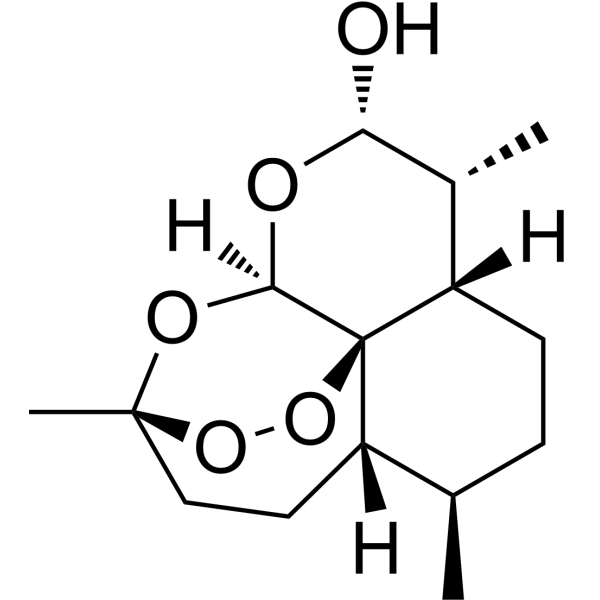
    Dihydroartemisinin is an orally active metabolite of rtemisinin (HY-B0094) and antimalarial agent. Dihydroartemisinin induces Autophagy by inhibiting NF-κB activation. Dihydroartemisinin promotes ROS accumulation. Dihydroartemisinin exhibits anticancer activity in esophageal cancer cells. Dihydroartemisinin shows schistosomicidal activity against juvenile and adult worms of Schistosoma japonicum, reduces worm burden, and displays antiparasitic activity. Dihydroartemisinin can be used in research related to multiple myeloma, promyelocytic leukemia, esophageal cancer, and Schistosoma japonicum infection .
    Dihydroartemisinin
  • HY-W016562
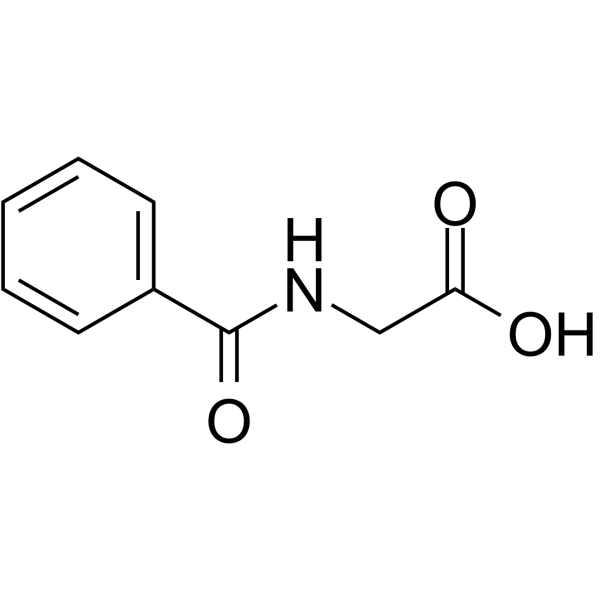
    Hippuric acid
    1 Publications Verification

    Benzoylglycine

    Endogenous Metabolite Keap1-Nrf2 MMP Reactive Oxygen Species (ROS) TGF-beta/Smad Cardiovascular Disease Metabolic Disease Inflammation/Immunology
    Hippuric Acid is an orally active metabolite. Hippuric Acid can be produced by intestinal microorganisms from the metabolism of polyphenols, benzoic acid. Hippuric Acid decreases NRF2, MMP9 and leads to ROS accumulation. Hippuric Acid activates TGFβ/SMAD signaling. Hippuric Acid improves hyperuricemia and colitis. Hippuric Acid can also be used in cardiovascular disease research . .
    Hippuric acid
  • HY-P4052

    ROS Kinase Neurological Disease
    Pinealon is a 3-amino acid peptide and shows neuroprotective properties. Pinealon prevents reactive oxygen species (ROS) accumulation and suppresses the activation of ERK 1/2. Pinealon stimulates the functional activity of the main cellular elements of brain tissue, reduces the level of spontaneous cell death. Pinealon protects the rat offspring from prenatal hyperhomocysteinemia .
    Pinealon
  • HY-149394
    PRDX1-IN-1
    2 Publications Verification

    Apoptosis Reactive Oxygen Species (ROS) Cancer
    PRDX1-IN-1 is a selective inhibtor of PRDX1 with an IC50 value of 0.164 μM. PRDX1-IN-1 can be used in researches related to cancer.PRDX1-IN-1 promots intracellular ROS accumulation, and inhibits the proliferation, invasion and migration of cancer cells besides inducing apoptosis. PRDX1-IN-1 could be used in cancer research .
    PRDX1-IN-1
  • HY-N0712
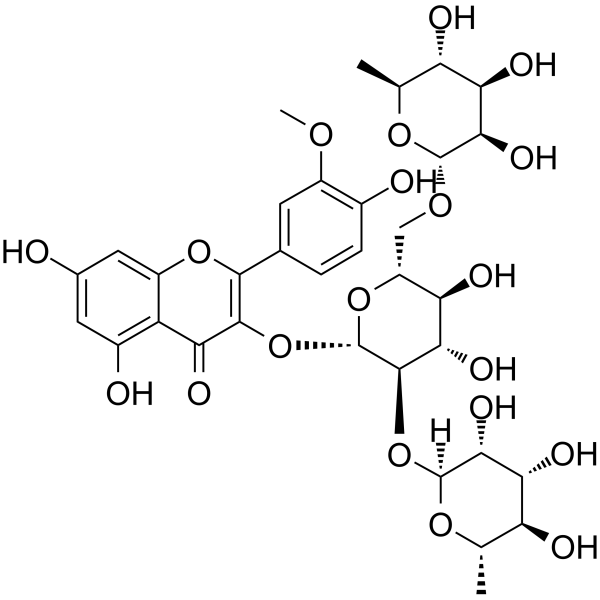
    Typhaneoside
    3 Publications Verification

    Autophagy mTOR Akt FXR Cardiovascular Disease Neurological Disease Metabolic Disease Cancer
    Typhaneoside is an orally bioavailable signal modulator and cellular regulator. Typhaneoside regulates the PI3K/Akt/mTOR autophagy transduction pathway. Typhaneoside promotes the activation of AMP-activated protein kinase and Caspase-3, induces apoptosis, ferroptosis, autophagy, ROS accumulation, and cell cycle arrest at the G2/M phase, and reduces cancer cell viability. Typhaneoside activates the farnesoid X receptor signaling pathway, improves glucose and lipid metabolism, alleviates inflammatory responses, oxidative stress and hepatic lipid accumulation, and exerts hepatoprotective effects. Typhaneoside is applicable to research related to post-myocardial infarction heart failure, acute myeloid leukemia, non-alcoholic fatty liver disease, and neurological disorders .
    Typhaneoside
  • HY-W010201
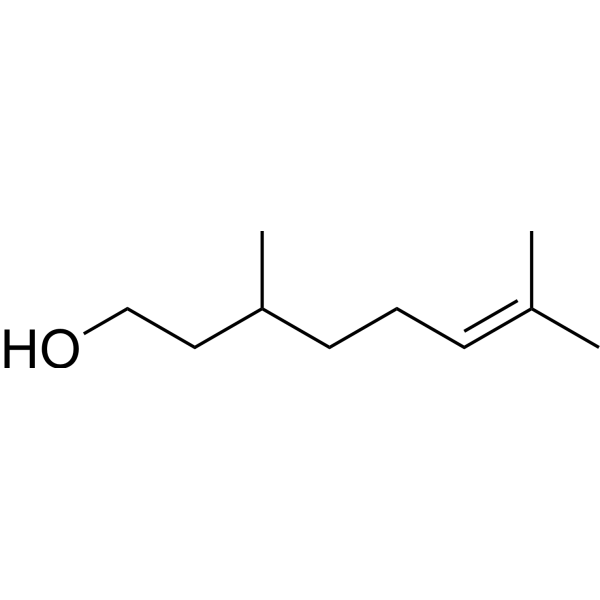
    Citronellol
    2 Publications Verification

    (±)-Citronellol; (±)-β-Citronellol

    Environmental Pollutants Necroptosis Autophagy Fungal Reactive Oxygen Species (ROS) ERK Atg8/LC3 TNF Receptor Apoptosis PI3K p62 Cardiovascular Disease Neurological Disease Cancer
    Citronellol ((±)-Citronellol) is an orally active inducer of apoptosis. Citronellol can prevent oxidative stress, mitochondrial dysfunction, and apoptosis in the SH-SY5Y cell Parkinson's disease model induced by 6-OHDA by regulating the ROS-NO, MAPK/ERK, and PI3K/Akt signaling pathways. Citronellol can induce necroptosis in human lung cancer cells through the TNF-α pathway and accumulation of ROS. Citronellol can reduce the levels of LC-3 and p62 to regulate the autophagy pathway, inhibit oxidative stress and neuroinflammation, and thus have neuroprotective effects on Parkinson's rats. Citronellol exhibits anti-fungal activity against Trichophyton rubrum by inhibiting ergosterol synthesis .
    Citronellol
  • HY-121618

    Environmental Pollutants GABA Receptor Parasite Reactive Oxygen Species (ROS) Apoptosis Autophagy Infection Neurological Disease Inflammation/Immunology
    α-Thujone is a monoterpene isolated from Thuja occidentalis essential oil with potent anti-tumor activities. α-Thujone is a reversible modulator of the GABA type A receptor and the IC50 for α-Thujone is 21 μM in suppressing the GABA-induced currents. α-Thujone induces ROS accumulation-dependent cytotoxicity, also induces cell apoptosis and autophagy. α-Thujone has antinociceptive, insecticidal, and anthelmintic activity, and can cross the blood-brain barrier .
    α-Thujone
  • HY-N1967

    PNPLA3 Metabolic Disease
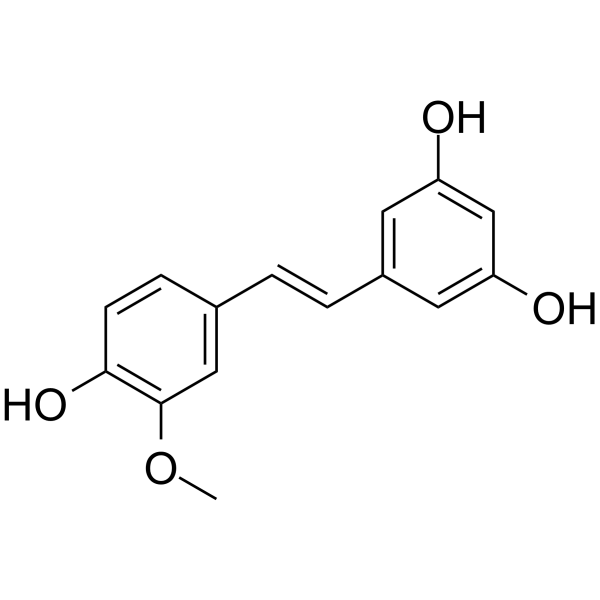
    Dihydrocurcumin, a major metabolites of curcumin, reduces lipid accumulation and oxidative stress. Dihydrocurcumin regulates mRNA and protein expression levels of SREBP-1C, PNPLA3 and PPARα, increases protein expression levels of pAKT and PI3K, and reduced the levels of cellular NO and ROS via Nrf2 signaling pathways .
    Dihydrocurcumin
  • HY-N6929
    Angelic acid
    1 Publications Verification

    Ferroptosis Keap1-Nrf2 Reactive Oxygen Species (ROS) Neurological Disease Cancer
    Angelic acid is a ferroptosis inducer, targeting NRF2 degradation. Angelic acid binds to NRF2 protein and promotes NRF2 degradation via ubiquitination-proteasome pathway, relieves the inhibitory effect of NRF2 on oxidative stress and lipid peroxidation. Then, Angelic acid induces ferroptosis in tumor cells. Angelic acid can enhance the accumulation of intracellular reactive oxygen species (ROS), upregulate ferroptosis-related markers CHAC1 and PTGS2, and synergize with ferroptosis inducers to enhance anti-tumor effects. Angelic acid also has the activity of scavenging UVA-induced ROS in vitro, inhibiting skin fibroblast senescence and extracellular matrix degradation. Angelic Acid helps wound healing with sedative activity .
    Angelic acid
  • HY-N0701
    (-)-Asarinin
    1 Publications Verification

    Apoptosis Reactive Oxygen Species (ROS) STAT Src Stearoyl-CoA Desaturase (SCD) Bacterial Infection Neurological Disease Inflammation/Immunology Cancer
    (-)-Asarinin is a tetrahydrofurofurano lignan with various biological activities. (-)-Asarinin induces apoptosis in cancer cells. (-)-Asarinin promotes mitochondrial ROS accumulation, inhibits the STAT3 signaling pathway and induces apoptosis in precancerous cells. (-)-Asarinin is a Src family kinase inhibitor that suppresses mast cell activation. (-)-Asarinin is a non-competitive Δ5-desaturase inhibitor with a Ki of 0.28 mM. (-)-Asarinin possesses pain relief, anti-viral, anti-allergic and anti-tuberculous bacilli, and anti-tumor effects .
    (-)-Asarinin
  • HY-W041080

    Fungal Reactive Oxygen Species (ROS) Bacterial Infection
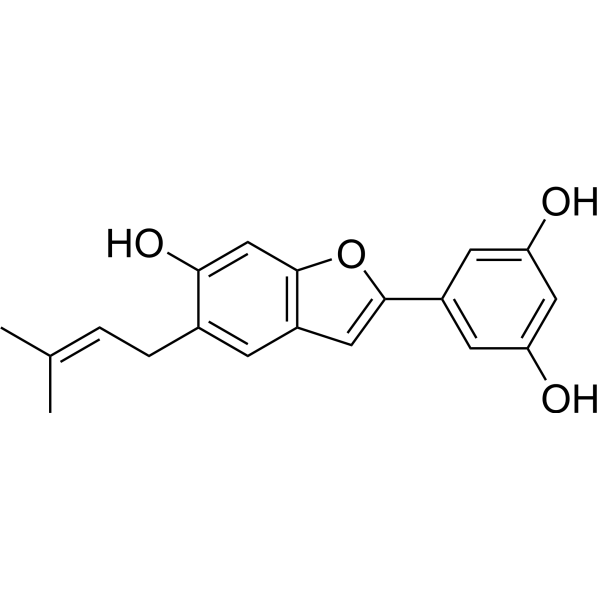
    3,5-Di-tert-butylphenol is an volatile organic compound with anti-biofilm and antifungal activities. 3,5-Di-tert-butylphenol induces accumulation of reactive oxygen species (ROS) in C. albicans cells. 3,5-Di-tert-butylphenol also has antibacterial activities .
    3,5-Di-tert-butylphenol
  • HY-B0916

    Environmental Pollutants MMP Insecticide Cholinesterase (ChE) ERK Keap1-Nrf2 Reactive Oxygen Species (ROS) Infection Neurological Disease Cancer
    Propoxur is a reversible, competitive, orally active AChE inhibitor that can cross the blood-brain barrier. Propoxur inhibits AChE activity to induce neurotoxicity, while promoting MMP-2 expression and enhancing tumor cell migration and invasion by inducing intracellular ROS generation and activating the ERK/Nrf2 signaling pathway. On the one hand, Propoxur inhibits AChE, leading to acetylcholine accumulation and causing neurological dysfunction; on the other hand, it promotes Nrf2 nuclear translocation through ROS-dependent ERK1/2 phosphorylation, and upregulates MMP-2 and other invasion-related proteins. Propoxur is also a carbamate insecticide used to combat turf, forestry, and household pests .
    Propoxur
  • HY-B1113
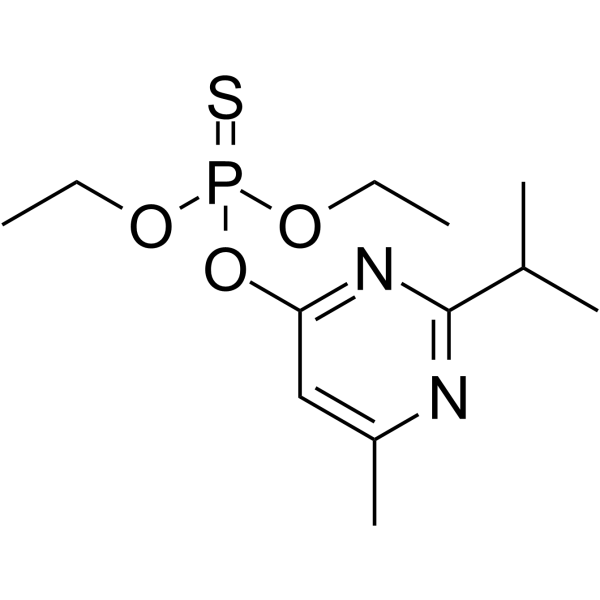
    Diazinon
    2 Publications Verification

    Dimpylate

    Environmental Pollutants Parasite Infection
    Diazinon is an orally active, irreversible AChE inhibitor and insecticide that can be absorbed through the digestive system, skin or respiratory tract. Diazinon inhibits AChE, leading to accumulation of acetylcholine, which in turn overstimulates ACh receptors and affects the nervous system. Diazinon also produces reactive oxygen species (ROS), which induce oxidative stress in various tissues. Diazinon is mainly used in the agricultural field as an insecticide and may have potential effects on human and animal health .
    Diazinon
  • HY-P3003

    Potassium Channel Apoptosis Autophagy Reactive Oxygen Species (ROS) Mitochondrial Metabolism Infection Neurological Disease Metabolic Disease Inflammation/Immunology
    Cereulide is an orally active, blood-brain barrier-permeable emetic toxin. Cereulide acts as a potassium ionophore that inserts into membranes, forms complexes with K +, and transports K + from the cytoplasm into the mitochondrial matrix. Cereulide disrupts the electrochemical gradient of the inner mitochondrial membrane, leading to mitochondrial swelling and dysfunction, uncoupling of oxidative phosphorylation, inhibition of ATP synthesis, ROS accumulation, and ultimately triggering apoptosis and autophagy. Cereulide exhibits multi-organ toxicity and can be used for research on emetic food poisoning .
    Cereulide
  • HY-146682

    Aldehyde Dehydrogenase (ALDH) Apoptosis Cancer
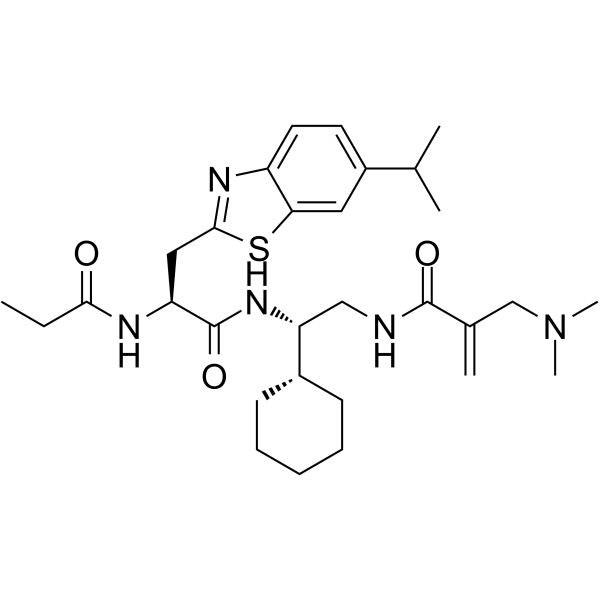
    KS100 is a potent ALDH inhibitor with IC50s of 230, 1542, 193 nM for ALDH1A1, ALDH2, and ALDH3A1, respectively. KS100 shows antiproliferative and anticancer effects with low low toxic. KS100 significantly increases ROS activity, lipid peroxidation and toxic aldehyde accumulation. KS10600 induces apoptosis and cell cycle arrest at the G2/M phase .
    KS100
  • HY-135008
    J14
    2 Publications Verification

    Reactive Oxygen Species (ROS) Cancer
    J14 is a reversible sulfiredoxin inhibitor with an IC50 of 8.1 μM. J14 induces oxidative stress (intracellular ROS accumulation) by inhibiting sulfiredoxin, leading to cytotoxicity and cancer cell death .
    J14
  • HY-N6623
    Malvidin-3-galactoside chloride
    1 Publications Verification

    Apoptosis Endogenous Metabolite Reactive Oxygen Species (ROS) Cancer
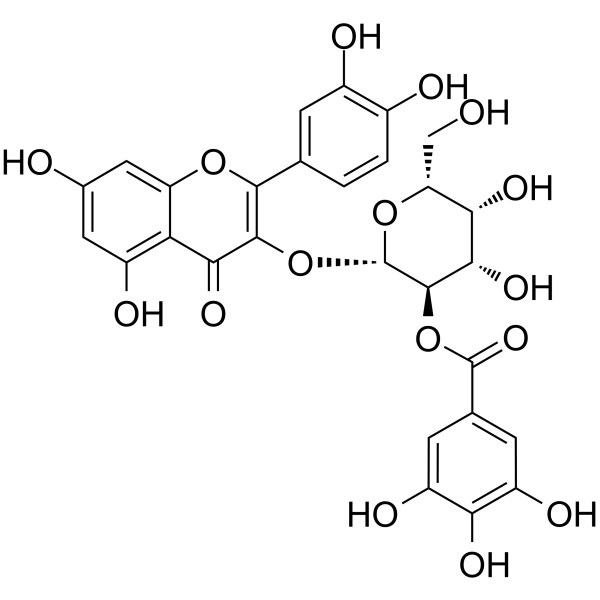
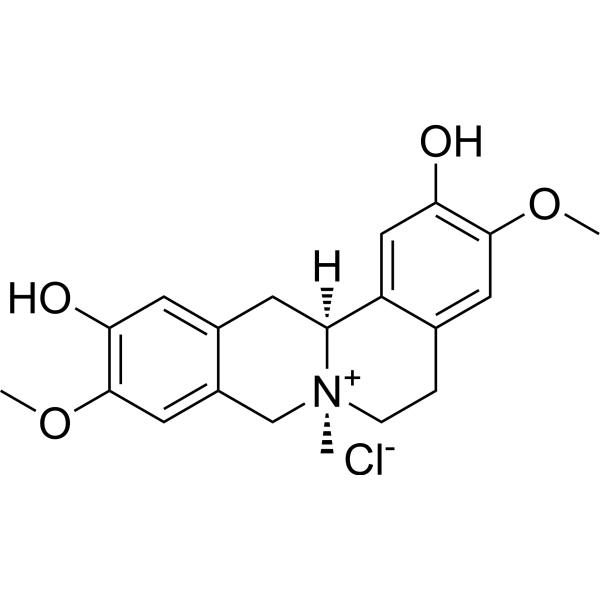
    Malvidin-3-galactoside chloride, an anthocyanin monomer, induces hepatocellular carcinoma (HCC) cells cycle arrest and apoptosis. Malvidin-3-galactoside chloride inhibits the production and accumulation of ROS. Malvidin-3-galactoside chloride has anti-tumor function .
    Malvidin-3-galactoside chloride
  • HY-146683

    Aldehyde Dehydrogenase (ALDH) Apoptosis Cancer
    KS106 is a potent ALDH inhibitor with IC50s of 334, 2137, 360 nM for ALDH1A1, ALDH2, and ALDH3A1, respectively. KS106 shows antiproliferative and anticancer effects with low low toxic.KS106 significantly increases ROS activity, lipid peroxidation and toxic aldehyde accumulation. KS106 induces apoptosis and cell cycle arrest at the G2/M phase .
    KS106
  • HY-139369
    QD394
    1 Publications Verification

    Reactive Oxygen Species (ROS) Cancer
    QD394 is a reactive oxygen species (ROS) inducer that can induce lipid peroxidation, increase intracellular ROS accumulation, inhibit STAT3 phosphorylation, and induce ferroptosis .
    QD394
  • HY-W011215
    Dihexyl phthalate
    1 Publications Verification

    Apoptosis Reactive Oxygen Species (ROS) Inflammation/Immunology
    Dihexyl phthalate is one of the commonly used phthalate esters in various plastics and consumer products. Dihexyl phthalate is classified as a priority pollutant and an endocrine disruptor. Dihexyl phthalate can induce reactive oxygen species (ROS) accumulation, promote inflammation, and lead to significant increases in apoptosis and inflammation-related gene expression levels. Dihexyl phthalate can cause testicular atrophy and is a reproductive toxicant .
    Dihexyl phthalate
  • HY-W014841
    Sodium hippurate, 98%
    1 Publications Verification

    N-Benzoylglycine sodium, 98%

    Keap1-Nrf2 Reactive Oxygen Species (ROS) MMP TGF-beta/Smad Endogenous Metabolite Cardiovascular Disease Metabolic Disease Inflammation/Immunology
    Sodium hippurate, 98% is an orally active metabolite. Sodium hippurate, 98% can be produced by intestinal microorganisms from the metabolism of polyphenols, benzoic acid. Sodium hippurate, 98% decreases NRF2, MMP9 and leads to ROS accumulation. Sodium hippurate, 98% activates TGFβ/SMAD signaling. Sodium hippurate, 98% improves hyperuricemia and colitis. Sodium hippurate, 98% can also be used in cardiovascular disease research . .
    Sodium hippurate, 98%
  • HY-W250307
    Diphenyliodonium iodide
    1 Publications Verification

    Reactive Oxygen Species (ROS) Others
    Diphenyliodonium iodide is an inhibitor of reactive oxygen species (ROS). Diphenyliodonium iodide can inhibit the accumulation of bisdemethoxycurcumin in fresh-cut yam by inhibiting the phenylpropanoid pathway and the biosynthesis of bisdemethoxycurcumin, thereby preventing the yellowing of fresh-cut yam. Diphenyliodonium iodide can be used in medicine and fruit preservation .
    Diphenyliodonium iodide
  • HY-163654

    Ferroptosis Cancer
    Ferroptosis-IN-8 is a potent ferroptosis inhibitor with an EC50 of 40.49 nM. Ferroptosis-IN-8 effectively reduces lipid ROS levels in cells. Ferroptosis-IN-8 act as an antioxidant by capturing lipid radicals, leading to a reduction in the accumulation of harmful lipid peroxides and, ultimately, inhibiting ferroptosis .
    Ferroptosis-IN-8
  • HY-N3741

    Didrovaltratum

    Calcium Channel Reactive Oxygen Species (ROS) Autophagy Inflammation/Immunology Cancer
    Didrovaltrate (Didrovaltratum) is an L-type calcium channel blocker, ROS scavenger, autophagy enhancer, and lipid accumulation inhibitor. Didrovaltrate blocks L-type calcium currents in a concentration-dependent manner, shifts the current-voltage curve upward, modulates steady-state inactivation kinetics, and inhibits the nuclear translocation of glucocorticoid receptors. Didrovaltrate reduces ROS levels, downregulates the expression of muscle atrophy-related genes, enhances autophagy via lipophagy, and decreases Oleic acid-induced lipid accumulation. Didrovaltrate exhibits cytotoxic activity against cancer cells. Didrovaltrate can be used in research related to skeletal muscle atrophy, non-alcoholic fatty liver disease, breast cancer, lung cancer, gastric cancer, and prostate cancer .
    Didrovaltrate
  • HY-151978

    Indoleamine 2,3-Dioxygenase (IDO) Apoptosis Cancer
    ZC0109 is a dual inhibitor of IDO1 and thioredoxin reductase 1 (TrxR1) with IC50s of 50 nM and 3.0 μM, respectively. ZC0109 induces ROS accumulation and cell cycle arrest at G1/S phase, thus leads to cancer cells apoptosis .
    ZC0109
  • HY-W016562R

    Benzoylglycine (Standard)

    Reference Standards Endogenous Metabolite Metabolic Disease
    Hippuric acid (Standard) is the analytical standard of Hippuric acid. This product is intended for research and analytical applications. Hippuric Acid is an orally active metabolite. Hippuric Acid can be produced by intestinal microorganisms from the metabolism of polyphenols, benzoic acid. Hippuric Acid decreases NRF2, MMP9 and leads to ROS accumulation. Hippuric Acid activates TGFβ/SMAD signaling. Hippuric Acid improves hyperuricemia and colitis. Hippuric Acid can also be used in cardiovascular disease research . .
    Hippuric acid (Standard)
  • HY-P3003S

    Isotope-Labeled Compounds Apoptosis Potassium Channel Mitochondrial Metabolism Autophagy Reactive Oxygen Species (ROS) Infection Neurological Disease Metabolic Disease Inflammation/Immunology
    Cereulide- 13C6 is a deuterated form of Cereulide. Cereulide is an orally active, blood-brain barrier-permeable emetic toxin. Cereulide acts as a potassium ionophore that inserts into membranes, forms complexes with K +, and transports K + from the cytoplasm into the mitochondrial matrix. Cereulide disrupts the electrochemical gradient of the inner mitochondrial membrane, leading to mitochondrial swelling and dysfunction, uncoupling of oxidative phosphorylation, inhibition of ATP synthesis, ROS accumulation, and ultimately triggering apoptosis and autophagy. Cereulide exhibits multi-organ toxicity and can be used for research on emetic food poisoning.
    Cereulide-13C6
  • HY-157158

    TrxR Apoptosis Reactive Oxygen Species (ROS) Cancer
    TrxR-IN-6 is a thioredoxin reductase (TrxR) inhibitor. TrxR-IN-6 induces reactive oxygen species (ROS) accumulation and cell apoptosis. TrxR-IN-6 induces mitochondrial dysfunction, endoplasmic reticulum stress and DNA damage. TrxR-IN-6 can be used for the research of breast cancer, leukemia .
    TrxR-IN-6
  • HY-161460

    Ferroptosis Reactive Oxygen Species (ROS) Cardiovascular Disease
    Ferroptosis-IN-7(Compound 26) is a ferroptosis inhibitor which can restore cell viability, reduce iron accumulation and scavenge reactive oxygen species. Ferroptosis-IN-7 can be used for vascular diseases research .
    Ferroptosis-IN-7
  • HY-W041080R

    Reference Standards Fungal Reactive Oxygen Species (ROS) Bacterial Infection
    3,5-Di-tert-butylphenol (Standard) is the analytical standard of 3,5-Di-tert-butylphenol (HY-W041080). This product is intended for research and analytical applications. 3,5-Di-tert-butylphenol is an volatile organic compound with anti-biofilm and antifungal activities. 3,5-Di-tert-butylphenol induces accumulation of reactive oxygen species (ROS) in C. albicans cells. 3,5-Di-tert-butylphenol also has antibacterial activities.
    3,5-Di-tert-butylphenol (Standard)
  • HY-W339331

    NNI-0001

    Insecticide Calcium Channel Reactive Oxygen Species (ROS) Apoptosis Infection Metabolic Disease
    Flubendiamide (NNI-0001) is an orally active phthalic diamide insecticide that acts by targeting insect ryanodine receptors (RyRs), causing insect muscle dysfunction, paralysis and death. Flubendiamide disrupts molting, metamorphosis and reproductive processes, induces oxidative stress by increasing the levels of ROS/RNS, MDA and 8OHdG and decreasing the levels of SOD, CAT and GST, activates the CncC/Maf apoptosis pathway, impairs calcium homeostasis, promotes adipogenesis, increases triglyceride accumulation, and upregulates the expression of regulatory factors for adipocyte differentiation and adipogenesis .
    Flubendiamide
  • HY-W010201R
    Citronellol (Standard)
    2 Publications Verification

    (±)-Citronellol (Standard); (±)-β-Citronellol (Standard)

    Reactive Oxygen Species (ROS) Reference Standards ERK PI3K TNF Receptor Atg8/LC3 p62 Apoptosis Necroptosis Autophagy Fungal Cardiovascular Disease Neurological Disease Cancer
    Citronellol (Standard) is the analytical standard of Citronellol. Citronellol (Standard) is an orally active inducer of apoptosis. Citronellol (Standard) can prevent oxidative stress, mitochondrial dysfunction, and apoptosis in the SH-SY5Y cell Parkinson's disease model induced by 6-OHDA by regulating the ROS-NO, MAPK/ERK, and PI3K/Akt signaling pathways. Citronellol (Standard) can induce necroptosis in human lung cancer cells through the TNF-α pathway and accumulation of ROS. Citronellol (Standard) can reduce the levels of LC-3 and p62 to regulate the autophagy pathway, inhibit oxidative stress and neuroinflammation, and thus have neuroprotective effects on Parkinson's rats. Citronellol (Standard) exhibits anti-fungal activity against Trichophyton rubrum by inhibiting ergosterol synthesis .
    Citronellol (Standard)
  • HY-149829

    Apoptosis Autophagy Cancer
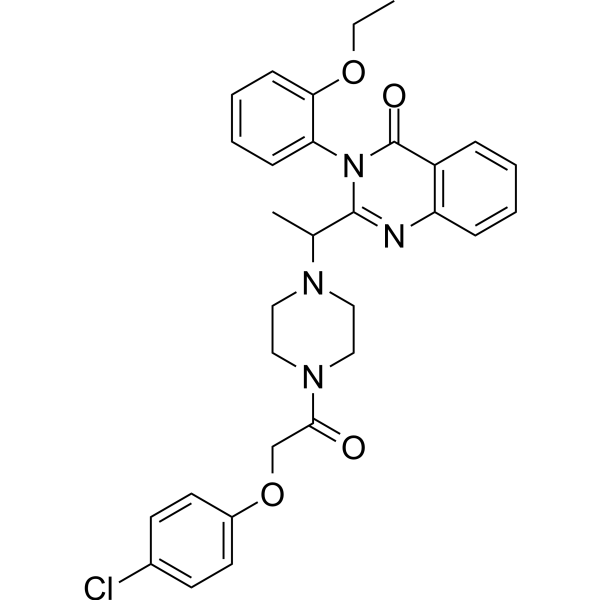
    Antitumor agent-97 (compound 42) is an anticancer agent. Antitumor agent-97 can effectively inhibit the proliferation and autophagy of MGC 803 cells, and induce apoptosis. Antitumor agent-97 also enhances ROS accumulation in MGC 803 cells. Antitumor agent-97 can be used in cancer research .
    Antitumor agent-97
  • HY-P11205A

    Cys-txCD47 TFA

    CD47 Reactive Oxygen Species (ROS) Thrombopoietin Receptor Inflammation/Immunology Cancer
    Cys-PKHB1 (Cys-txCD47) TFA is a peptide conjugated to PKHB1, a CD47 agonist peptide and a thrombospondin-1 peptide mimic with antitumor effects. PKHB1 induces mitochondrial alterations, ROS generation, intracellular Ca + accumulation, and calcium-dependent cell death in breast cancer cells. PKHB1 induces immune system activation in breast cancer cells through immunogenic cell death .
    Cys-PKHB1 TFA
  • HY-151095

    Reactive Oxygen Species (ROS) Others
    Phytoene desaturase-IN-1 is a potent phytoene desaturase (PDS) inhibitor (Kd: 65.9 μM) through π−π stacking effect with Phe301 residue. Phytoene desaturase-IN-1 shows broad spectrum of postemergence herbicidal activity. Phytoene desaturase-IN-1 induces PDS mRNA reduction, phytoene and reactive oxygen species (ROS) accumulation in albino leaves. Phytoene desaturase-IN-1 can be used in the area of agricultural production .
    Phytoene desaturase-IN-1
  • HY-W010203

    Fungal Infection
    2-Decanone is an antifungal agent. 2-Decanone inhibits pathogen mycelial growth, spore germination, and appressorium formation. 2-Decanone downregulates spore germination-related genes (MfBmp1) and penetration structure formation genes (MfPls1), inducing reactive oxygen species (ROS) accumulation to trigger mitochondrial damage and subsequent spore apoptosis. 2-Decanone is promising for research of postharvest disease control in fruits and vegetables .
    2-Decanone
  • HY-N8466

    Reactive Oxygen Species (ROS) Metabolic Disease
    (-)-Lyoniresinol 9'-O-glucoside is an inhibitor of ROS. (-)-Lyoniresinol 9'-O-glucoside reduces lipid accumulation and lipid metabolic disorders in FFAs-exposed HepG2 cells. (-)-Lyoniresinol 9'-O-glucoside inhibits high glucose-induced reactive oxygen species production .
    (-)-Lyoniresinol 9'-O-glucoside
  • HY-147772

    Indoleamine 2,3-Dioxygenase (IDO) Apoptosis Reactive Oxygen Species (ROS) Cancer
    ZC0101 is a potent, orally active IDO1 and TrxR dual inhibitor with IC50 values of 0.084 μM and 7.98 μM, respectively. ZC0101 effectively induces apoptosis and ROS accumulation in cancer cells .
    ZC0101
  • HY-N15380

    PARP Reactive Oxygen Species (ROS) Caspase Apoptosis Pyroptosis Cancer
    4,4′-Secalonic acid D (Compound 12) is a PARP1 inhibitor. 4,4′-Secalonic acid D induces the accumulation of ROS and DNA damage, activates the caspase-3/GSDME pathway, and triggers apoptosis and pyroptosis of tumor cells by inhibiting PARP1. 4,4′-Secalonic acid D has anti-tumor activity .
    4,4′-Secalonic acid D
  • HY-157788

    PROTACs Reactive Oxygen Species (ROS) Ferroptosis Glutathione Peroxidase Cancer
    ZX703 (compound 5I) is a PROTAC that significantly degrades GPX4 in a dose- and time-dependent manner through the ubiquitin-proteasome and autophagy-lysosome pathways (DC50=0.315 µM). ZX703 induces ferroptosis by inducing Reactive Oxygen Species (ROS) accumulation in cells. ZX703 can be used for cancer research .
    ZX703
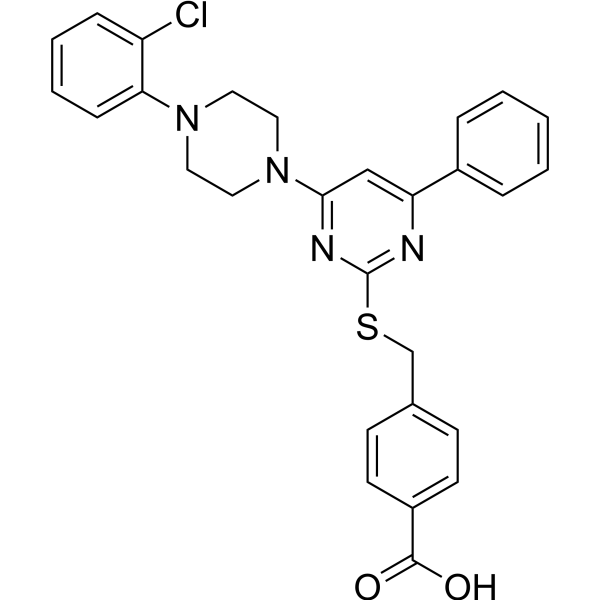
  • HY-174345

    ACSL Family Ferroptosis Glutathione Peroxidase Reactive Oxygen Species (ROS) Cancer
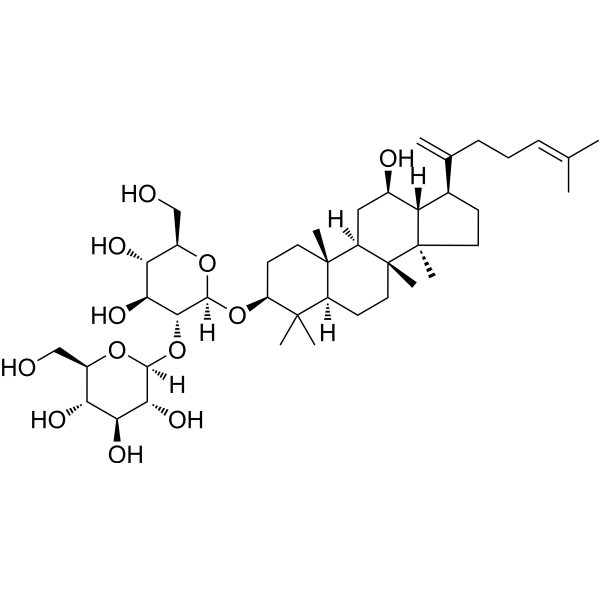
    Ferroptosis inducer-8 is a ferroptosis inducer with high selectivity for other cell death mechanism. Ferroptosis inducer-8 induces ferroptosis by affecting ACSL4, GPX4, and FTH1, thereby disrupting intracellular iron homeostasis and the GSH/GPX4 antioxidant defense system, ultimately leading to the accumulation of lipid peroxidation. Ferroptosis inducer-8 also induces ROS production. Ferroptosis inducer-8 inhibits tumor growth and can be used for research of triple-negative breast cancer (TNBC) .
    Ferroptosis inducer-8
  • HY-B0916S

    Isotope-Labeled Compounds Insecticide Cholinesterase (ChE) MMP Reactive Oxygen Species (ROS) ERK Keap1-Nrf2 Infection Neurological Disease Cancer
    Propoxur-d3 is the deuterated form of Propoxur (HY-B0916). Propoxur is a reversible, competitive, orally active AChE inhibitor that can cross the blood-brain barrier. Propoxur inhibits AChE activity to induce neurotoxicity, while promoting MMP-2 expression and enhancing tumor cell migration and invasion by inducing intracellular ROS generation and activating the ERK/Nrf2 signaling pathway. On the one hand, Propoxur inhibits AChE, leading to acetylcholine accumulation and causing neurological dysfunction; on the other hand, it promotes Nrf2 nuclear translocation through ROS-dependent ERK1/2 phosphorylation, and upregulates MMP-2 and other invasion-related proteins. Propoxur is also a carbamate insecticide used to combat turf, forestry, and household pests .
    Propoxur-d3
  • HY-N6929R

    Reference Standards Ferroptosis Keap1-Nrf2 Reactive Oxygen Species (ROS) Neurological Disease Cancer
    Angelic acid (Standard)) is the analytical standard of Angelic acid (HY-N6929). This product is intended for research and analytical applications. Angelic acid is a ferroptosis inducer, targeting NRF2 degradation. Angelic acid binds to NRF2 protein and promotes NRF2 degradation via ubiquitination-proteasome pathway, relieves the inhibitory effect of NRF2 on oxidative stress and lipid peroxidation. Then, Angelic acid induces ferroptosis in tumor cells. Angelic acid can enhance the accumulation of intracellular reactive oxygen species (ROS), upregulate ferroptosis-related markers CHAC1 and PTGS2, and synergize with ferroptosis inducers to enhance anti-tumor effects. Angelic acid also has the activity of scavenging UVA-induced ROS in vitro, inhibiting skin fibroblast senescence and extracellular matrix degradation. Angelic Acid helps wound healing with sedative activity .
    Angelic acid (Standard)
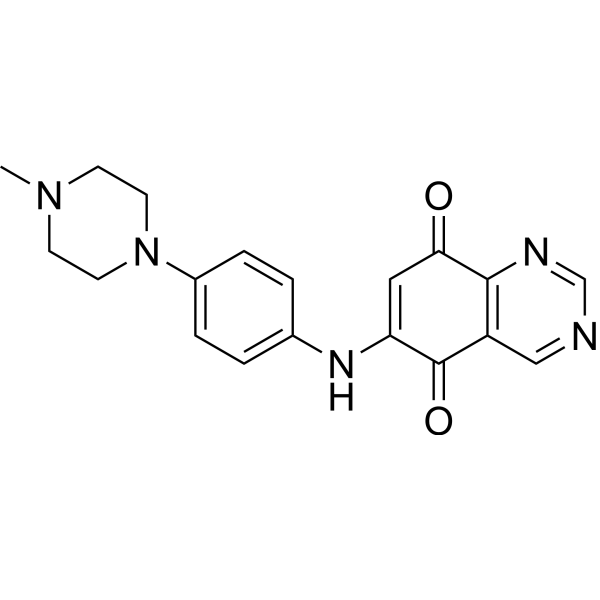
  • HY-169253

    Reactive Oxygen Species (ROS) Apoptosis Cancer
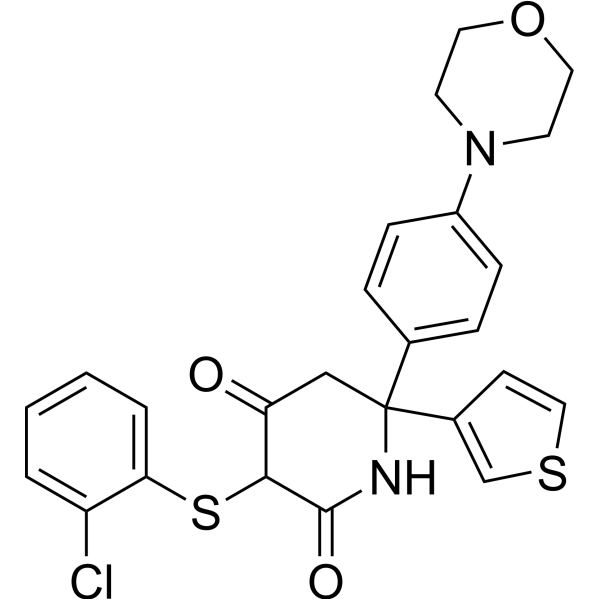
    ROS inducer 5 (compound 6e) can induce intracellular ROS accumulation and subsequent nuclear fragmentation. ROS inducer 5 can induce apoptosis in MCF-7 cells, with an IC50 value of 3.85 μM. ROS inducer 5 can be used in anticancer research .
    ROS inducer 5
  • HY-159518

    Reactive Oxygen Species (ROS) Mitochondrial Metabolism Apoptosis Cancer
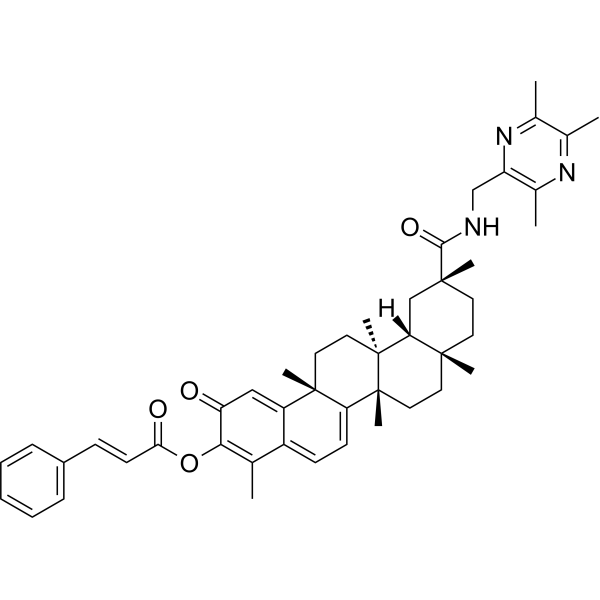
    ROS inducer 4 (compound TE3) is a mitochondrial inhibitor. ROS inducer 4 causes a series of mitochondria-related physiological changes in tumors, such as mitochondrial fragmentation, explosive generation and accumulation of ROS, decreased mitochondrial membrane potential, decreased ATP content, and activation of ROS-mediated apoptotic signaling in mitochondria .
    ROS inducer 4
  • HY-168960

    Reactive Oxygen Species (ROS) Bacterial Infection
    ROS inducer 8 (Compound 11g) is the inhibitor for glutathione (GSH), that induces the ROS accumulation in Enterococcus faecalis, thereby exhibiting antibacterial activity. ROS inducer 8 disrupts the biofilm, inhibits S. aureus and E. faecalis with MIC of 8 μg/mL and 2 μg/mL, exhibits post-antibiotic effect. ROS inducer 8 exhibits low hemolytic toxicity to sheep erythrocytes (HC50 > 1280 μg/mL) .
    ROS inducer 8
  • HY-145873

    Fungal Infection
    BI-10 is an antifungal compound. BI-10 combined with Fluconazole can inhibit hyphal growth, result in ROS accumulation, and decrease mitochondrial membrane potential (MMP) as well as altering membrane permeability .
    BI-10
  • HY-130117

    Reactive Oxygen Species (ROS) Apoptosis Cancer
    AlbA-DCA is a conjugate formed by the attachment of Albiziabioside A (AlbA) to a dichloroacetate acid (DCA) subunit. AlbA-DCA can induce a marked increase in intracellular ROS and alleviate the accumulation of lactic acid in tumor microenvironment (TME), and also selectively kills cancer cells and induce apoptosis .
    AlbA-DCA
  • HY-163077

    Reactive Oxygen Species (ROS) Apoptosis Cancer
    Anticancer agent 175 (complex 1) ia a near-infrared (NIR) luminescent theranostic complex. Anticancer agent 175 induces ROS accumulation, mitochondrial damage, disruption of Bax/Bcl-2 equilibrium, and tumor cell apoptosis in HepG2 cell line .
    Anticancer agent 175
  • HY-W420337

    LH2010A

    Reactive Oxygen Species (ROS) Infection
    Fluopimomide (LH2010A) is a potent pesticide, widely used for agricultural pest management. Fluopimomide adversely affects the nematodes growth, locomotive behaviors, reproduction, and lifespan, accompanying with enhanced of reactive oxygen species (ROS) generation, lipid and lipofuscin accumulation, and malondialdehyde content. Fluopimomide inhibits antioxidant systems in the nematodes .
    Fluopimomide

Inquiry Online

Your information is safe with us. * Required Fields.

Salutation


Country or Region *

Applicant Name *


Organization Name *

Department *


Email Address *


Product Name *

Cat. No.


Requested quantity *

Phone Number *


Remarks

Inquiry Online

Inquiry Information

Product Name:
Cat. No.:
Quantity:
MCE Japan Authorized Agent:

