Search Result
Results for "
Salmonella Inhibitors
" in MedChemExpress (MCE) Product Catalog:
2
Isotope-Labeled Compounds
| Cat. No. |
상품명 |
Target |
연구분야 |
Chemical Structure |
-
- HY-Y0488A
-
|
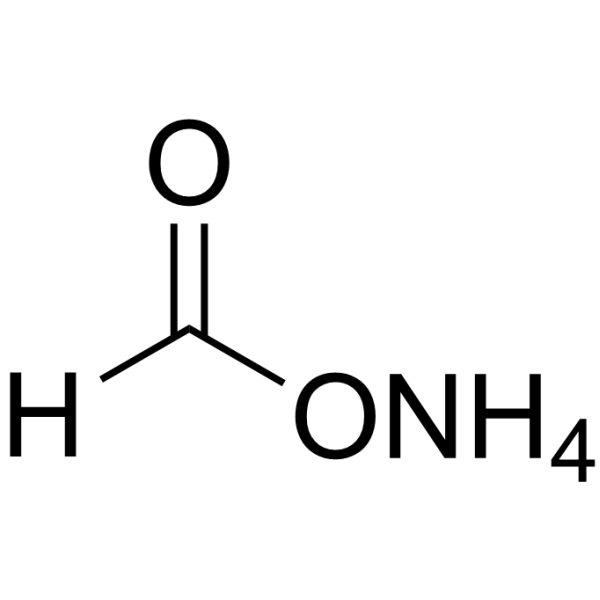
Ammonium formate
|
Environmental Pollutants
Calcium Channel
NO Synthase
Bacterial
ATP Synthase
|
Metabolic Disease
|
|
Formic acid ammonium is the ammonium salt form of formic acid, which is an endogenous metabolite. Formic acid ammonium activates the nitric oxide/cyclic guanosine monophosphate (NO/cGMP) signaling pathway in endothelial cells and inhibits calcium ion influx in vascular smooth muscle cells, resulting in vasomotor relaxation. Formic acid ammonium inhibits cytochrome C oxidase (CcO) and disrupts the electron transport chain, leading to ATP depletion. Formic acid ammonium can be used as a feed additive, which can lower the feed pH value, inhibit the growth of microorganisms (such as Escherichia coli, Salmonella), and extend the shelf life of the feed .
|
-
-
- HY-17390A
-
|
|
5-HT Receptor
Dopamine Receptor
|
Infection
Neurological Disease
|
|
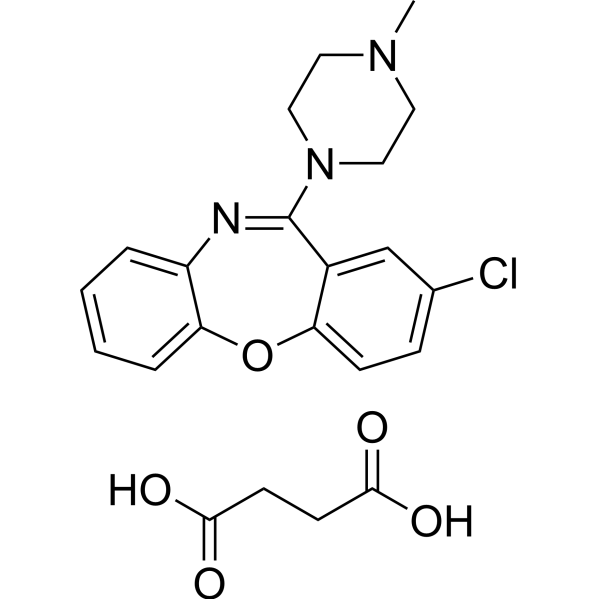
Loxapine succinate is an orally active dopamine inhibitor, 5-HT receptor antagonist and also a dibenzoxazepine anti-psychotic agent. Loxapine can also suppresses bacterial efflux pump activity and inhibit intracellular multiple-antibiotic-resistant Salmonella enterica serovar Typhimurium in macrophages .
|
-
-
- HY-77995
-
|
o-Anisaldehyde
|
Bacterial
Fungal
|
Infection
|
|
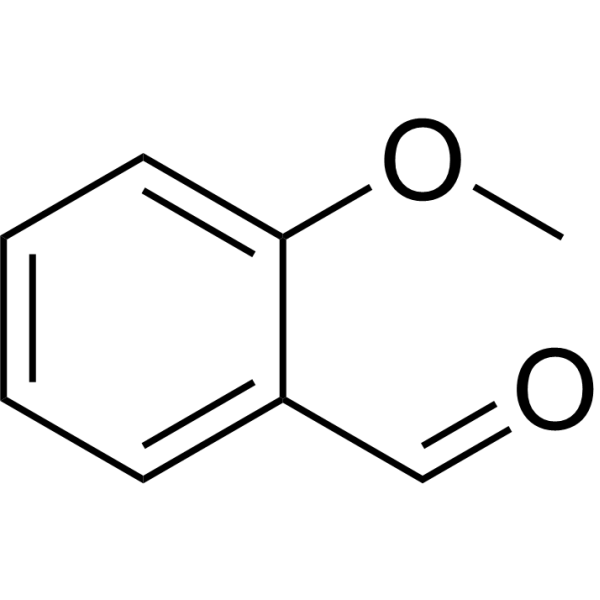
2-Methoxybenzaldehyde (o-Anisaldehyde) is a bacterial/fungal inhibitor with a BA50 value of 0.19 for Salmonella. 2-Methoxybenzaldehyde can be used for the study of bacterial and fungal infectious diseases .
|
-
-
- HY-B0455
-
|
SC47111A hydrochloride; NY-198 hydrochloride
|
Antibiotic
Bacterial
Topoisomerase
Reactive Oxygen Species (ROS)
Apoptosis
|
Infection
Endocrinology
Cancer
|
|
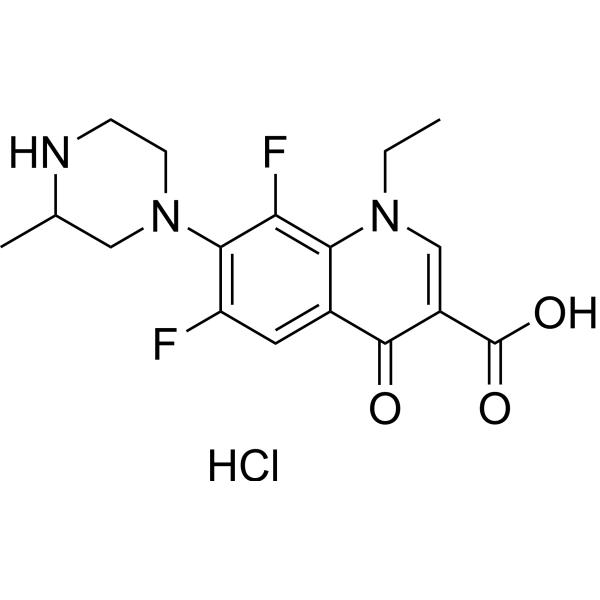
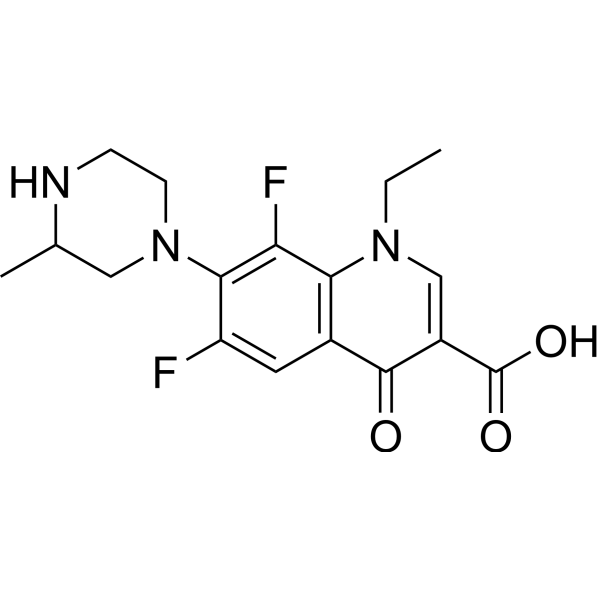
Lomefloxacin hydrochloride (NY-198 hydrochloride) is an orally active difluoroquinolone antibiotic. Lomefloxacin hydrochloride prevents DNA supercoiling and replication by inhibiting bacterial topoisomerase II. Lomefloxacin hydrochloride induces ROS production and Apoptosis. Lomefloxacin hydrochloride has broad-spectrum bactericidal activity against Gram-positive and Gram-negative bacteria. Lomefloxacin hydrochloride has anticancer effects against melanoma. Lomefloxacin hydrochloride can be used in the study of systemic bacterial infections (such as Salmonella typhimurium infections), skin and melanoma .
|
-
-
- HY-125913
-
|
|
Ser/Thr Protease
|
Inflammation/Immunology
|
Benzamidine is a competitive protease inhibitor that blocks the hydrolytic cleavage of glucagon by plasmin, trypsin and thrombin. Benzamidine effectively inhibits the degradation of glucagon by relevant proteases during the collection, storage and analysis of human plasma and blood samples. During in vivo metabolism, Benzamidine undergoes N-hydroxylation and produces multiple metabolites, exhibiting characteristics of delayed excretion or biphasic elimination. Benzamidine only induces slight single-strand DNA breaks at high concentrations and shows no significant genotoxic potential overall. Benzamidine may interfere with the detection of some glucagon antisera, but does not affect key antigen-antibody affinity at specific concentrations. Benzamidine can be used as a stabilizer in glucagon radioimmunoassays to ensure the accuracy and recovery rate of detection results .
|
-
-
- HY-N4104
-
|
Agaricinic Acid
|
Mitochondrial Metabolism
Bacterial
Calcium Channel
|
Infection
Metabolic Disease
|
|
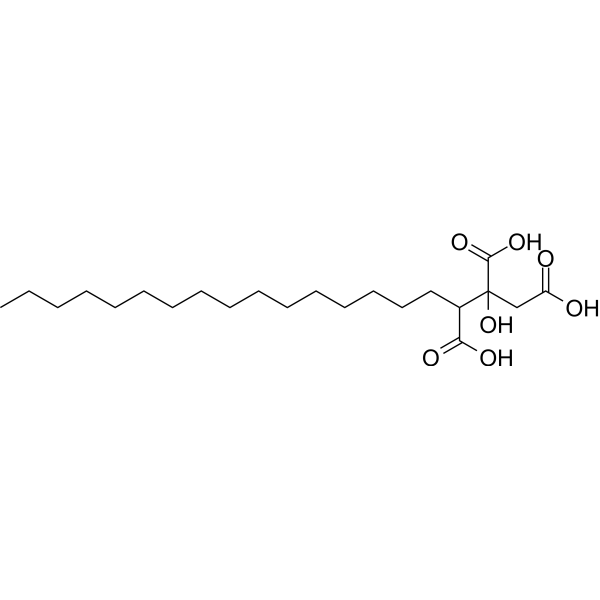
Agaric acid (Agaricinic Acid) is an orally active inhibitor of adenine nucleotide translocase found in specific fungi. Agaric acid can inhibit the biofilm formation of various bacteria such as Salmonella. Agaric acid can also induce mitochondrial permeability transition, prompting mitochondria to release Ca 2+, disrupting the transmembrane potential, and causing mitochondrial swelling. In addition, Agaric acid can also inhibit citrate transport in liver mitochondria and participate in the inhibition of fatty acid synthesis, affecting multiple metabolic processes .
|
-
-
- HY-P3302
-
|
|
Bacterial
|
Infection
|
|
Sialylglycopeptide is an orally active glycopeptide found in egg yolk. Sialylglycopeptide inhibits the binding of Salmonella enteritidis and Escherichia coli to intestinal cells, and protects mice from Salmonella infection. Sialylglycopeptide can be used in the research of Salmonella infection .
|
-
-
- HY-129434A
-
|
|
Bacterial
|
Infection
|
|
4aα,7α,7aα-Nepetalactone exhibits antibacterial activity, and inhibits Escherichia coli, Pseudomonas aeruginosa, Staphylococcus aureus, Salmonella typhi and Enterococcus faecalis.
|
-
-
- HY-B1703
-
|
|
Antibiotic
Bacterial
Parasite
|
Infection
|
|
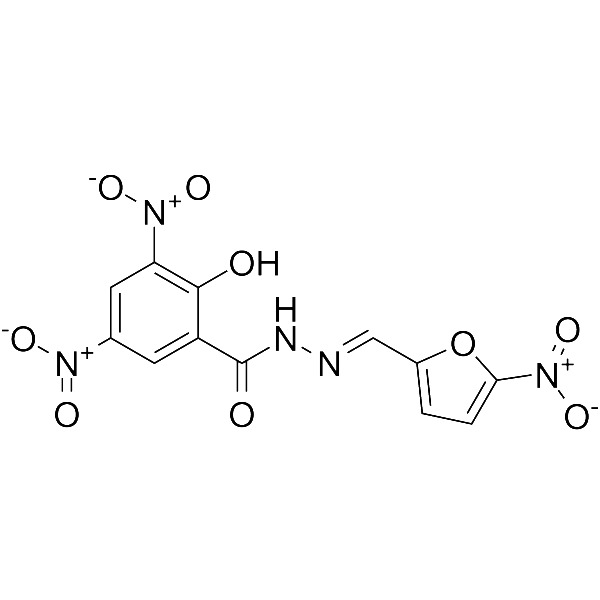
Nifursol is an orally active veterinary antibiotic. Nifursol inhibits Histomonas meleagridis. Nifursol prevents histomoniasis in turkeys. Nifursol is widely used in studies of Escherichia coli gastroenteritis in Salmonella-infected poultry and aquatic animals .
|
-
-
- HY-B0455A
-
|
SC47111A; NY-198
|
Bacterial
Antibiotic
Topoisomerase
Reactive Oxygen Species (ROS)
Apoptosis
|
Infection
|
|
Lomefloxacin (SC47111A) is an orally active difluoroquinolone antibiotic. Lomefloxacin prevents DNA supercoiling and replication by inhibiting bacterial topoisomerase II. Lomefloxacin induces ROS production and Apoptosis. Lomefloxacin has broad-spectrum bactericidal activity against Gram-positive and Gram-negative bacteria. Lomefloxacin has anticancer effects against melanoma. Lomefloxacin can be used in the study of systemic bacterial infections (such as Salmonella typhimurium infections), skin and melanoma .
|
-
-
- HY-10531
-
|
|
Caspase
|
Infection
Cancer
|
|
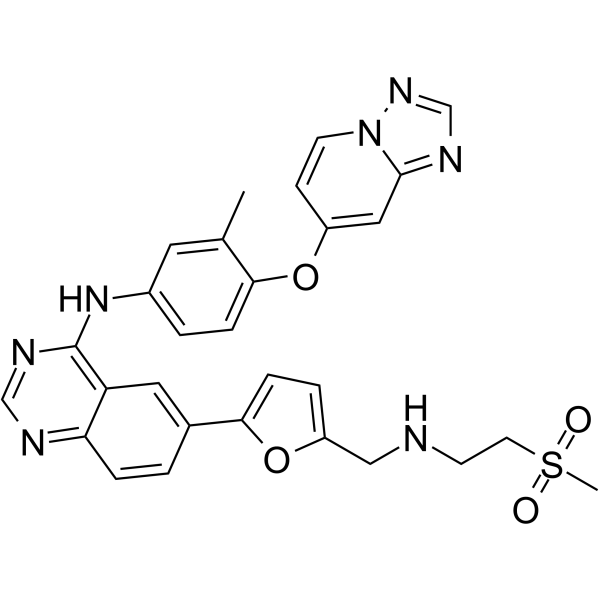
ARRY-380 analog (Compound PCM-0095494) is an ARRY-380 (HY-16069) analog. ARRY-380 analog activates caspases 3 and caspases 8. ARRY-380 analog inhibits Salmonella replication in cells .
|
-
-
- HY-N0885
-
|
Telobufotoxin; Telocinobufogenin
|
JAK
STAT
mTOR
PI3K
Akt
Polo-like Kinase (PLK)
Na+/K+ ATPase
Apoptosis
Bacterial
|
Infection
Cardiovascular Disease
Neurological Disease
Inflammation/Immunology
Cancer
|
|
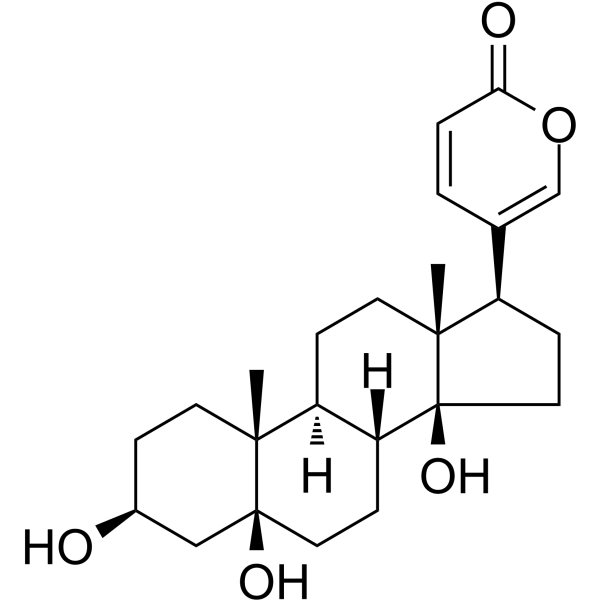
Telocinobufagin (Telobufotoxin; Telocinobufogenin) is an orally active bufadienolide with potential anti-tumor effects. Telocinobufagin exerts its anti-cancer effects on non-small cell carcinoma, osteosarcoma, thyroid cancer, breast cancer and head and neck squamous cell carcinoma by inhibiting the STAT3, JAK2/STAT3, LARP1-mTOR, PI3K/Akt/Snail and PLK1 pathways, and can also induce tumor cell apoptosis. Telocinobufagin enhances the Th1 immune response and protects against Salmonella typhimurium infection. Telocinobufagin has a strong cardiac-stimulating effect by inhibiting the activity of Na +/K +-ATPase, and it can promote renal fibrosis. Telocinobufagin demonstrates non-opioid analgesic effects in various acute pain models .
|
-
-
- HY-161752
-
|
|
Bacterial
|
Infection
|
|
Antibacterial agent 224 is a potent and selective synthetic hydrazone inhibitor against the Salmonella PhoP/PhoQ system .
|
-
-
- HY-N6583
-
|
|
Bacterial
|
Infection
|
|
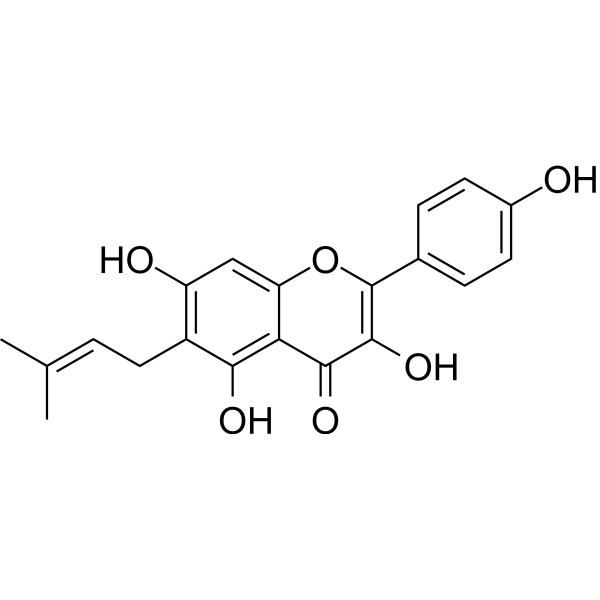
Licoflavonol, a minor flavone from the roots of Glycyrrhiza uralensis, is an inhibitor of the Salmonella type III secretion system (T3SS) .
|
-
-
- HY-W275553
-
|
|
DNA Alkylator/Crosslinker
|
Infection
|
|
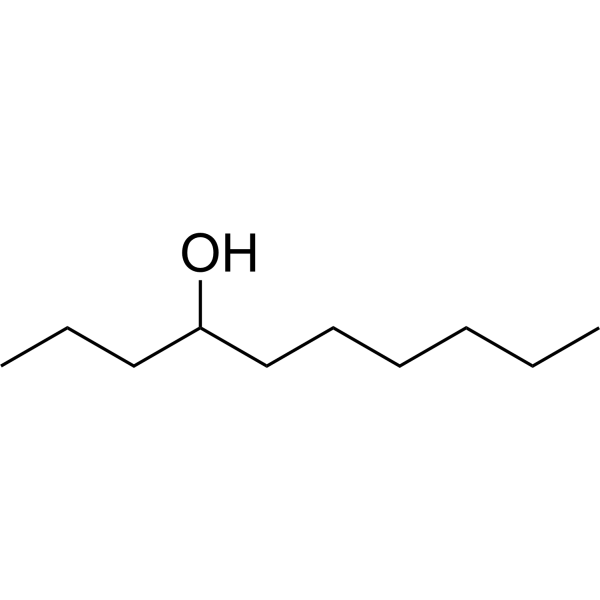
4-Decanol is an antimutagenic compound, that can be isolated from mustard leaves. 4-Decanol inhibits mutagenic activities of Aflatoxin B1 (HY-N6615) and MNNG (HY-128612) in Salmonella typhimurium TA100 .
|
-
-
- HY-W008030
-
|
|
Bacterial
|
Infection
|
|
3-Aminobiphenyl is a chemical isomer of 4-ABP. 3-Aminobiphenyl can inhibit the growth of human intestinal bacteria Bifidobacterium infantis ATCC 15697, B. bifidium ATCC 11863, Clostridium perfringens ATCC 13124, Escherichia coli ATCC 25922, E. coli ATCC 35218, Enterobacter cloacae ATCC 13047 and Salmonella typhimurium TA98, TA100, YG1041. 3-Aminobiphenyl can be used as a biomarker of exposure to aromatic amines from cigarette smoke .
|
-
-
- HY-B1852
-
|
|
Bacterial
Fungal
|
Infection
|
|
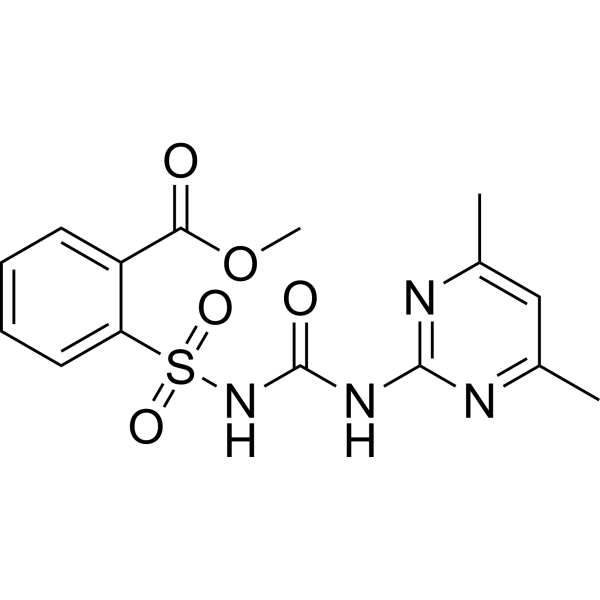
Sulfometuron-methyl is a herbicide and also a powerful inhibitor of the enzyme acetolactate synthase (ALS). It exhibits antibacterial and antifungal activities, capable of inhibiting the activity of Salmonella. typhimurium ALS II and Escherichia. coli ALS III .
|
-
-
- HY-P990289
-
|
|
Transmembrane Glycoprotein
|
Infection
|
|
Anti-Mouse CD172a Antibody (P84) is a rat-derived anti-mouse CD172a IgG1 κ type antibody inhibitor. Anti-Mouse CD172a Antibody (P84) blocks CD47-SIRPα interaction and thereby augments cell phagocytosis. Anti-Mouse CD172a Antibody (P84) can be used for the researches of infection and immunology, such as salmonella typhimurium infection .
|
-
-
- HY-127072
-
|
|
Antibiotic
Bacterial
|
Infection
Inflammation/Immunology
Cancer
|
|
Amicoumacin A is an orally active antibiotic. Amicoumacin A targets bacterial ribosomes and inhibits bacterial translation by stabilizing the interaction between mRNA and ribosomes. Amicoumacin A induces cancer cell death by targeting eukaryotic ribosomes. Amicoumacin A exhibits anti-inflammatory and anti-ulcer activities, inhibits carrageenan-induced paw edema, and prevents stress-induced gastric ulcers. Amicoumacin A inhibits the growth of Gram-positive bacteria, Salmonella spp., Shigella spp., Helicobacter pylori, and methicillin-resistant Staphylococcus aureus. Amicoumacin A can be used in the research of lung cancer, breast cancer, bacterial infections, inflammatory edema and gastric ulcers [2] .
|
-
-
- HY-17390AR
-
|
|
Reference Standards
5-HT Receptor
Dopamine Receptor
|
Infection
Neurological Disease
|
|
Loxapine (succinate) (Standard) is the analytical standard of Loxapine (succinate). This product is intended for research and analytical applications. Loxapine succinate is an orally active dopamine inhibitor, 5-HT receptor antagonist and also a dibenzoxazepine anti-psychotic agent. Loxapine can also suppresses bacterial efflux pump activity and inhibit intracellular multiple-antibiotic-resistant Salmonella enterica serovar Typhimurium in macrophages .
|
-
-
- HY-P11547
-
|
|
Bacterial
|
Infection
|
|
Plantaricin F is an antibacterial peptide. Plantaricin F strongly inhibits several gram-negative bacteria including the foodbome pathogens Salmonella enteritidis and Pseudomonas aeruginosa. Plantaricin F inhibits several Lactobacillus, Pediococcus and Leuconostoc species .
|
-
-
- HY-W923644
-
|
Aegelinol; (-)-Smyrinol
|
Bacterial
|
Infection
|
|
(-)-Decursinol (Aegelinol; (-)-Smyrinol) is a natural pyranocoumarin compound tant can be isolated from the roots of Apiaceae plants such as Ferulago campestris. (-)-Decursinol inhibits both Gram-positive bacteria (Staphylococcus aureus ATCC 13709, Enterococcus faecalis ATCC 14428) and Gram-negative bacteria (Salmonella typhii ATCC 19430, Enterobacter cloacae ATCC 10699, Enterobacter aerogenes ATCC 13048) with minimum inhibitory concentrations (MIC) ranging from 16 to 64 μg/mL. (-)-Decursinol possesses antioxidant activity. (-)-Decursinol can be used for the study of bacterial infections .
|
-
-
- HY-178952
-
|
|
Bacterial
|
Infection
|
|
Anti-infective agent 12 (Compound A09) is a competitive inhibitor of type I signal peptidease (SPase I), with an IC50 of 4.475 μM and a Kd of 16.3 μM. Anti-infective agent 12 has the ability to disrupt bacterial membranes and remove biofilms. Anti-infective agent 12 exhibits potent bactericidal activity against Gram-positive bacteria, with MIC values of 4, 4, 8, and 8 μg/mL for Staphylococcus aureus, Enterococcus faecalis, Enterococcus faecium, and Streptococcus suis, respectively. Anti-infective agent 12 remains effective against multi-drug resistant strains, but has weaker activity against Gram-negative bacteria (such as Escherichia coli and Salmonella), with MIC values > 64 μg/mL. Anti-infective agent 12 has low hemolytic activity and shows significant efficacy in mouse skin infection models .
|
-
-
- HY-149762
-
|
|
Bacterial
|
Infection
|
|
IMBI (compound 32) is an antibacterial agent that inhibits quorum sensing (QS) against drug-resistant pathogens. IMBI inhibits biofilm formation of Salmonella marcescens and restores or increases its susceptibility to antimicrobial drugs .
|
-
-
- HY-146263
-
|
|
Bacterial
|
Infection
|
|
ThrRS-IN-3 (compound 36j) is a highly potent threonyl-tRNA synthetase (ThrRS) inhibitor, with an IC50 value of 19 nM and a Kd of 34 nM for Salmonella enterica ThrRS. ThrRS-IN-3 has antibacterial activities .
|
-
-
- HY-158425
-
|
|
Bacterial
|
Infection
|
|
Antimicrobial agent-31 (compound 4a) is a potent antimicrobial agent. Antimicrobial agent-31 inhibits Salmonella enterica serovar Typhimurium and E.coli with MIC values of 19.24, 11.31 µg/mL, respectively .
|
-
-
- HY-B1852R
-
|
|
Bacterial
Reference Standards
Fungal
|
Infection
|
|
Sulfometuron-methyl (Standard) is the analytical standard of Sulfometuron-methyl. This product is intended for research and analytical applications. Sulfometuron-methyl is a herbicide and also a powerful inhibitor of the enzyme acetolactate synthase (ALS). It exhibits antibacterial and antifungal activities, capable of inhibiting the activity of Salmonella. typhimurium ALS II and Escherichia. coli ALS III .
|
-
-
- HY-121104A
-
|
|
Antibiotic
Bacterial
|
Infection
Cancer
|
|
Bactobolin hydrochloride (Compound 1) is an antibiotic, which inhibits Escherichia coli, Salmonella, Shigella, Staphylococcus and Bacillus subtilis, with MICs of 0.3-6.25 μg/mL. Bactobolin hydrochloride exhibits antitumor efficacy against leukemia, with a LD50 value of 6.25-12.5 mg/kg .
|
-
-
- HY-121104
-
|
|
Antibiotic
Bacterial
|
Infection
Cancer
|
|
Bactobolin (Compound 1) is an antibiotic, which inhibits Escherichia coli, Salmonella, Shigella, Staphylococcus and Bacillus subtilis, with MICs of 0.3-6.25 μg/mL. Bactobolin exhibits antitumor efficacy against leukemia, with a LD50 value of 6.25-12.5 mg/kg .
|
-
-
- HY-77995R
-
|
o-Anisaldehyde (Standard)
|
Reference Standards
Bacterial
Fungal
|
Infection
|
|
2-Methoxybenzaldehyde (Standard) is the analytical standard of 2-Methoxybenzaldehyde. This product is intended for research and analytical applications. 2-Methoxybenzaldehyde (o-Anisaldehyde) is a bacterial/fungal inhibitor with a BA50 value of 0.19 for Salmonella. 2-Methoxybenzaldehyde can be used for the study of bacterial and fungal infectious diseases .
|
-
-
- HY-147948
-
|
|
DNA/RNA Synthesis
Bacterial
|
Infection
|
|
DNA Gyrase-IN-4 (compound 8p) is a potent DNA gyrase inhibitor, with an IC50 of 0.13 μM. DNA Gyrase-IN-4 shows excellent antibacterial activity against Staphylococcus aureus, Listeria monocytogenes, Salmonella and Escherichia coli, with MIC values of 0.05, 0.05, 0.05, and 8 μg/mL, respectively .
|
-
-
- HY-B1703R
-
|
|
Reference Standards
Bacterial
Antibiotic
Parasite
|
Infection
|
|
Nifursol (Standard) is the analytical standard of Nifursol (HY-B1703). This product is used for research and analytical applications. Nifursol is an orally active veterinary antibiotic. Nifursol inhibits Histomonas meleagridis. Nifursol prevents histomoniasis in turkeys. Nifursol is widely used in studies of Escherichia coli gastroenteritis in Salmonella-infected poultry and aquatic animals .
|
-
-
- HY-130718
-
|
|
Bacterial
|
Infection
Cancer
|
|
ThrRS-IN-1 (Compound 30d) is a threonyl-tRNA synthetase (ThrRS) inhibitor with an IC50 of 1.4 µM and a Kd of 1.36 µM against Salmonella enterica ThrRS (SeThrRS). ThrRS-IN-1 simultaneously targets the tRNA Thr and L-threonine binding pockets of ThrRS. ThrRS-IN-1 shows potent antibacterial activities .
|
-
-
- HY-W777922
-
|
|
Isotope-Labeled Compounds
Bacterial
Parasite
Antibiotic
|
Infection
|
|
Nifursol- 15N2,d2 is the deuterium and 15N-labeled Nifursol (HY-B1703). Nifursol is an orally active veterinary antibiotic. Nifursol inhibits Histomonas meleagridis. Nifursol prevents histomoniasis in turkeys. Nifursol is widely used in studies of Escherichia coli gastroenteritis in Salmonella-infected poultry and aquatic animals .
|
-
-
- HY-173598
-
|
|
Bacterial
|
Infection
|
|
T3SS-1-IN-1 (Compound C26) is a T3SS-1 inhibitor. T3SS-1-IN-1 inhibits the secretion of SipA and the activity of HilD (IC50 values are 29.2 and 16.9 μM, respectively). T3SS-1-IN-1 can be used for the study of anti-virulence of Salmonella .
|
-
-
- HY-B1703S
-
|
|
Antibiotic
Bacterial
Parasite
|
Infection
|
|
Nifursol- 13C6 is the 13C6 labeled Nifursol (HY-B1703). Nifursol (Standard) is the analytical standard of Nifursol (HY-B1703). This product is used for research and analytical applications. Nifursol is an orally active veterinary antibiotic. Nifursol inhibits Histomonas meleagridis. Nifursol prevents histomoniasis in turkeys. Nifursol is widely used in studies of Escherichia coli gastroenteritis in Salmonella-infected poultry and aquatic animals .
|
-
-
- HY-N4104R
-
|
Agaricinic Acid (Standard)
|
Reference Standards
Mitochondrial Metabolism
Bacterial
Calcium Channel
|
Infection
Metabolic Disease
|
|
Agaric acid (Standard) (Agaricinic Acid (Standard)) is the analytical standard of Agaric acid (HY-N4104). This product is intended for research and analytical applications. Agaric acid (Agaricinic Acid) is an orally active inhibitor of adenine nucleotide translocase found in specific fungi. Agaric acid can inhibit the biofilm formation of various bacteria such as Salmonella. Agaric acid can also induce mitochondrial permeability transition, prompting mitochondria to release Ca 2+, disrupting the transmembrane potential, and causing mitochondrial swelling. In addition, Agaric acid can also inhibit citrate transport in liver mitochondria and participate in the inhibition of fatty acid synthesis, affecting multiple metabolic processes.
|
-
-
- HY-Y0488AR
-
|
Ammonium formate (Standard)
|
Reference Standards
NO Synthase
Calcium Channel
Bacterial
ATP Synthase
|
Metabolic Disease
|
|
Formic acid ammonium (Standard) is the analytical standard of Formic acid ammonium. This product is intended for research and analytical applications. Formic acid ammonium is the ammonium salt form of formic acid, which is an endogenous metabolite. Formic acid ammonium activates the nitric oxide/cyclic guanosine monophosphate (NO/cGMP) signaling pathway in endothelial cells and inhibits calcium ion influx in vascular smooth muscle cells, resulting in vasomotor relaxation. Formic acid ammonium inhibits cytochrome C oxidase (CcO) and disrupts the electron transport chain, leading to ATP depletion. Formic acid ammonium can be used as a feed additive, which can lower the feed pH value, inhibit the growth of microorganisms (such as Escherichia coli, Salmonella), and extend the shelf life of the feed.
|
-
-
- HY-B0455R
-
|
SC47111A hydrochloride (Standard); NY-198 hydrochloride (Standard)
|
Reference Standards
Bacterial
Antibiotic
Topoisomerase
Reactive Oxygen Species (ROS)
Apoptosis
|
Infection
Endocrinology
Cancer
|
|
Lomefloxacin (hydrochloride) (Standard) is the analytical standard of Lomefloxacin hydrochloride (HY-B0455). This product is intended for research and analytical applications. Lomefloxacin hydrochloride (NY-198 hydrochloride) is an orally active difluoroquinolone antibiotic. Lomefloxacin hydrochloride prevents DNA supercoiling and replication by inhibiting bacterial topoisomerase II. Lomefloxacin hydrochloride induces ROS production and Apoptosis. Lomefloxacin hydrochloride has broad-spectrum bactericidal activity against Gram-positive and Gram-negative bacteria. Lomefloxacin hydrochloride has anticancer effects against melanoma. Lomefloxacin hydrochloride can be used in the study of systemic bacterial infections (such as Salmonella typhimurium infections), skin and melanoma .
|
-
-
- HY-151458
-
|
|
VEGFR
Bacterial
Dihydrofolate reductase (DHFR)
Fungal
|
Infection
Cancer
|
|
VEGFR-2/DHFR-IN-1 (compound 8b) is an inhibitor of VEGFR-2 and DHFR with IC50s of 0.384 and 7.881 μM, respectively. VEGFR-2/DHFR-IN-1 shows good antibacterial activities against Escherichia coli, Streptococcus faecalis, Salmonella enterica, MSSA and MRSA with MIC values of 16, 16, 16, 8, and 16 μg/mL, respectively. VEGFR-2/DHFR-IN-1 exhibits good cytotoxic activities against C26, HepG2, and MCF7 cancer cell lines with IC50 values of 2.97-7.12 μM. VEGFR-2/DHFR-IN-1 can be used for the research of cancer .
|
-
-
- HY-161752A
-
|
|
Drug Isomer
Bacterial
|
Infection
|
|
(E)-Antibacterial agent 224 is an isomer of Antibacterial agent 224 (HY-161752). Antibacterial agent 224 is a potent and selective synthetic hydrazone inhibitor against the Salmonella PhoP/PhoQ system .
|
-
-
- HY-182305
-
|
|
Bacterial
|
Infection
|
|
VKT-17-P4-23 is a blood-brain barrier-permeable DksA inhibitor. DksA is a highly conserved transcriptional regulator in Gram-negative bacteria, with a Kd of 124 μM. Through the DksA-regulated, SPI-2-dependent survival pathway, VKT-17-P4-23 exhibits antibacterial activity against both planktonic and intracellular pathogens such as Salmonella, and also effectively combats persistent bacteria that are difficult to eliminate. VKT-17-P4-23 can be used in studies of Salmonella infection .
|
-
-
- HY-178740
-
|
|
Bacterial
EGFR
|
Infection
|
|
GI261520A is a egfr/erbb2 dual inhibitor. GI261520A inhibits PhoQ phosphorylation dose-dependently. GI261520A can downregulate the activity levels of PhoP/PhoQ. GI261520A inhibits pagC reporter expression levels with an IC50 of 3.2 μM. GI261520A inhibits PhoQc autokinase activtiy by 80%. GI261520A can permeate the eukaryotic plasmatic and vascular cell membranes and reach intravacuolar Salmonella to block intramacrophage proliferation .
|
-
-
- HY-W275553R
-
|
|
DNA Alkylator/Crosslinker
Reference Standards
|
Infection
|
|
4-Decanol (Standard) is the analytical standard of 4-Decanol (HY-W275553). This product is intended for research and analytical applications. 4-Decanol is an antimutagenic compound, that can be isolated from mustard leaves. 4-Decanol inhibits mutagenic activities of Aflatoxin B1 (HY-N6615) and MNNG (HY-128612) in Salmonella typhimurium TA100 .
|
-
-
- HY-172390
-
|
|
Bacterial
|
Infection
|
|
Florfenicol-propanoate-piperidin (Compound 1) is the derivative of Florfenicol (HY-B1374). Florfenicol-propanoate-piperidin exhibits antibacterial activity, inhibits E. coli ATCC25922, Salmonella CICC110420, S. aureus ATCC29213, B. subtilis CMCC(B)63501, E. faecalis ATCC29212, S. suis CVCC606, and Haemophilus parasuis with MIC of 2-8 μM .
|
-
-
- HY-10531R
-
|
|
Reference Standards
Caspase
|
Infection
Cancer
|
|
ARRY-380 analog (Standard) is the analytical standard of ARRY-380 analog (HY-10531). This product is intended for research and analytical applications. ARRY-380 analog (Compound PCM-0095494) is an ARRY-380 (HY-16069) analog. ARRY-380 analog activates caspases 3 and caspases 8. ARRY-380 analog inhibits Salmonella replication in cells .
|
-
-
- HY-181686
-
|
|
Bacterial
Reactive Oxygen Species (ROS)
|
Infection
|
|
Antibacterial agent 326 is a bactericide that inhibits the growth of various bacterial strains. Antibacterial agent 326 inhibits biofilm formation in Escherichia coli, disrupts bacterial cell membranes, induces oxidative stress and lipid peroxidation in Escherichia coli, increases ROS levels, and reduces GSH activity. Antibacterial agent 326 can be used in studies of bacterial infections, including those caused by Escherichia coli, Staphylococcus aureus, Enterococcus faecalis, Listeria spp., Bacillus subtilis, Serratia marcescens, Salmonella enteritidis and Acinetobacter calcoaceticus .
|
-
-
- HY-180330
-
|
|
Bacterial
|
Infection
|
|
Antimicrobial agent-46 is a inhibitor of Salmonella typhimurium serine acetyltransferase (StSAT) with an IC50 of 48.6 μM. Antimicrobial agent-46 inhibits bacterial growth in minimal medium lacking cysteine (LB 20%). Antimicrobial agent-46 exerts its effect by targeting the cysteine biosynthesis pathway, which is crucial for bacterial persistence and adaptability. Antimicrobial agent-46 exhibits antibacterial activity against the Gram-negative bacterium Escherichia coli. Antimicrobial agent-46 can be used in infection-related research .
|
-
-
- HY-N18080
-
|
|
Parasite
DNA Alkylator/Crosslinker
Bacterial
|
Infection
Inflammation/Immunology
Cancer
|
|
Parthenin is a pseudoguaianolide-type sesquiterpene lactone present in Parthenium hysterophorus L. Parthenin induces chromosomal aberrations, mainly chromatid breaks, in human peripheral blood lymphocytes. Parthenin exhibits toxicity against Salmonella typhimurium and Escherichia coli strains, with reduced toxicity in the presence of a metabolic activation system (S9). Parthenin acts as an antifeedant against the 6th instar larvae of the tobacco cutworm (Spodoptera litura). Parthenin shows insecticidal activity against adult cowpea weevils (Callosobruchus maculatus). Parthenin inhibits seed germination and seedling growth of sicklepod (Cassia tora). Parthenin possesses nematicidal activity against the 2nd instar larvae of the southern root-knot nematode (Meloidogyne incognita). Parthenin serves as a research agent for studies related to cancer, malaria, amoebiasis, inflammatory diseases, and bacterial infections .
|
-
| Cat. No. |
상품명 |
Target |
Research Area |
-
- HY-P3302
-
|
|
Bacterial
|
Infection
|
|
Sialylglycopeptide is an orally active glycopeptide found in egg yolk. Sialylglycopeptide inhibits the binding of Salmonella enteritidis and Escherichia coli to intestinal cells, and protects mice from Salmonella infection. Sialylglycopeptide can be used in the research of Salmonella infection .
|
-
- HY-P11547
-
|
|
Bacterial
|
Infection
|
|
Plantaricin F is an antibacterial peptide. Plantaricin F strongly inhibits several gram-negative bacteria including the foodbome pathogens Salmonella enteritidis and Pseudomonas aeruginosa. Plantaricin F inhibits several Lactobacillus, Pediococcus and Leuconostoc species .
|
| Cat. No. |
상품명 |
Target |
Research Area |
Image |
-
- HY-P990289
-
|
|
Transmembrane Glycoprotein
|
Infection
|
|
Anti-Mouse CD172a Antibody (P84) is a rat-derived anti-mouse CD172a IgG1 κ type antibody inhibitor. Anti-Mouse CD172a Antibody (P84) blocks CD47-SIRPα interaction and thereby augments cell phagocytosis. Anti-Mouse CD172a Antibody (P84) can be used for the researches of infection and immunology, such as salmonella typhimurium infection .
|
-
(5)
| Cat. No. |
상품명 |
Category |
Target |
Chemical Structure |
-
- HY-Y0488A
-
-
-
- HY-77995
-
-
-
- HY-N4104
-
-
-
- HY-129434A
-
-
-
- HY-N0885
-
-
-
- HY-N6583
-
-
-
- HY-W275553
-
-
-
- HY-127072
-
|
|
Structural Classification
Microorganisms
Antibiotics
Other Antibiotics
Source Classification
|
Antibiotic
Bacterial
|
|
Amicoumacin A is an orally active antibiotic. Amicoumacin A targets bacterial ribosomes and inhibits bacterial translation by stabilizing the interaction between mRNA and ribosomes. Amicoumacin A induces cancer cell death by targeting eukaryotic ribosomes. Amicoumacin A exhibits anti-inflammatory and anti-ulcer activities, inhibits carrageenan-induced paw edema, and prevents stress-induced gastric ulcers. Amicoumacin A inhibits the growth of Gram-positive bacteria, Salmonella spp., Shigella spp., Helicobacter pylori, and methicillin-resistant Staphylococcus aureus. Amicoumacin A can be used in the research of lung cancer, breast cancer, bacterial infections, inflammatory edema and gastric ulcers [2] .
|
-
-
- HY-W923644
-
|
Aegelinol; (-)-Smyrinol
|
Structural Classification
Wyethia glabra A.Gray
Coumarins
Phenylpropanoids
Umbelliferae
Plants
Source Classification
|
Bacterial
|
|
(-)-Decursinol (Aegelinol; (-)-Smyrinol) is a natural pyranocoumarin compound tant can be isolated from the roots of Apiaceae plants such as Ferulago campestris. (-)-Decursinol inhibits both Gram-positive bacteria (Staphylococcus aureus ATCC 13709, Enterococcus faecalis ATCC 14428) and Gram-negative bacteria (Salmonella typhii ATCC 19430, Enterobacter cloacae ATCC 10699, Enterobacter aerogenes ATCC 13048) with minimum inhibitory concentrations (MIC) ranging from 16 to 64 μg/mL. (-)-Decursinol possesses antioxidant activity. (-)-Decursinol can be used for the study of bacterial infections .
|
-
-
- HY-121104
-
-
-
- HY-77995R
-
-
-
- HY-N4104R
-
|
Agaricinic Acid (Standard)
|
Structural Classification
Microorganisms
Ketones, Aldehydes, Acids
Plants
Source Classification
|
Reference Standards
Mitochondrial Metabolism
Bacterial
Calcium Channel
|
|
Agaric acid (Standard) (Agaricinic Acid (Standard)) is the analytical standard of Agaric acid (HY-N4104). This product is intended for research and analytical applications. Agaric acid (Agaricinic Acid) is an orally active inhibitor of adenine nucleotide translocase found in specific fungi. Agaric acid can inhibit the biofilm formation of various bacteria such as Salmonella. Agaric acid can also induce mitochondrial permeability transition, prompting mitochondria to release Ca 2+, disrupting the transmembrane potential, and causing mitochondrial swelling. In addition, Agaric acid can also inhibit citrate transport in liver mitochondria and participate in the inhibition of fatty acid synthesis, affecting multiple metabolic processes.
|
-
-
- HY-Y0488AR
-
|
Ammonium formate (Standard)
|
Structural Classification
Ketones, Aldehydes, Acids
Endogenous metabolite
Source Classification
|
Reference Standards
NO Synthase
Calcium Channel
Bacterial
ATP Synthase
|
|
Formic acid ammonium (Standard) is the analytical standard of Formic acid ammonium. This product is intended for research and analytical applications. Formic acid ammonium is the ammonium salt form of formic acid, which is an endogenous metabolite. Formic acid ammonium activates the nitric oxide/cyclic guanosine monophosphate (NO/cGMP) signaling pathway in endothelial cells and inhibits calcium ion influx in vascular smooth muscle cells, resulting in vasomotor relaxation. Formic acid ammonium inhibits cytochrome C oxidase (CcO) and disrupts the electron transport chain, leading to ATP depletion. Formic acid ammonium can be used as a feed additive, which can lower the feed pH value, inhibit the growth of microorganisms (such as Escherichia coli, Salmonella), and extend the shelf life of the feed.
|
-
-
- HY-W275553R
-
-
-
- HY-N18080
-
|
|
Structural Classification
Terpenoids
Sesquiterpenes
Antheroporum pierrei Gagnep.
Plants
Compositae
Source Classification
|
Parasite
DNA Alkylator/Crosslinker
Bacterial
|
|
Parthenin is a pseudoguaianolide-type sesquiterpene lactone present in Parthenium hysterophorus L. Parthenin induces chromosomal aberrations, mainly chromatid breaks, in human peripheral blood lymphocytes. Parthenin exhibits toxicity against Salmonella typhimurium and Escherichia coli strains, with reduced toxicity in the presence of a metabolic activation system (S9). Parthenin acts as an antifeedant against the 6th instar larvae of the tobacco cutworm (Spodoptera litura). Parthenin shows insecticidal activity against adult cowpea weevils (Callosobruchus maculatus). Parthenin inhibits seed germination and seedling growth of sicklepod (Cassia tora). Parthenin possesses nematicidal activity against the 2nd instar larvae of the southern root-knot nematode (Meloidogyne incognita). Parthenin serves as a research agent for studies related to cancer, malaria, amoebiasis, inflammatory diseases, and bacterial infections .
|
-
| Cat. No. |
상품명 |
Chemical Structure |
-
- HY-W777922
-
|
|
|
Nifursol- 15N2,d2 is the deuterium and 15N-labeled Nifursol (HY-B1703). Nifursol is an orally active veterinary antibiotic. Nifursol inhibits Histomonas meleagridis. Nifursol prevents histomoniasis in turkeys. Nifursol is widely used in studies of Escherichia coli gastroenteritis in Salmonella-infected poultry and aquatic animals .
|
-
-
- HY-B1703S
-
|
|
|
Nifursol- 13C6 is the 13C6 labeled Nifursol (HY-B1703). Nifursol (Standard) is the analytical standard of Nifursol (HY-B1703). This product is used for research and analytical applications. Nifursol is an orally active veterinary antibiotic. Nifursol inhibits Histomonas meleagridis. Nifursol prevents histomoniasis in turkeys. Nifursol is widely used in studies of Escherichia coli gastroenteritis in Salmonella-infected poultry and aquatic animals .
|
-
Your information is safe with us. * Required Fields.
Inquiry Information
- 상품명:
- Cat. No.:
- 수량:
- MCE Japan Authorized Agent:

