1. Search Result
Search Result
Results for "

Smooth muscle relaxant

" in MedChemExpress (MCE) Product Catalog:

33

Inhibitors & Agonists

2

Peptides

2

Natural
Products

2

Isotope-Labeled Compounds

Cat. No. Product Name Target Research Areas Chemical Structure
  • HY-B0464
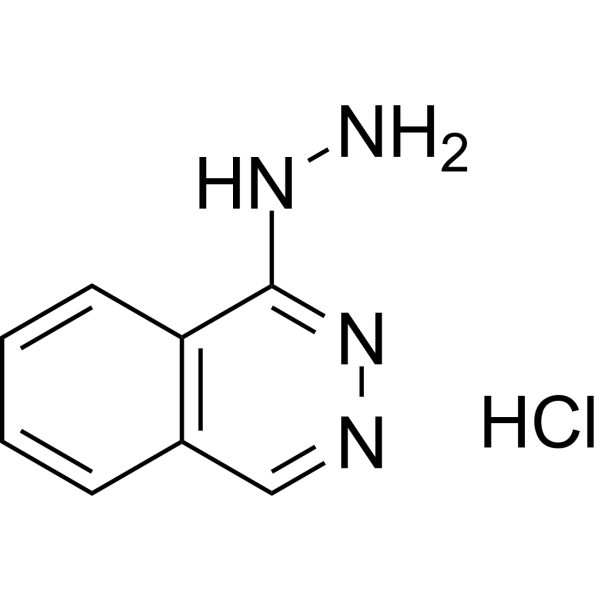
    Hydralazine hydrochloride
    3 Publications Verification

    PGE synthase NO Synthase Reactive Oxygen Species (ROS) DNA Methyltransferase COX Cardiovascular Disease Inflammation/Immunology Cancer
    Hydralazine hydrochloride is an orally active, blood-brain barrier-permeable DNA methyltransferase inhibitor with vasodilatory, arterial smooth muscle relaxant and hypotensive activities. Hydralazine hydrochloride reactivates silenced tumor suppressor genes via mediating DNA demethylation, while exerting neuroprotective and anti-inflammatory properties. Hydralazine hydrochloride inhibits NOS-2 (iNOS) and COX-2, and reduces the production of NO and PGEE2; meanwhile, Hydralazine hydrochloride scavenges reactive oxygen species and inhibits macrophage activation. Hydralazine hydrochloride alleviates motor dysfunction, neuropathic inflammatory pain, and formalin-induced somatic and emotional pain responses. In addition, Hydralazine hydrochloride directly induces DNA strand breaks and sister chromatid exchange, exhibiting certain mutagenic characteristics. Hydralazine hydrochloride has been widely used in studies on hypertension, various cancers (such as cervical cancer, leukemia), spinal cord injury and the mechanisms of inflammatory pain .
    Hydralazine hydrochloride
  • HY-B0499A
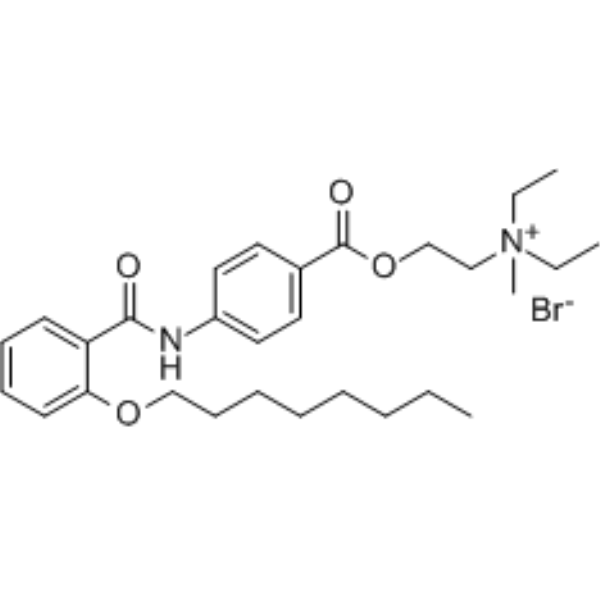
    Otilonium bromide
    3 Publications Verification

    Octylonium bromide; SP63

    mAChR Neurological Disease
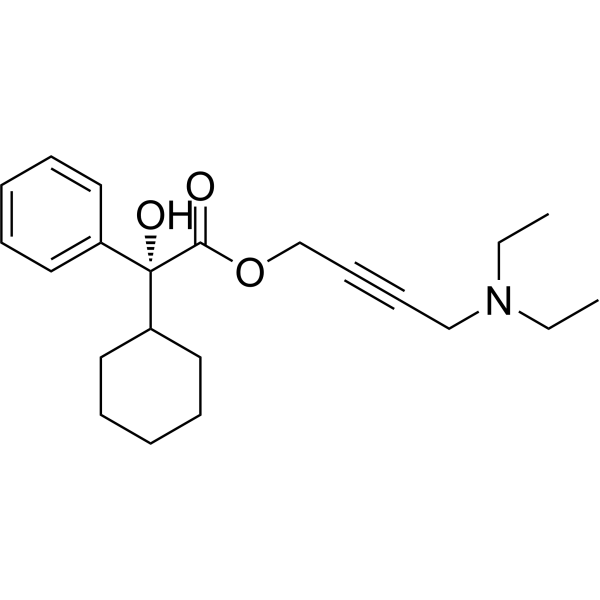
    Otilonium bromide (OB) is an orally active mAChR inhibitor and smooth muscle relaxant which can interfere with the mobilization of calcium in intestinal smooth muscle, OB can be used for research of irritable bowel syndrome .
    Otilonium bromide
  • HY-12496
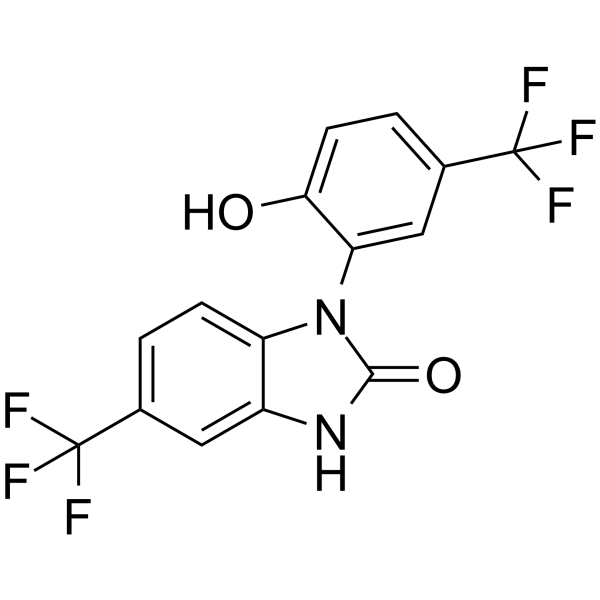
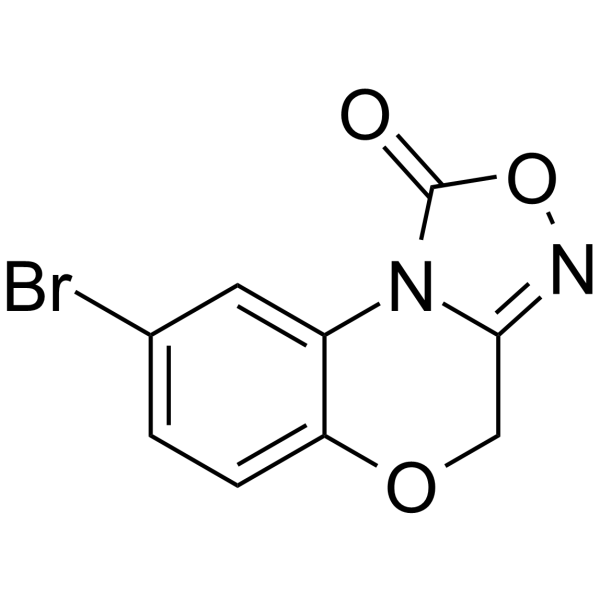
    NS-1619
    4 Publications Verification

    Potassium Channel Apoptosis Cardiovascular Disease Cancer
    NS-1619 is an opener of large conductance Ca 2+-activated K + (BK) channel. NS-1619 is a highly effective relaxant with an EC50 of about 10 – 30 μM in several smooth muscles of blood vessels and other tissues . NS1619 inhibits proliferation and induces apoptosis in A2780 ovarian cancer cells .
    NS-1619
  • HY-108974

    Phosphodiesterase (PDE) Calcium Channel Neurological Disease
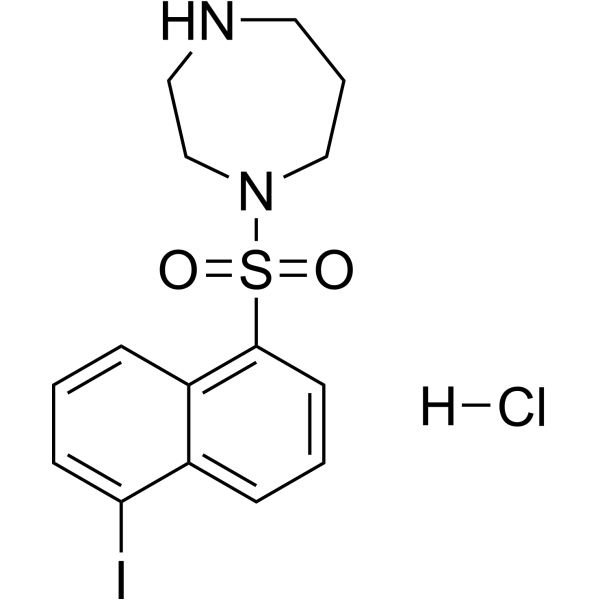
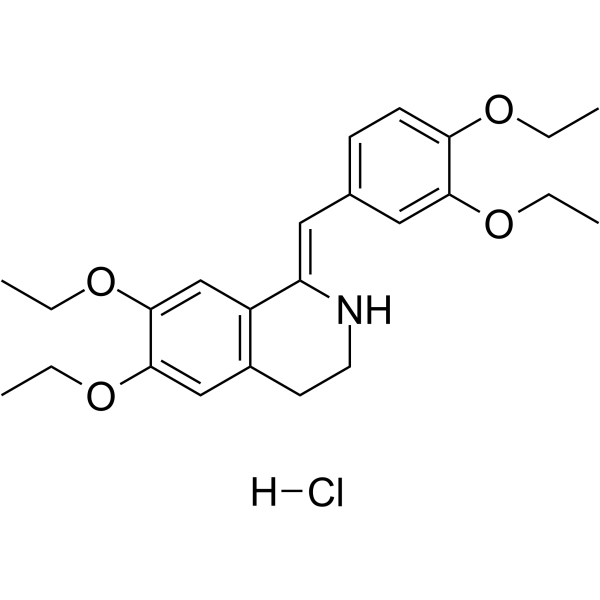
    Drotaverine hydrochloride is a type 4 cyclic nucleotide phosphodiesterase (PDE4) inhibitor and an L-type voltage-dependent calcium channel (L-VDCC) blocker, blocks the degradation of 3',5'-cyclic adenosine monophosphate. Drotaverine (hydrochloride) exhibits in vivo antispasmodic efficacy without anticholinergic effects.
    Drotaverine hydrochloride
  • HY-12379
    NS-2028
    1 Publications Verification

    Guanylate Cyclase Inflammation/Immunology
    NS-2028 is a highly selective soluble Guanylyl Cyclase (sGC) inhibitor with IC50 values of 30 nM and 200 nM for basal and NO-stimulated enzyme activity . NS-2028 inhibits soluble Guanylyl Cyclase activity in homogenates of mouse cerebellum and neuronal NO synthase with IC50 values of 17 nM and 20 nM . NS-2028 inhibits 3-morpholino-sydnonimine (SIN-1)-elicited formation of cyclic GMP in human cultured umbilical vein endothelial cells with an IC50 of 30 nM . NS-2028 is commonly used in the research of nitric oxide signaling pathways, it inhibits NO-dependent relaxant responses in non-vascular smooth muscle completely (1 μM) . NS-2028 reduces vascular endothelial growth factor-induced angiogenesis and permeability .
    NS-2028
  • HY-B0464A
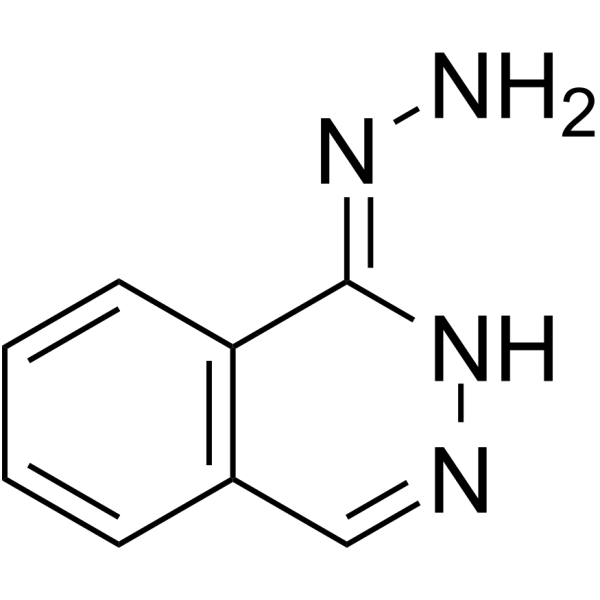
    Hydralazine
    3 Publications Verification

    DNA Methyltransferase Reactive Oxygen Species (ROS) COX NO Synthase PGE synthase Cardiovascular Disease Neurological Disease Inflammation/Immunology Cancer
    Hydralazine is an orally active, blood-brain barrier-permeable DNA methyltransferase inhibitor with vasodilatory, arterial smooth muscle relaxant and hypotensive activities. Hydralazine reactivates silenced tumor suppressor genes via mediating DNA demethylation, while exerting neuroprotective and anti-inflammatory properties. Hydralazine inhibits NOS-2 (iNOS) and COX-2, and reduces the production of NO and PGEE2; meanwhile, Hydralazine scavenges reactive oxygen species and inhibits macrophage activation. Hydralazine alleviates motor dysfunction, neuropathic inflammatory pain, and formalin-induced somatic and emotional pain responses. In addition, Hydralazine directly induces DNA strand breaks and sister chromatid exchange, exhibiting certain mutagenic characteristics. Hydralazine has been widely used in studies on hypertension, various cancers (such as cervical cancer, leukemia), spinal cord injury and the mechanisms of inflammatory pain .
    Hydralazine
  • HY-N4323
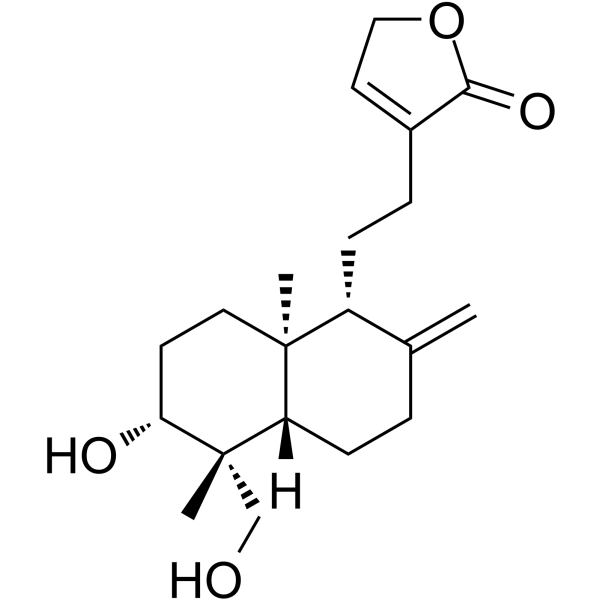
    14-Deoxyandrographolide
    1 Publications Verification

    Calcium Channel Apoptosis Caspase Neurological Disease Metabolic Disease
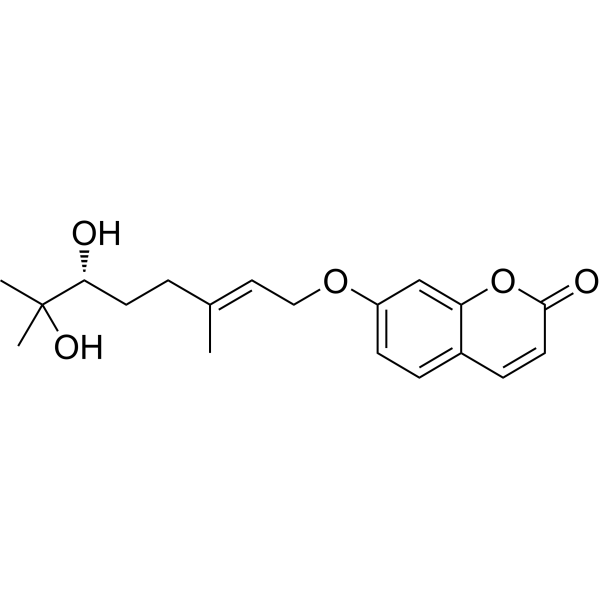
    14-Deoxyandrographolide is a diterpene with calcium channel blocking activity and acts as a uterine smooth muscle relaxant. 14-Deoxyandrographolide stimulates the release of nitric oxide (NO) in endothelial cells. 14-Deoxyandrographolide gradually desensitizes liver cells to TNF-α mediated apoptosis by inducing the release of TNFRSF1A .
    14-Deoxyandrographolide
  • HY-W016414

    Environmental Pollutants Endogenous Metabolite Cardiovascular Disease
    Triethyl phosphate is a versatile phosphate ester compound. Triethyl phosphate induces rapid and short-acting anesthesia, and exhibits hypotensive, smooth muscle relaxant, and cardiac inhibitory effects. Triethyl phosphate also modulates cholinergic toxicity; its anesthetic effect shows sex- and age-dependency in rodents, and it interacts with SKF 525-A (HY-B1311) to alter the duration of anesthesia .
    Triethyl phosphate
  • HY-B1230

    mAChR Neurological Disease
    Camylofin is an antimuscarinic, is a smooth muscle relaxant
    Camylofine
  • HY-B0464S1

    Isotope-Labeled Compounds PGE synthase NO Synthase Reactive Oxygen Species (ROS) DNA Methyltransferase COX Cancer
    Hydralazine-d5 (hydrochloride) is deuterium-labeled Hydralazine (hydrochloride) (HY-B0464). Hydralazine hydrochloride is an orally active, blood-brain barrier-permeable DNA methyltransferase inhibitor with vasodilatory, arterial smooth muscle relaxant and hypotensive activities. Hydralazine hydrochloride reactivates silenced tumor suppressor genes via mediating DNA demethylation, while exerting neuroprotective and anti-inflammatory properties. Hydralazine hydrochloride inhibits NOS-2 (iNOS) and COX-2, and reduces the production of NO and PGEE2; meanwhile, Hydralazine hydrochloride scavenges reactive oxygen species and inhibits macrophage activation. Hydralazine hydrochloride alleviates motor dysfunction, neuropathic inflammatory pain, and formalin-induced somatic and emotional pain responses. In addition, Hydralazine hydrochloride directly induces DNA strand breaks and sister chromatid exchange, exhibiting certain mutagenic characteristics. Hydralazine hydrochloride has been widely used in studies on hypertension, various cancers (such as cervical cancer, leukemia), spinal cord injury and the mechanisms of inflammatory pain .
    Hydralazine-d5 hydrochloride
  • HY-128891

    P2X Receptor Neurological Disease
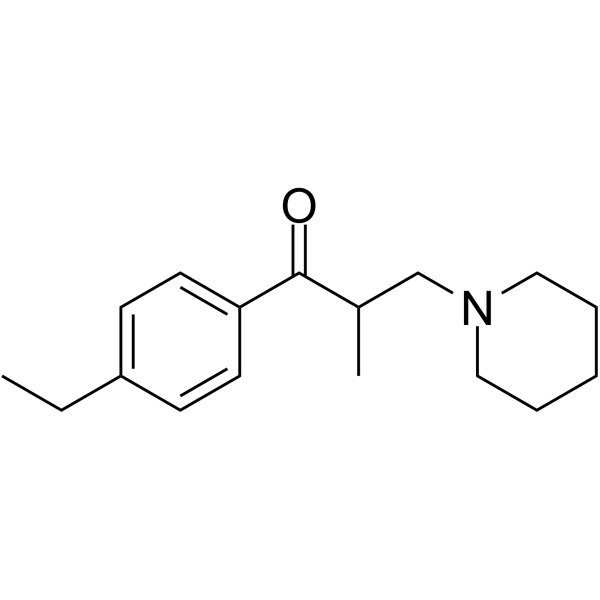
    Eperisone ((±)-Eperisone) is an antispasmodic agent and centrally acting muscle relaxant useful in the study of diseases characterized by muscle stiffness and pain. Eperisone acts by relaxing skeletal and vascular smooth muscle, resulting in vasodilation, decreased muscle tone, improved circulation, and inhibition of pain reflexes. Eperisone is also a potent P2X7 receptor antagonist .
    Eperisone
  • HY-B0464S

    Isotope-Labeled Compounds PGE synthase NO Synthase Reactive Oxygen Species (ROS) DNA Methyltransferase COX Cardiovascular Disease
    Hydralazine-d4 hydrochloride is the deuterium labeled Hydralazine hydrochloride. Hydralazine hydrochloride is an orally active, blood-brain barrier-permeable DNA methyltransferase inhibitor with vasodilatory, arterial smooth muscle relaxant and hypotensive activities. Hydralazine hydrochloride reactivates silenced tumor suppressor genes via mediating DNA demethylation, while exerting neuroprotective and anti-inflammatory properties. Hydralazine hydrochloride inhibits NOS-2 (iNOS) and COX-2, and reduces the production of NO and PGEE2; meanwhile, Hydralazine hydrochloride scavenges reactive oxygen species and inhibits macrophage activation. Hydralazine hydrochloride alleviates motor dysfunction, neuropathic inflammatory pain, and formalin-induced somatic and emotional pain responses. In addition, Hydralazine hydrochloride directly induces DNA strand breaks and sister chromatid exchange, exhibiting certain mutagenic characteristics. Hydralazine hydrochloride has been widely used in studies on hypertension, various cancers (such as cervical cancer, leukemia), spinal cord injury and the mechanisms of inflammatory pain .
    Hydralazine-d4 hydrochloride
  • HY-121966

    Riparin III

    Calcium Channel Neurological Disease
    Riparin is a nonspecific smooth muscle relaxant. Riparin exerts spasmolytic effect by inhibiting Ca 2+ influx and inhibiting the release of intracellular calcium ion stores .
    Riparin
  • HY-B0499AR

    Octylonium bromide (Standard); SP63 (Standard)

    Reference Standards mAChR Neurological Disease
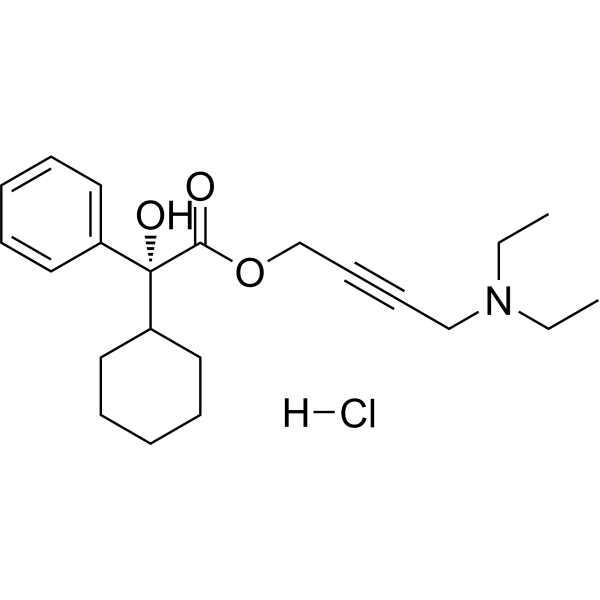
    Otilonium (bromide) (Standard) is the analytical standard of Otilonium (bromide). This product is intended for research and analytical applications. Otilonium bromide (OB) is an orally active mAChR inhibitor and smooth muscle relaxant which can interfere with the mobilization of calcium in intestinal smooth muscle, OB can be used for research of irritable bowel syndrome .
    Otilonium bromide (Standard)
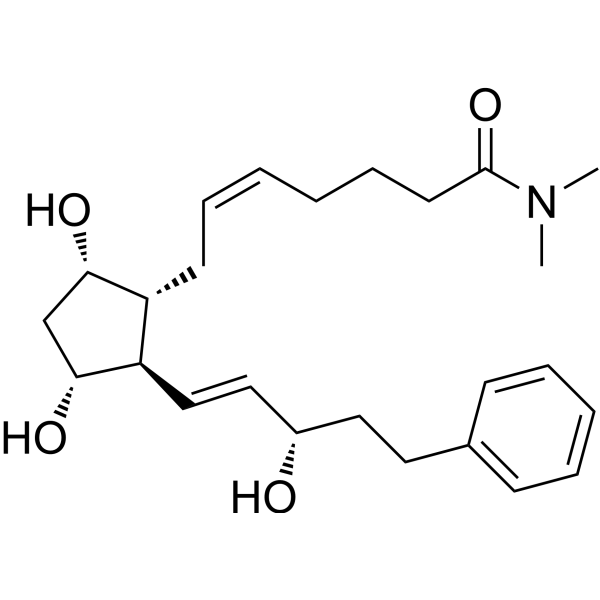
  • HY-149554

    Bimatoprost dimethyl amide

    Drug Derivative Neurological Disease
    17-Phenyl trinor Prostaglandin F2α dimethyl amide (Bimatoprost dimethyl amide), a 1-OH cyclopentane heptanoic acid, 2-(cycloalkyl or arylalkyl) derivative, is a smooth muscle relaxant. 17-Phenyl trinor Prostaglandin F2α dimethyl amide has the potential for glaucoma research .
    17-Phenyl trinor Prostaglandin F2α dimethyl amide
  • HY-124515

    Histamine Receptor mAChR Neurological Disease
    Dihexyverine hydrochloride is a compound belonging to the amino alcohol ester class. Dihexyverine hydrochloride possesses anticholinergic, smooth muscle relaxant, antihistaminic, and antiemetic effects. Dihexyverine hydrochloride can also shorten the duration of labor. Dihexyverine hydrochloride can be used in research related to gastrointestinal spasms, obstetrics, and other fields .
    Dihexyverine hydrochloride
  • HY-N4323R

    Reference Standards Calcium Channel Apoptosis Caspase Neurological Disease Metabolic Disease
    14-Deoxyandrographolide (Standard) is the analytical standard of 14-Deoxyandrographolide. 14-Deoxyandrographolide is a diterpene with calcium channel blocking activity and acts as a uterine smooth muscle relaxant. 14-Deoxyandrographolide stimulates the release of nitric oxide (NO) in endothelial cells. 14-Deoxyandrographolide gradually desensitizes liver cells to TNF-α mediated apoptosis by inducing the release of TNFRSF1A .
    14-Deoxyandrographolide (Standard)
  • HY-167659

    Biochemical Assay Reagents Neurological Disease
    Isomylamine hydrochloride is a spasmolytic and smooth muscle relaxant that can be utilized in relevant research or chemical synthesis .
    Isomylamine hydrochloride
  • HY-P1721

    Bradykinin Receptor Cardiovascular Disease
    NPC 17731 is a new bradykinin (BK) receptor antagonist. NPC 17731 antagonized both the contractile and relaxant responses caused by BK in longitudinal smooth muscle with IC50 of 23 and 29 nM, respectively .
    NPC 17731
  • HY-12980A

    GSK961081 Succinate; TD-5959 Succinate

    Adrenergic Receptor mAChR Neurological Disease
    Batefenterol Succinate (GSK961081 Succinate) is a first-of-its-kind inhaled bifunctional bronchodilator with smooth muscle relaxant properties. The activities of Batefenterol Succinate include acting as a smooth muscle parasympathetic antagonist and a beta2-adrenoceptor agonist. Batefenterol Succinate is used to improve respiratory function, especially in patients with chronic obstructive pulmonary disease (COPD) .
    Batefenterol Succinate
  • HY-B0452A

    DU21220

    Adrenergic Receptor Endocrinology
    Ritodrine (DU21220) is a β-adrenergic agonist, also an effective smooth muscle and uterine relaxant. Ritodrine prolongs contraction interval, can be used for researching arrest premature labor .
    Ritodrine
  • HY-106415

    Calcium Channel Neurological Disease
    Terflavoxate is a flavone derivative with spasmolytic properties. Terflavoxate has Ca 2+-antagonistic effect is mainly responsible for Terflavoxate smooth muscle relaxant properties. Terflavoxate has the potential for overactive detrusor research .
    Terflavoxate
  • HY-108974R

    Phosphodiesterase (PDE) Calcium Channel Reference Standards Neurological Disease
    Drotaverine (hydrochloride) (Standard) is the analytical standard of Drotaverine (hydrochloride). This product is intended for research and analytical applications. Drotaverine hydrochloride is a type 4 cyclic nucleotide phosphodiesterase (PDE4) inhibitor and an L-type voltage-dependent calcium channel (L-VDCC) blocker, blocks the degradation of 3',5'-cyclic adenosine monophosphate. Drotaverine (hydrochloride) exhibits in vivo antispasmodic efficacy without anticholinergic effects.
    Drotaverine hydrochloride (Standard)
  • HY-119291

    Phosphodiesterase (PDE) Others
    RA642 is a compound with vasodilatory and hypertensive effects, with the activity of increasing arterial blood pressure, enhancing cerebral blood flow, reducing cerebrovascular resistance and peripheral resistance, and having a papaverine-like relaxant effect on smooth muscle in anesthetized animals.
    RA642
  • HY-139120

    19(R)-Hydroxy PGE2; 19(R)-OH PGE2

    Prostaglandin Receptor Metabolic Disease
    19(R)-hydroxy Prostaglandin E2 (19(R)-hydroxy PGE2) is found in the semen of primates, including man. It is a potent smooth muscle relaxant and a selective agonist for the EP2 receptor. It has an EC50 value of 200 nM for relaxing cat tracheal rings which express EP2 receptors.
    19(R)-hydroxy Prostaglandin E2
  • HY-126127

    Histamine Receptor Inflammation/Immunology
    BRL 22321 free base is a stabilizer with similar mast cell stabilizing activity to Cromolyn sodium (HY-B0320A) and also has some smooth muscle relaxant activity. BRL 22321 free base is more potent than Cromolyn sodium (HY-B0320A) in inhibiting rat passive cutaneous and peritoneal anaphylaxis and antigen-induced histamine release from passively sensitized rat peritoneal cells .
    BRL 22321 free base
  • HY-174257

    NF-κB Oxidative Phosphorylation Inflammation/Immunology
    RCD405 is a bronchodilator. RCD405 exerts relaxant effects by acting directly on human airway smooth muscle (hASM) with an EC50 value of 12 μM for histamine-induced contractions and 45.71 μM for carbachol-induced contractions. RCD405 inhibits cholinergic and histaminergic tone and reduces electrically stimulated (EFS)-induced contractions. RCD405 is promising for research of asthma and chronic obstructive pulmonary disease (COPD) .
    RCD405
  • HY-122294

    Endogenous Metabolite Neurological Disease
    Rociverine is an anticholinergic compound with smooth muscle relaxant activity. Rociverine showed different binding modes in five cloned muscarinic receptors. The cis stereoisomer of Rociverine showed a higher affinity change compared to the trans stereoisomer. The (1R,2R) configuration of Rociverine showed significantly higher affinity, even up to 240 times. The (1S,2S) configuration of Rociverine is very important for binding selectivity .
    Rociverine
  • HY-12496R

    Potassium Channel Apoptosis Cardiovascular Disease Cancer
    NS-1619 (Standard) is the analytical standard of NS-1619. This product is intended for research and analytical applications. NS-1619 is an opener of large conductance Ca2+-activated K+ (BK) channel. NS-1619 is a highly effective relaxant with an EC50 of about 10-30 μM in several smooth muscles of blood vessels and other tissues . NS1619 inhibits proliferation and induces apoptosis in A2780 ovarian cancer cells .
    NS-1619 (Standard)
  • HY-B0464R

    Reference Standards PGE synthase NO Synthase Reactive Oxygen Species (ROS) DNA Methyltransferase COX Cardiovascular Disease Inflammation/Immunology Cancer
    Hydralazine (hydrochloride) (Standard) is the analytical standard of Hydralazine (hydrochloride). This product is intended for research and analytical applications. Hydralazine hydrochloride is an orally active, blood-brain barrier-permeable DNA methyltransferase inhibitor with vasodilatory, arterial smooth muscle relaxant and hypotensive activities. Hydralazine hydrochloride reactivates silenced tumor suppressor genes via mediating DNA demethylation, while exerting neuroprotective and anti-inflammatory properties. Hydralazine hydrochloride inhibits NOS-2 (iNOS) and COX-2, and reduces the production of NO and PGEE2; meanwhile, Hydralazine hydrochloride scavenges reactive oxygen species and inhibits macrophage activation. Hydralazine hydrochloride alleviates motor dysfunction, neuropathic inflammatory pain, and formalin-induced somatic and emotional pain responses. In addition, Hydralazine hydrochloride directly induces DNA strand breaks and sister chromatid exchange, exhibiting certain mutagenic characteristics. Hydralazine hydrochloride has been widely used in studies on hypertension, various cancers (such as cervical cancer, leukemia), spinal cord injury and the mechanisms of inflammatory pain .
    Hydralazine hydrochloride (Standard)
  • HY-165391

    Drug Derivative Neurological Disease
    NA0359 is a derivative of SF2370 (HY-N6732). NA0359 inhibits the actin-myosin-ATP interaction in native smooth muscle actomyosin and myosin light chain phosphorylation .
    NA0359
  • HY-183206

    Potassium Channel Calcium Channel Cardiovascular Disease Inflammation/Immunology
    UR 8225 is an orally active ATP-sensitive K + channel activator with vasodilator, smooth muscle relaxant, antihypertensive, and bronchodilator activities. UR 8225 induces membrane hyperpolarization by increasing outward K + conductance and reduces Ca 2+ influx through voltage-gated L-type Ca 2+ channels. UR 8225 reduces total peripheral vascular resistance, shortens cardiac action potential duration, inhibits agonist-induced Ca 2+ influx, and stimulates renin release. UR 8225 induces reflex tachycardia but lacks β-adrenergic receptor blocking activity. UR 8225 is widely applicable to research in fields related to hypertension, myocardial ischemia, ventricular fibrillation, and other conditions .
    UR 8225
  • HY-105854A

    Ras MEK ERK PI3K Akt MMP Keap1-Nrf2 Heme Oxygenase (HO) Reactive Oxygen Species (ROS) Apoptosis Cardiovascular Disease Neurological Disease Inflammation/Immunology Cancer
    Pipoxolan is an orally active smooth muscle relaxant, anti-inflammatory agent and anticancer agent. Pipoxolan modulates PI3K/AKT signaling pathways, and reduces the levels of Ras/MEK/p-ERK, MMP-2 and MMP-9. Pipoxolan inhibits pro-inflammatory transcription factor pathways, activates Nrf2/HO-1, and suppresses the production of pro-inflammatory mediators. Pipoxolan induces ROS generation, endogenous mitochondrial Apoptosis, and G0/G1 cell cycle arrest. Pipoxolan reduces cerebral infarction size and inhibits intimal hyperplasia. Pipoxolan can be used in research related to cerebral ischemia, intimal hyperplasia, oral squamous cell carcinoma, leukemia and lung cancer .
    Pipoxolan

Inquiry Online

Your information is safe with us. * Required Fields.

Salutation


Country or Region *

Applicant Name *


Organization Name *

Department *


Email Address *


Product Name *

Cat. No.


Requested quantity *

Phone Number *


Remarks

Inquiry Online

Inquiry Information

Product Name:
Cat. No.:
Quantity:
MCE Japan Authorized Agent:

