1. Search Result
Search Result
Results for "

Swiss Albino Mice

" in MedChemExpress (MCE) Product Catalog:

24

Inhibitors & Agonists

8

Natural
Products

Cat. No. Product Name Target Research Areas Chemical Structure
  • HY-A0021
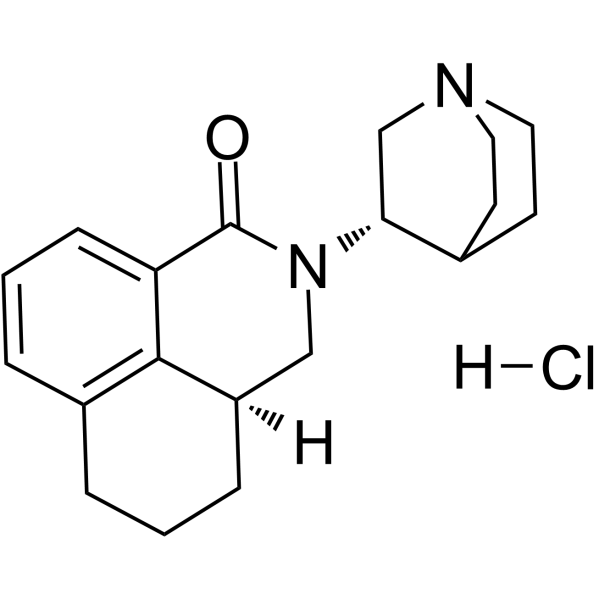
    Palonosetron hydrochloride
    1 Publications Verification

    5-HT Receptor Flavivirus Infection Cardiovascular Disease Neurological Disease
    Palonosetron hydrochloride is a 5-HT3 antagonist primarily used to prevent acute, delayed, and overall chemotherapy-induced nausea and vomiting. In addition, Palonosetron hydrochloride exhibits moderate anti-flavivirus activity and potent anti-Zika virus activity in mammalian cells. Palonosetron hydrochloride also possesses antidepressant activity .
    Palonosetron hydrochloride
  • HY-N11908

    cis-α-Santalol

    Akt Survivin Apoptosis Caspase PARP Metabolic Disease Cancer
    α-Santalol (cis-α-Santalol), a naturally occurring sesquiterpene, is an orally active anticancer agent and apoptosis inducer. α-Santalol activates caspase-3 to drive apoptotic processes. >α-Santalol induces apoptosis, decreases cell viability, and causes PARP cleavage in human prostate cancer cells. α-santalol inhibits Akt/Survivin pathway to induce cell death. α-Santalol can be used for the research of prostate cancer and diabetes mellitus .
    α-Santalol
  • HY-B0900
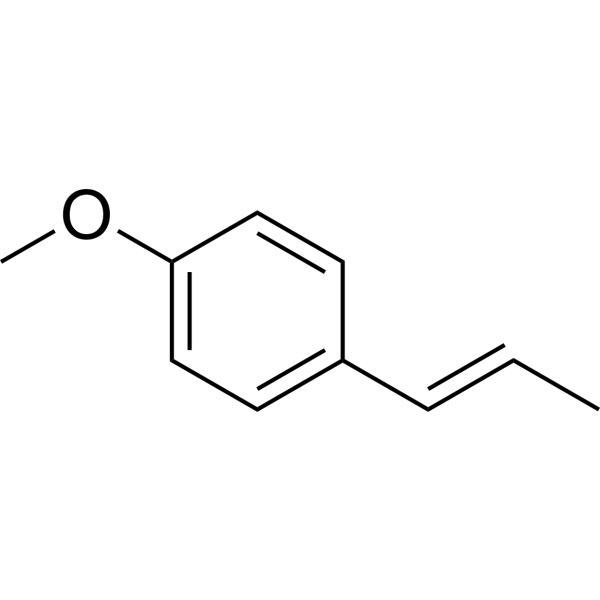
    Anethole
    2 Publications Verification

    Anise camphor; p-Propenylanisole; Isoestragole

    Environmental Pollutants Apoptosis NF-κB Fungal Bacterial MMP Infection Neurological Disease Inflammation/Immunology Cancer
    Anethole is a type of orally active aromatic compound that is widely found in nature and used as a flavoring agent. Anethole possesses anticancer, anti-inflammatory, antioxidant, antibacterial, antifungal, anesthetic, estrogenic, central nervous system depressant, hypnotic, insecticidal, and gastroprotective effects. Anethole can be used in the study of oxidative stress-related skin diseases and prostate cancer .
    Anethole
  • HY-B1206
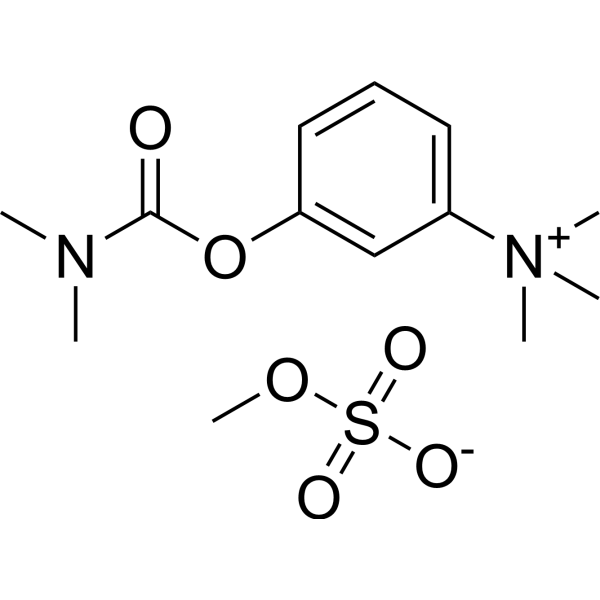
    Neostigmine (methyl sulfate)
    1 Publications Verification

    Cholinesterase (ChE) Infection Neurological Disease
    Neostigmine methyl sulfate is an AchE inhibitor. Neostigmine methyl sulfate increases endogenous acetylcholine levels, mediates antinociceptive effects, and alleviates heat-induced pain. Neostigmine methyl sulfate can be used in studies related to postoperative pain and sepsis .
    Neostigmine (methyl sulfate)
  • HY-B1847
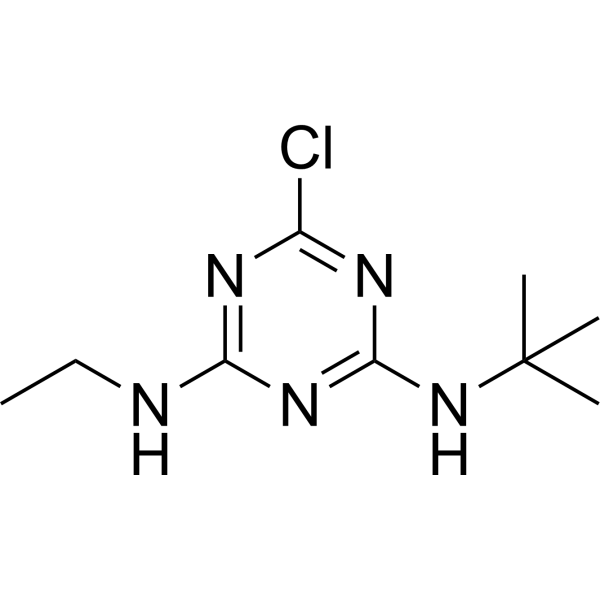
    Terbuthylazine
    1 Publications Verification

    Environmental Pollutants Acetolactate Synthase (ALS) Herbicide Others
    Terbuthylazine is an inhibitor of acetolactate syntase (ALS), is a selective herbicide. Terbuthylazine blocks electron transport in photosystem II via interaction with the D1-protein .
    Terbuthylazine
  • HY-157581

    EGFR PROTACs Cancer
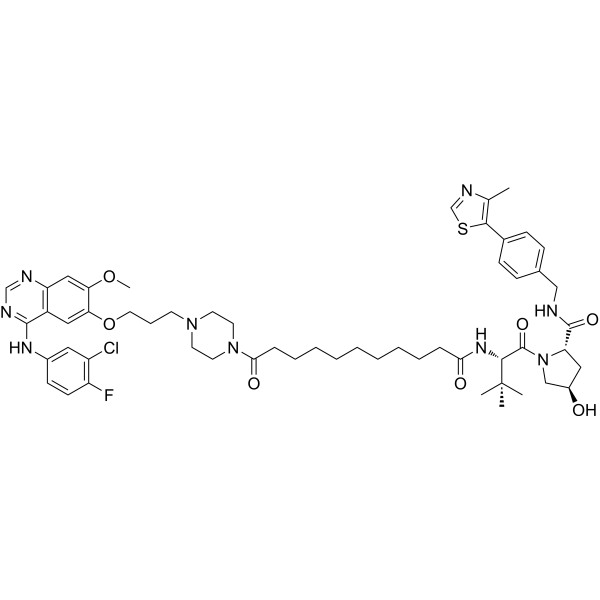
    MS39 (compound 6) is a PROTAC targeting EGFR. MS39 reduces the expression of EGFR and downstream signaling in HCC-827 and H3255 cells. MS39 inhibits the proliferation of H3255 cells .
    MS39
  • HY-N8210

    Drug Metabolite Autophagy Apoptosis Reactive Oxygen Species (ROS) Keap1-Nrf2 MMP Caspase PARP MDM-2/p53 Neurological Disease Inflammation/Immunology Cancer
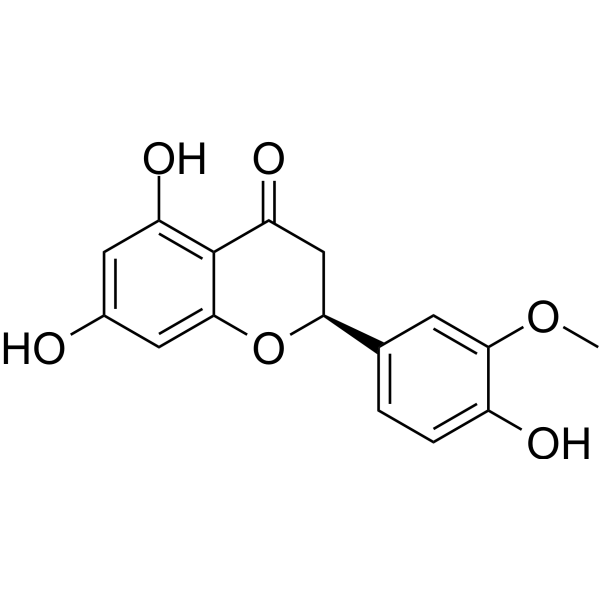
    Homoeriodictyol is an orally active, bitter-tasting flavanone that can penetrate the blood-brain barrier. Homoeriodictyol enhances synaptic-related protein expression through NCOA4-mediated ferritin autophagy. Homoeriodictyol improves memory impairment in mice by inhibiting the NLRP3 inflammasome. Homoeriodictyol protects human endothelial cells from oxidative damage by activating Nrf2 and inhibiting mitochondrial dysfunction. Homoeriodictyol enhances ROS activity and induces apoptosis, exhibiting anticancer effects. Homoeriodictyol inhibits the survival and migration of androgen-resistant prostate cancer cells in vitro. Homoeriodictyol exerts antinociceptive activity in mice in vivo .
    Homoeriodictyol
  • HY-W013762

    Environmental Pollutants Biochemical Assay Reagents Others
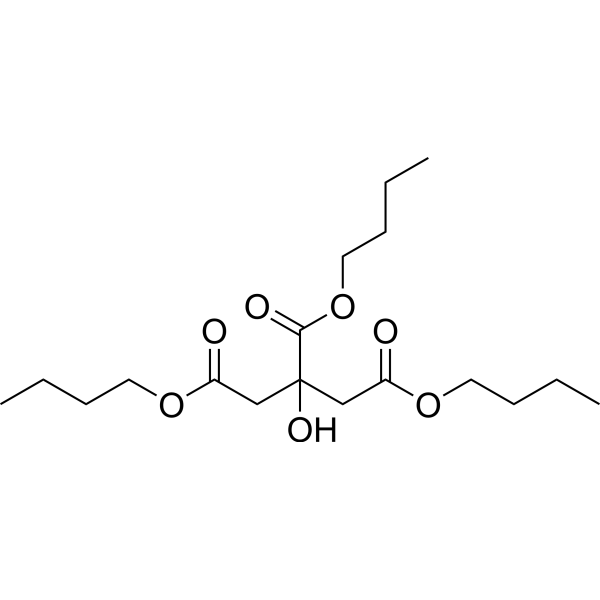
    Tributyl citrate is a low-toxicity and orally active citrate ester with no genotoxicity or skin sensitizing activity. Tributyl citrate also acts as a plasticizer, solvent, FDA-approved indirect food additive, and topical anesthetic, among other uses. Tributyl citrate induces a needle-prick insensitivity response that lasts for more than 2 hours, and a 5% suspension of it temporarily eliminates the corneal reflex in rabbits. Tributyl citrate causes no significant systemic toxicity in rats and cats at most tested doses, and only may cause growth retardation and gastrointestinal reactions such as diarrhea and nausea at high doses or with repeated oral administration .
    Tributyl citrate
  • HY-156277

    PPAR Metabolic Disease
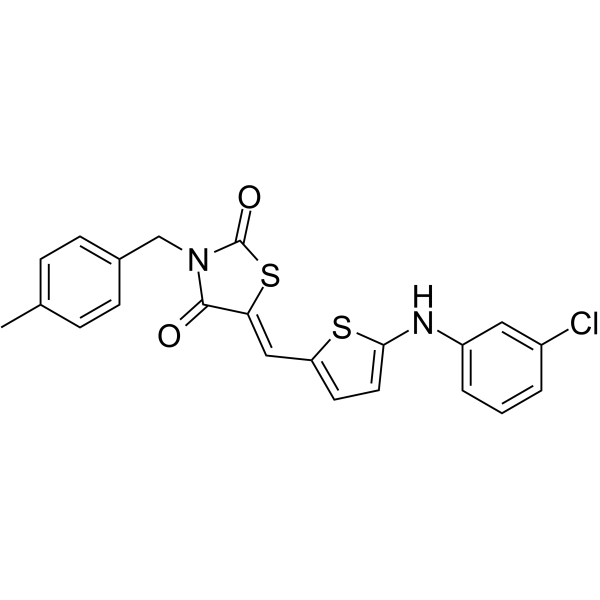
    SP4f is an activator ofPPAR-γ, with the EC50 of 826 nM in HK-2 cells. SP4f reduces the blood glucose levels and lipid peroxidation, and increases glutathione levels and catalase activityin the Swiss albino mice .
    SP4f
  • HY-178749

    ClpP Mitochondrial Metabolism Apoptosis Caspase PARP Cancer
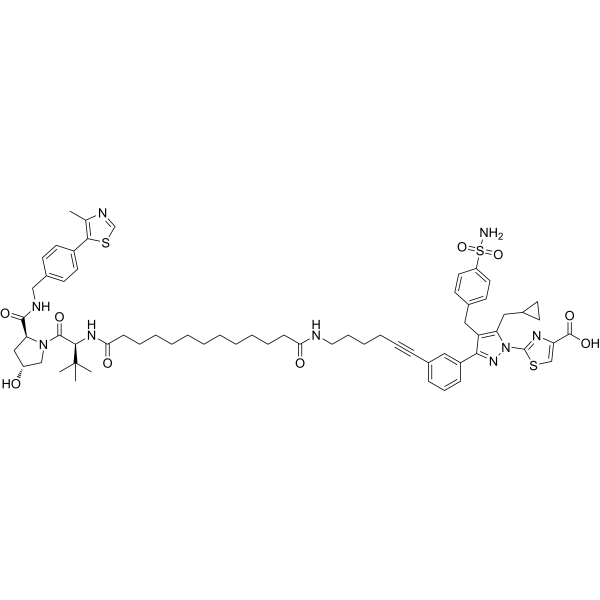
    MS6076 is a mitochondrial protease ClpP agonist. MS6076 specifically activates the ClpP protease in the mitochondrial matrix, significantly disrupting mitochondrial Electron Transport Chain (ETC) function by accelerating the degradation of unfolded proteins. MS6076 exhibits potent cytotoxicity against a variety of cancer cell lines. MS6076 induces cell apoptosis, increasing cleavage of caspase 3 and PARP. MS6076 can be used for the research of breast cancer .
    MS6076
  • HY-156276

    PPAR Metabolic Disease
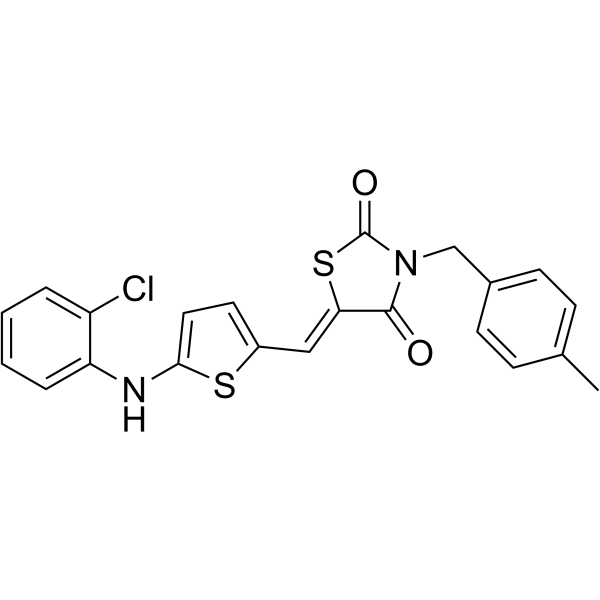
    SP4e is an activator of PPAR-γ, with the EC50 of 739 nM in HK-2 cells. SP4e reduces the blood glucose levels and lipid peroxidation, and increases glutathione levels and catalase activityin the Swiss albino mice .
    SP4e
  • HY-176519

    Beta-lactamase Bacterial Infection
    ANT2681 is a potent NDM inhibitor with a Ki value of 0.04 μM against NDM-1. ANT2681 also inhibits other MBLs, such as VIM-1 and IMP-1 with Ki values of 0.63 μM and 3.81 μM, respectively. ANT2681 can be used in combination with Meropenem (HY-13678) to inhibit infections caused by NDM-producing Enterobacteriaceae .
    ANT2681
  • HY-B0900R

    Anise camphor (Standard); p-Propenylanisole (Standard); Isoestragole (Standard)

    Apoptosis Fungal Bacterial MMP NF-κB Reference Standards Infection Neurological Disease Inflammation/Immunology Cancer
    Anethole (Standard) is the analytical standard of Anethole. This product is intended for research and analytical applications. Anethole is a type of orally active aromatic compound that is widely found in nature and used as a flavoring agent. Anethole possesses anticancer, anti-inflammatory, antioxidant, antibacterial, antifungal, anesthetic, estrogenic, central nervous system depressant, hypnotic, insecticidal, and gastroprotective effects. Anethole can be used in the study of oxidative stress-related skin diseases and prostate cancer .
    Anethole (Standard)
  • HY-108281

    Tromaril; RH 8

    Others Inflammation/Immunology
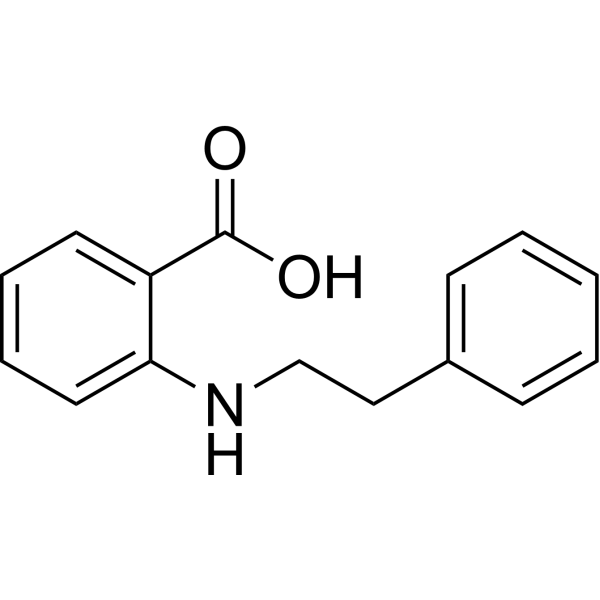
    Enfenamic acid is a nonsteroidal anti-inflammatory agent and a prostaglandin synthetase inhibitor, inhibiting hepatic gluconeogenesis in Swiss albino mice. Enfenamic acid suppresses wound healing .
    Enfenamic acid
  • HY-161243

    Cholinesterase (ChE) Neurological Disease
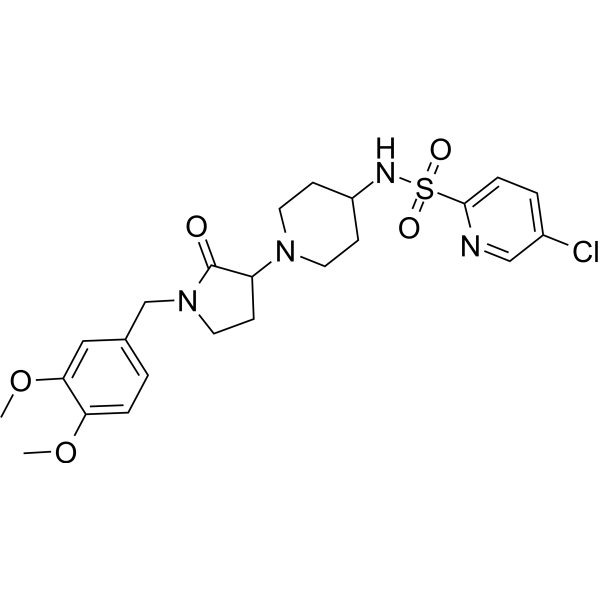
    AChe-IN-56 is an orally active inhibitor for acetylcholinesterase enzyme (AChE) with neuroprotective efficacy .
    AChE-IN-56
  • HY-158261

    Cholinesterase (ChE) Amyloid-β Beta-secretase Neurological Disease
    AChE-IN-63 (Compound 5AD) is a selective inhibitor of hAChE (IC50=0.103 μM). AChE-IN-63 also inhibits hBChE and hBACE-1 (IC50= 10 μM (hBChE); 1.342 μM (hBACE-1)). AChE-IN-63 inhibits Aβ aggregation, preventing the formation and deposition of Aβ1-42. AChE-IN-63 can effectively penetrate the blood-brain barrier and is orally effective. It is primarily used in Alzheimer's disease research .
    AChE-IN-63
  • HY-162761

    Bacterial COX Inflammation/Immunology
    COX-1/2-IN-9 (Compound 3n) is a potent and selective inhibitor of COX-1/2, with IC50 values of 0.031 µM and 0.01 µM, respectively. COX-1/2-IN-9 possesses both antibacterial and anti-inflammatory activities, effectively inhibiting MRSA 1478 (MIC=50 μg/mL) and multidrug-resistant S. lentus (MIC=50 μg/mL). COX-1/2-IN-9 holds significant potential to alleviate MRSA-induced pneumonia in immunocompromised states .
    COX-1/2-IN-9
  • HY-152169

    Interleukin Related Apoptosis TNF Receptor IFNAR NF-κB Bcl-2 Family Inflammation/Immunology
    BIHC is a TNF blocker with anti-inflammatory activity. BIHC can significantly inhibit the proliferation of hepatocellular carcinoma (HCC) cells and exhibits potent cytotoxicity against the HepG2 cell line, capable of inducing cell apoptosis , while demonstrating relatively low toxicity towards normal hepatocytes. Additionally, BIHC can be used for research on inflammatory bowel disease (IBD) .
    BIHC
  • HY-182065

    SARS-CoV Infection
    SARS-CoV-2 Mpro-IN-56 is an orally active SARS-CoV-2 Mpro inhibitor with an IC50 of 0.026 μM. SARS-CoV-2 Mpro-IN-56 can be used for the research of COVID-19 .
    SARS-CoV-2 Mpro-IN-56
  • HY-N16926

    Drug Derivative Others
    Chingchengenamide A is a natural alkaloid.
    Chingchengenamide A
  • HY-N19628

    Parasite Infection
    Dianellin is an orally active anti-malarial agent found in Kniphofia foliosa. Dianellin binds to Plasmodium falciparum plasmepsin II and shows anti-malarial activity in mice. Dianellin can be used for the research of malaria .
    Dianellin
  • HY-182403

    Apoptosis Others Cancer
    GR-891 is an acyclic nucleoside 5-Fluorouracil (HY-90006) derivative. GR-891 exerts antiproliferative activity in human cancer cells and inhibits proliferation of human rhabdomyosarcoma cells. GR-891 induces terminal myogenic differentiation in human rhabdomyosarcoma cells, including modulation of desmin and vimentin expression. GR-891 is phosphorylated by kinases, incorporated into RNA, and releases acrolein. GR-891 can be used for the research of cancer and rhabdomyosarcoma .
    GR-891
  • HY-N18080

    Parasite DNA Alkylator/Crosslinker Bacterial Infection Inflammation/Immunology Cancer
    Parthenin is a pseudoguaianolide-type sesquiterpene lactone present in Parthenium hysterophorus L. Parthenin induces chromosomal aberrations, mainly chromatid breaks, in human peripheral blood lymphocytes. Parthenin exhibits toxicity against Salmonella typhimurium and Escherichia coli strains, with reduced toxicity in the presence of a metabolic activation system (S9). Parthenin acts as an antifeedant against the 6th instar larvae of the tobacco cutworm (Spodoptera litura). Parthenin shows insecticidal activity against adult cowpea weevils (Callosobruchus maculatus). Parthenin inhibits seed germination and seedling growth of sicklepod (Cassia tora). Parthenin possesses nematicidal activity against the 2nd instar larvae of the southern root-knot nematode (Meloidogyne incognita). Parthenin serves as a research agent for studies related to cancer, malaria, amoebiasis, inflammatory diseases, and bacterial infections .
    Parthenin
  • HY-N19717

    NF-κB SOD Inflammation/Immunology Cancer
    Bartogenic acid is an orally active NF-κB inhibitor, found in Barringtonia racemosa fruits. Bartogenic acid increases catalase, superoxide dismutase (SOD), and glutathione levels. Bartogenic acid inhibits lipid peroxidation and suppresses inflammation markers. Bartogenic acid can be used for the research of ovarian cancer, skin cancer, and inflammatory conditions .
    Bartogenic acid

Inquiry Online

Your information is safe with us. * Required Fields.

Salutation


Country or Region *

Applicant Name *


Organization Name *

Department *


Email Address *


Product Name *

Cat. No.


Requested quantity *

Phone Number *


Remarks

Inquiry Online

Inquiry Information

Product Name:
Cat. No.:
Quantity:
MCE Japan Authorized Agent:

