498 Results for "

acetylcholine receptor

" in MedChemExpress (MCE) Product Catalog:
Products (498)

498 Results for "acetylcholine receptor" in MCE Product Catalog:

50
50 Publications Verification
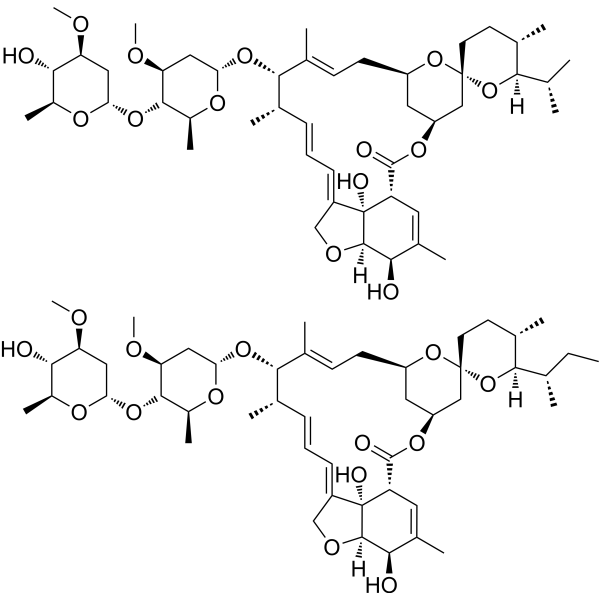
Cat. No.: HY-15310
CAS No.: 70288-86-7
Purity:  98.28%
Synonyms: MK-933; CD-5024; K-237
Ivermectin (MK-933) is a broad-spectrum anti-parasite agent. Ivermectin (MK-933) is a specific inhibitor of Impα/β1-mediated nuclear import and has potent antiviral activity towards both HIV-1 and dengue virus. It is a positive allosteric effector of P2X4 and the α7 neuronal nicotinic acetylcholine receptor (nAChRs). Ivermectin also inhibits bovine herpesvirus1 (BoHV-1) replication and inhibits BoHV-1 DNA polymerase nuclear import . Ivermectin is a candidate therapeutic against SARS-CoV-2/COVID-19 .
loading...
    loading...
48
48 Cited Publications
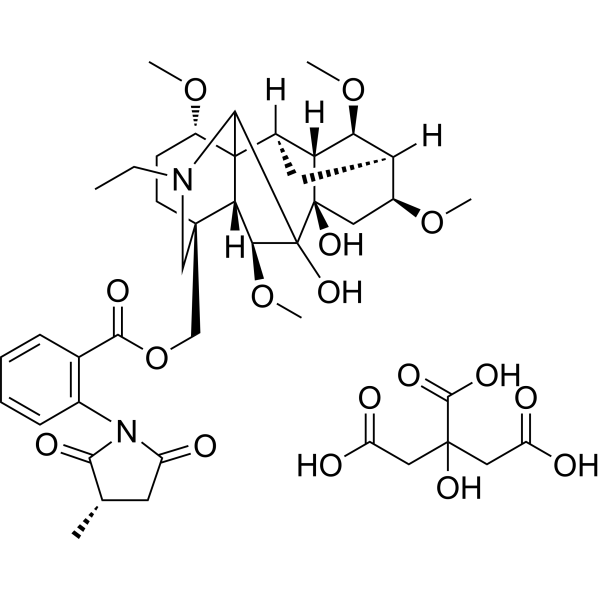
Cat. No.: HY-N2332A
CAS No.: 351344-10-0
Synonyms: MLA citrate
Methyllycaconitine (MLA) citrate is a blood-brain barrier-permeable antagonist of α7 nicotinic acetylcholine receptor (α7nAChR) with an IC50 of 2 nM. Methyllycaconitine citrate inhibits Aβ25-35-induced autophagy by restoring the mTOR pathway, and prevents reactive oxygen species (ROS) production, microglial activation, reduced dopamine uptake, loss of dopaminergic terminals and catecholamine secretion. Methyllycaconitine citrate induces hippocampal glutamate efflux, enhances long-term potentiation, and improves memory acquisition. Methyllycaconitine citrate can be used in research related to Alzheimer's disease, cerebral palsy, Parkinson's disease and schizophrenia .
loading...
    loading...
45
45 Cited Publications
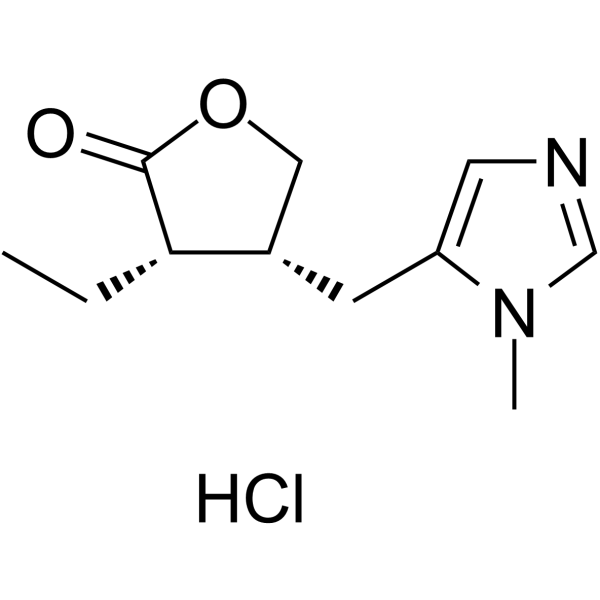
Cat. No.: HY-B0726
CAS No.: 54-71-7
Pilocarpine Hydrochloride is an orally active, selective M3 muscarinic acetylcholine receptor agonist. Pilocarpine Hydrochloride can induce seizures and is used in research on conditions such as epilepsy, dry mouth (xerostomia), and elevated intraocular pressure .
loading...
    loading...
45
45 Cited Publications
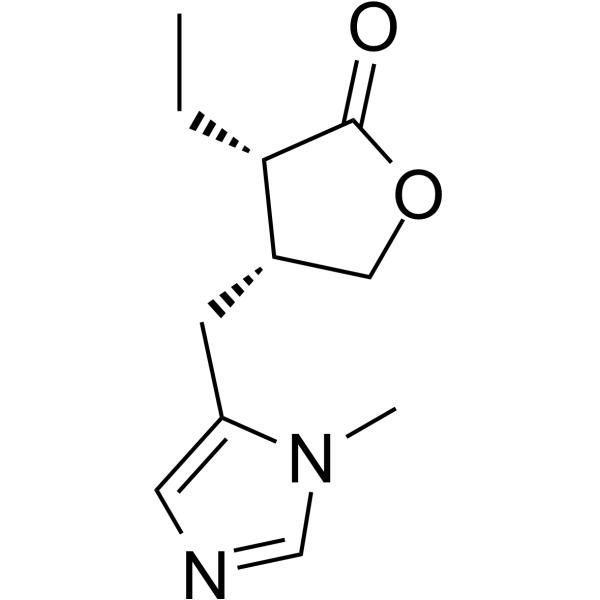
Cat. No.: HY-B0726A
CAS No.: 92-13-7
Target:  

mAChR

Research Areas:  

Neurological Disease Cancer

Pilocarpine is an orally active, selective M3 muscarinic acetylcholine receptor agonist. Pilocarpine can induce seizures. Pilocarpine is used in research on conditions such as epilepsy, dry mouth (xerostomia), and elevated intraocular pressure .
loading...
    loading...
45
45 Cited Publications
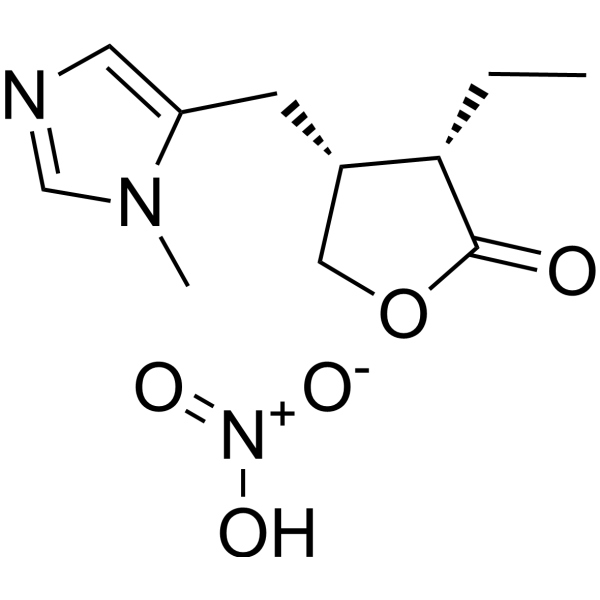
Cat. No.: HY-B1006
CAS No.: 148-72-1
Pilocarpine nitrate is an orally active, selective M3 muscarinic acetylcholine receptor agonist. Pilocarpine nitrate can induce seizures and is used in research on conditions such as epilepsy, dry mouth (xerostomia), and elevated intraocular pressure .
loading...
    loading...
28
28 Cited Publications
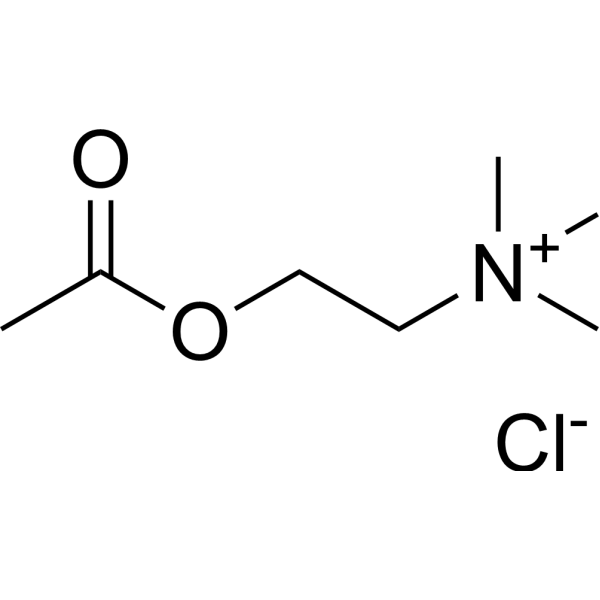
Cat. No.: HY-B0282
CAS No.: 60-31-1
Synonyms: ACh chloride
Acetylcholine chloride (ACh chloride), a neurotransmitter, is a potent and BBB-permeable cholinergic agonist. Acetylcholine chloride is a modulator of the activity of dopaminergic (DAergic) neurons through the stimulation of nicotinic acetylcholine receptors (nAChRs) . Acetylcholine chloride inhibits p53 mutant peptide aggregation in vitro .
loading...
    loading...
28
28 Cited Publications
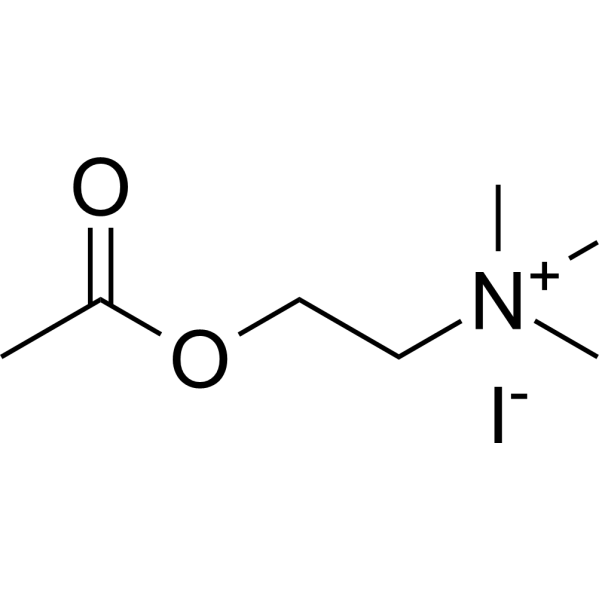
Cat. No.: HY-101086
CAS No.: 2260-50-6
Purity:  98.59%
Synonyms: ACh iodide
Acetylcholine iodide is a muscarinic receptor modulator. Acetylcholine iodide specifically binds to muscarinic receptors, inhibits sodium absorption, and induces chloride secretion. Acetylcholine iodide changes intestinal ion transport, enhances intestinal secretory function, induces or maintains mammary gland development and lactation. Acetylcholine iodide can be used for intestinal ion transport regulation and mammary gland physiological function research .
loading...
    loading...
27
27 Cited Publications
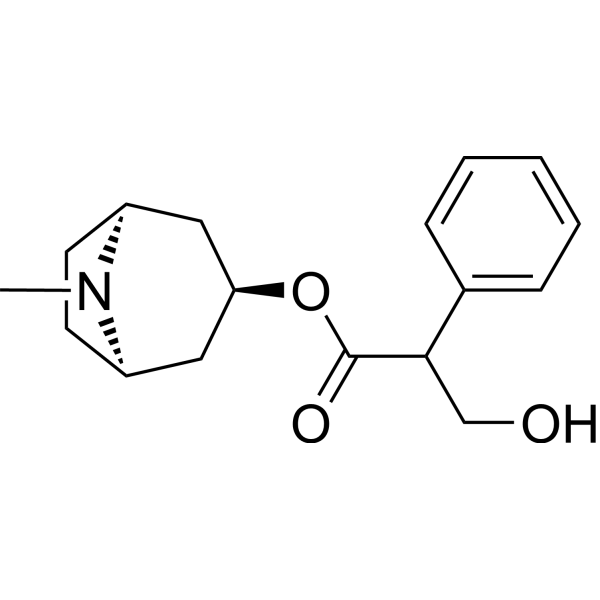
Cat. No.: HY-B1205
CAS No.: 51-55-8
Synonyms: Tropine tropate; DL-Hyoscyamine
Atropine (Tropine tropate) is a competitive muscarinic acetylcholine receptor (mAChR) antagonist with IC50 values of 0.39 and 0.71 nM for Human mAChR M4 and Chicken mAChR M4, respectively. Atropine inhibits ACh-induced relaxations in human pulmonary veins. Atropine can be used for research of anti-myopia and bradycardia .
loading...
    loading...
27
27 Cited Publications
Cat. No.: HY-B0394
CAS No.: 5908-99-6
Synonyms: Tropine tropate sulfate monohydrate; DL-Hyoscyamine sulfate monohydrate
Target:  

mAChR

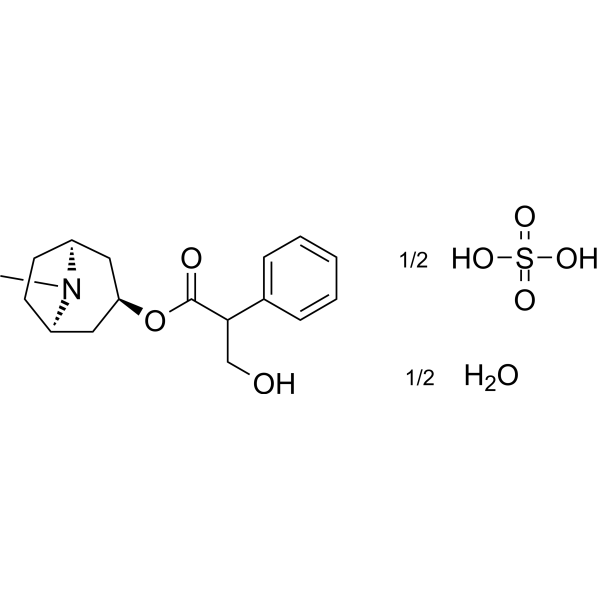
Atropine (Tropine tropate) sulfate monohydrate is a competitive muscarinic acetylcholine receptor (mAChR) antagonist with IC50 values of 0.39 and 0.71 nM for Human mAChR M4 and Chicken mAChR M4, respectively. Atropine sulfate monohydrate inhibits ACh-induced relaxations in human pulmonary veins. Atropine sulfate monohydrate can be used for research of anti-myopia and bradycardia .
loading...
    loading...
27
27 Cited Publications
Cat. No.: HY-B1205A
CAS No.: 55-48-1
Synonyms: Tropine tropate sulfate; DL-Hyoscyamine sulfate; Sulfatropinol
Target:  

mAChR

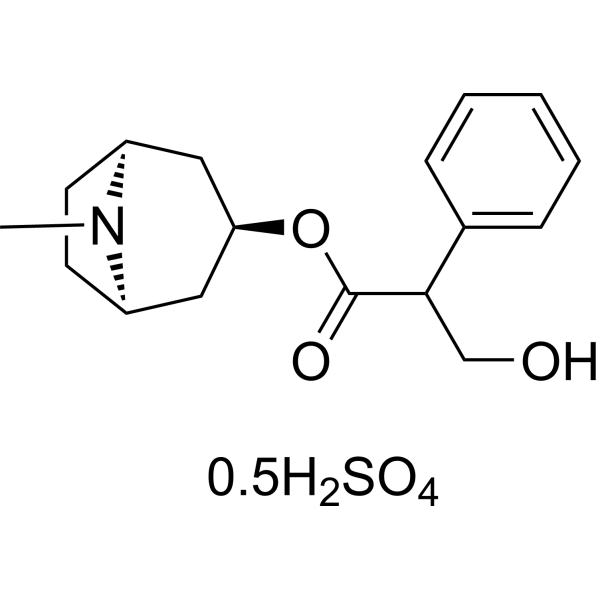
Atropine (Tropine tropate) sulfate is a competitive muscarinic acetylcholine receptor (mAChR) antagonist with IC50 values of 0.39 and 0.71 nM for Human mAChR M4 and Chicken mAChR M4, respectively. Atropine sulfate inhibits ACh-induced relaxations in human pulmonary veins. Atropine sulfate can be used for research of anti-myopia and bradycardia .
loading...
    loading...
16
16 Cited Publications
Cat. No.: HY-14564A
CAS No.: 156223-05-1
Purity:  99.65%
Synonyms: DMXB-A; DMBX-anabaseine
Target:  

nAChR 5-HT Receptor

Research Areas:  

Inflammation/Immunology

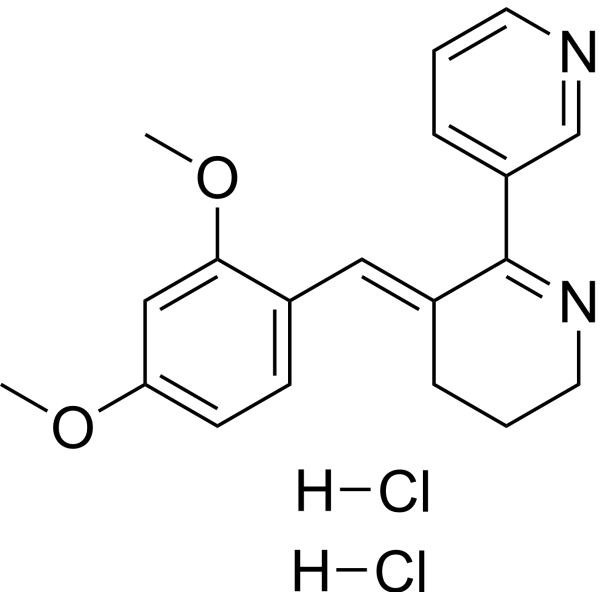
GTS-21 dihydrochloride is a selective alpha7 nicotinic acetylcholine receptor (α7-nAChR) agonist with anti inflammatory and cognition enhancing activities. GTS-21 dihydrochloride is also a α4β2 (Ki=20 nM for humanα4β2) and 5-HT3A receptor (IC50=3.1 μM) antagonist .
loading...
    loading...
15
15 Cited Publications
Cat. No.: HY-12560A
CAS No.: 123464-89-1
Purity:  99.93%
Target:  

nAChR 5-HT Receptor

Research Areas:  

Neurological Disease

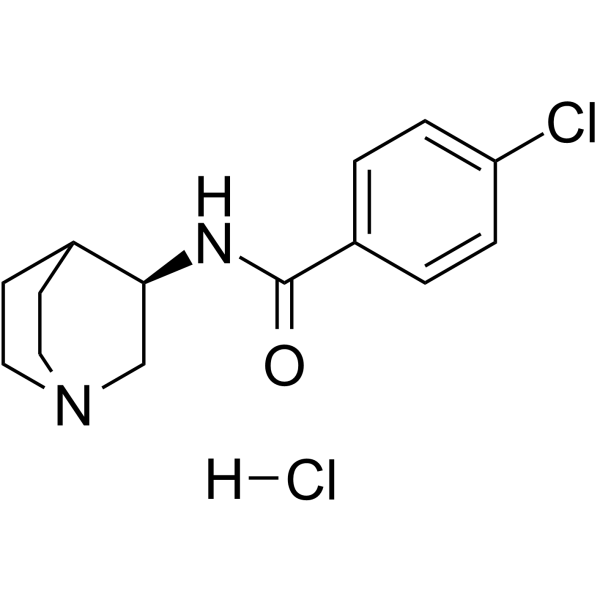
PNU-282987 is a potent α7 nicotinic acetylcholine receptor (nAChR) agonist with an EC50 of 154 nM. PNU-282987 is also a functional antagonist of the 5-HT3 receptor with an IC50 of 4541 nM. PNU-282987 can be used for the research of central and peripheral nervous systems .
loading...
    loading...
12
12 Cited Publications
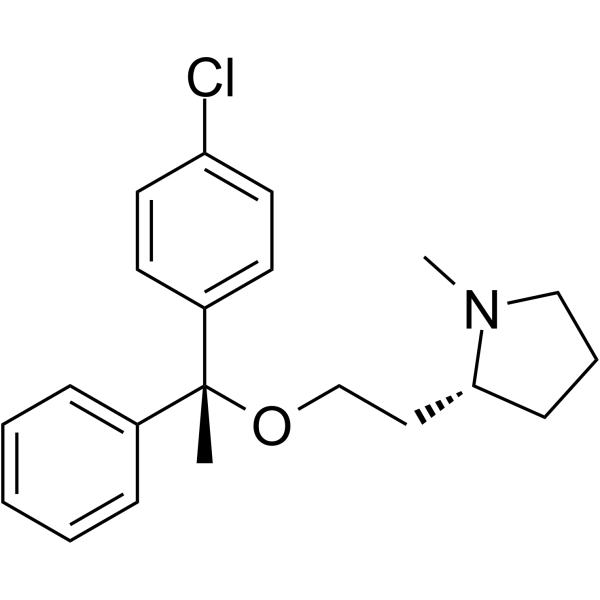
Cat. No.: HY-B0298
CAS No.: 15686-51-8
Synonyms: HS-592; Meclastine
Clemastine (HS-592; Meclastine) is an orally active, blood-brain barrier-permeable H1 histamine receptor (H1 histamine receptor) antagonist with potent antiallergic effects. Clemastine also antagonizes muscarinic acetylcholine receptors (mAChR), particularly the M1 and M4 subtypes. In addition to antihistamine effects, Clemastine exhibits multiple pharmacological activities, especially in promoting central nervous system remyelination, activating autophagy and pyroptosis, exerting anti-apoptotic and neuroprotective effects, and suppressing inflammation .
loading...
    loading...
12
12 Cited Publications
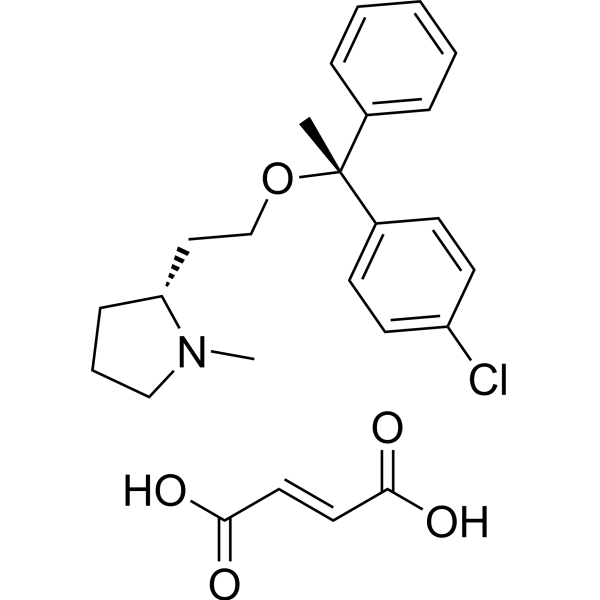
Cat. No.: HY-B0298A
CAS No.: 14976-57-9
Synonyms: HS-592 fumarate; Meclastine fumarate
Clemastine (HS-592; Meclastine) fumarate is an orally active, blood-brain barrier-permeable H1 histamine receptor (H1 histamine receptor) antagonist with potent antiallergic effects. Clemastine fumarate also antagonizes muscarinic acetylcholine receptors (mAChR), particularly the M1 and M4 subtypes. In addition to antihistamine effects, Clemastine fumarate exhibits multiple pharmacological activities, especially in promoting central nervous system remyelination, activating autophagy and pyroptosis, exerting anti-apoptotic and neuroprotective effects, and suppressing inflammation .
loading...
    loading...
11
11 Cited Publications
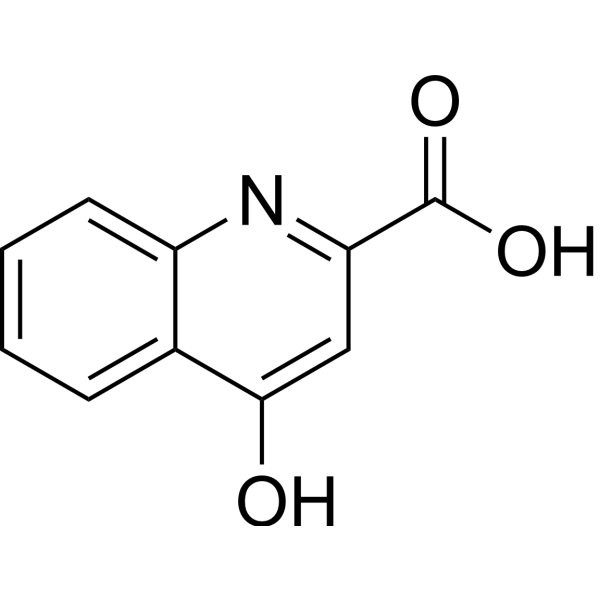
Cat. No.: HY-100806
CAS No.: 492-27-3
Purity:  99.21%
Synonyms: Quinurenic acid
Kynurenic acid, an endogenous tryptophan metabolite, is a broad-spectrum antagonist targeting NMDA, glutamate, α7 nicotinic acetylcholine receptor. Kynurenic acid is also an agonist of GPR35/CXCR8.
loading...
    loading...
11
11 Cited Publications
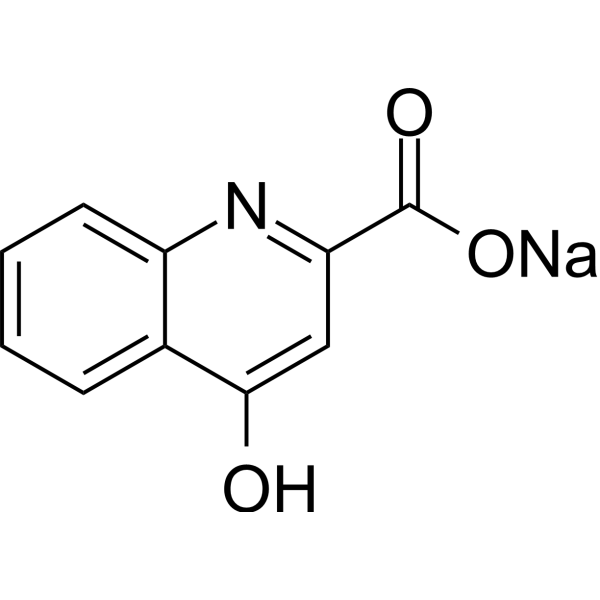
Cat. No.: HY-107512
CAS No.: 2439-02-3
Purity:  99.79%
Kynurenic acid sodium, an endogenous tryptophan metabolite, is a broad-spectrum antagonist targeting NMDA, glutamate, α7 nicotinic acetylcholine receptor. Kynurenic acid sodium is also an agonist of GPR35/CXCR8.
loading...
    loading...
9
9 Cited Publications
Cat. No.: HY-P1264
CAS No.: 11032-79-4
Target:  

nAChR

Research Areas:  

Neurological Disease

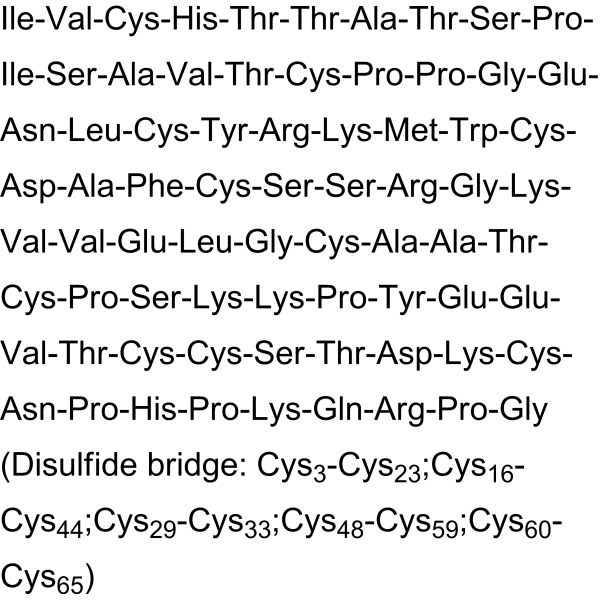
α-Bungarotoxin is a competitive antagonist at nicotinic acetylcholine receptors (nAChRs). α-Bungarotoxin, a selective α7 receptor blocker, blocks α7 currents with an IC50 of 1.6 nM and has no effects on α3β4 currents at concentrations up to 3 μM .
loading...
    loading...
7
7 Cited Publications
Cat. No.: HY-B0725
CAS No.: 1229-29-4
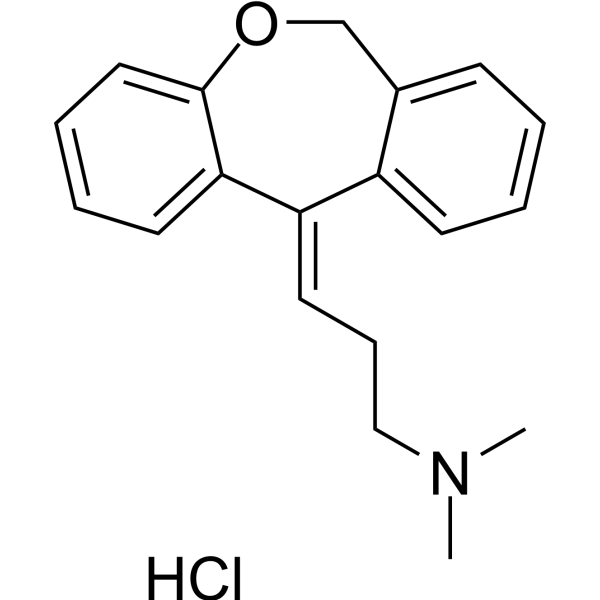
Doxepin Hydrochloride is an orally active, blood-brain barrier penetrant tricyclic antidepressant with multiple activities including hypnosis, sedation, analgesia and vasodilation. Doxepin Hydrochloride enhances the expression of PSD-95 and synapsin 1 via the PI3K/AKT/mTOR signaling pathway, and is metabolized to DesmethylDoxepin Hydrochloride in vivo. Doxepin Hydrochloride can be used in research related to various diseases such as depression, anxiety, obesity and atopic dermatitis .
loading...
    loading...
7
7 Cited Publications
Cat. No.: HY-B0725A
CAS No.: 1668-19-5
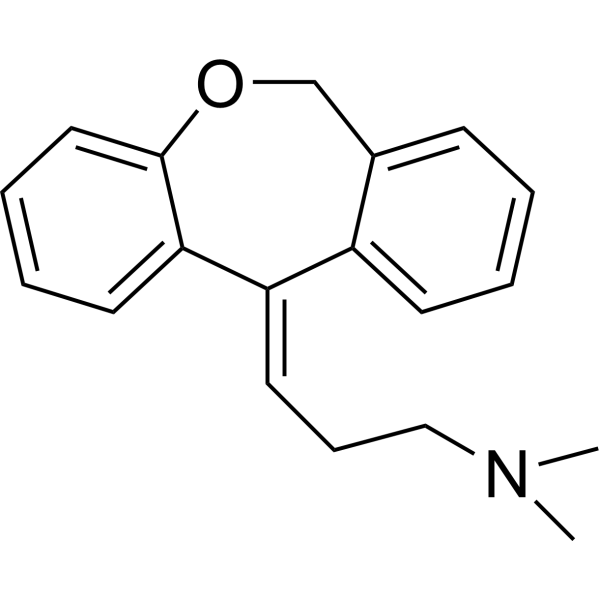
Doxepin is an orally active, blood-brain barrier penetrant tricyclic antidepressant with multiple activities including hypnosis, sedation, analgesia and vasodilation. Doxepin enhances the expression of PSD-95 and synapsin 1 via the PI3K/AKT/mTOR signaling pathway, and is metabolized to Desmethyldoxepin in vivo. Doxepin can be used in research related to various diseases such as depression, anxiety, obesity and atopic dermatitis .
loading...
    loading...
6
6 Cited Publications
Cat. No.: HY-A0083
CAS No.: 62-51-1
Synonyms: Acetyl-β-methylcholine chloride
Target:  

mAChR

Research Areas:  

Others

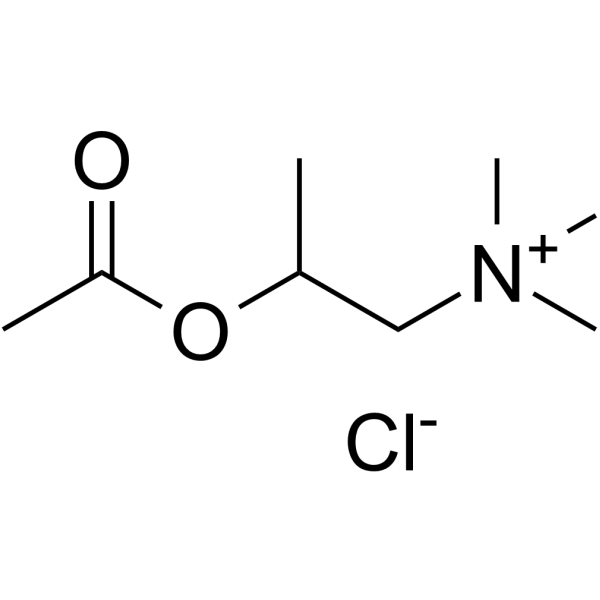
Methacholine (Acetyl-β-methylcholine) choride is a potent muscarinic-3 (M3) agonist. Methacholine choride acts directly on acetylcholine receptors on smooth muscle causing bronchoconstriction and airway narrowing. Methacholine choride shows a high sensitivity to identify bronchial hyperresponsiveness (BHR). Methacholine choride can be used to measure airway hyperresponsiveness (AHR) as a diagnostic aid in the assessment of individuals with asthma-like symptoms and normal resting expiratory flow rates .
loading...
    loading...

