1. Search Result
Search Result
Results for "

actinic

" in MedChemExpress (MCE) Product Catalog:

21

Inhibitors & Agonists

1

Peptides

2

Natural
Products

1

Isotope-Labeled Compounds

1

Oligonucleotides

Cat. No. Product Name Target Research Areas Chemical Structure
  • HY-B0180
    Imiquimod
    Maximum Cited Publications
    58 Publications Verification

    R 837

    Toll-like Receptor (TLR) Autophagy SARS-CoV HSV Infection Inflammation/Immunology Cancer
    Imiquimod (R 837), an immune response modifier, is a selective toll like receptor 7 (TLR7) agonist. Imiquimod exhibits antiviral and antitumor effects in vivo. Imiquimod can be used for the research of external genital, perianal warts, cancer and COVID-19 .
    Imiquimod
  • HY-B0180A
    Imiquimod hydrochloride
    Maximum Cited Publications
    58 Publications Verification

    R 837 hydrochloride

    Toll-like Receptor (TLR) Autophagy SARS-CoV HSV Infection Neurological Disease Inflammation/Immunology Cancer
    Imiquimod hydrochloride (R 837 hydrochloride), an immune response modifier, is a selective toll like receptor 7 (TLR7) agonist. Imiquimod hydrochloride exhibits antiviral and antitumor effects in vivo. Imiquimod hydrochloride can be used for the research of external genital, perianal warts, cancer and COVID-19 .
    Imiquimod hydrochloride
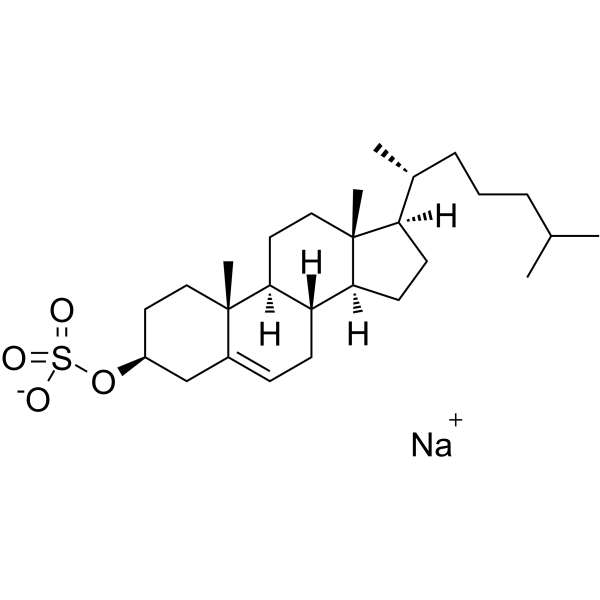
  • HY-111355B

    Sirtuin Endogenous Metabolite PKC AMPK DOCK Metabolic Disease Inflammation/Immunology Cancer
    Cholesterol sulfate sodium is a naturally occurring, orally active cholesterol derivative that is widely distributed in various tissues and body fluids. Cholesterol sulfate sodium acts as a DOCK2 inhibitor, with IC50 values of 2 μM and 2.9 μM against mouse and human targets, respectively. Cholesterol sulfate sodium restricts excessive neutrophil infiltration and alleviates intestinal inflammation and damage. Cholesterol sulfate sodium serves as an activator of protein kinase C (PKC), which promotes squamous cell differentiation and inhibits skin carcinogenesis. Cholesterol sulfate sodium regulates cholesterol homeostasis and cellular metabolism by activating the AMPK-Sirt1 pathway. Cholesterol sulfate sodium can be used in research related to actinic keratitis, ulcerative colitis, skin cancer, and other conditions .
    Cholesteryl sulfate sodium
  • HY-111355

    Endogenous Metabolite DOCK PKC AMPK Sirtuin Metabolic Disease Inflammation/Immunology Cancer
    Cholesterol sulfate is a naturally occurring, orally active cholesterol derivative that is widely distributed in various tissues and body fluids. Cholesterol sulfate acts as a DOCK2 inhibitor, with IC50 values of 2 μM and 2.9 μM against mouse and human targets, respectively. Cholesterol sulfate restricts excessive neutrophil infiltration and alleviates intestinal inflammation and damage. Cholesterol sulfate serves as an activator of protein kinase C (PKC), which promotes squamous cell differentiation and inhibits skin carcinogenesis. Cholesterol sulfate regulates cholesterol homeostasis and cellular metabolism by activating the AMPK-Sirt1 pathway. Cholesterol sulfate can be used in research related to actinic keratitis, ulcerative colitis, skin cancer, and other conditions .
    Cholesterol sulfate
  • HY-A0169A
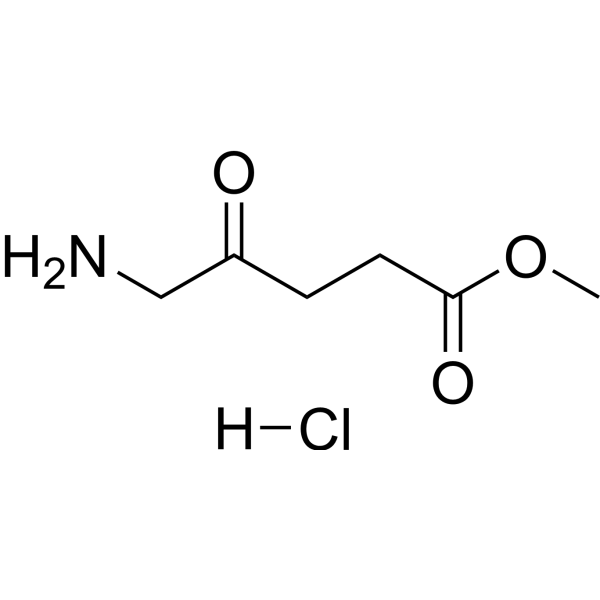
    Methyl aminolevulinate hydrochloride
    1 Publications Verification

    Reactive Oxygen Species (ROS) Photosensitizer Cancer
    Methyl aminolevulinate hydrochloride is a sensitizer used in photodynamic therapy (PDT). Methyl aminolevulinate hydrochloride penetrates the skin and induces the production of photoactive porphyrins including protoporphyrin IX in cells; upon exposure to appropriate light, it generates ROS, which triggers cellular oxidation and cell death. Methyl aminolevulinate hydrochloride acts as a photo-damage reversing agent through epidermal reconstruction, cytokine-mediated activation of dermal fibroblasts, elastin breakdown, new collagen formation, and compression of dilated capillaries. Methyl aminolevulinate hydrochloride reduces the expression of the proliferation marker Ki-67 and the early skin carcinogenesis marker TP53. Methyl aminolevulinate hydrochloride delays the onset of ultraviolet-induced skin tumors and reduces tumor burden in hairless mice. Methyl aminolevulinate hydrochloride is applicable to research related to actinic keratosis and basal cell carcinoma .
    Methyl aminolevulinate hydrochloride
  • HY-B0180B
    Imiquimod maleate
    Maximum Cited Publications
    58 Publications Verification

    Toll-like Receptor (TLR) Autophagy SARS-CoV HSV Infection Neurological Disease Inflammation/Immunology Cancer
    Imiquimod maleate (R 837 maleate), an immune response modifier, is a selective toll like receptor 7 (TLR7) agonist. Imiquimod maleate exhibits antiviral and antitumor effects in vivo. Imiquimod maleate can be used for the research of external genital, perianal warts, cancer and COVID-19 .
    Imiquimod maleate
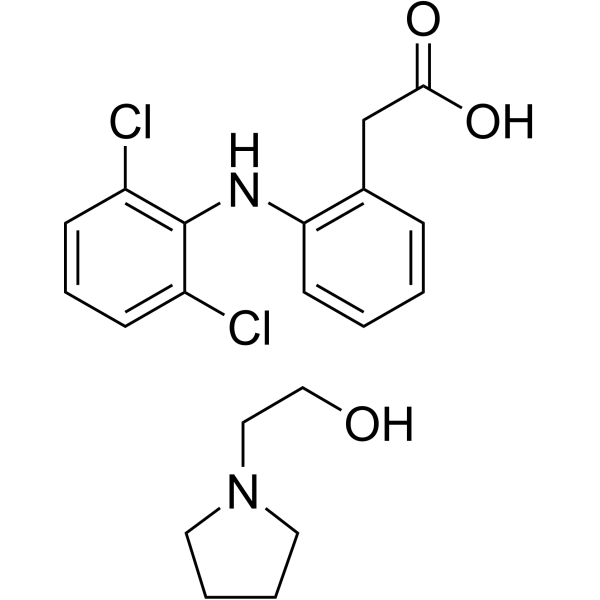
  • HY-109547

    Diclofenac hydroxyethylpyrrolidine

    COX Inflammation/Immunology Cancer
    Flector Patch (Diclofenac epolamine) is a non-steroidal anti-inflammatory drug (NSAID) . Flector Patch is used for relieving arthritis Pain, acute Pain, osteoarthritis, and actinic Keratosis. Flector Patch has good skin absorption characteristics without local adverse reactions and allergies .
    Diclofenac epolamine
  • HY-P5898

    Z-Val-Val-Nle-CHN2

    Cathepsin MHC Inflammation/Immunology
    Z-Val-Val-Nle-diazomethylketone is a cathepsin S (CATS) inhibitor. Z-Val-Val-Nle-diazomethylketone significantly inhibits the IFNg-induced upregulation of the MHCII molecules HLA-DR and Ii-p33/35 with an increase of Ii-p10 protein level. Z-Val-Val-Nle-diazomethylketone can be used for dermatological diseases like psoriasis, atopic dermatitis and actinic keratosis research .
    Z-Val-Val-Nle-diazomethylketone
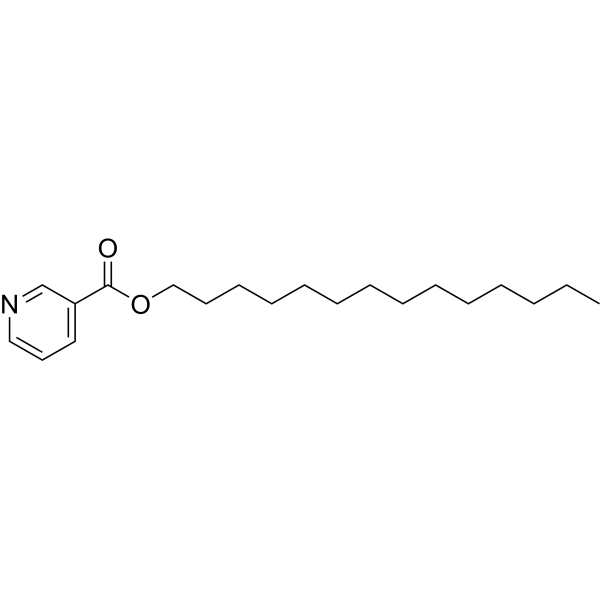
  • HY-133027

    Tetradecyl nicotinate

    Biochemical Assay Reagents Cancer
    Myristyl nicotinate (Tetradecyl nicotinate) is an ester proagent and a lipophilic derivative of Nicotinic acid. Myristyl nicotinate is being developed for delivery of Nicotinic acid into the skin for prevention of actinic keratosis and its progression to skin cancer. Myristyl nicotinate shows to stimulate epidermal differentiation in photodamaged skin, increasing skin NAD content and strengthening the skin barrier .
    Myristyl nicotinate
  • HY-111355S

    Isotope-Labeled Compounds Sirtuin Endogenous Metabolite PKC AMPK DOCK Metabolic Disease Inflammation/Immunology Cancer
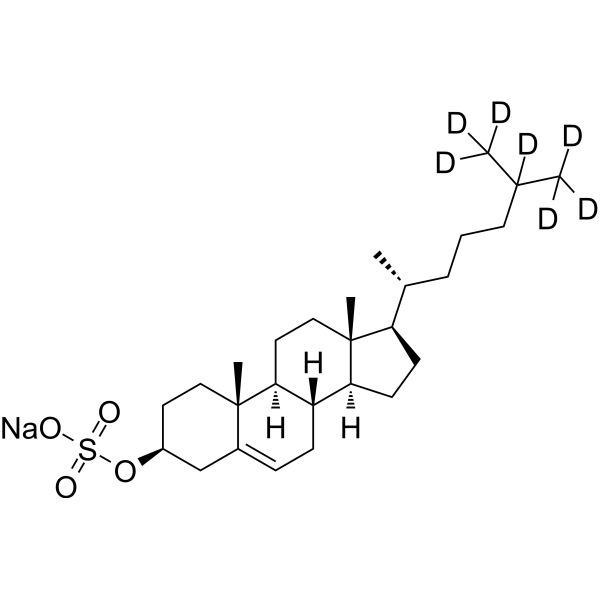
    Cholesterol sulfate sodium-d7 is the deuterium labeled Cholesterol sulfate sodium. Cholesterol sulfate sodium is a naturally occurring, orally active cholesterol derivative that is widely distributed in various tissues and body fluids. Cholesterol sulfate sodium acts as a DOCK2 inhibitor, with IC50 values of 2 μM and 2.9 μM against mouse and human targets, respectively. Cholesterol sulfate sodium restricts excessive neutrophil infiltration and alleviates intestinal inflammation and damage. Cholesterol sulfate sodium serves as an activator of protein kinase C (PKC), which promotes squamous cell differentiation and inhibits skin carcinogenesis. Cholesterol sulfate sodium regulates cholesterol homeostasis and cellular metabolism by activating the AMPK-Sirt1 pathway. Cholesterol sulfate sodium can be used in research related to actinic keratitis, ulcerative colitis, skin cancer, and other conditions.
    Cholesterol sulfate-d7 sodium
  • HY-B0180R

    R 837 (Standard)

    Reference Standards Toll-like Receptor (TLR) Autophagy SARS-CoV HSV Infection Inflammation/Immunology Cancer
    Imiquimod (Standard) is the analytical standard of Imiquimod. This product is intended for research and analytical applications. Imiquimod (R 837), an immune response modifier, is a selective toll like receptor 7 (TLR7) agonist. Imiquimod exhibits antiviral and antitumor effects in vivo. Imiquimod can be used for the research of external genital, perianal warts, cancer and COVID-19 .
    Imiquimod (Standard)
  • HY-17616

    LEO 43204

    Drug Metabolite Others
    Ingenol disoxate (LEO 43204) is a drug metabolite, that exhibits potential in ameliorating actinic keratosis .
    Ingenol disoxate
  • HY-B0180BR

    Toll-like Receptor (TLR) Autophagy SARS-CoV HSV Reference Standards Infection Inflammation/Immunology Cancer
    Imiquimod (maleate) (Standard) is the analytical standard of Imiquimod (maleate). This product is intended for research and analytical applications. Imiquimod maleate (R 837 maleate), an immune response modifier, is a selective toll like receptor 7 (TLR7) agonist. Imiquimod maleate exhibits antiviral and antitumor effects in vivo. Imiquimod maleate can be used for the research of external genital, perianal warts, cancer and COVID-19 .
    Imiquimod maleate (Standard)
  • HY-B0180AR

    R 837 hydrochloride (Standard)

    Toll-like Receptor (TLR) Autophagy SARS-CoV HSV Reference Standards Infection Inflammation/Immunology Cancer
    Imiquimod (hydrochloride) (Standard) is the analytical standard of Imiquimod (hydrochloride). This product is intended for research and analytical applications. Imiquimod hydrochloride (R 837 hydrochloride), an immune response modifier, is a selective toll like receptor 7 (TLR7) agonist. Imiquimod hydrochloride exhibits antiviral and antitumor effects in vivo. Imiquimod hydrochloride can be used for the research of external genital, perianal warts, cancer and COVID-19 .
    Imiquimod hydrochloride (Standard)
  • HY-101589

    R850

    Toll-like Receptor (TLR) Inflammation/Immunology
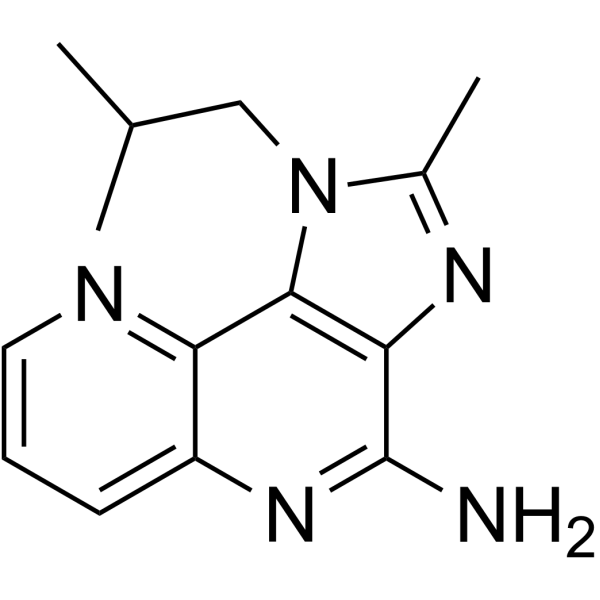
    Sotirimod is an immunostimulant, and can potentially treat for actinic keratosis.
    Sotirimod
  • HY-A0169

    Reactive Oxygen Species (ROS) Photosensitizer Cancer
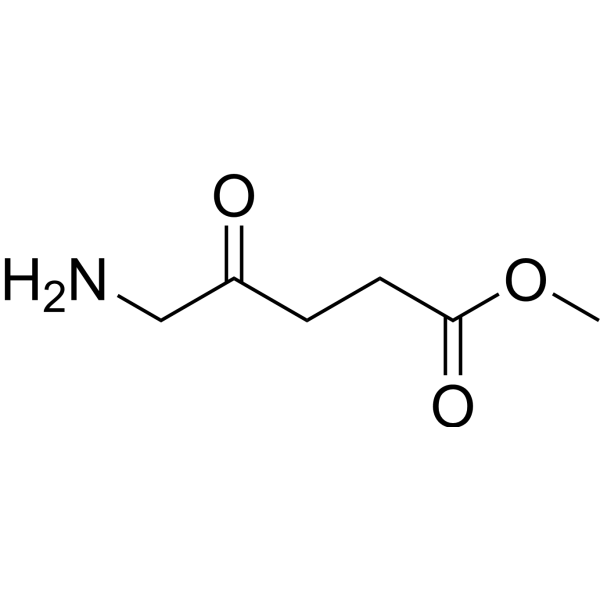
    Methyl aminolevulinate is a sensitizer used in photodynamic therapy (PDT). Methyl aminolevulinate penetrates the skin and induces the production of photoactive porphyrins including protoporphyrin IX in cells; upon exposure to appropriate light, it generates ROS, which triggers cellular oxidation and cell death. Methyl aminolevulinate acts as a photo-damage reversing agent through epidermal reconstruction, cytokine-mediated activation of dermal fibroblasts, elastin breakdown, new collagen formation, and compression of dilated capillaries. Methyl aminolevulinate reduces the expression of the proliferation marker Ki-67 and the early skin carcinogenesis marker TP53. Methyl aminolevulinate delays the onset of ultraviolet-induced skin tumors and reduces tumor burden in hairless mice. Methyl aminolevulinate is applicable to research related to actinic keratosis and basal cell carcinoma .
    Methyl aminolevulinate
  • HY-19514

    Nucleoside Antimetabolite/Analog Cancer
    Fosfluridine Tidoxil is comprised of a specific carrier molecule, coupled through a phosphate group to 5-Fluorouridine (5-FUrd), a metabolite of 5- Fluorouracil (5-FU). Fosfluridine Tidoxil is a oral active anticancer agent .
    Fosfluridine tidoxil
  • HY-133027R

    Tetradecyl nicotinate (Standard)

    Biochemical Assay Reagents Reference Standards Cancer
    Myristyl nicotinate (Standard) is the analytical standard of Myristyl nicotinate. This product is intended for research and analytical applications. Myristyl nicotinate (Tetradecyl nicotinate) is an ester proagent and a lipophilic derivative of Nicotinic acid. Myristyl nicotinate is being developed for delivery of Nicotinic acid into the skin for prevention of actinic keratosis and its progression to skin cancer. Myristyl nicotinate shows to stimulate epidermal differentiation in photodamaged skin, increasing skin NAD content and strengthening the skin barrier .
    Myristyl nicotinate (Standard)
  • HY-B0180C

    R 837 dihydrochloride

    Toll-like Receptor (TLR) Autophagy SARS-CoV HSV Infection Inflammation/Immunology Cancer
    Imiquimod (R 837) dihydrochloride, an immune response modifier, is a selective toll like receptor 7 (TLR7) agonist. Imiquimod exhibits antiviral and antitumor effects in vivo. Imiquimod can be used for the research of external genital, perianal warts, cancer and COVID-19 .
    Imiquimod dihydrochloride
  • HY-B1644

    Bacterial Inflammation/Immunology
    Fenticlor is a topical antibacterial agent that can be used for treating acne. Fenticlor can cause photosensitivity reactions and is a known cause of phototoxic dermatitis .
    Fenticlor
  • HY-A0169AR

    Reactive Oxygen Species (ROS) Reference Standards Photosensitizer Inflammation/Immunology Cancer
    Methyl aminolevulinate hydrochloride (Standard) is the analytical standard of Methyl aminolevulinate hydrochloride. This product is intended for research and analytical applications. Methyl aminolevulinate hydrochloride is a sensitizer used in photodynamic therapy (PDT). Methyl aminolevulinate hydrochloride penetrates the skin and induces the production of photoactive porphyrins including protoporphyrin IX in cells; upon exposure to appropriate light, it generates ROS, which triggers cellular oxidation and cell death. Methyl aminolevulinate hydrochloride acts as a photo-damage reversing agent through epidermal reconstruction, cytokine-mediated activation of dermal fibroblasts, elastin breakdown, new collagen formation, and compression of dilated capillaries. Methyl aminolevulinate hydrochloride reduces the expression of the proliferation marker Ki-67 and the early skin carcinogenesis marker TP53. Methyl aminolevulinate hydrochloride delays the onset of ultraviolet-induced skin tumors and reduces tumor burden in hairless mice. Methyl aminolevulinate hydrochloride is applicable to research related to actinic keratosis and basal cell carcinoma .
    Methyl aminolevulinate hydrochloride (Standard)

Inquiry Online

Your information is safe with us. * Required Fields.

Salutation


Country or Region *

Applicant Name *


Organization Name *

Department *


Email Address *


Product Name *

Cat. No.


Requested quantity *

Phone Number *


Remarks

Inquiry Online

Inquiry Information

Product Name:
Cat. No.:
Quantity:
MCE Japan Authorized Agent:

