
Search Result
Results for "
allosteric inhibition
" in MedChemExpress (MCE) Product Catalog:
| Cat. No. |
상품명 |
Target |
연구분야 |
Chemical Structure |
-
- HY-W011102
-
|
NSC 83265; S-Tritylcysteine; 3-Tritylthio-L-alanine
|
Kinesin
Apoptosis
|
Cancer
|
|
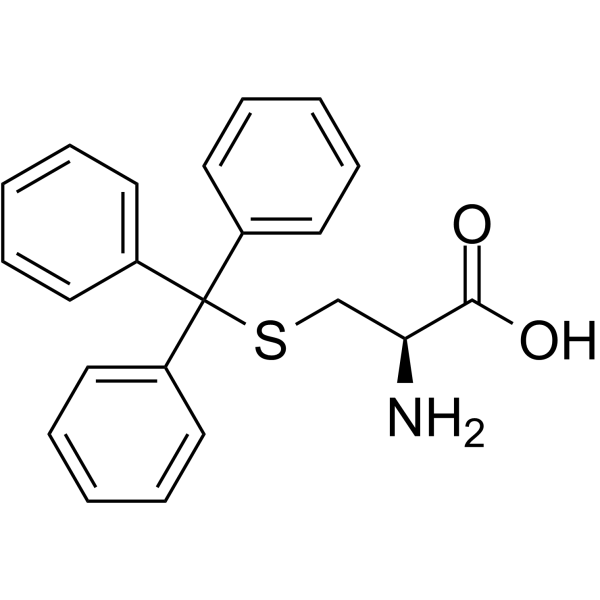
S-Trityl-L-cysteine (NSC 83265) is a selective and allosteric kinesin Eg5 inhibitor with an IC50 of 1 μM for the inhibition of basal ATPase activity and 140 nM for the microtubule-activated ATPase activity. S-Trityl-L-cysteine has antitumor activities .
|
-
-
- HY-13965
-
|
ML161
|
Protease Activated Receptor (PAR)
|
Cardiovascular Disease
|
|
Parmodulin 2 (ML161) is an allosteric inhibitor of protease-activated receptor 1 (PAR1) with an IC50 of 0.26 μM . Parmodulin 2 is a potent and non-competitive inhibitor of SFLLRN-induced P-selectin expression leading to inhibition of platelet aggregation in vitro and platelet thrombus formation in vivo .
|
-
-
- HY-P0172
-
|
|
CXCR
|
Inflammation/Immunology
Endocrinology
Cancer
|
|
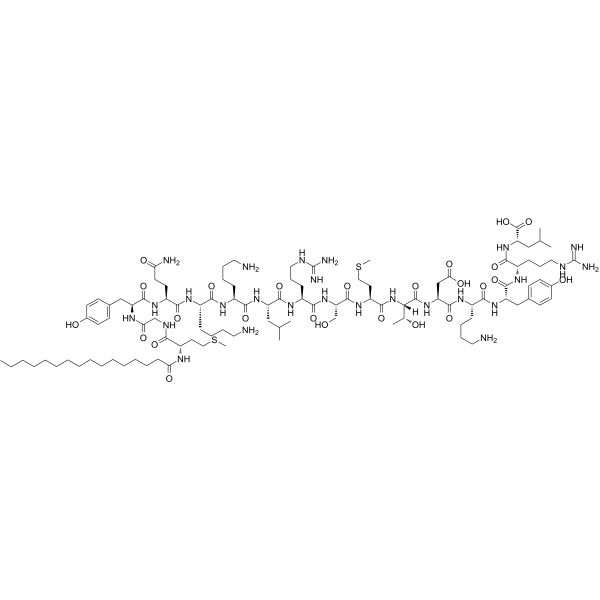
ATI-2341 is a potent and functionally selective allosteric agonist of C-X-C chemokine receptor type 4 (CXCR4), which functions as a biased ligand, favoring Gαi activation over Gα13. ATI-2341 activates the inhibitory heterotrimeric G protein (Gi) to promote inhibition of cAMP production and induce calcium mobilization. ATI-2341 is a potent and efficacious mobilizer of bone marrow polymorphonuclear neutrophils (PMNs) and hematopoietic stem and progenitor cells (HSPCs) .
|
-
-
- HY-116152
-
|
Ciprofol; HSK3486
|
GABA Receptor
Sirtuin
Keap1-Nrf2
Apoptosis
|
Cardiovascular Disease
Neurological Disease
Metabolic Disease
Inflammation/Immunology
Cancer
|
|
Cipepofol (Ciprofol), a novel 2,6-disubstituted phenol derivative, is a positive allosteric modulator and direct agonist of the GABAA receptor. Cipepofol can cause the central nerve inhibition and promote sleep based on the structural modification of Propofol (HY-B0649). Cipepofol can activate the sirtuin1 (Sirt1)/Nrf2 pathway. Cipepofol protects the heart against Isoproterenol (ISO; HY-B0468)-induced myocardial infarction by reducing cardiac oxidative stress, inflammatory response and cardiomyocyte apoptosis .
|
-
-
- HY-125176
-
G907
1 Publications Verification
|
Bacterial
|
Infection
|
|
G907 is a selective antagonist of ATP-binding cassette (ABC) transporter MsbA with anti-microbial activity. G907 inhibits E. coli MsbA with an IC50 value of 18 nM. G907 traps MsbA in an inward-facing, lipopolysaccharide-bound conformation by wedging into an architecturally conserved transmembrane pocket .
|
-
-
- HY-19934
-
|
TAS-117
|
Akt
Apoptosis
Autophagy
|
Cancer
|
|
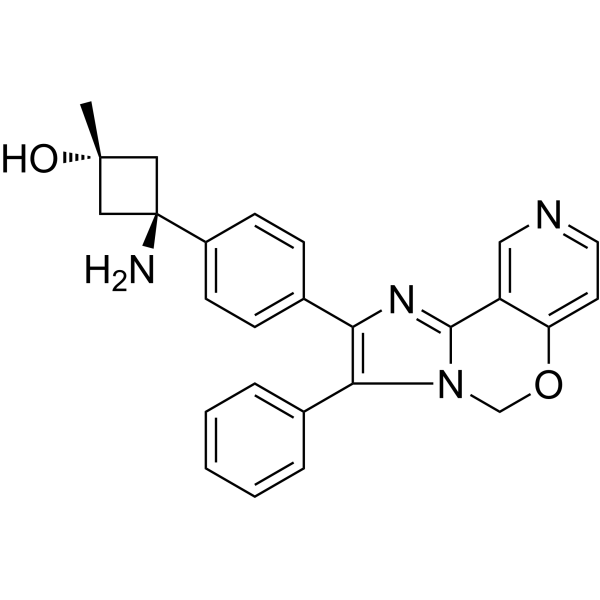
Pifusertib (TAS-117) is a potent, selective, orally active allosteric Akt inhibitor (with IC50s of 4.8, 1.6, and 44 nM for Akt1, 2, and 3, respectively). Pifusertib triggers anti-myeloma activities and enhances fatal endoplasmic reticulum (ER) stress induced by proteasome inhibition. Pifusertib induces apoptosis and autophagy .
|
-
-
- HY-120645
-
|
|
Opioid Receptor
|
Neurological Disease
|
|
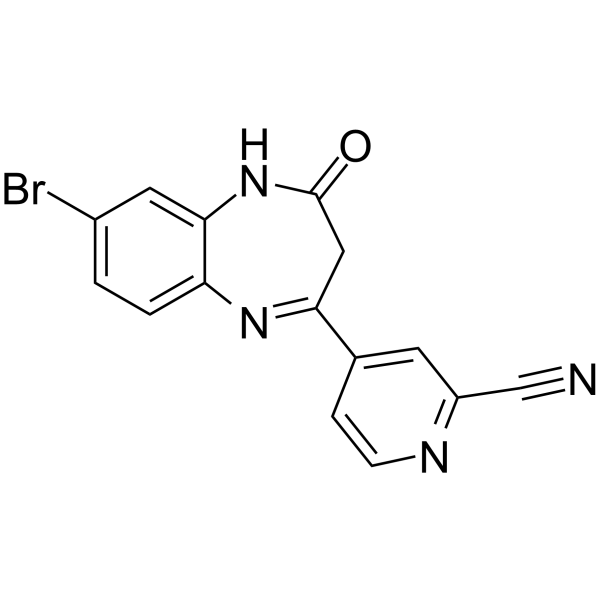
BMS-986122 is a selective, potent positive allosteric modulator of the mu-opioid receptor (µ-OR). BMS-986122 shows potentiation of orthosteric agonist-mediated β-arrestin recruitment, adenylyl cyclase inhibition, and G protein activation. BMS-986122 potentiates DAMGO-mediated [ 35S]GTPγS binding in mouse brain membranes .
|
-
-
- HY-101165
-
|
|
iGluR
GABA Receptor
|
Neurological Disease
|
|
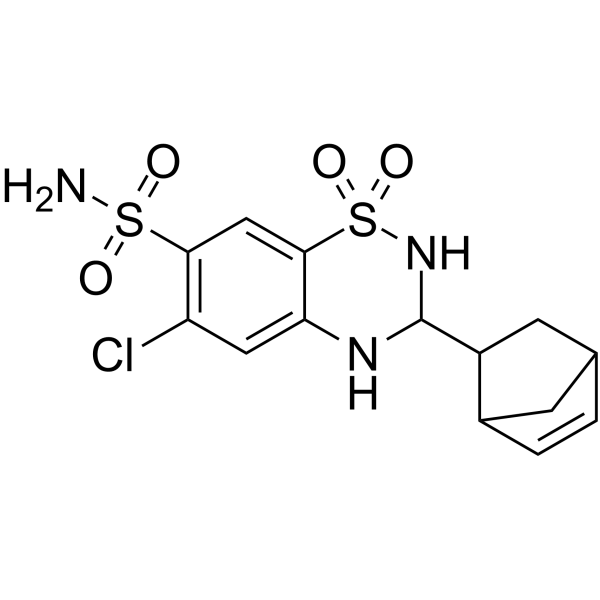
Cyclothiazide is a positive allosteric modulator of ionotropic AMPA-type glutamate receptors. Cyclothiazide inhibits GABAA receptors. Cyclothiazide is frequently used to produce a fast inhibition of AMPA receptor desensitization and a much slower potentiation of the AMPA current. Cyclothiazide can potentiate responses to kainate in hippocampal neurons. Cyclothiazide has effects on glutamatergic neurotransmission. Cyclothiazide also induces epileptiform EEG activity accompanying behavioral seizures .
|
-
-
- HY-19934A
-
|
TAS-117 hydrochloride
|
Akt
Apoptosis
Autophagy
|
Cancer
|
|
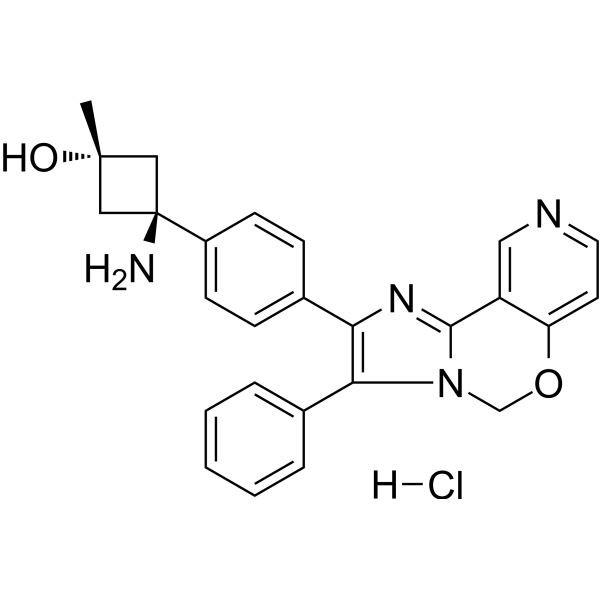
Pifusertib (TAS-117) hydrochloride is a potent, selective, orally active allosteric Akt inhibitor (with IC50s of 4.8, 1.6, and 44 nM for Akt1, 2, and 3, respectively). Pifusertib hydrochloride triggers anti-myeloma activities and enhances fatal endoplasmic reticulum (ER) stress induced by proteasome inhibition. Pifusertib hydrochloride induces apoptosis and autophagy .
|
-
-
- HY-124611
-
|
|
HSP
Apoptosis
|
Cancer
|
|
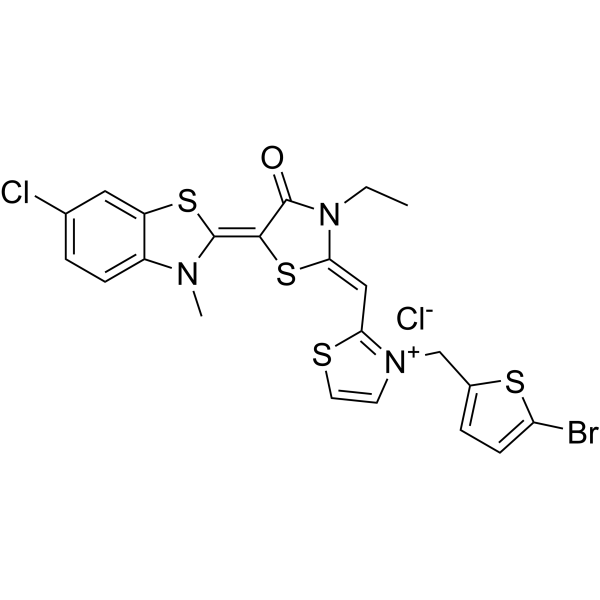
JG-231 is an allosteric inhibitor of heat shock protein 70 (Hsp70). JG - 231 inhibits the binding of Hsp70 and BAG family proteins, including inhibition of Hsp70 and BAG1 with a Ki of 0.11 μM. JG-231 inhibits proliferation of tumor cells and induces apoptosis. JG-231 has antitumor activity .
|
-
-
- HY-P0172A
-
|
|
CXCR
|
Inflammation/Immunology
Endocrinology
Cancer
|
|
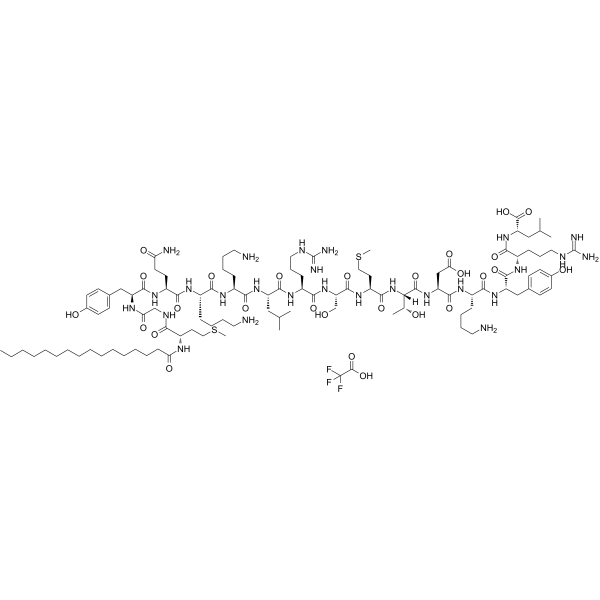
ATI-2341 is a potent and functionally selective allosteric agonist of C-X-C chemokine receptor type 4 (CXCR4), which functions as a biased ligand, favoring Gαi activation over Gα13. ATI-2341 activates the inhibitory heterotrimeric G protein (Gi) to promote inhibition of cAMP production and induce calcium mobilization. ATI-2341 is a potent and efficacious mobilizer of bone marrow polymorphonuclear neutrophils (PMNs) and hematopoietic stem and progenitor cells (HSPCs) .
|
-
-
- HY-122255
-
|
|
mGluR
|
Neurological Disease
|
|
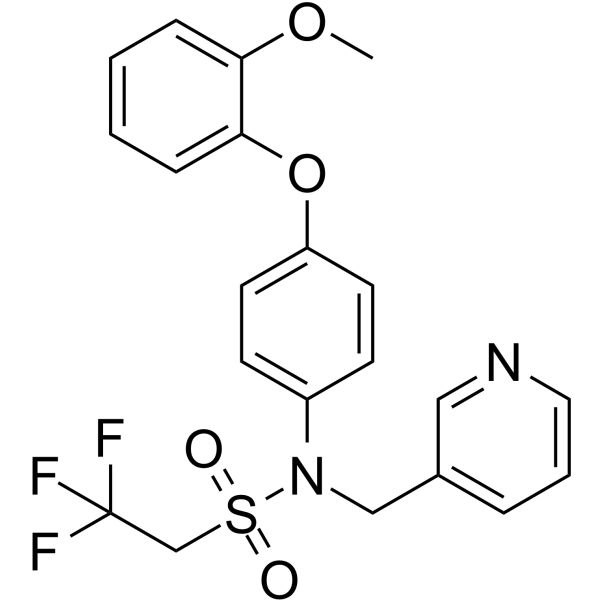
LY487379 is a selective human mGluR2 positive allosteric modulator (PAM). LY487379 potentiates glutamate-stimulated [ 35S]GTPγS binding with EC50 values of 1.7 μM and >10 μM for mGlu2 and mGlu3 receptors respectively. LY487379 promotes cognitive flexibility and facilitates behavioral inhibition in a rat model. LY487379 can be used for schizophrenia research .
|
-
-
- HY-112289
-
|
|
Isocitrate Dehydrogenase (IDH)
|
Cancer
|
|
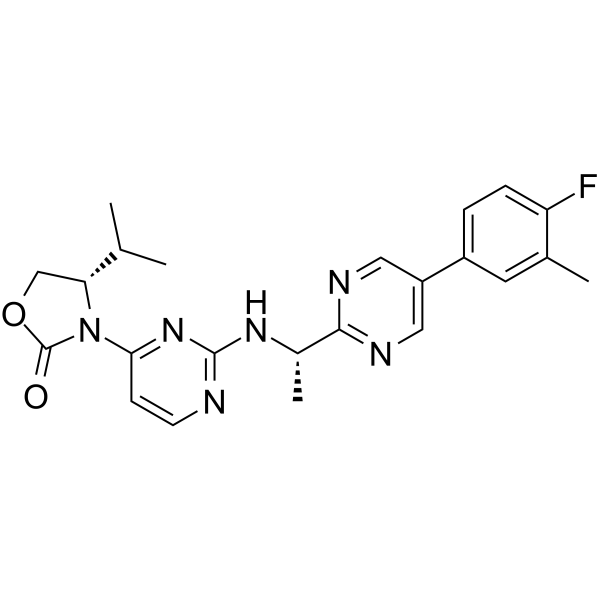
IDH889 is an orally available, brain penetrant, allosteric and mutant specific inhibitor of isocitrate dehydrogenase 1 (IDH1). IDH889 has potent selectivity for IDH1 R132* mutations, with IC50s of 0.02 μM, 0.072 μM and 1.38 μM for IDH1 R132H, IDH1 R132C and IDH1 wt, respectively. IDH889 shows potent cellular inhibition of R-2-hydroxyglutarate (2-HG) production with an IC50 of 0.014 μM .
|
-
-
- HY-103572
-
|
|
mGluR
|
Neurological Disease
|
|
MNI137 is a potent and selective negative allosteric modulator for group II mGluRs. MNI137 has IC50s values of 8.3 and 12.6 nM for human and rat mGlu2 inhibition of glutamate-induced calcium mobilization .
|
-
-
- HY-146223
-
|
|
Ras
p38 MAPK
PI3K
Apoptosis
|
Cancer
|
|
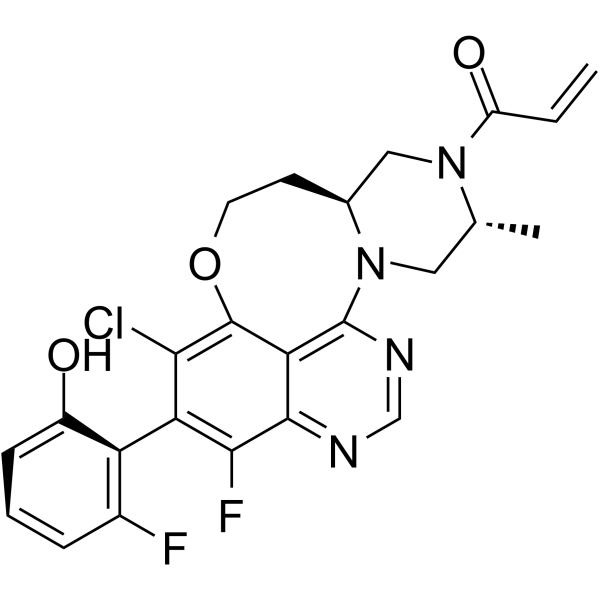
AZD4625 is an orally active, selective irreversible, covalent allosteric GTPase KRASG12C inhibitor with an IC50 of 3 nM. AZD4625 can inhibit the MAPK pathway (with decreased pCRAF, pMEK, and pERK) and the PI3K pathway (with decreased pAKT and pS6), and induce cell apoptosis. AZD4625 has no binding and inhibition of wild-type RAS or isoforms carrying non-KRASG12C mutations. AZD4625 can be used for the study of KRASG12C mutant non-small cell lung cancer .
|
-
-
- HY-179395
-
|
|
YAP
|
Cancer
|
|
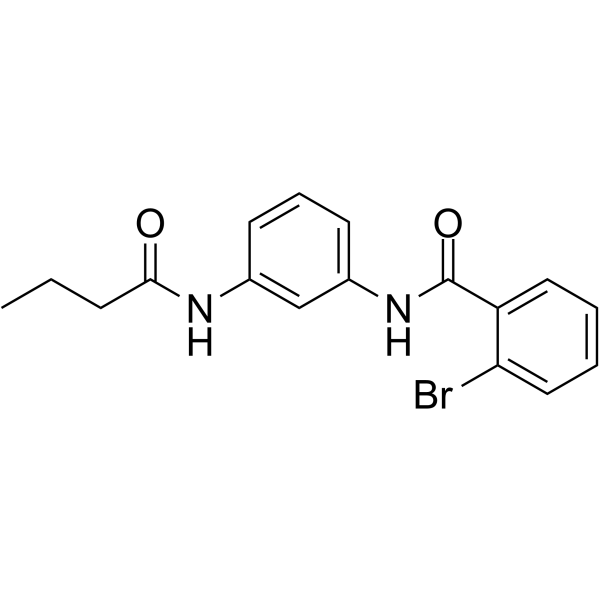
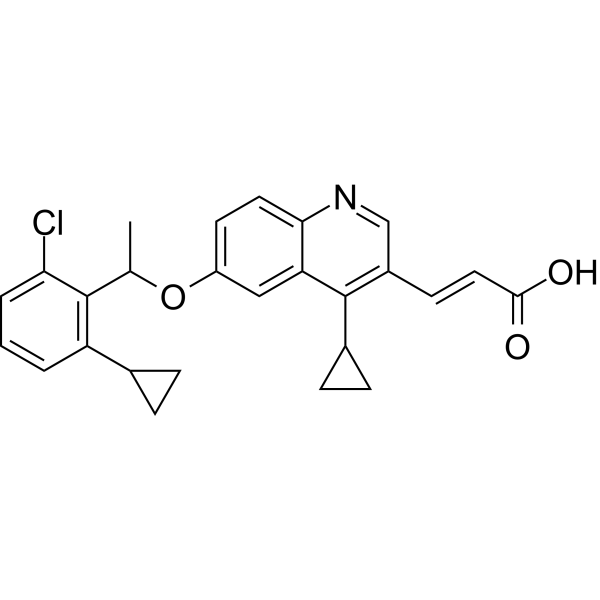
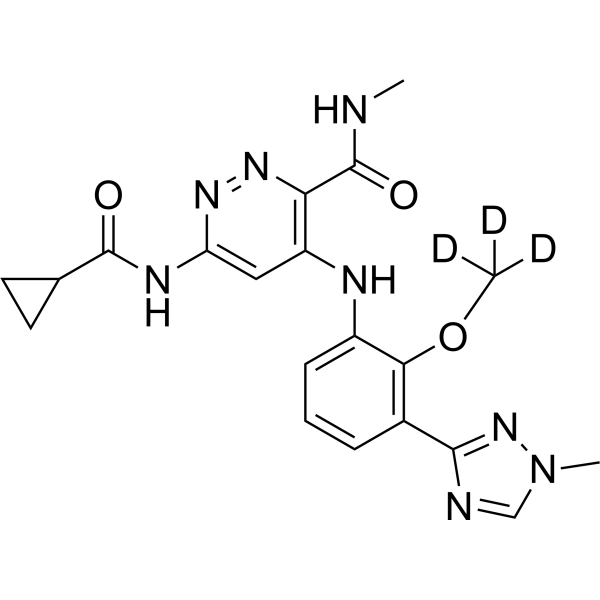
TEAD-IN-23 (Compound 22) is an efficient pan-TEAD inhibitor with an IC50 of 10 nM. TEAD-IN-23 exhibits potent anti-proliferative activity in both NCI-H226 and MSTO-211H. TEAD-IN-23 causes complete tumor regression in the MSTO-211H xenograft tumor model. TEAD-IN-23 can be used for the study of mesothelioma and hepatocellular carcinoma .
|
-
-
- HY-176890
-
|
|
PDHK
|
Cancer
|
|
JTT251 is a PDHK inhibitor. JTT251 binds to the allosteric lipoamidebinding domain, resulting in only partial inhibition of PDHK enzymatic activity. JTT251 can be used for the research of cancer .
|
-
-
- HY-163532
-
|
|
Sirtuin
|
Infection
|
|
FLS-359 is a selective, orally active allosteric modulator for sirtuin 2, with the IC50 of 3 μM. FLS-359 exhibits antiviral activity against RNA and DNA virus, through inhibition of DNA/RNA replication .
|
-
-
- HY-121140
-
|
|
Free Fatty Acid Receptor
|
Metabolic Disease
|
|
AZ1729 is a potent free fatty acid 2 receptor (FFA2) activator, acting as a direct allosteric agonist and as a positive allosteric modulator. AZ1729 increases the activity of the endogenously produced short chain fatty acid propionate in Gi-mediated pathways, but not at those transduced by Gq/G11. AZ1729 induces inhibition of isoproterenol-induced lipolysis in mouse adipocytes. AZ1729 also can Induce migration of human neutrophils. AZ1729 can be used for researching the signaling pathways of the physiological roles of FFA2 .
|
-
-
- HY-175532
-
|
|
mAChR
|
Neurological Disease
|
|
M4 mAChR Modulator-2 is an orally active, selective, brain-penetrant positive allosteric modulator (PAM) of the M4 muscarinic acetylcholine receptor (M4 mAChR) (EC50 = 513 nM). M4 mAChR Modulator-2 exhibits high target selectivity, showing negligible affinity and low inhibition rates for non-target receptors (D1R/D2R/D3R, 5-HT subtypes, κ/δ/μ opioid receptors, H1, M1/M2) while specifically binding to M4 mAChR with a Ki of 377 nM and an inhibition rate of 62.8%. M4 mAChR Modulator-2 reverses Dizocilpine (MK-801) (HY-15084B)-induced hyperlocomotion in mice. M4 mAChR Modulator-2 can be used for the study of schizophrenia
|
-
-
- HY-146223A
-
|
|
Ras
PI3K
p38 MAPK
Apoptosis
|
Cancer
|
|
(3R,10R,14aS)-AZD4625 is the isomer of AZD4625 (HY-146223), and can be used as an experimental control. AZD4625 is an orally active, selective irreversible, covalent allosteric GTPase KRASG12C inhibitor with an IC50 of 3 nM. AZD4625 can inhibit the MAPK pathway (with decreased pCRAF, pMEK, and pERK) and the PI3K pathway (with decreased pAKT and pS6), and induce cell apoptosis. AZD4625 has no binding and inhibition of wild-type RAS or isoforms carrying non-KRASG12C mutations. AZD4625 can be used for the study of KRASG12C mutant non-small cell lung cancer .
|
-
-
- HY-150056
-
|
|
Cannabinoid Receptor
Arrestin
|
Neurological Disease
|
|
CB1R Allosteric modulator 3 is a CB1R positive allosteric modulator. CB1R Allosteric modulator 3 has potent inhibition of cAMP and β-Arrestin with EC50 values of 0.018 μM and 1.241 μM, respectively .
|
-
-
- HY-141524
-
|
|
SHP2
Phosphatase
|
Cancer
|
|
RMC-3943 is an allosteric SHP2 inhibitor (inhibition of full-length SHP2 in biochemical assay, IC50 = 2.19 nM) .
|
-
-
- HY-103562
-
|
3,3'-Dimethoxybenzaldazine
|
mGluR
|
Neurological Disease
|
|
DMeOB (3,3'-Dimethoxybenzaldazine) is a mGluR5 receptor negative allosteric modulator with an IC50 of 3 μM. DMeOB displays reversible non-competitive inhibition of mGlu5-mediated responses .
|
-
-
- HY-10084
-
|
|
Kinesin
|
Cancer
|
|
CK0106023 is a potent and specific allosteric inhibitor of KSP with a Ki value of 12 nM, showing antitumor activity. CK0106023 causes mitotic arrest and growth inhibition in several tumor cell lines. CK0106023 exhibits antitumor activity in tumor-bearing mice .
|
-
-
- HY-121736
-
|
AGI-026
|
Isocitrate Dehydrogenase (IDH)
|
Neurological Disease
|
|
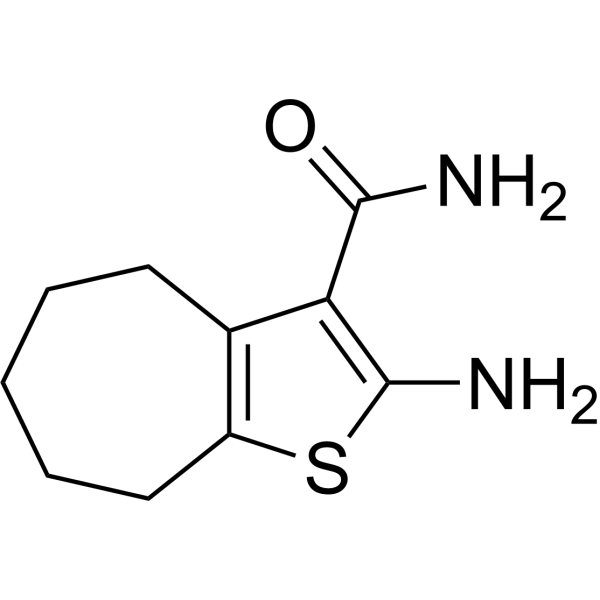
AGI-12026 is brain-penetrant dual inhibitor of mutant IDH1 and 2. AGI-12026 shows partial inhibition of the IDH1-R132H homodimer as allosteric modulators. AGI-12026 has the potential for research of glioma .
|
-
-
- HY-P10010
-
|
|
Galectin
|
Cancer
|
|
DB21, Galectin-1 Antagonist is a dibenzofuran conjugated peptidomimetic that acts as an allosteric inhibitor of galectin-1 (GAL1)binding to cell surface glycans. DB21, Galectin-1 Antagonis increases inhibition of angiogenesis and tumour growth in melanoma, lung adenocarcinoma and ovarian cancer models .
|
-
-
- HY-103552
-
|
|
mGluR
|
Neurological Disease
|
|
LY487379 hydrochloride is a selective human mGluR2 positive allosteric modulator (PAM). LY487379 hydrochloride potentiates glutamate-stimulated [ 35S]GTPγS binding with EC50 values of 1.7 μM and >10 μM for mGlu2 and mGlu3 receptors respectively. LY487379 hydrochloride promotes cognitive flexibility and facilitates behavioral inhibition in a rat model. LY487379 hydrochloride can be used for schizophrenia research .
|
-
-
- HY-120355A
-
|
|
Potassium Channel
|
Cardiovascular Disease
|
|
AP14145 hydrochloride is a potent KCa2 (SK) channel negative allosteric modulator with an IC50 of 1.1 μM for KCa2.2 (SK2) and KCa2.3 (SK3) channels. AP14145 hydrochloride inhibition strongly depends on two amino acids, S508 and A533 in the channel. AP14145 hydrochloride prolonged atrial effective refractory period (AERP) in rats and demonstrates antiarrhythmic effects in a Vernakalant-resistant porcine model of atrial fibrillation (AF) .
|
-
-
- HY-101165R
-
|
|
Reference Standards
iGluR
GABA Receptor
|
Neurological Disease
|
|
Cyclothiazide (Standard) is the analytical standard of Cyclothiazide. This product is intended for research and analytical applications. Cyclothiazide is a positive allosteric modulator of ionotropic AMPA-type glutamate receptors. Cyclothiazide inhibits GABAA receptors. Cyclothiazide is frequently used to produce a fast inhibition of AMPA receptor desensitization and a much slower potentiation of the AMPA current. Cyclothiazide can potentiate responses to kainate in hippocampal neurons. Cyclothiazide has effects on glutamatergic neurotransmission. Cyclothiazide also induces epileptiform EEG activity accompanying behavioral seizures .
|
-
-
- HY-118285
-
|
|
mGluR
|
Neurological Disease
|
|
Ro4491533 is a selective, negative allosteric mGluR2/3 receptor modulator that is equally effective on both subtypes. Ro4491533 can completely block glutamate-induced calcium mobilization and glutamate-induced [35S]GTPγS binding accumulation. Ro4491533 has good pharmacokinetic properties in mice and rats, high oral bioavailability, and can pass through the blood-brain barrier. Ro4491533 can also reverse the motor inhibition effect of LY379268 in mice and show antidepressant activity in the forced swim test and tail suspension test.
|
-
-
- HY-112289B
-
|
|
Isocitrate Dehydrogenase (IDH)
|
Cancer
|
|
(1R)-IDH889 is the isomer of IDH889 (HY-112289), and can be used as an experimental control. IDH889 is an orally available, brain penetrant, allosteric and mutant specific inhibitor of isocitrate dehydrogenase 1 (IDH1). IDH889 has potent selectivity for IDH1 R132* mutations, with IC50s of 0.02 μM, 0.072 μM and 1.38 μM for IDH1 R132H, IDH1 R132C and IDH1 wt, respectively. IDH889 shows potent cellular inhibition of R-2-hydroxyglutarate (2-HG) production with an IC50 of 0.014 μM .
|
-
-
- HY-183936
-
|
|
SHP2
p38 MAPK
ERK
|
Cancer
|
|
SDUY127 is a bivalent SHP2 inhibitor with an IC50 value of 16 nM. SDUY127 binds simultaneously to the tunnel allosteric site and latch allosteric site of SHP2 at a 1:1 stoichiometric ratio, stabilizes the protein in an inactive conformation, and induces sustained inhibition of the MAPK signaling pathway. SDUY127 can be used in research related to leukemia and hepatocellular carcinoma .
|
-
-
- HY-119119
-
|
|
NO Synthase
Apoptosis
|
Metabolic Disease
Inflammation/Immunology
|
|
ATV399 is an inducible nitric oxide synthase (iNOS) inhibitor. ATV399 reduces NO production via allosteric inhibition of iNOS dimerization, thereby protecting rat pancreatic islet β-cells from cytokine-induced mitochondrial stress, endoplasmic reticulum stress, and apoptosis. ATV399 can be used in research related to type 1 diabetes .
|
-
-
- HY-103572R
-
|
|
Reference Standards
mGluR
|
Neurological Disease
|
|
MNI137 (Standard) is the analytical standard of MNI137 (HY-103572). This product is intended for research and analytical applications. MNI137 is a potent and selective negative allosteric modulator for group II mGluRs. MNI137 has IC50s values of 8.3 and 12.6 nM for human and rat mGlu2 inhibition of glutamate-induced calcium mobilization .
|
-
-
- HY-W069974
-
|
|
Calcium Channel
|
Inflammation/Immunology
|
|
Ca2+-Langerin-IN-1 (Compound 3) is a allosteric Langerin inhibitor. Langerin is a C-type lectin that is expressed on Langerhans cells and plays a crucial role in pathogen recognition and innate immune activation. The KD value of the CRD domain of murine Langerin protein for Ca2+-Langerin-IN-1 is 17 μM under the presence of Ca²⁺ and 53 μM under the absence of Ca²⁺ competition. Ca2+-Langerin-IN-1 induces conformational changes and competitively replaces Ca²⁺, thereby inhibiting the carbohydrate recognition function of the protein. Ca2+-Langerin-IN-1 can be used in the research of immunomodulatory therapy .
|
-
-
- HY-179621
-
|
|
Cholinesterase (ChE)
Amyloid-β
|
Neurological Disease
|
|
EQ-04 is a highly selective positive allosteric modulator (PAM) of α7 nAChR. EQ-04 has no direct inhibitory activity on AChE and BChE. EQ-04 inhibits Aβ aggregation. EQ-04 has safe cytotoxicity and potent neuroprotective activity. EQ-04 can be used for the study of Alzheimer's disease.
|
-
-
- HY-182091
-
|
|
5-HT Receptor
Dopamine Receptor
Dopamine Transporter
Adrenergic Receptor
Calcium Channel
|
Neurological Disease
|
|
CYD-1-79 is a selective positive allosteric modulator of 5-HT2C receptor. CYD-1-79 potentiates 5-HT-evoked intracellular calcium release via a topographically distinct allosteric site. CYD-1-79 shows significant inhibition of binding at dopamine D3 receptor, DAT, and α2A/α2B adrenergic receptors. CYD-1-79 modulates 5-HT2C receptor-mediated spontaneous ambulation in rodents and synergizes with a low dose of a 5-HT2C receptor agonist. CYD-1-79 attenuates relapse vulnerability of psychoactive substance in a rodent self-administration model. CYD-1-79 can be used for the research of neurological disease .
|
-
-
- HY-179652
-
-
-
- HY-179568
-
|
|
Monoamine Transporter
|
Neurological Disease
|
|
F3288-0031 is a brain-penetrant norepinephrine transporter (NET) allosteric inhibitor with inhibitory rates of 73.5% at 20 μM. F3288-0031 binds within the inner vestibule of NET, stabilizing the inward-open state and has a preferential NET/SERT inhibition with pIC50 = 5.9. F3288-0031 shows no detectable off-target functional activity in vitro. F3288-0031 demonstrates robust antidepressant-like efficacy in vivo without confounding locomotor effects, F3288-0031 can be used for depressive disorder and related neuropsychiatric conditions .
|
-
-
- HY-150108
-
|
|
mTOR
Apoptosis
Caspase
|
Cancer
|
|
RMC-4745 is a selective dual-site inhibitor of mTORC1, with a selectivity of 35 times for mTORC1 and mTORC2. RMC-4745 inhibits the proliferation of MCF-7 cells and upregulates Caspase-3/7 activity to induce cell apoptosis. RMC-4745 does not cause the upregulation of HER3 due to the inhibition of mTORC2. RMC-4745 can be used for the study of breast cancer .
|
-
-
- HY-179581
-
|
|
Amino acid Transporter
|
Metabolic Disease
|
|
SLC6A19-IN-4 is an allosteric-competitive and orally active B 0AT1 inhibitor. SLC6A19-IN-4 inhibits both human and mouse B 0AT1 with IC50 values of 513 nM and 295 nM, respectively. SLC6A19-IN-4 exhibits excellent metabolic stability. SLC6A19-IN-4 significantly increases urinary phenylalanine (Phe) excretion and reduces plasma Phe levels through dual inhibition of B 0AT1 in both the intestine (reducing absorption) and kidney (promoting excretion) in vivo. SLC6A19-IN-4 can be used for phenylketonuria (PKU) and other disorders involving SLC6-family transporters research .
|
-
-
- HY-W097625R
-
|
|
Toll-like Receptor (TLR)
MyD88
p38 MAPK
NF-κB
Heme Oxygenase (HO)
Reference Standards
PERK
|
Neurological Disease
Metabolic Disease
Inflammation/Immunology
Cancer
|
|
6-Methoxyflavone (Standard) is the analytical standard of 6-Methoxyflavone (HY-W097625). This product is intended for research and analytical applications. 6-Methoxyflavone is an orally active methoxyflavone. 6-Methoxyflavone suppresses neuroinflammation in microglia through the inhibition of TLR4/MyD88/p38 MAPK/NF-κB dependent pathways and the activation of HO-1/NQO-1 signaling. 6-Methoxyflavone induces S-phase arrest through the CCNA2/CDK2/p21CIP1 signaling pathway and activates the PERK/EIF2a/ATF4/CHOP pathway in HeLa cells. 6-Methoxyflavone acts as a Flumazenil (HY-B0009)-insensitive positive allosteric modulator at human recombinant α1β2γ2L and α2β2γ2L GABAα receptors. 6-Methoxyflavone inhibits NFAT Translocation into the nucleus and suppresses T cell activation. 6-Methoxyflavone partially restores chronic ethanol-induced behavioral deficits in mice. 6-Methoxyflavone antagonizes chronic constriction injury and diabetes associated neuropathic nociception expression. 6-Methoxyflavone can be used for the study of cancer, inflammation and neurological diseases .
|
-
| Cat. No. |
상품명 |
Target |
Research Area |
-
- HY-P0172
-
|
|
CXCR
|
Inflammation/Immunology
Endocrinology
Cancer
|
|
ATI-2341 is a potent and functionally selective allosteric agonist of C-X-C chemokine receptor type 4 (CXCR4), which functions as a biased ligand, favoring Gαi activation over Gα13. ATI-2341 activates the inhibitory heterotrimeric G protein (Gi) to promote inhibition of cAMP production and induce calcium mobilization. ATI-2341 is a potent and efficacious mobilizer of bone marrow polymorphonuclear neutrophils (PMNs) and hematopoietic stem and progenitor cells (HSPCs) .
|
-
- HY-P0172A
-
|
|
CXCR
|
Inflammation/Immunology
Endocrinology
Cancer
|
|
ATI-2341 is a potent and functionally selective allosteric agonist of C-X-C chemokine receptor type 4 (CXCR4), which functions as a biased ligand, favoring Gαi activation over Gα13. ATI-2341 activates the inhibitory heterotrimeric G protein (Gi) to promote inhibition of cAMP production and induce calcium mobilization. ATI-2341 is a potent and efficacious mobilizer of bone marrow polymorphonuclear neutrophils (PMNs) and hematopoietic stem and progenitor cells (HSPCs) .
|
-
- HY-P10010
-
|
|
Galectin
|
Cancer
|
|
DB21, Galectin-1 Antagonist is a dibenzofuran conjugated peptidomimetic that acts as an allosteric inhibitor of galectin-1 (GAL1)binding to cell surface glycans. DB21, Galectin-1 Antagonis increases inhibition of angiogenesis and tumour growth in melanoma, lung adenocarcinoma and ovarian cancer models .
|
| Cat. No. |
상품명 |
Category |
Target |
Chemical Structure |
-
- HY-W097625R
-
|
|
Structural Classification
Flavonoids
Flavones
Thymelaeaceae
Plants
Pimelea simplex F.Muell.
Source Classification
|
Toll-like Receptor (TLR)
MyD88
p38 MAPK
NF-κB
Heme Oxygenase (HO)
Reference Standards
PERK
|
|
6-Methoxyflavone (Standard) is the analytical standard of 6-Methoxyflavone (HY-W097625). This product is intended for research and analytical applications. 6-Methoxyflavone is an orally active methoxyflavone. 6-Methoxyflavone suppresses neuroinflammation in microglia through the inhibition of TLR4/MyD88/p38 MAPK/NF-κB dependent pathways and the activation of HO-1/NQO-1 signaling. 6-Methoxyflavone induces S-phase arrest through the CCNA2/CDK2/p21CIP1 signaling pathway and activates the PERK/EIF2a/ATF4/CHOP pathway in HeLa cells. 6-Methoxyflavone acts as a Flumazenil (HY-B0009)-insensitive positive allosteric modulator at human recombinant α1β2γ2L and α2β2γ2L GABAα receptors. 6-Methoxyflavone inhibits NFAT Translocation into the nucleus and suppresses T cell activation. 6-Methoxyflavone partially restores chronic ethanol-induced behavioral deficits in mice. 6-Methoxyflavone antagonizes chronic constriction injury and diabetes associated neuropathic nociception expression. 6-Methoxyflavone can be used for the study of cancer, inflammation and neurological diseases .
|
-
Your information is safe with us. * Required Fields.
Inquiry Information
- 상품명:
- Cat. No.:
- 수량:
- MCE Japan Authorized Agent:

