

462 Results for "

angiogenesis inhibitor

" in MedChemExpress (MCE) Product Catalog:
Products (462)

462 Results for "angiogenesis inhibitor" in MCE Product Catalog:

96
96 Publications Verification
Cat. No.: HY-W303895
CAS No.: 6113-16-2
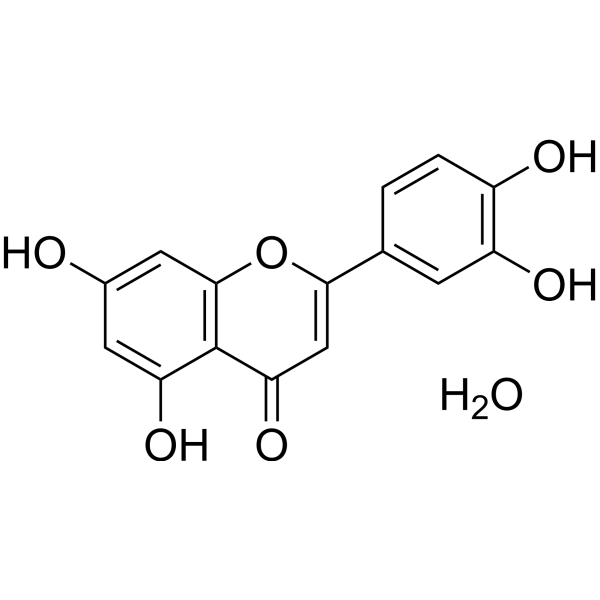
Luteolin (monohydrate) is the monohydrate of Luteolin. Luteolin (Luteoline), a flavonoid, is also a potent Nrf2 inhibitor. Luteolin has anti-inflammatory and anticancer properties, induces apoptosis and cell cycle arrest in multiple human cancer cell lines, including non-small lung cancer cells, and inhibits cell metastasis and angiogenesis .
loading...
    loading...
96
96 Publications Verification
Cat. No.: HY-N0162
CAS No.: 491-70-3
Synonyms: Luteoline; Luteolol; Digitoflavone
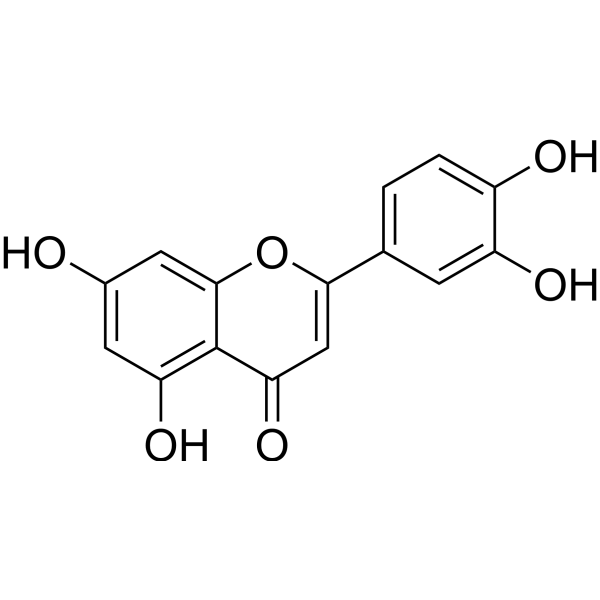
Luteolin (Luteoline), a flavanoid compound, is a potent Nrf2 inhibitor. Luteolin has anti-inflammatory, anti-cancer properties, including the induction of apoptosis and cell cycle arrest, and the inhibition of metastasis and angiogenesis, in several cancer cell lines, including human non-small lung cancer cells .
loading...
    loading...
94
94 Cited Publications
Cat. No.: HY-14596
CAS No.: 446-72-0
Purity:  99.82%
Synonyms: NPI 031L
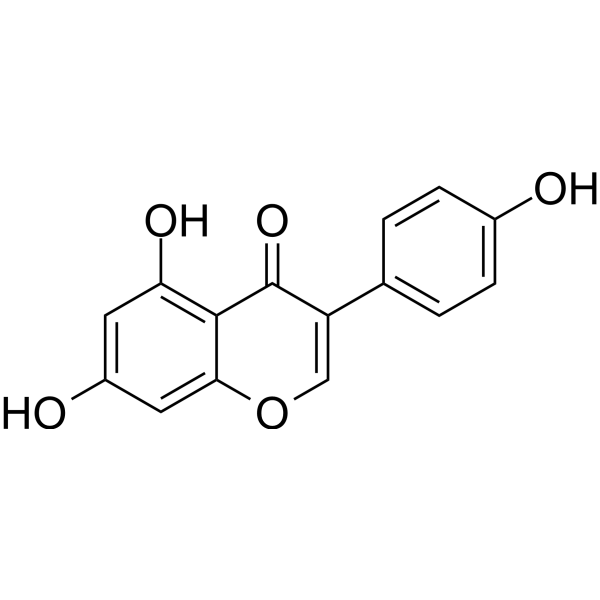
Genistein, a soy isoflavone, is a multiple tyrosine kinases (e.g., EGFR) inhibitor which acts as a chemotherapeutic agent against different types of cancer, mainly by altering apoptosis, the cell cycle, and angiogenesis and inhibiting metastasis.
loading...
    loading...
77
77 Cited Publications
Cat. No.: HY-B0470
CAS No.: 1405-10-3
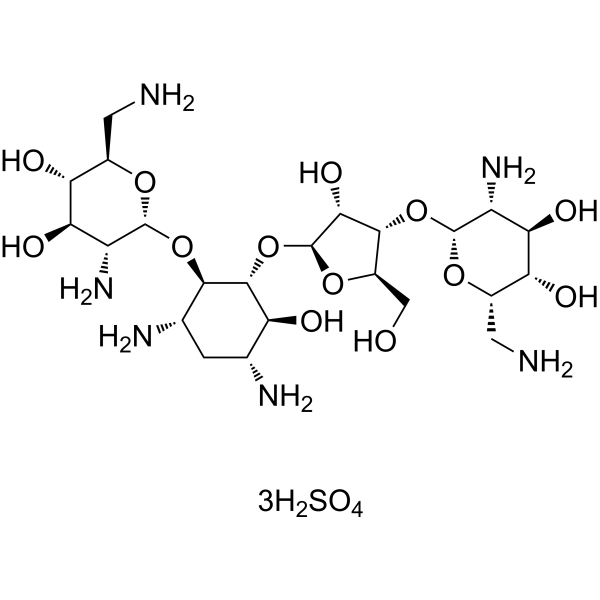
Neomycin sulfate, an aminoglycoside antibiotic, exerts antibacterial activity through irreversible binding of the nuclear 30S ribosomal subunit, thereby blocking bacterial protein synthesis. Neomycin sulfate is a known phospholipase C (PLC) inhibitor. Neomycin sulfate potently inhibits both the nuclear translocation of angiogenin and angiogenin-induced cell proliferation and angiogenesis. Neomycin sulfate inhibits IP3-mediated Ca 2+ release, MgATP-dependent Ca 2+ uptake, and electrical excitation-evoked skeletal muscle Ca 2+ transients. Neomycin sulfate depletes gut microbiota in specific mouse models, causes hearing impairment, and kidney damage with prolonged exposure. Neomycin sulfate can be used for the research of cancer .
loading...
    loading...
75
75 Cited Publications
Cat. No.: HY-16141
CAS No.: 188968-51-6
Synonyms: EMD 121974
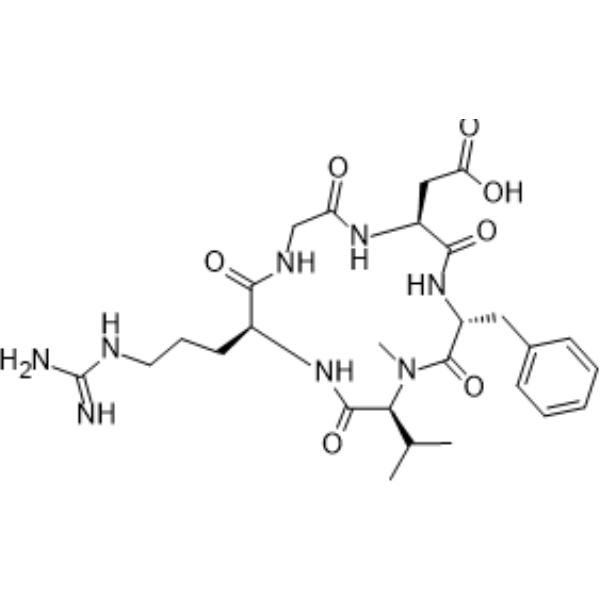
Cilengitide (EMD 121974) is an integrin (integrin) inhibitor with blood-brain barrier permeability, with IC50 values against human targets as follows: 0.61 nM for αvβ3, 8.4 nM for αvβ5, 14.9 nM for α5β1, 5400 nM for αIIbβ3, 2050 nM for αvβ6, 2350 nM for αvβ8. Cilengitide inhibits the binding of integrins to vitronectin, fibronectin, fibrinogen and LAP (TGF-β), and serves as an internal standard for solid-phase integrin binding assays. Cilengitide inhibits tumor cell viability, induces apoptosis, reduces the phosphorylation levels of STAT3, AKT and mTOR, downregulates the expression of PD-L1, inhibits cell viability and angiogenesis, regulates anti-tumor immune responses and slows tumor growth. Cilengitide can be used in research related to glioblastoma, melanoma, advanced solid tumors and refractory brain tumors .
loading...
    loading...
75
75 Cited Publications
Cat. No.: HY-16143
CAS No.: 199807-35-7
Synonyms: EMD 121974 TFA
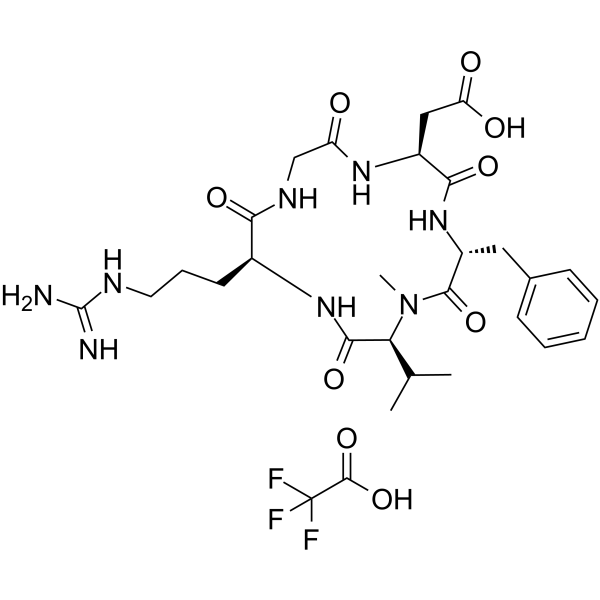
Cilengitide TFA (EMD 121974 TFA) is an integrin (integrin) inhibitor with blood-brain barrier permeability, with IC50 values against human targets as follows: 0.61 nM for αvβ3, 8.4 nM for αvβ5, 14.9 nM for α5β1, 5400 nM for αIIbβ3, 2050 nM for αvβ6, 2350 nM for αvβ8. Cilengitide TFA inhibits the binding of integrins to vitronectin, fibronectin, fibrinogen and LAP (TGF-β), and serves as an internal standard for solid-phase integrin binding assays. Cilengitide TFA inhibits tumor cell viability, induces apoptosis, reduces the phosphorylation levels of STAT3, AKT and mTOR, downregulates the expression of PD-L1, inhibits cell viability and angiogenesis, regulates anti-tumor immune responses and slows tumor growth. Cilengitide TFA can be used in research related to glioblastoma, melanoma, advanced solid tumors and refractory brain tumors .
loading...
    loading...
63
63 Cited Publications
Cat. No.: HY-P9906
CAS No.: 216974-75-3
Synonyms: Anti-Human VEGF, Humanized Antibody
Bevacizumab (Anti-Human VEGF, Humanized Antibody) is a humanized monoclonal antibody against VEGF-A and an angiogenesis inhibitor. Bevacizumab blocks the interaction between VEGF-A and VEGF receptors. Bevacizumab possesses immunomodulatory properties. Bevacizumab can be used in research on metastatic colorectal cancer, metastatic breast cancer, and non-small cell lung cancer .
loading...
    loading...
63
63 Cited Publications
Cat. No.: HY-P9906A
CAS No.: 216974-75-3
Target:  

VEGFR

Bevacizumab (Anti-VEGFA) is a humanized monoclonal antibody against VEGF-A and an angiogenesis inhibitor. Bevacizumab (Anti-VEGFA) blocks the interaction between VEGF-A and VEGF receptors. Bevacizumab (Anti-VEGFA) possesses immunomodulatory properties. Bevacizumab (Anti-VEGFA) can be used in research on metastatic colorectal cancer, metastatic breast cancer, and non-small cell lung cancer .
loading...
    loading...
33
33 Cited Publications
Cat. No.: HY-12033
CAS No.: 362-07-2
Purity:  99.76%
Synonyms: 2-ME2; NSC-659853
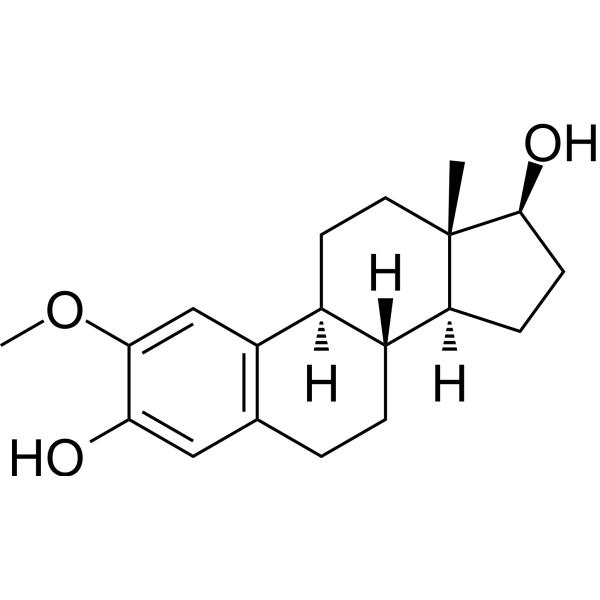
2-Methoxyestradiol (2-ME2), an orally active endogenous metabolite of 17β-estradiol (E2), is an apoptosis inducer and an angiogenesis inhibitor with potent antineoplastic activity. 2-Methoxyestradiol also destablize microtubules. 2-Methoxyestradio, also a potent superoxide dismutase (SOD) inhibitor and a ROS-generating agent, induces autophagy in the transformed cell line HEK293 and the cancer cell lines U87 and HeLa .
loading...
    loading...
32
32 Cited Publications
Cat. No.: HY-10459
CAS No.: 717907-75-0
Purity:  99.68%
Synonyms: VS-6062
Target:  

FAK Pyk2

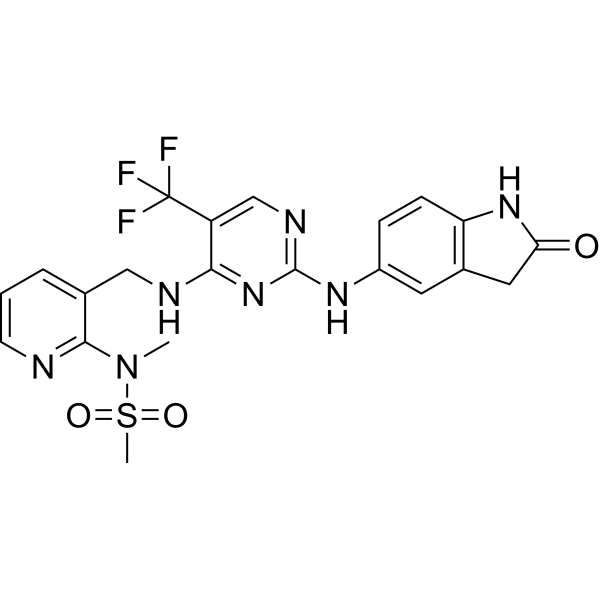
PF-562271 (VS-6062) is an orally active, ATP-competitive, reversible FAK/Pyk2 inhibitor, with an IC50 of 1.5 nM for FAK and 13 nM for Pyk2. PF-562271 induces tumor regression, and inhibits tumor growth, invasion and metastasis. PF-562271 exerts no effect on tumor necrosis, angiogenesis or apoptosis in an orthotopic mouse model of pancreatic ductal adenocarcinoma. When combined with Sunitinib (HY-10255A), PF-562271 reduces tumor vascularization, decreases serum alpha-fetoprotein levels and improves cachexia. PF-562271 can be used in research related to prostate cancer, breast cancer, pancreatic cancer, colon cancer, glioblastoma, lung cancer, pancreatic ductal adenocarcinoma and hepatocellular carcinoma .
loading...
    loading...
32
32 Cited Publications
Cat. No.: HY-10458
CAS No.: 939791-38-5
Purity:  99.17%
Synonyms: VS-6062 (besylate)
Target:  

FAK Pyk2

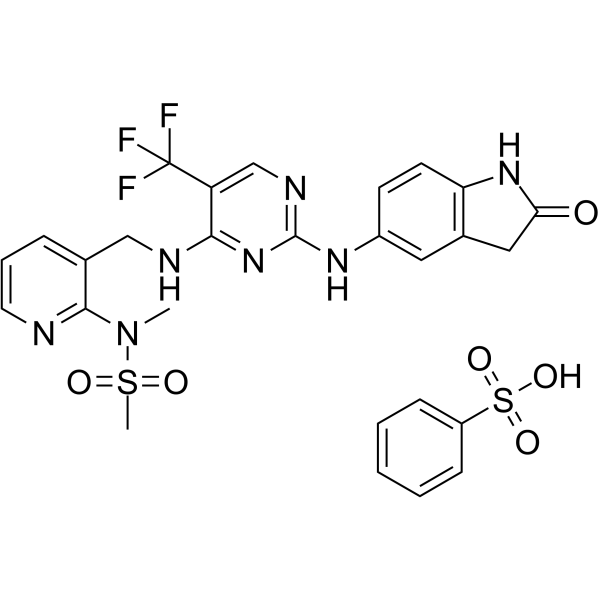
PF-562271 besylate (VS-6062 besylate) is an orally active, ATP-competitive, reversible FAK/Pyk2 inhibitor, with an IC50 of 1.5 nM for FAK and 13 nM for Pyk2. PF-562271 besylate induces tumor regression, and inhibits tumor growth, invasion and metastasis. PF-562271 besylate exerts no effect on tumor necrosis, angiogenesis or apoptosis in an orthotopic mouse model of pancreatic ductal adenocarcinoma. When combined with Sunitinib (HY-10255A), PF-562271 besylate reduces tumor vascularization, decreases serum alpha-fetoprotein levels and improves cachexia. PF-562271 besylate can be used in research related to prostate cancer, breast cancer, pancreatic cancer, colon cancer, glioblastoma, lung cancer, pancreatic ductal adenocarcinoma and hepatocellular carcinoma .
loading...
    loading...
30
30 Cited Publications
Cat. No.: HY-20403
CAS No.: 939791-41-0
Synonyms: VS-6062hydrochloride
Target:  

FAK Pyk2

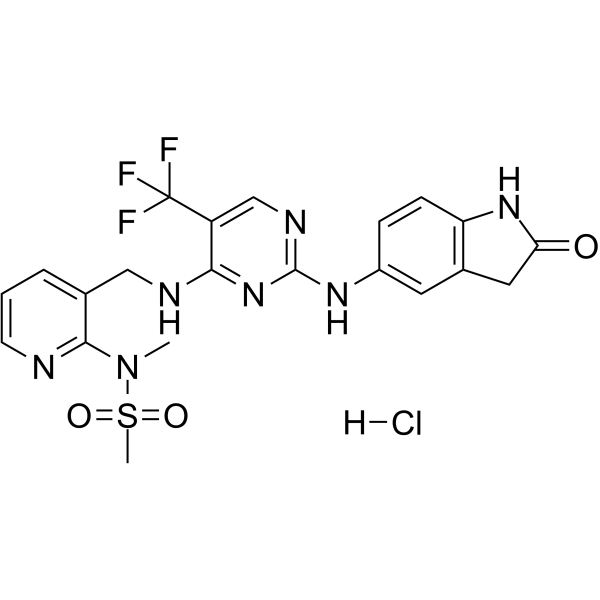
PF-562271 hydrochloride (VS-6062 hydrochloride) is an orally active, ATP-competitive, reversible FAK/Pyk2 inhibitor, with an IC50 of 1.5 nM for FAK and 13 nM for Pyk2. PF-562271 hydrochloride induces tumor regression, and inhibits tumor growth, invasion and metastasis. PF-562271 hydrochloride exerts no effect on tumor necrosis, angiogenesis or apoptosis in an orthotopic mouse model of pancreatic ductal adenocarcinoma. When combined with Sunitinib (HY-10255A), PF-562271 hydrochloride reduces tumor vascularization, decreases serum alpha-fetoprotein levels and improves cachexia. PF-562271 hydrochloride can be used in research related to prostate cancer, breast cancer, pancreatic cancer, colon cancer, glioblastoma, lung cancer, pancreatic ductal adenocarcinoma and hepatocellular carcinoma .
loading...
    loading...
24
24 Cited Publications
Cat. No.: HY-N0183
CAS No.: 485-72-3
Synonyms: Biochanin B; Flavosil; Formononetol
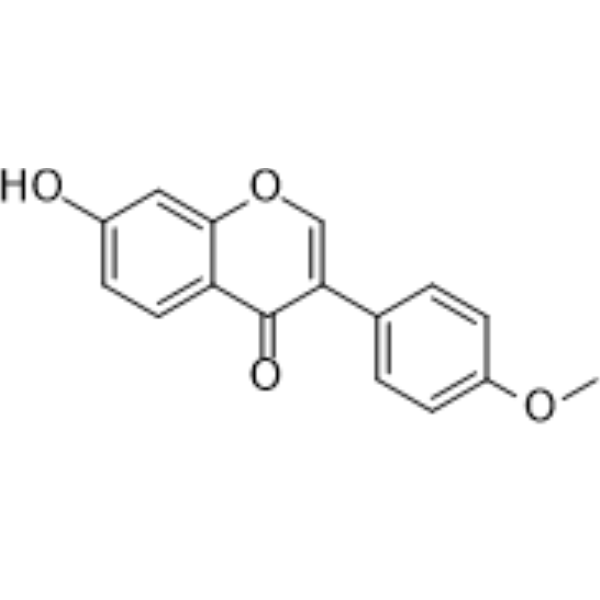
Formononetin is a potent FGFR2 inhibitor with an IC50 of ~4.31 μM. Formononetin potently inhibits angiogenesis and tumor growth .
loading...
    loading...
23
23 Cited Publications
Cat. No.: HY-78131C
CAS No.: 31121-93-4
Synonyms: (±)-Ibuprofen sodium
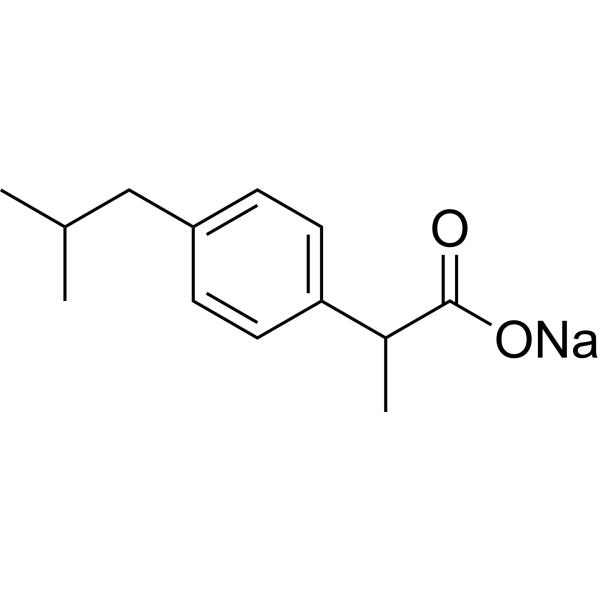
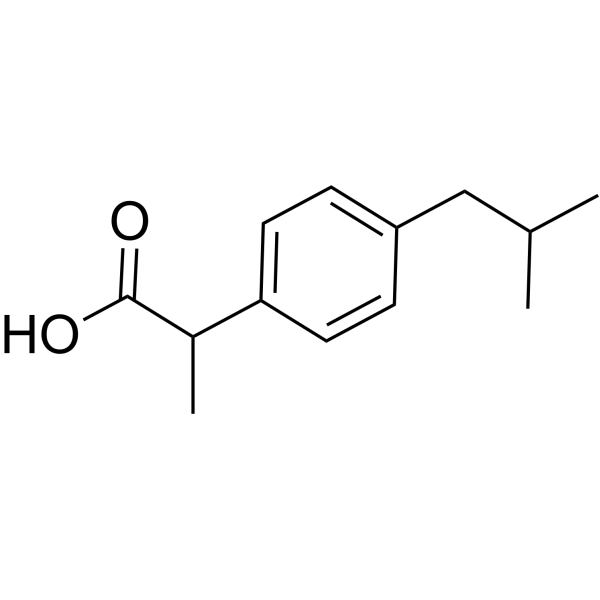
Ibuprofen ((±)-Ibuprofen) sodium is an orally active, selective COX-1 inhibitor with an IC50 value of 13 μM. Ibuprofen sodium inhibits cell proliferation, angiogenesis, and induces cell apoptosis. Ibuprofen sodium is a nonsteroidal anti-inflammatory agent and a nitric oxide (NO) donor. Ibuprofen sodium can be used in the research of pain, swelling, inflammation, infection, immunology, cancers .
loading...
    loading...
23
23 Cited Publications
Cat. No.: HY-78131
CAS No.: 15687-27-1
Synonyms: (±)-Ibuprofen
Ibuprofen ((±)-Ibuprofen) is a potent, orally active, selective COX-1 inhibitor with an IC50 value of 13 μM. Ibuprofen inhibits cell proliferation, angiogenesis, and induces cell apoptosis. Ibuprofen is a nonsteroidal anti-inflammatory agent and a nitric oxide (NO) donor. Ibuprofen ((±)-Ibuprofen) can be used in the research of pain, swelling, inflammation, infection, immunology, cancers .
loading...
    loading...
23
23 Cited Publications
Cat. No.: HY-100586
CAS No.: 57469-77-9
Purity:  99.91%
Synonyms: (±)-Ibuprofen L-lysine
Target:  

COX Apoptosis Parasite

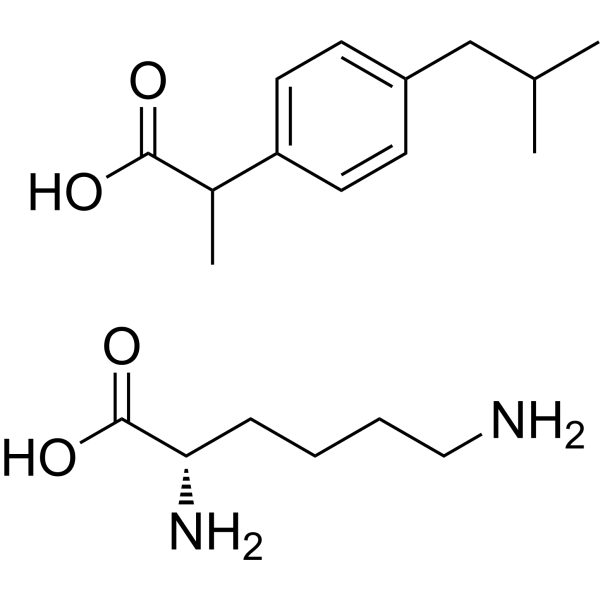
Ibuprofen ((±)-Ibuprofen) L-lysine is a potent orally active, selective COX-1 inhibitor with an IC50 value of 13 μM. Ibuprofen L-lysine inhibits cell proliferation, angiogenesis, and induces cell apoptosis. Ibuprofen L-lysine is a nonsteroidal anti-inflammatory agent and a nitric oxide (NO) donor. Ibuprofen L-lysine can be used in the research of pain, swelling, inflammation, infection, immunology, cancers .
loading...
    loading...
22
22 Cited Publications
Cat. No.: HY-12169
CAS No.: 154039-60-8
Purity:  99.81%
Synonyms: BB2516; TA2516
Target:  

MMP

Research Areas:  

Cancer

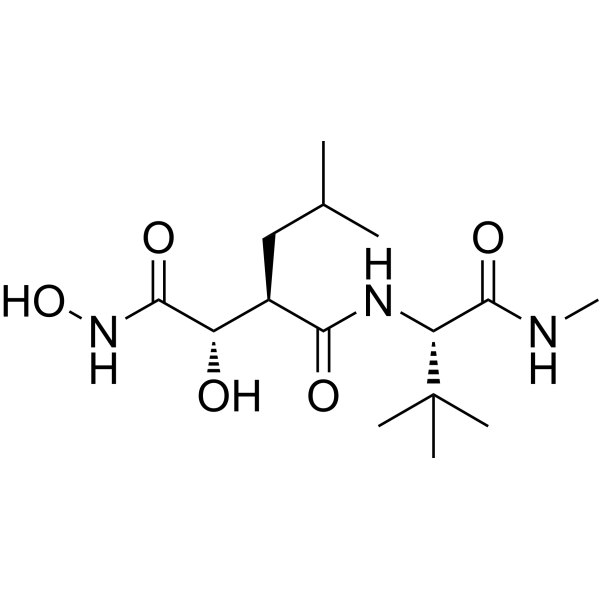
Marimastat (BB2516) is a broad spectrum and orally bioavailable inhibitor of MMPs, with potent activity against MMP-9 (IC50=3 nM), MMP-1 (IC50=5 nM), MMP-2 (IC50=6 nM), MMP-14 (IC50=9 nM) and MMP-7 (IC50=13 nM), used in the treatment of cancer. Marimastat (BB2516) is an angiogenesis and metastasis inhibitor, which limits the growth and production of blood vessels. As an antimetatstatic agent it prevents malignant cells from breaching the basement membranes .
loading...
    loading...
22
22 Cited Publications
Cat. No.: HY-N0484
CAS No.: 2586-96-1
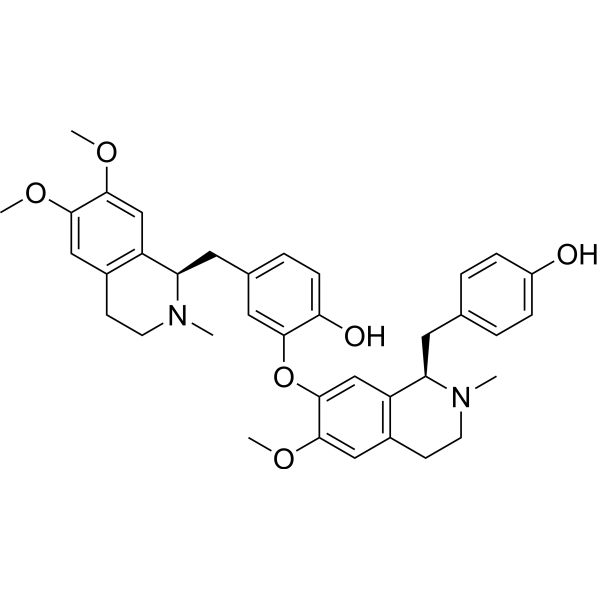
Liensinine is a bisbenzylisoquinoline alkaloid. By inhibiting the PI3K/AKT and JNK/p38-MAPK signaling pathways, Liensinine suppresses autophagy and apoptosis, clears , and exerts anti-inflammatory, antioxidant and neuroprotective effects. Liensinine activates AMPK and inhibits the expression of HIF-1α and VEGF, thereby suppressing angiogenesis. Liensinine exerts anti-tumor effects through ROS-mediated inhibition of the JAK2/STAT3 signaling pathway. Liensinine can be used for the research of diseases such as Alzheimer's disease, hepatocellular carcinoma, osteosarcoma, sepsis-induced organ injury and stroke .
loading...
    loading...
22
22 Cited Publications
Cat. No.: HY-N5014
CAS No.: 2385-63-9
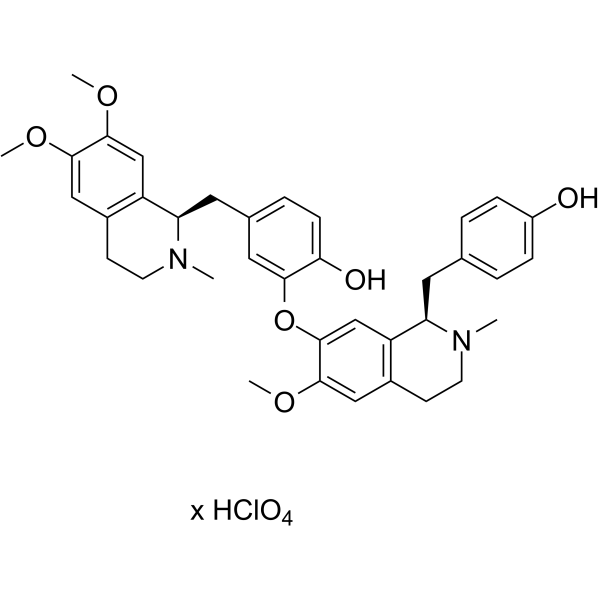
Liensinine perchlorate is a bisbenzylisoquinoline alkaloid. By inhibiting the PI3K/AKT and JNK/p38-MAPK signaling pathways, Liensinine perchlorate suppresses autophagy and apoptosis, clears , and exerts anti-inflammatory, antioxidant and neuroprotective effects. Liensinine perchlorate activates AMPK and inhibits the expression of HIF-1α and VEGF, thereby suppressing angiogenesis. Liensinine perchlorate exerts anti-tumor effects through ROS-mediated inhibition of the JAK2/STAT3 signaling pathway. Liensinine perchlorate can be used for the research of diseases such as Alzheimer's disease, hepatocellular carcinoma, osteosarcoma, sepsis-induced organ injury and stroke .
loading...
    loading...
18
18 Cited Publications
Cat. No.: HY-Y0966
CAS No.: 56-40-6
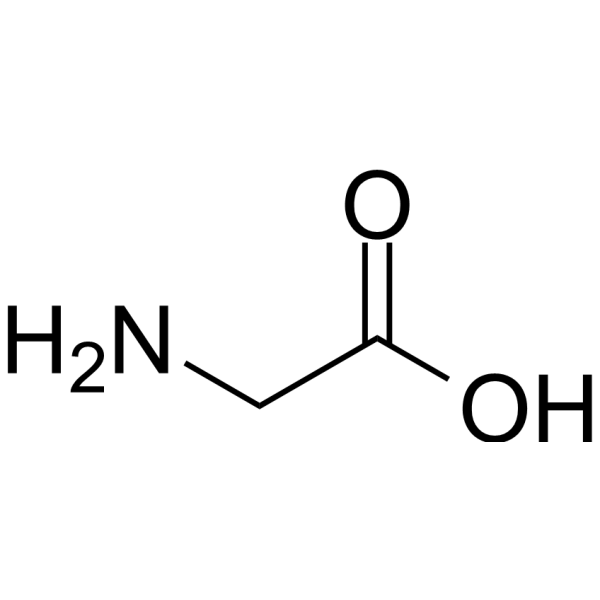
Glycine is an inhibitory neurotransmitter in the CNS and also acts as a co-agonist along with glutamate, facilitating an excitatory potential at the glutaminergic N-methyl-D-aspartic acid (NMDA) receptors. Glycine is orally active. Glycine inhibits the membrane aggregation of NINJ1 and prevents plasma membrane rupture during cell death. Glycine can be used to study cell protection, cancer, neurological diseases, and angiogenesis .
loading...
    loading...

