252 Results for "

antibacterial properties

" in MedChemExpress (MCE) Product Catalog:
Products (252)

252 Results for "antibacterial properties" in MCE Product Catalog:

379
379 Publications Verification
Cat. No.: HY-Y0320
CAS No.: 67-68-5
Synonyms: DMSO, meets analytical specification of Ch.P.
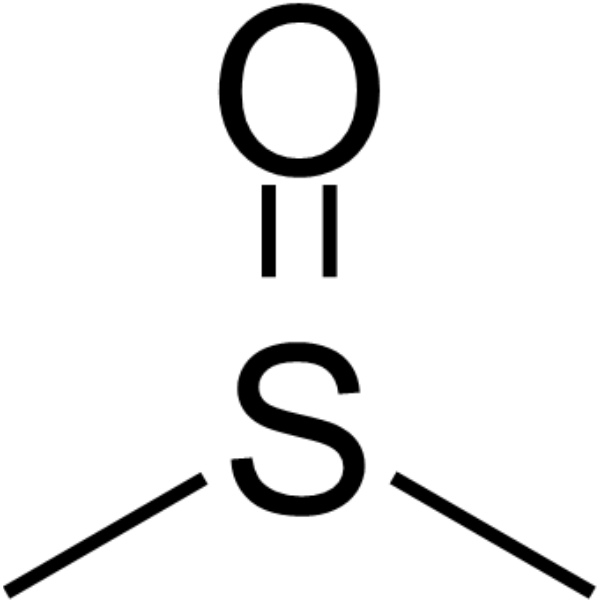
Dimethyl sulfoxide (DMSO), meets analytical specification of Ch.P. is an aprotic solvent that dissolves polar and non-polar compounds, including water-insoluble therapeutic and toxic agents. Dimethyl sulfoxide (DMSO) has a strong affinity for water and can rapidly penetrate or enhance the penetration of other substances into biological membranes. Dimethyl sulfoxide also has potential free radical scavenging and anticholinesterase effects and may affect coagulation activity. Dimethyl sulfoxide also induces histamine release from mast cells but is thought to have low systemic toxicity. Dimethyl sulfoxide also exhibits antifreeze and antibacterial properties .
MCE provides Dimethyl sulfoxide that complies with the inspection standards (Ch.P) of Part 4 of the Chinese Pharmacopoeia (2020 Edition). Amicrobic, low endotoxin, can be used in various biochemical experiments such as drug dissolution.
loading...
    loading...
192
192 Cited Publications
Cat. No.: HY-W008923
CAS No.: 17086-28-1
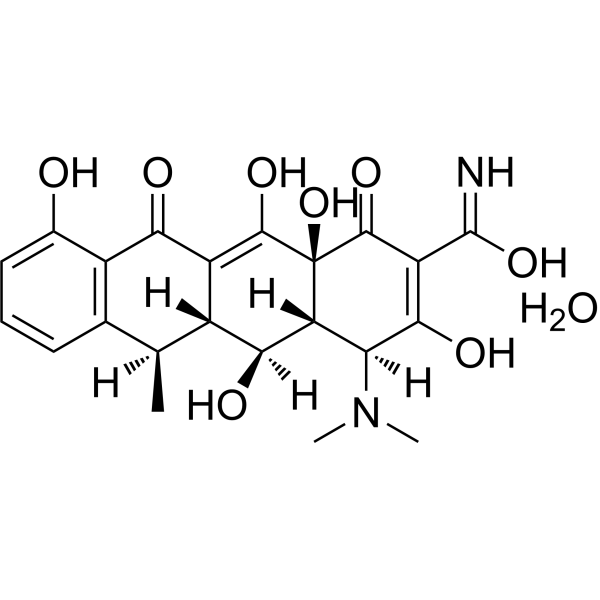
Doxycycline monohydrate is an orally active highly lipophilic, tissue-permeable MMP inhibitor with broad-spectrum antibacterial activity. Doxycycline monohydrate is also a semi-synthetic antibiotic with chelating properties, which blocks bacterial protein synthesis and inhibits extracellular matrix degradation through interactions with zinc and calcium atoms. Doxycycline monohydrate also inhibits mitochondrial biogenesis, translation, and the expression of respiratory chain proteins. Doxycycline monohydrate induces apoptosis, inhibits autophagy and EMT, downregulates stem cell markers, and activates the PI3K-AKT pathway, thereby effectively inhibiting the viability and proliferation of cancer cells such as breast cancer cells. Doxycycline monohydrate also promotes the survival and self-renewal of embryonic stem cells and neural stem cells, and reduces the frequency of medium changes in culture. Doxycycline monohydrate has been applied in studies related to breast cancer, prostate cancer, bladder cancer, and other cancers .
loading...
    loading...
45
45 Cited Publications
Cat. No.: HY-B1530
CAS No.: 515-98-0
Synonyms: (±)-Ammonium lactate
Research Areas:  

Infection

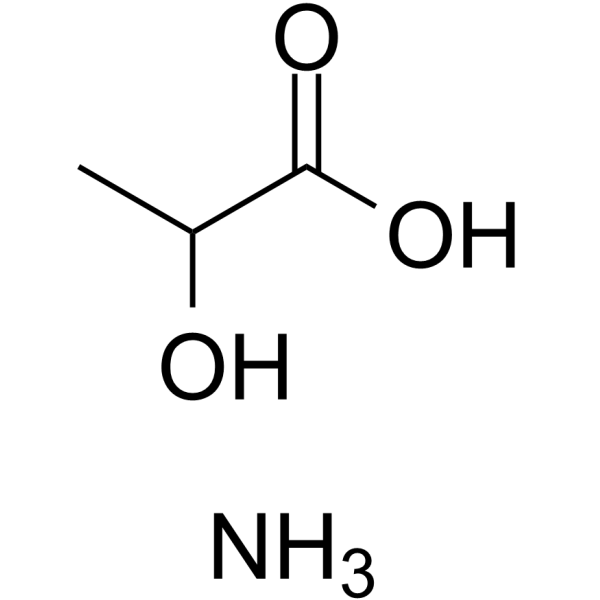
Ammonium lactate is the ammonium salt of lactic acid, with mild anti-bacterial properties. Ammonium lactate can be used for the research of xerosis .
loading...
    loading...
10
10 Cited Publications
Cat. No.: HY-N0711
CAS No.: 499-75-2
Synonyms: Cymophenol
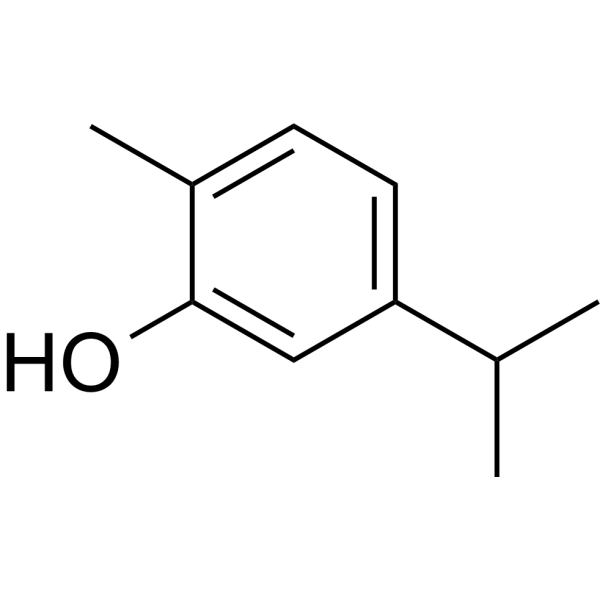
Carvacrol is an orally active and blood-brain barrier-permeable monoterpenic phenol that can be extract from an abundant number of aromatic plants, including thyme and oregano, possessing antioxidant, antibacterial, antifungal, anticancer, anti-inflammatory, hepatoprotective, spasmolytic, and vasorelaxant properties. Carvacrol also causes cell cycle arrest in G0/G1, downregulates Notch-1, and Jagged-1, and induces apoptosis. Carvacrol is used in low concentrations as a food flavoring ingredient and preservative, as well as a fragrance ingredient in cosmetic formulations .
loading...
    loading...
9
9 Cited Publications
Cat. No.: HY-N0625A
CAS No.: 36052-37-6
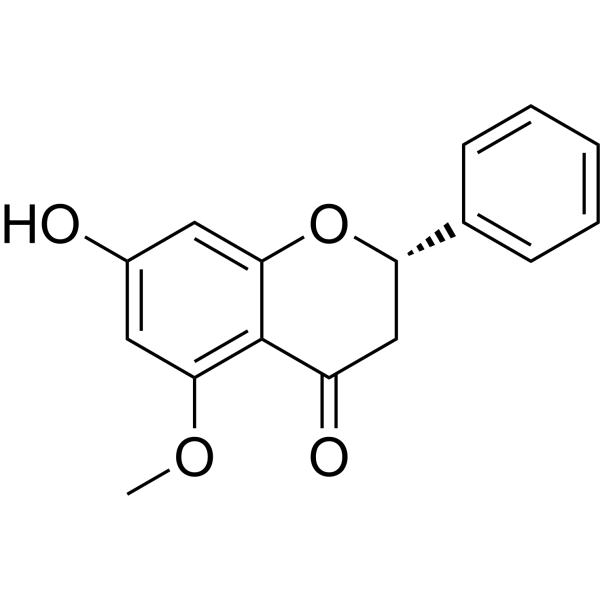
Alpinetin is a flavonoid isolated from cardamom and possesses antitumor, antiinflammation, hepatoprotective, cardiovascular protective, lung protective, antibacterial, antiviral, neuroprotective properties. Alpinetin inhibits lipopolysaccharide (LPS)-induced inflammation, activates PPAR-γ, activates Nrf2, and inhibits TLR4 expression to protect LPS-induced renal injury .
loading...
    loading...
7
7 Cited Publications
Cat. No.: HY-N2041
CAS No.: 544-63-8
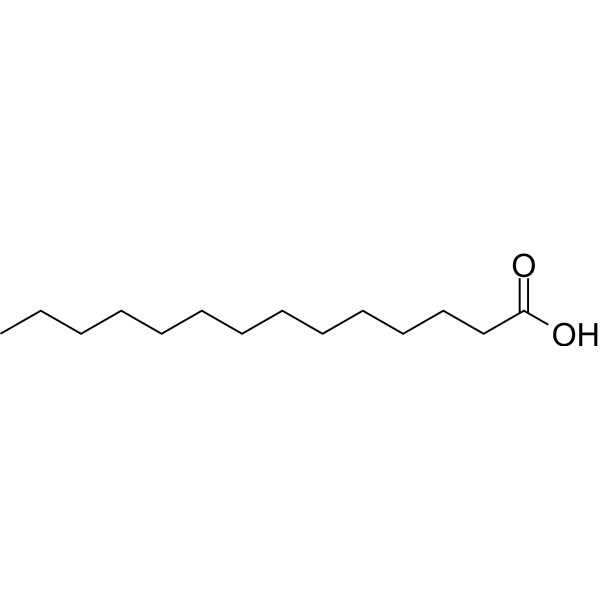
Myristic acid is an orally active saturated 14-carbon fatty acid found in most animal and plant fats, especially milk fat coconut oil, palm oil and nutmeg oil. Myristic acid exerts anti-inflammatory activity through the NF-κB pathway. Myristic acid has antibacterial, anti-inflammatory and analgesic properties .
loading...
    loading...
6
6 Cited Publications
Cat. No.: HY-N0053
CAS No.: 66-97-7
Synonyms: Ficusin
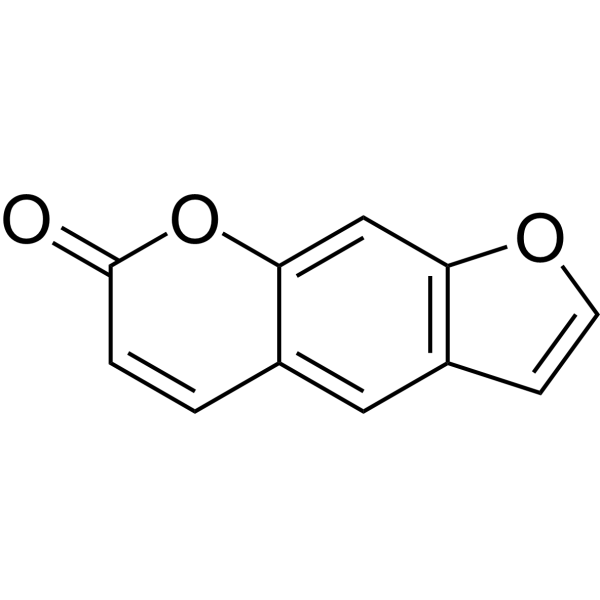
Psoralen (Ficusin) is a coumarin isolated from the seeds of Fructus Psoraleae. Psoralen exhibits a wide range of biological properties, including anti-cancer, antioxidant, antidepressant, anticancer, antibacterial, and antiviral, et al .
loading...
    loading...
5
5 Cited Publications
Cat. No.: HY-N0232
CAS No.: 18642-23-4
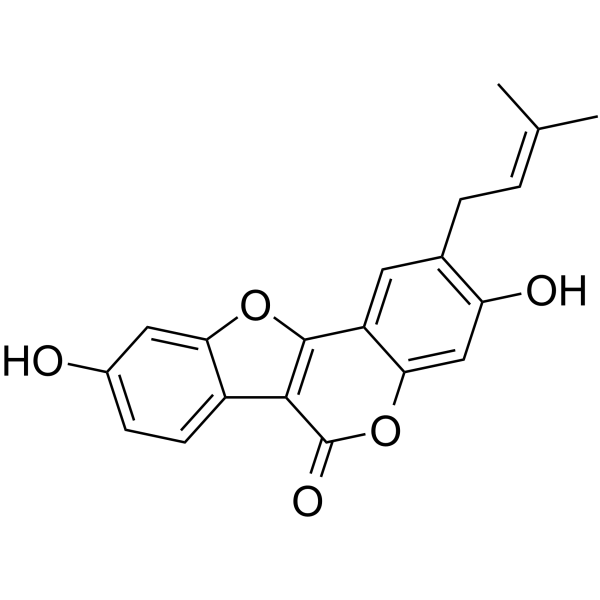
Psoralidin is a dual inhibitor of COX-2 and 5-LOX, regulates ionizing radiation (IR)-induced pulmonary inflammation.Anti-cancer, anti-bacterial, and anti-inflammatory properties . Psoralidin significantly downregulates NOTCH1 signaling. Psoralidin also greatly induces ROS generation .
loading...
    loading...
5
5 Cited Publications
Cat. No.: HY-N0794
CAS No.: 20347-71-1
Proanthocyanidin (Procyanidin) are a class of polyphenolic that are widely distributed in higher plants, consisted of an electrophilic flavanyl unit. Proanthocyanidin can be used as antioxidant and anti-cancers agent. Proanthocyanidin also exhibit anti-inflammatory, cardioprotective, antibacterial and antifungal properties, which can be used in the treatment of chronic venous insufficiency, capillary fragility, sunburn and retinopathy. .
loading...
    loading...
5
5 Cited Publications
Cat. No.: HY-N0188
CAS No.: 531-75-9
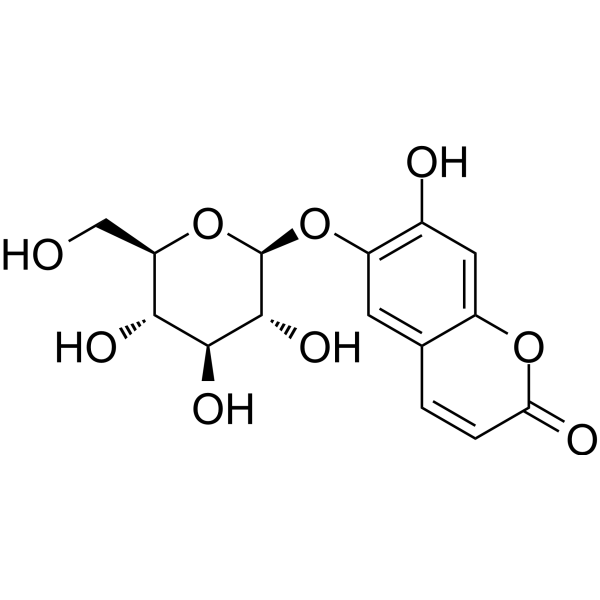
Esculin is a fluorescent coumarin glucoside, the active ingredient in ash bark. Esculin has antidiabetic effects, improves cognitive impairment in experimental diabetic nephropathy (DN) via the MAPK signaling pathway, and exerts antioxidant stress and anti-inflammatory effects. Esculin also has anticancer, antibacterial, antiviral, neuroprotective, antithrombotic, and therapeutic properties for eye diseases .
loading...
    loading...
4
4 Cited Publications
Cat. No.: HY-115340
CAS No.: 1002-62-6
Purity:  99.92%
Synonyms: Sodium decanoate; Sodium caprate
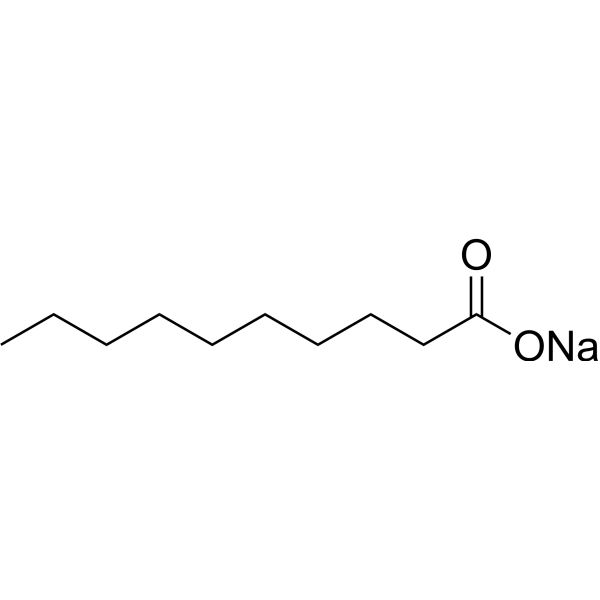
Decanoic acid sodium, also known as Decanoic acid sodium, is a salt of the fatty acid capric acid. It is easily soluble in water and has a slightly soapy smell. Decanoic acid sodium acts as a penetration enhancer, which means it increases the absorption and bioavailability of drugs across biological membranes, including the intestinal epithelium and the blood-brain barrier. This property makes it useful in pharmaceutical formulations to improve drug delivery and effectiveness. Furthermore, Decanoic acid sodium has potential applications in food preservatives and cosmetics due to its antibacterial properties.
loading...
    loading...
3
3 Cited Publications
Cat. No.: HY-100711
CAS No.: 82-89-3
Purity:  99.89%
Synonyms: Prodigiosine; NSC47147
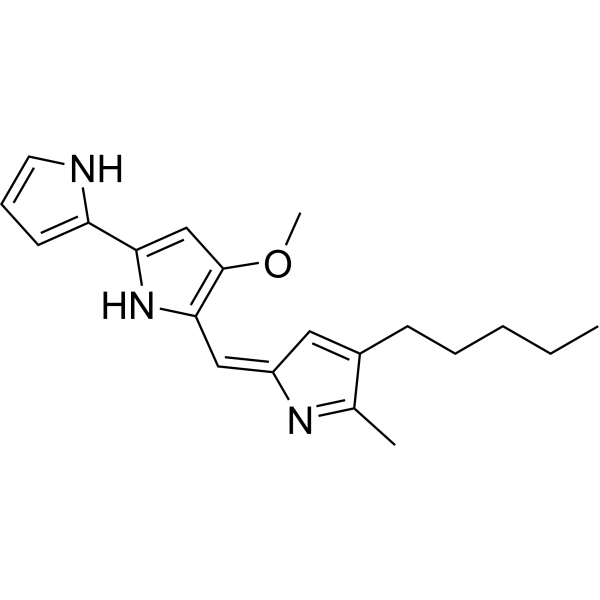
Prodigiosin (Prodigiosine) is a red pigment produced by bacteria as a bioactive secondary metabolite. Prodigiosin is a potent inhibitor of the Wnt/β-catenin pathway. Prodigiosin has antibacterial, antifungal, antiprotozoal, antimalarial, immunosuppressive, and anticancer properties .
loading...
    loading...
3
3 Cited Publications
Cat. No.: HY-111278
CAS No.: 85-66-5
Purity:  99.23%
Synonyms: Pyocyanine; Sanazin; Sanasin
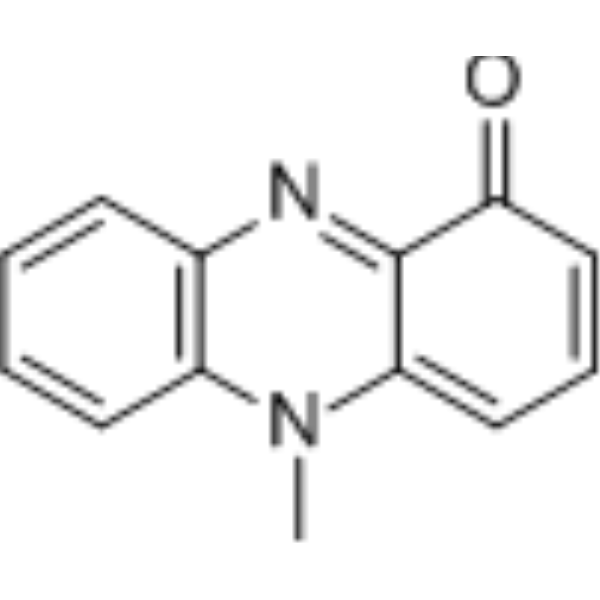
Pyocyanin (Pyocyanine) is a toxic, quorum sensing (QS) controlled metabolite produced by Pseudomonas aeruginosa. Pyocyanin is a REDOX active compound that promotes the production of reactive oxygen species (ROS). Pyocyanin has antibacterial and anti-inflammatory activity .
loading...
    loading...
3
3 Cited Publications
Cat. No.: HY-116144
CAS No.: 119515-38-7
Purity:  98.00%
Synonyms: Lcaridin
Research Areas:  

Infection

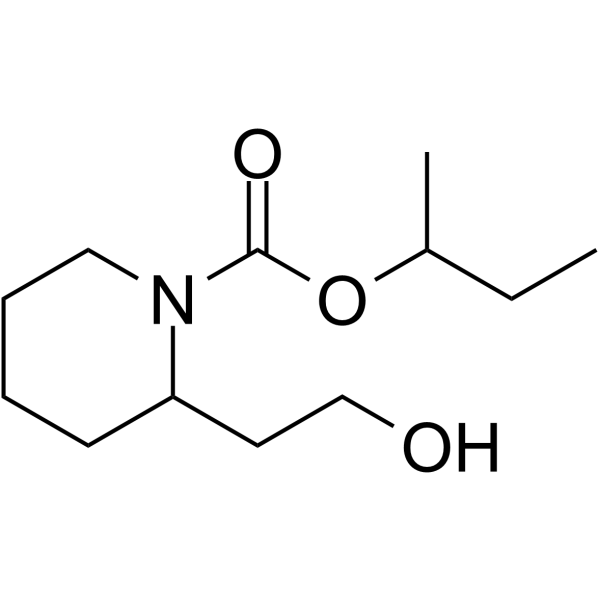
Picaridin (Lcaridin) is a broad spectrum arthropod repellent. Picaridin interacts with mosquito and tick olfactory receptor proteins. Picaridin repels Aedes aegypti. Picaridin exhibits considerable antibacterial, anticandidal and antifungal properties .
loading...
    loading...
3
3 Cited Publications
Cat. No.: HY-100711A
CAS No.: 56144-17-3
Purity:  98.00%
Synonyms: Prodigiosine hydrochloride
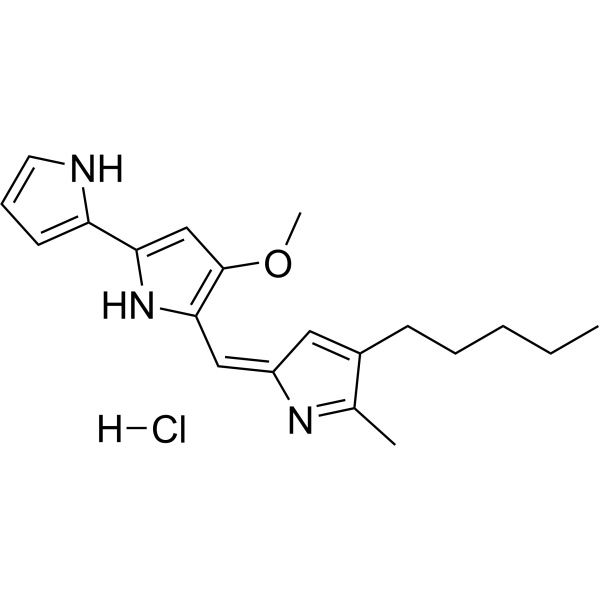
Prodigiosin (Prodigiosine) hydrochloride is a red pigment produced by bacteria as a bioactive secondary metabolite. Prodigiosin hydrochloride is a potent proapoptotic agent, and inhibits Wnt/β-catenin pathway. Prodigiosin hydrochloride has antibacterial, antifungal, antiprotozoal, antimalarial, immunosuppressive, and anticancer properties .
loading...
    loading...
2
2 Cited Publications
Cat. No.: HY-121620
CAS No.: 142-18-7
Purity:  99.26%
Synonyms: 1-Monolaurin
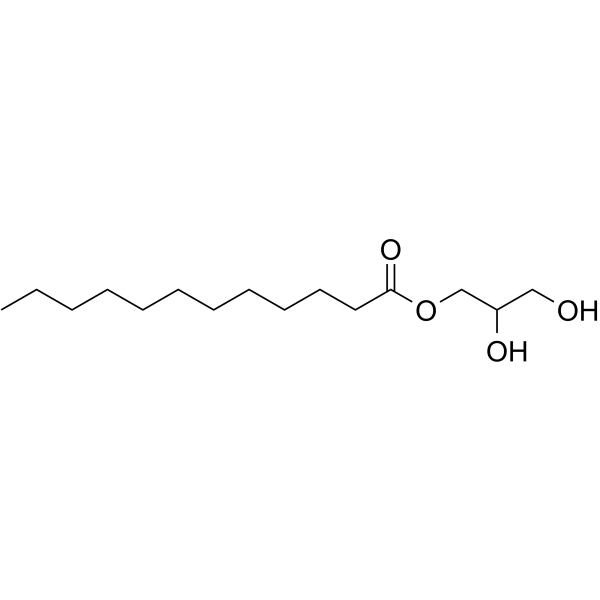
Monolaurin (1-Monolaurin) is an orally active antibiotic with antiviral and antibacterial properties .
loading...
    loading...
2
2 Cited Publications
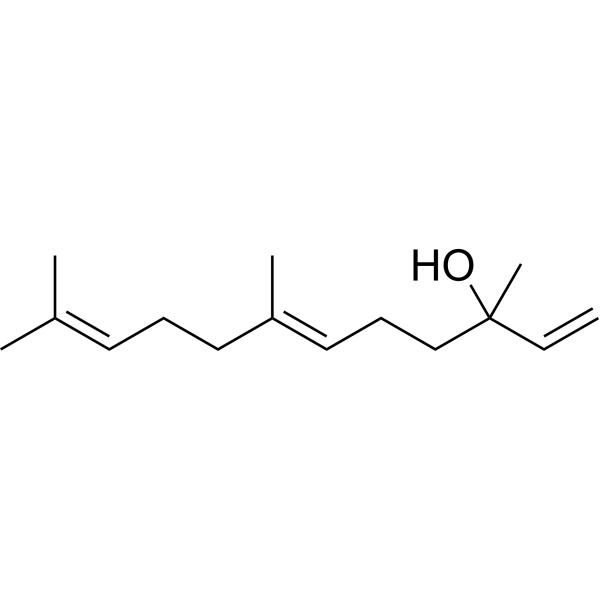
Cat. No.: HY-N1944
CAS No.: 7212-44-4
Nerolidol has multiple natural membrane activities, possesses anti-cancer, anti-inflammatory, antibacterial and anti-insect activity. Nerolidol Suppresses parasitic activity, suppresses bloodsucking diseases, bloodworm diseases, and other diseases. Nerolidol can protect the cells from lipid and protein properties, damage to DNA, and protect the cells from damage .
loading...
    loading...
2
2 Cited Publications
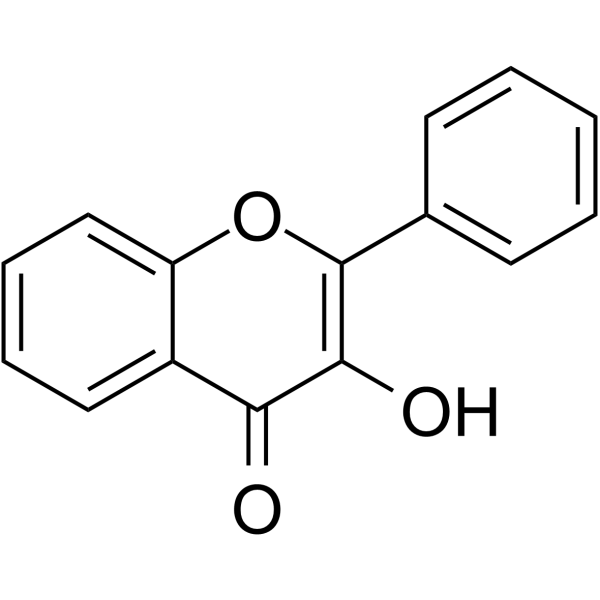
Cat. No.: HY-107825
CAS No.: 577-85-5
Purity:  99.92%
Flavonol is a cholinesterase (ChE) inhibitor, with an IC50 value of 120 μM and a Ki value of 74 μM. Flavonol has antioxidant, free radical-scavenging, antibacterial properties, and immune modulation functions. Flavonol inhibits the PriA helicase of Staphylococcus aureus. Flavonol can suppress the production of NO in LPS-activated RAW 264.7 cells by inhibiting the expression of the iNOS enzyme. Flavonol shows protective and analgesic effects in mice through various neuronal pathways. Flavonol can be used in research related to tumors and atherosclerosis diseases .
loading...
    loading...
1
1 Cited Publications
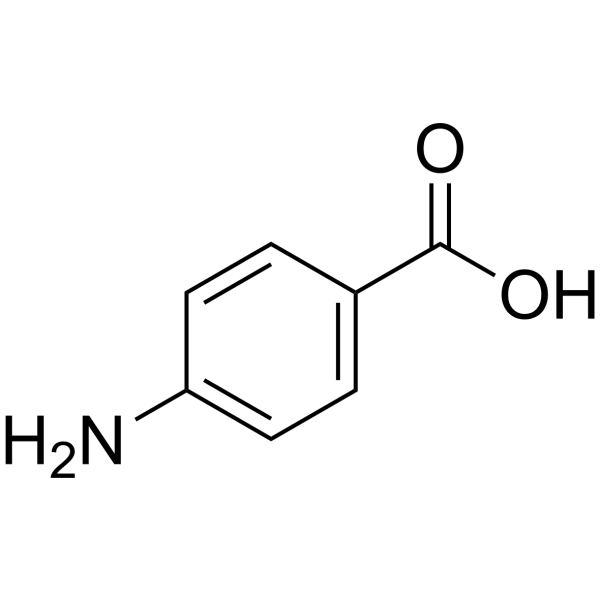
Cat. No.: HY-B1008
CAS No.: 150-13-0
Synonyms: PABA; p-Aminobenzoic acid
4-Aminobenzoic acid is an intermediate in the synthesis of folic acid by bacteria, plants and fungi. 4-Aminobenzoic acid has antibacterial and plant growth regulating properties .
loading...
    loading...
1
1 Cited Publications
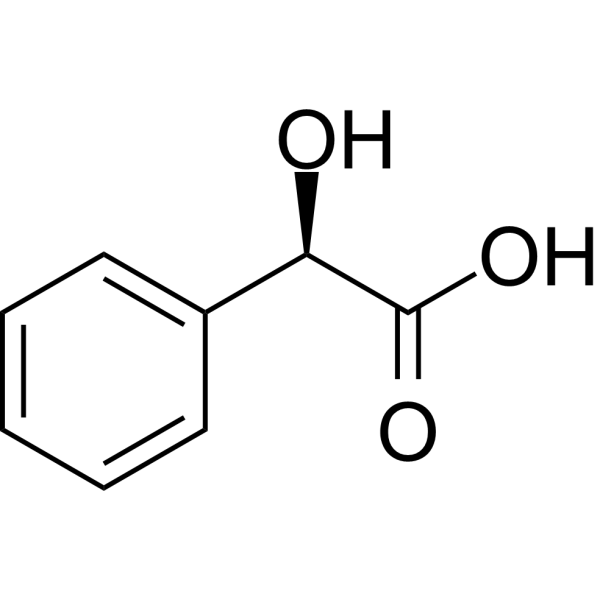
Cat. No.: HY-Y0585
CAS No.: 611-71-2
D-(-)-Mandelic acid is an orally active alpha hydroxycarboxylic acid that can be isolated from bitter almonds and Indian chestnut trees. It has antioxidant and antibacterial properties and is expected to play an important role in the treatment of rheumatoid arthritis .
loading...
    loading...

