
1. Search Result
Search Result
Results for "

antimetastatic

" in MedChemExpress (MCE) Product Catalog:

97

Inhibitors & Agonists

1

Biochemical Assay Reagents

4

Peptides

2

Inhibitory Antibodies

26

Natural
Products

4

Isotope-Labeled Compounds

2

Oligonucleotides

Cat. No. Product Name Target Research Areas Chemical Structure
  • HY-B0617
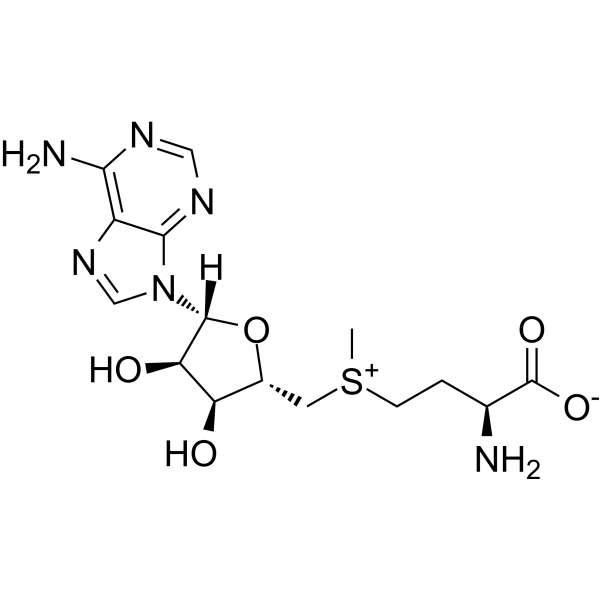
    S-Adenosyl-L-methionine
    20+ Cited Publications

    S-Adenosyl methionine; Ademetionine; AdoMet

    Endogenous Metabolite Apoptosis Neurological Disease Inflammation/Immunology Cancer
    S-Adenosyl-L-methionine (S-Adenosyl methionine) is an orally active methyl group donor. S-Adenosyl-L-methionine is a dietary supplement with potent antidepressant effects. S-Adenosyl-L-methionine also has anti‑proliferative, pro‑apoptotic and anti‑metastatic roles in cancers. S-Adenosyl-L-methionine has the potential for, cancer, liver disease and osteoarthritis research .
    S-Adenosyl-L-methionine
  • HY-19928
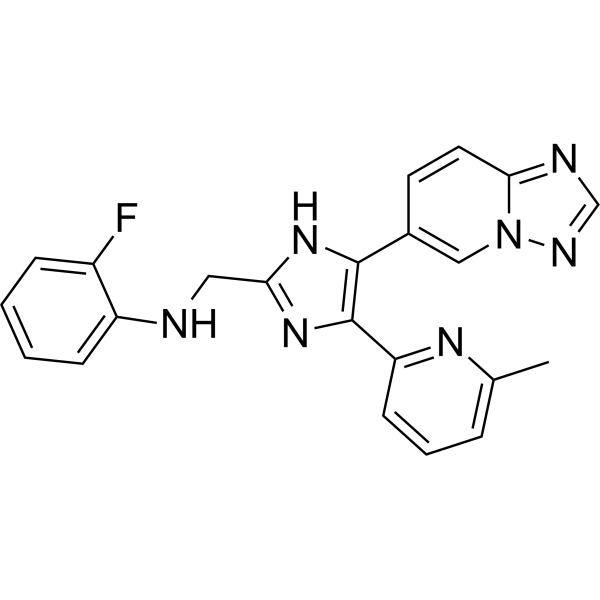
    Vactosertib
    5+ Cited Publications

    EW-7197; TEW-7197

    TGF-β Receptor Cancer
    Vactosertib (EW-7197) is a potent, orally active and ATP-competitive activin receptor-like kinase 5 (ALK5) inhibitor with an IC50 of 12.9 nM. Vactosertib also inhibits ALK2 and ALK4 (IC50 of 17.3 nM) at nanomolar concentrations. Vactosertib has potently antimetastatic activity and anticancer effect .
    Vactosertib
  • HY-N0187
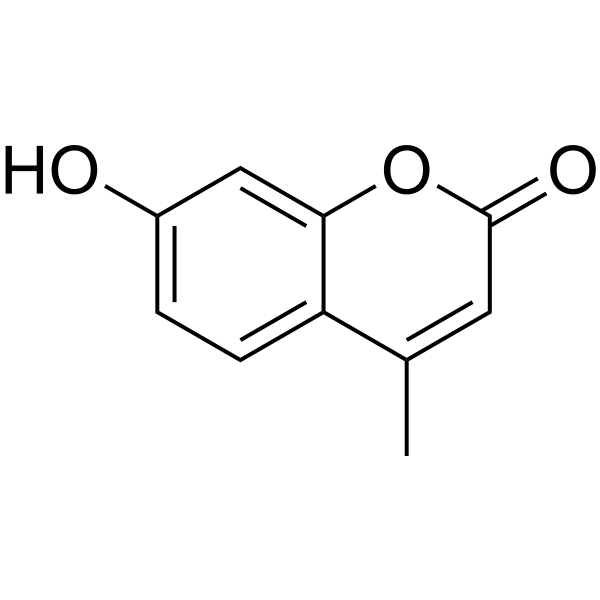
    4-Methylumbelliferone
    5+ Cited Publications

    Hymecromone; 4-MU

    Others Cardiovascular Disease Cancer
    4-Methylumbelliferone is a hyaluronic acid biosynthesis inhibitor with antitumoral and antimetastatic effects.
    4-Methylumbelliferone
  • HY-W017770

    Ademetionine disulfate tosylate; S-Adenosyl methionine disulfate tosylate; AdoMet disulfate tosylate

    Endogenous Metabolite Apoptosis Neurological Disease Inflammation/Immunology Cancer
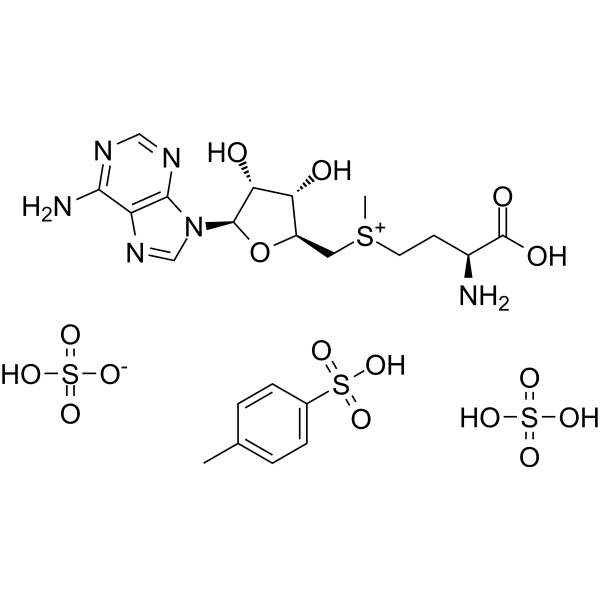
    S-Adenosyl-L-methionine (Ademetionine) disulfate tosylate is the disulfate tosylate form of S-Adenosyl-L-methionine (HY-B0617). S-Adenosyl-L-methionine disulfate tosylate is an orally active methyl group donor. S-Adenosyl-L-methionine disulfate tosylate is a dietary supplement with potent antidepressant effects. S-Adenosyl-L-methionine disulfate tosylate also has anti‑proliferative, pro‑apoptotic and anti‑metastatic roles in cancers. S-Adenosyl-L-methionine disulfate tosylate has the potential for, cancer, liver disease and osteoarthritis research .
    S-Adenosyl-L-methionine disulfate tosylate
  • HY-N1376
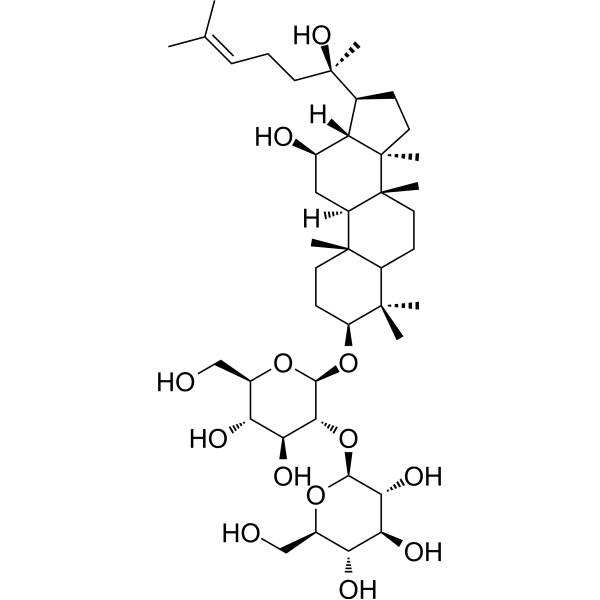
    (20R)-Ginsenoside Rg3
    5 Publications Verification

    (20R)-Propanaxadiol; R-ginsenoside Rg3

    Others Cancer
    (20R)-ginsenoside Rg3 ((20R)-Propanaxadiol), one of the active compounds present in ginseng root, inhibits angiogenesis, and has anti-carcinogenic and antimetastatic effects .
    (20R)-Ginsenoside Rg3
  • HY-B0617A
    S-Adenosyl-L-methionine tosylate
    15+ Cited Publications

    S-Adenosyl methionine tosylate; Ademetionine tosylate; AdoMet tosylate

    Endogenous Metabolite Apoptosis Neurological Disease Inflammation/Immunology Cancer
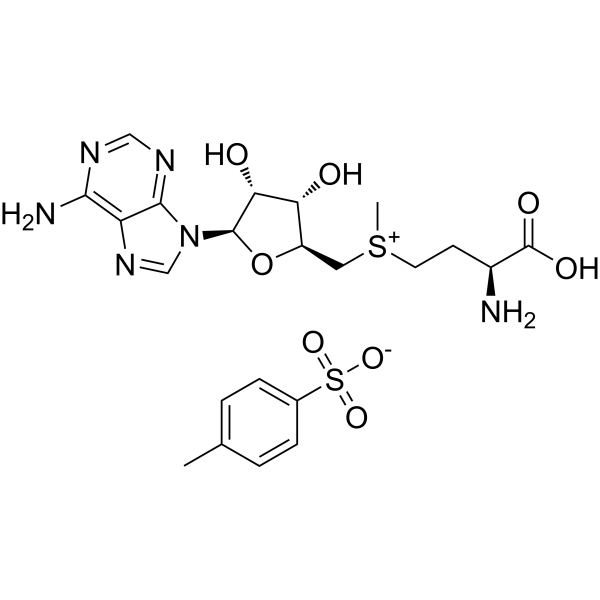
    S-Adenosyl-L-methionine (S-Adenosyl methionine) tosylate is an orally active methyl group donor. S-Adenosyl-L-methionine tosylate is a dietary supplement with potent antidepressant effects. S-Adenosyl-L-methionine tosylate also has anti‑proliferative, pro‑apoptotic and anti‑metastatic roles in cancers. S-Adenosyl-L-methionine tosylate has the potential for, cancer, liver disease and osteoarthritis research .
    S-Adenosyl-L-methionine tosylate
  • HY-N2022
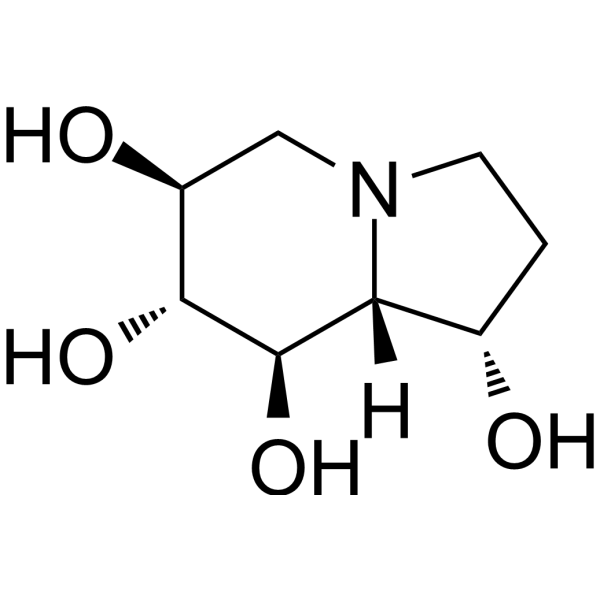
    Castanospermine
    4 Publications Verification

    Glycosidase Inflammation/Immunology Cancer
    Castanospermine is a natural alkaloid that can be extracted from black beans or the Moreton Bay chestnut tree (Castanospermum australae). Castanospermine is an α/ β-glucosidase inhibitor. Castanospermine has anti-inflammatory, antiviral replication and anti-metastatic effects on prostate cancer. Castanospermine can be used as an immunosuppressant to prevent transplant rejection .
    Castanospermine
  • HY-16929
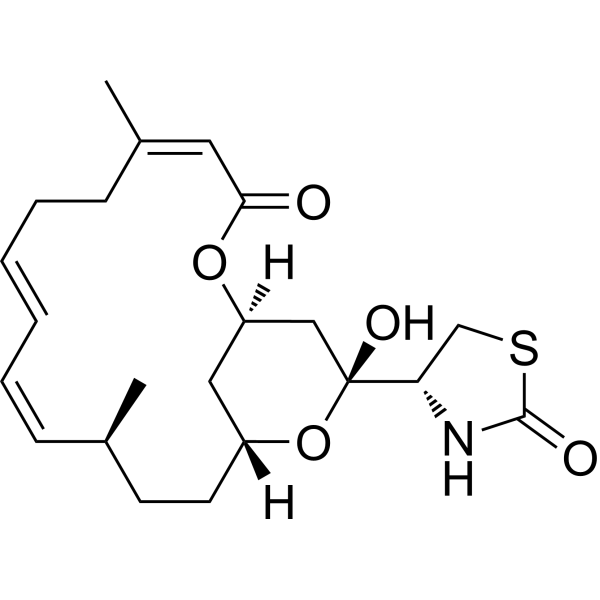
    Latrunculin A
    10+ Cited Publications

    LAT-A

    Arp2/3 Complex Cancer
    Latrunculin A (LAT-A), found in the red sea sponge Latrunculia magnifica, is a G-actin polymerization inhibitor. Latrunculin A binds to actin monomers and inhibits polymerization of actin with Kds of 0.1, 0.4, 4.7 μM and 0.19 μM for ATP-actin, ADP-Pi-actin, ADP-actin and G-actin, respectively. Latrunculin A has effective anti-metastatic properties for cancer research. Latrunculin A blocks cell migration .
    Latrunculin A
  • HY-14614A

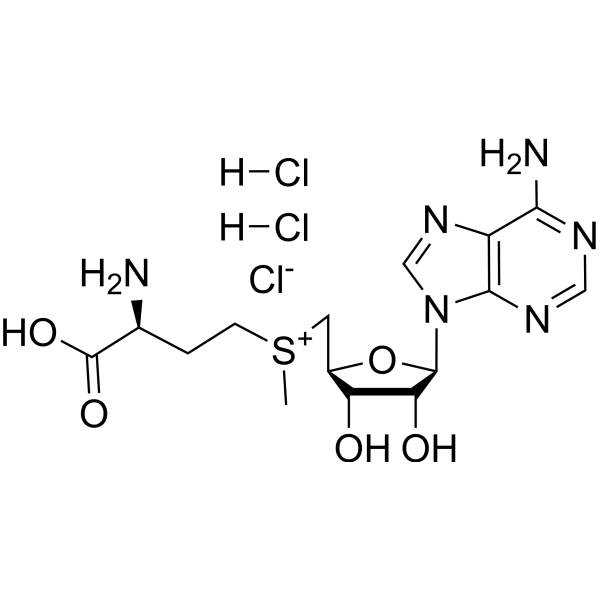
    S-Adenosyl methionine chloride dihydrochloride; Ademetionine chloride dihydrochloride; AdoMet chloride dihydrochloride

    Endogenous Metabolite Apoptosis Neurological Disease Inflammation/Immunology Cancer
    S-Adenosyl-L-methionine (S-Adenosyl methionine) chloride dihydrochloride is an orally active methyl group donor. S-Adenosyl-L-methionine chloride dihydrochloride is a dietary supplement with potent antidepressant effects. S-Adenosyl-L-methionine chloride dihydrochloride also has anti‑proliferative, pro‑apoptotic and anti‑metastatic roles in cancers. S-Adenosyl-L-methionine chloride dihydrochloride has the potential for, cancer, liver disease and osteoarthritis research .
    S-Adenosyl-L-methionine chloride dihydrochloride
  • HY-B0617S

    S-Adenosyl methionine-d3; Ademetionine-d3; AdoMet-d3

    Isotope-Labeled Compounds Endogenous Metabolite Apoptosis Neurological Disease Inflammation/Immunology Cancer
    S-Adenosyl-L-methionine-d3 (S-Adenosyl methionine-d3) is the deuterated product of S-Adenosyl-L-methionine (HY-B0617). S-Adenosyl-L-methionine (S-Adenosyl methionine) is an orally active methyl group donor. S-Adenosyl-L-methionine is a dietary supplement with potent antidepressant effects. S-Adenosyl-L-methionine also has anti‑proliferative, pro‑apoptotic and anti‑metastatic roles in cancers. S-Adenosyl-L-methionine has the potential for, cancer, liver disease and osteoarthritis research .
    S-Adenosyl-L-methionine-d3
  • HY-113462

    Others Cancer
    α-Carotene, a precursor of vitamin A, is used as an anti-metastatic agent or as an adjuvant for anti-cancer agents. α-Carotene is isolated from yellow-orange and dark-green vegetables .
    α-Carotene
  • HY-P2970

    Apoptosis PARP Caspase Bcl-2 Family Bacterial Interleukin Related Infection Inflammation/Immunology Cancer
    Stem bromelain (EC 3.4.22.32) is a cysteine protease and antibacterial agent. Stem bromelain can be isolated from the stem of the pineapple (Ananas comosus). Stem bromelain induces dose-dependent secretion of IL-12p70, and IL-6, induces Apoptosis, causes cleavage of full-length PARP protein, Caspase 3, and Caspase 9, increases Bax, and decreases Bcl-2. Stem bromelain possesses various fibrinolytic, antiedema, antithrombotic, and anti-inflammatory activities. Stem bromelain also exhibits in vivo antitumor and antileukemic activities, as well as antimetastatic effects. Stem bromelain has antimycobacterial activity. Stem bromelain provides protection against lead poisoning .
    Stem bromelain
  • HY-N0579
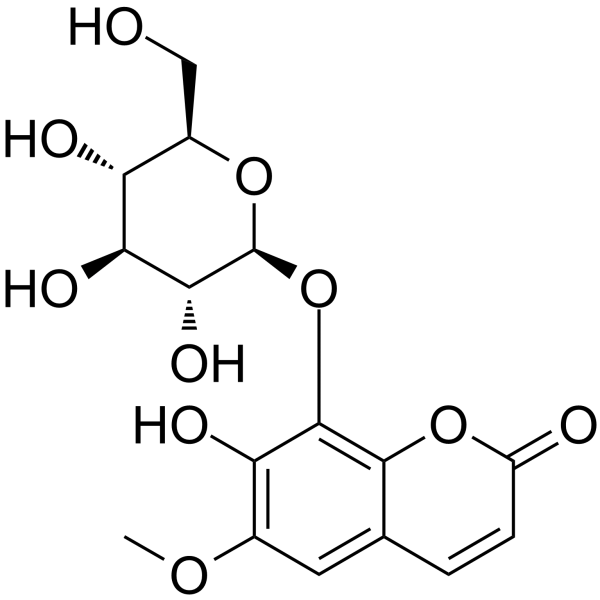
    Fraxin
    5 Publications Verification

    Fraxoside

    Phosphodiesterase (PDE) Inflammation/Immunology
    Fraxin isolated from Cortex Fraxini, is a glucoside of fraxetin and reported to exert potent anti-oxidative stress action , anti-inflammatory and antimetastatic properties. Fraxin shows its antioxidative effect through inhibition of cyclo AMP phosphodiesterase enzyme .
    Fraxin
  • HY-104064
    1A-116
    5+ Cited Publications

    Ras Apoptosis Cancer
    1A-116, a potent Rac1 inhibitor, is specific for W56 residues, can prevent EGF-induced Rac1 activation and block Rac1-P-Rex1 interaction. 1A-116 can induce apoptosis and inhibit cell proliferation, migration and cycle progression in a concentration-dependent manner. 1A-116 also demonstrates a high antimetastatic activity in vivo .
    1A-116
  • HY-19928A
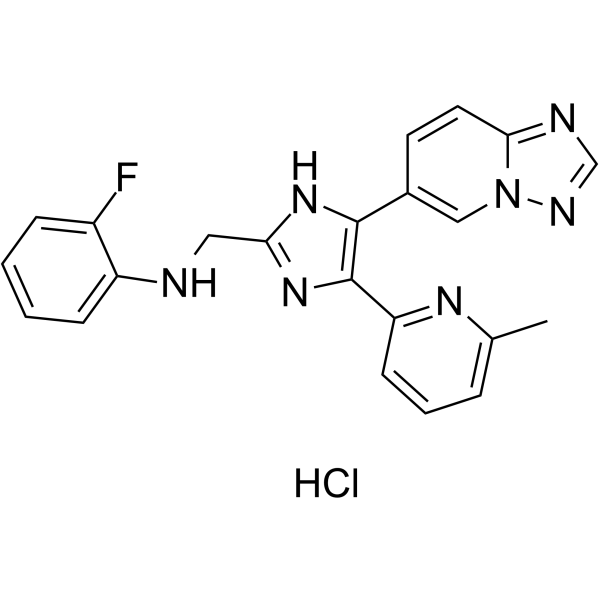
    Vactosertib Hydrochloride
    5+ Cited Publications

    EW-7197 Hydrochloride; TEW-7197 Hydrochloride

    TGF-β Receptor Cancer
    Vactosertib Hydrochloride (EW-7197 Hydrochloride) is a potent, orally active and ATP-competitive activin receptor-like kinase 5 (ALK5) inhibitor with an IC50 of 12.9 nM. Vactosertib Hydrochloride also inhibits ALK2 and ALK4 (IC50 of 17.3 nM) at nanomolar concentrations. Vactosertib Hydrochloride has potently antimetastatic activity and anticancer effect .
    Vactosertib Hydrochloride
  • HY-16172
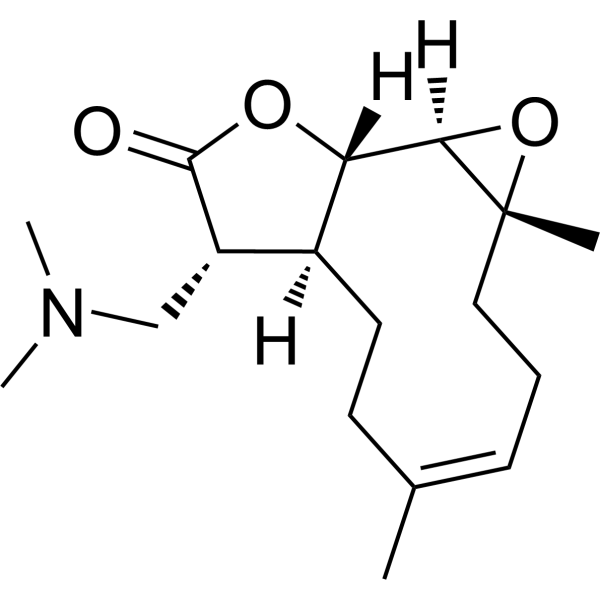
    DMAPT
    2 Publications Verification

    Dimethylamino Parthenolide

    NF-κB Cancer
    DMAPT (Dimethylamino Parthenolide), an analogue of Parthenolide (PTL), is an oral active NF-κB inhibitor, with a LD50 of 1.7 μM for cell population in AML cells. Has potential anti-cancer and anti-metastatic effect .
    DMAPT
  • HY-N2587

    Integrin Apoptosis Cancer
    Irigenin is a is a lead compound, and mediates its anti-metastatic effect by specifically and selectively blocking α9β1 and α4β1 integrins binding sites on C-C loop of Extra Domain A (EDA). Irigenin shows anti-cancer properties. It sensitizes TRAIL-induced apoptosis via enhancing pro-apoptotic molecules in gastric cancer cells .
    Irigenin
  • HY-B0617S2

    S-Adenosyl methionine-13C dihydrochloride; Ademetionine-13C dihydrochloride; AdoMet-13C dihydrochloride

    Isotope-Labeled Compounds Endogenous Metabolite Apoptosis Neurological Disease Inflammation/Immunology Cancer
    S-Adenosyl-L-methionine- 13C (S-Adenosyl methionine- 13C) dihydrochloride is the 13C labeled S-Adenosyl-L-methionine (HY-B0617). S-Adenosyl-L-methionine (S-Adenosyl methionine) is an orally active methyl group donor. S-Adenosyl-L-methionine is a dietary supplement with potent antidepressant effects. S-Adenosyl-L-methionine also has anti‑proliferative, pro‑apoptotic and anti‑metastatic roles in cancers. S-Adenosyl-L-methionine has the potential for, cancer, liver disease and osteoarthritis research .
    S-Adenosyl-L-methionine-13C dihydrochloride
  • HY-142118
    Trabedersen
    1 Publications Verification

    AP 12009

    TGF-beta/Smad Cancer
    Trabedersen (AP 12009) is an orally active synthetic antisense phosphorothioate oligodeoxynucleotide that selectively targets human TGFβ2 mRNA. Trabedersen blocks TGFβ2 protein production, enters the nucleus without a transfection vector, and exerts dose-dependent antitumor effects. By reversing TGFβ2-induced immunosuppression and enhancing immune cytotoxicity, Trabedersen exhibits significant antiproliferative, antimigratory, and antimetastatic activities, with favorable safety profiles. Trabedersen is widely used in research related to various solid tumors, including anaplastic astrocytoma, glioblastoma, colorectal tumor, and melanoma .
    Trabedersen
  • HY-13696
    MSX-122
    1 Publications Verification

    CXCR Inflammation/Immunology Endocrinology Cancer
    MSX-122 is an orally active partial antagonist of CXCR4, inhibiting CXCR4/CXCL12 actions, with an IC50 of ∼10 nM. MSX-122 has anti-inflammatory and anti-metastatic activity.
    MSX-122
  • HY-173496

    Sialyltransferase Integrin VEGFR Akt Cancer
    ST6GAL1-IN-1 is an orally active selective ST6GAL1 inhibitor (IC50 = 20 μM). ST6GAL1-IN-1 exhibits high antimetastatic potential, effectively inhibiting the migration of MDA-MB-231 cells at noncytotoxic concentrations. ST6GAL1-IN-1 can disrupt integrin sialylation in MDA-MB-231 cells. ST6GAL1-IN-1 inhibits tumor angiogenesis and cancer metastasis via the Integrin/VEGFR2-mediated signaling pathway. ST6GAL1-IN-1 effectively suppresses both tumor growth and cancer metastasis on the MDA-MB-231 xenograft model. ST6GAL1-IN-1 can be used for the study of Triple-negative breast cancer (TNBC) .
    ST6GAL1-IN-1
  • HY-P99296

    CNTO 95; Anti-Human CD51 Recombinant Antibody

    Integrin Apoptosis Cancer
    Intetumumab (CNTO 95) is a human monoclonal antibody targeting αv integrin, with a Kd value of 1-24 nM. Through high-affinity binding to αv integrin, Intetumumab inhibits its interaction with extracellular matrix proteins (such as vitronectin and fibronectin), thereby blocking the downstream focal adhesion kinase signaling pathway. This further inhibits the adhesion, migration and invasion of tumor cells as well as the proliferation of vascular endothelial cells, promotes cell apoptosis, and exerts anti-tumor and anti-angiogenic effects. Intetumumab can be used in research related to head and neck cancer, non-small cell lung cancer and uterine serous papillary carcinoma .
    Intetumumab
  • HY-100415

    WX-UK1; UKI-1C

    PAI-1 Ser/Thr Protease Cancer
    UKI-1 (WX-UK1) is a potent urokinase-type plasminogen activator (uPA) inhibitor with a Ki of 0.41 μM. UKI-1 is also a low molecular weight serine protease inhibitor. UKI-1 is a potent antimetastatic agent and inhibits the invasive capacity of carcinoma cells .
    UKI-1
  • HY-N6036
    Ganoderic acid F
    1 Publications Verification

    Others Cancer
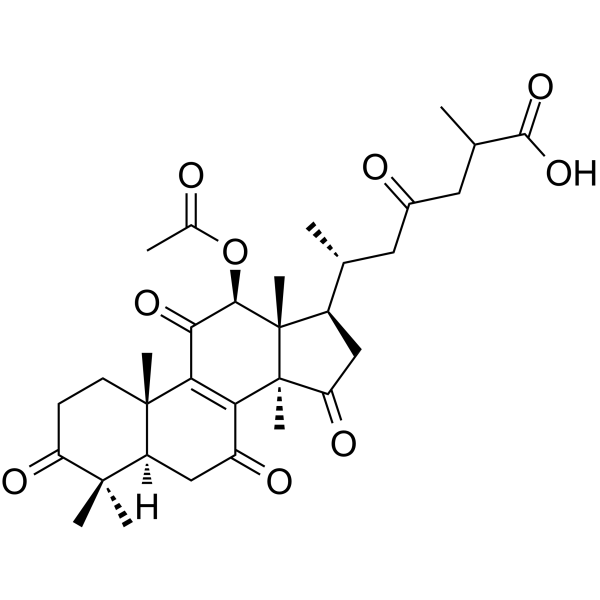
    Ganoderic acid F is a ganoderic acid. Ganoderic acid F exhibits antitumor and antimetastatic activities through inhibition of angiogenesis and alteration of proteins involving cell proliferation and/or cell death, carcinogenesis, oxidative stress, calcium signaling, and endoplasmic reticulum stress .
    Ganoderic acid F
  • HY-111578
    BDP-13176
    1 Publications Verification

    Arp2/3 Complex Cancer
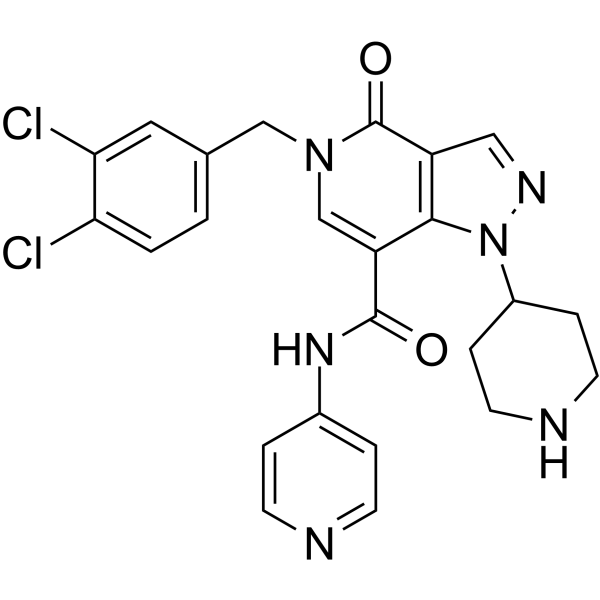
    BDP-13176 is a potent fascin 1 inhibitor, with a Kd of 90 nM and an IC50 of 240 nM. BDP-13176 has potential as an anti-metastatic agent .
    BDP-13176
  • HY-118487
    OB-24
    2 Publications Verification

    Heme Oxygenase (HO) Reactive Oxygen Species (ROS) Cancer
    OB-24 is a selective small-molecule HO-1 inhibitor (IC50 = 1.9 μM for HO-1 and IC50 for HO-2 >100 μM). OB-24 possesses anti-tumor and anti-metastatic properties. OB-24 can be studies in research such as prostate cancer, melanoma, ovarian carcinoma and lung metastasis .
    OB-24
  • HY-14614D
    S-Adenosyl-L-methionine iodide
    15+ Cited Publications

    S-Adenosyl methionine iodide; Ademetionine iodide; AdoMet iodide

    Endogenous Metabolite Apoptosis Neurological Disease Inflammation/Immunology Cancer
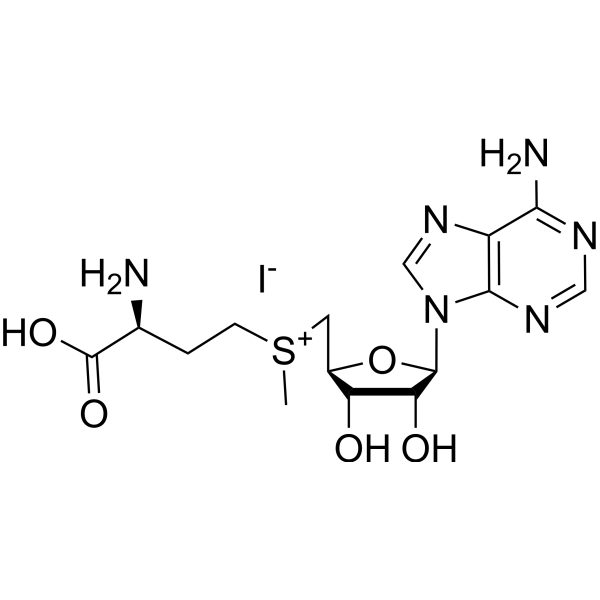
    S-Adenosyl-L-methionine (S-Adenosyl methionine) iodide is an orally active methyl group donor. S-Adenosyl-L-methionine iodide is a dietary supplement with potent antidepressant effects. S-Adenosyl-L-methionine iodide also has anti‑proliferative, pro‑apoptotic and anti‑metastatic roles in cancers. S-Adenosyl-L-methionine iodide has the potential for, cancer, liver disease and osteoarthritis research .
    S-Adenosyl-L-methionine iodide
  • HY-123976
    MPT0G211
    1 Publications Verification

    HDAC Neurological Disease Cancer
    MPT0G211 is a potent, orally active and selective HDAC6 inhibitor (IC50=0.291 nM). MPT0G211 displays >1000-fold selective for HDAC6 over other HDAC isoforms. MPT0G211 can penetrate the blood-brain barrier. MPT0G211 ameliorates tau phosphorylation and cognitive deficits in an Alzheimer’s disease model. MPT0G211 has anti-metastatic and neuroprotective effects. Anticancer activities .
    MPT0G211
  • HY-102078
    ZINC69391
    1 Publications Verification

    Ras Apoptosis Cancer
    ZINC69391, a specific Rac1 inhibitor, interferes with Rac1-GEF interaction by masking Trp56 residue on Rac1 surface. ZINC69391 interferes with the interaction of Rac1 with Dock180 and reduces Rac1-GTP levels. ZINC69391 induces apoptosis, and shows antiproliferative and antimetastatic effects .
    ZINC69391
  • HY-143657

    Myosin Ferlin Family MMP Cancer
    Myoferlin inhibitor 1 is a compound that exhibits reversible, concentration-dependent binding to the myoferlin MYOF-C2D protein, with a KD of 0.094 μM. Myoferlin inhibitor 1 shows potent anti-invasion and anti-migration activities against different pancreatic cancer cells. Myoferlin inhibitor 1 inhibits pancreatic cancer metastasis through reversing mesenchymal transition (EMT), inhibiting the secretions of MMP1 and MMP2 and blocking the receptor tyrosine kinases. Myoferlin inhibitor 1 displays effective antimetastatic activities in pancreatic cancer in vitro and in vivo. Myoferlin inhibitor 1 can be used in research on preventing pancreatic cancer metastasis .
    Myoferlin inhibitor 1
  • HY-N0187R

    Hymecromone (Standard); 4-MU (Standard)

    Reference Standards Others Cardiovascular Disease Cancer
    4-Methylumbelliferone (Standard) is the analytical standard of 4-Methylumbelliferone. This product is intended for research and analytical applications. 4-Methylumbelliferone is a hyaluronic acid biosynthesis inhibitor with antitumoral and antimetastatic effects.
    4-Methylumbelliferone (Standard)
  • HY-122714

    PAI-1 Cancer
    SK-216 is a plasminogen activator inhibitor-1 (PAI-1) inhibitor that acts as an anti-metastatic agent for human osteosarcoma and inhibits lung metastasis of human osteosarcoma .
    SK-216
  • HY-12168

    BAY 12-9566

    MMP Cancer
    Tanomastat (BAY 12-9566) is an orally bioavailable, non-peptidic biphenyl matrix metalloproteinases (MMPs) inhibitor with a Zn-binding carboxyl group. The Ki values are 11, 143, 301, and 1470 nM for MMP-2, MMP-3, MMP-9, MMP-13 respectively. Tanomastat shows anti-invasive and antimetastatic activity in several experimental tumor models .
    Tanomastat
  • HY-107146

    P1pal-7

    Protease Activated Receptor (PAR) Cardiovascular Disease Cancer
    PZ-128 (P1pal-7), a cell-penetrating lipopeptide pepducin, is a first-in-class, specific and reversible protease-activated receptor-1 (PAR1) antagonist. PZ-128 targets the cytoplasmic surface of PAR1 and interrupts signaling to internally-located G (PAR1-G) proteins. PZ-128 has antiplatelet, anti-metastatic, anti-angiogenic and anticancer effects .
    PZ-128
  • HY-103070

    MMP Inflammation/Immunology
    PythiDC is a selective collagen prolyl 4-hydroxylase (CP4H1) inhibitor with an IC50 value of 4.0 μM. PythiDC can be used as a CP4H probe and also can be used for the development of a new class of antifibrotic and antimetastatic agents .
    PythiDC
  • HY-16172A

    (S)-Dimethylamino Parthenolide

    NF-κB Cancer
    (S)-DMAPT (Dimethylamino Parthenolide), an analogue of Parthenolide (PTL), is an oral active NF-κB inhibitor, with a LD50 of 1.7 μM for cell population in AML cells. Has potential anti-cancer and anti-metastatic effect .
    (S)-DMAPT
  • HY-146695

    Drug Derivative Cancer
    S100P-IN-1 (Compound 4) is a S100P inhibitor with an IC50 of 22.7 nM. S100P-IN-1 shows anti-metastatic effects on pancreatic cancer cells .
    S100P-IN-1
  • HY-119425

    ICRF 159

    Topoisomerase Cancer
    Razoxane (ICRF 159), a EDTA (HY-Y0682) derivative, is an orally active antiangiogenic topoisomerase II inhibitor. Razoxane has antineoplastic, antiangiogenic, and antimetastatic activities. Razoxanecan be used for the research of renal cell carcinoma (RCC), lung cancer and melanoma cancer .
    Razoxane
  • HY-116893

    HIF/HIF Prolyl-Hydroxylase MOFs Cancer
    Diethyl bipy55'DC is an inhibitor of collagen proline 4-hydroxylases (CP4Hs) with antifibrotic and anti-metastatic activities. Diethyl bipy55'DC can inhibit CP4H activity in cultured cells at concentrations that do not cause iron deficiency .
    Diethyl bipy55'DC
  • HY-152204

    Cathepsin Cancer
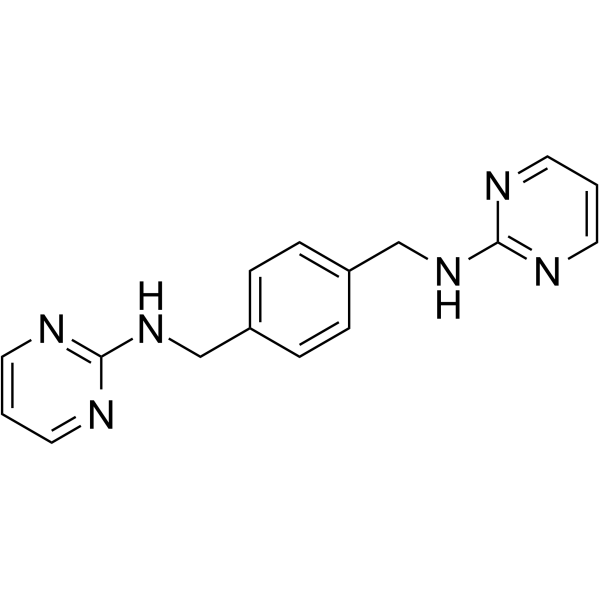
    Cathepsin L/S-IN-1 is a dual inhibitor of Cathepsin L and Cathepsin S with IC50s of 4.10 μM and 1.79 μM, respectively. Cathepsin L/S-IN-1 shows a significant antimetastatic and invasive effects on pancreatic cancer BxPC-3 and PANC-1 cells .
    Cathepsin L/S-IN-1
  • HY-B0617AR

    S-Adenosyl methionine tosylate (Standard); Ademetionine tosylate (Standard); AdoMet tosylate (Standard)

    Reference Standards Endogenous Metabolite Apoptosis Neurological Disease Inflammation/Immunology Cancer
    S-Adenosyl-L-methionine tosylate (Standard) (S-Adenosyl methionine tosylate (Standard)) is the analytical standard of S-Adenosyl-L-methionine tosylate (HY-B0617A). This product is intended for research and analytical applications. S-Adenosyl-L-methionine (S-Adenosyl methionine) tosylate is an orally active methyl group donor. S-Adenosyl-L-methionine tosylate is a dietary supplement with potent antidepressant effects. S-Adenosyl-L-methionine tosylate also has anti‑proliferative, pro‑apoptotic and anti‑metastatic roles in cancers. S-Adenosyl-L-methionine tosylate has the potential for, cancer, liver disease and osteoarthritis research .
    S-Adenosyl-L-methionine tosylate (Standard)
  • HY-142118A
    Trabedersen sodium
    1 Publications Verification

    AP 12009 sodium

    TGF-beta/Smad Cancer
    Trabedersen (AP 12009) sodium is an orally active synthetic antisense phosphorothioate oligodeoxynucleotide that selectively targets human TGFβ2 mRNA. Trabedersen sodium blocks TGFβ2 protein production, enters the nucleus without a transfection vector, and exerts dose-dependent antitumor effects. By reversing TGFβ2-induced immunosuppression and enhancing immune cytotoxicity, Trabedersen sodium exhibits significant antiproliferative, antimigratory, and antimetastatic activities, with favorable safety profiles. Trabedersen sodium is widely used in research related to various solid tumors, including anaplastic astrocytoma, glioblastoma, colorectal tumor, and melanoma .
    Trabedersen sodium
  • HY-19118

    FFC14A

    Apoptosis Cancer
    KP1019 (FFC14A) is a Ru(III)-based anti-metastatic and cytotoxic anti-cancer agent. KP1019 induces DNA damage and apoptosis in cancer cells .
    KP1019
  • HY-151802

    TrxR Cancer
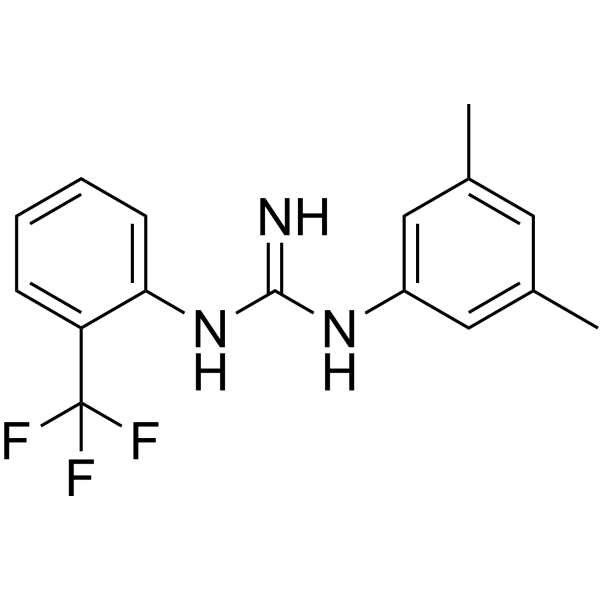
    CPUL1 is a TrxR inhibitor, which shows proliferation-inhibitory and anti-metastatic activity against A549 cells. CPUL1 influences EMT (epithelial-mesenchymal transition) via inducing ROS-mediated ERK/JNK signaling by inhibiting TrxR1 enzyme activity. CPUL1 in combination with α-Lipoic Acid (HY-N0492) or Dithiodipropionic acid (HY-W014395) is more effective .
    CPUL1
  • HY-130326

    Ru(η6-p-cymene)Cl2(pta)

    Apoptosis Caspase Cardiovascular Disease Cancer
    RAPTA-C (Ru(η6-p-cymene)Cl2(pta)) acts as an anti-cancer and anti-angiogenic agent. RAPTA-C exhibits anti-metastatic, anti-angiogenic, and anti-tumoral activities through protein and histone-deoxyribonucleic acid alterations. RAPTA-C exhibits cell growth inhibition by triggering G(2)/M phase arrest in cancer cells. RAPTA-C also enhances the levels of p53 and triggers the mitochondrial Apoptotic pathway, resulting in cytochrome C release and caspase-9 activation. RAPTA-C reduces the growth of tumors with the inhibition of angiogenesis in a ovarian carcinoma model .
    RAPTA-C
  • HY-N2022R

    Reference Standards Glycosidase Inflammation/Immunology Cancer
    Castanospermine is a natural alkaloid that can be extracted from black beans or the Moreton Bay chestnut tree (Castanospermum australae). Castanospermine is an α/ β-glucosidase inhibitor. Castanospermine has anti-inflammatory, antiviral replication and anti-metastatic effects on prostate cancer. Castanospermine can be used as an immunosuppressant to prevent transplant rejection .
    Castanospermine (Standard)
  • HY-113612

    Phosphatase Apoptosis Cancer
    Cytostatin is an effective and selective protein phosphatase 2A (PP2A) inhibitor with an IC50 value of 210 nM. Cytostatin exhibits anti-metastatic properties, good antitumor activity, and can induce apoptosis. Cytostatin can also prevent the adhesion of B16 melanoma cells to components of the extracellular matrix (laminin and collagen). Cytostatin belongs to the family of natural product fosriecin .
    Cytostatin
  • HY-B0617B

    S-Adenosyl methionine 1,4-butanedisulfonate; Ademetionine 1,4-butanedisulfonate; AdoMet 1,4-butanedisulfonate

    Endogenous Metabolite Apoptosis Neurological Disease Inflammation/Immunology Cancer
    S-Adenosyl-L-methionine (S-Adenosyl methionine) 1,4-butanedisulfonate is an orally active methyl group donor. S-Adenosyl-L-methionine 1,4-butanedisulfonate is a dietary supplement with potent antidepressant effects. S-Adenosyl-L-methionine 1,4-butanedisulfonate also has anti‑proliferative, pro‑apoptotic and anti‑metastatic roles in cancers. S-Adenosyl-L-methionine 1,4-butanedisulfonate has the potential for, cancer, liver disease and osteoarthritis research .
    S-Adenosyl-L-methionine 1,4-butanedisulfonate
  • HY-169282

    RGS Protein Cancer
    RGS2–Galpha-q interaction-IN-1 (Compound AJ-3) is an inhibitor of the RGS2-Galpha-q interaction. RGS2–Galpha-q interaction-IN-1 can inhibit the growth of cancer cell lines expressing RGS2 and exhibits anti-cell migration properties .
    RGS2–Galpha-q PPI-IN-1
  • HY-121076

    Bacterial Infection Inflammation/Immunology Cancer
    Berteroin, a naturally occurring Sulforaphane analog, ia an antimetastatic agent. Berteroin has anti-inflammatory, antitumor and bactericidal effects .
    Berteroin

Inquiry Online

Your information is safe with us. * Required Fields.

Salutation


Country or Region *

Applicant Name *


Organization Name *

Department *


Email Address *


Product Name *

Cat. No.


Requested quantity *

Phone Number *


Remarks

Inquiry Online

Inquiry Information

Product Name:
Cat. No.:
Quantity:
MCE Japan Authorized Agent:

