1. Search Result
Search Result
Results for "

apparent

" in MedChemExpress (MCE) Product Catalog:

109

Inhibitors & Agonists

3

Fluorescent Dye

4

Biochemical Assay Reagents

14

Peptides

2

Inhibitory Antibodies

1

Natural
Products

3

Isotope-Labeled Compounds

1

Click Chemistry

4

Oligonucleotides

Cat. No. Product Name Target Research Areas Chemical Structure
  • HY-15772
    Osimertinib
    Maximum Cited Publications
    185 Publications Verification

    AZD-9291; Mereletinib

    EGFR Cancer
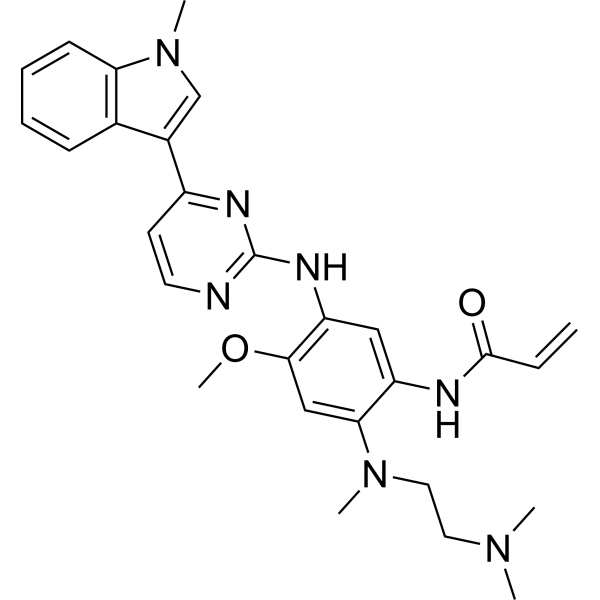
    Osimertinib (AZD9291) is a covalent, orally active, irreversible, and mutant-selective EGFR inhibitor with an apparent IC50 of 12 nM against L858R and 1 nM against L858R/T790M, respectively. Osimertinib overcomes T790M-mediated resistance to EGFR inhibitors in lung cancer .
    Osimertinib
  • HY-D0861
    EGTA
    20+ Cited Publications

    Biochemical Assay Reagents Inflammation/Immunology
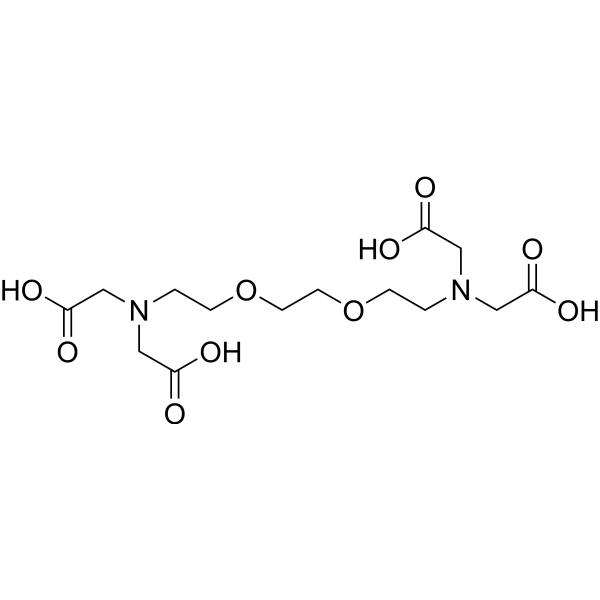
    EGTA is a cell-impermeant specific calcium ion chelator. EGTA has an apparent calcium dissociation constant (Kd) of 60.5 nM at physiological pH (7.4) and has very high specificity for Ca 2+ over Mg 2+ (Mg 2+ Kd 1-10 mM). EGTA significantly inhibits the substrate adherence capacity of inflammatory macrophages .
    EGTA
  • HY-15772A
    Osimertinib mesylate
    Maximum Cited Publications
    185 Publications Verification

    AZD-9291 mesylate; Mereletinib mesylate

    EGFR Cancer
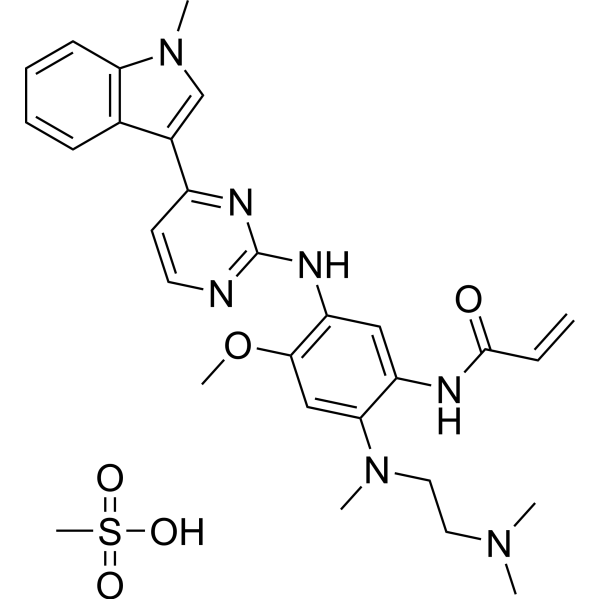
    Osimertinib mesylate (AZD9291 mesylate) is a covalent, orally active, irreversible, and mutant-selective EGFR inhibitor with an apparent IC50 of 12 nM against L858R and 1 nM against L858R/T790M. Osimertinib overcomes T790M-mediated resistance to EGFR inhibitors in lung cancer .
    Osimertinib mesylate
  • HY-139361
    Sulfopin
    3 Publications Verification

    PIN1-3

    PIN1 Cancer
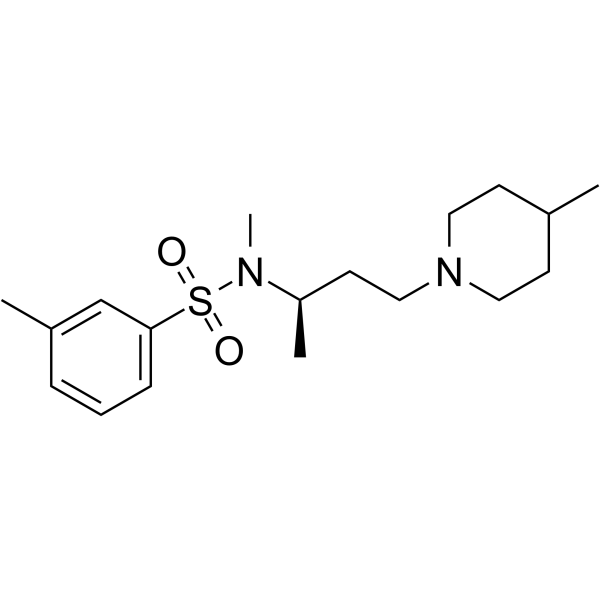
    Sulfopin (PIN1-3) is a highly selective covalent inhibitor of Pin1 with an apparent Ki of 17 nM. Sulfopin blocks Myc-driven tumors in vivo. The peptidyl-prolyl isomerase, Pin1, is exploited in cancer to activate oncogenes and inactivate tumor suppressors .
    Sulfopin
  • HY-130463

    PG(16:0/18:1); 1-Palmitoyl-2-oleoyl-sn-glycero-3-phospho-(1'-rac-glycerol)

    Liposome Biochemical Assay Reagents Neurotensin Receptor Neurological Disease
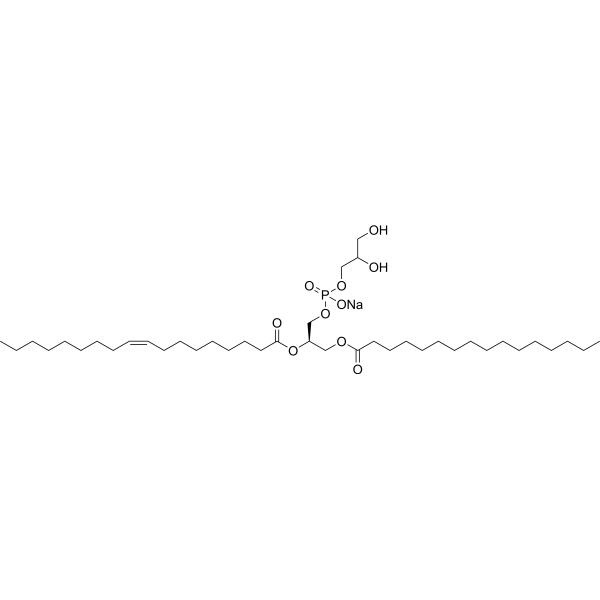
    POPG sodium salt is a negatively charged phospholipid. POPG sodium salt affects the interactions of membrane proteins with other molecules by changing the charge characteristics of the lipid environment. POPG sodium salt increases the apparent affinity of Gαq and 1γ1 for activated NTS1. POPG sodium salt can interact with the positive charge of peptides. POPG sodium salt can be used in Parkinson's disease research .
    POPG sodium salt
  • HY-123943
    STING agonist-4
    5+ Cited Publications

    STING Cancer
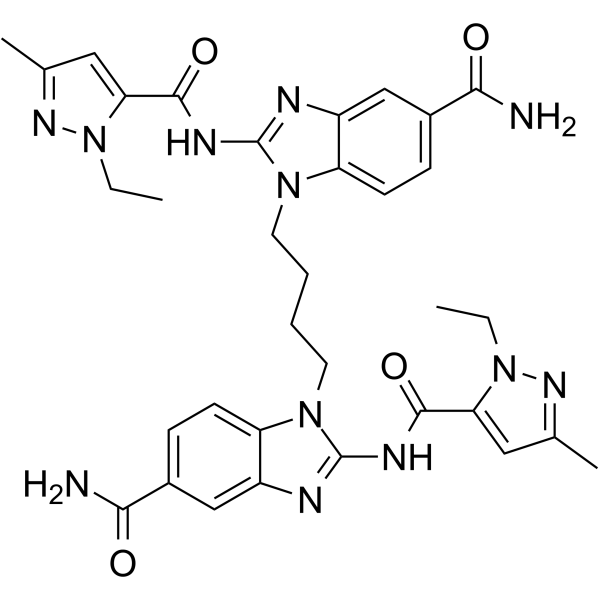
    STING agonist-4 is an stimulator of Interferon Genes (STING) receptor agonist with an apparent inhibitory constant (IC50) of 20 nM. STING agonist-4 is a two symmetry-related amidobenzimidazole (ABZI)-based compound to create linked ABZIs (diABZIs) with enhanced binding to STING and cellular function .
    STING agonist-4
  • HY-15772R

    AZD-9291 (Standard); Mereletinib (Standard)

    Reference Standards EGFR Cancer
    Osimertinib (Standard) is the analytical standard of Osimertinib. This product is intended for research and analytical applications. Osimertinib (AZD9291) is a covalent, orally active, irreversible, and mutant-selective EGFR inhibitor with an apparent IC50 of 12 nM against L858R and 1 nM against L858R/T790M, respectively. Osimertinib overcomes T790M-mediated resistance to EGFR inhibitors in lung cancer .
    Osimertinib (Standard)
  • HY-D1583
    Cyanine5 DBCO hexafluorophosphate
    4 Publications Verification

    DBCO-Cy5 hexafluorophosphate; Cyanine5 dibenzocyclooctyne hexafluorophosphate

    Fluorescent Dye Others
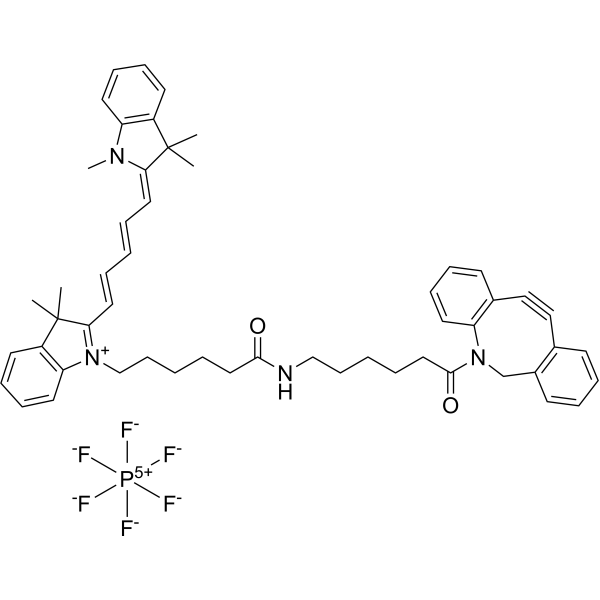
    Cyanine5 DBCO (DBCO-Cy5) hexafluorophosphate is a low-toxicity azide reactive probe (NIR fluorescent dye), for imaging azide-labeled biomolecules via a copper-free "click-through" reaction. Cyanine5 DBCO hexafluorophosphate has no apparent cytotoxicity or animal toxicity and shows no damage to the physiological functions of cells other than the target cells (azide-labeled cells). Cyanine5 DBCO hexafluorophosphate can be used to label and track cells in vitro and in vivo (Ex=635 nm, Em=650-700 nm) .
    Cyanine5 DBCO hexafluorophosphate
  • HY-112472

    Sodium Channel Metabolic Disease
    S3969 is a potent and reversible activator of the human epithelial sodium channel (hENaC). The apparent EC50 for S3969 activation of hENaC is 1.2 μm .
    S3969
  • HY-103017A
    JH-X-119-01
    5+ Cited Publications

    IRAK Infection Inflammation/Immunology Cancer
    JH-X-119-01 is a potent and selective interleukin-1 receptor-associated kinases 1 (IRAK1) inhibitor. JH-X-119-01 ameliorates LPS-induced sepsis in mice . JH-X-119-01 inhibits IRAK1 biochemically with an apparent IC50 of 9 nM while exhibiting no inhibition of IRAK4 at concentrations up to 10 μM .
    JH-X-119-01
  • HY-P990534

    K1-70

    TSH Receptor Endocrinology Cancer
    Anti-TSHR Antibody (K1-70) is an anti-TSHR monoclonal antibody. Anti-TSHR Antibody (K1-70) incorporates a single-chain variable fragment into a chimeric antigen receptor to redirect T cells to TSHR-expressing cells. Anti-TSHR Antibody (K1-70) shows antitumor activity with no apparent toxicity. Anti-TSHR Antibody (K1-70) can be used for the research of differentiated thyroid cancer (DTC) .
    Anti-TSHR Antibody (K1-70)
  • HY-15772S1

    AZD-9291-13C,d3; Mereletinib-13C,d3

    EGFR Cancer
    Osimertinib- 13C,d3 is the deuterium and 13C labeled Osimertinib. Osimertinib (AZD9291) is a covalent, orally active, irreversible, and mutant-selective EGFR inhibitor with an apparent IC50 of 12 nM against L858R and 1 nM against L858R/T790M, respectively.
    Osimertinib-13C,d3
  • HY-19350
    BML-210
    2 Publications Verification

    HDAC Apoptosis Cancer
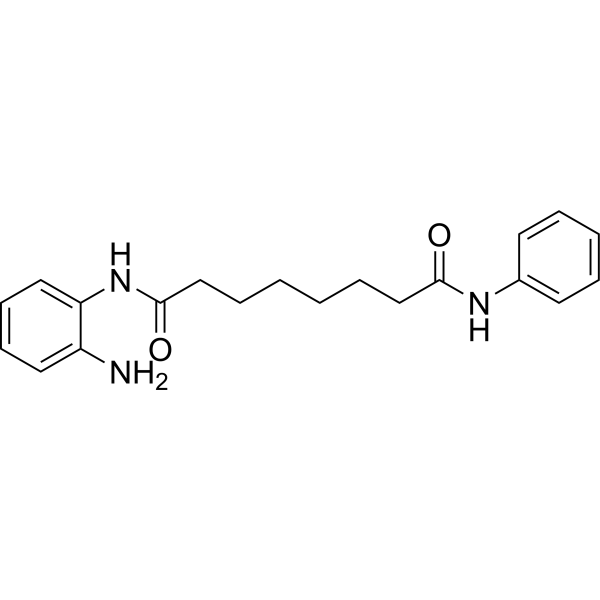
    BML-210 is a potent HDAC inhibitor. BML-210 can inhibit the HDAC4-VP16-driven reporter signal with an apparent IC50 of ∼5 µM. BML-210 has a specific disruptive effect on the HDAC4:MEF2 interaction. BML-210 causes an increase in the G0/G1 phase. BML-210 induces apoptosis and displays antitumour activities in orthotopic mammary tumours in mice .
    BML-210
  • HY-172236

    BNC210; IW-2143

    nAChR Neurological Disease
    Soclenicant (BNC210) is an orally active α7 nAChR negative alteration modulator (NAM) with no apparent side effects. Soclenicant exhibits acute anxiolytic activity in rodent models of anxiety. Soclenicant inhibits rat and human α7 nAChR currents (in stably transfected cell lines) induced by acetylcholine, nicotine, choline, and the a7-specific agonist PNU-282987 (HY-12560A) with IC50 values in the range of 1.2 to 3 μM. Soclenicant can be used in studies of anxiety, trauma, and stressor-related disorders .
    Soclenicant
  • HY-15294

    PI3K Inflammation/Immunology Cancer
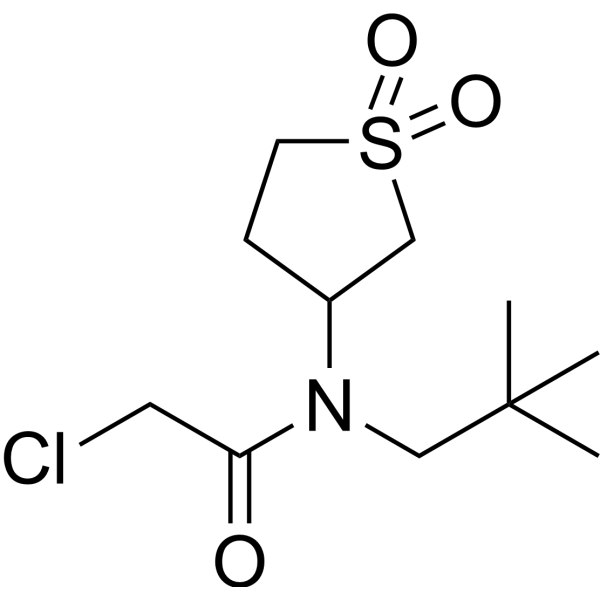
    CZC24832 is a highly selective and potent PI3Kγ inhibitor (IC50=27 nM) with apparent dissociation constants (Kd app) of 19 nM.
    CZC24832
  • HY-W008344

    Nucleoside Antimetabolite/Analog Apoptosis Infection Cardiovascular Disease Neurological Disease Inflammation/Immunology Cancer
    2-Chloroadenosine is an adenosine analog, a transporter permeabilizer of nucleoside transporters, and a competitive uridine influx inhibitor (apparent Ki=33 μM). 2-Chloroadenosine binds to nitrobenzylthioinosine with high affinity (apparent Ki=0.18 mM). 2-Chloroadenosine promotes Apoptosis and increases cerebral blood flow. 2-Chloroadenosine has anticonvulsant properties. 2-Chloroadenosine is used to study infection, inflammatory diseases, cancer, blood-related diseases, lung injury, epilepsy, and kidney disease .
    2-Chloroadenosine
  • HY-D0861A
    EGTA tetrasodium
    20+ Cited Publications

    Biochemical Assay Reagents Inflammation/Immunology
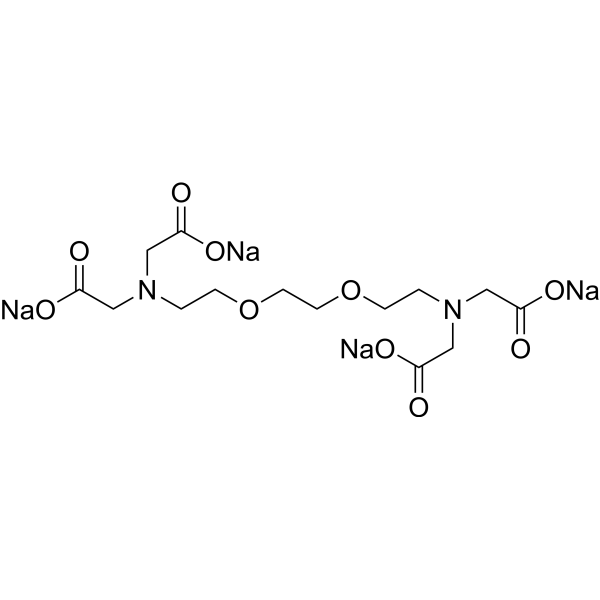
    EGTA tetrasodium is a cell-impermeant specific calcium ion chelator. EGTA tetrasodium has an apparent calcium dissociation constant (Kd) of 60.5 nM at physiological pH (7.4) and has very high specificity for Ca 2+ over Mg 2+ (Mg 2+ Kd 1-10 mM). EGTA tetrasodium significantly inhibits the substrate adherence capacity of inflammatory macrophages .
    EGTA tetrasodium
  • HY-U00443

    5-HT Receptor Neurological Disease Cancer
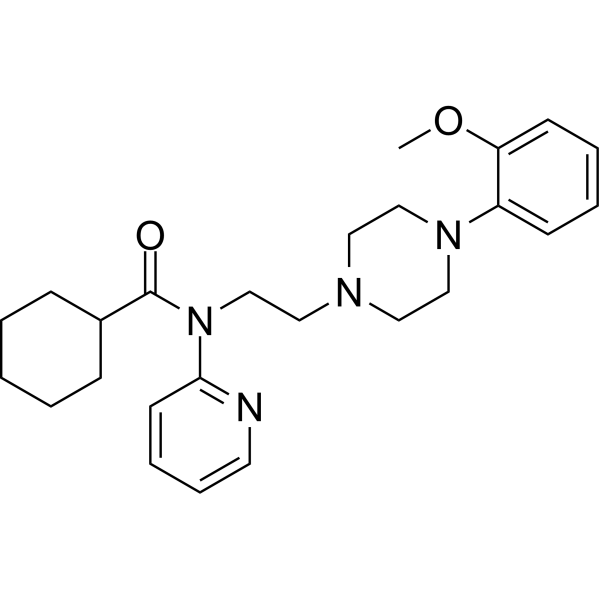
    SB 258719 is a selective 5-HT7 receptor antagonist with high affinity (pKi=7.5) for the receptor. SB 258719 can be used for the research of cancer and neurological disease .
    SB 258719
  • HY-153419

    Biochemical Assay Reagents Others
    BTTES is a tris(triazolylmethyl)amine-based ligand for Cu(I) without apparent toxicity. BTTES IMPROVES the cycloaddition reaction rapidly in living systems .
    BTTES
  • HY-101226

    mGluR Neurological Disease
    MSOP is a selective group III metabotropic glutamate receptor antagonist with apparent KD of 51 μM for the L-AP4-sensitive presynaptic mGluR.
    MSOP
  • HY-B1626A

    BC-48

    Cholinesterase (ChE) Neurological Disease
    Demecarium Bromide (BC-48) is a potent cholinesterase inhibitor, with an apparent affinity (Kiapp) of 0.15 μM . Demecarium Bromide (BC-48) is used as a glaucoma agent .
    Demecarium Bromide
  • HY-125776

    BAS 490 F

    Environmental Pollutants Mitochondrial Metabolism Fungal Infection
    Kresoxim-methyl (BAS 490 F), a Strobilurin-based fungicide, inhibits the respiration at the complex III (cytochrome bc1 complex). Kresoxim-methyl binds to complex III from yeast with an apparent Kd of 0.07 μM proving a high affinity for this enzyme .
    Kresoxim-methyl
  • HY-14567

    FUB-359

    Histamine Receptor Neurological Disease Endocrinology
    Ciproxifan (FUB 359) is a potent, selective, orally bioavailable and competitive antagonist of histamine H3-receptor, with an IC50 of 9.2 nM. Ciproxifan displays low apparent affinity at other receptor subtypes. Ciproxifan can be used for the research of aging disorders and Alzheimer's disease .
    Ciproxifan
  • HY-106008

    BAL27862

    Microtubule/Tubulin Cancer
    Avanbulin (BAL27862) is a potent, Colchicine site-binding, tubulin assembly inhibitor. Avanbulin inhibits tubulin assembly at 37 °C with an IC50 of 1.4 μM. Avanbulin binds to tubulin with an apparent Kd value of 244 nM. Avanbulin can be used for the research of cancer and cell division .
    Avanbulin
  • HY-15772S

    AZD-9291-d6; Mereletinib-d6

    EGFR Cancer
    Osimertinib-d6 is a deuterium labeled osimertinib. Osimertinib is a covalent, orally active, irreversible, and mutant-selective EGFR inhibitor with an apparent IC50 of 12 nM against L858R and 1 nM against L858R/T790M. Osimertinib overcomes T790M-mediated resistance to EGFR inhibitors in lung cancer .
    Osimertinib-d6
  • HY-P1411
    Psalmotoxin 1
    5+ Cited Publications

    PcTx1; Psalmopoeus cambridgei toxin-1

    Sodium Channel Apoptosis Neurological Disease Cancer
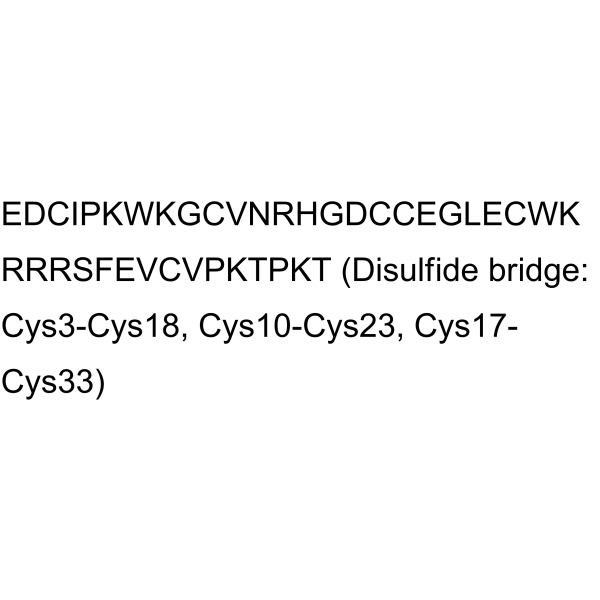
    Psalmotoxin 1 (PcTx1) is a protein toxin that can bind at subunit-subunit interfaces of acid-sensing ion channel 1a (ASIC1a). Psalmotoxin 1 is a potent and slective ASIC1a inhibitor (IC50: 0.9 nM) by increasing the apparent affinity for H + of ASIC1a. Psalmotoxin 1 can induce cell apoptosis, also inhibits cell migration, proferliration and invasion of cancer cells. Psalmotoxin 1 can be used in the research of cancers, or neurological disease .
    Psalmotoxin 1
  • HY-120423

    Cannabinoid Receptor Neurological Disease
    AM6538 is a long-acting, high affinity and pseudo-irreversible cannabinoid (CB) antagonist. AM6538 is a structural analog of rimonabant. AM6538 can be effectively used to evaluate the apparent efficacy of cannabinoid full and partial agonists. AM6538 may be useful in future studies that require temporary reductions in cannabinoid receptor availability . AM-6538 is a click chemistry reagent, it contains an Alkyne group and can undergo copper-catalyzed azide-alkyne cycloaddition (CuAAc) with molecules containing Azide groups.
    AM-6538
  • HY-159190

    MAPKAPK2 (MK2) Cancer
    HRX-0233 is a small-molecule MAP2K4 inhibitor. HRX-0233 results in strong tumor shrinkage without any apparent toxicity in H358 KRASG12C-mutant non-small cell lung cancers (NSCLC) in vivo. HRX-0233 efficiently prevents feedback activation of receptor tyrosine kinases (RTKs) upon monotherapy KRAS inhibitor Sotorasib (HY-114277) and causes a more sustained and complete inhibition of MAPK signaling. HRX-0233 is promising for research of AR-negative prostate cancer, lung and colon cancers .
    HRX-0233
  • HY-108643

    MAPKAPK2 (MK2) Cancer
    CMPD1 is a selective and non-ATP-competitive p38 MAPK-mediated MK2 phosphorylation inhibitor with apparent Ki (Ki app) of 330 nM .
    CMPD1
  • HY-103222

    3',4'-Dimethoxy-αNF

    Aryl Hydrocarbon Receptor Inflammation/Immunology
    DiMNF (3',4'-Dimethoxy-αNF) is a selective aryl hydrocarbon receptor (AHR) modulator. DiMNF is a competitive AHR ligand (IC50 = 21 nM) with apparent antagonistic activity. DiMNF can be used as an anti-inflammatory agent .
    DiMNF
  • HY-15289

    FUB 359 maleate

    Histamine Receptor Neurological Disease Endocrinology
    Ciproxifan maleate (FUB 359 maleate) is a potent, selective, orally bioavailable and competitive antagonist of histamine H3-receptor, with an IC50 of 9.2 nM. Ciproxifan maleate displays low apparent affinity at other receptor subtypes. Ciproxifan maleate can be used for the research of aging disorders and Alzheimer's disease .
    Ciproxifan maleate
  • HY-W019901B

    Gypsum ustum (97%)

    Environmental Pollutants Biochemical Assay Reagents RUNX Metabolic Disease
    Anhydrous calcium sulfate (97%) serves as an oil-based drilling fluid additive and an osteogenic material. Anhydrous calcium sulfate (97%) increases the plastic viscosity, yield point, apparent viscosity and gel strength of oil-based drilling fluids. Anhydrous calcium sulfate (97%) upregulates the expression of bone-related genes FOSL1, RUNX2 and SPP1. Anhydrous calcium sulfate (97%) significantly affects the behavior of dental pulp stem cells, enhancing their proliferation, differentiation and matrix deposition .
    Anhydrous calcium sulfate (97%)
  • HY-171177

    Phosphatase Neurological Disease Cancer
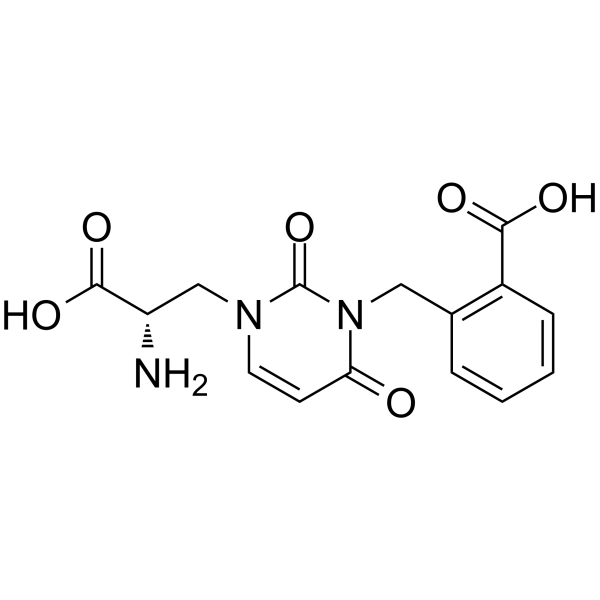
    P5SA-2 is a selective allosteric activator of PPP5C. P5SA-2 exerts its effects by modulating the phosphatase domain of PPP5C and can increase PPP5C activity by 3.2-fold at 100 μM with an apparent affinity constant of 7.8 μM. P5SA-2 can be used in cancer and Alzheimer's disease research .
    P5SA-2
  • HY-110334

    Fluorescent Dye Others
    FFN 206 dihydrochloride, a fluorescent probe, is used as an excellent Vesicular Monoamine Transporter 2 (VMAT2) substrate with an apparent Km of 1.16 μM. FFN 206 dihydrochloride is capable of detecting VMAT2 activity in intact cells using fluorescence microscopy, with subcellular localization to VMAT2-expressing acidic compartments without apparent labeling of other organelles .
    FFN 206 dihydrochloride
  • HY-N8531

    Drug Derivative Others
    4α-Methylcholesterol is a Cholesterol derivative. 4α-Methylcholesterol can oxidize 3-hydroxy steroid, with the apparent Km of 12.6 μM .
    4α-Methylcholesterol
  • HY-111173

    Dipeptidyl Peptidase Others
    Diprotin B is a dipeptidyl aminopeptidase IV (DPP IV) inhibitor. The apparent competitive inhibition of DPP-IV by the diprotins is a kinetic artifact, derived from the substrate-like nature of tripeptides containing a penultimate proline residue .
    Diprotin B
  • HY-P2355

    BOC2; Boc-Phe-dLeu-Phe-dLeu-Phe

    Formyl Peptide Receptor (FPR) Inflammation/Immunology
    BOC-FlFlF (Boc-Phe-dLeu-Phe-dLeu-Phe) is a selective FPR1 antagonist. Boc-FlFlF has an apparent dissociation constant (KD) of 230 nM as determined by the intracellular calcium mobilization assay. Boc-FlFlF can be used for the study of inflammation .
    BOC-FlFlF
  • HY-P1105

    Chloride Channel Neurological Disease
    GaTx2 is a seletive and a high affinity inhibitor of ClC-2 channels with a voltage-dependent apparent KD of ∼20 pM. GaTx2 is a peptide toxin inhibitor from Leiurus quinquestriatus hebraeus venom. GaTx2 is useful in determining the role and the membrane localization of ClC-2 in specific cell types .
    GaTx2
  • HY-100743

    2-Amino-4-phosphonobutyric acid

    mGluR Neurological Disease Metabolic Disease
    DL-AP4 (2-Amino-4-phosphonobutyric acid) is a glutamate antagonist. DL-AP4 behaves as a competitive inhibitor of glutamate binding with an apparent Kd of 66 μM. DL-AP4 can be used for the research of central nervous system and visual system .
    DL-AP4
  • HY-103123

    5-HT Receptor Neurological Disease Cancer
    SB 258719 hydrochloride is a selective 5-HT7 receptor antagonist displayed high affnity (pKi=7.5) for the receptor. SB-258719 hydrochloride can be used for the research of cancer and neurological diseases .
    SB 258719 hydrochloride
  • HY-144354S

    Isotope-Labeled Compounds ASCT Cancer
    S-Benzyl-DL-cysteine-2,3,3-d3 is a deuterium labeled Benzylcysteine. Benzylcysteine is an ASCT2 inhibitor that binds to ASCT2 with an apparent Ki of 780 μM. Benzylcysteine inhibit ASCT2 function based on a competitive mechanism, indicating that Benzylcysteine binds to the substrate-binding site of ASCT2 .
    S-Benzyl-DL-cysteine-2,3,3-d3
  • HY-P5114A

    Calcium Channel Others
    Maurocalcine TFA is an agonist of ryanodine receptor (RyR) channel types 1, 2 and 3 with cellular permeability. Maurocalcine TFA induces [ 3H]ryanodine binding on RyR1 with an EC50 value of 2558 nM. Maurocalcine TFA exhibits a apparent affinity of 14 nM for RyR2. Maurocalcine TFA can be applied to in vivo cell tracking or other cell imaging techniques .
    Maurocalcine TFA
  • HY-150759

    HIV Infection
    HIV-1 inhibitor-45 is a potent HIV-1 RNase H inhibitor with an IC50 value of 0.067 μM. HIV-1 inhibitor-45 shows an antiviral activity. HIV-1 inhibitor-45 shows poor cell permeability (with an apparent permeability coefficient (Papp) lower than 0.48 × 10 −6 cm/s) .
    HIV-1 inhibitor-45
  • HY-15772AR

    AZD-9291 mesylate (Standard); Mereletinib mesylate (Standard)

    Reference Standards EGFR Cancer
    Osimertinib (mesylate) (Standard) is the analytical standard of Osimertinib (mesylate). This product is intended for research and analytical applications. Osimertinib mesylate (AZD9291 mesylate) is a covalent, orally active, irreversible, and mutant-selective EGFR inhibitor with an apparent IC50 of 12 nM against L858R and 1 nM against L858R/T790M. Osimertinib overcomes T790M-mediated resistance to EGFR inhibitors in lung cancer .
    Osimertinib mesylate (Standard)
  • HY-P1411A
    Psalmotoxin 1 TFA
    5+ Cited Publications

    PcTx1 TFA; Psalmopoeus cambridgei toxin-1 TFA

    Sodium Channel Apoptosis Neurological Disease Cancer
    Psalmotoxin 1 (PcTx1) TFA is a protein toxin that can bind at subunit-subunit interfaces of acid-sensing ion channel 1a (ASIC1a). Psalmotoxin 1 TFA is a potent and slective ASIC1a inhibitor (IC50: 0.9 nM) by increasing the apparent affinity for H + of ASIC1a. Psalmotoxin 1 TFA can induce cell apoptosis, also inhibits cell migration, proferliration and invasion of cancer cells. Psalmotoxin 1 TFA can be used in the research of cancers, or neurological disease .
    Psalmotoxin 1 TFA
  • HY-D2907

    DBCO-Cy5; Cyanine5 dibenzocyclooctyne

    Fluorescent Dye Others
    Cyanine5 DBCO (DBCO-Cy5) is a low-toxicity azide reactive probe (NIR fluorescent dye), for imaging azide-labeled biomolecules via a copper-free "click-through" reaction. Cyanine5 DBCO has no apparent cytotoxicity or animal toxicity and shows no damage to the physiological functions of cells other than the target cells (azide-labeled cells). Cyanine5 DBCO can be used to label and track cells in vitro and in vivo (Ex=635 nm, Em=650-700 nm) .
    Cyanine 5 DBCO
  • HY-108525

    RAR/RXR Cancer
    Fluorobexarotene (compound 20) is a potent retinoid-X-receptor (RXR) agonist, with a Ki value of 12 nM and an EC50 value of 43 nM for RXRα receptor. Fluorobexarotene possesses an apparent RXR binding affinity that is 75% greater than Bexarotene .
    Fluorobexarotene
  • HY-114150

    PAI-1 Others
    D-Val-Leu-Arg-pNA is a glandular kininoreleasing enzyme substrate that also acts as a substrate for tissue-type plasminogen activator (t-PA) with no apparent affinity for fibrin .
    D-Val-Leu-Arg-pNA
  • HY-161181

    Biochemical Assay Reagents Others
    BTTES-acid is an analog of BTTES. BTTES is a tris(triazolylmethyl)amine-based ligand for Cu(I) without apparent toxicity. BTTES improves the cycloaddition reaction rapidly in living systems .
    BTTES-acid
  • HY-144308

    Mps1 Others
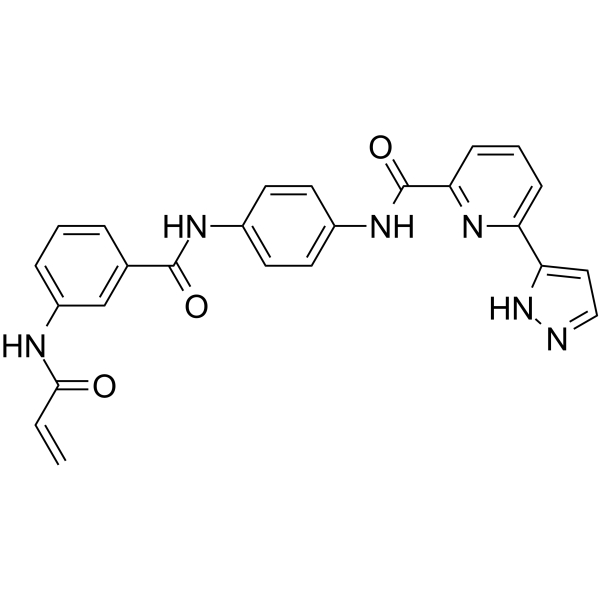
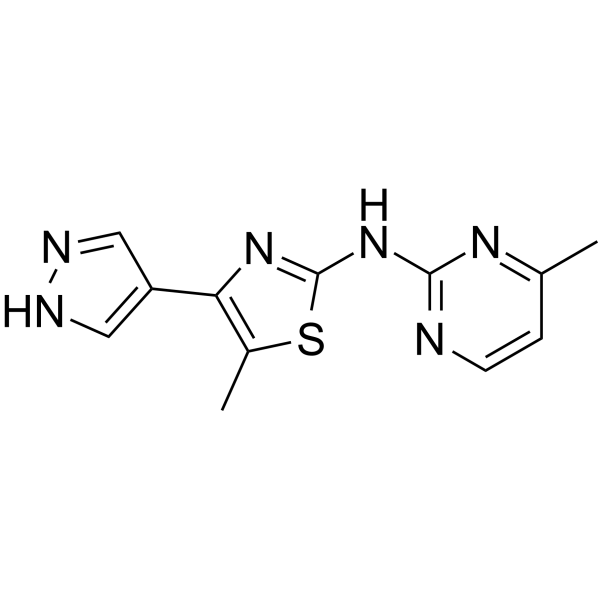
    RMS-07 is a covalent Monopolar Spindle Kinase 1 (MPS1/TTK) inhibitor, with an apparent IC50 of 13.1 nM. RMS-07 targets a poorly conserved cysteine in the kinase's hinge region .
    RMS-07

Inquiry Online

Your information is safe with us. * Required Fields.

Salutation


Country or Region *

Applicant Name *


Organization Name *

Department *


Email Address *


Product Name *

Cat. No.


Requested quantity *

Phone Number *


Remarks

Inquiry Online

Inquiry Information

Product Name:
Cat. No.:
Quantity:
MCE Japan Authorized Agent:

