
1. Search Result
Search Result
Results for "

coating polymer

" in MedChemExpress (MCE) Product Catalog:

42

Inhibitors & Agonists

1

Fluorescent Dyes

27

Biochemical Assay Reagents

3

Natural
Products

3

Isotope-Labeled Compounds

1

Click Chemistry

5

Oligonucleotides

Cat. No. Product Name Target Research Areas Chemical Structure
  • HY-125865
    Casein
    2 Publications Verification

    Environmental Pollutants Endogenous Metabolite Casein Kinase Endocrinology Cancer
    Casein is an orally active phosphoprotein that can be separated into various electrophoretic components, such as α2-Casein, κ-Casein, β-casein, and γ-casein. Casein has also been blended and grafted with other polymers, cross-linkers, or monomers to improve its functional properties. Casein enhances calcium absorption and reduces the extent of fissure as well as smooth-surface caries. Casein promotes proliferation of prostate cancer. Casein has various applications in the paper, leather, textile, and food industries, serving as coatings, adhesives, and packaging materials .
    Casein
  • HY-B1620L

    PVP, average Mw~40000; Polyvidone, average Mw~40000; Povidone, average Mw~40000

    Environmental Pollutants Biochemical Assay Reagents Others
    Polyvinylpyrrolidone, average Mw~40000 is a multifunctional synthetic polymer with an average molecular weight of 40,000 Da. Polyvinylpyrrolidone, average Mw~40000 is widely used to synthesize nanoparticles. Polyvinylpyrrolidone, average Mw~40000 is a versatile excipient for both conventional formulations and novel controlled or targeted delivery systems, serving as a binder, coating agent, suspending agent, pore-former, solubilizer, stabilizer, etc .
    Polyvinylpyrrolidone, average Mw~40000
  • HY-N6070

    Environmental Pollutants Prostaglandin Receptor Inflammation/Immunology
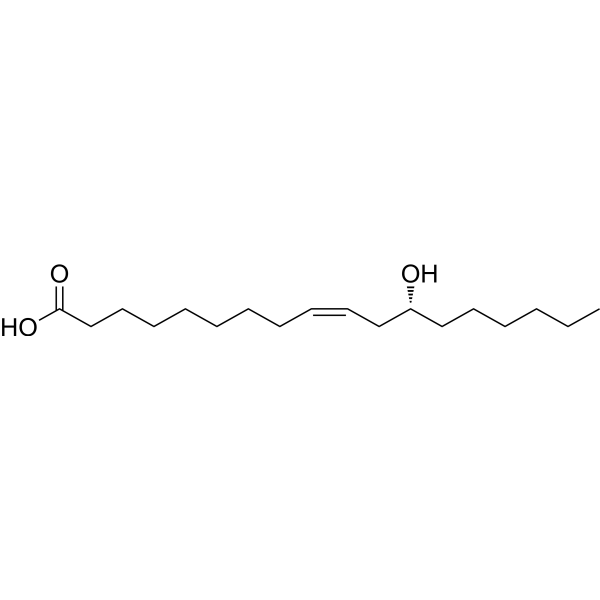
    Ricinoleic acid (purity≥85%), a hydroxy fatty acid, is an attractive feedstock for the production of high-performance lubricants, cosmetics, polymers, surfactants, and coatings. Ricinoleic acid is the main active ingredient of Castor oil (HY-107799). Ricinoleic acid is the agonist for prostaglandin EP3 receptor (EP3 receptor) (EC50 in MEG-01 is 0.5 μM), that causes laxative effects and uterine contraction. Ricinoleic acid exhibits antianxiety-like, anti-inflammatory and pro-inflammatory properties .
    Ricinoleic acid (purity≥85%)
  • HY-Y0850H

    PVA (Mw 89000-98000, 99+% hydrolyzed); Poly(Ethenol) (Mw 89000-98000, 99+% hydrolyzed)

    Environmental Pollutants Biochemical Assay Reagents Others
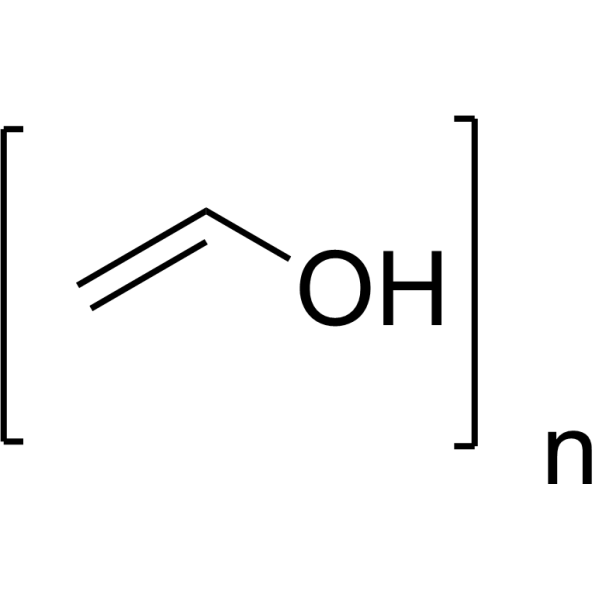
    Polyvinyl alcohol (Mw 89000-98000, 99+% hydrolyzed) also known as PVA, is a vinyl water-soluble polymer that can be used as a non-ionic surfactant. It can also be used as a biodegradable polymer and can be used in adhesives, coatings, textiles, ceramics and cosmetics .
    Polyvinyl alcohol (Mw 89000-98000, 99+% hydrolyzed)
  • HY-B1620C

    PVP K17; Polyvidone K17; Povidone K17

    Biochemical Assay Reagents Others
    Polyvinylpyrrolidone K17 is one of the polymers in pharmaceutical preparations. Polyvinylpyrrolidone K17 is a versatile excipient for both conventional formulations and novel controlled or targeted delivery systems, serving as a binder, coating agent, suspending agent, pore-former, solubilizer, stabilizer, etc .
    Polyvinylpyrrolidone K17
  • HY-Y0850I

    PVA (Mw 9000-10000, 80% hydrolyzed); Poly(Ethenol) (Mw 9000-10000, 80% hydrolyzed)

    Environmental Pollutants Biochemical Assay Reagents Cancer
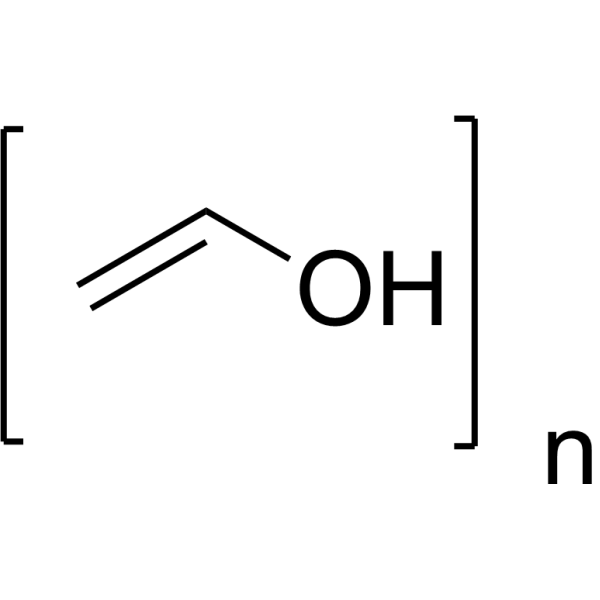
    Polyvinyl alcohol (Mw 9000-10000, 80% hydrolyzed) also known as PVA, is a vinyl water-soluble polymer that can be used as a non-ionic surfactant. Polyvinyl alcohol (Mw 9000-10000, 80% hydrolyzed) can be used as a biodegradable polymer and can be used in adhesives, coatings, textiles, ceramics, and cosmetics. Polyvinyl alcohol can be used in tissue engineering by electrospinning. Polyvinyl alcohol can achieve high cellular density, infiltration, and uniform distribution, facilitating functional connections between cells. Polyvinyl alcohol can improve cell vitality through in vitro cultivation. Polyvinyl alcohol demonstrates promising inhibition of ostersarcoma cancer cells with Doxorubicin (HY-15142A) .
    Polyvinyl alcohol (Mw 9000-10000, 80% hydrolyzed)
  • HY-N6070A

    Environmental Pollutants Prostaglandin Receptor Inflammation/Immunology
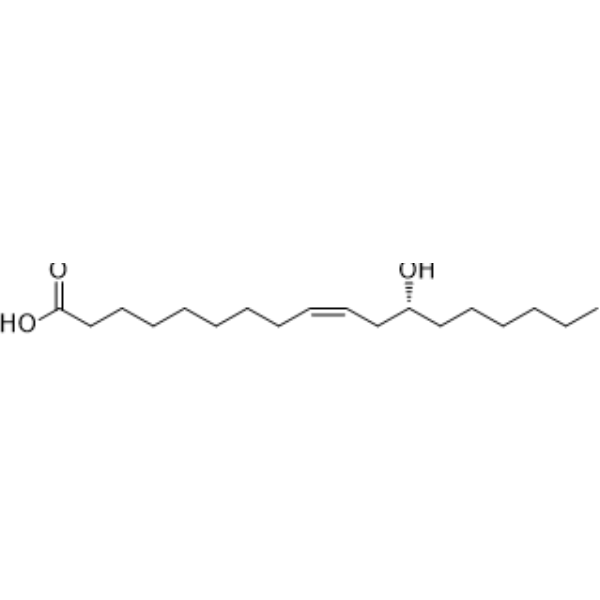
    Ricinoleic acid (purity≥99%), a hydroxy fatty acid, is an attractive feedstock for the production of high-performance lubricants, cosmetics, polymers, surfactants, and coatings. Ricinoleic acid is the main active ingredient of Castor oil (HY-107799). Ricinoleic acid is the agonist for prostaglandin EP3 receptor (EP3 receptor) (EC50 in MEG-01 is 0.5 μM), that causes laxative effects and uterine contraction. Ricinoleic acid exhibits antianxiety-like, anti-inflammatory and pro-inflammatory properties .
    Ricinoleic acid (purity≥99%)
  • HY-W115746

    Ethyl cellulose N-200

    Environmental Pollutants Biochemical Assay Reagents Infection Cancer
    Ethyl cellulose is a derivative of cellulose. Ethyl cellulose is a non-toxic, biodegradable polymer. Ethyl cellulose has unique properties such as oil gel formation, active ingredient delivery and film formation. Ethyl cellulose can be used as a pharmaceutical excipient, such as a coating agent, flavoring agent, tablet filler, etc. Ethyl cellulose can be used to prepare nanoparticles for active compound delivery .
    Ethyl cellulose
  • HY-Y0850K

    PVA (Mw 31000-50000, 98-99% hydrolyzed); Poly(Ethenol) (Mw 31000-50000, 98-99% hydrolyzed)

    Environmental Pollutants Biochemical Assay Reagents Cancer
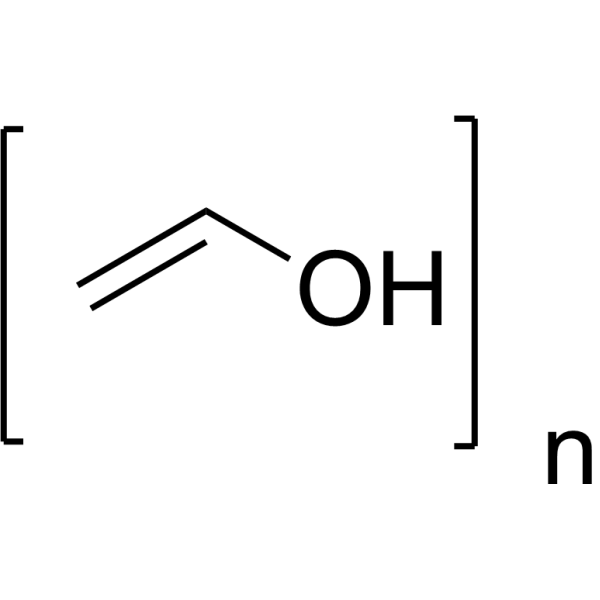
    Polyvinyl alcohol (Mw 31000-50000, 98-99% hydrolyzed), also known as PVA, is a vinyl water-soluble polymer that can be used as a non-ionic surfactant. It can also be used as a biodegradable polymer and can be used in adhesives, coatings, textiles, ceramics and cosmetics. Polyvinyl alcohol can be used in tissue engineering by electrospinning. Polyvinyl alcohol can achieve high cellular density, infiltration, and uniform distribution, facilitating functional connections between cells. Polyvinyl alcohol can improve cell vitality through in vitro cultivation. Polyvinyl alcohol demonstrates promising inhibition of ostersarcoma cancer cells with Doxorubicin (HY-15142A) .
    Polyvinyl alcohol (Mw 31000-50000, 98-99% hydrolyzed)
  • HY-B1620J

    PVP, average Mw~10000; Polyvidone, average Mw~10000; Povidone, average Mw~10000

    Environmental Pollutants Biochemical Assay Reagents Others
    Polyvinylpyrrolidone, average Mw~10000 is a multifunctional synthetic polymer with an average molecular weight of 10000 Da. Polyvinylpyrrolidone, average Mw~10000 is widely used to synthesize nanoparticlesPolyvinylpyrrolidone, average Mw~10000 is a versatile excipient for both conventional formulations and novel controlled or targeted delivery systems, serving as a binder, coating agent, suspending agent, pore-former, solubilizer, stabilizer, etc .
    Polyvinylpyrrolidone, average Mw~10000
  • HY-B1620N

    PVP, average Mw~360000; Polyvidone, average Mw~360000; Povidone, average Mw~360000

    Environmental Pollutants Biochemical Assay Reagents Others
    Polyvinylpyrrolidone, average Mw~360000 is a multifunctional synthetic polymer with an average molecular weight of 360000 Da. Polyvinylpyrrolidone, average Mw~360000 is widely used to synthesize nanoparticlesPolyvinylpyrrolidone, average Mw~360000 is a versatile excipient for both conventional formulations and novel controlled or targeted delivery systems, serving as a binder, coating agent, suspending agent, pore-former, solubilizer, stabilizer, etc .
    Polyvinylpyrrolidone, average Mw~360000
  • HY-W089777

    GPTMS

    Biochemical Assay Reagents Others
    3-Glycidyloxypropyltrimethoxysilane (GPTMS) is a silicon source for the preparation of inorganic-organic hybrid polymers. 3-Glycidyloxypropyltrimethoxysilane can be used to prepare hard coatings of organic polymers, such as contact lens materials in the optical industry, as well as related materials in the fields of electronics, thin films, sensors, nanoimprinting, waveguides, and biology .
    3-Glycidyloxypropyltrimethoxysilane
  • HY-Y0850N

    PVA (Mw 13000-23000, 98% hydrolyzed); Poly(Ethenol) (Mw 13000-23000, 98% hydrolyzed)

    Environmental Pollutants Biochemical Assay Reagents Cancer
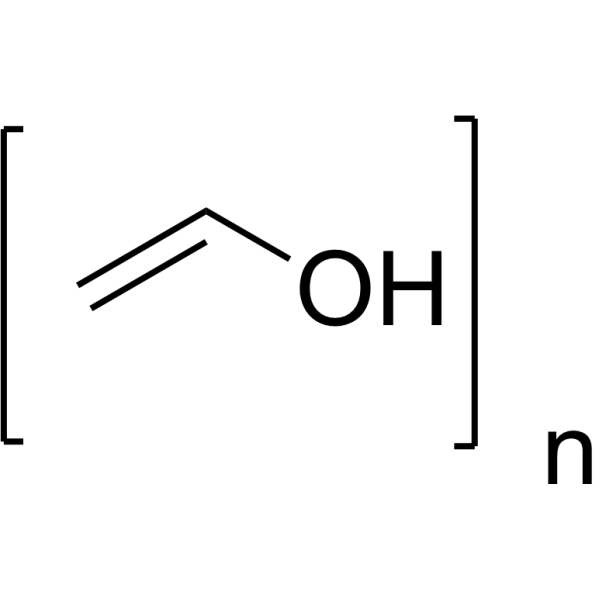
    Polyvinyl alcohol (PVA; Poly(Ethenol)) (Mw 13000-23000, 98% hydrolyzed) , also known as PVA, is a vinyl water-soluble polymer that can be used as a non-ionic surfactant. Polyvinyl alcohol (Mw 13000-23000, 98% hydrolyzed) can also be used as a biodegradable polymer and can be used in adhesives, coatings, textiles, ceramics and cosmetics. Polyvinyl alcohol (Mw 13,000–23,000, 98% hydrolyzed) can be used in studies involving breast cancer as well as cisplatin (HY-17394)-induced sensorineural hearing loss .
    Polyvinyl alcohol (Mw 13000-23000, 98% hydrolyzed)
  • HY-A0104K

    Hypromellose (Type II,Viscosity:3mPa.s); (Hydroxypropyl)methyl cellulose (Type II,Viscosity:3mPa.s); Celacol HPM 5000 (Type II,Viscosity:3mPa.s)

    Environmental Pollutants Biochemical Assay Reagents Others
    HPMC (Type II, Viscosity: 3 mPa.s) is a nonionic polymer prepared via synthetic modification of cellulose. As a hydrophilic matrix material, HPMC prolongs drug release through non-Fickian diffusion, which includes the diffusion of drugs in the hydrated matrix and the polymer relaxation process .
    HPMC (Type II,Viscosity:3mPa.s)
  • HY-B1620K

    PVP, average Mw~29000; Polyvidone, average Mw~29000; Povidone, average Mw~29000

    Environmental Pollutants Biochemical Assay Reagents Others
    Polyvinylpyrrolidone, average Mw~29000 is a multifunctional synthetic polymer with an average molecular weight of 29,000 Da. Polyvinylpyrrolidone, average Mw~29000 is a versatile excipient for both conventional formulations and novel controlled or targeted delivery systems, serving as a binder, coating agent, suspending agent, pore-former, solubilizer, stabilizer, etc .
    Polyvinylpyrrolidone, average Mw~29000
  • HY-W018574

    Biochemical Assay Reagents Others
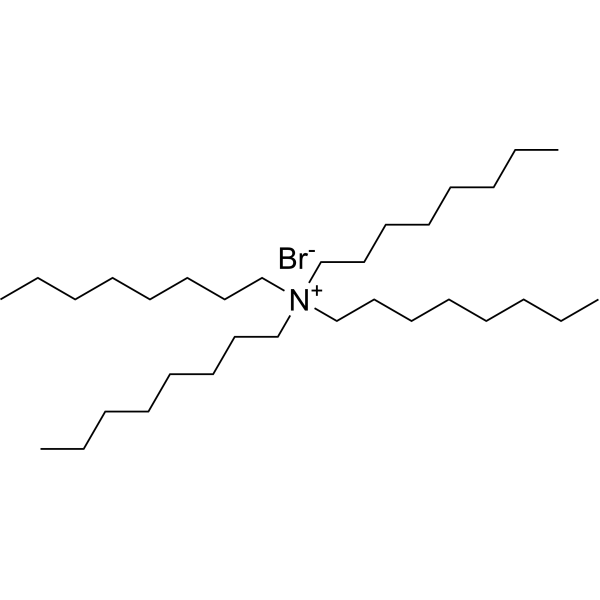
    Tetraoctylammonium bromide (TOAB) is a quaternary ammonium salt consisting of a positively charged tetraoctylammonium cation and a negatively charged bromide anion. This compound is commonly used as a phase transfer catalyst in organic chemical reactions, facilitating the transfer of reactants between immiscible phases. It is also used as a surfactant and dispersant in various industrial applications, for example in the production of coatings, adhesives and polymers. Additionally, Tetraoctylammonium bromide has been investigated for potential applications in energy storage devices and as an antimicrobial agent.
    Tetraoctylammonium bromide
  • HY-W250309

    Biochemical Assay Reagents Others
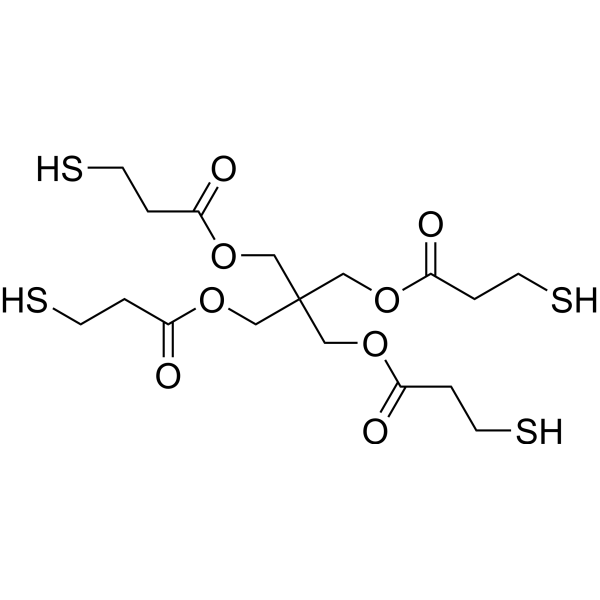
    Pentaerythritol tetra(3-mercaptopropionate)It is a class of organic compounds containing both pentaerythritol and mercaptopropionate groups. It is commonly used as a stabilizer and crosslinking agent in various chemical and industrial applications. Pentaerythritol tetra(3-mercaptopropionate)Has a variety of properties that make it suitable for these applications, including the ability to increase the mechanical strength, thermal stability and weatherability of polymers and coatings. Additionally, it can be used as a feedstock for the production of other specialty chemicals and materials.
    Pentaerythritol tetra3-mercaptopropionate
  • HY-B1620O

    PVP, average Mw~1300000; Polyvidone, average Mw~1300000; Povidone, average Mw~1300000

    Environmental Pollutants Biochemical Assay Reagents Others
    Polyvinylpyrrolidone, average Mw~1300000 is a multifunctional synthetic polymer with an average molecular weight of 1300000 Da. Polyvinylpyrrolidone, average Mw~1300000 shows the higher viscosity to form the fine polymer network as the molecular sieve .
    Polyvinylpyrrolidone, average Mw~1300000
  • HY-139201H

    PDLHB (MW ≥300000)

    CaSR Others
    Poly-D-lysine hydrobromide (MW ≥300000) (PDLHB (MW ≥300000)) is a cationic polymer and cell adhesion promoter. Poly-D-lysine hydrobromide (MW ≥300000) serves as a substrate coating to support the adhesion and proliferation of rat dorsal root ganglion satellite glial cells in vitro. Poly-D-lysine hydrobromide (MW ≥300000) promotes the adhesion and immobilization of cells on plastic culture dishes. Poly-D-lysine hydrobromide is also known as a calcium-sensing receptor (CaSR) agonist peptide .
    Poly-D-lysine hydrobromide (MW ≥300000)
  • HY-139201C

    PDLHB (MW 1000-5000)

    CaSR Others
    Poly-D-lysine hydrobromide (MW 1000-5000) (PDLHB (MW 1000-5000)) is a synthetic cationic polypeptide polymer commonly used as a cell adhesion promoter and surface coating molecule. Poly-D-lysine hydrobromide is also known as a calcium-sensing receptor (CaSR) agonist peptide .
    Poly-D-lysine hydrobromide (MW 1000-5000)
  • HY-B1620M

    PVP, average Mw~55000; Polyvidone, average Mw~55000; Povidone, average Mw~55000

    Biochemical Assay Reagents Others
    Polyvinylpyrrolidone, average Mw~55000 is a multifunctional synthetic polymer with an average molecular weight of 55000 Da. Polyvinylpyrrolidone, average Mw~55000 is widely used to synthesize nanoparticlesPolyvinylpyrrolidone, average Mw~55000 is a versatile excipient for both conventional formulations and novel controlled or targeted delivery systems, serving as a binder, coating agent, suspending agent, pore-former, solubilizer, stabilizer, etc .
    Polyvinylpyrrolidone, average Mw~55000
  • HY-139446A

    ETPTA (MW 912); TMPETA (MW 912)

    Biochemical Assay Reagents Others
    Trimethylolpropane ethoxylate triacrylate (MW 912) (ETPTA (MW 912); TMPETA (MW 912)) is a trifunctional acrylate monomer with multiple acrylate functional groups, which can be used in polymerization and crosslinking reactions. Trimethylolpropane ethoxylate triacrylate (MW 912) is widely used in the preparation of cured resins for 3D printing, optical coatings for display devices, and dental composite restorative materials .
    Trimethylolpropane ethoxylate triacrylate (MW 912)
  • HY-140696D

    mPEG10000-Hydroxy; Polyethylene glycol monomethyl ether 10000

    Environmental Pollutants PROTAC Linkers Infection
    m-PEG10000-OH (mPEG10000-Hydroxy; Polyethylene glycol monomethyl ether 10000) is a hydroxyl-terminated methoxylated polyethylene glycol (PEG-based) compound that serves as a linker for PROTACs. m-PEG10000-OH is applicable to research on healthcare-associated infections .
    m-PEG10000-OH
  • HY-159067

    DEAE-dextran, MW 500000 hydrochloride, from bacterial (Leuconostoc mesenteroides); Diethylaminoethyl-dextran, MW 500000 hydrochloride

    Biochemical Assay Reagents Cancer
    DEAE-dextran, MW 500000 hydrochloride (DEAE-dextran, MW 500000 hydrochloride, from bacterial (Leuconostoc mesenteroides)) is a high-molecular-weight positively charged polymer that significantly enhances the uptake of viral RNA by tissue culture cells. When employed in the delivery system for "tumor immunity" RNA-splenocyte transfer, DEAE-dextran can markedly extend the lifespan of tumor-bearing animals, comparable to that of actively immunized animals. Furthermore, DEAE-dextran serves as a complexing agent for nucleic acids, forming composite particles with DNA/RNA for extensive applications in gene delivery. Additionally, DEAE-dextran can be utilized as a coating for liposomes .
    DEAE-dextran, MW 500000 hydrochloride
  • HY-W017761

    m-Dimethylaminobenzoic acid

    Biochemical Assay Reagents Others
    3-(Dimethylamino)benzoic acid (m-Dimethylaminobenzoic acid) is used in the field of materials science to develop novel polymers and coatings with specific optical and electronic properties.
    3-(Dimethylamino)benzoic acid
  • HY-W115746B

    Biochemical Assay Reagents Others
    Ethyl cellulose (viscosity 300 cP) serves as a non-toxic and biodegradable polymer, with unique properties such as oleogel formation, delivery of active component, and film-forming ability in the food and pharmaceutical sectors. Ethyl cellulose (viscosity 300 cP) can be used as an excipient, such as coating agent, flavoring agent, tablet filler .
    Ethyl cellulose (viscosity 300 cP)
  • HY-W115746A

    Biochemical Assay Reagents Others
    Ethyl cellulose (viscosity 10 cP) serves as a non-toxic and biodegradable polymer, with unique properties such as oleogel formation, delivery of active component, and film-forming ability in the food and pharmaceutical sectors. Ethyl cellulose (viscosity 10 cP) can be used as an excipient, such as coating agent, flavoring agent, tablet filler .
    Ethyl cellulose (viscosity 10 cP)
  • HY-W099569

    Zinc octadecanoate

    Biochemical Assay Reagents Fungal Bacterial Parasite Infection
    Zinc stearate is a metal stearate that acts as a preservative, bactericide, fungicide, and larvicide. Zinc stearate inhibits larval reproduction in animal feces. Zinc stearate exhibits extremely low systemic toxicity. Zinc stearate is a common component of pharmaceutical excipients, lubricants, mold release agents, polymer stabilizers, and coating matting agents .
    Zinc stearate
  • HY-W009400

    Drug Intermediate Others
    (2-Dodecen-1-yl)succinic anhydride is an organic compound commonly used in certain polymerization reactions. It is used in the manufacture of products such as plastics and resins, and is widely used in certain industrial fields, such as coatings, inks and textile manufacturing. In addition, the compound is also used as a raw material for pharmaceutical intermediates and surfactants.
    (2-Dodecen-1-yl)succinic anhydride
  • HY-23497

    Others Others
    Poly(4-vinylphenol) is a polymer cross-linking agent that can be used to prepare non-toxic films. Poly(4-vinylphenol) is a sensitizer of titania for visible light photocatalysis. Poly(4-vinylphenol) also can be used as a water resistive wood adhesive, as a gate dielectric insulator in organic field effect transistors, and as a responsive surface coating .
    Poly(4-vinylphenol)
  • HY-W250312

    Environmental Pollutants Biochemical Assay Reagents Others
    Polycaprolactone is a biodegradable polyester commonly used in various biomedical and industrial applications. It is a white waxy polymer that can be molded into various shapes and forms. Polycaprolactone has various properties suitable for these applications, including low melting point, high flexibility and slow biodegradation rate. It can be used as a raw material for the production of tissue engineering scaffolds, drug delivery systems, and medical implants. In addition, it is used as a binder in the production of adhesives, coatings and paints.
    Polycaprolactone
  • HY-W739372

    Biochemical Assay Reagents
    Poly (sodium 4-styrenesulfonate) is a cation exchange polyelectrolyte used to prepare highly mechanically stable and highly reproducible coatings. During the reduction of graphene oxide, Poly (sodium 4-styrenesulfonate) is used to synthesize polymer-coated graphite nanosheets. Furthermore, the interactions between Poly (sodium 4-styrenesulfonate) and metal ions have been studied, and it has been combined with Nafion for mixed coatings in bismuth film electrodes, showcasing its broad application potential in functional materials and electrochemical research .
    Polysodium 4-styrenesulfonate
  • HY-W011103

    Biochemical Assay Reagents Environmental Pollutants Others
    Diheptyl phthalate is a class of phthalates consisting of two heptyl (C7) chains attached to a phthalic acid backbone. This compound is commonly used as a plasticizer in various polymer materials such as PVC to increase flexibility and durability. It can also be used as a lubricant, solvent or additive in various industrial applications such as coatings, adhesives and sealants. However, Diheptyl phthalate has been identified as an environmental pollutant and health hazard due to its potential for endocrine disruption and toxicity.
    Diheptyl phthalate
  • HY-W127740

    Isomethyl-α-ionone; α-Isomethylionone

    Environmental Pollutants Biochemical Assay Reagents Others
    Isonaline 70 is an industrial solvent that belongs to the family of high flash point aromatic naphtha solvents. It is commonly used in a variety of industries including paints and coatings, adhesives and rubber manufacturing, as a thinner and thinner for resins and polymers. Isonaline 70 has various properties that make it suitable for these applications, including its low viscosity, high solvency and good compatibility with other materials. In addition, it can also be used as a cleaning agent for mechanical equipment.
    α-Cetone
  • HY-151744

    ADC Linker Others
    N3-TFBA-O2Oc is a click chemistry reagent containing an azide group and an aryl group. Aryl azides are well-known precursors of nitrenes and have been introduced by Fleet et al. as versatile photoaffinity labeling agents to probe biological receptors. This type of compounds has been used as photo-cross linker (λmax=258 nm) in estrogen receptor studies and for direct surface coating of carbon and organic based polymers . N3-TFBA-O2Oc is a click chemistry reagent, it contains an Azide group and can undergo copper-catalyzed azide-alkyne cycloaddition reaction (CuAAc) with molecules containing Alkyne groups. It can also undergo strain-promoted alkyne-azide cycloaddition (SPAAC) reactions with molecules containing DBCO or BCN groups.
    N3-TFBA-O2Oc
  • HY-D2429

    Fluorescent Dye Others
    Dextran-PEG-Cy3 is the Cy3 (HY-D0822)-labeled Dextran-PEG conjugate. Dextran-PEG is used as polymer-polymer systems for the high biocompatibility to maintain cell osmolarity. Dextran-PEG coatings can reduce nanoparticle cytotoxicity .
    Dextran-PEG-Cy3
  • HY-W011188S

    Isotope-Labeled Compounds Biochemical Assay Reagents Others
    Glycidyl stearate-d5 is a deuterium labeled Glycidyl stearate (HY-W011188). Oxiran-2-ylmethyl stearate is a compound belonging to the class of esters. It contains reactive oxirane or epoxy groups that give the molecule its unique properties. Oxiran-2-ylmethyl stearate is derived from stearic acid and epichlorohydrin, which are naturally occurring substances. Glycidyl stearate is commonly used in various industrial applications such as the production of coatings, adhesives and surfactants. It can also be used as a crosslinking agent in the manufacture of polymers and resins.
    Glycidyl stearate-d5
  • HY-W747639

    Isotope-Labeled Compounds Biochemical Assay Reagents Others
    Glycidyl Stearate- 13C3 is 13C labeled Glycidyl stearate. Oxiran-2-ylmethyl stearate is a compound belonging to the class of esters. It contains reactive oxirane or epoxy groups that give the molecule its unique properties. Oxiran-2-ylmethyl stearate is derived from stearic acid and epichlorohydrin, which are naturally occurring substances. Glycidyl stearate is commonly used in various industrial applications such as the production of coatings, adhesives and surfactants. It can also be used as a crosslinking agent in the manufacture of polymers and resins .
    Glycidyl Stearate-13C3
  • HY-N6070AR

    Reference Standards Prostaglandin Receptor Inflammation/Immunology
    Ricinoleic acid (Standard) is the analytical standard of Ricinoleic acid. This product is intended for research and analytical applications. Ricinoleic acid, a hydroxy fatty acid, is an attractive feedstock for the production of high-performance lubricants, cosmetics, polymers, surfactants, and coatings. Ricinoleic acid is the main active ingredient of Castor oil (HY-107799). Ricinoleic acid is the agonist for prostaglandin EP3 receptor (EP3 receptor) (EC50 in MEG-01 is 0.5 μM), that causes laxative effects and uterine contraction. Ricinoleic acid exhibits antianxiety-like, anti-inflammatory and pro-inflammatory properties .
    Ricinoleic acid (Standard)
  • HY-W701446

    Isotope-Labeled Compounds Biochemical Assay Reagents Others
    Oxiran-2-ylmethyl octadecanoate-d35 is the deuterium labeled Glycidyl stearate (HY-W011188). Oxiran-2-ylmethyl stearate is a compound belonging to the class of esters. It contains reactive oxirane or epoxy groups that give the molecule its unique properties. Oxiran-2-ylmethyl stearate is derived from stearic acid and epichlorohydrin, which are naturally occurring substances. Glycidyl stearate is commonly used in various industrial applications such as the production of coatings, adhesives and surfactants. It can also be used as a crosslinking agent in the manufacture of polymers and resins.
    Oxiran-2-ylmethyl octadecanoate-d35
  • HY-W268106

    Biochemical Assay Reagents Others
    Decylphosphonic acid is a metal oxide surface modifier and corrosion inhibitor. Decylphosphonic acid is promising for research of metal protection, anti-corrosion coatings, and emulsion polymerization .
    Decylphosphonic acid
  • HY-W009400R

    Others Reference Standards Others
    (2-Dodecen-1-yl)succinic anhydride (Standard) is the analytical standard of (2-Dodecen-1-yl)succinic anhydride (HY-W009400). This product is intended for research and analytical applications. (2-Dodecen-1-yl)succinic anhydride is an organic compound commonly used in certain polymerization reactions. It is used in the manufacture of products such as plastics and resins, and is widely used in certain industrial fields, such as coatings, inks and textile manufacturing. In addition, the compound is also used as a raw material for pharmaceutical intermediates and surfactants.
    (2-Dodecen-1-yl)succinic anhydride (Standard)

Inquiry Online

Your information is safe with us. * Required Fields.

Salutation


Country or Region *

Applicant Name *


Organization Name *

Department *


Email Address *


Product Name *

Cat. No.


Requested quantity *

Phone Number *


Remarks

Inquiry Online

Inquiry Information

Product Name:
Cat. No.:
Quantity:
MCE Japan Authorized Agent:

