10 Results for "

compression

" in MedChemExpress (MCE) Product Catalog:
Products (10)

10 Results for "compression" in MCE Product Catalog:

25
25 Publications Verification
Cat. No.: HY-W008574
CAS No.: 51987-99-6
Target:  

PROTAC Linkers

Research Areas:  

Inflammation/Immunology Cancer

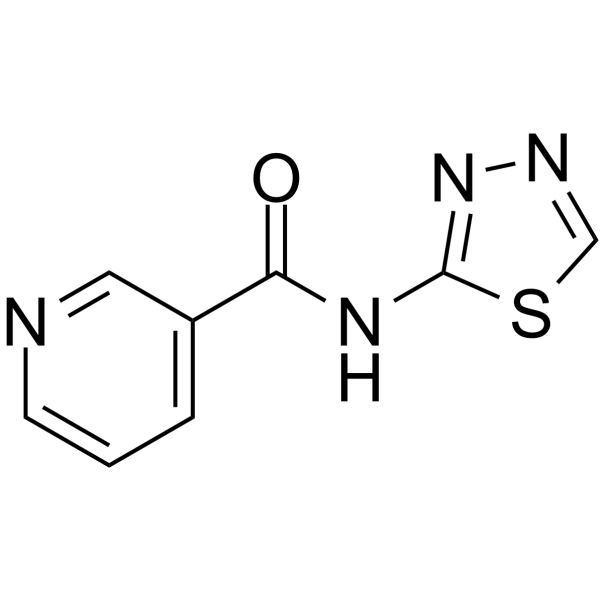
TGN-020 is a selective Aquaporin 4 (AQP4) inhibitor with an IC50 of 3.1 μM . TGN-020 is an alkyl chain-based PROTAC linker that can be used in the synthesis of PROTACs .TGN-020 alleviates edema and inhibits glial scar formation after spinal cord compression injury in rats .
loading...
    loading...
25
25 Publications Verification
Cat. No.: HY-W008574A
CAS No.: 1313731-99-5
Target:  

PROTAC Linkers

Research Areas:  

Inflammation/Immunology Cancer

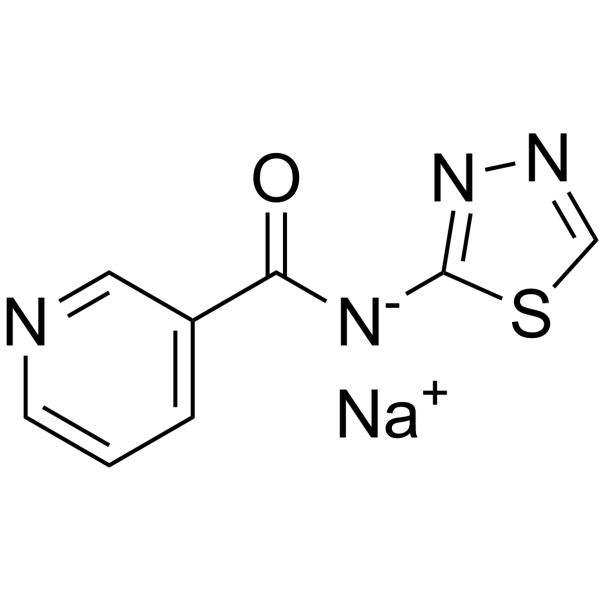
TGN-020 sodium is a selective Aquaporin 4 (AQP4) inhibitor with an IC50 of 3.1 μM . TGN-020 sodium is an alkyl chain-based PROTAC linker that can be used in the synthesis of PROTACs . TGN-020 sodium alleviates edema and inhibits glial scar formation after spinal cord compression injury in rats .
loading...
    loading...
1
1 Cited Publications
Cat. No.: HY-A0169A
CAS No.: 79416-27-6
Research Areas:  

Cancer

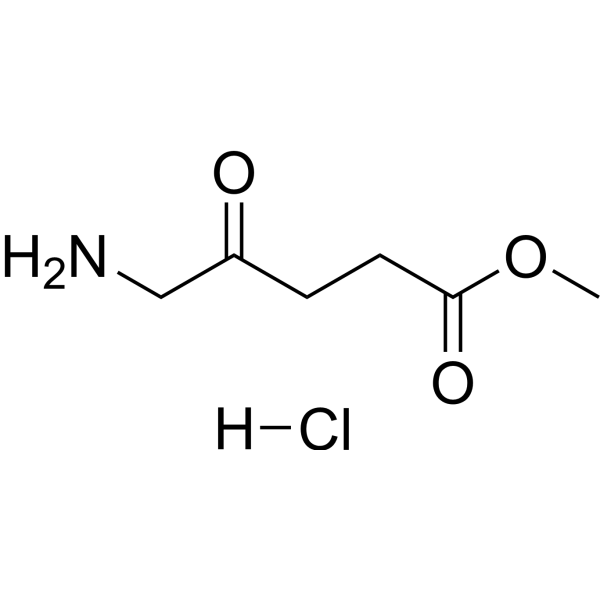
Methyl aminolevulinate hydrochloride is a sensitizer used in photodynamic therapy (PDT). Methyl aminolevulinate hydrochloride penetrates the skin and induces the production of photoactive porphyrins including protoporphyrin IX in cells; upon exposure to appropriate light, it generates ROS, which triggers cellular oxidation and cell death. Methyl aminolevulinate hydrochloride acts as a photo-damage reversing agent through epidermal reconstruction, cytokine-mediated activation of dermal fibroblasts, elastin breakdown, new collagen formation, and compression of dilated capillaries. Methyl aminolevulinate hydrochloride reduces the expression of the proliferation marker Ki-67 and the early skin carcinogenesis marker TP53. Methyl aminolevulinate hydrochloride delays the onset of ultraviolet-induced skin tumors and reduces tumor burden in hairless mice. Methyl aminolevulinate hydrochloride is applicable to research related to actinic keratosis and basal cell carcinoma .
loading...
    loading...
Cat. No.: HY-131740
CAS No.: 67460-15-5
Synonyms: C7dATP
Target:  

DNA/RNA Synthesis

Research Areas:  

Others

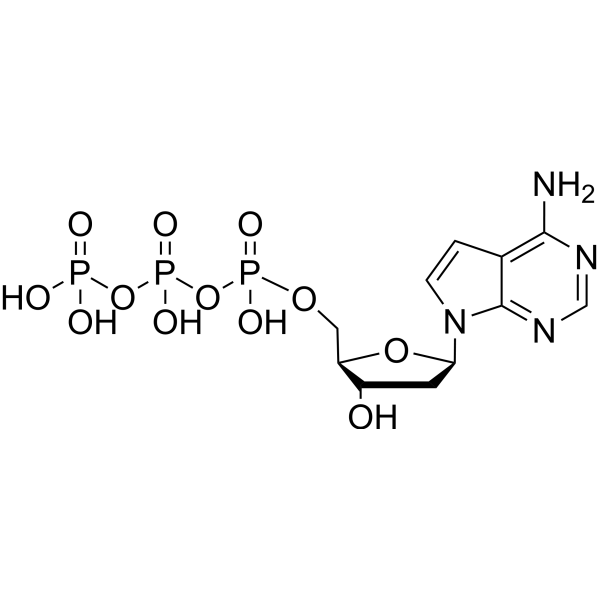
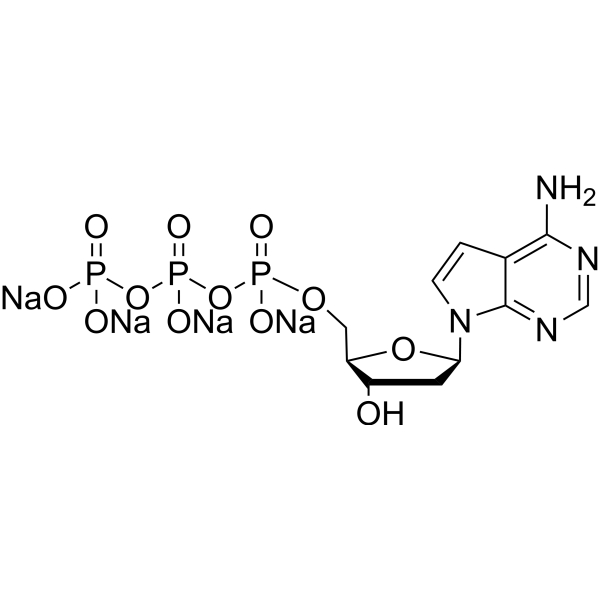
2'-Deoxytubercidin 5'-triphosphate(C7dATP) is a deoxyadenosine triphosphate (dATP) analog, which can reduce the electrophoretic mobility abnormality caused by the compression of G or A residues, and is used to improve the quality of DNA sequencing data .
loading...
    loading...
Cat. No.: HY-W087913
CAS No.: 596-01-0
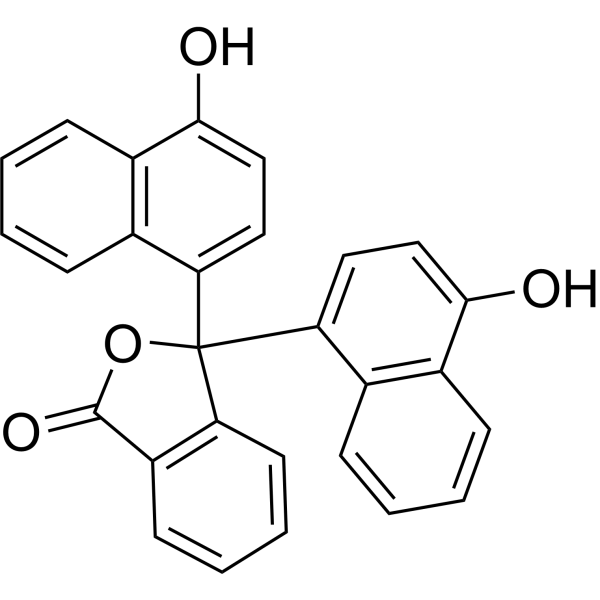
alpha-Naphtholphthalein is an indicator that is light yellow at pH 6 and gradually shows a clear color change with increasing pH to light green-green-blue. alpha-Naphtholphthalein can be impregnated into cotton-blend fabrics and used to develop medical supplies for wound pH monitoring, such as medical gauze, hospital gowns and compression bandages .
loading...
    loading...
Cat. No.: HY-P990248
Anti-Mouse E-Cadherin/CD324 Antibody (DECMA-1) is an anti-mouse E-Cadherin/CD324 IgG1 monoclonal antibody. Anti-Mouse E-Cadherin/CD324 Antibody (DECMA-1) can downregulate the HER signaling axis and PI3K/Akt/mTOR signaling pathway. Anti-Mouse E-Cadherin/CD324 Antibody (DECMA-1) can inhibit the proliferation of tumor cells and induce their apoptosis. Anti-Mouse E-Cadherin/CD324 Antibody (DECMA-1) can be used for researches on cancer and inflammation conditions such as breast cancer, chronic compression injury (CCI) and asthma .
loading...
    loading...
Cat. No.: HY-121235R
CAS No.: 17737-65-4
Synonyms: SCH-10304 (Standard)
Clonixin (SCH-10304) (Standard) is the analytical standard of Clonixin. This product is intended for research and analytical applications. Clonixin is an orally active non-steroidal anti-inflammatory agent (NSAID) that inhibits COX synthesis. Clonixin acts as a voltage-gated L-type calcium channel blocker, exerts vasodilatory effects by antagonizing Ca 2+ in vascular smooth muscle. Clonixin inhibits TGF-β, reduces lung coefficient, immune cell infiltration level, oxidative stress response, airway resistance, hydroxyproline content and collagen deposition. Clonixin can be used in research related to inflammation such as idiopathic pulmonary fibrosis and moderate to severe pain .
loading...
    loading...
Cat. No.: HY-131740A
Synonyms: C7dATP sodium
Target:  

DNA/RNA Synthesis

Research Areas:  

Others

2'-Deoxytubercidin 5'-triphosphate(C7dATP) sodium is a deoxyadenosine triphosphate (dATP) analog, which can reduce the electrophoretic mobility abnormality caused by the compression of G or A residues, and is used to improve the quality of DNA sequencing data .
loading...
    loading...
Cat. No.: HY-A0169
CAS No.: 33320-16-0
Research Areas:  

Cancer

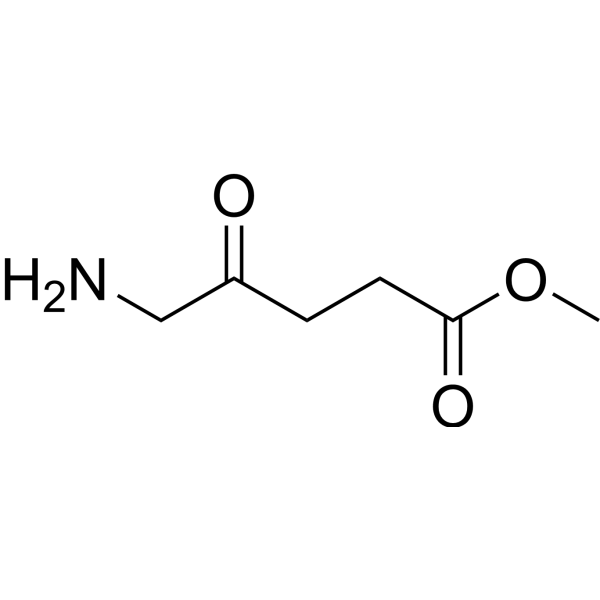
Methyl aminolevulinate is a sensitizer used in photodynamic therapy (PDT). Methyl aminolevulinate penetrates the skin and induces the production of photoactive porphyrins including protoporphyrin IX in cells; upon exposure to appropriate light, it generates ROS, which triggers cellular oxidation and cell death. Methyl aminolevulinate acts as a photo-damage reversing agent through epidermal reconstruction, cytokine-mediated activation of dermal fibroblasts, elastin breakdown, new collagen formation, and compression of dilated capillaries. Methyl aminolevulinate reduces the expression of the proliferation marker Ki-67 and the early skin carcinogenesis marker TP53. Methyl aminolevulinate delays the onset of ultraviolet-induced skin tumors and reduces tumor burden in hairless mice. Methyl aminolevulinate is applicable to research related to actinic keratosis and basal cell carcinoma .
loading...
    loading...
Cat. No.: HY-A0169AR
CAS No.: 79416-27-6
Methyl aminolevulinate hydrochloride (Standard) is the analytical standard of Methyl aminolevulinate hydrochloride. This product is intended for research and analytical applications. Methyl aminolevulinate hydrochloride is a sensitizer used in photodynamic therapy (PDT). Methyl aminolevulinate hydrochloride penetrates the skin and induces the production of photoactive porphyrins including protoporphyrin IX in cells; upon exposure to appropriate light, it generates ROS, which triggers cellular oxidation and cell death. Methyl aminolevulinate hydrochloride acts as a photo-damage reversing agent through epidermal reconstruction, cytokine-mediated activation of dermal fibroblasts, elastin breakdown, new collagen formation, and compression of dilated capillaries. Methyl aminolevulinate hydrochloride reduces the expression of the proliferation marker Ki-67 and the early skin carcinogenesis marker TP53. Methyl aminolevulinate hydrochloride delays the onset of ultraviolet-induced skin tumors and reduces tumor burden in hairless mice. Methyl aminolevulinate hydrochloride is applicable to research related to actinic keratosis and basal cell carcinoma .
loading...
    loading...

