
44 Results for "

endoplasmic reticulum membrane

" in MedChemExpress (MCE) Product Catalog:
Products (44)

44 Results for "endoplasmic reticulum membrane" in MCE Product Catalog:

171
171 Publications Verification
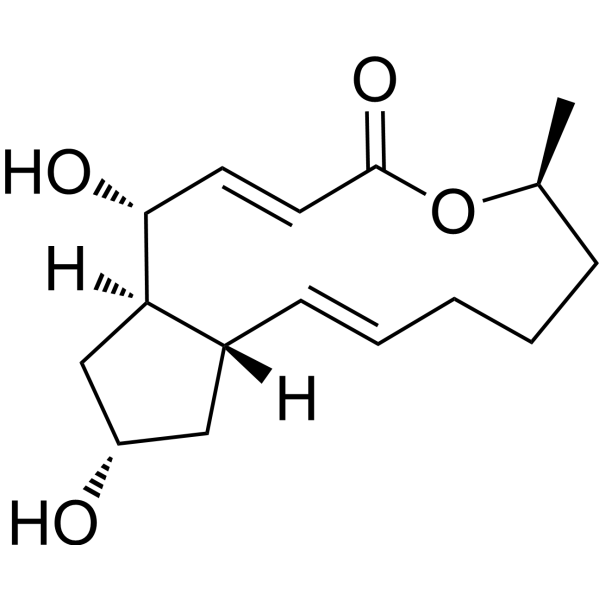
Cat. No.: HY-16592
CAS No.: 20350-15-6
Synonyms: BFA; Cyanein; Decumbin
Brefeldin A (BFA) is a lactone antibiotic and a specific inhibitor of protein trafficking. Brefeldin A blocks the transport of secreted and membrane proteins from endoplasmic reticulum to Golgi apparatus . Brefeldin A is also an autophagy and mitophagy inhibitor . Brefeldin A inhibits HSV-1 and has anti-cancer activity .
loading...
    loading...
1
1 Cited Publications
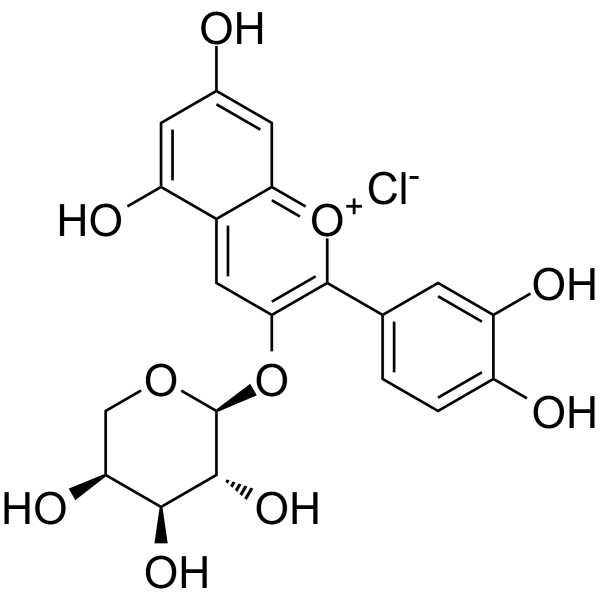
Cat. No.: HY-129139
CAS No.: 111613-04-8
Purity:  95.71%
Cyanidin-3-O-arabinoside is a p38 MAPK phosphorylation inhibitor. Cyanidin-3-O-arabinoside reduces the expression of VDAC1, inhibits mtROS accumulation, reverses cellular senescence, blocks excessive mitochondrial calcium influx, reduces the formation of mitochondria-associated endoplasmic reticulum membranes, and suppresses the VDAC1-IP3R1 interaction. Cyanidin-3-O-arabinoside activates hair follicle stem cell proliferation and improves the condition of slowed hair growth. Cyanidin-3-O-arabinoside is applicable to research related to colon cancer and androgenetic alopecia .
loading...
    loading...
1
1 Cited Publications
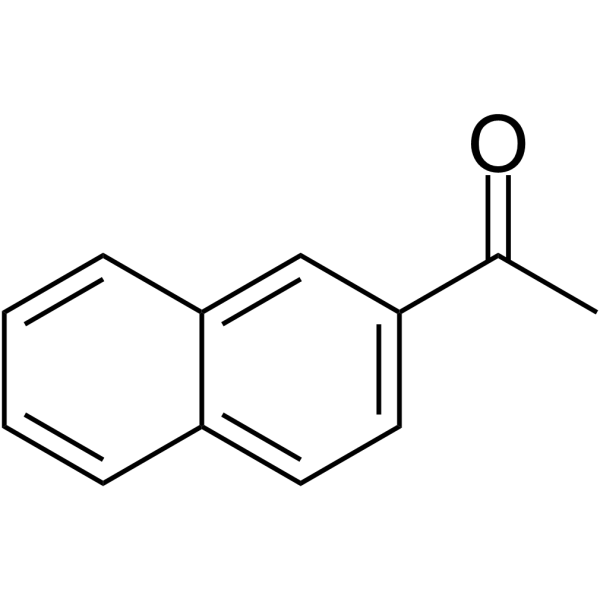
Cat. No.: HY-Y1819
CAS No.: 93-08-3
2-Acetonaphthone is a synthetic fragrance material. 2-Acetonaphthone increases ROS under UVA/sunlight, leading to endoplasmic reticulum stress and decreased mitochondrial membrane potential. 2-Acetonaphthone can be used as an adulterant in a variety of cosmetics. 2-Acetonaphthone can be used for the study of skin keratinization
loading...
    loading...
1
1 Cited Publications
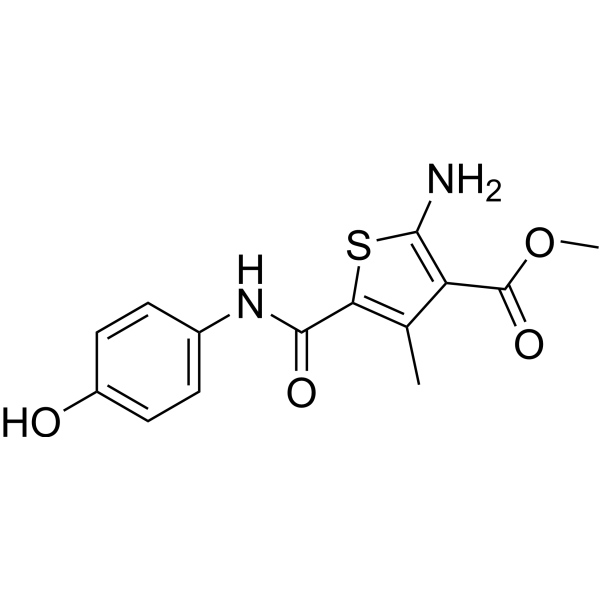
Cat. No.: HY-155539
CAS No.: 2916371-59-8
Purity:  99.17%
Research Areas:  

Inflammation/Immunology

Cisd2 agonist 2 (compound 6) is a Cisd2 activator (EC50=191 nM), and Cisd2 levels are associated with non-alcoholic fatty liver disease (NAFLD). Cisd2 agonist 2 has no significant in vivo toxicity in Cisd2hKO-het mice (heterozygous hepatocyte-specific Cisd2 knockout). Cisd2 (CDGSH iron sulfur domain 2) is a zinc finger protein that is mainly localized in the endoplasmic reticulum or mitochondrial membrane. Cisd2 participates in mitochondrial function by forming homodimers containing two redox-active 2Fe-2S clusters .
loading...
    loading...
Cat. No.: HY-D1612
CAS No.: 133867-53-5
Target:  

Fluorescent Dye

Research Areas:  

Others

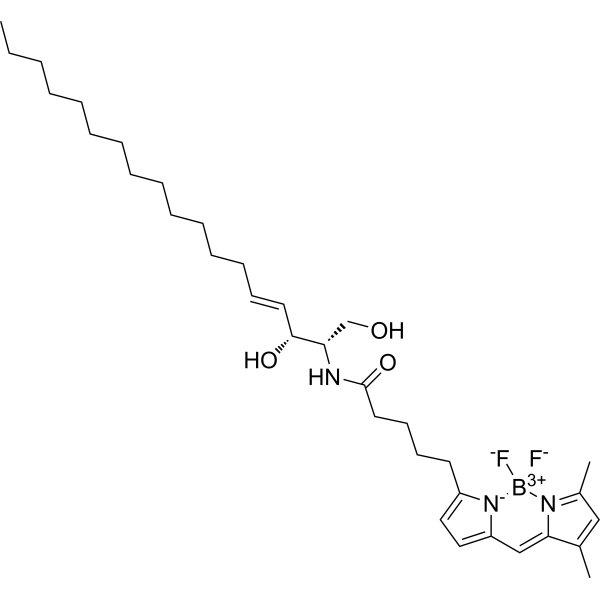
The Golgi apparatus is composed of flattened vesicles superimposed on each other by unit membranes. The flattened vesicles are round with expanded and perforated edges. The Golgi fluorescent probe is a BODIPY-labeled ceramide derivative, the synthesis of which occurs in the endoplasmic reticulum and can then be transported to the Golgi via ceramide transport protein (CERT) or vesicular translocation, allowing specific labeling of the dye . BODIPY Fl C5-Ceramide is a Golgi-specific green fluorescent dye, which can visualise individual cells . Ex/Em= 505 nm/512 nm.
loading...
    loading...
Cat. No.: HY-N16308
CAS No.: 3091879-77-2
Category:  

Lipids

Target:  

Fluorescent Dye

ER-Laurdan is a derivative of the membrane-permeable fluorescent probe Laurdan (HY-D0080) that targets the endoplasmic reticulum (ER). As a membrane fluidity reporter, ER-Laurdan specifically localizes to the ER luminal membrane, and exhibits a prominent solvatochromic response to fluidity changes caused by membrane packing and exogenous saturated fatty acid stress. ER-Laurdan shows no overlapping localization with mitochondria, enables quantitative analysis of ER membrane fluidity via generalized polarization ratio measurement, and allows automatic signal masking with the help of ER markers. With high specificity and quantitative capability, ER-Laurdan serves as an important tool for investigating metabolic disorders and associated changes in the physical properties of cell membranes .
loading...
    loading...
Cat. No.: HY-112747
CAS No.: 97281-51-1
Synonyms: LPI; PE (soy)
Target:  

Phospholipase

Research Areas:  

Infection

Soy PE (LPI) is the most abundant phospholipid in prokaryotes and the second most abundant found in the membrane of mammalian, plant, and yeast cells, comprising approximately 25% of total mammalian phospholipids. In the brain, phosphatidylethanolamine comprises almost half of the total phospholipids. It is synthesized mainly through the cytidine diphosphate-ethanolamine and phosphatidylserine decarboxylation pathways, which occur in the endoplasmic reticulum (ER) and mitochondrial membranes, respectively. It is a precursor in the synthesis of phosphatidylcholine and arachidonoyl ethanolamide and is a source of ethanolamine used in various cellular functions. In E.coli, phosphatidylethanolamine deficiency prevents proper assembly of lactose permease, suggesting a role as a lipid chaperone. It is a cofactor in the propagation of prions in vitro and can convert recombinant mammalian proteins into infectious molecules even in the absence of RNA. This product contains phosphatidylethanolamine molecular species with variable fatty acyl chain lengths at the sn-1 and sn-2 positions .
loading...
    loading...
Cat. No.: HY-W002199
CAS No.: 647-42-7
Synonyms: 6:2 FTOH; 1H,1H,2H,2H-Perfluoro-1-octanol; 2-(Perfluorohexyl)ethanol
6:2 Fluorotelomer alcohol (6:2 FTOH) is an orally active, blood-brain barrier-permeable modulator of cyclin D1 and ETS1. 6:2 Fluorotelomer alcohol downregulates cyclin D1 expression, upregulates ETS1 via the TNF-α/ERK 1/2 pathway, impairs mitochondrial membrane potential and respiratory function, increases reactive oxygen species levels, disrupts calcium homeostasis and activates endoplasmic reticulum stress markers, and induces cell proliferation inhibition and endothelial-mesenchymal transition. Furthermore, 6:2 Fluorotelomer alcohol induces morphological abnormalities in zebrafish embryos and liver developmental damage, while disrupting the brain immune microenvironment in mice, causing systemic toxicity and delayed pup maturation in CD-1 mice. 6:2 Fluorotelomer alcohol also induces cortical neuron apoptosis, glial cell activation, synaptic abnormalities, colonic barrier damage, intestinal dysbiosis and autism spectrum disorder-like symptoms in mice. 6:2 Fluorotelomer alcohol shows no mutagenic, clastogenic, primary skin/eye irritation or skin sensitizing effects, exhibits no selective reproductive toxicity in CD-1 mice, and is classified as GHS Category 4 for acute oral toxicity. 6:2 Fluorotelomer alcohol can be used in studies of neurodevelopmental disorders and autism spectrum disorders .
loading...
    loading...
Cat. No.: HY-D1735
CAS No.: 571186-05-5
Synonyms: Golgi-Red Tracke
Target:  

Fluorescent Dye

Research Areas:  

Others

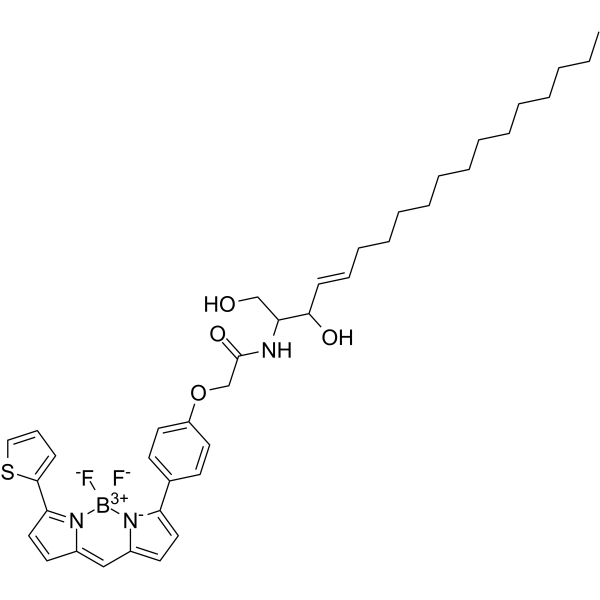
The Golgi apparatus is composed of flattened vesicles superimposed on each other by unit membranes. The flattened vesicles are round with expanded and perforated edges. The Golgi fluorescent probe is a BODIPY-labeled ceramide derivative, the synthesis of which occurs in the endoplasmic reticulum and can then be transported to the Golgi via ceramide transport protein (CERT) or vesicular translocation, allowing specific labeling of the dye. BODIPY TR Ceramide (Golgi-Red Tracke) is a Golgi-specific fluorescent dye, which can visualise individual cells . Ex/Em=589 nm/616 nm.
loading...
    loading...
Cat. No.: HY-142117
CAS No.: 149091-92-9
Research Areas:  

Others

Adenophostin A is an IP3 receptor (inositol 1,4,5-trisphosphate receptors) modulator and Ca 2+ releaser, with an IC50 of 1.3 nM, an EC50 of 1.4 nM, and a Ki of 0.18 nM in rats, and an IC50 of 0.95 nM in humans. Adenophostin A activates IP3 receptors, stimulates Ca 2+ release from intracellular stores and microsomes, inhibits the binding of [ 3H]IP3 to plasma membrane receptors, and activates chloride channels. Adenophostin A resists phosphorylation and dephosphorylation by IP3 metabolic enzymes to maintain its activity, and increases cytoplasmic [Ca 2+] levels via calcium mobilization from the endoplasmic reticulum of vascular smooth muscle cells. Adenophostin A is applicable to research related to hemorrhagic shock .
loading...
    loading...
Cat. No.: HY-P2040
CAS No.: 118399-22-7
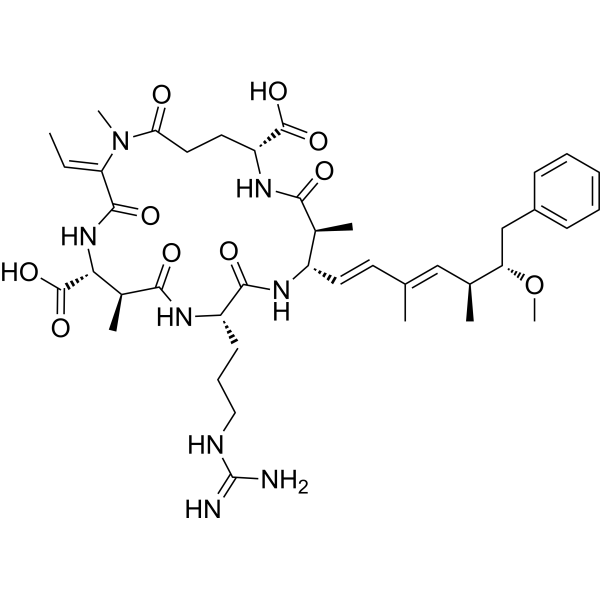
Nodularin is a hepatotoxin, tumor promoter, and protein phosphatase inhibitor. Nodularin induces apoptosis (apoptosis) in normal cells (including caspase activation, upregulation of Bcl-XS, and upregulation of BAX/P53), triggers hyperphosphorylation of the MAPK/ERK, mTOR/S6K and p38 MAPK signaling pathways, and induces oxidative stress, endoplasmic reticulum membrane instability, peroxisome proliferation and increased lysosomal enzyme activity. Nodularin promotes DEN (HY-N7434)-initiated hepatocyte proliferation and adenoma formation, and inhibits proliferation, phagocytosis and chemotaxis of normal lymphocytes, oocyte maturation and vitellogenesis, as well as angiogenesis. Nodularin exhibits hepatotoxicity, reproductive and endocrine toxicity, and embryonic developmental toxicity in various animal models. Nodularin can be used in studies related to liver cancer, hepatotoxicity and reproductive endocrine toxicity .
loading...
    loading...
Cat. No.: HY-E70229
CAS No.: 329967-85-3
Synonyms: COX-1
Target:  

Endogenous Metabolite

Research Areas:  

Metabolic Disease

Cyclooxygenase 1, sheep (COX-1) is a 71 kDa membrane bound protein predominantly present in endoplasmic reticulum. Cyclooxygenase 1 has three domains, the epidermal growth factor (EGF) like domain, enzymatic and membrane binding domain. Cyclooxygenase 1 mediates prostaglandin synthesis and is modulated by anti-inflammatory nonsteroidal drugs .
loading...
    loading...
Cat. No.: HY-D2320
CAS No.: 2334078-37-2
ER Flipper-TR 28 is a flipper probe with a small molecule fluorophore that can image membrane tension in the endoplasmic reticulum (ER). ER Flipper-TR 28 bears a pentafluorophenyl group and also reacts with protein thiolate on the ER surface facing the cytoplasm .
loading...
    loading...
Cat. No.: HY-W014937
CAS No.: 1137-42-4
Synonyms: 4HBP
4‑Hydroxybenzophenone (4HBP) is a major metabolite of Benzophenone (HY-Y0546) and is orally active. 4-Hydroxybenzophenone triggers endoplasmic reticulum stress and activates the PERK-eIF2α-ATF4-CHOP and IRE1α-XBP1s pathways, and inhibits IκB translation. 4-Hydroxybenzophenone induces endoplasmic reticulum stress, unfolded protein response activation, protein homeostasis imbalance, protein aggregation, oxidative stress, ROS accumulation, mitochondrial membrane potential decrease, ATP depletion, and cytotoxicity. 4-Hydroxybenzophenone induces neural stem cell apoptosis (apoptosis) and affects neuronal differentiation. 4-Hydroxybenzophenone promotes malignant proliferation of hepatocellular carcinoma cells and xenograft tumor growth in nude mice. 4-Hydroxybenzophenone can be used in research related to neurodevelopmental toxicity and hepatocellular carcinoma .
loading...
    loading...
Cat. No.: HY-79602
CAS No.: 70-55-3
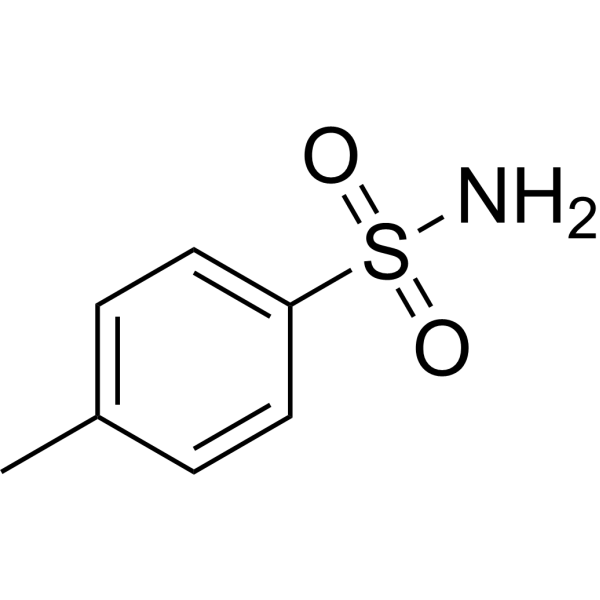
p-Toluenesulfonamide is a small-molecule anticancer agent and plasticizer. p-Toluenesulfonamide exerts antitumor activity by inducing lysosomal membrane permeabilization, cathepsin B release and lysosome-mediated cell death. p-Toluenesulfonamide modulates cholesterol distribution in lipid rafts of tumor cell membranes and the Akt/mTOR/p70S6K pathway. p-Toluenesulfonamide shows activity against various cancers including hepatocellular carcinoma, non-small cell lung cancer and tongue squamous cell carcinoma; intrapleural injection effectively reduces malignant pleural effusion without causing pleural adhesion. p-Toluenesulfonamide is also the main degradation product of the disinfectant Chloramine-T (HY-B0959) in water. p-Toluenesulfonamide facilitates the localization of fluorescent probes to the endoplasmic reticulum. p-Toluenesulfonamide can be used in cancer-related research .
loading...
    loading...
Cat. No.: HY-N1989
CAS No.: 11028-00-5
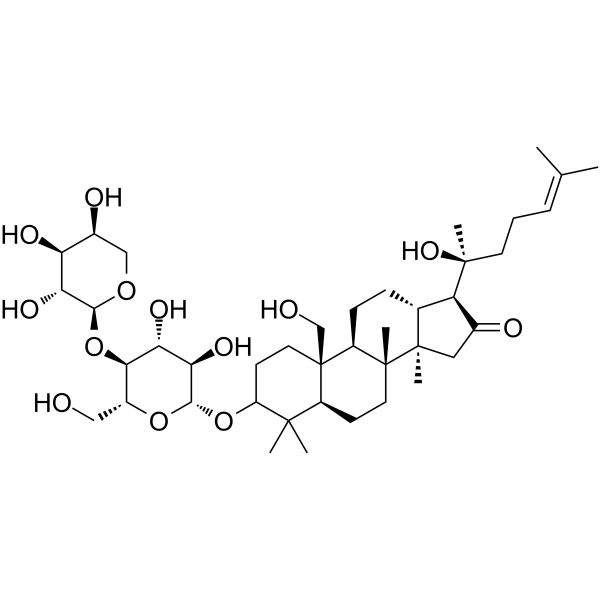
Bacoside A is an orally active, blood-brain barrier-permeable triterpenoid saponin that modulates the activities of ATPases, AChE, CaMK2A and iNOS. Derived from Bacopa monniera. Bacoside A exerts significant antioxidant, anti-inflammatory and anti-apoptotic effects by maintaining ion balance, scavenging reactive oxygen species, stabilizing cell membranes, and regulating the expression of NF-κB and apoptosis-related proteins. Bacoside A counteracts morphine-induced reductions in Na +/K +-ATPase, Ca 2+-ATPase and Mg 2+-ATPase activities, increases mitochondrial membrane potential, and decreases intracellular reactive oxygen species levels. Bacoside A specifically binds to calcium/calmodulin-dependent protein kinase IIA to trigger endoplasmic reticulum calcium release. Bacoside A exhibits non-apoptotic cytotoxicity against glioblastoma cells while protecting normal nerve cells from stress-induced damage. Bacoside A is applicable to the research of Parkinson's disease and glioblastoma multiforme .
loading...
    loading...
Cat. No.: HY-16592R
CAS No.: 20350-15-6
Synonyms: BFA (Standard); Cyanein (Standard); Decumbin (Standard)
Brefeldin A (Standard) (BFA (Standard)) is the analytical standard of Rutin. This product is intended for research and analytical applications. Brefeldin A (BFA) is a lactone antibiotic and a specific inhibitor of protein trafficking. Brefeldin A blocks the transport of secreted and membrane proteins from endoplasmic reticulum to Golgi apparatus. Brefeldin A is also an autophagy and mitophagy inhibitor. Brefeldin A inhibits HSV-1 and has anti-cancer activity.
loading...
    loading...
Cat. No.: HY-164634
CAS No.: 215098-90-1
CLIK-148 is a highly selective, irreversible and orally active cysteine protease inhibitor, primarily targeting Cathepsin L. CLIK-148 effectively inhibits the Cathepsin L-dependent degradation of HMG-CoA reductase in the endoplasmic reticulum (ER) membrane. CLIK-148 inhibits the processing of proCCK by Cathepsin L, thereby reducing the production of CCK8 (HY-P0093). CLIK-148 inhibits the degradation of type I collagen by osteoclasts' secreted Cathepsin L, reducing tumor-induced bone metastasis and malignant hypercalcemia. CLIK-148 can be used for the studies of bone metabolism disorders and regulation of neuropeptide processing .
loading...
    loading...
Cat. No.: HY-136213
CAS No.: 1404104-40-0
Purity:  99.63%
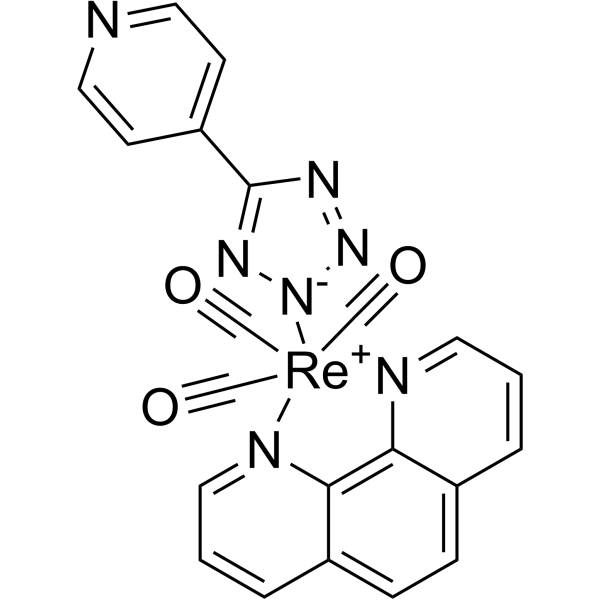
Endoplasmic reticulum dye 1 is a rhenium (I)-based luminescent, membrane-permeable cell imaging reagent with low cytotoxicity, photobleaching resistance, and suitability for multicolor imaging. Endoplasmic reticulum dye 1 localizes to the nuclear membrane, endoplasmic reticulum, and nucleoplasmic reticulum in live cells. Endoplasmic reticulum dye 1 enables detection of exocytosis events, dynamic changes in nuclear membrane-derived phagosomes, and vesicle trafficking processes .
loading...
    loading...
Cat. No.: HY-W014937S1
CAS No.: 76478-47-2
Synonyms: 4HBP-d5
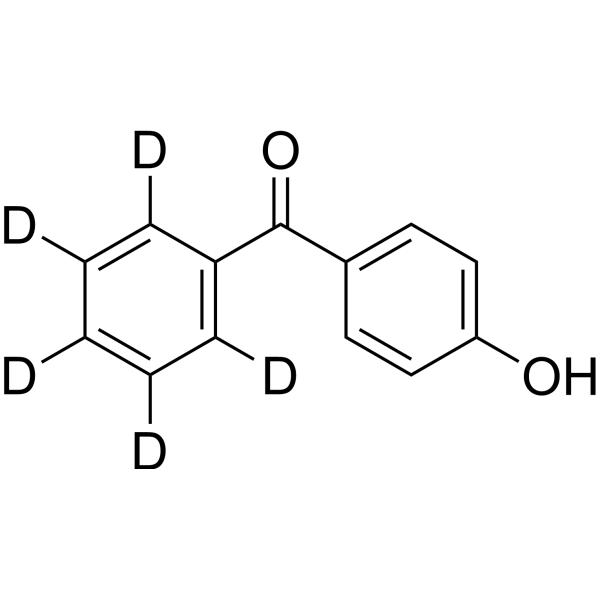
4-Hydroxybenzophenone-d5 (4HBP-d5) is the deuterated-labeled 4-Hydroxybenzophenone (HY-W014937). 4‑Hydroxybenzophenone (4HBP) is a major metabolite of Benzophenone (HY-Y0546) and is orally active. 4-Hydroxybenzophenone triggers endoplasmic reticulum stress and activates the PERK-eIF2α-ATF4-CHOP and IRE1α-XBP1s pathways, and inhibits IκB translation. 4-Hydroxybenzophenone induces endoplasmic reticulum stress, unfolded protein response activation, protein homeostasis imbalance, protein aggregation, oxidative stress, ROS accumulation, mitochondrial membrane potential decrease, ATP depletion, and cytotoxicity. 4-Hydroxybenzophenone induces neural stem cell apoptosis (apoptosis) and affects neuronal differentiation. 4-Hydroxybenzophenone promotes malignant proliferation of hepatocellular carcinoma cells and xenograft tumor growth in nude mice. 4-Hydroxybenzophenone can be used in research related to neurodevelopmental toxicity and hepatocellular carcinoma .
loading...
    loading...

