1. Search Result
Search Result
Results for "

enzymatic assays

" in MedChemExpress (MCE) Product Catalog:

56

Inhibitors & Agonists

9

Fluorescent Dyes

3

Biochemical Assay Reagents

4

Peptides

1

MCE Kits

1

Natural
Products

Cat. No. Product Name Target Research Areas Chemical Structure
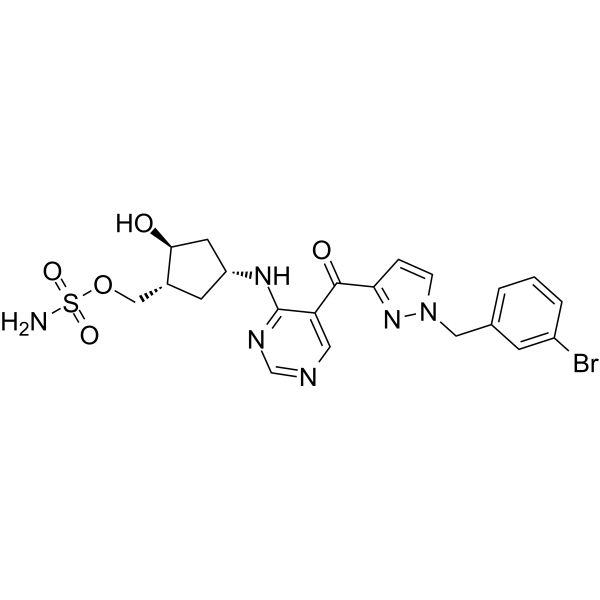
  • HY-108702
    ML-792
    Maximum Cited Publications
    35 Publications Verification

    E1/E2/E3 Enzyme Cancer
    ML-792 is a potent and selective inhibitor of SAE/SUMO1 and SAE/SUMO2 in enzymatic assays (IC50 values of 3 and 11 nM, respectively) compared with NAE/NEDD8 and UAE/ubiquitin (IC50> values of 32 μM and >100 μM, respectively) .
    ML-792
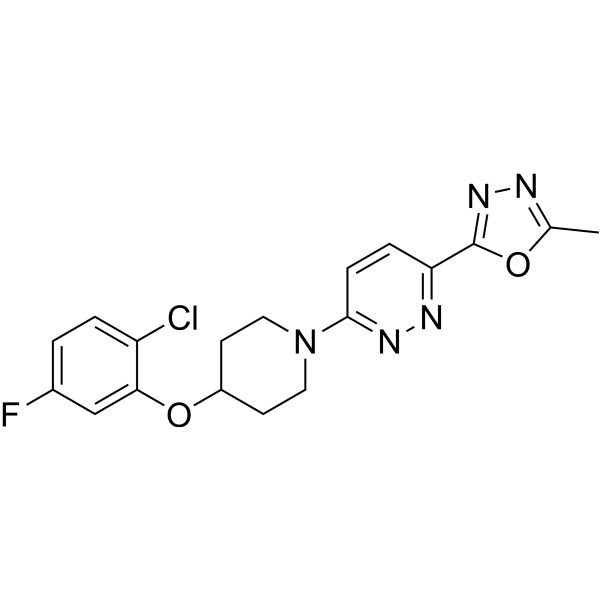
  • HY-15823
    CAY10566
    15+ Cited Publications

    Stearoyl-CoA Desaturase (SCD) Cancer
    CAY10566 is a potent, orally bioavailable and selective stearoyl-CoA desaturase1 (SCD1) inhibitor with IC50s of 4.5 and 26 nM in mouse and human enzymatic assays, respectively. CAY10566 also shows excellent cellular activity in blocking the conversion of saturated long-chain fatty acid-CoAs (LCFA-CoAs) to monounsaturated LCFA-CoAs in HepG2 cells (IC50=7.9 nM or 6.8 nM) .
    CAY10566
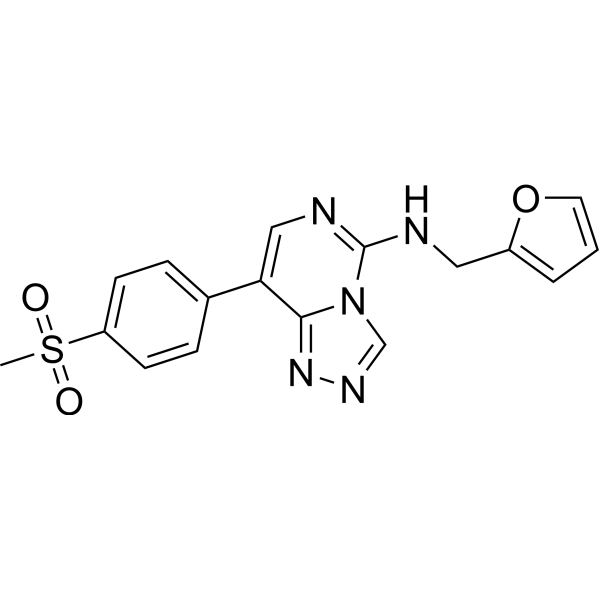
  • HY-114778
    Fluzoparib
    4 Publications Verification

    SHR3162; Fuzuloparib

    PARP Cancer
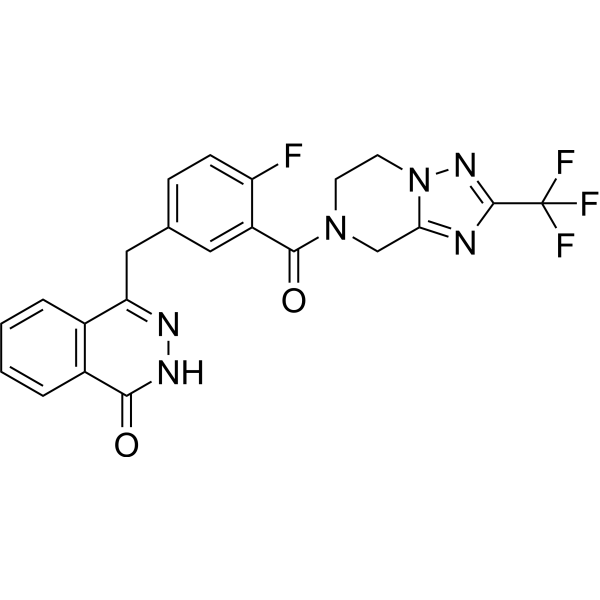
    Fluzoparib (SHR3162) is a potent and orally active PARP1 inhibitor (IC50=1.46±0.72 nM, a cell-free enzymatic assay) with superior antitumor activity. Fluzoparib selectively inhibits the proliferation of homologous recombination repair (HR)-deficient cells, and sensitizes both HR-deficient and HR-proficient cells to cytotoxic agents. Fluzoparib exhibits good pharmacokinetic properties in vivo and can be used for BRCA1/2-mutant relapsed ovarian cancer research .
    Fluzoparib
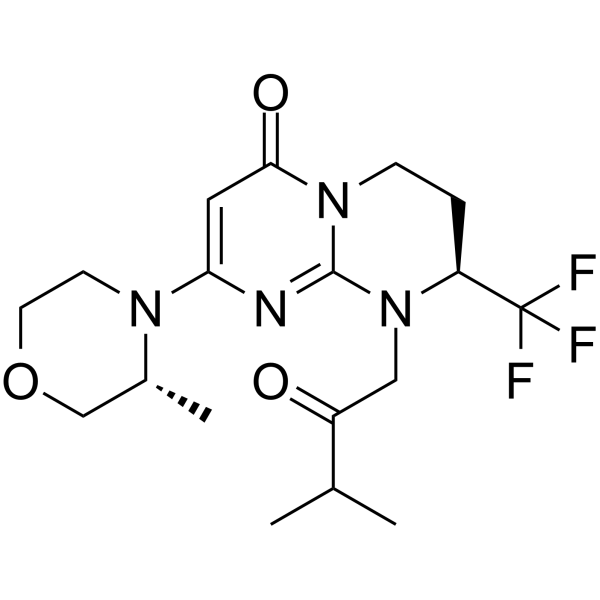
  • HY-101117
    EED226
    10+ Cited Publications

    Histone Methyltransferase Cancer
    EED226 is a polycomb repressive complex 2 (PRC2) inhibitor, which binds to the K27me3-pocket on embryonic ectoderm development (EED) and shows strong antitumor activity in xenograft mice model . EED226 is a potent, selective, and orally bioavailable EED inhibitor . EED226 inhibits PRC2 with an IC50 of 23.4 nM when the H3K27me0 peptide is used as a substrate in the in vitro enzymatic assays .
    EED226
  • HY-131498

    Mca-Pro-Leu-Gly-Leu-Dpa-Ala-Arg-NH2

    Fluorescent Dye MMP Cancer
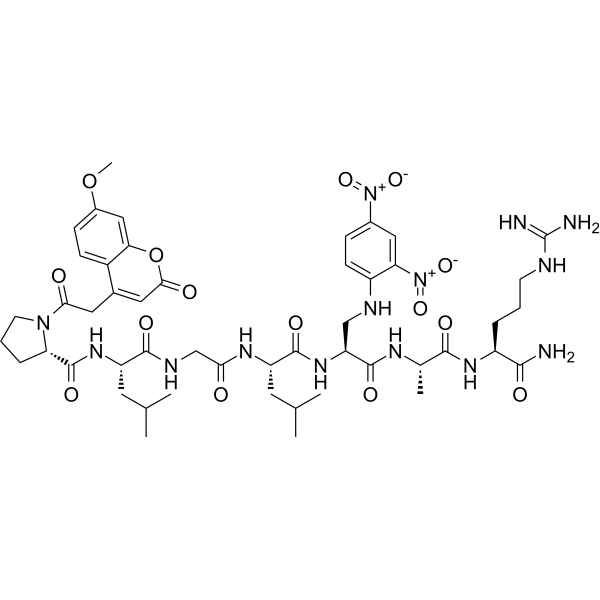
    MOCAc-PLGL (Dpa) AR (Mca-Pro-Leu-Gly-Leu-Dpa-Ala-Arg-NH2) is a synthetic fluorescent substrate mainly used for in vitro enzymatic activity assays of MMP-7 (detection at 393 nm after excitation at 328 nm). MOCAc-PLGL (Dpa) AR is specifically cleaved and hydrolyzed by MMP-7 at the Gly-Leu peptide bond, allowing enzymatic activity to be monitored via fluorometry or HPLC (DMSO is usually added to ensure sufficient dissolution when determining kinetic parameters). MOCAc-PLGL (Dpa) AR is used to accurately evaluate the catalytic activity and pH dependence of recombinant mature human MMP-7 in vitro. MOCAc-PLGL (Dpa) AR is suitable for research on the mechanisms of tumor metastasis and invasion, particularly in fields such as prostate cancer, colon cancer, lung cancer and breast cancer .\n
    MOCAc-PLGL(Dpa)AR
  • HY-137742

    ULK Autophagy Cancer
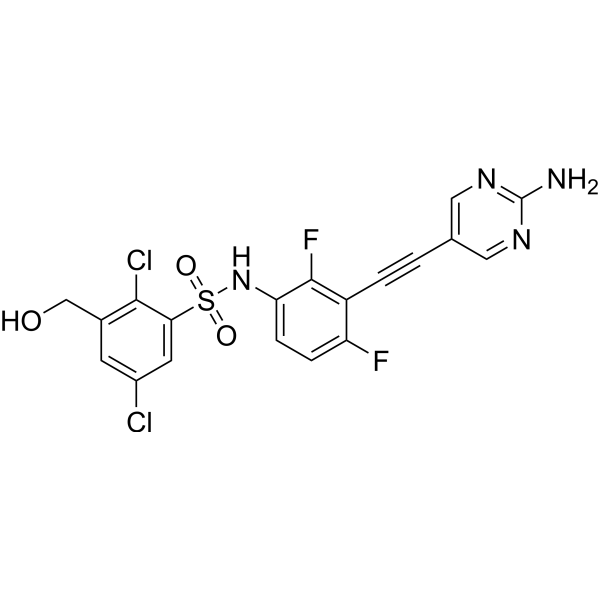
    SBP-7455 is a potent, high affinity and orally active dual ULK1/ULK2 autophagy inhibitor with IC50s of 13 nM and 476 nM in the ADP-Glo assays, respectively. SBP-7455 potently inhibits ULK1/2 enzymatic activity and can be used for triple-negative breast cancer (TNBC) research .
    SBP-7455
  • HY-130240
    GCN2-IN-6
    3 Publications Verification

    Eukaryotic Initiation Factor (eIF) Cancer
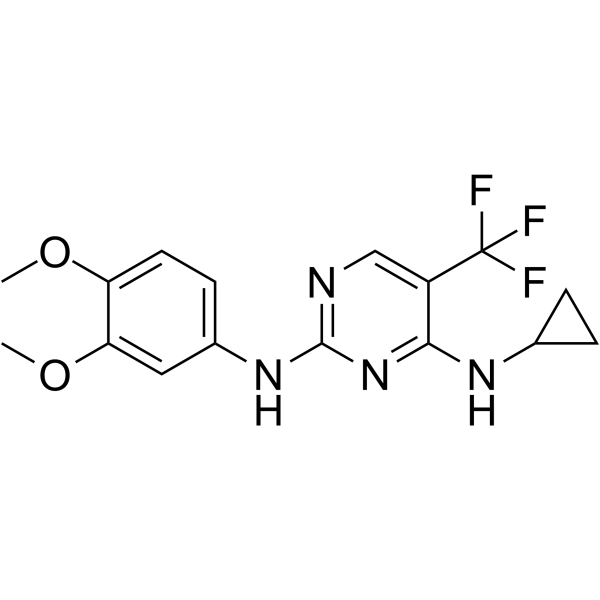
    GCN2-IN-6 (Compound 6d) is a potent, and orally available GCN2 inhibitor confirmed by in-house enzymatic (IC50 of 1.8 nM) and cellular assays (IC50 of 9.3 nM). GCN2-IN-6 is also a eIF2α kinase PERK inhibitor with an IC50 of 0.26 nM (in enzymatic assay) and 230 nM (in cells) . GCN2-IN-6 is a click chemistry reagent, it contains an Alkyne group and can undergo copper-catalyzed azide-alkyne cycloaddition (CuAAc) with molecules containing Azide groups.
    GCN2-IN-6
  • HY-13297
    PYZD-4409
    2 Publications Verification

    E1/E2/E3 Enzyme Cancer
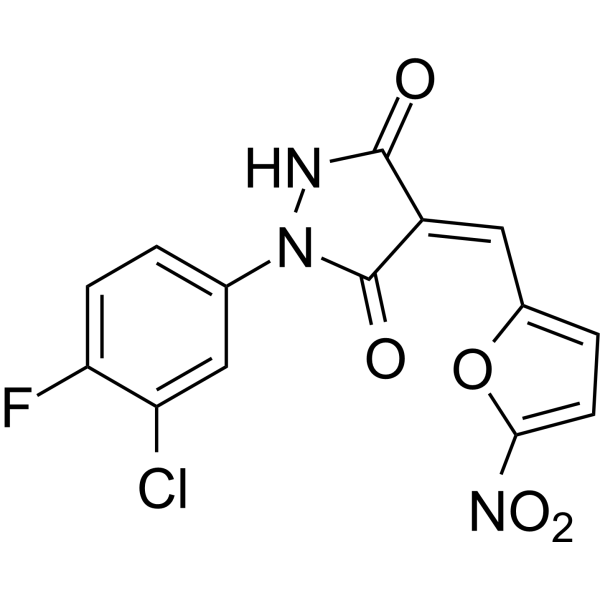
    PYZD-4409 is a specific inhibitor of the ubiquitin-activating enzyme UBA1 with an IC50 of 20 μM (cell-free enzymatic assay). PYZD-4409 induces cell death in malignant cells and preferentially inhibits the clonogenic growth of primary acute myeloid leukemia cells .
    PYZD-4409
  • HY-146248B

    Poly(ADP-ribose) Glycohydrolase (PARG) SARS-CoV Protease Activated Receptor (PAR) Metabolic Disease
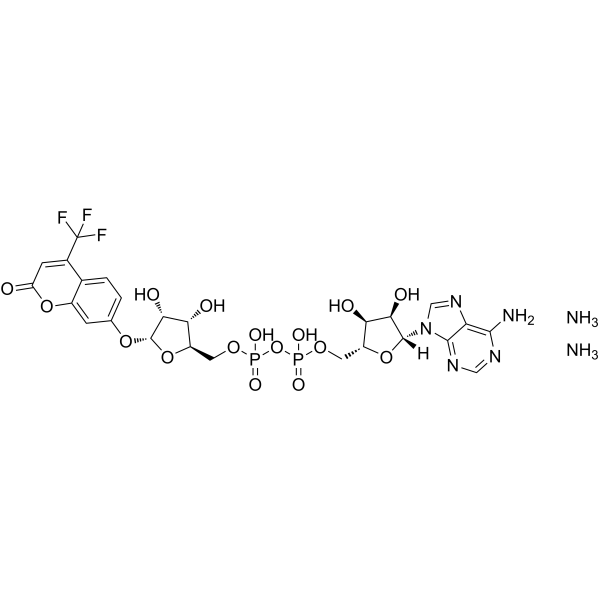
    TFMU-ADPr diammonium is a selective reporter substrate of SARS-CoV-2 Macro1 (IC50=0.59 μM), with an excitation wavelength (λEx) of 385 nm, and an emission wavelength (λEm) of 502 nm (or 495 nm). TFMU-ADPr diammonium can also undergo enzymatic hydrolysis with Poly(ADP-ribose) Glycohydrolase (PARG) sourced from human, Tetrahymena thermophila and ADP-ribosylhydrolase 3 from human to release fluorophores, thereby directly reporting total poly (ADP-ribose) hydrolase activity. TFMU-ADPr diammonium binds to the ADPr-binding site of SARS-CoV-2 Macro1, and its TFMU moiety inserts into the narrow hydrophobic groove of this protein. TFMU-ADPr diammonium can thus be used to evaluate small-molecule inhibitors targeting PAR hydrolases under in vitro conditions, to investigate the regulatory mechanisms of ADP-ribosyl catabolic enzymes, or to detect PAR hydrolase activity in whole-cell lysate assays. TFMU-ADPr diammonium is also applicable to COVID-19-related research .
    TFMU-ADPr diammonium
  • HY-112261
    CDK12-IN-3
    1 Publications Verification

    CDK Cancer
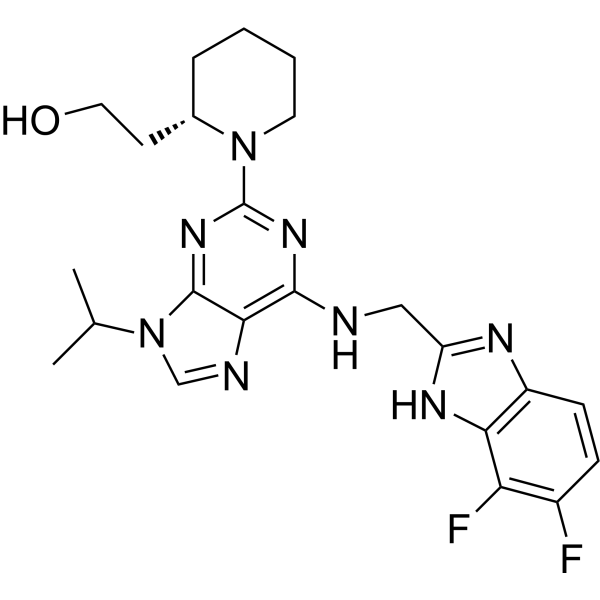
    CDK12-IN-3 is a potent and selective CDK12 inhibitor with an IC50 of 491 nM in enzymatic assay.
    CDK12-IN-3
  • HY-124346
    T-3364366
    1 Publications Verification

    Stearoyl-CoA Desaturase (SCD) Metabolic Disease
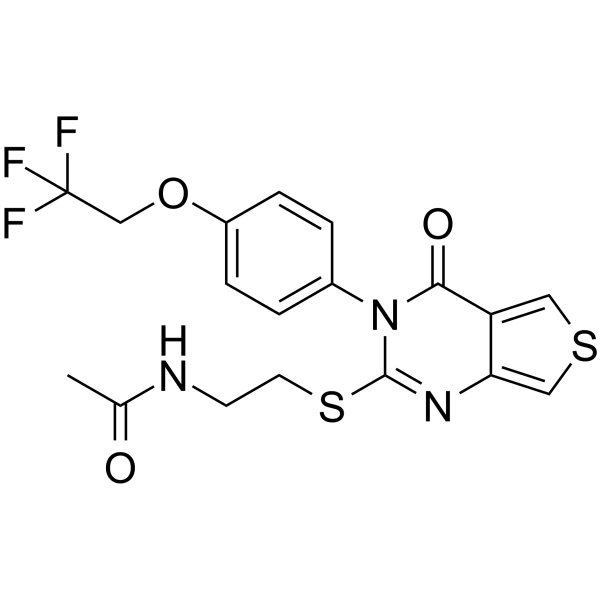
    T-3364366 is a reversible, slow-binding, thienopyrimidinone delta-5 desaturase (D5D) inhibitor with IC50s of 1.9 nM and 2.1 nM in HepG2 and RLN-10 cells, respectively. T-3364366 exhibits potent D5D (IC500=19 nM) inhibitory activity and excellent selectivity away from delta-6 desaturase (D6D, IC50=6200 nM) and delta-9 desaturase (stearoyl-CoA desaturase, SCD,50 >10000 nM) in the enzymatic activity assay .
    T-3364366
  • HY-P2237
    Boc-Leu-Gly-Arg-AMC
    1 Publications Verification

    Amino Acid Derivatives Endocrinology
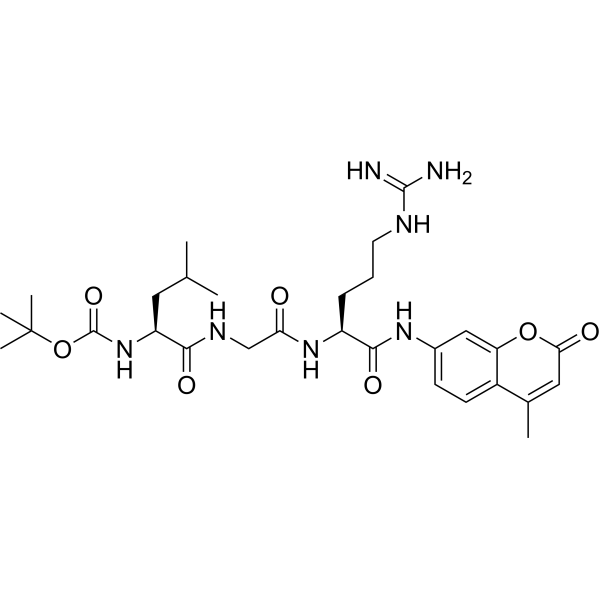
    Boc-Leu-Gly-Arg-AMC is a fluorogenic AMC substrate for the convertases. Boc-Leu-Gly-Arg-AMC can be used in enzymatic assays .
    Boc-Leu-Gly-Arg-AMC
  • HY-124825

    Aminotransferases (Transaminases) Cancer
    iGOT1-01 is a potent aspartate aminotransferase 1 (glutamate oxaloacetate transaminase 1; GOT1) inhibitor. iGOT1-01 has IC50s of 85 μM and 11.3 μM in MDH coupled GOT1 enzymatic assay and GOT1/GLOX/HRP assay, respectively. iGOT1-01 has anti-cancer activity .
    iGOT1-01
  • HY-12473
    Vps34-IN-2
    5+ Cited Publications

    PI3K SARS-CoV Cancer
    Vps34-IN-2 is a novel, potent and selective inhibitor of Vps34 with IC50s of 2 and 82 nM on the Vps34 enzymatic assay and the GFP-FYVE cellular assay, respectively . Vps34-IN-2 shows antiviral activity against SARS-CoV-2 (IC50 of 3.1 μM), HCoV-229E (IC50 of 0.7 μM) and HCoV-OC43 .
    Vps34-IN-2
  • HY-157403
    Jun12682
    1 Publications Verification

    Virus Protease SARS-CoV Infection
    Jun12682 is an orally active SARS-CoV-2 papain-like protease (PL pro) inhibitor, with a Ki value of 37.7 nM and an EC50 value of 1.1 μM in the FlipGFP PL pro assay. Jun12682 has efficacy in hindering PL pro both deubiquitination and deISGylation, with Ki values of 63.5 and 38.5 nM, respectively. Jun12682 exhibits resistance in multiple PL pro mutant strains, and its enzymatic activity is comparable to that of the wild-type. Jun12682 can be used for the study of the SARS-CoV-2 .
    Jun12682
  • HY-146248

    SARS-CoV Poly(ADP-ribose) Glycohydrolase (PARG) Protease Activated Receptor (PAR) Infection
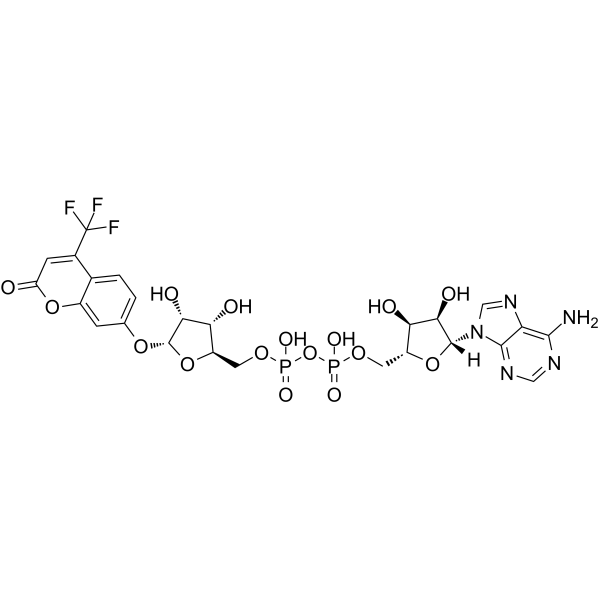
    TFMU-ADPr is a selective reporter substrate of SARS-CoV-2 Macro1 (IC50=0.59 μM), with an excitation wavelength (λEx) of 385 nm, and an emission wavelength (λEm) of 502 nm (or 495 nm). TFMU-ADPr can also undergo enzymatic hydrolysis with Poly(ADP-ribose) Glycohydrolase (PARG) sourced from human, Tetrahymena thermophila and ADP-ribosylhydrolase 3 from human to release fluorophores, thereby directly reporting total poly (ADP-ribose) hydrolase activity. TFMU-ADPr binds to the ADPr-binding site of SARS-CoV-2 Macro1, and its TFMU moiety inserts into the narrow hydrophobic groove of this protein. TFMU-ADPr can thus be used to evaluate small-molecule inhibitors targeting PAR hydrolases under in vitro conditions, to investigate the regulatory mechanisms of ADP-ribosyl catabolic enzymes, or to detect PAR hydrolase activity in whole-cell lysate assays. TFMU-ADPr is also applicable to COVID-19-related research .
    TFMU-ADPr
  • HY-D1022A

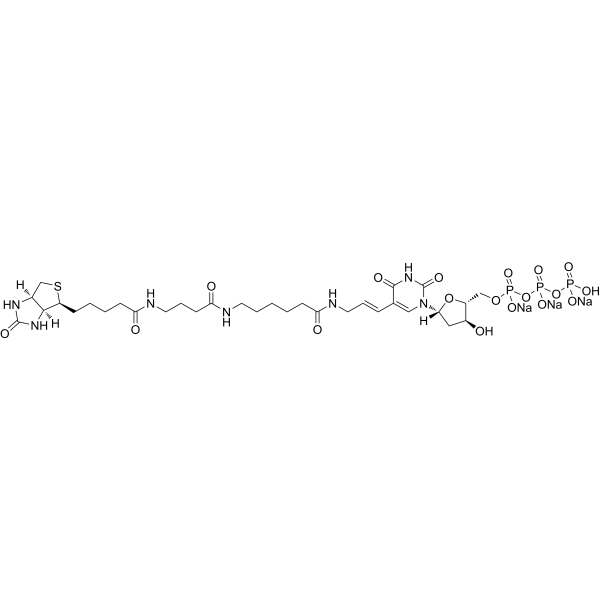
    Biotin-16-deoxyuridine-5'-triphosphate trisodium

    DNA Stain Others
    Biotin-16- dUTP (Biotin-16-deoxyuridine-5'-triphosphate) trisodium can be used to replace its natural counterpart dTTP by enzymatically incorporating it into DNA/cDNA. Biotin-16- dUTP trisodium can be used to produce biotinylated DNA probes in a variety of assay applications .
    Biotin-16-dUTP trisodium
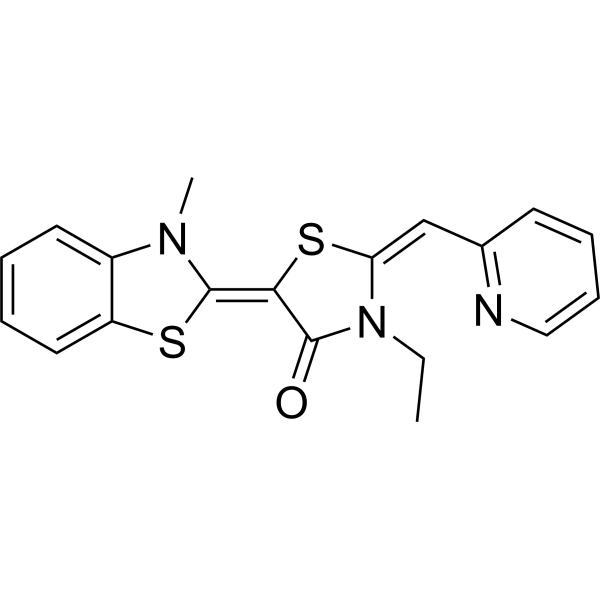
  • HY-139144

    Sirtuin HSP Neurological Disease Cancer
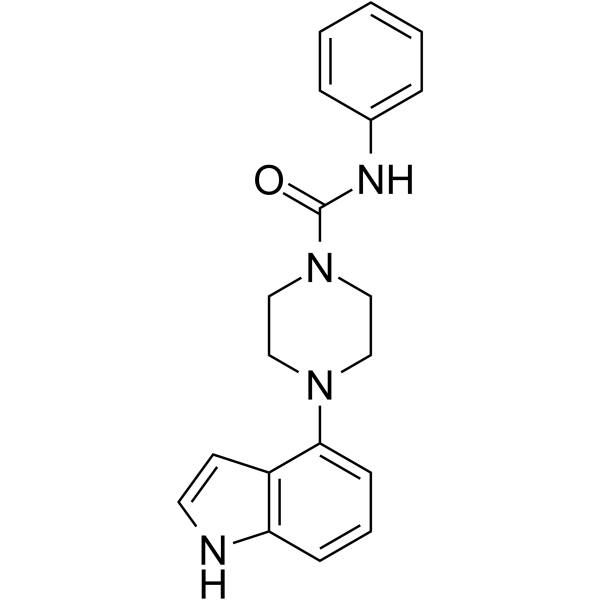
    YM-08 (Compounds 7a) is a brain-penetrant inhibitors of SIRT2,with the IC50 of 19.9 μM. YM-08 also is inhibitor of Hsp70 .
    YM-08
  • HY-P5485

    Bacterial Others
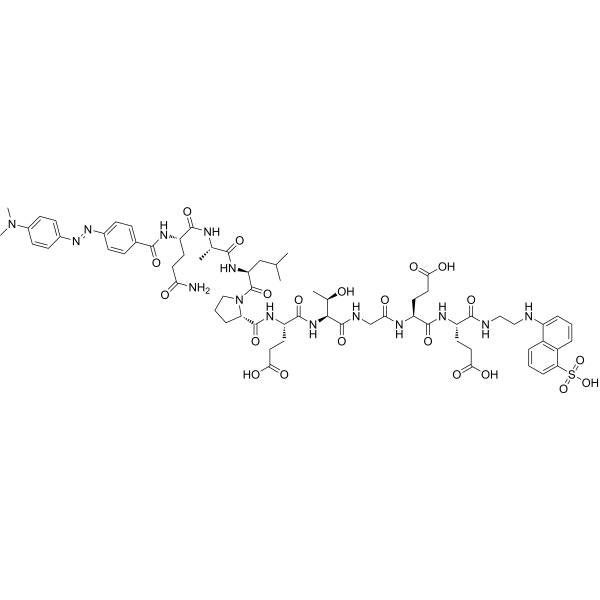
    Dabcyl-QALPETGEE-Edans is a synthetic peptide substrate for fluorescence resonance energy transfer (FRET) detection of Sortase A (SrtA) enzymatic activity. Dabcyl-QALPETGEE-Edans is labeled at both ends with the fluorescent group Edans (donor) and the quencher Dabcyl (acceptor), respectively. Dabcyl-QALPETGEE-Edans's central sequence contains a conserved motif specifically recognized by SrtA. Dabcyl-QALPETGEE-Edans demonstrates high sensitivity in vitro assays, enabling precise determination of the half-maximal inhibitory concentration of SrtA .
    Dabcyl-QALPETGEE-Edans
  • HY-D1812

    VF 488-dUTP

    Fluorescent Dye Others
    Vari Fluor 488-dUTP (VF 488-dUTP) can replace its natural counterpart, dTTP, by enzymatic incorporation into DNA/cDNA. Vari Fluor 555-dUTP can be used to produce biotinylated DNA probes in a variety of assay applications .
    Vari Fluor 488-dUTP
  • HY-117724

    PAI-1 Cardiovascular Disease
    AZ3976 is a potent plasminogen activator inhibitor type 1 (PAI-1) inhibitor with an IC50 value of 26 μM in an enzymatic chromogenic assay. AZ3976 is active with an IC50 of 16 μM in a plasma clot lysis assay. AZ3976 does not bind to active PAI-1 but bound reversibly to latent PAI-1. AZ3976 inhibits PAI-1 by enhancing the latency transition of active PAI-1. AZ3976 displays profibrinolytic activities in a human plasma clot lysis assay .
    AZ3976
  • HY-D1022

    Biotin-16-deoxyuridine-5'-triphosphate

    Fluorescent Dye Others
    Biotin-16-dUTP (Biotin-16-deoxyuridine-5'-triphosphate) can be used to replace its natural counterpart dTTP by enzymatically incorporating it into DNA/cDNA. Biotin-16- dUTP can be used to produce biotinylated DNA probes in a variety of assay applications .
    Biotin-16-dUTP
  • HY-E70410

    NAD+ Synthetase; Nicotinamide adenine dinucleotide synthetase

    Endogenous Metabolite Neurological Disease Metabolic Disease Cancer
    NAD synthetase is responsible for the final step in the synthesis of nicotinamide adenine dinucleotide (NAD). The Km values for NAD, ATP, and ammonia of NAD synthetase from Escherichia coli are 200 μM, 11 μM, and 0.65 μM, respectively, while the Km values for NAD, ATP, and ammonia of NAD synthetase from yeast are 170 μM, 190 μM, and 64 μM, respectively. NAD synthetase can be used for enzymatic assays to determine ATP, ammonia, urea, or creatinine, and is also suitable for enzymatic cycling methods. Additionally, NAD synthetase holds potential for research into metabolic diseases, cancer, aging, and neurodegenerative diseases .
    NAD Synthetase
  • HY-130767A

    Biochemical Assay Reagents Cancer
    Naphthol AS-TR Phosphate disodium is a water-soluble dye commonly used as an enzymatic substrate in various biochemical assays to detect alkaline phosphatase activity. Naphthol AS-TR Phosphate disodium has unique chemical properties that allow it to be hydrolyzed by alkaline phosphatase, forming a colored product that can be detected spectrophotometrically. This makes it a useful tool for monitoring enzyme activity in biological samples such as serum or urine.
    Naphthol AS-TR phosphate disodium
  • HY-160841

    DNA Stain DNA/RNA Synthesis Others
    Biotin-16-dCTP is a biotinylated deoxycytidine triphosphate that serves as an important DNA labeling substrate. Biotin-16-dCTP can be enzymatically incorporated into the 3' end of DNA probes via terminal deoxynucleotidyl transferase, forming a 1-3 nucleotide-long tail to achieve biotinylation of the probes. Biotin-16-dCTP enhances chemiluminescent detection of low-abundance targets such as specific tRNA isoacceptors through Northern blotting. Biotin-16-dCTP can also replace conventional dCTP to be integrated into single-stranded DNA generated by asymmetric polymerase chain reaction, which is applicable for bioconjugation or pull-down assays. Repeated freeze-thaw cycles of Biotin-16-dCTP should be avoided to prevent degradation of its function for probe biotinylation .
    Biotin-16-dCTP
  • HY-125209A

    Apoptosis PARP DNA/RNA Synthesis Cancer
    TH5427 hydrochloride is a NUDT5 inhibitor with a human target IC50 of 29 nM, ~690-fold selectivity over MTH1 in vitro, and selective functional inhibition over other NUDIX hydrolases including NUDT9 .TH5427 hydrochloride binds to the active site of NUDT5, blocking enzymatic activity related to ADP-ribose metabolism and PAR-derived ATP synthesis .TH5427 hydrochloride blocks progestin-dependent nuclear ATP synthesis, impairs progestin-induced chromatin remodeling, inhibits histone H1 displacement, disrupts progestin-dependent gene regulation, and abrogates progestin-dependent proliferation in breast cancer cells .TH5427 hydrochloride functions as a versatile probe to study nuclear ATP dynamics and ADP-ribose-related metabolism in cells .TH5427 hydrochloride engages NUDT5 at physiological temperatures, as demonstrated by Drug Affinity Responsive Target Stability (DARTS) assay .TH5427 hydrochloride stabilizes NUDT5 against thermal denaturation in cell lysates and intact cells, as shown by cellular thermal shift assay (CETSA) .TH5427 hydrochloride functionally inhibits NUDT5 activity, leading to downstream effects on oxidative DNA damage and DNA replication in triple-negative breast cancer (TNBC) cells .TH5427 hydrochloride suppresses proliferation of TNBC cells without inducing cell death or apoptosis, slows DNA replication in TNBC cells, promotes accumulation of oxidative DNA lesions, and triggers DNA damage response in TNBC cells .TH5427 hydrochloride suppresses growth of TNBC cells in vitro, inhibits growth of TNBC xenograft tumors in nude mice in vivo, and shows greater potency against TNBC cell lines compared to ER-positive and normal-like breast cell lines .TH5427 hydrochloride can be used for the research of breast cancer and triple-negative breast cancer .
    TH5427 hydrochloride
  • HY-175496

    Ceramidase Inflammation/Immunology
    Acid Ceramidase-IN-3 is a acid ceramidase (aCDase) inhibitor. Acid Ceramidase-IN-3 inhibits the enzymatic activity of aCDase with a pIC 50 of 8.5 in enzymatic assays and 6.8 in A375 melanoma cellular assays. Acid Ceramidase-IN-3 promotes HSC inactivation, as measured by a dose-dependent reduction in COL1A1 and ACTA2. Acid Ceramidase-IN-3 inhibits aCDase activity in HSCs, promotes HSC inactivation and suppresses YAP/TAZ nuclear localization. Acid Ceramidase-IN-3 increases Dynein/Kinesin (NDE1, NDEL1. KIF3B, KIF15) while decreases several proteins involved with signaling pathway (SARM1, RGAP1, PDGF-D,PDGFR-B). Acid Ceramidase-IN-3 can be used for the study of fibrotic diseases .
    Acid Ceramidase-IN-3
  • HY-174372

    Histone Methyltransferase Cancer
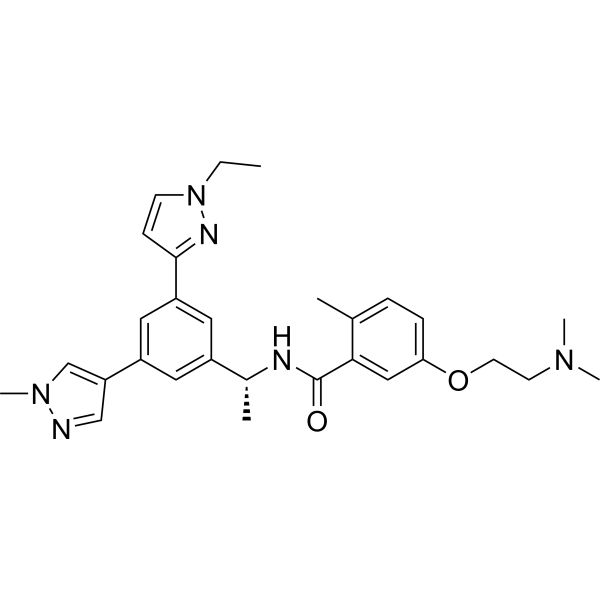
    EZH2-IN-23 (Compound 25) is an EZH2 inhibitor that exhibits potent enzymatic inhibition of the PRC2 complex (EZH2, EED, SUZ12, AEBP2, RbAp48) with a biochemical IC50 of 0.8 nM. EZH2-IN-23 inhibits H3K27 trimethylation in cellular assays, showing an IC50 of 40 nM. EZH2-IN-23 displays good rat PKproperties with 100 % oral bioavailability.
    EZH2-IN-23
  • HY-146248A

    Poly(ADP-ribose) Glycohydrolase (PARG) SARS-CoV Protease Activated Receptor (PAR) Others
    TFMU-ADPr triethylamine is a selective reporter substrate of SARS-CoV-2 Macro1 (IC50=0.59 μM), with an excitation wavelength (λEx) of 385 nm, and an emission wavelength (λEm) of 502 nm (or 495 nm). TFMU-ADPr triethylamine can also undergo enzymatic hydrolysis with Poly(ADP-ribose) Glycohydrolase (PARG) sourced from human, Tetrahymena thermophila and ADP-ribosylhydrolase 3 from human to release fluorophores, thereby directly reporting total poly (ADP-ribose) hydrolase activity. TFMU-ADPr triethylamine binds to the ADPr-binding site of SARS-CoV-2 Macro1, and its TFMU moiety inserts into the narrow hydrophobic groove of this protein. TFMU-ADPr triethylamine can thus be used to evaluate small-molecule inhibitors targeting PAR hydrolases under in vitro conditions, to investigate the regulatory mechanisms of ADP-ribosyl catabolic enzymes, or to detect PAR hydrolase activity in whole-cell lysate assays. TFMU-ADPr triethylamine is also applicable to COVID-19-related research .
    TFMU-ADPr triethylamine
  • HY-P10050

    Proteasome Others
    Calpain substrate is the membrane non-permeable fluorogenic calpain substrate and can be used in Calpain enzymatic activity assay .
    Calpain substrate
  • HY-N15873

    Biochemical Assay Reagents Others
    XY-69 triethylamine is a fluorescent analog of PIP2. XY-69 liposomal assay can be utilized in monitoring PLC enzymatic activity .
    XY-69  triethylamine
  • HY-W099563

    Biochemical Assay Reagents Others
    4-Nitrophenyl stearate, which is an ester formed by the condensation of stearic acid and 4-nitrophenol, is commonly used as a substrate for enzymatic assays, where the hydrolysis of ester bonds by esterase and lipase can be measured by absorbance or ratio In addition, 4-Nitrophenyl stearate has been used as a model compound to study the enzymatic activity and selectivity of lipases and esterases from various sources. The long hydrophobic tail of the molecule makes it suitable for use in lipophilic Good solubility in the environment makes it a useful probe for studying lipid metabolism.
    4-Nitrophenyl stearate
  • HY-138831

    HDAC Apoptosis Cancer
    AES-350 is a potent and orally active HDAC6 inhibitor with an IC50 and a Ki of 0.0244 μM and 0.035 μM, respectively. AES-350 is also against HDAC3, HDAC8 in an enzymatic activity assay with IC50 values of 0.187 μM and 0.245 μM, respectively. AES-350 triggers apoptosis in AML cells through HDAC inhibition and can be used for acute myeloid leukemia (AML) research .
    AES-350
  • HY-120742

    Indoleamine 2,3-Dioxygenase (IDO) Cancer
    MMG-0358 is a potent IDO1 inhibitor. MMG-0358 shows IC50 values of 2 nM in a cellular assay on mIDO1, 80 nM in a cellular assay on hIDO1, 330 nM in an enzymatic assay on hIDO1 at pH 6.5, and 71 nM in an enzymatic assay on hIDO1 at pH 7.4 .
    MMG-0358
  • HY-W039855A

    Biochemical Assay Reagents Others
    1,2,3,4-Tetra-O-benzyl-β-D-glucopyranoside is a substrate for enzymatic glycosylation reactions and glycosyltransferase assays.
    1,2,3,4-Tetra-O-benzyl-β-D-glucopyranoside, 98%
  • HY-131068

    Beta-secretase Neurological Disease
    BACE-1 inhibitor 2 is a potent and CNS permeable BACE-1 inhibitor with an IC50 of 1.5 nM in BACE-1 enzymatic assay .
    BACE-1 inhibitor 2
  • HY-W330621

    CNP-α-D-Glucopyaoside

    Fluorescent Dye Others
    2-Chloro-4-nitrophenyl-α-D-glucopyranoside (CNP-α-D-Glucopyaoside) as a chromogenic substrate for the enzymatic activity assay of the enzyme that releases CNP from conjugated carbohydrates .
    2-Chloro-4-nitrophenyl-α-D-glucopyranoside
  • HY-D1811

    VF 555-dUTP

    Fluorescent Dye Others
    Vari Fluor 555-dUTP (VF 555-dUTP) can be used to produce biotinylated DNA probes in a variety of assay applications by enzymatic incorporation into DNA/cDNA, replacing its natural counterpart, dTTP .
    Vari Fluor 555-dUTP
  • HY-W803862

    Biochemical Assay Reagents
    Tripotassium citrate is a compound containing potassium and citrate ions that has activity as a buffer, able to maintain a stable pH required for many enzymatic reactions and biochemical processes. Tripotassium citrate can be used as a buffer in enzyme assays to ensure the validity of experimental conditions.
    Tripotassium citrate
  • HY-172452

    RSV Infection
    RSV L-protein-6 (Compound 19a) is a respiratory syncytial virus polymerase inhibitor, with an IC50 of 13 nM in SPA primer extensions enzymatic assay. RSV L-protein-6 can inhibit RSV replication in Hela cells .
    RSV L-protein-6
  • HY-D1814

    VF 640-dUTP

    Fluorescent Dye Others
    Vari Fluor 640-dUTP (VF 640-dUTP) is enzymatically incorporated into DNA/cDNA and can replace its natural counterpart, dTTP. Vari Fluor 555-dUTP can be used to produce biotinylated DNA probes in a variety of assay applications .
    Vari Fluor 640-dUTP
  • HY-D1813

    VF 594-dUTP

    Fluorescent Dye Others
    Vari Fluor 594-dUTP (VF 594-dUTP) can replace its natural counterpart, dTTP, by enzymatic incorporation into DNA/cDNA. Vari Fluor 555-dUTP can be used to produce biotinylated DNA probes in a variety of assay applications .
    Vari Fluor 594-dUTP
  • HY-115747

    Histone Demethylase Cancer
    Namoline, a γ-pyrone, is a selective and reversible Lysine-specific demethylase 1 (LSD1) inhibitor with an IC50 of 51 μM in a HRP-coupled enzymatic assay. Namoline impairs LSD1 demethylase activity and blocks cell proliferation. Namoline has the potential for androgen-dependent prostate cancer research .
    Namoline
  • HY-144732

    Trk Receptor Anaplastic lymphoma kinase (ALK) Cancer
    TRK/ALK-IN-1 (compound 21) is a potent and dual inhibitor of TRK and ALK. TRK/ALK-IN-1 in the enzymatic assays is in good accordance with anti-proliferative activity with IC50 values of 2.2, 9.3 and 38 nM towards TRKA, ALK WT and ALK L1196M, respectively. TRK/ALK-IN-1 has the potential for the research of cancer diseases .
    TRK/ALK-IN-1
  • HY-151988

    SARS-CoV Infection
    SARS-CoV-2-IN-36 is a potent SARS-CoV-2 Mpro (SARS-CoV) inhibitor with an IC50 of 2.37 μM and a Kd of 1.19 μM in enzymatic assays. SARS-CoV-2-IN-36 shows antiviral activity against UC-1074, RG2674, and NVDBB-2220 SARS-CoV-2 variants in Vero cells .
    SARS-CoV-2-IN-36
  • HY-153259

    TNK1 PARP Cancer
    TNKS1/2-IN-2 (Compound 21) is a potent and selective tankyrases inhibitor. TNKS1/2-IN-2 exhibits IC50 values of 4 nM and 63 nM against TNK1 and TNK2 in the enzymatic assay, respectively. TNKS1/2-IN-2 inhibits proliferation of A549 and H292 cell lines with IC50 values of 39.5 nM and 12.8 nM, respectively. TNKS1/2-IN-2 can be used for the research of cancer .
    TNKS1/2-IN-2
  • HY-14243

    Anaplastic lymphoma kinase (ALK) Insulin Receptor VEGFR Tie Cancer
    CEP-14083 is a ATP-competitive ALK kinase inhibitor with an IC50 value in enzymatic assays of 2 nM. CEP-14083 also inhibits other kinases, such as insulin receptor (IR), vascular endothelial growth factor receptor 2 (VEGFR2), angiopoietin-1 receptor (TIE2) and dual leucine zipper kinase (DLK). CEP-14083 suppresses CD274 mRNA expression and the NPM/ALK function in the NPM/ALK-carrying T cell lymphoma (ALK+TCL) cells. CEP-14083 is promising for research of lymphoma .
    CEP-14083
  • HY-173132

    Aldose Reductase Cancer
    AKR1Cs-IN-1 (Compound 29) is a potent and broad-spectrum inhibitor targeting members of the Aldo-Keto Reductase 1C family (AKR1C1-1C4). By simultaneously occupying the SP2 and SP3 pockets, it effectively inhibits multiple isoforms and disrupts metabolic pathways associated with drug resistance. In enzymatic activity assays, AKR1Cs-IN-1 exhibited significant inhibitory potency, with IC50 values of 0.09, 0.28, 0.05, and 0.51 µM against AKR1C1, AKR1C2, AKR1C3, and AKR1C4, respectively. In the doxorubicin (DOX)-resistant breast cancer cell line MCF-7/ADR, AKR1Cs-IN-1 showed remarkable resensitization effects and significantly enhanced the cytotoxicity of DOX. AKR1Cs-IN-1 holds promise for research on overcoming drug resistance in breast cancer .
    AKR1Cs-IN-1
  • HY-185044

    Drug Intermediate Others
    Galloyl-coenzyme A thioester is a CoA-thioester of Gallic acid (HY-N05230) that can be found in plants as an intermediate in gallotannin biosynthesis.Galloyl-coenzyme A thioester possesses spectral properties that support photometric assay use in enzymatic studies .
    Galloyl-coenzyme A thioester
  • HY-112744

    17β-HSD Cancer
    BMS-856 is a 17β-HSD3 inhibitor. BMS-856 inhibits enzymatic activity of 17β-HSD3, with IC50s of 60 and 300 nM respectively in the enzyme and whole cell assays .
    BMS-856

Inquiry Online

Your information is safe with us. * Required Fields.

Salutation


Country or Region *

Applicant Name *


Organization Name *

Department *


Email Address *


Product Name *

Cat. No.


Requested quantity *

Phone Number *


Remarks

Inquiry Online

Inquiry Information

Product Name:
Cat. No.:
Quantity:
MCE Japan Authorized Agent:

