27 Results for "

epigenetic regulation

" in MedChemExpress (MCE) Product Catalog:
Products (27)

27 Results for "epigenetic regulation" in MCE Product Catalog:

5
5 Cited Publications
Cat. No.: HY-N0401A
CAS No.: 81944-09-4
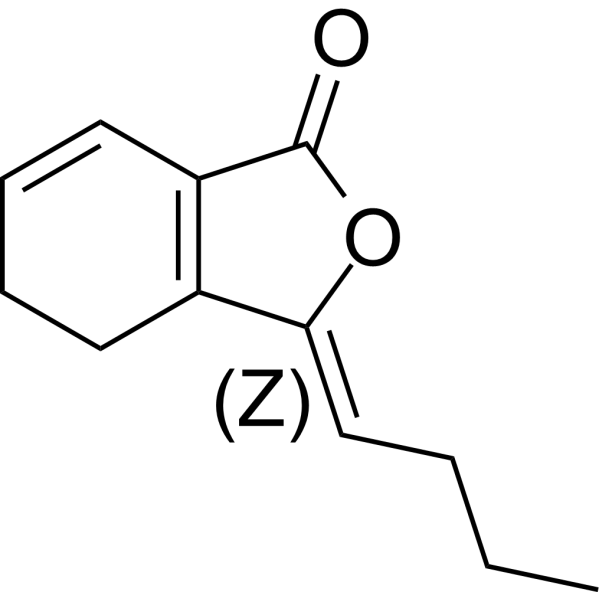
(Z)-Ligustilide is extracted from Ligusticum chuanxiong Hort, has antimicrobial and antifungal activity, exhibits an average antifungal score of 5.6 . (Z)-Ligustilide is orally active, it inhibits the expression of FATP5 and DGAT, inhibits fatty acid uptake and esterification in mice and has potential as therapeutics for nonalcoholic fatty liver disease (NAFLD) . (Z)-Ligustilide is also able to reactivate ERα, has epigenetic regulation, and is used in the study of tamoxifen-resistant breast cancer .
loading...
    loading...
2
2 Cited Publications
Cat. No.: HY-131031
CAS No.: 315702-75-1
Purity:  99.95%
Research Areas:  

Neurological Disease Cancer

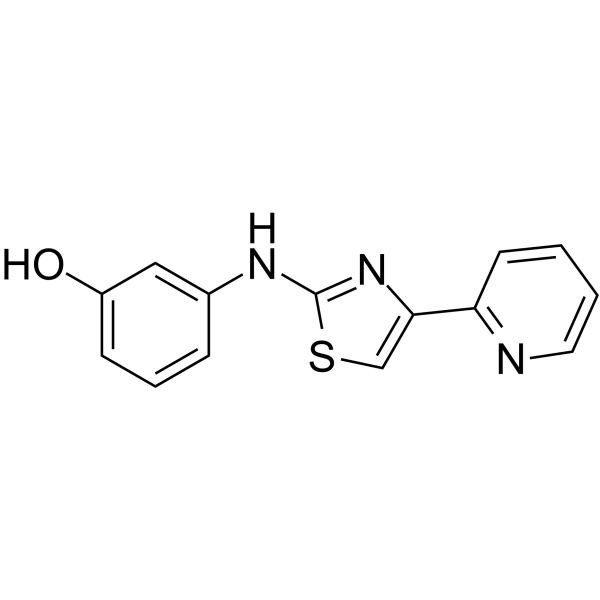
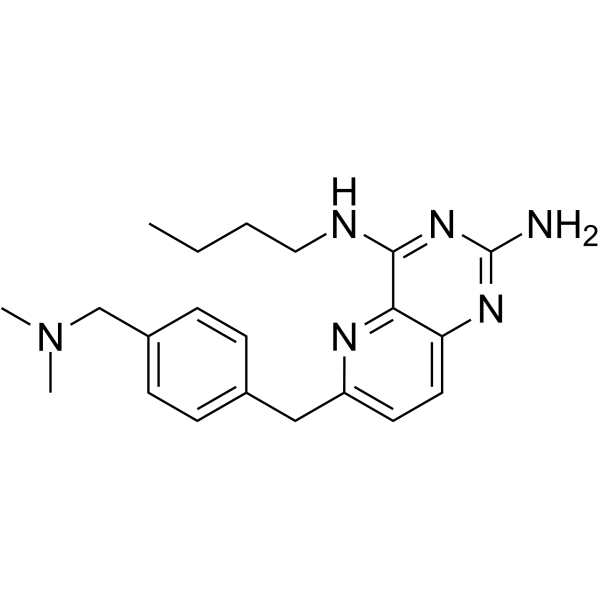
KCC-07 is a potent and brain-penetrant MBD2 (methyl-CpG-binding domain protein 2) inhibitor. KCC-07 prevents binding of MBD2 to methylated DNA and activates brain specific angiogenesis inhibitor 1 (BAI1) inducing anti-proliferative BAI1/p53/p21 signaling . KCC-07 is a TRACER (transcriptional regulation via active control of epigenetic reprogramming) that can stimulate ER transcriptional activity . KCC-07 can be used for the stduy of breast cancer .
loading...
    loading...
Cat. No.: HY-113491
CAS No.: 820-11-1
Purity:  99.88%
Synonyms: 3-PGA; 3-Glycerophosphoric acid
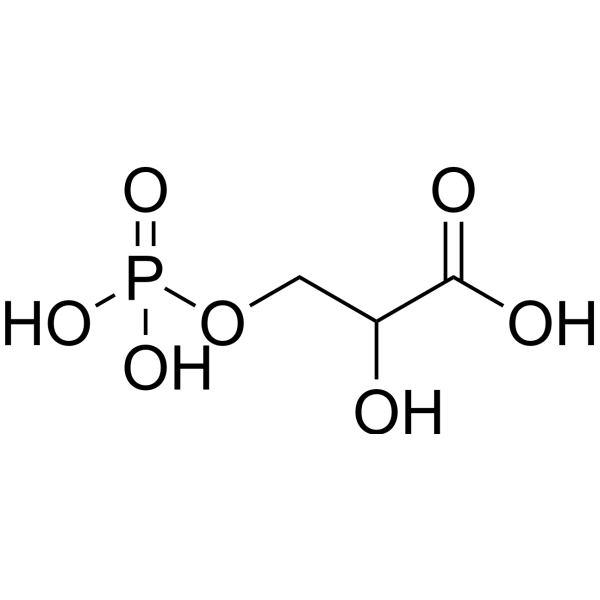
3-Phosphoglyceric acid is a metabolic intermediate in both glycolysis and the Calvin cycle. 3-Phosphoglyceric acid is involved in alveolar macrophage epigenetic regulation.
loading...
    loading...
Cat. No.: HY-117491
CAS No.: 1660117-38-3
Purity:  99.52%
Research Areas:  

Cancer

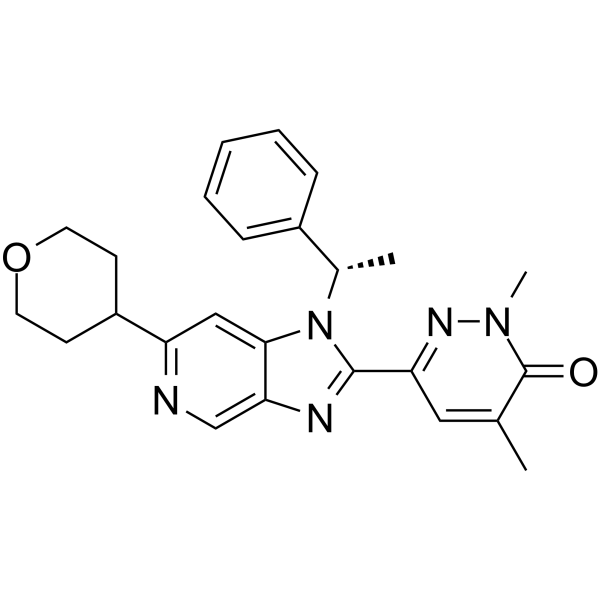
BRD4 Inhibitor-10 is a potent BRD4-BD1 inhibitor with an IC50 of 8 nM. BRD4 Inhibitor-10 interferes with the recognition of acetylated histone marks by the BRD4 bromodomain through inhibiting the interaction between BRD4-BD1 and tetra-acetylated histone H4 peptide. BRD4 Inhibitor-10 is used for research on BRD4-mediated epigenetic regulation and cancer .
loading...
    loading...
Cat. No.: HY-P1958
CAS No.: 667899-73-2
Research Areas:  

Others

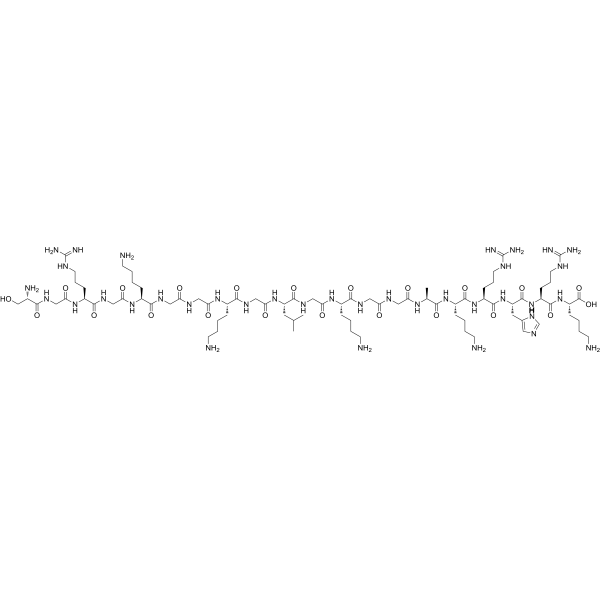
Histone H4 (2-21) is a substrate peptide derived from the N-terminal region of histone H4, which serves as an acyl acceptor for lysine acetyltransferases of the MYST family (KAT). Histone H4 (2-21) participates in enzymatic reactions together with acyl-coenzyme A (acyl-CoA, and undergoes lysine acetylation and propionylation modifications catalyzed by KATs such as MOF. The apparent Km of Histone H4 (2-21) for MOF is 788.8 μM, while in the picNuA4 catalytic system, the Km and Kd values of the H4 peptide are 192 μM and 251 μM, respectively. Histone H4 (2-21) can be used in studies related to histone post-translational modifications, epigenetic regulation, and lysine acylation .
loading...
    loading...
Cat. No.: HY-144501
CAS No.: 2230218-36-5
Purity:  98.14%
D18 is an immune modulator. D18 acts as a TLR7/8 dual agonist (EC50 = 24 nM for hTLR7 and 10 nM for hTLR8, respectively). D18 increases PD-L1 expression through epigenetic regulation, thus sensitizing tumors to PD-1/PD-L1 blockade. D18 is a ADC cytotoxin uesd for the systhesis of ADC HE-S2 (HY-144497). D18 has strong immune activation and anti-tumor activity. D18 commonly used in cancer research, such as colon cancer .
loading...
    loading...
Cat. No.: HY-N12614
CAS No.: 20282-75-1
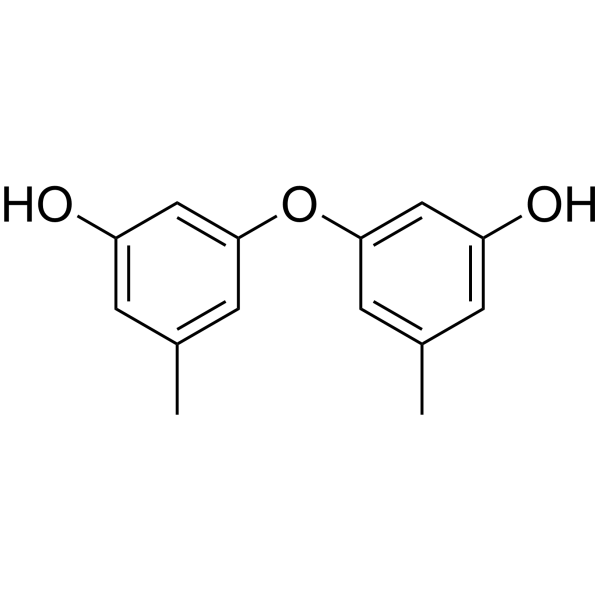
Diorcinol is a potent SHP1 inhibitor with an IC50 value of 0.96 μM. Diorcinol can be isolated from Aspergillus sydowii. Diorcinol has good blood-brain barrier penetration and can be used for diabetes research .
loading...
    loading...
Cat. No.: HY-P3035
CAS No.: 122929-08-2
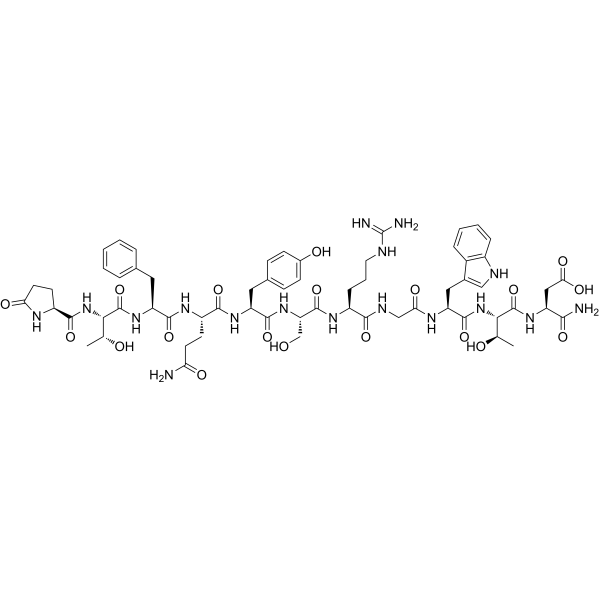
Corazonin is a highly conserved neuropeptide hormone of wide-spread occurrence in insects, serves a central regulator of caste identity and behavior in social insects. Corazonin is also preferentially expressed in workers and/or foragers from other social insect species .
loading...
    loading...
Cat. No.: HY-W014004
CAS No.: 174664-65-4
Synonyms: CBHA
Target:  

HDAC Apoptosis

Research Areas:  

Others Cancer

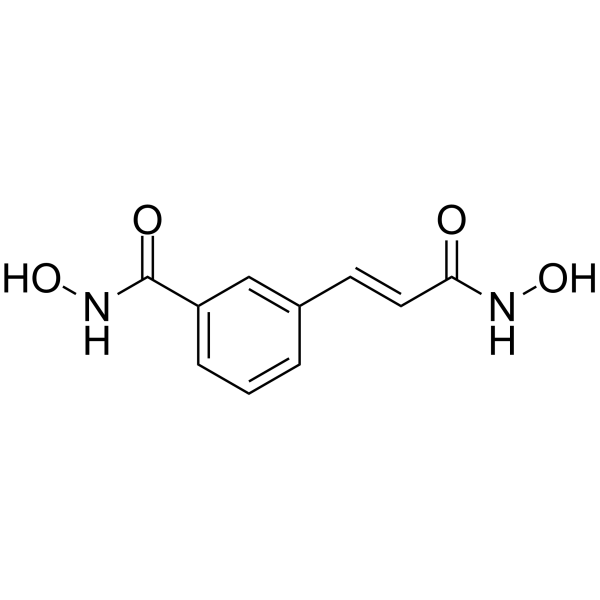
m-Carboxycinnamic acid bishydroxamide (CBHA) is a histone deacetylase inhibitor. m-Carboxycinnamic acid bishydroxamide modulates histone acetylation sites, alters DNA methylation and epigenetic status, increases global histone acetylation, alleviates transcription repression, and facilitates chromatin remodelling. m-Carboxycinnamic acid bishydroxamide can be used for the research of cloned embryo development and epigenetic regulation .
loading...
    loading...
Cat. No.: HY-179238
Target:  

Estrogen Receptor/ERR

Research Areas:  

Cancer

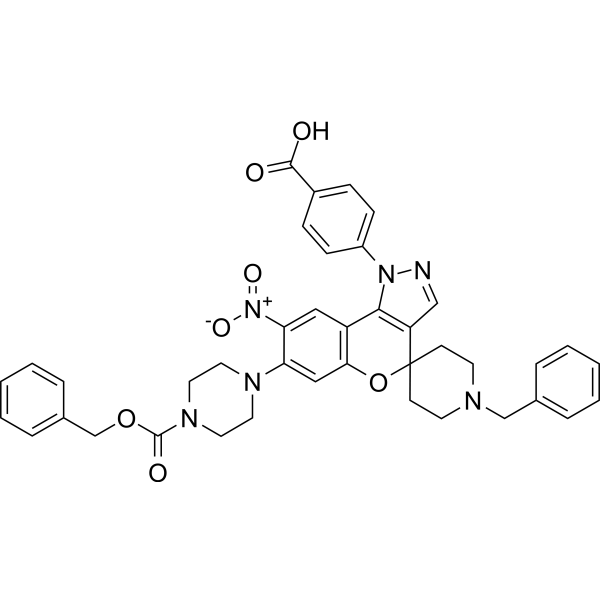
CS-1-103 is a potent estrogen receptor (ER) TRACER (transcriptional regulation via active control of epigenetic reprogramming). CS-1-103 inhibits ER transcriptional activity with an EC50 of 0.36 μM by recruiting methyl-CpG binding domain protein 2 (MBD2), HDACs and the nucleosome remodeling and deacetylase (NuRD) complex. CS-1-103 can be used for breast and prostate cancer research .
loading...
    loading...
Cat. No.: HY-176283
Tubulin/LSD1-IN-1 is an effective dual inhibitor of Tubulin polymerization and LSD1 (IC50 = 1.72 μM). Tubulin/LSD1-IN-1 has broad-spectrum antiproliferative activity against cancer cell lines. Tubulin/LSD1-IN-1 inhibits tubulin polymerization by targeting colchicine binding sites, thereby disrupting the microtubule network in gastric cancer cells. Tubulin/LSD1-IN-1 increases the methylation levels of H3K4me1/2 and H3K9me2/3, thereby achieving epigenetic regulation. Tubulin/LSD1-IN-1 induces G2/M arrest, promotes apoptosis, and effectively inhibits colony formation of gastric cancer cells .
loading...
    loading...
Cat. No.: HY-153057
CAS No.: 380192-76-7
Research Areas:  

Metabolic Disease Cancer

PRMT5-IN-46 (compound 278) inhibits PRMT5 with IC50s of 1-10 μM. PRMT5 is a methyltransferase which is associated with specific genetic alterations. PRMT5-IN-46 can be used for research of proliferative diseases, metabolic disorders, and blood diseases .
loading...
    loading...
Cat. No.: HY-163698
CAS No.: 3052115-51-9
Target:  

Sirtuin

Research Areas:  

Cancer

SIRT-IN-4 is an inhibitor of the NAD+-dependent lysine deacetylase Sirtuin2 (Sirt2) (IC50=0.35 μM). SIRT-IN-4 is a potent Sirt2 deacetylase inhibitor that reduces cell survival and inhibits the migration of prostate cancer cells. SIRT-IN-4 can be used to study Sirt2 in cell cycle regulation, gene expression regulation, etc .
loading...
    loading...
Cat. No.: HY-120106
CAS No.: 1628784-50-8
Target:  

HDAC

Research Areas:  

Others

BG14 is a chemical optical modulation of epigenetic regulation of transcription (COMET) probe. BG14 enables high-resolution optical control of epigenetic mechanisms using visible light and can photochromically inhibit human histone deacetylases (HDACs). BG14 can be used to study the dynamic regulation of the human genome .
loading...
    loading...
Cat. No.: HY-N12613
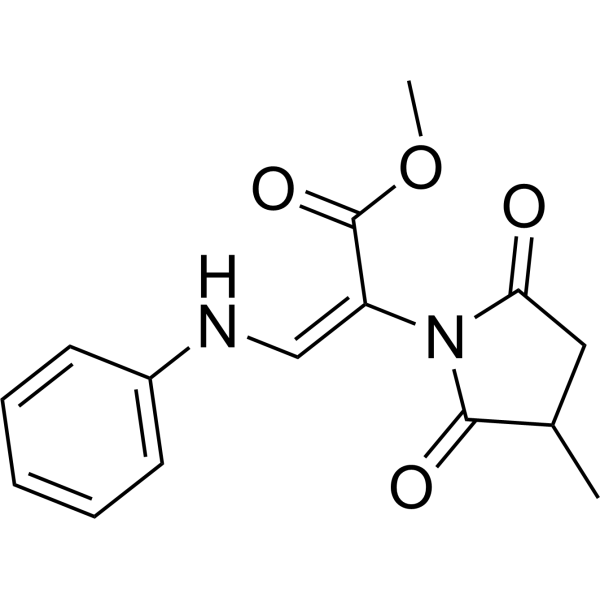
Sydowimide A is a potent inhibitor of Src homology region 2 domain-containing phosphatase-1 (SHP1), T-cell protein tyrosine phosphatase (TCPTP) and leukocyte common antigen (CD45), with IC50 values of 1.5, 2.4 and 18.83 μM, respectively .
loading...
    loading...
Cat. No.: HY-155237
Target:  

MicroRNA

Research Areas:  

Cancer

LIN28-IN-1 (compound 5) is an inhibitor of the RNA-binding and regulatory protein LIN28 and binds to the LIN28 cold shock domain (CSD). LIN28-IN-1 effectively inhibits the interaction between LIN28 and let-7 miRNA (IC50: 5.4 μM), blocking the negative impact of LIN28 on epigenetic gene regulation. LIN28-IN-1 significantly inhibits the proliferation of JAR cancer cells expressing LIN28 (IC50: 6.4 μM) .
loading...
    loading...
Cat. No.: HY-W974306
CAS No.: 1230-77-9
Target:  

DNA/RNA Synthesis

Research Areas:  

Cancer

DML3, a 5-methylcytosine DNA glycosylase, is a DNA demethylating agent. DML3 specifically recognizes and excises 5-methylcytosine (5-meC) from DNA through a base excision repair mechanism. DML3 is promising for research of plant epigenetic regulation and cancers .
loading...
    loading...
Cat. No.: HY-182309
CAS No.: 1237645-43-0
Research Areas:  

Infection

SC83288 is a Plasmodium falciparum PfDNMT2 inhibitor with an IC50 of 7 μM. SC83288 disrupts the epigenetic regulation of malaria parasites, blocks DNA replication and nuclear division, arrests the development of the asexual blood stage, induces the formation of pyknotic morphology in malaria parasites, and does not affect cytokinesis after nuclear division or parasite egress. SC83288 is applicable to malaria-related research .
loading...
    loading...
Cat. No.: HY-L005
2,031 compounds

Epigenetics refers to changes in phenotype that are not rooted in DNA sequence. Many types of epigenetic processes have been identified, including DNA methylation, alteration in the structure of histone proteins and gene regulation by small noncoding microRNAs. Modification of DNA, protein, or RNA, resulting in changes to the function and/or regulation of these molecules, without altering their primary sequences, reveals the complexities of cellular differentiation, embryology, the regulation of gene expression, aging, cancer, and other diseases.

MCE provide a unique collection of 2,031 epigenetics-related compounds that can be used in the research of the related diseases.

Cat. No.: HY-L005M
295 compounds

Epigenetics involves heritable phenotypic changes that occur without alterations to the underlying DNA sequence. Key mechanisms include DNA methylation, histone modifications, and regulation by small non-coding RNAs such as microRNAs. By modifying DNA, histones, or RNA—while leaving their primary sequences intact—these processes influence molecular function and regulation, thereby playing critical roles in cellular differentiation, embryonic development, gene expression control, aging, and diseases such as cancer.

MCE provide a unique collection of 295 epigenetics-related compounds. For each regulatory target and its subtype, 3 to 5 highly specific representative compounds have been retained, which can be used in epigenetic and related disease research.

