1. Search Result
Search Result
Results for "

ganglia

" in MedChemExpress (MCE) Product Catalog:

24

Inhibitors & Agonists

2

Peptides

3

Natural
Products

Art. -Nr. Produktname Target Forschungsgebiete Chemical Structure
  • HY-110292

    TRP Channel Calcium Channel Inflammation/Immunology
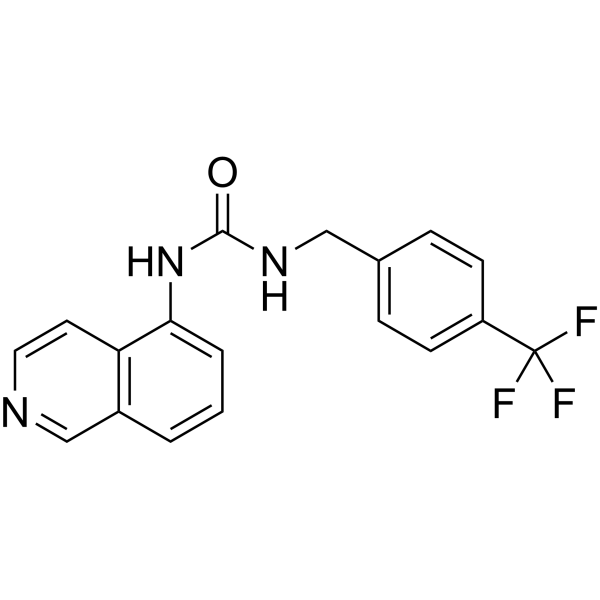
    A-425619 is an orally active and selective transient receptor potential type V1 (TRPV1) antagonist. A-425619 blocks Capsaicin (HY-10448)- and N-arachidonoyl-dopamine (NADA)-induced Ca 2+ influx in dorsal root ganglia and trigeminal ganglia. A-425619 relieves pathophysiological pain associated with inflammation and tissue injury in rats. A-425619 can be used for the study of pain related to inflammation and tissue injury .
    A-425619
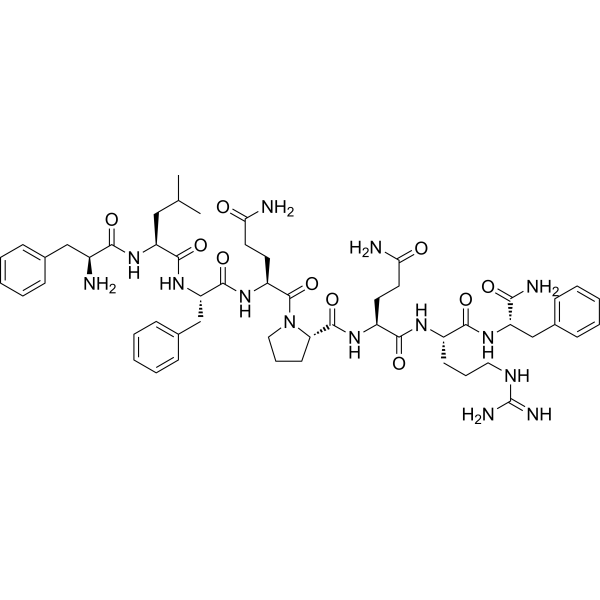
  • HY-P1248

    NPFF

    Neuropeptide FF Receptor Cardiovascular Disease Neurological Disease
    Neuropeptide FF (NPFF), an octapeptide belonging to the RF-amide family of peptides, is a NPFF1 and NPFF2 receptors agonist with Ki values of 2.82 nM and 0.21 nM, respectively. Neuropeptide FF induces abstinence syndrome, exerts antiopioid and analgesic effects, releases via calcium-dependent mechanisms from rat spinal cord, regulates memory, autonomic function, and neuroendocrine function, modulates pain and opioid antinociception, reduces food intake, stimulates water intake, alters cardiovascular parameters, and shows differential activity in hypothalamic paraventricular nucleus neurons. Neuropeptide FF is present in mammalian central nervous system and periphery, with NPFF-immunoreactivity increases in rat cerebrospinal fluid during opiate tolerance, and its NPFF gene and NPFF-R2 gene are up-regulated in rat spinal cord and dorsal root ganglia during peripheral inflammation. Neuropeptide FF can be used for the research of opioid tolerance, morphine-induced analgesia, abstinence syndrome, pain, hypertension, nociception, inflammatory pain, and neuropathic pain .
    Neuropeptide FF
  • HY-P4058

    CGRP free acid

    CGRP Receptor Neurological Disease
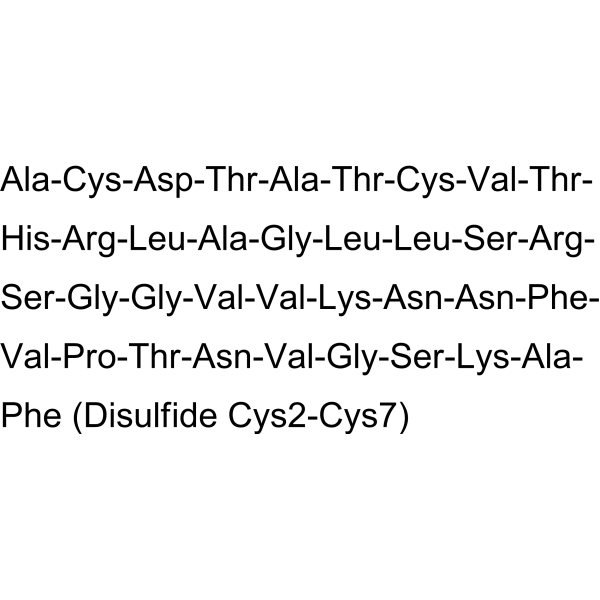
    Calcitonin gene-related peptide (CGRP) free acid is a 37-amino acid neuropeptide, which represents the deamidated form of α-CGRP (human) (HY-P1071). Calcitonin gene-related peptide free acid is produced in the central and peripheral nervous systems of rats, and localizes to specific sensory, integrative and motor neuron systems, including those involved in nociception/thermoreception, feeding behavior, olfaction and visceral motor functions .
    Calcitonin gene-related peptide free acid
  • HY-107648
    McN-A-343
    2 Publications Verification

    mAChR Neurological Disease Inflammation/Immunology
    McN-A-343 is a selective M1 muscarinic agonist that stimulates muscarinic transmission in sympathetic ganglia. McN-A-343 produces a significant inhibitory effect on Muscarine (HY-121404)-evoked catecholamine secretion from the isolated perfused rat adrenal gland. McN-A-343 is involved in the regulation of neuronal firing and activates enteroendocrine L cells to release glucagon-like peptide 1 (GLP-1) and modulates the secretion of α-melanocyte stimulating hormone (α-MSH) from the pituitary gland in the central nervous system. McN-A-343 reduces colonic inflammation and oxidative stress in Acetic acid (HY-Y0319)-induced ulcerative colitis (UC) mice. McN-A-343 can be used for the study of ulcerative colitis .
    McN-A-343
  • HY-N0443
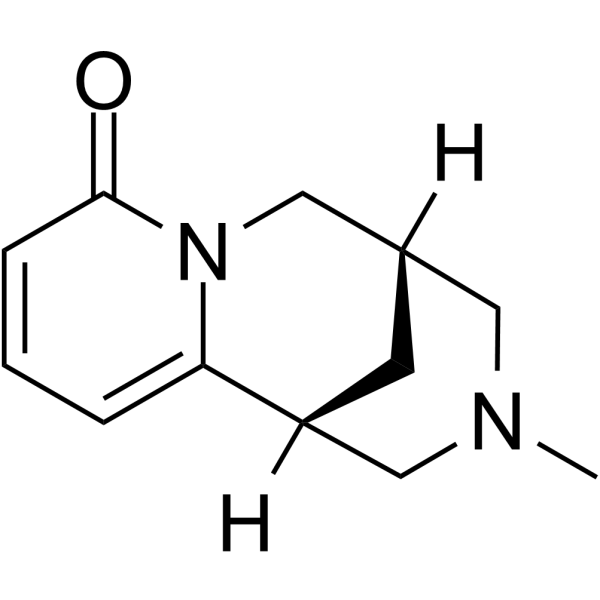
    N-Methylcytisine
    2 Publications Verification

    Caulophylline

    nAChR Inflammation/Immunology
    N-Methylcytisine (Caulophylline), a tricyclic quinolizidine alkaloid, exerts hypoglycaemic, analgesic and anti-inflammatory activities. N-methylcytisine is a selective ligand of nicotinic receptors of acetylcholine in the central nervous system and has a high affinity (Kd = 50 nM) to nicotinic acetylcholine receptors (nAChR) from squid optical ganglia .
    N-Methylcytisine
  • HY-W014421
    AP-18
    2 Publications Verification

    TRP Channel Neurological Disease
    AP-18, a potent and selective TRPA1 inhibitor, blocks activation of TRPA1 by 50 μM Cinnamaldehyde with an IC50 of 3.1 μM and 4.5 μM for human and mouse TRPA1, respectively. AP-18 reverses complete Freund's adjuvant (CFA)-induced mechanical hyperalgesia in mice. AP-18 attenuated 30 μM AITC-induced Yo-Pro uptake in a concentration-dependent manner, with an IC50 of 10.3 μM .
    AP-18
  • HY-W013712

    Potassium Channel Neurological Disease
    GI-530159 is a selective opener of TREK1 and TREK2 potassium channels. GI-530159 displays selectivity for TREK1/2 over TRAAK, TASK3 and other potassium channels, with an EC50 of 0.76 μM for TREK1. GI-530159 reduces rat dorsal root ganglion neuron excitability and shows potential analgesic effect .
    GI-530159
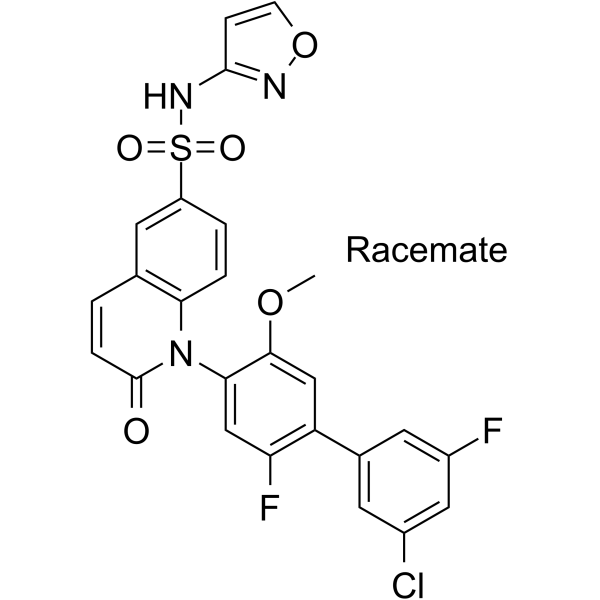
  • HY-108425B

    (Rac)-AMG8380

    Sodium Channel Neurological Disease
    (Rac)-AMG8379 ((Rac)-AMG8380) is a racemate of AMG8379. AMG8379 is a potent, orally active and selective sulfonamide antagonist of NaV1.7, with IC50s of 8.5 and 18.6 nM for hNaV1.7 and mNaV1.7, respectively .
    (Rac)-AMG8379
  • HY-12761

    Cannabinoid Receptor Cardiovascular Disease Others Neurological Disease Metabolic Disease Inflammation/Immunology Cancer
    A-836339 is a selective CB2 receptor agonist, with Ki values of 0.4 nM and 0.8 nM in humans and rats, respectively. A-836339 exhibits multiple effects such as analgesia, gastric protection, anti-inflammation, and antioxidant activity. A-836339 produces antinociceptive and analgesic activities by activating CB2 receptors in the dorsal root ganglia and spinal cord. A-836339 can also exert gastric protective effects through anti-inflammatory mechanisms (reducing TNF-α and IL-1β) and antioxidant mechanisms (enhancing the activities of CAT and SOD, and reducing H2O2). Radioactively labeled A-836339 can serve as a CB2-specific radioligand for autoradiography and PET imaging. A-836339 can be used in research on inflammatory pain, neuropathic pain, gastric ulcers, cerebral ischemia, etc .
    A-836339
  • HY-108425

    Sodium Channel Neurological Disease
    AMG8379 is a potent, orally active and selective sulfonamide antagonist of the voltage-gated sodium channel NaV1.7, with IC50s of 8.5 and 18.6 nM for hNaV1.7 and mNaV1.7, respectively. AMG8379 potently and reversibly blocks endogenous Tetrodotoxin (TTX)-sensitive sodium channels in dorsal root ganglia (DRG) neurons with an IC50 of 3.1 nM .
    AMG8379
  • HY-111560

    Potassium Channel Neurological Disease
    IQM-266 is a Downstream Regulatory Element Antagonist Modulator (DREAM) ligand with a KD of 4.63 μM. IQM-266 inhibits the KV4.3/DREAM current in a concentration-, voltage-, and time-dependent-manner. IQM-266 also modulates A-type outward potassium currents (IA) from rat dorsal root ganglia (DRG) neurons. IQM-266 can be used for neurological disease research, such as Alzheimer’s disease and Huntington's disease (HD) .
    IQM-266
  • HY-N14827

    SM-216289

    Drug Derivative Neurological Disease
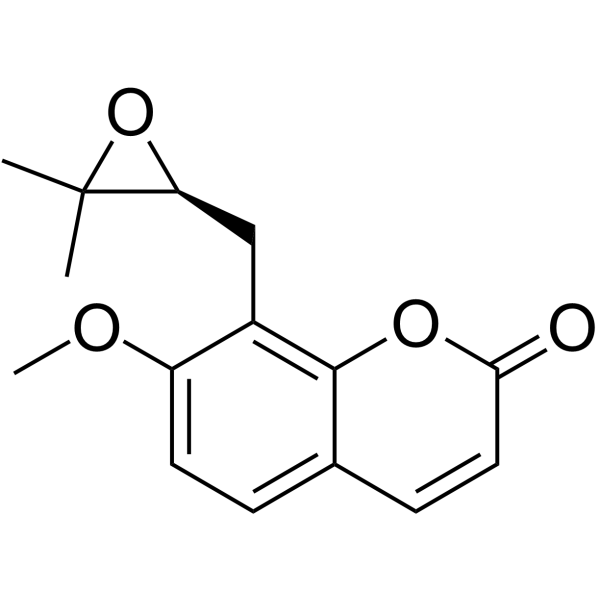
    Xanthofulvin (SM-216289) is an inhibitor of semaphorin 3A. Xanthofulvin blocks its binding to receptors, inhibits growth cone collapse, and accelerates olfactory nerve regeneration in rats in vivo. Xanthofulvin can be used in studies related to traumatic neuronal injury .
    Xanthofulvin
  • HY-B0851

    Environmental Pollutants Fungal Infection
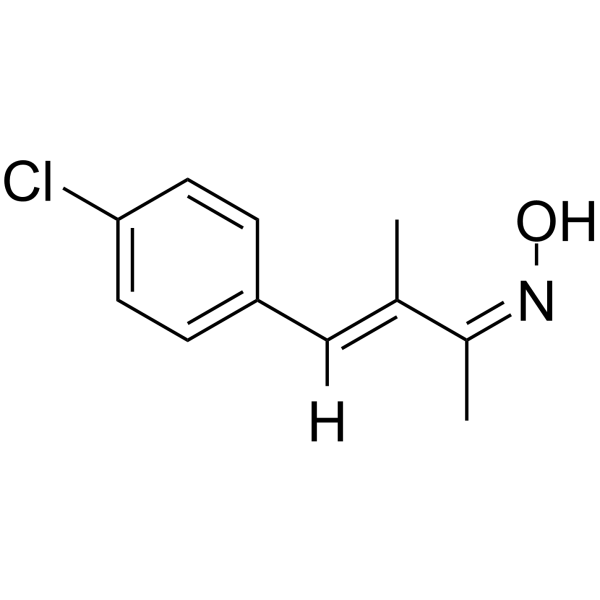
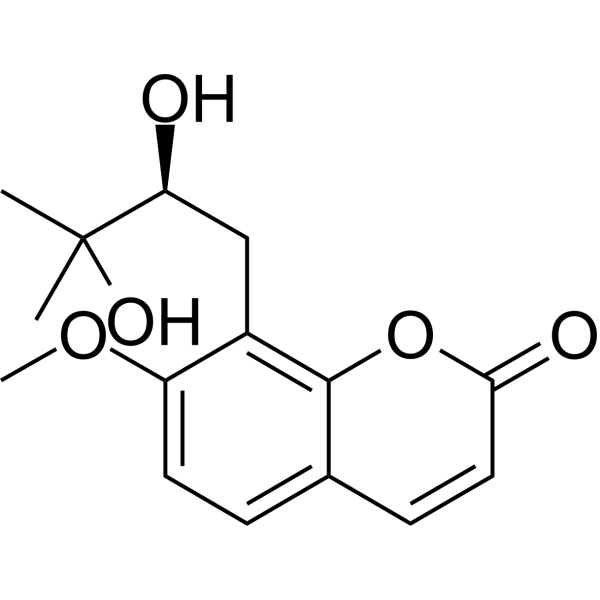
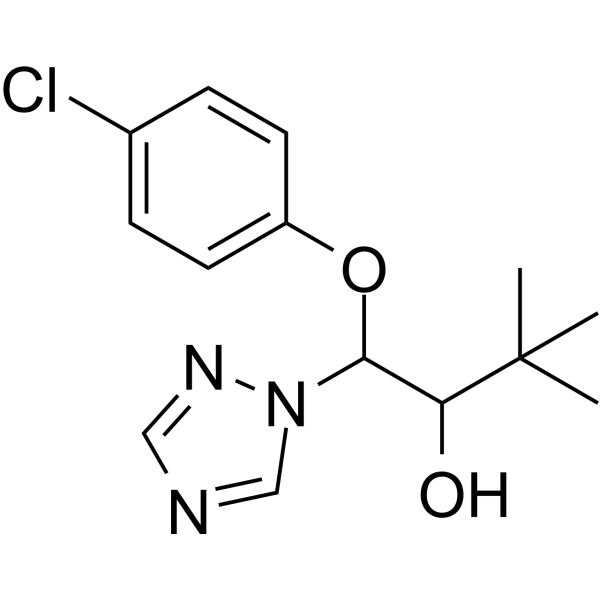
    Triadimenol is a triazole fungicide and has been widely used in agriculture. Triadimenol has certain toxicity to animals .
    Triadimenol
  • HY-108671

    P2X Receptor Neurological Disease
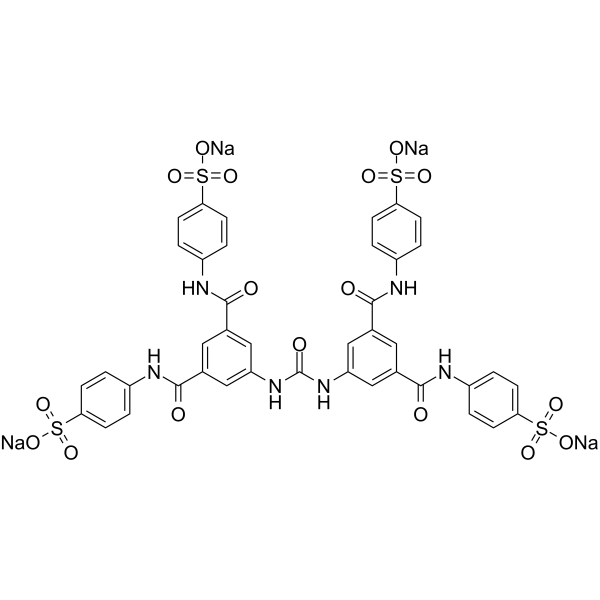
    NF110 is a P2X3 receptor antagonist (Ki = 36 nM) and inactive toward P2Y receptors stably expressed (IC50s > 10 M). NF110 blocks alphabeta-methylene-ATP-induced currents (IC50 = 527 nM) in rat dorsal root ganglia neurons .
    NF110
  • HY-B0639C

    WR2721 sodium

    MDM-2/p53 HIF/HIF Prolyl-Hydroxylase Neurological Disease
    Amifostine sodium (WR2721 sodium) is a phosphorus sulfate with radioprotective activity. Amifostine sodium can cause splenic vasodilation and may block autonomic ganglia. Amifostine sodium is clinically used to prevent cisplatin-induced ototoxicity .
    Amifostine sodium
  • HY-120418

    mAChR Others
    L-687306 is a high affinity muscarinic M1 receptor partial agonist with activity as a partial agonist of M1 receptors in rat ganglia and as a high affinity competitive antagonist at guinea pig cardiac M2 and ileal M3 muscarinic receptors, useful for studying the receptor reserve of muscarinic receptors.
    L-687306
  • HY-B0851R

    Reference Standards Fungal Infection
    Triadimenol (Standard) is the analytical standard of Triadimenol. This product is intended for research and analytical applications. Triadimenol is a triazole fungicide and has been widely used in agriculture. Triadimenol has certain toxicity to animals .
    Triadimenol (Standard)
  • HY-N0443R

    Caulophylline (Standard)

    Reference Standards nAChR Inflammation/Immunology
    N-Methylcytisine (Standard) is the analytical standard of N-Methylcytisine. This product is intended for research and analytical applications. N-Methylcytisine (Caulophylline), a tricyclic quinolizidine alkaloid, exerts hypoglycaemic, analgesic and anti-inflammatory activities. N-methylcytisine is a selective ligand of nicotinic receptors of acetylcholine in the central nervous system and has a high affinity (Kd = 50 nM) to nicotinic acetylcholine receptors (nAChR) from squid optical ganglia .
    N-Methylcytisine (Standard)
  • HY-110268

    CXCR Inflammation/Immunology
    NVP CXCR2 20 is a selective CXCR2 inhibitor with analgesic and antinociceptive activities. NVP CXCR2 20 selectively blocks CXCR2 signaling and attenuates mechanical and thermal hypersensitivity in rat chronic constriction injury (CCI) models. NVP CXCR2 20 inhibits CXCL3-induced hypersensitivity in naive mice and reduces elevated CXCL3 protein levels in the spinal cord and dorsal root ganglia (DRG) of CCI-exposed rats. NVP CXCR2 20 can be used for the research of neuropathic pain and chronic obstructive pulmonary disease (COPD) .
    NVP CXCR2 20
  • HY-176781

    Drug Derivative Neurological Disease
    1-Deoxyceramide (m18:1/20:0) is a type of ceramide. 1-Deoxyceramide (m18:1/20:0) is upregulated in the dorsal root ganglia of mice treated with Docetaxel (HY-B0011) .
    1-Deoxyceramide (m18:1/20:0)
  • HY-180382

    Cholinesterase (ChE) Cardiovascular Disease
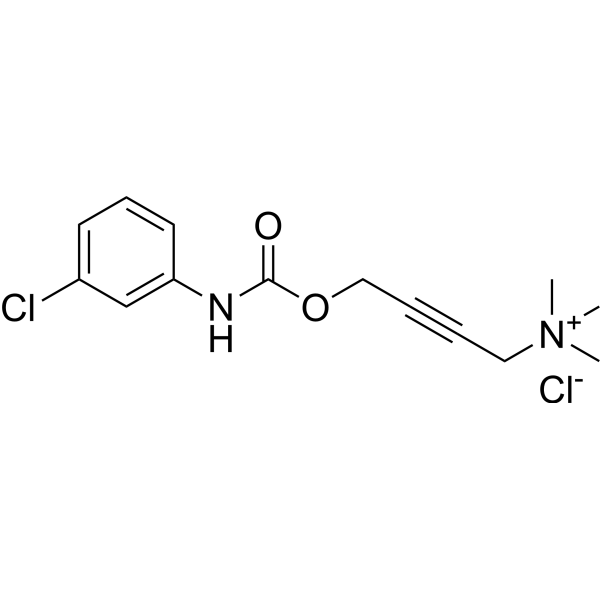
    Trimethidinium methosulfate is an orally active ganglionic blocker with central antihypertensive activity. Trimethidinium methosulfate inhibits the conduction of sympathetic ganglia and reduces vascular contraction. Trimethidinium methosulfate acts on the cerebrovascular motor center and lowers peripheral vascular resistance. Trimethidinium methosulfate has cholinergic nerve inhibitory side effects, but they are relatively mild. Trimethidinium methosulfate can be used in hypertension research .
    Trimethidinium methosulfate
  • HY-167973

    GABA Receptor Neurological Disease
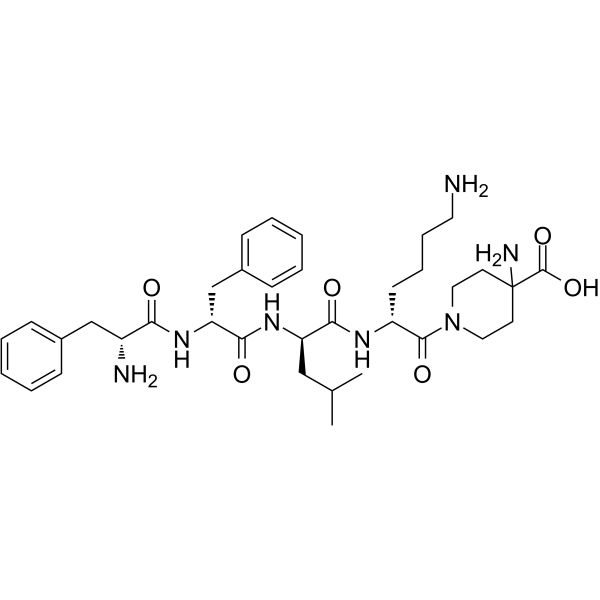
    GABA-palmitamide is a GABA-responsive compound. GABA-palmitamide exhibits a dose-dependent bidirectional regulatory effect on the stereotyped behavior induced by Apomorphine (HY-12723): high doses inhibit motor behavior, while low doses enhance stereotyped behaviors in the oral cavity. GABA-palmitamide can be used in research on behavior regulation .
    GABA-palmitamide
  • HY-182638

    Phosphodiesterase (PDE) mAChR Potassium Channel Neurological Disease
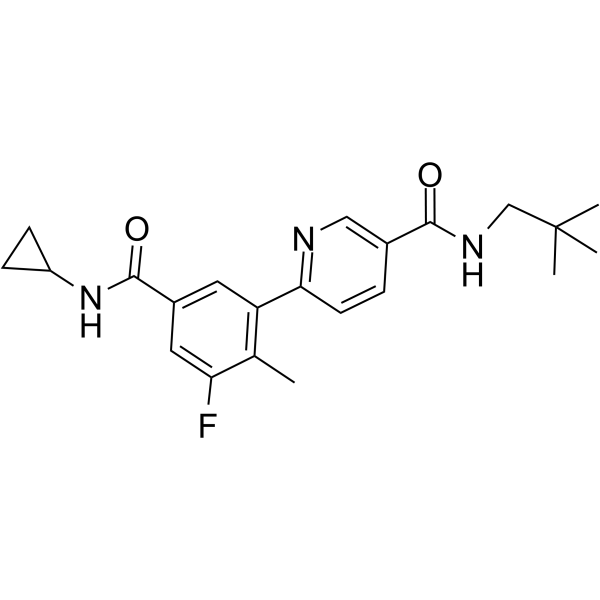
    CPL500036 is an orally active, blood-brain barrier permeable phosphodiesterase 10A (PDE10A) inhibitor with IC50 values of 1 nM (Reference 1) and 35 nM (Reference 2). CPL500036 acts as a negative allosteric modulator of the M2 muscarinic receptor with an IC50 of 9.2 μM. CPL500036 alters cyclic nucleotide levels in basal ganglia circuits, inhibits the hydrolysis of cAMP and cGMP, and suppresses hERG potassium channel tail currents. CPL500036 induces catalepsy in rats and reverses injury-induced contralateral forelimb use impairment. CPL500036 can be used in research related to schizophrenia, Parkinson's disease, and levodopa-induced dyskinesia .
    CPL500036
  • HY-183709

    Sodium Channel Neurological Disease
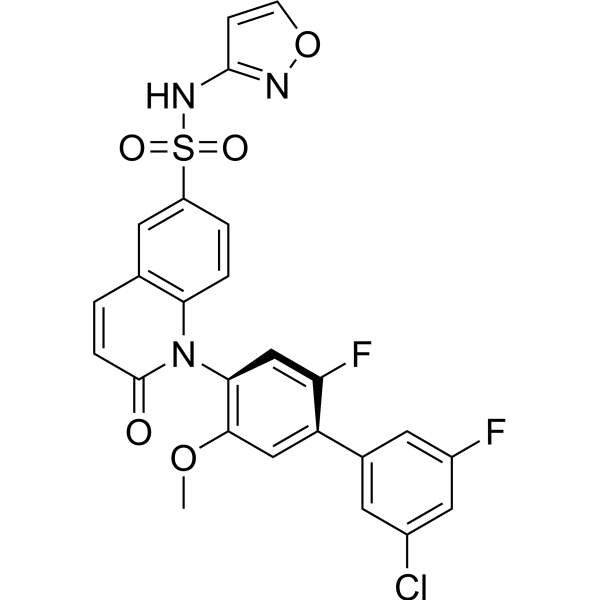
    Nav1.8-IN-24 is a voltage-gated sodium channel Nav1.8 inhibitor with pIC50 values of 7.4 (resting state) and 7.5 (inactivated state), and it exhibits high selectivity for NaV1.1-1.7 subtypes. Nav1.8-IN-24 possesses in vitro safety and drug interaction profiles. Nav1.8-IN-24 can be used for the research of acute pain and chronic neuropathic pain .
    Nav1.8-IN-24

Online-Anfrage

Your information is safe with us. * Required Fields.

Anrede


Country or Region *

Name des Antragstellers *


Name der Organisation *

Department *


E-Mail-Addresse *


Produktname *

Art. -Nr.


Requested quantity *

Telefonnummer *


Bemerkungen

Online-Anfrage

Inquiry Information

Produktname:
Art. -Nr.:
Menge:
MCE Japan Authorized Agent:

