Search Result
Results for "
glucocorticoid receptors
" in MedChemExpress (MCE) Product Catalog:
3
Biochemical Assay Reagents
43
Isotope-Labeled Compounds
| Cat. No. |
Product Name |
Target |
Research Areas |
Chemical Structure |
-
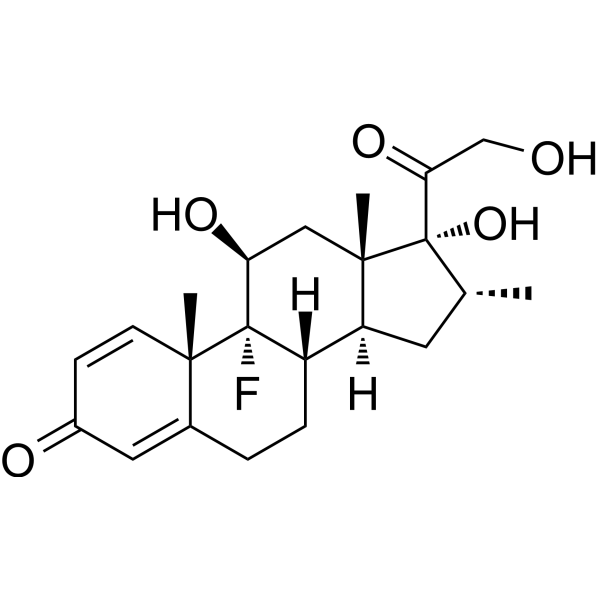
- HY-14648
-
-
-
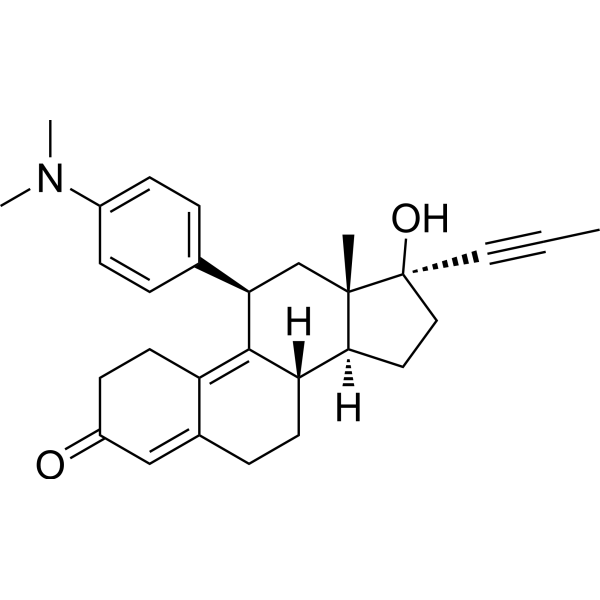
- HY-13683
-
-
-
- HY-B0469
-
-
-
- HY-17461
-
-
-
- HY-B1203
-
|
9α-Fludrocortisone; 9α-Fluorcortisol
|
Mineralocorticoid Receptor
Glucocorticoid Receptor
Apoptosis
|
Neurological Disease
Metabolic Disease
Inflammation/Immunology
Cancer
|
|
Fludrocortisone (9α-Fludrocortisone) is an orally active mineralocorticoid and glucocorticoid receptor agonist. Fludrocortisone suppresses pro-inflammatory cytokine expression, reduces CCL2, IL-6, IL-8 levels, upregulates mineralocorticoid receptor (MR) expression, induces PI3K/Akt, GSK-3β, CREB, ERK1/2, mTOR phosphorylation, blocks Tau hyperphosphorylation, prevents apoptosis, promotes survival and proliferation, enhances renal sodium and water transport, increases plasma volume and blood pressure, reduces plasma potassium and renin activity, stimulates erythropoietin expression, modulates uterine receptivity genes, and reverses PP242-induced MUC1 upregulation. Fludrocortisone can be used for the research of congenital adrenal hyperplasia, postural hypotension, and adrenal insufficiency .
|
-
-
- HY-B1060
-
|
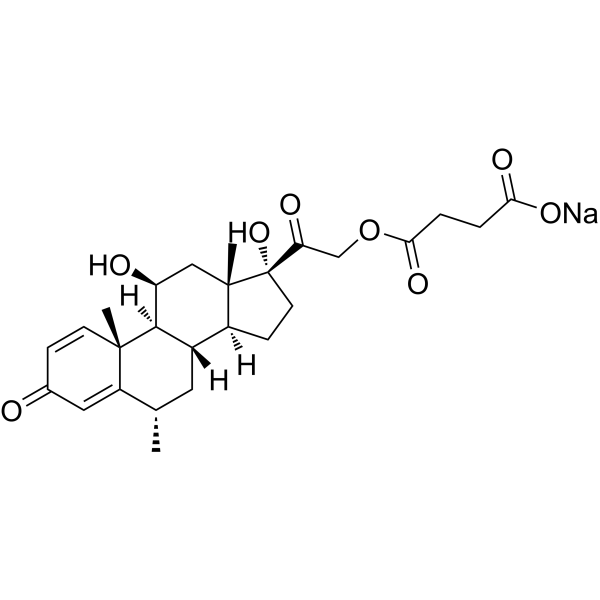
Methylprednisolone hydrogen succinate sodium
|
Glucocorticoid Receptor
|
Infection
Neurological Disease
Inflammation/Immunology
Cancer
|
|
Methylprednisolone succinate (Methylprednisolone hydrogen succinate) sodium is a prodrug of Methylprednisolone (HY-B0260) and glucocorticoid with immunosuppressant and anti-inflammatory activity. Methylprednisolone succinate sodium binds cytosolic glucocorticoid receptors, translocates to nuclei, and modulates target gene transcription. Methylprednisolone succinate sodium alters Bax, Bcl-2, occludin, and ZO-1 expression; attenuates TLR4/NF-κB signaling; suppresses proinflammatory cytokine production and immune cell activation. Methylprednisolone succinate sodium can be used for the research of intracranial haemorrhage, rheumatoid arthritis, multiple sclerosis, preterminal cancer, inflammatory conditions, shock, immediate-type hypersensitivity, acute myocardial ischemia, hypoxic heart muscle damage, and traumatic spinal cord injury .
|
-
-
- HY-17461A
-
-
-
- HY-113422
-
|
|
Endogenous Metabolite
Glucocorticoid Receptor
|
Inflammation/Immunology
|
|
Tetrahydrocorticosterone is a glucocorticoid. One of its active forms, 5α-Tetrahydrocorticosterone (HY-113364), exerts its effects by binding to the GC receptor and inhibiting inflammatory processes. Tetrahydrocorticosterone is naturally synthesized by the adrenal glands and plays a key role in regulating the metabolism of carbohydrates, proteins and fats .
|
-
-
- HY-B0243
-
-
-
- HY-129630
-
|
|
Drug Metabolite
Glucocorticoid Receptor
|
Neurological Disease
Cancer
|
|
Tetrahydrocortisol is a metabolite of Hydrocortisone (HY-N0583) that fails to activate glucocorticoid receptor. Tetrahydrocortisol inhibits Dexamethasone (HY-14648)-induced formation of cross-linked actin networks. Tetrahydrocortisol acts as a synergist to enhance the activity of anticancer agents. Tetrahydrocortisol can be used in the research of primary open-angle glaucoma, ocular hypertension, lung cancer and breast cancer .
|
-
-
- HY-113114
-
|
|
Endogenous Metabolite
Glucocorticoid Receptor
|
Metabolic Disease
Inflammation/Immunology
|
|
Tetrahydrocortisone is a corticosteroid catalyzed from endogenous glucocorticoids by AKR1D1 (5β-reductase). Its formation is mediated by AKR1D1 and regulated by the glucocorticoid receptor (GR). As one of the final products of glucocorticoid inactivation metabolism, Tetrahydrocortisone participates in the maintenance of glucocorticoid metabolic homeostasis in vivo. Tetrahydrocortisone can be used for mechanistic studies of metabolic diseases such as non-alcoholic fatty liver disease (NAFLD) and type 2 diabetes, and also serves as a biomarker for in vivo AKR1D1 activity and glucocorticoid metabolic status .
|
-
-
- HY-13702
-
|
Nilandron; RU 23908
|
Androgen Receptor
Parasite
|
Infection
Endocrinology
Cancer
|
|
Nilutamide (Nilandron) is an orally active nonsteroidal androgen receptor antagonist with affinity for androgen receptors but not for progestogen, estrogen or glucocorticoid receptors. Nilutamide can be used to research prostate cancer. Nilutamide also has antischistosomal properties .
|
-
-
- HY-B1900
-
|
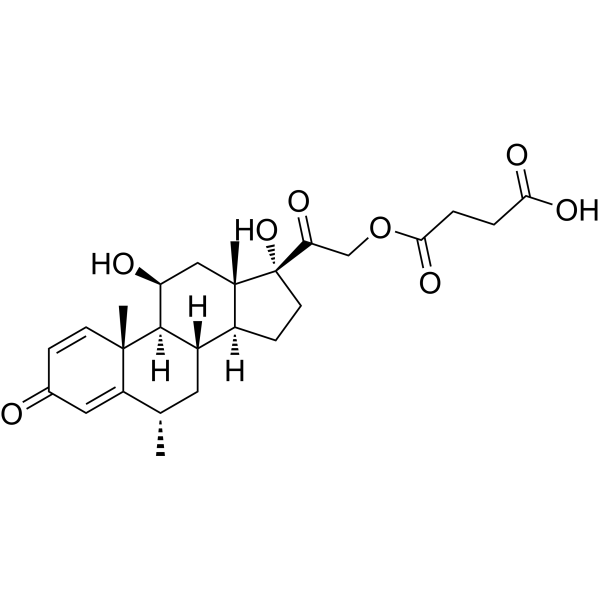
Methylprednisolone hydrogen succinate
|
Glucocorticoid Receptor
Bacterial
Toll-like Receptor (TLR)
NF-κB
|
Infection
Neurological Disease
Metabolic Disease
Inflammation/Immunology
Cancer
|
|
Methylprednisolone succinate (Methylprednisolone hydrogen succinate) is a prodrug of Methylprednisolone (HY-B0260) and glucocorticoid with immunosuppressant and anti-inflammatory activity. Methylprednisolone succinate binds cytosolic glucocorticoid receptors, translocates to nuclei, and modulates target gene transcription. Methylprednisolone succinate alters Bax, Bcl-2, occludin, and ZO-1 expression; attenuates TLR4/NF-κB signaling; suppresses proinflammatory cytokine production and immune cell activation. Methylprednisolone succinate can be used for the research of intracranial haemorrhage, rheumatoid arthritis, multiple sclerosis, preterminal cancer, inflammatory conditions, shock, immediate-type hypersensitivity, acute myocardial ischemia, hypoxic heart muscle damage, and traumatic spinal cord injury .
|
-
-
- HY-131974
-
-
-
- HY-B1893
-
|
|
Glucocorticoid Receptor
|
Inflammation/Immunology
|
|
Fluorometholone, a synthetic glucocorticoid, is a glucocorticoid receptor agonist with anti-inflammatory and anti-allergic properties. Fluorometholone can be used for the research of dry eye .
|
-
-
- HY-B1540
-
-
-
- HY-13571A
-
-
-
- HY-132811
-
-
-
- HY-B1095
-
|
|
Progesterone Receptor
Androgen Receptor
Glucocorticoid Receptor
GABA Receptor
|
Neurological Disease
Metabolic Disease
|
|
Chlormadinone acetate is a progestogen with potent progestogenic activity and antiandrogenic effects. Chlormadinone acetate acts on glucocorticoid receptor, progesterone receptor, androgen receptor, and GABAA receptor. Chlormadinone acetate induces endometrial proliferation in estrogen-pretreated rabbits, inhibits testosterone-stimulated growth of the prostate and seminal vesicles in castrated rats, and reduces the thymus and adrenal weights in juvenile rats. Chlormadinone acetate is applicable to research related to diseases such as depression and reproductive metabolic disorders .
|
-
-
- HY-164894
-
-
-
- HY-111453
-
-
-
- HY-15710
-
-
-
- HY-152121
-
-
-
- HY-137882
-
-
-
- HY-148436
-
-
-
- HY-W010162
-
|
L-Alanyl-L-alanine; Ala-Ala
|
Amino Acid Derivatives
|
Others
|
H-Ala-Ala-OH is a substrate of human intestinal oligopeptide transporter (PEPT1/SLC15A1), with an IC50 of 0.25 mM and an EC50 of 0.08 mM against human PEPT1. When used as a dipeptide linker in antibody-drug conjugates (ADCs) loaded with glucocorticoid receptor regulator payloads, H-Ala-Ala-OH enables efficient intracellular payload release .
|
-
-
- HY-15709
-
-
-
- HY-111490
-
-
-
- HY-B1834
-
-
-
- HY-14234
-
|
|
Glucocorticoid Receptor
|
Metabolic Disease
Inflammation/Immunology
Endocrinology
|
Glucocorticoid receptor agonist is a Glucocorticoid receptor agonist that acts on Glucocorticoid receptor (GR), progesterone receptor (PR) and mineralocorticoid receptor (MR) with the IC50 values of 2.1 , 1200 and 210 nM, respectively. Glucocorticoid receptor agonist has steroid-like anti-inflammatory properties and may be used to improve metabolism and reduce increased levels of body fat and serum insulin .
|
-
-
- HY-148435
-
|
|
Glucocorticoid Receptor
ADC Payload
|
Inflammation/Immunology
|
|
Glucocorticoid receptor agonist-2 (compound 21) is an glucocorticoid receptor agonist with an IC50 value of 6.6 nM. Glucocorticoid receptor agonist-2 can be used to synthesize anti-inflammatory ADC molecules. Glucocorticoid receptor agonist-2 is an active reference of ABBV-3373 .
|
-
-
- HY-16722
-
-
-
- HY-17461S1
-
-
-
- HY-49382
-
|
|
Target Protein Ligand-Linker Conjugates
|
Others
|
|
Fluocinolone acetonide 3-benzylaniline (Precursor Example 1) is a glucocorticoid receptor agonist-linker conjugate, which can be used for the synthesis of anti-CD40 antibody-drug conjugates (ADCs) .
|
-
-
- HY-164860
-
|
|
Glucocorticoid Receptor
ADC Payload
|
Inflammation/Immunology
|
|
Glucocorticoid receptor agonist-5 (compound 4), a glucocorticoid molecule, is a potent glucocorticoid receptor agonist. Glucocorticoid receptor agonist-5 shows anti-inflammatory and immunosuppressive activity. Glucocorticoid receptor agonist-5 is used as an ADC Cytotoxin for antibody-drug conjugate .
|
-
-
- HY-103548
-
|
|
Glucocorticoid Receptor
|
Endocrinology
|
|
GSK9027, as a non-steroidal glucocorticoid receptor (GR) agonist, behaves as a partial agonist on the 2×glucocorticoid response element (GRE) reporter system, and achieves intrinsic activities relative to dexamethasone .
|
-
-
- HY-14864
-
-
-
- HY-17461R
-
|
17-Hydroxy-11-dehydrocorticosterone(Standard); Kendall's compound E (Standard)
|
Reference Standards
Glucocorticoid Receptor
Endogenous Metabolite
|
Inflammation/Immunology
Endocrinology
|
|
Cortisone (Standard) is the analytical standard of Cortisone. This product is intended for research and analytical applications. Cortisone (17-Hydroxy-11-dehydrocorticosterone), an oxidized metabolite of Cortisol (a Glucocorticoid). Cortisone acts as an immunosuppressant and anti-inflammatory agent. Cortisone can partially intervene in binding of Glucocorticoid to Glucocorticoid-receptor at high concentrations .
|
-
-
- HY-103025
-
|
ZK 91588; MPA
|
Glucocorticoid Receptor
|
Inflammation/Immunology
|
|
Methylprednisolone aceponate (ZK 91588) is a glucocorticoid and anti-inflammatory agent with weak systemic effects. Methylprednisolone aceponate is a selective glucocorticoid receptor Ligand.Methylprednisolone aceponate can be used for research of eczema and other inflammatory skin disorders .
|
-
-
- HY-151876
-
|
|
Glucocorticoid Receptor
NF-κB
AP-1
|
Inflammation/Immunology
|
|
Glucocorticoid receptor modulator 1 is a highly potent and orally active non-steroidal selective glucocorticoid receptor modulator with an IC50 value of 9 nM and 130 nM for NF-κB and AP-1, respectively. Glucocorticoid receptor modulator 1 can effectively reduce the expression of inflammatory factors IL-6, IL-1β, TNF-α, also can relieve dermatitis in mice .
|
-
-
- HY-N3741
-
|
Didrovaltratum
|
Calcium Channel
Reactive Oxygen Species (ROS)
Autophagy
|
Inflammation/Immunology
Cancer
|
|
Didrovaltrate (Didrovaltratum) is an L-type calcium channel blocker, ROS scavenger, autophagy enhancer, and lipid accumulation inhibitor. Didrovaltrate blocks L-type calcium currents in a concentration-dependent manner, shifts the current-voltage curve upward, modulates steady-state inactivation kinetics, and inhibits the nuclear translocation of glucocorticoid receptors. Didrovaltrate reduces ROS levels, downregulates the expression of muscle atrophy-related genes, enhances autophagy via lipophagy, and decreases Oleic acid-induced lipid accumulation. Didrovaltrate exhibits cytotoxic activity against cancer cells. Didrovaltrate can be used in research related to skeletal muscle atrophy, non-alcoholic fatty liver disease, breast cancer, lung cancer, gastric cancer, and prostate cancer .
|
-
-
- HY-159695A
-
-
-
- HY-14648S5
-
|
Hexadecadrol-d3-1; Prednisolone F-d3-1
|
Isotope-Labeled Compounds
Antibiotic
Autophagy
Glucocorticoid Receptor
SARS-CoV
ADC Payload
Mitophagy
Complement System
Bacterial
Exosomes
|
Cancer
|
|
Dexamethasone-d3-1 (Hexadecadrol-d3-1; Prednisolone F-d3-1) is a deuterium labeled Dexamethasone (HY-14648). Dexamethasone (Hexadecadrol) is a glucocorticoid receptor agonist. Dexamethasone also significantly decreases CD11b, CD18, and CD62L expression on neutrophils, and CD11b and CD18 expression on monocytes. Dexamethasone is highly effective in the control of COVID-19 infection. Dexamethasone inhibits production of exosomes containing inflammatory microRNA-155 in lipopolysaccharide-induced macrophage inflammatory responses.
|
-
-
- HY-170587
-
-
-
- HY-171081
-
|
|
ADC Payload
Glucocorticoid Receptor
|
Cancer
|
|
Glucocorticoid receptor agonist-6 (Compound A) is a Glucocorticoid receptor (GR) agonist. Glucocorticoid receptor agonist-6 can be used as a cytotoxic payload for synthesis of antibody-drug conjugates (ADCs) .
|
-
-
- HY-121131
-
-
-
- HY-145351
-
-
-
- HY-109026
-
-
-
- HY-17461S
-
-
-
- HY-B1893R
-
|
|
Reference Standards
Glucocorticoid Receptor
|
Inflammation/Immunology
|
|
Fluorometholone (Standard) is the analytical standard of Fluorometholone. This product is intended for research and analytical applications. Fluorometholone, a synthetic glucocorticoid, is a glucocorticoid receptor agonist with anti-inflammatory and anti-allergic properties. Fluorometholone can be used for the research of dry eye .
|
-
- HY-157294B
-
|
GSK47866A
|
Glucocorticoid Receptor
|
Others
|
|
(Rac)-GSK866 (GSK47866A) is a non-steroidal glucocorticoid receptor (GR) ligand. The crystal structure of (Rac)-GSK866 bound to the GR LBD (3E7C) can be used as a model to study the mechanism of action of ligands of the same class .
|
-
- HY-159695
-
-
- HY-106983
-
|
|
Glucocorticoid Receptor
|
Inflammation/Immunology
|
|
GR 250495X is an inhaled glucocorticoid receptor agonist. GR 250495X is designed as a antedrug, which takes effect locally in the lungs but is rapidly metabolized and inactivated in the bloodstream after entering the systemic circulation, thereby minimizing systemic side effects. GR 250495X can be used in asthma research .
|
-
- HY-125265
-
|
|
Glucocorticoid Receptor
|
Metabolic Disease
|
|
JTP-117968, a novel selective glucocorticoid receptor modulator (a non-steroidal SGRM, IC50 of 6.8 nM), exhibits improved transrepression/transactivation dissociation .
|
-
- HY-N12744
-
|
|
Glucocorticoid Receptor
|
Metabolic Disease
|
|
2-O-trans-p-Coumaroylalphitolic acid (Zj7) is a triterpene which can be extracted from jujube plants. 2-O-trans-P-Coumaroyl alphitolic acid is a selective modulator of glucocorticoid receptor (GR). 2-O-trans-P-coumaroyl alphitolic acid can be used in the study of obesity .
|
-
- HY-125627
-
|
|
Glucocorticoid Receptor
Androgen Receptor
|
Neurological Disease
Metabolic Disease
|
|
CP-394531 is an efficient and highly selective non-steroidal glucocorticoid receptor (GR) antagonist, with a Ki value of 0.1 nM. CP-394531 has a weak binding to androgen receptor (AR) (Ki = 130 nM), and has almost no effect on progesterone receptor (PR) and estrogen receptors (ERα, ERβ). CP-394531 completely blocks the half-maximal agonistic effect induced by Dexamethasone (HY-14648G), with a Kif of 4.1 nM. CP-394531 can be used to study various diseases such as diabetes, obesity, depression, neurodegenerative diseases, glaucoma and Cushing's disease .
|
-
- HY-W744549
-
|
20β-DHF
|
Glucocorticoid Receptor
Drug Metabolite
|
Metabolic Disease
|
|
20β-Dihydrocortisol (20β-DHF) is a metabolite of Hydrocortisone (Cortisol) (HY-N0583). 20β-Dihydrocortisol is a weak endogenous agonist of the glucocorticoid receptor (GR). 20β-Dihydrocortisol can be converted from Hydrocortisone via CBR1 catalysis, a process dependent on NADPH. 20β-Dihydrocortisol can be used for the study of obesity .
|
-
- HY-160177
-
-
- HY-139710
-
-
- HY-139709
-
-
- HY-163673
-
|
|
Glucocorticoid Receptor
Drug-Linker Conjugates for ADC
|
Inflammation/Immunology
|
|
Glucocorticoid receptor modulator 4 (Compound DL5) is a conjugate of a linker and a glucocorticoid receptor modulator. Glucocorticoid receptor modulator 4 exhibits GRE Reporter activity in mTNF expressing K562 cell with an EC50 of 40 μM. Glucocorticoid receptor modulator 4 binds with an anti-tumor necrosis factor (TNF) antibody, and exhibits anti-inflammtory activity against arthritis in mouse models .
|
-
- HY-160180
-
-
- HY-160179
-
-
- HY-142941
-
|
|
Glucocorticoid Receptor
MMP
|
Inflammation/Immunology
|
|
Glucocorticoid receptor-IN-1 (Compound WX002) is a selective glucocorticoid receptor (GR) modulator with anti-inflammatory effect. Glucocorticoid receptor-IN-1 exhibits very good transcriptional repressive activity with an IC50 of 2.11 nM against hMMP1, and transcriptional activation activity with an EC50 of 5.59 nM against MMTV .
|
-
- HY-176877
-
|
|
Glucocorticoid Receptor
Interleukin Related
|
Inflammation/Immunology
|
|
Glucocorticoid receptor/IL-6-IN-2 (Compound 36) is a selective dual inhibitor targeting the glucocorticoid receptor (GR) and IL-6 signaling pathway (IC50 values of 40 nM and 19 nM, respectively). Glucocorticoid receptor/IL-6-IN-2 is promising for research of inflammatory diseases like rheumatoid arthritis and asthma .
|
-
- HY-114154
-
|
|
Glucocorticoid Receptor
|
Inflammation/Immunology
|
|
AL-438 is a potent, selective and orally active glucocorticoid receptor modulator with Kis of 2.5, 1786, 53, 1440, >1000 nM for glucocorticoid receptor, progesterone receptor, mineralocorticoid receptor, androgen receptor, estrogen receptor, respectively. AL-438 shows antiinflammatory activity .
|
-
- HY-176876
-
|
|
Glucocorticoid Receptor
Interleukin Related
JAK
STAT
|
Inflammation/Immunology
|
|
Glucocorticoid receptor/IL-6-IN-1 (Compound 35) is a selective dual inhibitor targeting the glucocorticoid receptor (GR) and IL-6 signaling pathway (IC50 values of 120 nM and 59 nM, respectively). Glucocorticoid receptor/IL-6-IN-1 inhibits IL-6-induced JAK/STAT3 phosphorylation, blocking inflammatory cytokine transcription. Glucocorticoid receptor/IL-6-IN-1 is promising for research of inflammatory diseases like rheumatoid arthritis and asthma .
|
-
- HY-17461AR
-
|
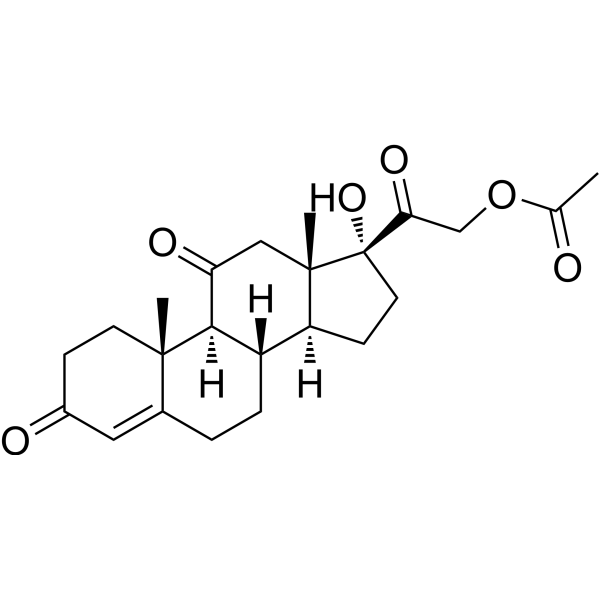
Cortisone 21-acetate (Standard)
|
Reference Standards
Glucocorticoid Receptor
Endogenous Metabolite
|
Inflammation/Immunology
Endocrinology
|
|
Cortisone acetate (Standard) is the analytical standard of Cortisone acetate. This product is intended for research and analytical applications. Cortisone acetate (Cortisone 21-acetate), an oxidized metabolite of Cortisol (a Glucocorticoid). Cortisone acetate acts as an immunosuppressant and anti-inflammatory agent. Cortisone acetate can partially intervene in binding of Glucocorticoid to Glucocorticoid-receptor at high concentrations .
|
-
- HY-13571B
-
-
- HY-157294
-
-
- HY-176298
-
-
- HY-400356
-
|
|
ADC Linker
|
Cancer
|
|
Glucocorticoid receptor agonist-1 phosphate Gly-Glu (TFA) is a cleavable linker, that can be used to synthesize Antibody-Drug Conjugates (ADCs).
|
-
- HY-120273
-
|
|
Glucocorticoid Receptor
|
Metabolic Disease
Inflammation/Immunology
|
|
Glucocorticoids receptor agonist 3 is a potent agonist of glucocorticoids receptor. Glucocorticoids receptor agonist 3 is useful to research diseases, such as obesity, diabetes, and inflammation (extracted from patent WO2000066522A1, compound 345) .
|
-
- HY-400878
-
|
|
Glucocorticoid Receptor
Drug-Linker Conjugates for ADC
|
Cancer
|
|
Glucocorticoid receptor agonist-1 phosphate Gly-Glu-Mal, a glucocorticoid receptor agonist, is a drug-linker conjugate for ADC. Glucocorticoid receptor agonist-1 phosphate Gly-Glu-Mal can be used to synthesize the anti-CD40 antibody agent conjugates (WO2019106608A1; example 9) .
|
-
- HY-W071581
-
|
|
Glucocorticoid Receptor
|
Inflammation/Immunology
|
|
Glucocorticoid receptor activator 1 (compound A) is a phenyl aziridine precursor and an activator of the glucocorticoid receptor (GR). Glucocorticoid receptor activator 1 down-modulates TNF-induced pro-inflammatory gene expression by activating GR and can be utilized in inflammation research .
|
-
- HY-120948
-
|
|
Fluorescent Dye
|
Others
|
|
RU 45196 is an 11 beta-substituted 19-norsteroid of the estra-4,9-diene series. RU 45196 displays fluorescence properties (excitation at 480 nm, emission at 525 nm) as well as high binding affinities for the glucocorticoid and progesterone receptors .
|
-
- HY-131543
-
|
RU 42698
|
Endogenous Metabolite
Glucocorticoid Receptor
|
Metabolic Disease
|
|
22-Hydroxy Mifepristone (RU 42698) is an orally active hydroxylated alcoholic metabolite with antiprogestational and antiglucocorticoidal activities, which contains an Alkyne group and can undergo copper-catalyzed azide-alkyne cycloaddition (CuAAc) with molecules containing Azide groups. The relative binding affinity of 22-Hydroxy Mifepristone to the human glucocorticoid receptor is 48% .
|
-
- HY-149165
-
|
|
Glucocorticoid Receptor
|
Inflammation/Immunology
|
|
Glucocorticoid receptor modulator 2 (Example 1) is a glucocorticoid receptor modulator, with an IC50 value less than 100 nM. Glucocorticoid receptor modulator 2 can be used for research of inflammatory and immune diseases .
|
-
- HY-161520
-
|
|
Glucocorticoid Receptor
NF-κB
|
Inflammation/Immunology
|
|
Glucocorticoid receptor/NF-κB modulator-1 (Compound 20) is a derivative of ocotillol. Glucocorticoid receptor/NF-κB modulator-1 suppresses the degradation of glucocorticoid receptor (GR) mRNA and GR protein, inhibits the activation of NF-κB signaling pathway. Glucocorticoid receptor/NF-κB modulator-1 downregulates levels of NO, interleukin-6 and tumor necrosis factor-alpha (TNF-α). Glucocorticoid receptor/NF-κB modulator-1 ameliorates sepsis in mouse model .
|
-
- HY-163672
-
|
|
Glucocorticoid Receptor
|
Metabolic Disease
Inflammation/Immunology
|
|
Glucocorticoid receptor modulator 3 (Payload 6) is a thioester-containing glucocorticoid receptor modulator (IC50=0.6 nM). Glucocorticoid receptor modulator 3 is designed to inactivate unconjugated payloads rapidly through liver metabolism, thereby minimizing systemic exposure. Glucocorticoid receptor modulator 3 can be utilized in the development of antibody-drug conjugates (ADCs) targeting autoimmune diseases .
|
-
- HY-160178
-
-
- HY-142942
-
|
|
Glucocorticoid Receptor
MMP
|
Inflammation/Immunology
|
|
Glucocorticoid receptor-IN-2 (Compound WX019) is a selective glucocorticoid receptor (GR) modulator with anti-inflammatory effect. Glucocorticoid receptor-IN-2 exhibits very good transcriptional repressive activity with an IC50 of 0.171 nM against hMMP1, and comparable transcriptional activation activity with an EC50 of 0.94 nM against MMTV .
|
-
- HY-106365
-
|
|
Glucocorticoid Receptor
|
Endocrinology
|
|
Rofleponide is a synthetic glucocorticoid that has a high affinity for rat thymic glucocorticoid receptors and has high anti-inflammatory efficacy in experimental animal models .
|
-
- HY-139556
-
-
- HY-14864A
-
-
- HY-123580
-
|
|
Glucocorticoid Receptor
|
Others
|
|
RU26988 is a highly specific glucocorticoid receptor agonist with a very low affinity for salocorticoid receptors .
|
-
- HY-165370
-
|
|
Glucocorticoid Receptor
AP-1
NF-κB
|
Inflammation/Immunology
|
|
BMS-791826 is a selective glucocorticoid receptor modulator. BMS-791826 effectively binds to glucocorticoid receptors and effectively inhibits AP-1 and NF-κB-dependent reporter. BMS-791826 can be used in the research of inflammatory diseases .
|
-
- HY-17461S3
-
|
17-Hydroxy-11-dehydrocorticosterone-d2; Kendall's compound E-d2
|
Isotope-Labeled Compounds
Glucocorticoid Receptor
Endogenous Metabolite
|
Endocrinology
|
|
Cortisone-d2 is the deuterium labeled Cortisone. Cortisone (17-Hydroxy-11-dehydrocorticosterone), an oxidized metabolite of Cortisol (a Glucocorticoid). Cortisone acts as an immunosuppressant and anti-inflammatory agent. Cortisone can partially intervene in binding of Glucocorticoid to Glucocorticoid-receptor at high concentrations .
|
-
- HY-B0243R
-
|
|
Reference Standards
Glucocorticoid Receptor
|
Inflammation/Immunology
|
|
Meprednisone (Standard) is the analytical standard of Meprednisone. This product is intended for research and analytical applications. Meprednisone is a glucocorticoid and a methylated derivative of Prednisone (HY-B0214). Meprednisone modulates glucocorticoid receptor. Meprednisone is orally active .
|
-
- HY-171460
-
|
|
Glucocorticoid Receptor
|
Neurological Disease
Inflammation/Immunology
|
|
Win 45164 is an orally active glucocorticoid receptor (Glucocorticoid Receptor) ligand with the activity of inhibiting the pituitary - adrenal axis. It can promote liver glycogen deposition and thymus involution in adrenalectomized male rats. Meanwhile, Win 45164 has anti - inflammatory effects. It can be used in the research of inflammatory and neurological diseases .
|
-
- HY-157585S
-
-
- HY-B1540S
-
-
- HY-167932
-
|
RU486 methochloride; RU 38486 methochloride
|
Progesterone Receptor
|
Endocrinology
|
|
Mifepristone (RU486) methochloride is a glucocorticoid antagonist that blocks peripheral glucocorticoid and progesterone receptors. Mifepristone methochloride has been shown to have minimal effects on intraocular pressure in treated rabbits. Mifepristone methochloride was developed as a water-soluble formulation to enhance ocular penetration of the drug.
|
-
- HY-B1540R
-
-
- HY-100087
-
-
- HY-117847
-
-
- HY-119080
-
|
|
Progesterone Receptor
|
Endocrinology
Cancer
|
|
CP8754 is an orally active, selective human progesterone receptor (hPR) antagonist that blocks progesterone-mediated signaling pathways. CP8754 competitively inhibits the binding of [ 3H]-progesterone to hPR. And in vitro, CP8754 inhibits progesterone-dependent exogenous luciferase and endogenous alkaline phosphatase expression; while in vivo, CP8754 inhibits rabbit endometrial transformation. CP8754 does not significantly bind to human glucocorticoid receptors (hGR), estrogen receptors (hER), or rat androgen receptors (rAR). CP8754 can be used in the study of progesterone-related diseases such as breast cancer, endometriosis, uterine fibroids, and meningioma, as well as hormone-dependent tumors .
|
-
- HY-181014
-
|
|
Glucocorticoid Receptor
NF-κB
AP-1
|
Inflammation/Immunology
|
|
Glucocorticoid receptor modulator 5 (Compound D8) is a selective, orally active Glucocorticoid receptor modulator. Glucocorticoid receptor modulator 5 shows extremely high transrepression activity (TRNF-κB IC50 = 0.0009 μM, TRAP-1 IC50 = 0.0005 μM). Glucocorticoid receptor modulator 5 exerts its anti-inflammatory activity by interacting directly with the Glucocorticoid receptor signaling pathway. Glucocorticoid receptor modulator 5 significantly alleviates dermatitis and autoimmune hepatitis .
|
-
- HY-17461S4
-
-
- HY-183905
-
|
|
11β-HSD
Glucocorticoid Receptor
Reactive Oxygen Species (ROS)
Keap1-Nrf2
|
Neurological Disease
|
|
KR-67607 is a selective 11β-HSD1 inhibitor, with an IC50 value of 4.8 nM against h11β-HSD1 and 7.1 nM against mouse 11β-HSD1. KR-67607 inhibits stress-induced Glucocorticoid receptor nuclear translocation, reduces cortisol levels, suppresses the expression of ROS and proinflammatory cytokines, and enhances Nrf-2-mediated antioxidant gene transcription. KR-67607 maintains trabecular meshwork structure and reverses elevated intraocular pressure. KR-67607 improves ocular antioxidant activity and mucus secretion, reverses ocular surface damage, and prevents ischemia-reperfusion induced ocular injury. KR-67607 can be used in research related to glaucoma and dry eye disease .
|
-
- HY-13571AR
-
|
Beclomethasone dipropionate (Standard)
|
NO Synthase
Glucocorticoid Receptor
Reactive Oxygen Species (ROS)
Reference Standards
|
Inflammation/Immunology
Endocrinology
|
|
Beclometasone dipropionate (Standard) is the analytical standard of Beclometasone dipropionate. This product is intended for research and analytical applications. Beclometasone dipropionate, the proagent of Beclometasone, is an orally active and potent glucocorticoid recepter agonist. Beclometasone dipropionate acts via a glucocorticoid receptor and suppresses inflammation and hyperproliferation. Beclometasone dipropionate can be used for asthma .
|
-
- HY-B1834S1
-
-
- HY-125839
-
|
|
Glucocorticoid Receptor
|
Inflammation/Immunology
Endocrinology
|
|
OP-3633 is a potent and selective steroidal glucocorticoid receptor (GR) antagonist with an IC50 of 29 nM, with inhibition of GR transcriptional activity. OP-3633 exhibits low progesterone receptor (PR) agonism and androgen receptor (AR) antagonism .
|
-
- HY-19591
-
-
- HY-13683S
-
-
- HY-B0469S
-
-
- HY-103025R
-
|
ZK 91588 (Standard); MPA (Standard)
|
Reference Standards
Glucocorticoid Receptor
|
Inflammation/Immunology
|
|
Methylprednisolone aceponate (Standard) is the analytical standard of Methylprednisolone aceponate. This product is intended for research and analytical applications. Methylprednisolone aceponate (ZK 91588) is a glucocorticoid and anti-inflammatory agent with weak systemic effects. Methylprednisolone aceponate is a selective glucocorticoid receptor Ligand.Methylprednisolone aceponate can be used for research of eczema and other inflammatory skin disorders .
|
-
- HY-B0415
-
|
|
Glucocorticoid Receptor
Wnt
|
Inflammation/Immunology
Endocrinology
|
|
Fluocinolone is a glucocorticoid glucocorticoid receptor agonist. Fluocinolone is effective in preventing both lipid accumulation and inflammation. Fluocinolone can promote the proliferation of DPCs and has the potential role in repairing injured pulp tissues. Fluocinolone can be used to study the prevention of chemotherapy-induced peripheral neuropathy caused by Paclitaxel (HY-B0015) .
|
-
- HY-B1834R
-
-
- HY-B0154
-
-
- HY-N14422
-
-
- HY-157568S
-
|
|
Isotope-Labeled Compounds
|
Others
|
|
Budesonide acid-d8 is a deuterium labeled Budesonide acid. Budesonide acid is an impurity of Budesonide. Budesonide, an inhaled glucocortical steroid, is an orally active glucocorticoid receptor agonist .
|
-
- HY-103662
-
-
- HY-120016
-
|
|
Glucocorticoid Receptor
|
Neurological Disease
|
|
RU 43044 is a glucocorticoid receptor antagonist. RU 43044 shows an antidepressant-like effect, probably via an inhibition of enhanced prefrontal dopaminergic neurotransmission in these mouse models .
|
-
- HY-13693S
-
-
- HY-B1832S
-
-
- HY-B0469R
-
-
- HY-W740216
-
|
RU 42633
|
Glucocorticoid Receptor
Drug Metabolite
|
Endocrinology
|
|
N-Demethyl Mifepristone (RU 42633) is an active metabolite of Mifepristone (HY-13683). The affinities of N-Demethyl Mifepristone to the glucocorticoid receptor is 61% compared with 100% for Mifepristone .
|
-
- HY-13683R
-
-
- HY-13683S2
-
-
- HY-111372A
-
|
(Rac)-BAY 94-8862
|
Mineralocorticoid Receptor
|
Cardiovascular Disease
|
|
(Rac)-Finerenone ((Rac)-BAY 94-8862) is the racemate of Finerenone. Finerenone is a third-generation, selective, and orally available nonsteroidal mineralocorticoid receptor (MR) antagonist (IC50=18 nM). Finerenone displays excellent selectivity versus glucocorticoid receptor (GR), androgen receptor (AR), and progesterone receptor (>500-fold) .
|
-
- HY-B1121
-
-
- HY-111490R
-
|
CIC-AP(Standard); Ciclesonide active principle (Standard)
|
Reference Standards
Glucocorticoid Receptor
|
Inflammation/Immunology
Endocrinology
|
|
Desisobutyryl-ciclesonide (Standard) is the analytical standard of Desisobutyryl-ciclesonide. This product is intended for research and analytical applications. Desisobutyryl-ciclesonide is the active metabolite of Ciclesonide. Desisobutyryl-ciclesonide has affinity for the glucocorticoid receptor.
|
-
- HY-132269
-
|
|
Glucocorticoid Receptor
|
Inflammation/Immunology
|
|
Isoflupredone belongs to the class of corticosteroids and exerts its effect by binding to glucocorticoid and mineralocorticoid receptors of animals, such as horses. Isoflupredone can be used in wide range of conditions, such as infection and inflammatory diseases .
|
-
- HY-B1121A
-
-
- HY-117880
-
|
CORT 125281
|
Glucocorticoid Receptor
|
Metabolic Disease
Endocrinology
|
|
Exicorilant (CORT 125281) is a selective and oral active glucocorticoid receptor (GR) antagonist, with a Ki value of 7 nM . Exicorilant (CORT 125281) has potential to overcome adiposity, glucose intolerance and dyslipidaemia .
|
-
- HY-105818
-
|
CCI 18773; S-Chlorofluticasone propionate
|
Drug Intermediate
|
Others
|
|
Cloticasone propionate (CCI 18773) is an intermediate in the synthesis of Fluticasone propionate (HY-B0154). Fluticasone propionate is a potent topical anti-inflammatory corticosteroid, is a selective glucocorticoid receptor agonist .
|
-
- HY-147220
-
|
Dex-Ox
|
Progesterone Receptor
|
Endocrinology
|
|
Dexamethasone oxetanone (Dex-Ox), a derivative of the glucocorticoid-selective steroid Dexamethasone (Dex), is an antiglucocorticoid. Dexamethasone oxetanone is an antiprogestin with significant agonist activity with progesterone receptor (PR) A and B isoforms .
|
-
- HY-13702R
-
|
Nilandron (Standard); RU 23908 (Standard)
|
Reference Standards
Androgen Receptor
Parasite
|
Infection
Endocrinology
Cancer
|
|
Nilutamide (Standard) is the analytical standard of Nilutamide. This product is intended for research and analytical applications. Nilutamide (Nilandron) is an orally active nonsteroidal androgen receptor antagonist with affinity for androgen receptors but not for progestogen, estrogen or glucocorticoid receptors. Nilutamide can be used to research prostate cancer. Nilutamide also has antischistosomal properties .
|
-
- HY-108243
-
-
- HY-157294A
-
|
(R)-GSK47866A
|
Glucocorticoid Receptor
|
Cancer
|
|
(R)-GSK866 ((R)-GSK47866A) is the (R)-enantiomer of GSK866 (HY-157294). GSK866 is a selective agonist for glucocorticoid receptor with an IC50 of 4.6 nM .
|
-
- HY-N0835
-
-
- HY-B1121S
-
|
|
Glucocorticoid Receptor
|
Inflammation/Immunology
Endocrinology
|
|
Flunisolide-d6 is the deuterium labeled Flunisolide. Flunisolide is a corticosteroid often used to treat allergic rhinitis.The principal mechanism of action of Flunisolide is to activate glucocorticoid receptors, meaning it has an anti-inflammatory action.
|
-
- HY-E71182
-
|
|
Biochemical Assay Reagents
|
Others
|
|
11β-Hydroxysteroid dehydrogenase (EC 1.1.1.146) catalyze the conversion of inert 11 keto-products (cortisone) to active cortisol, or vice versa, thus regulating the access of glucocorticoids to the steroid receptors.
|
-
- HY-137883
-
|
|
Drug-Linker Conjugates for ADC
|
Cancer
|
|
Glucocorticoid receptor agonist-1 phosphate Gly-Glu-Br is a drug-linker conjugate for ADC that can be used to synthesize ABBV-154, ABBV-927, ABBV-368 or their analogs .
|
-
- HY-125558
-
|
ORG-34517
|
Glucocorticoid Receptor
|
Neurological Disease
|
|
PT150 (ORG-34517) is a competitive and orally active glucocorticoid receptor antagonist. PT150 shows neuroprotective effects. PT150 has the potential for the research of Parkinson’s disease .
|
-
- HY-19653A
-
|
JO 1222
|
Glucocorticoid Receptor
|
Inflammation/Immunology
|
|
Butixocort propionate (JO 1222), a corticosteroid, is a potent Glucocorticoid Receptor agonist. Butixocort propionate exhibits anti-inflammatory activity. Butixocort propionate can be used for the researches of inflammation, immunology and metabolic disease, such as asthma and arthritis .
|
-
- HY-111372
-
|
BAY 94-8862
|
Mineralocorticoid Receptor
|
Cardiovascular Disease
Metabolic Disease
|
|
Finerenone (BAY 94-8862) is a third-generation, selective, and orally active nonsteroidal mineralocorticoid receptor (MR) antagonist (IC50 = 18 nM). Finerenone displays excellent selectivity versus glucocorticoid receptor (GR), androgen receptor (AR), and progesterone receptor (> 500-fold). Finerenone has the potential for cardiorenal diseases research, such as type 2 diabetes mellitus and chronic kidney disease .
|
-
- HY-B0415R
-
|
|
Reference Standards
Glucocorticoid Receptor
Wnt
|
Inflammation/Immunology
Endocrinology
|
|
Fluocinolone (Acetonide) (Standard) is the analytical standard of Fluocinolone (Acetonide). This product is intended for research and analytical applications. Fluocinolone is a glucocorticoid glucocorticoid receptor agonist. Fluocinolone is effective in preventing both lipid accumulation and inflammation. Fluocinolone can promote the proliferation of DPCs and has the potential role in repairing injured pulp tissues. Fluocinolone can be used to study the prevention of chemotherapy-induced peripheral neuropathy caused by Paclitaxel (HY-B0015) .
|
-
- HY-B0154S1
-
-
- HY-B0154S
-
-
- HY-108061
-
|
|
Glucocorticoid Receptor
|
Metabolic Disease
|
|
A-348441 is a liver selective glucocorticoid receptor antagonist. A-348441 can reduce the glucose level in the liver. A-348441 can be used for the research of metabolic disease, such as type 2 diabetes .
|
-
- HY-W777281
-
|
|
Isotope-Labeled Compounds
Glucocorticoid Receptor
Wnt
|
Endocrinology
|
|
Fluocinolone acetonide- 13C3 is the 13C-labeled Fluocinolone (Acetonide) (HY-B0415). Fluocinolone is a glucocorticoid glucocorticoid receptor agonist. Fluocinolone is effective in preventing both lipid accumulation and inflammation. Fluocinolone can promote the proliferation of DPCs and has the potential role in repairing injured pulp tissues. Fluocinolone can be used to study the prevention of chemotherapy-induced peripheral neuropathy caused by Paclitaxel (HY-B0015) .
|
-
- HY-13693
-
|
Sch32088
|
Glucocorticoid Receptor
|
Inflammation/Immunology
Endocrinology
Cancer
|
|
Mometasone furoate (Sch32088) is a glucocorticoid receptor agonist with anti-inflammatory and anti-allergic activity. Mometasone furoate acts as a corticosteroid agent and used for topical applications in chronic skin eczema and airway inflammation management of asthma in vivo
|
-
- HY-144397
-
|
|
Glucocorticoid Receptor
|
Inflammation/Immunology
|
|
LEO 134310 is a selective, non-steroidal glucocorticoid receptor (GR) agonist optimized for topical research., LEO 134310 showed high affinity (EC50 of 14 nM) in a GR binding assay. LEO 134310 can be used for skin diseases .
|
-
- HY-14648G
-
-
- HY-B0328
-
-
- HY-13580
-
|
|
Glucocorticoid Receptor
ADC Payload
|
Inflammation/Immunology
Cancer
|
|
Budesonide, an inhaled glucocortical steroid, is an orally active glucocorticoid receptor agonist. Budesonide decreases the size of lung tumors, reverses DNA hypomethylation and modulates mRNA expression of genes. Budesonide is an anti-inflammatory agent used for asthma .
|
-
- HY-105177
-
|
|
Progesterone Receptor
|
Endocrinology
Cancer
|
|
ORG 33628 is a potent and selective progesterone receptor modulator. ORG 33628 shows anti-progestational and anti-glucocorticoid activity. ORG 33628 shows ovulation-inhibitory activity. ORG 33628 has the potential for the research of breast and endometrium .
|
-
- HY-P992150
-
|
|
Interleukin Related
|
Inflammation/Immunology
|
|
Altrakincept is a recombinant hIL-4 receptor and IL-4 neutralizer. Altrakincept neutralizes endogenous IL-4, and prevents the decline of pulmonary function and acute asthma exacerbations after abrupt withdrawal of inhaled glucocorticoids .
|
-
- HY-146564A
-
|
|
Glucocorticoid Receptor
|
Inflammation/Immunology
|
|
HP210 is a selective glucocorticoid receptor modulator (SGRM). HP210 can inhibit the mRNA expression of IL-1β and IL-6. HP210 has the potential to study inflammation-related diseases .
|
-
- HY-120012
-
|
AZD9567
|
Glucocorticoid Receptor
|
Inflammation/Immunology
Endocrinology
|
|
Mizacorat (AZD9567; compound 15) is a potent, oral active, non-steroidal and selective glucocorticoid receptor modulator (SGRM), with an IC50 of 3.8 nM. Exhibits excellent efficacy in the streptococcal cell wall (SCW) reactivation model of joint inflammation .
|
-
- HY-A0158R
-
|
|
Glucocorticoid Receptor
Reference Standards
|
Inflammation/Immunology
|
|
Diflorasone (Standard) is the analytical standard of Diflorasone. This product is intended for research and analytical applications. Diflorasone act as a corticosteroid hormone receptor agonist with anti-inflammatory and immunosuppressive properties. Diflorasone enters the cell by diffusion across the cell membrane and binds to the glucocorticoid receptor (GR) in the cytoplasm. Diflorasone is used for the research of skin diseases such as eczema or psoriasis .
|
-
- HY-B0154R
-
-
- HY-17569
-
|
|
Phospholipase
|
Inflammation/Immunology
|
|
Difluprednate is a glucocorticoid receptor (GC receptor) agonist with a Ki of 0.78 nM. Difluprednate's active metabolite 21-deacetylated difluprednate (DFB) is a competitive agonist of GC receptors with a Ki of 0.061 nM. Difluprednate binds to GC receptors through metabolism to DFB, regulating the transcription of inflammatory mediator genes, thereby exerting anti-inflammatory activity. Difluprednate can be used for research related to ocular inflammation, such as postoperative inflammation, anterior uveitis, etc .
|
-
- HY-W012389
-
|
5-Bromo-2,3-difluoroanisole
|
Drug Intermediate
|
Others
|
|
5-Bromo-1,2-difluoro-3-methoxybenzene (5-Bromo-2,3-difluoroanisole) is a drug synthesis intermediate that can be used to synthesize a ligand of glucocorticoid receptor (GR) .
|
-
- HY-B0469S1
-
-
- HY-163340
-
|
|
Glucocorticoid Receptor
Androgen Receptor
|
Cancer
|
|
GA32 (compound 58r) is potent androgen receptor (AR)/glucocorticoid receptor (GR) dual inhibitor with IC50 values of 0.13 μM and 0.83 μM for AR and GR, respectively. GA32 inhibits the proliferation of Enzalutamide (HY-70002) resistance castration-resistant prostate cancer both in vitro and in vivo .
|
-
- HY-123352
-
|
(+)-ZK 216348
|
Glucocorticoid Receptor
|
Inflammation/Immunology
Endocrinology
|
|
ZK 216348 ((+)-ZK 216348) is a nonsteroidal selective glucocorticoid receptor agonist with an IC50 of 20.3 nM. ZK 216348 also binds to Progesterone and mineralocorticoid receptors with IC50s of 20.4 nM and 79.9 nM, respectively. ZK 216348 has antiinflammatory activity similar to Prednisolone and induces less transactivation-mediated side effects .
|
-
- HY-120510
-
-
- HY-153345
-
-
- HY-132269R
-
|
|
Glucocorticoid Receptor
Reference Standards
|
Inflammation/Immunology
|
|
Isoflupredone (Standard) is the analytical standard of Isoflupredone. This product is intended for research and analytical applications. Isoflupredone belongs to the class of corticosteroids and exerts its effect by binding to glucocorticoid and mineralocorticoid receptors of animals, such as horses. Isoflupredone can be used in wide range of conditions, such as infection and inflammatory diseases .
|
-
- HY-B1121R
-
|
|
Glucocorticoid Receptor
Apoptosis
Reference Standards
|
Inflammation/Immunology
Endocrinology
|
|
Flunisolide (Standard) is the analytical standard of Flunisolide. This product is intended for research and analytical applications. Flunisolide is a corticosteroid, which is an orally active glucocorticoid receptor activator with anti-inflammatory activity. Flunisolide can induce eosinophil apoptosis, and is used for the research of asthma or rhinitis, and inflammation .
|
-
- HY-125096
-
|
|
Glucocorticoid Receptor
|
Metabolic Disease
Inflammation/Immunology
|
|
C108297 is a selective glucocorticoid receptor (GR) modulator (GR binding Ki 0.7 nM; GR reporter gene functional Ki 0.6 nM). C108297 attenuates obesity by reducing caloric intake and increasing lipolysis and fat oxidation, and in addition attenuates inflammation .
|
-
- HY-B1121AR
-
|
|
Reference Standards
Glucocorticoid Receptor
Apoptosis
|
Inflammation/Immunology
Endocrinology
|
|
Flunisolide (hemihydrate) (Standard) is the analytical standard of Flunisolide (hemihydrate). This product is intended for research and analytical applications. Flunisolide hemihydrate is a corticosteroid, which is an orally active glucocorticoid receptor activator with anti-inflammatory activity. Flunisolide hemihydrate can induce eosinophil apoptosis, and is used for the research of asthma or rhinitis, and inflammation .
|
-
- HY-N2297R
-
|
|
Antibiotic
Reference Standards
|
Infection
|
|
Flunisolide (hemihydrate) (Standard) is the analytical standard of Flunisolide (hemihydrate). This product is intended for research and analytical applications. Flunisolide hemihydrate is a corticosteroid, which is an orally active glucocorticoid receptor activator with anti-inflammatory activity. Flunisolide hemihydrate can induce eosinophil apoptosis, and is used for the research of asthma or rhinitis, and inflammation .
|
-
- HY-123163
-
|
RWJ-66826; RTI-6617-003
|
Progesterone Receptor
Glucocorticoid Receptor
Androgen Receptor
Estrogen Receptor/ERR
|
Endocrinology
Cancer
|
|
JNJ-1250132 (RWJ-66826) is an orally active and potent steroidal progesterone receptor (PR) antagonist, with an IC50 of 1.3 nM. JNJ-1250132 inhibits binding of the receptor to DNA in vitro. JNJ-1250132 is a potent competitive inhibitor of binding to the human glucocorticoid receptor (GR) (IC50=0.50 nM) and the rat androgen receptor (AR) (IC50=5.6 nM), and was a weak inhibitor of binding to human Estrogen receptor (ER) (IC50 >3000 nM) .
|
-
- HY-111372R
-
|
BAY 94-8862 (Standard)
|
Reference Standards
Mineralocorticoid Receptor
|
Cardiovascular Disease
|
|
Finerenone (Standard) is the analytical standard of Finerenone. This product is intended for research and analytical applications. Finerenone (BAY 94-8862) is a third-generation, selective, and orally available nonsteroidal mineralocorticoid receptor (MR) antagonist (IC50=18 nM). Finerenone displays excellent selectivity versus glucocorticoid receptor (GR), androgen receptor (AR), and progesterone receptor (>500-fold). Finerenone has the potential for cardiorenal diseases research, such as type 2 diabetes mellitus and chronic kidney disease .
|
-
- HY-111372S
-
|
BAY 94-8862-d3
|
Mineralocorticoid Receptor
|
Others
|
|
Finerenone-d3 is the deuterium labeled finerenone (HY-111372). Finerenone is a third-generation, selective, and orally available nonsteroidal mineralocorticoid receptor (MR) antagonist (IC50=18 nM). Finerenone displays excellent selectivity versus glucocorticoid receptor (GR), androgen receptor (AR), and progesterone receptor (>500-fold). Finerenone has the potential for cardiorenal diseases research, such as type 2 diabetes mellitus and chronic kidney disease .
|
-
- HY-W950003
-
|
(Rac)-BAY 94-8862-d5
|
Isotope-Labeled Compounds
Mineralocorticoid Receptor
|
Cardiovascular Disease
|
|
(Rac)-Finerenone-d5 ((Rac)-BAY 94-8862-d5) is the deuterium labeled (Rac)-Finerenone (HY-111372A). (Rac)-Finerenone ((Rac)-BAY 94-8862) is the racemate of Finerenone. Finerenone is a third-generation, selective, and orally available nonsteroidal mineralocorticoid receptor (MR) antagonist (IC50=18 nM). Finerenone displays excellent selectivity versus glucocorticoid receptor (GR), androgen receptor (AR), and progesterone receptor (>500-fold).
|
-
- HY-123352A
-
|
|
Glucocorticoid Receptor
|
Inflammation/Immunology
Endocrinology
|
|
(-)-ZK 216348 is the enantiomer of (+)-ZK 216348 (HY-123352). (+)-ZK 216348 is a nonsteroidal selective glucocorticoid receptor agonist with an IC50 of 20.3 nM. ZK 216348 also binds to Progesterone and mineralocorticoid receptors with IC50s of 20.4 nM and 79.9 nM, respectively. ZK 216348 has antiinflammatory activity similar to Prednisolone and induces less transactivation-mediated side effects .
|
-
- HY-W752724
-
-
- HY-151963
-
|
|
PPAR
Glucocorticoid Receptor
|
Metabolic Disease
|
|
PPARγ/GR modulator 1 is an orally active dual agonist of PPARγ and glucocorticoid receptor (GR), with Kis of 3.3 and 33.6 μM, respectively. PPARγ/GR modulator 1 can be used for the research of metabolic diseases, such as diabetes .
|
-
- HY-B1095R
-
|
|
Reference Standards
Progesterone Receptor
|
Neurological Disease
Metabolic Disease
|
|
Chlormadinone acetate (Standard) is the analytical standard of Chlormadinone acetate (HY-B1095). This product is intended for research and analytical applications. Chlormadinone acetate is a progestogen with potent progestogenic activity and antiandrogenic effects. Chlormadinone acetate acts on glucocorticoid receptor, progesterone receptor, androgen receptor, and GABAA receptor. Chlormadinone acetate induces endometrial proliferation in estrogen-pretreated rabbits, inhibits testosterone-stimulated growth of the prostate and seminal vesicles in castrated rats, and reduces the thymus and adrenal weights in juvenile rats. Chlormadinone acetate is applicable to research related to diseases such as depression and reproductive metabolic disorders.
|
-
- HY-111372B
-
|
(R)-BAY 94-8862
|
Drug Isomer
Mineralocorticoid Receptor
|
Cardiovascular Disease
|
|
(R)-Finerenone ((R)-BAY 94-8862) is the R-isomer of Finerenone (HY-111372). Finerenone is a third-generation selective, orally active, non-steroidal mineralocorticoid receptor (MR) antagonist (IC50 = 18 nM). Compared with glucocorticoid receptors (GR), androgen receptors (AR), and progesterone receptors (AR), Finerenone shows good selectivity (> 500-fold). Finerenone has potential application prospects in studies of heart and kidney diseases, such as type 2 diabetes and chronic kidney disease .
|
-
- HY-B1095S2
-
|
|
Isotope-Labeled Compounds
Progesterone Receptor
|
Neurological Disease
Metabolic Disease
|
|
Chlormadinone acetate-d3 is the deuterium labeled Chlormadinone acetate (HY-B1095). Chlormadinone acetate is a progestogen with potent progestogenic activity and antiandrogenic effects. Chlormadinone acetate acts on glucocorticoid receptor, progesterone receptor, androgen receptor, and GABAA receptor. Chlormadinone acetate induces endometrial proliferation in estrogen-pretreated rabbits, inhibits testosterone-stimulated growth of the prostate and seminal vesicles in castrated rats, and reduces the thymus and adrenal weights in juvenile rats. Chlormadinone acetate is applicable to research related to diseases such as depression and reproductive metabolic disorders .
|
-
- HY-111372S1
-
|
BAY 94-8862-d5
|
Isotope-Labeled Compounds
Mineralocorticoid Receptor
|
Cardiovascular Disease
|
|
Finerenone-d5 (BAY 94-8862-d5) is deuterium labeled Finerenone. Finerenone (BAY 94-8862) is a third-generation, selective, and orally available nonsteroidal mineralocorticoid receptor (MR) antagonist (IC50=18 nM). Finerenone displays excellent selectivity versus glucocorticoid receptor (GR), androgen receptor (AR), and progesterone receptor (>500-fold). Finerenone has the potential for cardiorenal diseases research, such as type 2 diabetes mellitus and chronic kidney disease .
|
-
- HY-B1095S1
-
|
|
Isotope-Labeled Compounds
Progesterone Receptor
|
Neurological Disease
Metabolic Disease
|
|
Chlormadinone acetate-d6-1 is deuterium labeled Chlormadinone acetate (HY-B1095). Chlormadinone acetate is a progestogen with potent progestogenic activity and antiandrogenic effects. Chlormadinone acetate acts on glucocorticoid receptor, progesterone receptor, androgen receptor, and GABAA receptor. Chlormadinone acetate induces endometrial proliferation in estrogen-pretreated rabbits, inhibits testosterone-stimulated growth of the prostate and seminal vesicles in castrated rats, and reduces the thymus and adrenal weights in juvenile rats. Chlormadinone acetate is applicable to research related to diseases such as depression and reproductive metabolic disorders .
|
-
- HY-W778340
-
|
|
Drug Metabolite
Glucocorticoid Receptor
|
Inflammation/Immunology
Cancer
|
|
16α-Hydroxy-11-keto prednisolone (compound M-X) is a metabolite of Budesonide (HY-13580). Budesonide, an inhaled glucocortical steroid, is an orally active glucocorticoid receptor agonist. Budesonide is a widely used for study of asthma, rhinitis, and inflammatory bowel disease .
|
-
- HY-112710
-
|
|
Glucocorticoid Receptor
|
Endocrinology
Cancer
|
|
ORIC-101 is a highly potent and selective glucocorticoid receptor antagonist, with an EC50 of 5.6 nM. Anti-cancer activity. ORIC-101 is a click chemistry reagent, it contains an Alkyne group and can undergo copper-catalyzed azide-alkyne cycloaddition (CuAAc) with molecules containing Azide groups.
|
-
- HY-B0248
-
|
|
Glucocorticoid Receptor
Huntingtin
Apoptosis
|
Neurological Disease
Inflammation/Immunology
|
|
Desonide is a non-fluorinated corticosteroid anti-inflammatory agent that acts on the glucocorticoid receptor. Desonide can also specifically bind to the mutant huntingtin protein (mHTT), reducing the level and toxicity of mHTT. Desonide can be used in the research of Huntington's disease and inflammatory diseases such as atopic dermatitis .
|
-
- HY-13580S
-
|
|
Glucocorticoid Receptor
|
Inflammation/Immunology
Cancer
|
|
Budesonide-d8 is the deuterium labeled Budesonide. Budesonide, an inhaled glucocortical steroid, is an orally active glucocorticoid receptor agonist. Budesonide decreases the size of lung tumors, reverses DNA hypomethylation and modulates mRNA expression of genes. Budesonide is an anti-inflammatory agent used for asthma .
|
-
- HY-107122
-
-
- HY-B0251S
-
|
Epoxymexrenone-d3
|
Isotope-Labeled Compounds
Mineralocorticoid Receptor
Endogenous Metabolite
|
Cardiovascular Disease
|
|
Eplerenone-d3 is the deuterium labeled Eplerenone. Eplerenone (Epoxymexrenone) is a selective, competitive and oreally active aldosterone antagonist with an IC50 of 138 nM. Eplerenone has low affinity for progesterone, androgen, estrogen and glucocorticoid receptors. Eplerenone can be used for hypertension and heart failure after myocardial infarction reserch .
|
-
- HY-W742981
-
-
- HY-103662R
-
-
- HY-113854
-
AZD2906
1 Publications Verification
|
Glucocorticoid Receptor
|
Cardiovascular Disease
Endocrinology
|
|
AZD2906 is a selective glucocorticoid receptor (GR) agonist, increases micronucleated immature erythrocytes in the bone marrow of rats. AZD2906 shows IC50s of 2.2, 0.3, 41.6 and 7.5 nM at GR in human, rat PBMC and human, rat whole blood, respectively .
|
-
- HY-N0835R
-
-
- HY-17569S2
-
|
|
Isotope-Labeled Compounds
Phospholipase
|
Inflammation/Immunology
|
|
Difluprednate-d3-1 is the deuterium labeled Difluprednate (HY-17569). Difluprednate is a glucocorticoid receptor (GC receptor) agonist with a Ki of 0.78 nM. Difluprednate's active metabolite 21-deacetylated difluprednate (DFB) is a competitive agonist of GC receptors with a Ki of 0.061 nM. Difluprednate binds to GC receptors through metabolism to DFB, regulating the transcription of inflammatory mediator genes, thereby exerting anti-inflammatory activity. Difluprednate can be used for research related to ocular inflammation, such as postoperative inflammation, anterior uveitis, etc .
|
-
- HY-13580R
-
|
|
Reference Standards
Glucocorticoid Receptor
ADC Payload
|
Inflammation/Immunology
Cancer
|
|
Budesonide (Standard) is the analytical standard of Budesonide. This product is intended for research and analytical applications. Budesonide, an inhaled glucocortical steroid, is an orally active glucocorticoid receptor agonist. Budesonide decreases the size of lung tumors, reverses DNA hypomethylation and modulates mRNA expression of genes. Budesonide is an anti-inflammatory agent used for asthma .
|
-
- HY-108243R
-
|
|
Reference Standards
Glucocorticoid Receptor
|
Inflammation/Immunology
Endocrinology
|
|
AZD5423 (Standard) is the analytical standard of AZD5423 (HY-108243). This product is intended for research and analytical applications. AZD5423 is an inhaled, potent, selective, and non-steroidal glucocorticoid receptor (GR) modulator (SGRM) . AZD5423 effectively reduces allergen-induced responses in subjects with mild allergic asthma .
|
-
- HY-164893
-
-
- HY-13693R
-
|
Sch32088 (Standard)
|
Reference Standards
Glucocorticoid Receptor
|
Inflammation/Immunology
Endocrinology
Cancer
|
|
Mometasone furoate (Standard) is the analytical standard of Mometasone furoate. This product is intended for research and analytical applications. Mometasone furoate (Sch32088) is a glucocorticoid receptor agonist with anti-inflammatory and anti-allergic activity. Mometasone furoate acts as a corticosteroid agent and used for topical applications in chronic skin eczema and airway inflammation management of asthma in vivo
|
-
- HY-B0248R
-
|
|
Reference Standards
Glucocorticoid Receptor
Huntingtin
Apoptosis
|
Neurological Disease
Inflammation/Immunology
|
|
Desonide (Standard) is the analytical standard of Desonide. This product is intended for research and analytical applications. Desonide is a non-fluorinated corticosteroid anti-inflammatory agent that acts on the glucocorticoid receptor. Desonide can also specifically bind to the mutant huntingtin protein (mHTT), reducing the level and toxicity of mHTT. Desonide can be used in the research of Huntington's disease and inflammatory diseases such as atopic dermatitis.
|
-
- HY-111186
-
|
WL 108366
|
Glucocorticoid Receptor
MMP
VKOR
|
Others
|
|
Flocoumafen (WL 108366) is an orally active vitamin K epoxide reductase inhibitor and a multi-target ligand, which includes prostaglandin F synthase, serum albumin, glucocorticoid receptor 2, and MMP-9. Flocoumafen is a second-generation anticoagulant rodenticide (ARs) with a half-life of 177.4 hours and has deadly anticoagulant effects .
|
-
- HY-W017785
-
|
Diisopropylidene acetone
|
Glutathione S-transferase
|
Metabolic Disease
Cancer
|
|
Phorone (Diisopropylidene acetone) is a glutathione (GSH) depletor. Phorone specifically and reversibly depletes free GSH through enzymatic binding (Glutathione S-transferase) (Km = 0.9 mM). Phorone reversibly reduces the binding and nuclear uptake of glucocorticoid receptors in rat liver, and this effect is related to the temporal changes in GSH levels. Phorone can be used for studying liver toxicity.
|
-
- HY-13683S1
-
|
RU486-13C,d3; RU 38486-13C,d3
|
Isotope-Labeled Compounds
Progesterone Receptor
Glucocorticoid Receptor
NO Synthase
Autophagy
|
Endocrinology
Cancer
|
|
Mifepristone- 13C,d3 is the 13C- and deuterium labeled Mifepristone. Mifepristone (RU486) is a progesterone receptor (PR) and glucocorticoid receptor (GR) antagonist with IC50s of 0.2 nM and 2.6 nM in in vitro assay . Mifepristone-13C,d3 is a click chemistry reagent, it contains an Alkyne group and can undergo copper-catalyzed azide-alkyne cycloaddition (CuAAc) with molecules containing Azide groups.
|
-
- HY-14930A
-
-
- HY-14930
-
-
- HY-183287
-
|
|
Androgen Receptor
|
Cancer
|
|
Androgen receptor antagonist-14 (Compound S-94) is a selective antagonist of the T878A mutant androgen receptor (AR) with an IC50 of 0.38 μM. Androgen receptor antagonist-14 selectively antagonizes the transcriptional activity of the AR T878A, AR F877L/T878A and AR H875Y/T878A mutant androgen receptors. Androgen receptor antagonist-14 exhibits anticancer activity against prostate cancer. Androgen receptor antagonist-14 can be used in the research of prostate cancer .
|
-
- HY-103455
-
|
|
Estrogen Receptor/ERR
|
Others
|
|
ZK164015 is an estrogen-glucocorticoid receptor chimera that can be used as a compound screening tool to evaluate tissue-selective estrogen activity. ZK164015 was used to evaluate its effects on ER function in osteoblasts in studies based on green fluorescent protein (GFP)-receptor chimeras. In osteoblast-like (ROS and U2OS) and breast cancer (MCF7) cells, ZK164015 showed different effects in response to ER agonists, including modulation of ERE-luc activity and effects on nuclear mobility.
|
-
- HY-106365A
-
|
|
Endogenous Metabolite
|
Inflammation/Immunology
|
|
Rofleponide epimer is a compound with anti-inflammatory activity. Rofleponide epimer has shown high selectivity in the lungs in experiments. Rofleponide epimer exhibits excellent pharmacological properties by efficiently binding to the rat thymic glucocorticoid receptor. The biotransformation rate of Rofleponide epimer is 10 times higher than that of other known similar drugs, indicating that it has potential application value in inhibiting inflammatory diseases involving mucosa .
|
-
- HY-181289
-
|
|
PROTACs
FKBP
Glucocorticoid Receptor
|
Neurological Disease
Metabolic Disease
|
|
SelDeg51 is a selective FKBP51 PROTAC degrader with a Kd value of 18 nM and a Dmax of 90%. SelDeg51 induces proteasomal degradation of FKBP51 via the FKBP51:SelDeg51:VCB ternary complex and reactivates the glucocorticoid receptor signaling pathway. SelDeg51 can be used for research on stress-related mental disorders, chronic pain, and obesity .
|
-
- HY-16718A
-
|
PF-00251802 hydrochloride
|
Glucocorticoid Receptor
Cytochrome P450
|
Inflammation/Immunology
Endocrinology
|
|
Dagrocorat (PF-00251802) hydrochloride is an orally active and selective high-affinity partial agonist of the glucocorticoid receptor. Dagrocorat hydrochloride is also a time-dependent reversible inhibitor of CYP3A (IC50=1.3 μM in human liver microsomes) and CYP2D6 (Ki=0.57 μM in human liver microsomes). Dagrocorat hydrochloride can be used for the research of rheumatoid arthritis .
|
-
- HY-16718
-
|
PF-00251802
|
Glucocorticoid Receptor
Cytochrome P450
|
Inflammation/Immunology
Endocrinology
|
|
Dagrocorat (PF-00251802) is an orally active and selective high-affinity partial agonist of the glucocorticoid receptor. Dagrocorat is also a time-dependent reversible inhibitor of CYP3A (IC50=1.3 μM in human liver microsomes) and CYP2D6 (Ki=0.57 μM in human liver microsomes). Dagrocorat can be used for the research of rheumatoid arthritis .
|
-
- HY-136239
-
|
Beclomethasone-17-monopropionate; 17-BMP
|
Glucocorticoid Receptor
Drug Metabolite
|
Inflammation/Immunology
|
|
Beclomethasone 17-propionate (Beclomethasone-17-monopropionate), an active metabolite of Beclomethasone dipropionate (HY-13571), is a glucocorticoid receptor (GR) agonist. Beclomethasone 17-propionate exhibits greater affinity for GR than Beclomethasone dipropionate. Beclomethasone 17-propionate effectively suppresses cytokine production in chronic obstructive pulmonary disease (COPD) lung macrophages .
|
-
- HY-158101
-
|
CC-94676
|
PROTACs
Androgen Receptor
|
Cancer
|
|
BMS-986365 (CC-94676) is an orally active and selective targeted androgen receptor (AR) PROTAC degrader (DC50 of 10-40 nM). BMS-986365 is capable of inducing cereblon (CRBN) E3 ligase-dependent ubiquitination and degradation of the androgen receptor (AR), as well as various AR mutants. BMS-986365 shows no degradation of the close AR family members estrogen receptor (ER), progesterone receptor (PR), and glucocorticoid receptor (GR). BMS-986365 shows significant in vivo potency, degrading AR, inhibiting AR signaling, and restricting tumor growth in animal models of advanced prostate cancer. BMS-986365 can be used for the study of metastatic castration-resistant prostate cancer (mCRPC) .
|
-
- HY-113422S2
-
|
|
Isotope-Labeled Compounds
Endogenous Metabolite
|
Inflammation/Immunology
|
|
Tetrahydrocorticosterone-d3-1 is the deuterium labeled Tetrahydrocorticosterone (HY-113422). Tetrahydrocorticosterone is a type of glucocorticoid with notable anti-inflammatory properties. One of its active forms, 5α-Tetrahydrocorticosterone (HY-113364), acts by binding to the GC receptor and inhibiting inflammatory processes. Tetrahydrocorticosterone is naturally synthesized by the adrenal glands and plays a role in regulating the metabolism of carbohydrates, proteins, and fats .
|
-
- HY-136642
-
|
|
Glucocorticoid Receptor
|
Inflammation/Immunology
|
|
Fluocinolone is a potent steroid with highly selective glucocorticoid receptor agonist activity. Fluocinolone stabilizes the blood-retinal barrier by enhancing endothelial tight junctions, inhibiting the VEGF pathway and inflammatory factors. Fluocinolone has high lipophilicity, enabling long-term sustained release in the vitreous. Fluocinolone is used in research related to dermatological diseases, diabetic macular edema, uveitis and oral lichen planus .
|
-
- HY-W653989
-
|
|
Isotope-Labeled Compounds
|
Others
|
|
Desonide- 13C3 is the 13C labeled isotope of Desonide (HY-B0248). Desonide is a non-fluorinated corticosteroid anti-inflammatory agent that acts on the glucocorticoid receptor. Desonide can also specifically bind to the mutant huntingtin protein (mHTT), reducing the level and toxicity of mHTT. Desonide can be used in the research of Huntington's disease and inflammatory diseases such as atopic dermatitis .
|
-
- HY-111186R
-
|
WL 108366 (Standard)
|
Reference Standards
VKOR
Glucocorticoid Receptor
MMP
|
Others
|
|
Flocoumafen (Standard) is the analytical standard of Flocoumafen. This product is intended for research and analytical applications. Flocoumafen (WL 108366) is an orally active vitamin K epoxide reductase inhibitor and a multi-target ligand, which includes prostaglandin F synthase, serum albumin, glucocorticoid receptor 2, and MMP-9. Flocoumafen is a second-generation anticoagulant rodenticide (ARs) with a half-life of 177.4 hours and has deadly anticoagulant effects .
|
-
- HY-180409
-
|
|
Androgen Receptor
|
Cancer
|
|
YM580 is a potent, orally active and selective Androgen Receptor (AR) antagonist (IC50 = 0.11 μM, hAR Ki = 4.6 nM, rAR Ki = 6.2 nM). YM580 exhibits good selectivity over PR, GR, and ERα (Kis > 3300 nM). YM580 decreases ventral prostate weight in mature intact rats dose-dependently without affecting serum testosterone levels. YM580 can be used for the research of prostate cancer .
|
-
- HY-B0765
-
|
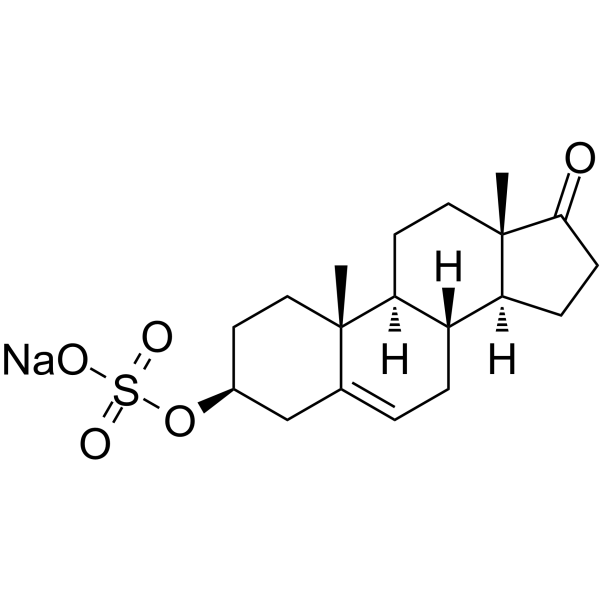
DHEA sulfate sodium; Prasterone sulfate sodium
|
GABA Receptor
Sigma Receptor
iGluR
PPAR
NF-κB
|
Neurological Disease
Metabolic Disease
Inflammation/Immunology
|
|
Dehydroepiandrosterone sulfate (DHEA sulfate; Prasterone sulfate) sodium salt is a neurosteroid and the main secretion product of the adrenal gland. Dehydroepiandrosterone sulfate sodium salt has both non-competitive antagonist activity of GABAA receptor and agonist activity of σ1 receptor. Dehydroepiandrosterone sulfate sodium salt can partially penetrate the blood-brain barrier, inhibit GABAA receptor-mediated chloride influx, enhance NMDA receptor activity through σ1 receptors, exert anti-inflammatory, anti-glucocorticoid and antidepressant effects, and increase convulsive sensitivity. Dehydroepiandrosterone sulfate sodium salt participates in neuroprotection, neurite growth regulation and catecholamine secretion regulation, and can be used in the study of depression, post-traumatic stress disorder (PTSD), Alzheimer's disease, etc. Dehydroepiandrosterone sulfate sodium salt may also be a biomarker for cardiovascular disease mortality, and its concentration is independently and negatively correlated with mortality .
|
-
- HY-113416
-
|
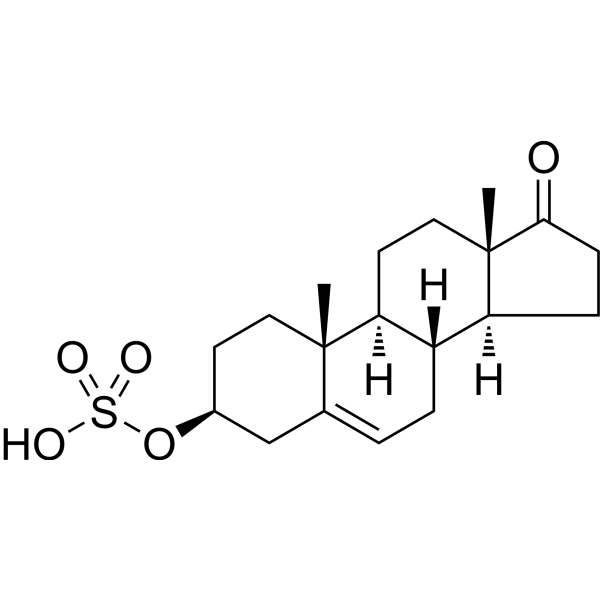
DHEA sulfate; Prasterone sulfate
|
GABA Receptor
Sigma Receptor
iGluR
PPAR
NF-κB
|
Neurological Disease
Metabolic Disease
Inflammation/Immunology
|
|
Dehydroepiandrosterone sulfate (DHEA sulfate; Prasterone sulfate) is a neurosteroid and the main secretion product of the adrenal gland. Dehydroepiandrosterone sulfate has both non-competitive antagonist activity of GABAA receptor and agonist activity of σ1 receptor. Dehydroepiandrosterone sulfate can partially penetrate the blood-brain barrier, inhibit GABAA receptor-mediated chloride influx, enhance NMDA receptor activity through σ1 receptors, exert anti-inflammatory, anti-glucocorticoid and antidepressant effects, and increase convulsive sensitivity. Dehydroepiandrosterone sulfate participates in neuroprotection, neurite growth regulation and catecholamine secretion regulation, and can be used in the study of depression, post-traumatic stress disorder (PTSD), Alzheimer's disease, etc. Dehydroepiandrosterone sulfate may also be a biomarker for cardiovascular disease mortality, and its concentration is independently and negatively correlated with mortality .
|
-
- HY-146561
-
|
|
Glucocorticoid Receptor
NF-κB
|
Inflammation/Immunology
|
|
S-HP210 is a potent and selective glucocorticoid receptor (GR) with an IC50 value of 1.92 μM for NF-κB transrepression (TR). S-HP210 represses the LPS-induced transcription of a variety of proinflammatory genes such as IL-1β, IL-6 and COX-2. S-HP210 is nontoxic at effective doses against mouse fibroblasts 3T3 cells .
|
-
- HY-14648S2
-
-
- HY-129630S
-
|
|
Isotope-Labeled Compounds
Drug Metabolite
Glucocorticoid Receptor
|
Neurological Disease
Cancer
|
|
Tetrahydrocortisol-d5 is the deuterium labeled Tetrahydrocortisol. Tetrahydrocortisol is a metabolite of Hydrocortisone (HY-N0583) that fails to activate glucocorticoid receptor. Tetrahydrocortisol inhibits Dexamethasone (HY-14648)-induced formation of cross-linked actin networks. Tetrahydrocortisol acts as a synergist to enhance the activity of anticancer agents. Tetrahydrocortisol can be used in the research of primary open-angle glaucoma, ocular hypertension, lung cancer and breast cancer .
|
-
- HY-14930R
-
-
- HY-14930AR
-
|
SK-3530 dihydrochloride (Standard)
|
Phosphodiesterase (PDE)
Glucocorticoid Receptor
Wnt
β-catenin
Apoptosis
Reference Standards
|
Neurological Disease
Inflammation/Immunology
Endocrinology
|
|
Mirodenafil (dihydrochloride) (Standard) is the analytical standard of Mirodenafil (dihydrochloride). This product is intended for research and analytical applications. Mirodenafil (SK3530) dihydrochloride is an orally active, potent, reversible, and selective phosphodiesterase 5 (PDE5) inhibitor. Mirodenafil dihydrochloride is a glucocorticoid receptor (GR) modulator Mirodenafil dihydrochloride activates the Wnt/β-catenin signaling pathway by downregulating Dkk1 expression. Mirodenafil dihydrochloride can be used for the research of erectile dysfunction (ED), Alzheimer’s disease (AD) and systemic sclerosis (SSc) .
|
-
- HY-14648S1
-
-
- HY-14648R
-
-
- HY-14648S
-
-
- HY-113364
-
|
5α-THB
|
Glucocorticoid Receptor
Endogenous Metabolite
Drug Metabolite
|
Metabolic Disease
Inflammation/Immunology
|
|
5α-Tetrahydrocorticosterone (5α-HB), an endogenous steroid, is a glucocorticoid receptor (GR) agonist and a metabolite of Corticosterone (HY-B1618). 5α-Tetrahydrocorticosterone is an effective topical anti-inflammatory agent in vivo. 5α-Tetrahydrocorticosterone reduces metabolites that bind to GR-Corticosterone and its 5α-reduced metabolites in rat hepatocytes, with a Kd of 268 nM. 5α-Tetrahydrocorticosterone can be used for research on inflammatory skin diseases .
|
-
- HY-131543S
-
|
RU 42698-d6
|
Isotope-Labeled Compounds
|
Others
|
|
22-Hydroxy Mifepristone-d6 is the deuterium labeled 22-Hydroxy Mifepristone (HY-131543). 22-Hydroxy Mifepristone (RU 42698) is an orally active hydroxylated alcoholic metabolite with antiprogestational and antiglucocorticoidal activities, which contains an Alkyne group and can undergo copper-catalyzed azide-alkyne cycloaddition (CuAAc) with molecules containing Azide groups. The relative binding affinity of 22-Hydroxy Mifepristone to the human glucocorticoid receptor is 48% .
|
-
- HY-B1900R
-
|
Methylprednisolone hydrogen succinate (Standard)
|
Reference Standards
Glucocorticoid Receptor
Bacterial
Toll-like Receptor (TLR)
NF-κB
|
Metabolic Disease
Inflammation/Immunology
Cancer
|
|
Methylprednisolone succinate (Standard) is the analytical standard of Methylprednisolone succinate (HY-B1900). This product is intended for research and analytical applications. Methylprednisolone succinate (Methylprednisolone hydrogen succinate) is a prodrug of Methylprednisolone (HY-B0260) and glucocorticoid with immunosuppressant and anti-inflammatory activity. Methylprednisolone succinate binds cytosolic glucocorticoid receptors, translocates to nuclei, and modulates target gene transcription. Methylprednisolone succinate alters Bax, Bcl-2, occludin, and ZO-1 expression; attenuates TLR4/NF-κB signaling; suppresses proinflammatory cytokine production and immune cell activation. Methylprednisolone succinate can be used for the research of intracranial haemorrhage, rheumatoid arthritis, multiple sclerosis, preterminal cancer, inflammatory conditions, shock, immediate-type hypersensitivity, acute myocardial ischemia, hypoxic heart muscle damage, and traumatic spinal cord injury .
|
-
- HY-N13338
-
-
- HY-14648C
-
|
Dexamethasone cyclodextrin complex
|
Exosomes
Glucocorticoid Receptor
SARS-CoV
Autophagy
Complement System
Mitophagy
Bacterial
Antibiotic
|
Infection
Inflammation/Immunology
Endocrinology
Cancer
|
|
Dexamethasone (Hexadecadrol) Water Soluble is a water-soluble form of Dexamethasone (HY-14648). Dexamethasone is a glucocorticoid receptor agonist, apoptosis inducer, and a common disease inducer in experimental animals. It can be used to construct models of muscle atrophy, hypertension, and depression. Dexamethasone can inhibit the production of inflammatory miRNA-155 exosomes in macrophages and significantly reduce the expression of inflammatory factors in neutrophils and monocytes. Dexamethasone also has the potential to be used in COVID-19 research .(Sale size is the weight of dexamethasone)
|
-
- HY-136642R
-
|
|
Reference Standards
Glucocorticoid Receptor
|
Inflammation/Immunology
|
|
Fluocinolone (Standard) is the analytical standard of Fluocinolone (HY-136642). This product is intended for research and analytical applications. Fluocinolone is a potent steroid with highly selective glucocorticoid receptor agonist activity. Fluocinolone stabilizes the blood-retinal barrier by enhancing endothelial tight junctions, inhibiting the VEGF pathway and inflammatory factors. Fluocinolone has high lipophilicity, enabling long-term sustained release in the vitreous. Fluocinolone is used in research related to dermatological diseases, diabetic macular edema, uveitis and oral lichen planus .
|
-
- HY-B1051
-
|
Flumetasone
|
Glucocorticoid Receptor
TNF Receptor
Interleukin Related
Keap1-Nrf2
|
Inflammation/Immunology
Endocrinology
Cancer
|
|
Flumethasone (Flumetasone) is an orally active, high selective and potent glucocorticoid receptor (GR) agonist. Flumethasone activates GR to inhibit nuclear factor kappa B (NF-κB)-mediated pro-inflammatory cytokine production (TNF-α, IL-1β) and promotes anti-inflammatory gene expression (IL-10), while also regulating metabolic enzyme activity (tyrosine aminotransferase induction). Flumethasone is promising for research of inflammatory diseases, cancer, and endocrine regulation .
|
-
- HY-113416R
-
|
DHEA sulfate (Standard); Prasterone sulfate (Standard)
|
Reference Standards
GABA Receptor
Sigma Receptor
iGluR
PPAR
NF-κB
|
Neurological Disease
Metabolic Disease
Inflammation/Immunology
|
|
Dehydroepiandrosterone sulfate (DHEA sulfate; Prasterone sulfate) (Standard) is the analytical standard of Dehydroepiandrosterone sulfate (HY-113416). This product is intended for research and analytical applications. Dehydroepiandrosterone sulfate (DHEA sulfate; Prasterone sulfate) is a neurosteroid and the main secretion product of the adrenal gland. Dehydroepiandrosterone sulfate has both non-competitive antagonist activity of GABAA receptor and agonist activity of σ1 receptor. Dehydroepiandrosterone sulfate can partially penetrate the blood-brain barrier, inhibit GABAA receptor-mediated chloride influx, enhance NMDA receptor activity through σ1 receptors, exert anti-inflammatory, anti-glucocorticoid and antidepressant effects, and increase convulsive sensitivity. Dehydroepiandrosterone sulfate participates in neuroprotection, neurite growth regulation and catecholamine secretion regulation, and can be used in the study of depression, post-traumatic stress disorder (PTSD), Alzheimer's disease, etc. Dehydroepiandrosterone sulfate may also be a biomarker for cardiovascular disease mortality, and its concentration is independently and negatively correlated with mortality .
|
-
- HY-113416AS
-
|
DHEA sulfate-d6 sodium dihydrate; Prasterone sulfate-d6 sodium dihydrate
|
Isotope-Labeled Compounds
GABA Receptor
Sigma Receptor
iGluR
PPAR
NF-κB
|
Neurological Disease
Metabolic Disease
Inflammation/Immunology
|
|
Dehydroepiandrosterone sulfate sodium dihydrate-d6 sodium dihydrate is the deuterium labeled Dehydroepiandrosterone sulfate sodium dihydrate. Dehydroepiandrosterone sulfate (DHEA sulfate; Prasterone sulfate) sodium dihydrate is a neurosteroid and the main secretion product of the adrenal gland. Dehydroepiandrosterone sulfate sodium dihydrate has both non-competitive antagonist activity of GABAA receptor and agonist activity of σ1 receptor. Dehydroepiandrosterone sulfate sodium dihydrate can partially penetrate the blood-brain barrier, inhibit GABAA receptor-mediated chloride influx, enhance NMDA receptor activity through σ1 receptors, exert anti-inflammatory, anti-glucocorticoid and antidepressant effects, and increase convulsive sensitivity. Dehydroepiandrosterone sulfate sodium dihydrate participates in neuroprotection, neurite growth regulation and catecholamine secretion regulation, and can be used in the study of depression, post-traumatic stress disorder (PTSD), Alzheimer's disease, etc. Dehydroepiandrosterone sulfate sodium dihydrate may also be a biomarker for cardiovascular disease mortality, and its concentration is independently and negatively correlated with mortality .
|
-
- HY-136239R
-
|
Beclomethasone-17-monopropionate (Standard); 17-BMP (Standard)
|
Reference Standards
Glucocorticoid Receptor
Drug Metabolite
|
Inflammation/Immunology
|
|
Beclomethasone 17-propionate (Standard) is the analytical standard of Beclomethasone 17-propionate. This product is intended for research and analytical applications. Beclomethasone 17-propionate (Beclomethasone-17-monopropionate), an active metabolite of Beclomethasone dipropionate (HY-13571), is a glucocorticoid receptor (GR) agonist. Beclomethasone 17-propionate exhibits greater affinity for GR than Beclomethasone dipropionate. Beclomethasone 17-propionate effectively suppresses cytokine production in chronic obstructive pulmonary disease (COPD) lung macrophages[1][2][3].
|
-
- HY-14930S
-
-
- HY-141921S
-
|
DHEA sulfate sodium-d6; Prasterone sulfate sodium-d6
|
Isotope-Labeled Compounds
GABA Receptor
Sigma Receptor
iGluR
PPAR
NF-κB
|
Neurological Disease
Metabolic Disease
Inflammation/Immunology
|
|
Dehydroepiandrosterone sulfate sodium salt-d6 (DHEA sulfate sodium salt-d6; Prasterone sulfate sodium salt-d6) is the deuterium labeled Dehydroepiandrosterone sulfate sodium salt (HY-B0765). Dehydroepiandrosterone sulfate (DHEA sulfate; Prasterone sulfate) sodium salt is a neurosteroid and the main secretion product of the adrenal gland. Dehydroepiandrosterone sulfate sodium salt has both non-competitive antagonist activity of GABAA receptor and agonist activity of σ1 receptor. Dehydroepiandrosterone sulfate sodium salt can partially penetrate the blood-brain barrier, inhibit GABAA receptor-mediated chloride influx, enhance NMDA receptor activity through σ1 receptors, exert anti-inflammatory, anti-glucocorticoid and antidepressant effects, and increase convulsive sensitivity. Dehydroepiandrosterone sulfate sodium salt participates in neuroprotection, neurite growth regulation and catecholamine secretion regulation, and can be used in the study of depression, post-traumatic stress disorder (PTSD), Alzheimer's disease, etc. Dehydroepiandrosterone sulfate sodium salt may also be a biomarker for cardiovascular disease mortality, and its concentration is independently and negatively correlated with mortality .
|
-
- HY-B0765R
-
|
DHEA sulfate sodium (Standard); Prasterone sulfate sodium (Standard)
|
Reference Standards
GABA Receptor
Sigma Receptor
iGluR
PPAR
NF-κB
|
Neurological Disease
Metabolic Disease
Inflammation/Immunology
|
|
Dehydroepiandrosterone sulfate (DHEA sulfate; Prasterone sulfate) sodium salt (Standard) is the analytical standard of Dehydroepiandrosterone sulfate sodium salt (HY-B0765). This product is intended for research and analytical applications. Dehydroepiandrosterone sulfate (DHEA sulfate; Prasterone sulfate) is a neurosteroid and the main secretion product of the adrenal gland. Dehydroepiandrosterone sulfate has both non-competitive antagonist activity of GABAA receptor and agonist activity of σ1 receptor. Dehydroepiandrosterone sulfate can partially penetrate the blood-brain barrier, inhibit GABAA receptor-mediated chloride influx, enhance NMDA receptor activity through σ1 receptors, exert anti-inflammatory, anti-glucocorticoid and antidepressant effects, and increase convulsive sensitivity. Dehydroepiandrosterone sulfate participates in neuroprotection, neurite growth regulation and catecholamine secretion regulation, and can be used in the study of depression, post-traumatic stress disorder (PTSD), Alzheimer's disease, etc. Dehydroepiandrosterone sulfate may also be a biomarker for cardiovascular disease mortality, and its concentration is independently and negatively correlated with mortality .
|
-
- HY-14648S3
-
|
|
Isotope-Labeled Compounds
Glucocorticoid Receptor
SARS-CoV
Autophagy
Complement System
Mitophagy
Bacterial
Antibiotic
|
Metabolic Disease
|
|
Dexamethasone-4,6α,21,21-d4 is the deuterium labeled Dexamethasone-4,6α,21,21. Dexamethasone (Hexadecadrol) is a glucocorticoid receptor agonist. Dexamethasone also significantly decreases CD11b, CD18, and CD62L expression on neutrophils, and CD11b and CD18 expression on monocytes. Dexamethasone is highly effective in the control of COVID-19 infection. Dexamethasone inhibits production of exosomes containing inflammatory microRNA-155 in lipopolysaccharide-induced macrophage inflammatory responses.
|
-
- HY-179476
-
|
|
Androgen Receptor
Endogenous Metabolite
|
Inflammation/Immunology
Cancer
|
|
3-Oxochol-5-en-24-oic acid is a rare bile acid produced by the intestinal microbiota. 3-Oxochol-5-en-24-oic acid is a potent antagonist of the human androgen receptor (hAR), with an IC50 of 119.4 nM. 3-Oxochol-5-en-24-oic acid has no significant agonistic or antagonistic effects on estrogen receptors (ER) or glucocorticoid receptors (GR). 3-Oxochol-5-en-24-oic acid effectively inhibits the growth of prostate cancer cells. In animal models, it enhances the efficacy of anti-PD-1 therapy by regulating the differentiation of CD8 + T cells. 3-Oxochol-5-en-24-oic acid can be used for research on regulating host immunity and anti-tumor studies .
|
-
- HY-P992450
-
|
|
TNF Receptor
|
Cancer
|
|
REGN6569 is a fully human IgG1 monoclonal antibody targeting glucocorticoid-induced tumor necrosis factor receptor-related protein (GITR) with high specificity for GITR. REGN6569 exerts stronger in vitro antibody-dependent cell-mediated cytotoxicity (ADCC) against regulatory T cells expressing GITR. REGN6569 selectively depletes regulatory T cells via antibody-dependent cell-mediated cytotoxicity and increases the proportion of proliferative natural killer (NK) cells in peripheral blood. REGN6569 is applicable for advanced solid malignancies. Isotype control: HY-P99001 .
|
-
- HY-N0910
-
-
- HY-106827
-
|
RU 27987
|
Progesterone Receptor
Androgen Receptor
Phosphatase
|
Metabolic Disease
|
|
Trimegestone (RU 27987) is an orally active, selective progestogen and PR ligand, with an IC50 of 7.6 nM for hPR, 4.4 nM for rabbit PR, and 3.3 nM for rat PR. Trimegestone induces Alkaline phosphatase activity. Trimegestone exhibits antiandrogenic activity (IC50 = 303 nM). Trimegestone can be used in research related to menopausal symptoms and osteoporosis .
|
-
- HY-B1203S
-
|
9α-Fludrocortisone-d5; 9α-Fluorcortisol-d5
|
Isotope-Labeled Compounds
Mineralocorticoid Receptor
Glucocorticoid Receptor
Apoptosis
|
Metabolic Disease
Inflammation/Immunology
Cancer
|
|
Fludrocortisone-d5 (9α-Fludrocortisone-d5) is the deuterium labeled Fludrocortisone (HY-B1203). Fludrocortisone is an orally active mineralocorticoid and glucocorticoid receptor agonist. Fludrocortisone suppresses pro-inflammatory cytokine expression, reduces CCL2, IL-6, IL-8 levels, upregulates mineralocorticoid receptor (MR) expression, induces PI3K/Akt, GSK-3β, CREB, ERK1/2, mTOR phosphorylation, blocks Tau hyperphosphorylation, prevents apoptosis, promotes survival and proliferation, enhances renal sodium and water transport, increases plasma volume and blood pressure, reduces plasma potassium and renin activity, stimulates erythropoietin expression, modulates uterine receptivity genes, and reverses PP242-induced MUC1 upregulation. Fludrocortisone can be used for the research of congenital adrenal hyperplasia, postural hypotension, and adrenal insufficiency.
|
-
- HY-B1203S1
-
|
9α-Fludrocortisone-d2; 9α-Fluorcortisol-d2
|
Isotope-Labeled Compounds
Mineralocorticoid Receptor
Glucocorticoid Receptor
Apoptosis
|
Metabolic Disease
Inflammation/Immunology
Cancer
|
|
Fludrocortisone-d2 (9α-Fludrocortisone-d2) is the deuterium labeled Fludrocortisone (HY-B1203). Fludrocortisone is an orally active mineralocorticoid and glucocorticoid receptor agonist. Fludrocortisone suppresses pro-inflammatory cytokine expression, reduces CCL2, IL-6, IL-8 levels, upregulates mineralocorticoid receptor (MR) expression, induces PI3K/Akt, GSK-3β, CREB, ERK1/2, mTOR phosphorylation, blocks Tau hyperphosphorylation, prevents apoptosis, promotes survival and proliferation, enhances renal sodium and water transport, increases plasma volume and blood pressure, reduces plasma potassium and renin activity, stimulates erythropoietin expression, modulates uterine receptivity genes, and reverses PP242-induced MUC1 upregulation. Fludrocortisone can be used for the research of congenital adrenal hyperplasia, postural hypotension, and adrenal insufficiency.
|
-
- HY-B1203R
-
|
9α-Fludrocortisone (Standard); 9α-Fluorcortisol (Standard)
|
Reference Standards
Mineralocorticoid Receptor
Glucocorticoid Receptor
Apoptosis
|
Metabolic Disease
Inflammation/Immunology
Cancer
|
|
Fludrocortisone (Standard) (9α-Fludrocortisone (Standard)) is the analytical standard of Fludrocortisone (HY-B1203). This product is intended for research and analytical applications. Fludrocortisone is an orally active mineralocorticoid and glucocorticoid receptor agonist. Fludrocortisone suppresses pro-inflammatory cytokine expression, reduces CCL2, IL-6, IL-8 levels, upregulates mineralocorticoid receptor (MR) expression, induces PI3K/Akt, GSK-3β, CREB, ERK1/2, mTOR phosphorylation, blocks Tau hyperphosphorylation, prevents apoptosis, promotes survival and proliferation, enhances renal sodium and water transport, increases plasma volume and blood pressure, reduces plasma potassium and renin activity, stimulates erythropoietin expression, modulates uterine receptivity genes, and reverses PP242-induced MUC1 upregulation. Fludrocortisone can be used for the research of congenital adrenal hyperplasia, postural hypotension, and adrenal insufficiency.
|
-
- HY-W657887
-
|
|
Histone Methyltransferase
GSK-3
Tau Protein
Amyloid-β
Glucocorticoid Receptor
Androgen Receptor
Adrenergic Receptor
|
Neurological Disease
|
|
GSK-3β/G9a-IN-1 (Compound T2) is an orally active, selective, blood-brain-barrier permeable, competitive G9a (substrate-competitive, IC50: 1.1 μM) and GSK-3β (ATP competitive, IC50: 0.8 μM) inhibitor. GSK-3β/G9a-IN-1 is a potent H3K9me2 inhibitor that reshapes chromatin landscape. GSK-3β/G9a-IN-1 lowers tau phosphorylation, reduces Aβ aggregation. GSK-3β/G9a-IN-1 displays inhibition toward glucocorticoid receptor, androgen receptor, and alpha-2A adrenergic receptor. GSK-3β/G9a-IN-1 also upregulates SAGA complex members such as Eny2 and Sgf29. GSK-3β/G9a-IN-1 markedly improves memory, restores social behaviors, and increases synaptic complexity in late-onset Alzheimer’s disease .
|
-
- HY-113603
-
|
SPR001; LY2371712
|
CRFR
|
Metabolic Disease
|
|
Tildacerfont (SPR001; LY2371712) is an orally active, blood-brain barrier-penetrant selective corticotropin-releasing factor type 1 (CRF1) receptor antagonist. Tildacerfont selectively blocks CRF1 receptors, thereby inhibiting the release of pituitary adrenocorticotropic hormone (ACTH). Tildacerfont can be used in research related to congenital adrenal hyperplasia .
|
-
| Cat. No. |
Product Name |
Type |
-
- HY-14648G
-
|
Hexadecadrol; Prednisolone F
|
Fluorescent Dyes
|
|
Dexamethasone (Hexadecadrol) (GMP) is Dexamethasone (HY-14648) produced by using GMP guidelines. GMP small molecules works appropriately as an auxiliary reagent for cell therapy manufacture. Dexamethasone is an agonist of glucocorticoid receptor .
|
-
- HY-164894
-
|
|
Fluorescent Dyes
|
ABBV-3373 is an anti-TNF antibody-drug conjugate (ADC). ABBV-3373 consists of a humanized TNF antibody Adalimumab (HY-P9908) conjugated to a glucocorticoid receptor agonist (HY-148436). ABBV-3373 can be used for the research of rheumatoid arthritis .
|
-
- HY-164893
-
|
|
Fluorescent Dyes
|
|
ABBV-154 is an anti-TNF antibody-drug conjugate (ADC). ABBV-154 is composed of the humanized antibody Adalimumab (HY-P9908) conjugated with a glucocorticoid receptor modulator (HY-137883). ABBV-154 can be used in studies of rheumatoid arthritis, Crohn's disease and polymyalgia rheumatica .
|
| Cat. No. |
Product Name |
Type |
-
- HY-14648G
-
|
Hexadecadrol; Prednisolone F
|
Biochemical Assay Reagents
|
|
Dexamethasone (Hexadecadrol) (GMP) is Dexamethasone (HY-14648) produced by using GMP guidelines. GMP small molecules works appropriately as an auxiliary reagent for cell therapy manufacture. Dexamethasone is an agonist of glucocorticoid receptor .
|
-
- HY-W010162
-
|
L-Alanyl-L-alanine; Ala-Ala
|
Biochemical Assay Reagents
|
H-Ala-Ala-OH is a substrate of human intestinal oligopeptide transporter (PEPT1/SLC15A1), with an IC50 of 0.25 mM and an EC50 of 0.08 mM against human PEPT1. When used as a dipeptide linker in antibody-drug conjugates (ADCs) loaded with glucocorticoid receptor regulator payloads, H-Ala-Ala-OH enables efficient intracellular payload release .
|
-
- HY-W012389
-
|
5-Bromo-2,3-difluoroanisole
|
Biochemical Assay Reagents
|
|
5-Bromo-1,2-difluoro-3-methoxybenzene (5-Bromo-2,3-difluoroanisole) is a drug synthesis intermediate that can be used to synthesize a ligand of glucocorticoid receptor (GR) .
|
| Cat. No. |
Product Name |
Target |
Research Area |
Image |
-
- HY-P992150
-
|
|
Interleukin Related
|
Inflammation/Immunology
|
|
Altrakincept is a recombinant hIL-4 receptor and IL-4 neutralizer. Altrakincept neutralizes endogenous IL-4, and prevents the decline of pulmonary function and acute asthma exacerbations after abrupt withdrawal of inhaled glucocorticoids .
|
-
(5)
-
- HY-P992450
-
|
|
TNF Receptor
|
Cancer
|
|
REGN6569 is a fully human IgG1 monoclonal antibody targeting glucocorticoid-induced tumor necrosis factor receptor-related protein (GITR) with high specificity for GITR. REGN6569 exerts stronger in vitro antibody-dependent cell-mediated cytotoxicity (ADCC) against regulatory T cells expressing GITR. REGN6569 selectively depletes regulatory T cells via antibody-dependent cell-mediated cytotoxicity and increases the proportion of proliferative natural killer (NK) cells in peripheral blood. REGN6569 is applicable for advanced solid malignancies. Isotype control: HY-P99001 .
|
-
(5)
| Cat. No. |
Product Name |
Category |
Target |
Chemical Structure |
-
- HY-B0469
-
-
-
- HY-17461
-
-
-
- HY-113416
-
|
DHEA sulfate; Prasterone sulfate
|
Human Gut Microbiota Metabolites
Microorganisms
Disease markers
Endocrine diseases
Nervous System Disorder
Endogenous metabolite
Source Classification
|
GABA Receptor
Sigma Receptor
iGluR
PPAR
NF-κB
|
|
Dehydroepiandrosterone sulfate (DHEA sulfate; Prasterone sulfate) is a neurosteroid and the main secretion product of the adrenal gland. Dehydroepiandrosterone sulfate has both non-competitive antagonist activity of GABAA receptor and agonist activity of σ1 receptor. Dehydroepiandrosterone sulfate can partially penetrate the blood-brain barrier, inhibit GABAA receptor-mediated chloride influx, enhance NMDA receptor activity through σ1 receptors, exert anti-inflammatory, anti-glucocorticoid and antidepressant effects, and increase convulsive sensitivity. Dehydroepiandrosterone sulfate participates in neuroprotection, neurite growth regulation and catecholamine secretion regulation, and can be used in the study of depression, post-traumatic stress disorder (PTSD), Alzheimer's disease, etc. Dehydroepiandrosterone sulfate may also be a biomarker for cardiovascular disease mortality, and its concentration is independently and negatively correlated with mortality .
|
-
-
- HY-N0835
-
-
-
- HY-17461A
-
-
-
- HY-B0765
-
|
DHEA sulfate sodium; Prasterone sulfate sodium
|
Classification of Application Fields
Metabolic Disease
Endogenous metabolite
Disease Research Fields
Steroids
Source Classification
|
GABA Receptor
Sigma Receptor
iGluR
PPAR
NF-κB
|
|
Dehydroepiandrosterone sulfate (DHEA sulfate; Prasterone sulfate) sodium salt is a neurosteroid and the main secretion product of the adrenal gland. Dehydroepiandrosterone sulfate sodium salt has both non-competitive antagonist activity of GABAA receptor and agonist activity of σ1 receptor. Dehydroepiandrosterone sulfate sodium salt can partially penetrate the blood-brain barrier, inhibit GABAA receptor-mediated chloride influx, enhance NMDA receptor activity through σ1 receptors, exert anti-inflammatory, anti-glucocorticoid and antidepressant effects, and increase convulsive sensitivity. Dehydroepiandrosterone sulfate sodium salt participates in neuroprotection, neurite growth regulation and catecholamine secretion regulation, and can be used in the study of depression, post-traumatic stress disorder (PTSD), Alzheimer's disease, etc. Dehydroepiandrosterone sulfate sodium salt may also be a biomarker for cardiovascular disease mortality, and its concentration is independently and negatively correlated with mortality .
|
-
-
- HY-113422
-
-
-
- HY-129630
-
-
-
- HY-113114
-
-
-
- HY-B0328
-
-
-
- HY-N0910
-
-
-
- HY-17461R
-
-
-
- HY-N3741
-
|
Didrovaltratum
|
Structural Classification
Natural Products
Classification of Application Fields
Valeriana officinalis Linn.
Plants
Valerianaceae
Disease Research Fields
Source Classification
Cancer
|
Calcium Channel
Reactive Oxygen Species (ROS)
Autophagy
|
|
Didrovaltrate (Didrovaltratum) is an L-type calcium channel blocker, ROS scavenger, autophagy enhancer, and lipid accumulation inhibitor. Didrovaltrate blocks L-type calcium currents in a concentration-dependent manner, shifts the current-voltage curve upward, modulates steady-state inactivation kinetics, and inhibits the nuclear translocation of glucocorticoid receptors. Didrovaltrate reduces ROS levels, downregulates the expression of muscle atrophy-related genes, enhances autophagy via lipophagy, and decreases Oleic acid-induced lipid accumulation. Didrovaltrate exhibits cytotoxic activity against cancer cells. Didrovaltrate can be used in research related to skeletal muscle atrophy, non-alcoholic fatty liver disease, breast cancer, lung cancer, gastric cancer, and prostate cancer .
|
-
-
- HY-B0469R
-
-
-
- HY-113416R
-
|
DHEA sulfate (Standard); Prasterone sulfate (Standard)
|
Human Gut Microbiota Metabolites
Microorganisms
Disease markers
Endocrine diseases
Nervous System Disorder
Endogenous metabolite
Source Classification
|
Reference Standards
GABA Receptor
Sigma Receptor
iGluR
PPAR
NF-κB
|
|
Dehydroepiandrosterone sulfate (DHEA sulfate; Prasterone sulfate) (Standard) is the analytical standard of Dehydroepiandrosterone sulfate (HY-113416). This product is intended for research and analytical applications. Dehydroepiandrosterone sulfate (DHEA sulfate; Prasterone sulfate) is a neurosteroid and the main secretion product of the adrenal gland. Dehydroepiandrosterone sulfate has both non-competitive antagonist activity of GABAA receptor and agonist activity of σ1 receptor. Dehydroepiandrosterone sulfate can partially penetrate the blood-brain barrier, inhibit GABAA receptor-mediated chloride influx, enhance NMDA receptor activity through σ1 receptors, exert anti-inflammatory, anti-glucocorticoid and antidepressant effects, and increase convulsive sensitivity. Dehydroepiandrosterone sulfate participates in neuroprotection, neurite growth regulation and catecholamine secretion regulation, and can be used in the study of depression, post-traumatic stress disorder (PTSD), Alzheimer's disease, etc. Dehydroepiandrosterone sulfate may also be a biomarker for cardiovascular disease mortality, and its concentration is independently and negatively correlated with mortality .
|
-
-
- HY-N12744
-
-
-
- HY-W744549
-
-
-
- HY-17461AR
-
-
-
- HY-B0154R
-
-
-
- HY-N14422
-
-
-
- HY-N2297R
-
-
-
- HY-N0835R
-
-
-
- HY-W017785
-
-
-
- HY-B0765R
-
|
DHEA sulfate sodium (Standard); Prasterone sulfate sodium (Standard)
|
Structural Classification
Endogenous metabolite
Steroids
Source Classification
|
Reference Standards
GABA Receptor
Sigma Receptor
iGluR
PPAR
NF-κB
|
|
Dehydroepiandrosterone sulfate (DHEA sulfate; Prasterone sulfate) sodium salt (Standard) is the analytical standard of Dehydroepiandrosterone sulfate sodium salt (HY-B0765). This product is intended for research and analytical applications. Dehydroepiandrosterone sulfate (DHEA sulfate; Prasterone sulfate) is a neurosteroid and the main secretion product of the adrenal gland. Dehydroepiandrosterone sulfate has both non-competitive antagonist activity of GABAA receptor and agonist activity of σ1 receptor. Dehydroepiandrosterone sulfate can partially penetrate the blood-brain barrier, inhibit GABAA receptor-mediated chloride influx, enhance NMDA receptor activity through σ1 receptors, exert anti-inflammatory, anti-glucocorticoid and antidepressant effects, and increase convulsive sensitivity. Dehydroepiandrosterone sulfate participates in neuroprotection, neurite growth regulation and catecholamine secretion regulation, and can be used in the study of depression, post-traumatic stress disorder (PTSD), Alzheimer's disease, etc. Dehydroepiandrosterone sulfate may also be a biomarker for cardiovascular disease mortality, and its concentration is independently and negatively correlated with mortality .
|
-
-
- HY-N13338
-
-
| Cat. No. |
Product Name |
Chemical Structure |
-
- HY-13580S
-
|
|
|
Budesonide-d8 is the deuterium labeled Budesonide. Budesonide, an inhaled glucocortical steroid, is an orally active glucocorticoid receptor agonist. Budesonide decreases the size of lung tumors, reverses DNA hypomethylation and modulates mRNA expression of genes. Budesonide is an anti-inflammatory agent used for asthma .
|
-
-
- HY-17461S1
-
|
|
|
Cortisone-d8 is the deuterium labeled Cortisone. Cortisone (17-Hydroxy-11-dehydrocorticosterone), an oxidized metabolite of Cortisol (a Glucocorticoid). Cortisone acts as an immunosuppressant and anti-inflammatory agent. Cortisone can partially intervene in binding of Glucocorticoid to Glucocorticoid-receptor at high concentrations .
|
-
-
- HY-14648S
-
|
|
|
Dexamethasone-d5 is the deuterium labeled Dexamethasone. Dexamethasone (Hexadecadrol) is a glucocorticoid receptor agonist. Dexamethasone also significantly decreases CD11b, CD18, and CD62L expression on neutrophils, and CD11b and CD18 expression on monocytes. Dexamethasone is highly effective in the control of COVID-19 infection. Dexamethasone inhibits production of exosomes containing inflammatory microRNA-155 in lipopolysaccharide-induced macrophage inflammatory responses .
|
-
-
- HY-B0154S1
-
|
|
|
Fluticasone propionate-d5 is deuterium labeled Fluticasone (propionate). Fluticasone propionate, a potent topical anti-inflammatory corticosteroid, is a selective glucocorticoid receptor agonist, with an absolute affinity (KD) of 0.5 nM. Fluticasone propionate shows little or no activity at other steroid receptors. Anti-viral activity .
|
-
-
- HY-141921S
-
|
|
|
Dehydroepiandrosterone sulfate sodium salt-d6 (DHEA sulfate sodium salt-d6; Prasterone sulfate sodium salt-d6) is the deuterium labeled Dehydroepiandrosterone sulfate sodium salt (HY-B0765). Dehydroepiandrosterone sulfate (DHEA sulfate; Prasterone sulfate) sodium salt is a neurosteroid and the main secretion product of the adrenal gland. Dehydroepiandrosterone sulfate sodium salt has both non-competitive antagonist activity of GABAA receptor and agonist activity of σ1 receptor. Dehydroepiandrosterone sulfate sodium salt can partially penetrate the blood-brain barrier, inhibit GABAA receptor-mediated chloride influx, enhance NMDA receptor activity through σ1 receptors, exert anti-inflammatory, anti-glucocorticoid and antidepressant effects, and increase convulsive sensitivity. Dehydroepiandrosterone sulfate sodium salt participates in neuroprotection, neurite growth regulation and catecholamine secretion regulation, and can be used in the study of depression, post-traumatic stress disorder (PTSD), Alzheimer's disease, etc. Dehydroepiandrosterone sulfate sodium salt may also be a biomarker for cardiovascular disease mortality, and its concentration is independently and negatively correlated with mortality .
|
-
-
- HY-14648S3
-
|
|
|
Dexamethasone-4,6α,21,21-d4 is the deuterium labeled Dexamethasone-4,6α,21,21. Dexamethasone (Hexadecadrol) is a glucocorticoid receptor agonist. Dexamethasone also significantly decreases CD11b, CD18, and CD62L expression on neutrophils, and CD11b and CD18 expression on monocytes. Dexamethasone is highly effective in the control of COVID-19 infection. Dexamethasone inhibits production of exosomes containing inflammatory microRNA-155 in lipopolysaccharide-induced macrophage inflammatory responses.
|
-
-
- HY-14648S5
-
|
|
|
Dexamethasone-d3-1 (Hexadecadrol-d3-1; Prednisolone F-d3-1) is a deuterium labeled Dexamethasone (HY-14648). Dexamethasone (Hexadecadrol) is a glucocorticoid receptor agonist. Dexamethasone also significantly decreases CD11b, CD18, and CD62L expression on neutrophils, and CD11b and CD18 expression on monocytes. Dexamethasone is highly effective in the control of COVID-19 infection. Dexamethasone inhibits production of exosomes containing inflammatory microRNA-155 in lipopolysaccharide-induced macrophage inflammatory responses.
|
-
-
- HY-13683S
-
|
|
|
Mifepristone-d3 is the deuterium labeled Mifepristone. Mifepristone (RU486) is a progesterone receptor (PR) and glucocorticoid receptor (GR) antagonist with IC50s of 0.2 nM and 2.6 nM in in vitro assay .
|
-
-
- HY-B0469S
-
1 Publications Verification
|
|
Medroxyprogesterone acetate-d3 is deuterium labeled Medroxyprogesterone acetate. Medroxyprogesterone acetate is a widely used synthetic steroid by its interaction with progesterone, androgen and glucocorticoid receptors .
|
-
-
- HY-B0154S
-
|
|
|
Fluticasone propionate-d3 is the deuterium labeled Fluticasone propionate. Fluticasone propionate, a potent topical anti-inflammatory corticosteroid, is a selective glucocorticoid receptor agonist, with an absolute affinity (KD) of 0.5 nM. Fluticasone propionate shows little or no activity at other steroid receptors. Anti-viral activity .
|
-
-
- HY-129630S
-
|
|
|
Tetrahydrocortisol-d5 is the deuterium labeled Tetrahydrocortisol. Tetrahydrocortisol is a metabolite of Hydrocortisone (HY-N0583) that fails to activate glucocorticoid receptor. Tetrahydrocortisol inhibits Dexamethasone (HY-14648)-induced formation of cross-linked actin networks. Tetrahydrocortisol acts as a synergist to enhance the activity of anticancer agents. Tetrahydrocortisol can be used in the research of primary open-angle glaucoma, ocular hypertension, lung cancer and breast cancer .
|
-
-
- HY-113416AS
-
|
|
|
Dehydroepiandrosterone sulfate sodium dihydrate-d6 sodium dihydrate is the deuterium labeled Dehydroepiandrosterone sulfate sodium dihydrate. Dehydroepiandrosterone sulfate (DHEA sulfate; Prasterone sulfate) sodium dihydrate is a neurosteroid and the main secretion product of the adrenal gland. Dehydroepiandrosterone sulfate sodium dihydrate has both non-competitive antagonist activity of GABAA receptor and agonist activity of σ1 receptor. Dehydroepiandrosterone sulfate sodium dihydrate can partially penetrate the blood-brain barrier, inhibit GABAA receptor-mediated chloride influx, enhance NMDA receptor activity through σ1 receptors, exert anti-inflammatory, anti-glucocorticoid and antidepressant effects, and increase convulsive sensitivity. Dehydroepiandrosterone sulfate sodium dihydrate participates in neuroprotection, neurite growth regulation and catecholamine secretion regulation, and can be used in the study of depression, post-traumatic stress disorder (PTSD), Alzheimer's disease, etc. Dehydroepiandrosterone sulfate sodium dihydrate may also be a biomarker for cardiovascular disease mortality, and its concentration is independently and negatively correlated with mortality .
|
-
-
- HY-17461S
-
|
|
|
Cortisone- 13C3 is the 13C-labeled Cortisone. Cortisone (17-Hydroxy-11-dehydrocorticosterone), an oxidized metabolite of Cortisol (a Glucocorticoid). Cortisone acts as an immunosuppressant and anti-inflammatory agent. Cortisone can partially intervene in binding of Glucocorticoid to Glucocorticoid-receptor at high concentrations .
|
-
-
- HY-13693S
-
|
|
|
Mometasone furoate-d3 is a deuterium labeled Mometasone furoate. Mometasone furoate (Sch32088) is a glucocorticoid receptor agonist with anti-inflammatory and anti-allergic activity .
|
-
-
- HY-13683S2
-
|
|
|
Mifepristone-d6 is deuterated labeled Mifepristone (HY-13683). Mifepristone (RU486) is a progesterone receptor (PR) and glucocorticoid receptor (GR) antagonist with IC50s of 0.2 nM and 2.6 nM in in vitro assay .
|
-
-
- HY-111372S
-
|
|
|
Finerenone-d3 is the deuterium labeled finerenone (HY-111372). Finerenone is a third-generation, selective, and orally available nonsteroidal mineralocorticoid receptor (MR) antagonist (IC50=18 nM). Finerenone displays excellent selectivity versus glucocorticoid receptor (GR), androgen receptor (AR), and progesterone receptor (>500-fold). Finerenone has the potential for cardiorenal diseases research, such as type 2 diabetes mellitus and chronic kidney disease .
|
-
-
- HY-111372S1
-
1 Publications Verification
|
|
Finerenone-d5 (BAY 94-8862-d5) is deuterium labeled Finerenone. Finerenone (BAY 94-8862) is a third-generation, selective, and orally available nonsteroidal mineralocorticoid receptor (MR) antagonist (IC50=18 nM). Finerenone displays excellent selectivity versus glucocorticoid receptor (GR), androgen receptor (AR), and progesterone receptor (>500-fold). Finerenone has the potential for cardiorenal diseases research, such as type 2 diabetes mellitus and chronic kidney disease .
|
-
-
- HY-14648S2
-
|
|
|
Dexamethasone-d4 is deuterium labeled Dexamethasone. Dexamethasone (Hexadecadrol) is a glucocorticoid receptor agonist. Dexamethasone also significantly decreases CD11b, CD18, and CD62L expression on neutrophils, and CD11b and CD18 expression on monocytes. Dexamethasone is highly effective in the control of COVID-19 infection. Dexamethasone inhibits production of exosomes containing inflammatory microRNA-155 in lipopolysaccharide-induced macrophage inflammatory responses.
|
-
-
- HY-B0251S
-
|
|
|
Eplerenone-d3 is the deuterium labeled Eplerenone. Eplerenone (Epoxymexrenone) is a selective, competitive and oreally active aldosterone antagonist with an IC50 of 138 nM. Eplerenone has low affinity for progesterone, androgen, estrogen and glucocorticoid receptors. Eplerenone can be used for hypertension and heart failure after myocardial infarction reserch .
|
-
-
- HY-W742981
-
|
|
|
Budesonide-d6 is deuterium labeled Budesonide. Budesonide, an inhaled glucocortical steroid, is an orally active glucocorticoid receptor agonist. Budesonide decreases the size of lung tumors, reverses DNA hypomethylation and modulates mRNA expression of genes. Budesonide is an anti-inflammatory agent used for asthma .
|
-
-
- HY-14648S1
-
|
|
|
Dexamethasone-d5-1 is deuterium labeled Dexamethasone. Dexamethasone (Hexadecadrol) is a glucocorticoid receptor agonist. Dexamethasone also significantly decreases CD11b, CD18, and CD62L expression on neutrophils, and CD11b and CD18 expression on monocytes. Dexamethasone is highly effective in the control of COVID-19 infection. Dexamethasone inhibits production of exosomes containing inflammatory microRNA-155 in lipopolysaccharide-induced macrophage inflammatory responses.
|
-
-
- HY-17461S3
-
|
|
|
Cortisone-d2 is the deuterium labeled Cortisone. Cortisone (17-Hydroxy-11-dehydrocorticosterone), an oxidized metabolite of Cortisol (a Glucocorticoid). Cortisone acts as an immunosuppressant and anti-inflammatory agent. Cortisone can partially intervene in binding of Glucocorticoid to Glucocorticoid-receptor at high concentrations .
|
-
-
- HY-157585S
-
|
|
|
21-Dehydro Budesonide-d8-1 is deuterated labeled dehydrogenated Budesonide (HY-13580). Budesonide is an orally available glucocorticoid receptor agonist with anti-cancer activity. 21-Dehydro Budesonide-d8-1 acts as a probe for glucocorticoid receptors and is used in isotope tracing studies .
|
-
-
- HY-B1540S
-
|
|
|
Beclomethasone-d5 is the deuterium labeled Beclometasone. Beclometasone (Beclomethasone) is a prototype glucocorticoid receptor agonist.
|
-
-
- HY-B1834S1
-
|
|
|
Megestrol-d5 is the deuterium labeled Megestrol. Megestrol is an orally active glucocorticoid and progesterone receptor agonist. Megestrol can alleviate anorexia, cachexia or unexplained significant weight loss associated with acquired immunodeficiency syndrome (AIDS). Megestrol may cause glucocorticoid-like effects and an increased risk of mental disorders.
|
-
-
- HY-157568S
-
|
|
|
Budesonide acid-d8 is a deuterium labeled Budesonide acid. Budesonide acid is an impurity of Budesonide. Budesonide, an inhaled glucocortical steroid, is an orally active glucocorticoid receptor agonist .
|
-
-
- HY-B1832S
-
|
|
|
Prednisone acetate-d3 is the deuterium labeled Prednisone acetate. Prednisone acetate (Prednisone 21-acetate), the acetate salt form of prednisolone, is a glucocorticoid receptor agonist with anti-inflammatory and immunomodulating properties .
|
-
-
- HY-B1121S
-
|
|
|
Flunisolide-d6 is the deuterium labeled Flunisolide. Flunisolide is a corticosteroid often used to treat allergic rhinitis.The principal mechanism of action of Flunisolide is to activate glucocorticoid receptors, meaning it has an anti-inflammatory action.
|
-
-
- HY-W777281
-
|
|
|
Fluocinolone acetonide- 13C3 is the 13C-labeled Fluocinolone (Acetonide) (HY-B0415). Fluocinolone is a glucocorticoid glucocorticoid receptor agonist. Fluocinolone is effective in preventing both lipid accumulation and inflammation. Fluocinolone can promote the proliferation of DPCs and has the potential role in repairing injured pulp tissues. Fluocinolone can be used to study the prevention of chemotherapy-induced peripheral neuropathy caused by Paclitaxel (HY-B0015) .
|
-
-
- HY-W752724
-
|
|
|
Flunisolide-d4 is the deuterium labeled Flunisolide (HY-B1121). Flunisolide is a corticosteroid, which is an orally active glucocorticoid receptor activator with anti-inflammatory activity. Flunisolide can induce eosinophil apoptosis, and is used for the research of asthma or rhinitis, and inflammation .
|
-
-
- HY-B1095S1
-
|
|
|
Chlormadinone acetate-d6-1 is deuterium labeled Chlormadinone acetate (HY-B1095). Chlormadinone acetate is a progestogen with potent progestogenic activity and antiandrogenic effects. Chlormadinone acetate acts on glucocorticoid receptor, progesterone receptor, androgen receptor, and GABAA receptor. Chlormadinone acetate induces endometrial proliferation in estrogen-pretreated rabbits, inhibits testosterone-stimulated growth of the prostate and seminal vesicles in castrated rats, and reduces the thymus and adrenal weights in juvenile rats. Chlormadinone acetate is applicable to research related to diseases such as depression and reproductive metabolic disorders .
|
-
-
- HY-B1095S2
-
|
|
|
Chlormadinone acetate-d3 is the deuterium labeled Chlormadinone acetate (HY-B1095). Chlormadinone acetate is a progestogen with potent progestogenic activity and antiandrogenic effects. Chlormadinone acetate acts on glucocorticoid receptor, progesterone receptor, androgen receptor, and GABAA receptor. Chlormadinone acetate induces endometrial proliferation in estrogen-pretreated rabbits, inhibits testosterone-stimulated growth of the prostate and seminal vesicles in castrated rats, and reduces the thymus and adrenal weights in juvenile rats. Chlormadinone acetate is applicable to research related to diseases such as depression and reproductive metabolic disorders .
|
-
-
- HY-13683S1
-
|
|
|
Mifepristone- 13C,d3 is the 13C- and deuterium labeled Mifepristone. Mifepristone (RU486) is a progesterone receptor (PR) and glucocorticoid receptor (GR) antagonist with IC50s of 0.2 nM and 2.6 nM in in vitro assay . Mifepristone-13C,d3 is a click chemistry reagent, it contains an Alkyne group and can undergo copper-catalyzed azide-alkyne cycloaddition (CuAAc) with molecules containing Azide groups.
|
-
-
- HY-W653989
-
|
|
|
Desonide- 13C3 is the 13C labeled isotope of Desonide (HY-B0248). Desonide is a non-fluorinated corticosteroid anti-inflammatory agent that acts on the glucocorticoid receptor. Desonide can also specifically bind to the mutant huntingtin protein (mHTT), reducing the level and toxicity of mHTT. Desonide can be used in the research of Huntington's disease and inflammatory diseases such as atopic dermatitis .
|
-
-
- HY-131543S
-
|
|
|
22-Hydroxy Mifepristone-d6 is the deuterium labeled 22-Hydroxy Mifepristone (HY-131543). 22-Hydroxy Mifepristone (RU 42698) is an orally active hydroxylated alcoholic metabolite with antiprogestational and antiglucocorticoidal activities, which contains an Alkyne group and can undergo copper-catalyzed azide-alkyne cycloaddition (CuAAc) with molecules containing Azide groups. The relative binding affinity of 22-Hydroxy Mifepristone to the human glucocorticoid receptor is 48% .
|
-
-
- HY-B1203S
-
|
|
|
Fludrocortisone-d5 (9α-Fludrocortisone-d5) is the deuterium labeled Fludrocortisone (HY-B1203). Fludrocortisone is an orally active mineralocorticoid and glucocorticoid receptor agonist. Fludrocortisone suppresses pro-inflammatory cytokine expression, reduces CCL2, IL-6, IL-8 levels, upregulates mineralocorticoid receptor (MR) expression, induces PI3K/Akt, GSK-3β, CREB, ERK1/2, mTOR phosphorylation, blocks Tau hyperphosphorylation, prevents apoptosis, promotes survival and proliferation, enhances renal sodium and water transport, increases plasma volume and blood pressure, reduces plasma potassium and renin activity, stimulates erythropoietin expression, modulates uterine receptivity genes, and reverses PP242-induced MUC1 upregulation. Fludrocortisone can be used for the research of congenital adrenal hyperplasia, postural hypotension, and adrenal insufficiency.
|
-
-
- HY-B1203S1
-
|
|
|
Fludrocortisone-d2 (9α-Fludrocortisone-d2) is the deuterium labeled Fludrocortisone (HY-B1203). Fludrocortisone is an orally active mineralocorticoid and glucocorticoid receptor agonist. Fludrocortisone suppresses pro-inflammatory cytokine expression, reduces CCL2, IL-6, IL-8 levels, upregulates mineralocorticoid receptor (MR) expression, induces PI3K/Akt, GSK-3β, CREB, ERK1/2, mTOR phosphorylation, blocks Tau hyperphosphorylation, prevents apoptosis, promotes survival and proliferation, enhances renal sodium and water transport, increases plasma volume and blood pressure, reduces plasma potassium and renin activity, stimulates erythropoietin expression, modulates uterine receptivity genes, and reverses PP242-induced MUC1 upregulation. Fludrocortisone can be used for the research of congenital adrenal hyperplasia, postural hypotension, and adrenal insufficiency.
|
-
-
- HY-17461S4
-
|
|
|
Cortisone-d9 (17-Hydroxy-11-dehydrocorticosterone-d9) is the deuterium labeled Cortisone (HY-17461). Cortisone (17-Hydroxy-11-dehydrocorticosterone), an oxidized metabolite of Cortisol (a Glucocorticoid). Cortisone acts as an immunosuppressant and anti-inflammatory agent. Cortisone can partially intervene in binding of Glucocorticoid to Glucocorticoid-receptor at high concentrations .
|
-
-
- HY-B0469S1
-
|
|
|
Medroxyprogesterone acetate-d7 (Medroxyprogesterone 17-acetate-d7) is the deuterium labeled Medroxyprogesterone acetate (HY-B0469) . Medroxyprogesterone acetate is a widely used synthetic steroid by its interaction with progesterone, androgen and glucocorticoid receptors .
|
-
-
- HY-W950003
-
|
|
|
(Rac)-Finerenone-d5 ((Rac)-BAY 94-8862-d5) is the deuterium labeled (Rac)-Finerenone (HY-111372A). (Rac)-Finerenone ((Rac)-BAY 94-8862) is the racemate of Finerenone. Finerenone is a third-generation, selective, and orally available nonsteroidal mineralocorticoid receptor (MR) antagonist (IC50=18 nM). Finerenone displays excellent selectivity versus glucocorticoid receptor (GR), androgen receptor (AR), and progesterone receptor (>500-fold).
|
-
-
- HY-17569S2
-
|
|
|
Difluprednate-d3-1 is the deuterium labeled Difluprednate (HY-17569). Difluprednate is a glucocorticoid receptor (GC receptor) agonist with a Ki of 0.78 nM. Difluprednate's active metabolite 21-deacetylated difluprednate (DFB) is a competitive agonist of GC receptors with a Ki of 0.061 nM. Difluprednate binds to GC receptors through metabolism to DFB, regulating the transcription of inflammatory mediator genes, thereby exerting anti-inflammatory activity. Difluprednate can be used for research related to ocular inflammation, such as postoperative inflammation, anterior uveitis, etc .
|
-
-
- HY-113422S2
-
|
|
|
Tetrahydrocorticosterone-d3-1 is the deuterium labeled Tetrahydrocorticosterone (HY-113422). Tetrahydrocorticosterone is a type of glucocorticoid with notable anti-inflammatory properties. One of its active forms, 5α-Tetrahydrocorticosterone (HY-113364), acts by binding to the GC receptor and inhibiting inflammatory processes. Tetrahydrocorticosterone is naturally synthesized by the adrenal glands and plays a role in regulating the metabolism of carbohydrates, proteins, and fats .
|
-
-
- HY-14930S
-
|
|
|
Mirodenafil-d7 (SK3530-d7) is the deuterium labeled Mirodenafil (HY-14930). Mirodenafil (SK3530) is an orally active, potent, reversible, and selective?phosphodiesterase?5 (PDE5)?inhibitor. Mirodenafil is a?glucocorticoid receptor?(GR)?modulator Mirodenafil activates the?Wnt/β-catenin?signaling pathway by downregulating Dkk1 expression. Mirodenafil can be used for the research of erectile dysfunction (ED), Alzheimer’s disease (AD) and systemic sclerosis (SSc).
|
-
| Cat. No. |
Product Name |
|
Classification |
-
- HY-13693
-
|
Sch32088
|
|
Cholesterol
|
|
Mometasone furoate (Sch32088) is a glucocorticoid receptor agonist with anti-inflammatory and anti-allergic activity. Mometasone furoate acts as a corticosteroid agent and used for topical applications in chronic skin eczema and airway inflammation management of asthma in vivo
|
-
- HY-159695A
-
|
ISIS 426115 sodium
|
|
Antisense Oligonucleotides
|
|
IONIS-GCCRRx (ISIS 426115) sodium, a glucocorticoid receptor antagonist, is a 2'-O-methoxyethyl (2'-MOE) antisense oligonucleotide (ASO) .
|
-
- HY-159695
-
|
ISIS 426115
|
|
Antisense Oligonucleotides
|
|
IONIS-GCCRRx (ISIS 426115), a glucocorticoid receptor antagonist, is a 2'-O-methoxyethyl (2'-MOE) antisense oligonucleotide (ASO) .
|
| Cat. No. |
Product Name |
Target |
Research Areas |
Chemical Structure |
Your information is safe with us. * Required Fields.
Inquiry Information
- Product Name:
- Cat. No.:
- Quantity:
- MCE Japan Authorized Agent:

