

Search Result
Results for "
heterodimerization
" in MedChemExpress (MCE) Product Catalog:
1
Biochemical Assay Reagents
| Cat. No. |
Product Name |
Target |
Research Areas |
Chemical Structure |
-
- HY-D0844
-
|
L-Glutathione oxidized; GSSG; Oxiglutatione
|
Endogenous Metabolite
Reactive Oxygen Species (ROS)
|
Metabolic Disease
|
|
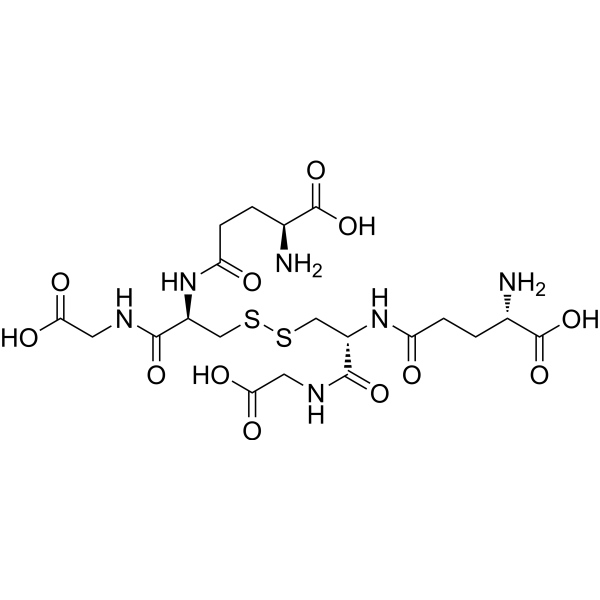
Glutathione oxidized (L-Glutathione oxidized) is produced by the oxidation of glutathione. Detoxification of reactive oxygen species is accompanied by production of glutathione oxidized. Glutathione oxidized can be used for the research of sickle cells and erythrocytes .
|
-
-
- HY-B0527A
-
|
|
Serotonin Transporter
5-HT Receptor
mAChR
Histamine Receptor
Adrenergic Receptor
Trk Receptor
Sodium Channel
Potassium Channel
Dopamine Transporter
Apoptosis
|
Neurological Disease
Inflammation/Immunology
Endocrinology
|
|
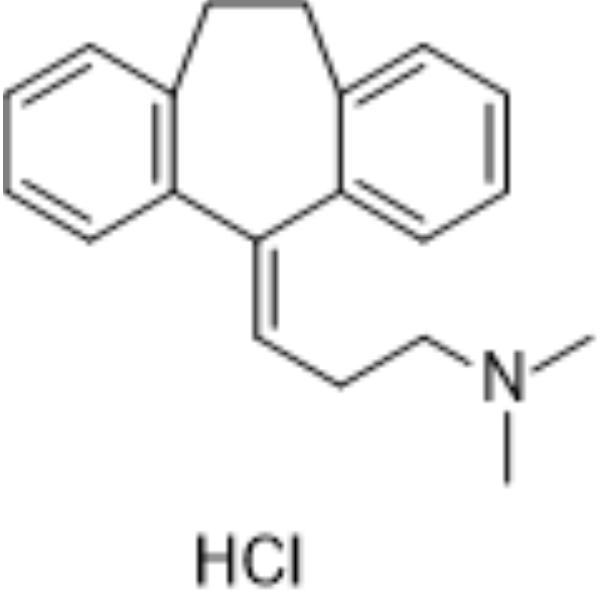
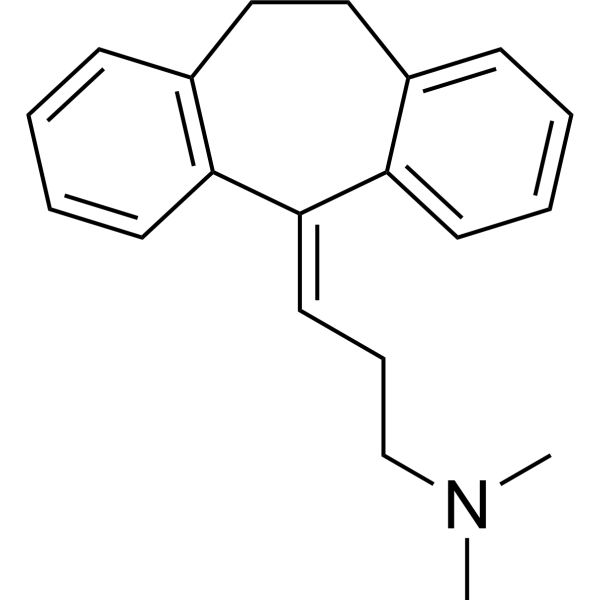
Amitriptyline hydrochloride is an orally active tricyclic antidepressant (TCA). Amitriptyline hydrochloride mainly exerts its antidepressant effect by blocking SERT (Ki = 3.45 nM) and NET (Ki = 13.3 nM), thereby increasing the concentrations of 5-hydroxytryptamine (5-HT) and norepinephrine (NE) in the synaptic cleft. Amitriptyline hydrochloride is also an agonist at α2A and TrkA/TrkB receptors, thereby exerting analgesic and neurotrophic activities (inhibiting cell apoptosis). Amitriptyline hydrochloride can reduce inflammation, angiogenesis and fibrosis. Amitriptyline hydrochloride binds to DAT (with Ki = 2.58 μM). Amitriptyline hydrochloride has high affinity for a series of receptors and can antagonize muscarinic cholinergic receptors (M1/M2/M3/M4/M5 receptors) (Ki = 11-24 nM), H1 receptors (Ki = 0.5-1.1 nM), adrenergic α1 receptors (Ki = 4.4 nM), etc., resulting in a series of side effects. Amitriptyline hydrochloride can block sodium channels and hERG potassium channel (IC50 = 4.78 μM) and it has cardiotoxicity .
|
-
-
- HY-P99412
-
|
OSE-127
|
Interleukin Related
|
Cancer
|
|
Lusvertikimab (OSE-127) is a humanized IL7R monoclonal antibody. Lusvertikimab is not internalized by target cells and prevents IL7R heterodimerization and subsequent downstream signaling. Lusvertikimab has anti-leukemic efficacy and has the potential for B cell precursor acute lymphoblastic leukemia (BCP-ALL) research .
|
-
-
- HY-B0527
-
|
|
Serotonin Transporter
Trk Receptor
Sodium Channel
5-HT Receptor
Histamine Receptor
Adrenergic Receptor
mAChR
Potassium Channel
Dopamine Transporter
Apoptosis
|
Neurological Disease
Inflammation/Immunology
Endocrinology
|
|
Amitriptyline is an orally active tricyclic antidepressant (TCA). Amitriptyline mainly exerts its antidepressant effect by blocking SERT (Ki = 3.45 nM) and NET (Ki = 13.3 nM), thereby increasing the concentrations of 5-hydroxytryptamine (5-HT) and norepinephrine (NE) in the synaptic cleft. Amitriptyline is also an agonist at α2A and TrkA/TrkB receptors, thereby exerting analgesic and neurotrophic activities (inhibiting cell apoptosis). Amitriptyline can reduce inflammation, angiogenesis and fibrosis. Amitriptyline binds to DAT (with Ki = 2.58 μM). Amitriptyline has high affinity for a series of receptors and can antagonize muscarinic cholinergic receptors (M1/M2/M3/M4/M5 receptors) (Ki = 11-24 nM), H1 receptors (Ki = 0.5-1.1 nM), adrenergic α1 receptors (Ki = 4.4 nM), etc., resulting in a series of side effects. Amitriptyline can block sodium channels and hERG potassium channel (IC50 = 4.78 μM) and it has cardiotoxicity .
|
-
-
- HY-116248
-
|
|
RAR/RXR
Apoptosis
|
Cancer
|
|
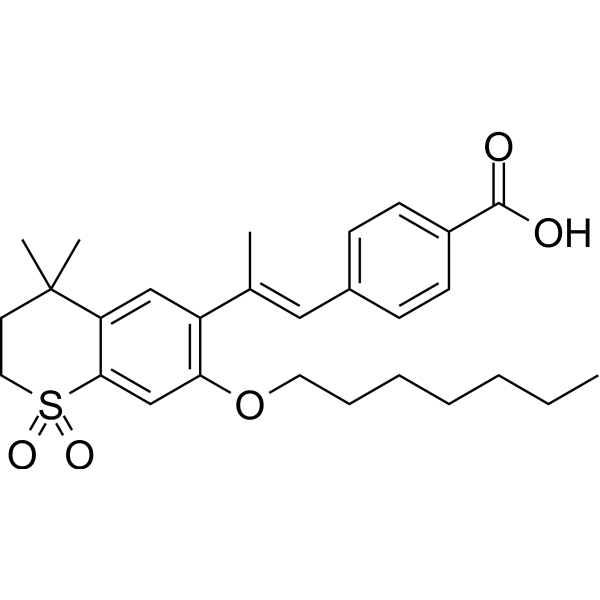
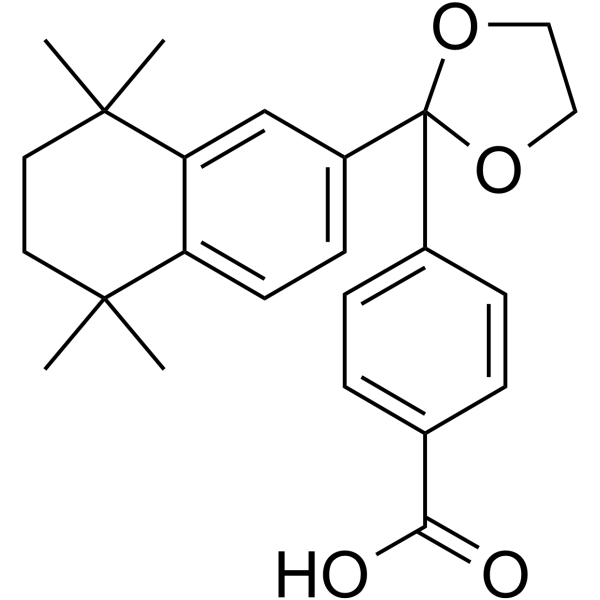
Ro 41-5253 is an orally active selective retinoic acid receptor alpha (RARα) antagonist. Ro 41-5253 can bind RARα without inducing transcription or affecting RAR/RXR heterodimerization and DNA binding. Ro 41-5253 can inhibit cancer cell proliferation and induce apoptosis, has antitumor activity .
|
-
-
- HY-110266
-
|
|
HIF/HIF Prolyl-Hydroxylase
|
Cancer
|
|
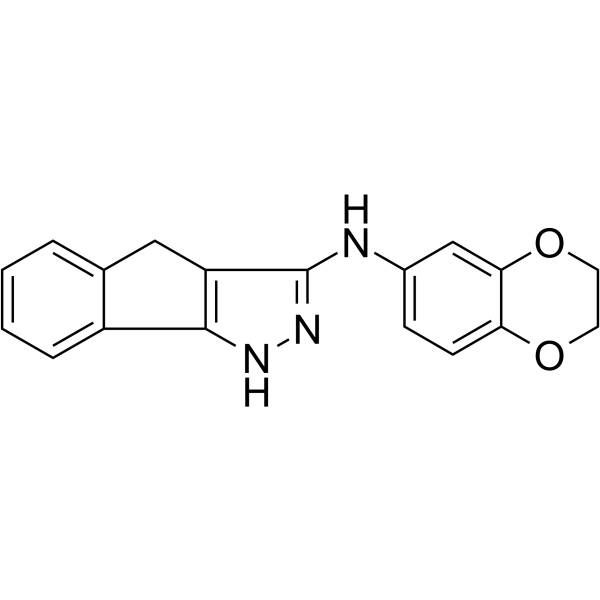
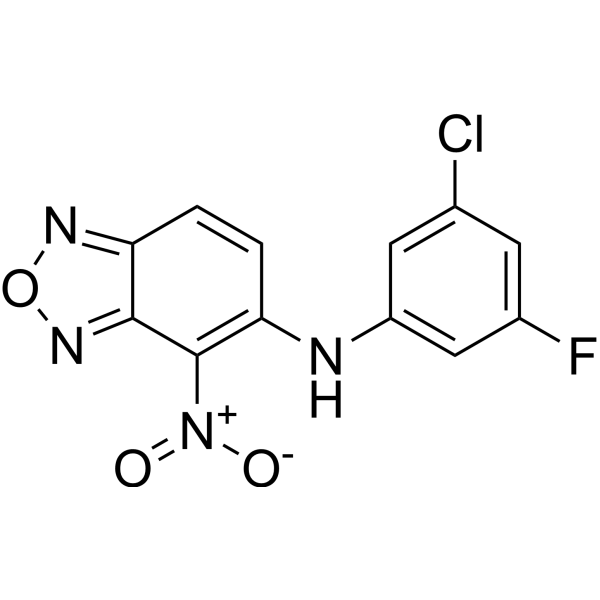
GN44028 is a potent and orally active hypoxia inducible factor (HIF)-1α inhibitor, with an IC50 of 14 nM. GN44028 inhibits hypoxia-induced HIF-1α transcriptional activity without suppressing HIF-1α mRNA expression, HIF-1α protein accumulation, or HIF-1α/HIF-1β heterodimerization. GN44028 can be used in the research of cancers .
|
-
-
- HY-114421
-
|
dTAG-13
|
PROTACs
FKBP
|
Cancer
|
|
FKBP12 PROTAC dTAG-13 (dTAG-13), a PROTAC-based heterobifunctional degrader, is a selective degrader of FKBP12 F36V with expression of FKBP12F36V in-frame with a protein of interest. FKBP12 PROTAC dTAG-13 effectively engages FKBP12 F36V and CRBN, thereby selectively degrading FKBP12 F36V .
|
-
-
- HY-107413
-
|
BMS-649
|
RAR/RXR
Tyrosine Hydroxylase
|
Cancer
|
|
SR11237 (BMS-649) GMP is SR11237 (HY-107413) produced by using GMP guidelines. GMP small molecules works appropriately as an auxiliary reagent for cell therapy manufacture. SR11237 is a RXR activator and lipid metabolism regulator that promotes the differentiation of induced neural stem cells into dopaminergic (TH-positive) neurons. SR11237 induces transcriptional regulation of lipogenic genes and cholesterol transporters, increases glycosaminoglycan release, and elevates total cellular triglyceride levels. SR11237 promotes heterodimerization of RXR with Nurr1, thereby enhancing tyrosine hydroxylase expression and facilitating dopamine release. SR11237 produces a synergistic effect when used in combination with bFGF/EGF. SR11237 is mainly used in studies related to osteoarthritis and Parkinson's disease .
|
-
-
- HY-159644
-
|
AB521
|
HIF/HIF Prolyl-Hydroxylase
VEGFR
|
Cancer
|
|
Casdatifan (AB521) is an orally active and selective allosteric small-molecule inhibitor of hypoxia-inducible factor 2α (HIF-2α). Casdatifan inhibits pro-tumor gene transcription by blocking the heterodimerization of HIF-2α with ARNT, and significantly suppresses tumor growth in clear cell renal cell carcinoma (ccRCC) models either as a monotherapy or in combination with agents such as Zimberelimab (HY-P99109). Casdatifan is applicable for the research of ccRCC .
|
-
-
- HY-103689
-
|
|
Biochemical Assay Reagents
|
Others
|
|
Cucurbit[8]uril is a potent, low toxicity and orally active supramolecular inducer of protein heterodimerization. Cucurbit[8]uril induces heterodimerization of methylviologen and naphthalene functionalized proteins. Cucurbit[8]uril can induce energy transfer .
|
-
-
- HY-18371
-
|
|
HIF/HIF Prolyl-Hydroxylase
|
Inflammation/Immunology
|
|
TC-S 7009 is a potent and selective HIF-2α inhibitor with a Kd of 81 nM. TC-S 7009 is more selective for HIF-2α than HIF-1α (Kd ? 5 μM). TC-S 7009 disrupts HIF-2α heterodimerization, decreases DNA-binding activity, and reduces HIF-2α target gene expression .
|
-
-
- HY-P1420
-
|
|
HIF/HIF Prolyl-Hydroxylase
|
Cancer
|
|
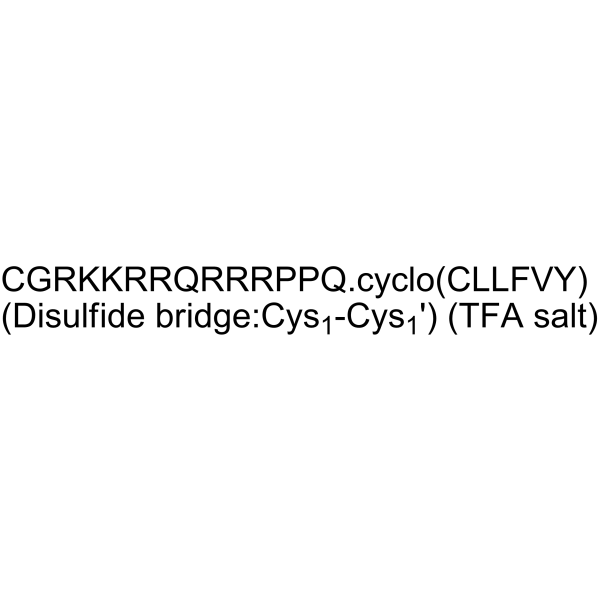
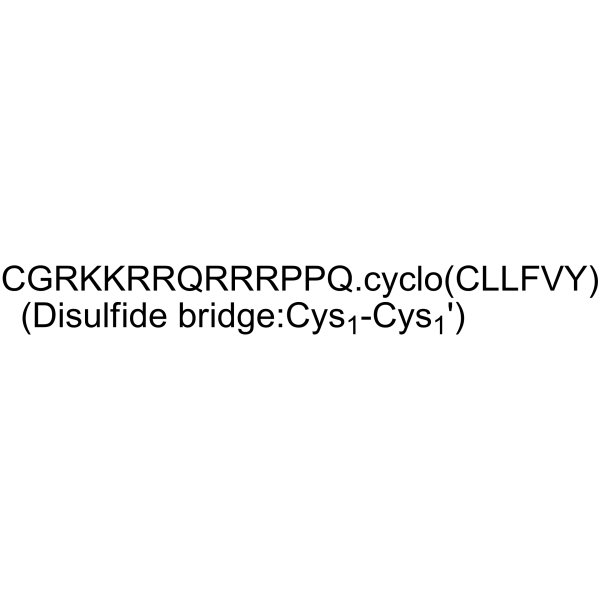
TAT-cyclo-CLLFVY is a cyclic peptide inhibitor of HIF-1 heterodimerization that inhibits hypoxia signaling in cancer cells. TAT-cyclo-CLLFVY disrupts HIF-1α/HIF-1β protein-protein interaction with an IC50 of 1.3 μM .
|
-
-
- HY-128845
-
|
|
PROTACs
E1/E2/E3 Enzyme
|
Cancer
|
|
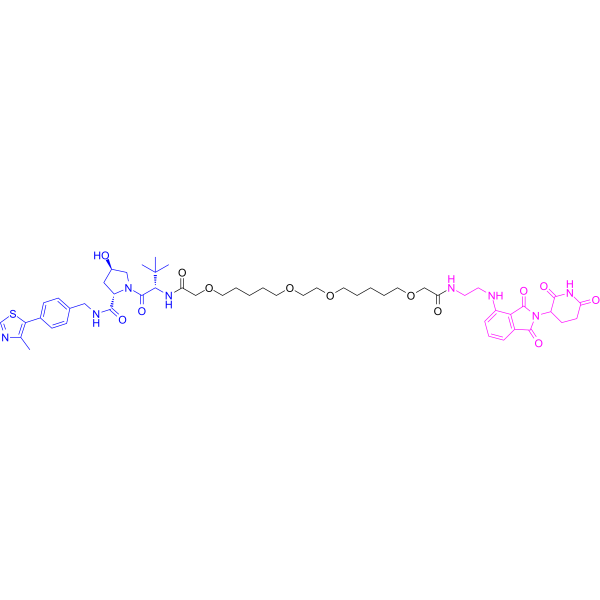
PROTAC CRBN Degrader-1 (Compound 14a) is a VHL-CRBN heterodimerization PROTAC degrader that achieves a selective degradation of CRBN by binding two E3 ubiquitin ligases (VHL and CRBN) to each other . (Blue: VHL ligand (S,R,S)-AHPC (HY-125845); Pink: CRBN ligand Pomalidomide-C2-NH2 (HY-128846); Black: Linker (HY-128847))
|
-
-
- HY-126316
-
Zapalog
1 Publications Verification
|
FKBP
|
Others
|
|
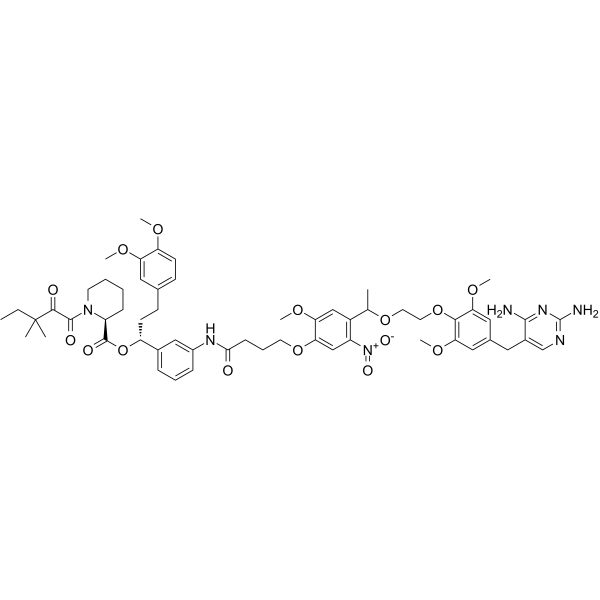
Zapalog is a photocleavable small-molecule heterodimerizer that can be used to repeatedly initiate, and instantaneously terminate, a physical interaction between two target proteins. Zapalog dimerizes any two proteins tagged with the FKBP and DHFR domains until exposure to light causes its photolysis .
|
-
-
- HY-160053
-
|
|
PDGFR
|
Cancer
|
|
Gint4.T aptamer sodium is a nuclease-resistant RNA aptamer-based antagonist targeting platelet-derived growth factor receptor beta (PDGFRβ) (Kd: 9.6 nM). Gint4.T aptamer sodium inhibits PDGFRβ heterodimerization and EGFR transactivation. It can significantly inhibit cell migration and proliferation, induce differentiation and prevent tumor growth in vivo. Gint4.T aptamer sodium specifically inhibits PDGFRβ-mediated tropism of mesenchymal stem cells (MSCs) toward the tumor microenvironment .
|
-
-
- HY-112374
-
-
-
- HY-149085
-
|
|
RAR/RXR
|
Cancer
|
|
XS-060 is a potent anticancer agent and RXRα antagonist. XS-060 significantly induces RXRα-dependent mitotic arrest by inhibiting pRXRα-PLK1 interaction. XS-060 inhibits p-RXRα interaction with PLK1 but has no effect on RXRα heterodimerization with RARγ. XS-060 inhibits the in situ interaction between p-RXRα and PLK1 at the centrosome .
|
-
-
- HY-118998
-
|
|
PROTACs
EGFR
ERK
Akt
|
Cancer
|
|
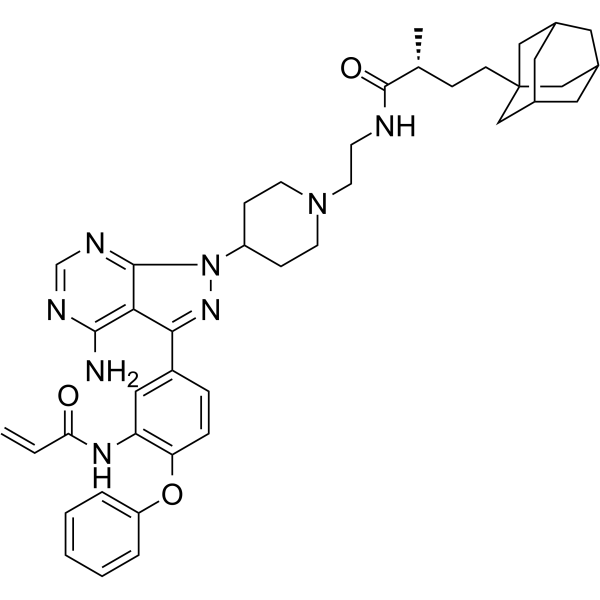
TX2-121-1 is a potent and selective Her3 (ErbB3) degrader that contains a hydrophobic adamantane moiety. TX2-121-1 has an IC50 of 49 nM for Her3. TX2-121-1 inhibits Her3-dependent signaling and heterodimerization of Her3. TX2-121-1 has the ability to inhibit cell proliferation. TX2-121-1 can be used in the study of tumors. (Pink: Her3 inhibitor (HY-164988); Black: Linker; Blue: Adamantane (HY-N2427)) .
|
-
-
- HY-162793
-
|
|
DNA/RNA Synthesis
Influenza Virus
|
Infection
|
|
RdRP-IN-8 (compound 45) is an anti-influenza virus compound. RdRP-IN-8 inhibits viral RNA-dependent RNA polymerase (RdRP) activity by disrupting heterodimerization of PA and PB1 subunits (EC50=0.13 μM) .
|
-
-
- HY-P1420A
-
|
|
HIF/HIF Prolyl-Hydroxylase
|
Cancer
|
|
TAT-cyclo-CLLFVY TFA is a cyclic peptide inhibitor of HIF-1 heterodimerization that inhibits hypoxia signaling in cancer cells. TAT-cyclo-CLLFVY TFA disrupts HIF-1α/HIF-1β protein-protein interaction with an IC50 of 1.3 μM .
|
-
-
- HY-P3223A
-
|
|
Opioid Receptor
|
Neurological Disease
|
|
Biphalin acetate, a BBB-penetrable opioid peptide analog, contains two active enkephalin pharmacophores.Biphalin acetate has high affinity for opioid receptors. Biphalin acetate shows analgesic effect in acute, neuropathic, and chronic animal pain models. Biphalin acetate is also an antiviral, antiproliferative, anti-inflammatory, and neuroprotective agent .
|
-
-
- HY-P991243
-
|
|
EGFR
Akt
|
Cancer
|
|
MP-RM-1 is an antibody-based, non-competitive ErbB-3 inhibitor with a Kd value of 32.7 nM. MP-RM-1 inhibits both ligand-dependent and ligand-independent ErbB-3 activation, blocks ErbB-2/ErbB-3 heterodimerization, induces ErbB-3 internalization and degradation, and suppresses the phosphorylation of downstream Akt. MP-RM-1 exerts its antagonistic effect through a non-competitive mechanism. MP-RM-1 inhibits tumor growth in melanoma and prostate cancer xenograft models in nude mice and reduces the proliferative activity of tumor cells .
|
-
-
- HY-155543
-
|
|
Androgen Receptor
|
Cancer
|
|
Anticancer agent 135 (compound 26h) is a potent androgen receptor (AR) antagonist. Anticancer agent 135 can effectively block AR nuclear translocation and inhibit AR/AR-V7 heterodimerization, thereby inhibiting downstream gene transcription. Anticancer agent 135 displays potent robust efficacy in prostate cancer xenograft models .
|
-
-
- HY-121671
-
|
|
RAR/RXR
|
Neurological Disease
|
|
TBTC is a selective agonist with the activity of improving behavioral deficits in Alzheimer's disease model mice. TBTC can effectively activate the heterodimerization of RXRα with LXRα or PPARγ. TBTC stimulates the expression of apoE, ABCA1, and ABCG1 genes and reduces Aβ content in cells and animal models .
|
-
-
- HY-P3223
-
|
|
Opioid Receptor
|
Neurological Disease
|
|
Biphalin TFA, a BBB-penetrable opioid peptide analog, contains two active enkephalin pharmacophores. Biphalin TFA has high affinity for opioid receptors. Biphalin TFA shows analgesic effect in acute, neuropathic, and chronic animal pain models. Biphalin TFA is also an antiviral, antiproliferative, anti-inflammatory, and neuroprotective agent .
|
-
-
- HY-103689R
-
|
|
Biochemical Assay Reagents
Reference Standards
|
Others
|
|
Cucurbit uril (Standard) is the analytical standard of Cucurbit uril (HY-103689). This product is intended for research and analytical applications. Cucurbit uril is a potent, low toxicity and orally active supramolecular inducer of protein heterodimerization. Cucurbit uril induces heterodimerization of methylviologen and naphthalene functionalized proteins. Cucurbit uril can induce energy transfer .
|
-
-
- HY-107413R
-
|
BMS-649 (Standard)
|
Reference Standards
RAR/RXR
Tyrosine Hydroxylase
|
Neurological Disease
Inflammation/Immunology
|
|
SR11237 (Standard) is the analytical standard of SR11237 (HY-107413). This product is intended for research and analytical applications. SR11237 is a RXR activator and lipid metabolism regulator that promotes the differentiation of induced neural stem cells into dopaminergic (TH-positive) neurons. SR11237 induces transcriptional regulation of lipogenic genes and cholesterol transporters, increases glycosaminoglycan release, and elevates total cellular triglyceride levels. SR11237 promotes heterodimerization of RXR with Nurr1, thereby enhancing tyrosine hydroxylase expression and facilitating dopamine release. SR11237 produces a synergistic effect when used in combination with bFGF/EGF. SR11237 is mainly used in studies related to osteoarthritis and Parkinson's disease .
|
-
-
- HY-P991881
-
|
|
TGF-β Receptor
Hepcidin
Ferroportin
|
Cardiovascular Disease
|
|
KY1070 is a fully human anti-BMP6 antibody with a Kd of 0.00014 μM against the human BMP6. It exhibits high specificity for BMP6, showing no cross-reactivity with other members of the BMP family, and effectively inhibits BMP6-induced BMP receptor heterodimerization and hepcidin expression. KY1070 modulates Ferroportin expression on erythroid progenitor cells and accelerates erythropoiesis. In rodent anemia models, KY1070 reduces the required dose of erythropoietin (EPO) when used in combination with EPO and enhances the responsiveness of mice with chronic kidney disease (CKD)-associated anemia to EPO treatment. KY1070 is applicable for research on anemia of chronic disease [1] [2].
|
-
-
- HY-107413G
-
|
|
RAR/RXR
Tyrosine Hydroxylase
|
Neurological Disease
Inflammation/Immunology
|
|
SR11237 GMP is SR11237 (HY-107413) produced by using GMP guidelines. GMP small molecules works appropriately as an auxiliary reagent for cell therapy manufacture. SR11237 is a RXR activator and lipid metabolism regulator that promotes the differentiation of induced neural stem cells into dopaminergic (TH-positive) neurons. SR11237 induces transcriptional regulation of lipogenic genes and cholesterol transporters, increases glycosaminoglycan release, and elevates total cellular triglyceride levels. SR11237 promotes heterodimerization of RXR with Nurr1, thereby enhancing tyrosine hydroxylase expression and facilitating dopamine release. SR11237 produces a synergistic effect when used in combination with bFGF/EGF. SR11237 is mainly used in studies related to osteoarthritis and Parkinson's disease .
|
-
| Cat. No. |
Product Name |
Type |
-
- HY-107413G
-
|
|
Fluorescent Dyes
|
|
SR11237 GMP is SR11237 (HY-107413) produced by using GMP guidelines. GMP small molecules works appropriately as an auxiliary reagent for cell therapy manufacture. SR11237 is a RXR activator and lipid metabolism regulator that promotes the differentiation of induced neural stem cells into dopaminergic (TH-positive) neurons. SR11237 induces transcriptional regulation of lipogenic genes and cholesterol transporters, increases glycosaminoglycan release, and elevates total cellular triglyceride levels. SR11237 promotes heterodimerization of RXR with Nurr1, thereby enhancing tyrosine hydroxylase expression and facilitating dopamine release. SR11237 produces a synergistic effect when used in combination with bFGF/EGF. SR11237 is mainly used in studies related to osteoarthritis and Parkinson's disease .
|
| Cat. No. |
Product Name |
Type |
-
- HY-107413G
-
|
|
Biochemical Assay Reagents
|
|
SR11237 GMP is SR11237 (HY-107413) produced by using GMP guidelines. GMP small molecules works appropriately as an auxiliary reagent for cell therapy manufacture. SR11237 is a RXR activator and lipid metabolism regulator that promotes the differentiation of induced neural stem cells into dopaminergic (TH-positive) neurons. SR11237 induces transcriptional regulation of lipogenic genes and cholesterol transporters, increases glycosaminoglycan release, and elevates total cellular triglyceride levels. SR11237 promotes heterodimerization of RXR with Nurr1, thereby enhancing tyrosine hydroxylase expression and facilitating dopamine release. SR11237 produces a synergistic effect when used in combination with bFGF/EGF. SR11237 is mainly used in studies related to osteoarthritis and Parkinson's disease .
|
| Cat. No. |
Product Name |
Target |
Research Area |
-
- HY-D0844
-
|
L-Glutathione oxidized; GSSG; Oxiglutatione
|
Endogenous Metabolite
Reactive Oxygen Species (ROS)
|
Metabolic Disease
|
|
Glutathione oxidized (L-Glutathione oxidized) is produced by the oxidation of glutathione. Detoxification of reactive oxygen species is accompanied by production of glutathione oxidized. Glutathione oxidized can be used for the research of sickle cells and erythrocytes .
|
-
- HY-P1420
-
|
|
HIF/HIF Prolyl-Hydroxylase
|
Cancer
|
|
TAT-cyclo-CLLFVY is a cyclic peptide inhibitor of HIF-1 heterodimerization that inhibits hypoxia signaling in cancer cells. TAT-cyclo-CLLFVY disrupts HIF-1α/HIF-1β protein-protein interaction with an IC50 of 1.3 μM .
|
-
- HY-P10812
-
|
|
Peptides
|
Cancer
|
|
CP61, a cyclic peptide, is a dual CtBP1/CtBP2 inhibitor. CP61 binds CtBP1 with 3 μM affinity. CP61 inhibits the heterodimerization and homodimerization of CtBP2 with an IC50 value of 19 μM. CP61 is promising for research of cancers .
|
-
- HY-P1420A
-
|
|
HIF/HIF Prolyl-Hydroxylase
|
Cancer
|
|
TAT-cyclo-CLLFVY TFA is a cyclic peptide inhibitor of HIF-1 heterodimerization that inhibits hypoxia signaling in cancer cells. TAT-cyclo-CLLFVY TFA disrupts HIF-1α/HIF-1β protein-protein interaction with an IC50 of 1.3 μM .
|
-
- HY-P3223A
-
|
|
Opioid Receptor
|
Neurological Disease
|
|
Biphalin acetate, a BBB-penetrable opioid peptide analog, contains two active enkephalin pharmacophores.Biphalin acetate has high affinity for opioid receptors. Biphalin acetate shows analgesic effect in acute, neuropathic, and chronic animal pain models. Biphalin acetate is also an antiviral, antiproliferative, anti-inflammatory, and neuroprotective agent .
|
-
- HY-P3223
-
|
|
Opioid Receptor
|
Neurological Disease
|
|
Biphalin TFA, a BBB-penetrable opioid peptide analog, contains two active enkephalin pharmacophores. Biphalin TFA has high affinity for opioid receptors. Biphalin TFA shows analgesic effect in acute, neuropathic, and chronic animal pain models. Biphalin TFA is also an antiviral, antiproliferative, anti-inflammatory, and neuroprotective agent .
|
| Cat. No. |
Product Name |
Target |
Research Area |
Image |
-
- HY-P99412
-
|
OSE-127
|
Interleukin Related
|
Cancer
|
|
Lusvertikimab (OSE-127) is a humanized IL7R monoclonal antibody. Lusvertikimab is not internalized by target cells and prevents IL7R heterodimerization and subsequent downstream signaling. Lusvertikimab has anti-leukemic efficacy and has the potential for B cell precursor acute lymphoblastic leukemia (BCP-ALL) research .
|
-
(5)
-
- HY-P991243
-
|
|
EGFR
Akt
|
Cancer
|
|
MP-RM-1 is an antibody-based, non-competitive ErbB-3 inhibitor with a Kd value of 32.7 nM. MP-RM-1 inhibits both ligand-dependent and ligand-independent ErbB-3 activation, blocks ErbB-2/ErbB-3 heterodimerization, induces ErbB-3 internalization and degradation, and suppresses the phosphorylation of downstream Akt. MP-RM-1 exerts its antagonistic effect through a non-competitive mechanism. MP-RM-1 inhibits tumor growth in melanoma and prostate cancer xenograft models in nude mice and reduces the proliferative activity of tumor cells .
|
-
(5)
-
- HY-P991881
-
|
|
TGF-β Receptor
Hepcidin
Ferroportin
|
Cardiovascular Disease
|
|
KY1070 is a fully human anti-BMP6 antibody with a Kd of 0.00014 μM against the human BMP6. It exhibits high specificity for BMP6, showing no cross-reactivity with other members of the BMP family, and effectively inhibits BMP6-induced BMP receptor heterodimerization and hepcidin expression. KY1070 modulates Ferroportin expression on erythroid progenitor cells and accelerates erythropoiesis. In rodent anemia models, KY1070 reduces the required dose of erythropoietin (EPO) when used in combination with EPO and enhances the responsiveness of mice with chronic kidney disease (CKD)-associated anemia to EPO treatment. KY1070 is applicable for research on anemia of chronic disease [1] [2].
|
-
(5)
| Cat. No. |
Product Name |
Category |
Target |
Chemical Structure |
| Cat. No. |
Product Name |
|
Classification |
-
- HY-160053
-
|
|
|
Aptamers
|
|
Gint4.T aptamer sodium is a nuclease-resistant RNA aptamer-based antagonist targeting platelet-derived growth factor receptor beta (PDGFRβ) (Kd: 9.6 nM). Gint4.T aptamer sodium inhibits PDGFRβ heterodimerization and EGFR transactivation. It can significantly inhibit cell migration and proliferation, induce differentiation and prevent tumor growth in vivo. Gint4.T aptamer sodium specifically inhibits PDGFRβ-mediated tropism of mesenchymal stem cells (MSCs) toward the tumor microenvironment .
|
| Cat. No. |
Product Name |
Target |
Research Areas |
Chemical Structure |
-
- HY-107413G
-
|
|
RAR/RXR
Tyrosine Hydroxylase
|
Neurological Disease
Inflammation/Immunology
|
|
SR11237 GMP is SR11237 (HY-107413) produced by using GMP guidelines. GMP small molecules works appropriately as an auxiliary reagent for cell therapy manufacture. SR11237 is a RXR activator and lipid metabolism regulator that promotes the differentiation of induced neural stem cells into dopaminergic (TH-positive) neurons. SR11237 induces transcriptional regulation of lipogenic genes and cholesterol transporters, increases glycosaminoglycan release, and elevates total cellular triglyceride levels. SR11237 promotes heterodimerization of RXR with Nurr1, thereby enhancing tyrosine hydroxylase expression and facilitating dopamine release. SR11237 produces a synergistic effect when used in combination with bFGF/EGF. SR11237 is mainly used in studies related to osteoarthritis and Parkinson's disease .
|
-
Your information is safe with us. * Required Fields.
Inquiry Information
- Product Name:
- Cat. No.:
- Quantity:
- MCE Japan Authorized Agent: