


1. Search Result
Search Result
Results for "

immune-regulation

" in MedChemExpress (MCE) Product Catalog:

53

Inhibitors & Agonists

4

Screening Libraries

5

Biochemical Assay Reagents

6

Peptides

1

Inhibitory Antibodies

14

Natural
Products

7

Isotope-Labeled Compounds

Cat. No. Product Name Target Research Areas Chemical Structure
  • HY-N2027
    Taurochenodeoxycholic acid
    5+ Cited Publications

    12-Deoxycholyltaurine

    Caspase Apoptosis Endogenous Metabolite Inflammation/Immunology
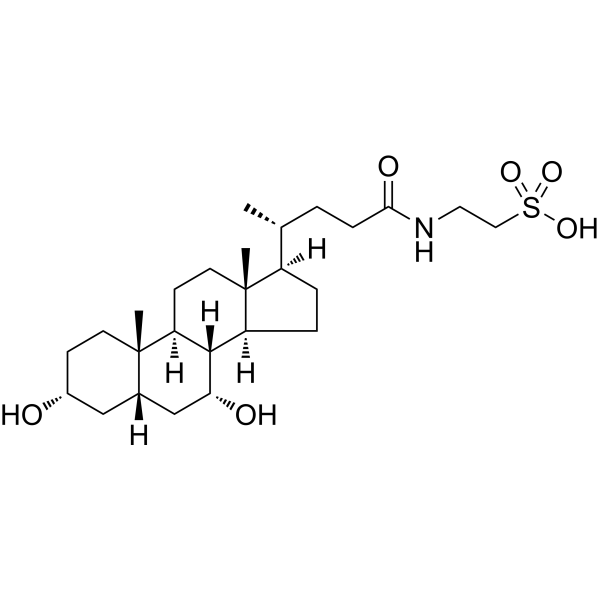
    Taurochenodeoxycholic acid (12-Deoxycholyltaurine) is one of the main bioactive substances of animals' bile acid. Taurochenodeoxycholic acid induces apoptosis and shows obvious anti-inflammatory and immune regulation properties .
    Taurochenodeoxycholic acid
  • HY-N0379
    D-Mannose
    3 Publications Verification

    Environmental Pollutants Endogenous Metabolite Others Cancer
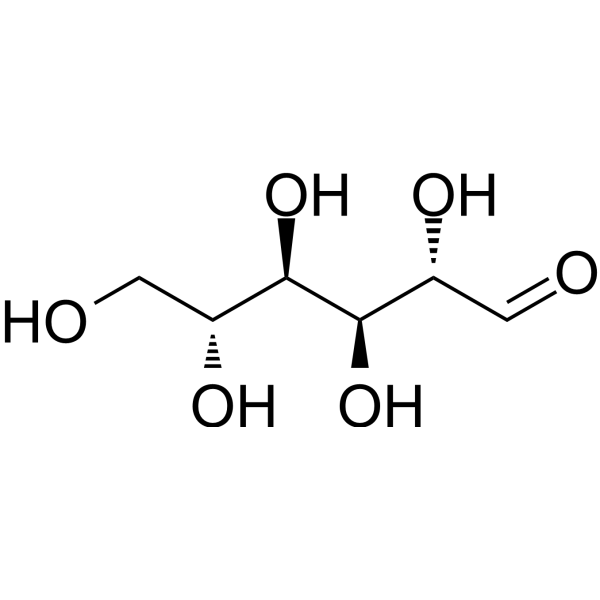
    D-Mannose is a C-2 superpolymer of glucose that occurs naturally in many plants and fruits. D-Mannose has anti-inflammatory and antitumor activity. D-Mannose plays an important role in immune regulation .
    D-Mannose
  • HY-113324
    NADPH
    Maximum Cited Publications
    18 Publications Verification

    Endogenous Metabolite Cancer
    NADPH is a coenzyme of glutathione reductase (GR), thioredoxin reductase (TrxR) and NADPH oxidase (NOX), and participates in redox reactions as a hydrogen donor. NADPH has the characteristic of selectively participating in the regulation of cellular redox homeostasis. NADPH exerts antioxidant activity and resists reactive oxygen species (ROS) damage by providing reducing equivalents for the regeneration of glutathione (GSH) and thioredoxin (Trx); at the same time, it acts as a substrate of NOX to generate superoxide anions, mediating oxidative stress and immune response. NADPH participates in maintaining the intracellular reducing environment, biosynthesis and regulating gene expression (such as the Nrf2 pathway), and is mainly used in the study of oxidative stress-related diseases (such as cardiovascular diseases, neurodegenerative diseases, cancer) and immune regulation mechanisms .
    NADPH
  • HY-N6653
    Lentinan
    5+ Cited Publications

    JAK Keap1-Nrf2 Apoptosis Infection Metabolic Disease Inflammation/Immunology Cancer
    Lentinan is an orally active biocompatible multifunctional polysaccharide with biological activities such as anti-inflammatory, antioxidant, immune regulation, anti-tumor, hypoglycemic, and lipid-lowering [1][4].
    Lentinan
  • HY-W010155
    Tryptophol
    2 Publications Verification

    Indole-3-ethanol

    Endogenous Metabolite Apoptosis Caspase Bacterial Infection Cardiovascular Disease Neurological Disease Metabolic Disease Inflammation/Immunology
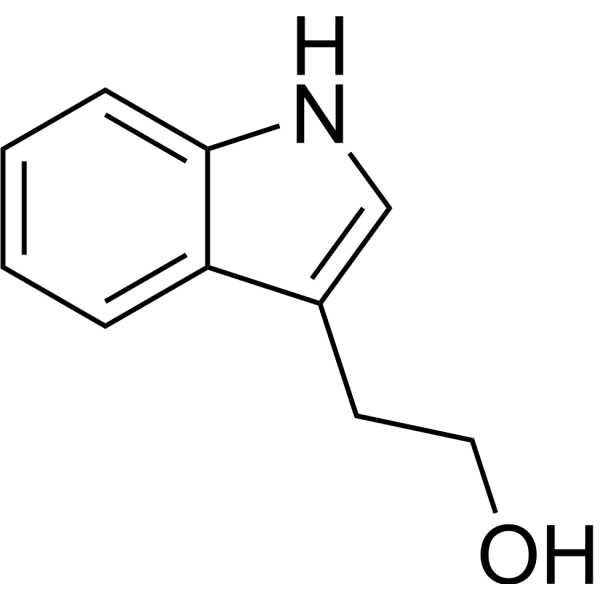
    Tryptophol is an aromatic alcohol and secondary metabolite produced by microorganisms. Tryptophol induces apoptosis and cleavage of caspase-8. Tryptophol inhibits Cunninghamella blakesleeana biofilm. Tryptophol has anti-phage infection, biofilm formation regulation, anti-inflammatory, hemolytic, sleep induction, temperature change, seizure susceptibility and immune regulation activities. Tryptophol is used in the research of African trypanosomiasis, sleep disorders, epilepsy .
    Tryptophol
  • HY-P6292A

    PACAP Receptor Neurological Disease Inflammation/Immunology Cancer
    KS-133 TFA is a highly selective and potent antagonist of the vascular active enteropeptide receptor 2 (VIPR2) with IC50 values for Ca influx measurement and cAMP measurement of 24.8 nM and 500 nM, respectively. KS-133 TFA reverses the tumor-promoting M2 phenotype of tumor-associated macrophages to the anti-tumor M1 phenotype, alters the tumor immune microenvironment, and inhibits tumor growth. KS-133 TFA can be used for research on schizophrenia and cancer immune regulation .
    KS-133 TFA
  • HY-126855
    Cholic acid 7-sulfate
    1 Publications Verification

    7-Sulfocholic acid

    G protein-coupled Bile Acid Receptor 1 MHC Metabolic Disease
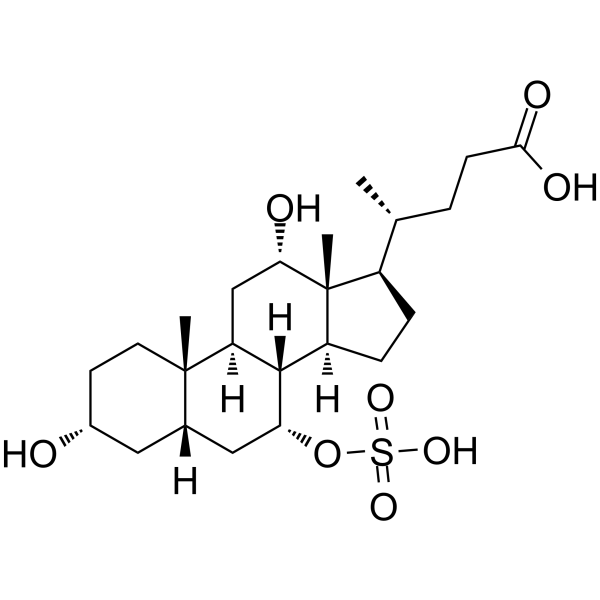
    Cholic acid 7-sulfate (7-Sulfocholic acid) is a selective agonist targeting TGR5 (EC50=0.17 μM) and a ligand for MHC class I-related protein (MR1). As a gut-restricted TGR5 agonist, cholic acid 7-sulfate binds to TGR5 on enteroendocrine L cells, induces GLP-1 secretion, and improves glucose tolerance in a TGR5-dependent manner. Cholic acid 7-sulfate also acts as an endogenous ligand for MR1, promoting the survival of mucosal-associated invariant T cells MAIT and the expression of homeostatic gene signatures, affecting MAIT cell development and function. Cholic acid 7-sulfate is mainly used in the research of diabetes and MAIT cell-related immune regulation .
    Cholic acid 7-sulfate
  • HY-N1429

    12-Deoxycholyltaurine sodium

    Apoptosis Endogenous Metabolite Inflammation/Immunology
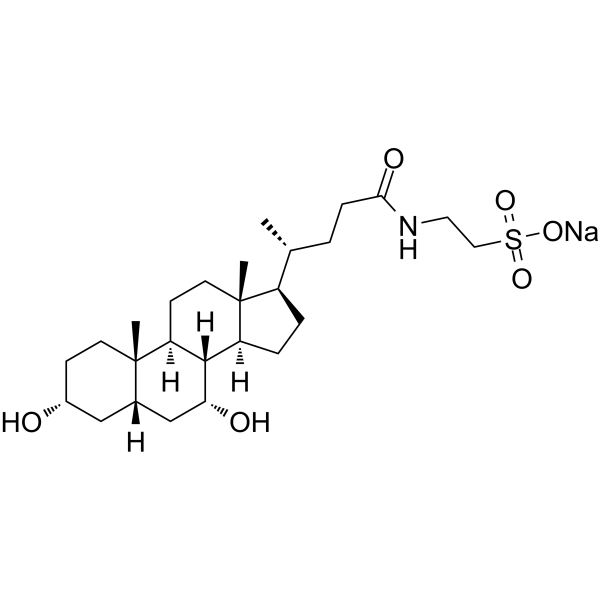
    Taurochenodeoxycholic acid (12-Deoxycholyltaurine) sodium is one of the main bioactive substances of animals' bile acid. Taurochenodeoxycholic acid sodium induces apoptosis and shows obvious anti-inflammatory and immune regulation properties .
    Taurochenodeoxycholic acid sodium
  • HY-P4717

    IFNAR Inflammation/Immunology
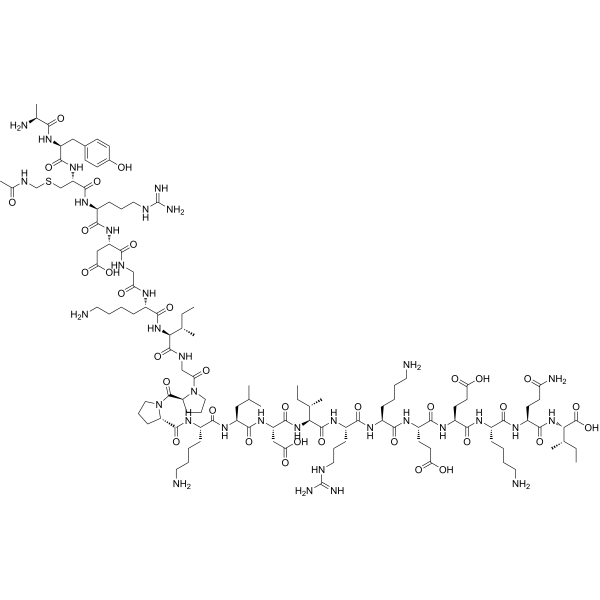
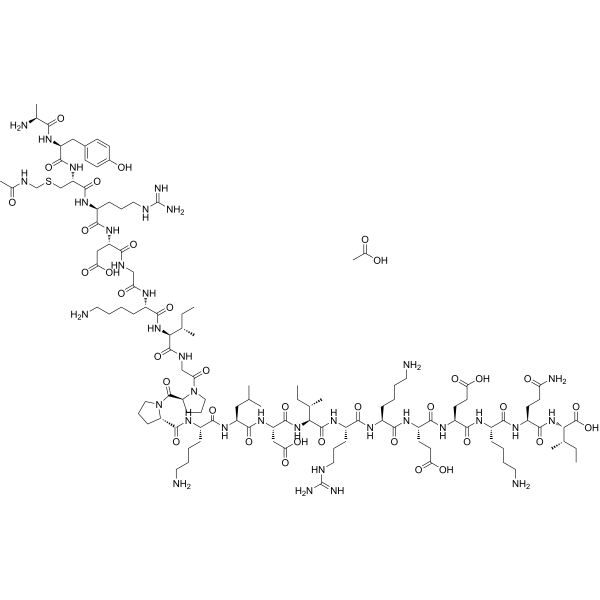
    IFN-γ Antagonist 1 (AYCRDGKIGPPKLDIRKEEKQI) is an interferon-γ (IFN-γ) antagonist. IFN-γ Antagonist 1 inhibits IFN-γ-induced HLR/DR antigen expression in cells. IFN-γ Antagonist 1 can be used in researches of diseases with abnormal immune regulation .
    IFN-γ Antagonist 1
  • HY-P4855
    CRAMP (mouse)
    1 Publications Verification

    Bacterial TNF Receptor Infection Inflammation/Immunology
    CRAMP (mouse) is an antibacterial peptide and a functional homolog of LL-37 . CRAMP (mouse) exhibits potent antibacterial activity against Gram-negative bacteria . The complex formed by CRAMP (mouse) and CpG can activate macrophages to secrete TNF-α . CRAMP (mouse) plays a key role in wound healing, immune regulation and maintenance of intestinal homeostasis .
    CRAMP (mouse)
  • HY-P10373

    JAK IFNAR Interleukin Related Infection Inflammation/Immunology
    pJAK2(1001-1013) is a cell-penetrating peptide that corresponds to the activation loop of JAK2 tyrosine kinase and functions as a SOCS1/3antagonist. pJAK2 (1001-1013) blocks SOCS1-mediated negative regulation of immune function, and enhances the biological activity of cytokines such as IFNγ and IL6. pJAK2(1001-1013) inhibits the replication of a broad range of viruses and exerts dose-dependent protective efficacy against lethal viral infections. pJAK2(1001-1013) can be used for the study of immune regulation and infection .
    pJAK2(1001-1013)
  • HY-111358

    Toll-like Receptor (TLR) Inflammation/Immunology
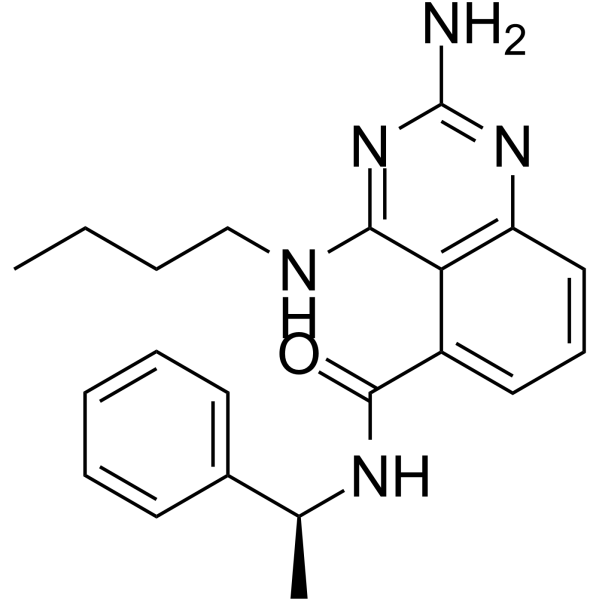
    TLR7 agonist 1 is a selective TLR7 agonist with an LEC value of 90 nM. TLR7 agonist 1 activates downstream immune regulation and shows no activity against TLR8. TLR7 agonist 1 induces endogenous IFN-α production in mice .
    TLR7 agonist 1
  • HY-N13356

    gamma-Glutamylthreonine; H-γ-Glu-Thr-OH; γ-Glu-Thr

    Bacterial Peptide-Drug Conjugates (PDCs) Drug Metabolite Infection Inflammation/Immunology
    L-gamma-Glutamyl-L-threonine (gamma-Glutamylthreonine; H-γ-Glu-Thr-OH; γ-Glu-Thr) is a dipeptide obtained through the formal condensation of the L-glutamic acid side chain carboxyl group and the L-threonine amino group. L-gamma-Glutamyl-L-threonine is present in high concentrations in human urine and exhibits antibacterial activity against Gram-negative bacterial. L-gamma-Glutamyl-L-threonine is also a flavor compound. Gamma-Glutamylthreonine is a metabolite catalyzed by γ-glutamyl transpeptidase and is associated with immune regulation. Gamma-Glutamylthreonine can be used in research on inflammation and bacterial infections .
    L-gamma-Glutamyl-L-threonine
  • HY-108402A

    Penicillin-binding protein (PBP) Bacterial Antibiotic Infection
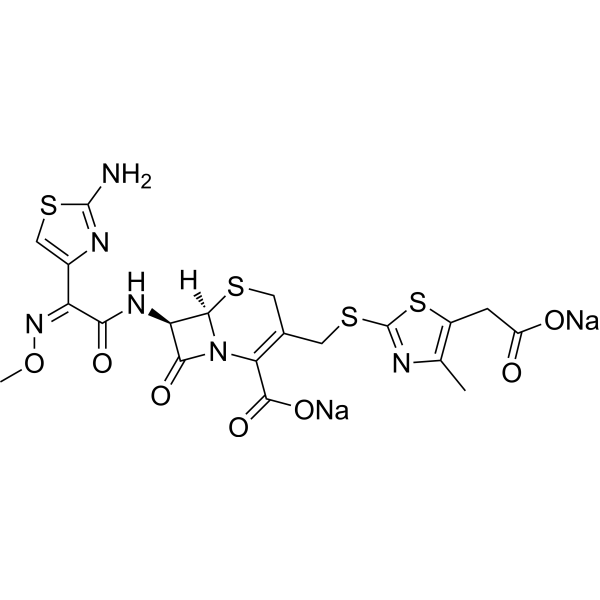
    Cefodizime sodium is a third generation cephalosporin antibiotic with a broad spectrum of antibacterial activity. Cefodizime sodium has no renal toxic effect, good tolerance and immune regulation activity, and can be used for the research of severe infections of the respiratory and urinary tracts .
    Cefodizime sodium
  • HY-152121

    Glucocorticoid Receptor Drug-Linker Conjugates for ADC Infection Inflammation/Immunology
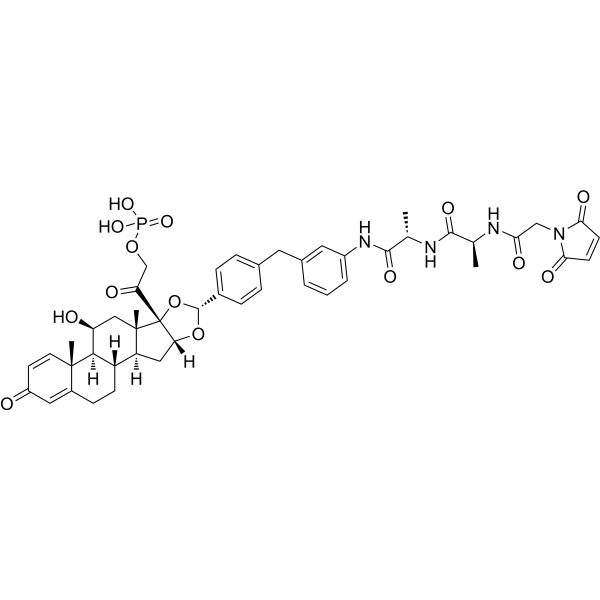
    Glucocorticoid receptor agonist-1 phosphate Ala-Ala-Mal is a glucocorticoid receptor agonist. Glucocorticoid receptor agonist-1 phosphate Ala-Ala-Mal can be used in anti-CD40 antibody agent conjugate (ADC). Glucocorticoid receptor agonist-1 phosphate Ala-Ala-Mal can be used for the research of inflammation and immune regulation .
    Glucocorticoid receptor agonist-1 phosphate Ala-Ala-Mal
  • HY-P4717A

    IFNAR Inflammation/Immunology
    IFN-γ Antagonist 1 (AYCRDGKIGPPKLDIRKEEKQI) acetate is an interferon-γ (IFN-γ) antagonist. IFN-γ Antagonist 1 acetate inhibits IFN-γ-induced HLR/DR antigen expression in cells. IFN-γ Antagonist 1 acetate can be used in researches of diseases with abnormal immune regulation .
    IFN-γ Antagonist 1 acetate
  • HY-P99814

    AMG-701

    CD3 Inflammation/Immunology Cancer
    Pavurutamab (AMG-701) is a bispecific T cell engager molecule that anti-CD3 and anti-B cell maturation antigens (BCMA). Pavurutamab has an extended half-life based on Pacanalotamab (HY-P99798). The Fc of Pavurutamab is coupled to molecules to improve pharmacokinetic parameters. Pavurutamab has potential applications in immune regulation and multiple myeloma (MM) .
    Pavurutamab
  • HY-N2027S

    12-Deoxycholyltaurine-d4 sodium

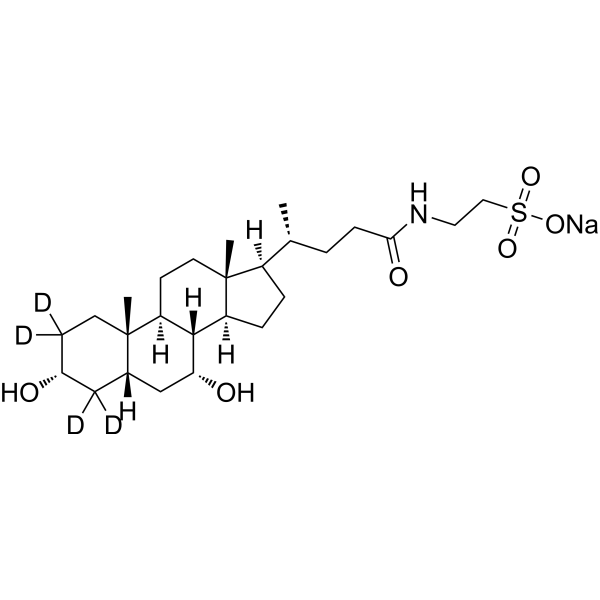
    Isotope-Labeled Compounds Apoptosis Endogenous Metabolite Inflammation/Immunology
    Taurochenodeoxycholic acid-d4 (sodium) is the deuterium labeled Taurochenodeoxycholic acid. Taurochenodeoxycholic acid (12-Deoxycholyltaurine) is one of the main bioactive substances of animals' bile acid. Taurochenodeoxycholic acid induces apoptosis and shows obvious anti-inflammatory and immune regulation properties .
    Taurochenodeoxycholic acid-d4 sodium
  • HY-14801

    A-007

    Drug Derivative Inflammation/Immunology Cancer
    Sivifene (A-007) is a triaryl hydrazone. Sivifene has anticancer activity and immunomodulatory effects. Sivifene regulates immune regulation by upregulating CD45 T lymphocyte surface receptors .
    Sivifene
  • HY-N1429S1

    12-Deoxycholyltaurine-d5 sodium

    Isotope-Labeled Compounds Apoptosis Endogenous Metabolite Inflammation/Immunology
    Taurochenodeoxycholic acid-d5 (sodium) is the deuterium labeled Taurochenodeoxycholic acid sodium. Taurochenodeoxycholic acid sodium salt (12-Deoxycholyltaurine sodium salt) is one of the main bioactive substances of animals' bile acid. Taurochenodeoxycholic acid induces apoptosis and shows obvious anti-inflammatory and immune regulation properties .
    Taurochenodeoxycholic acid-d5 sodium
  • HY-N1429R

    12-Deoxycholyltaurine sodium (Standard)

    Reference Standards Apoptosis Endogenous Metabolite Inflammation/Immunology
    Taurochenodeoxycholic acid (sodium) (Standard) is the analytical standard of Taurochenodeoxycholic acid (sodium). This product is intended for research and analytical applications. Taurochenodeoxycholic acid (12-Deoxycholyltaurine) sodium is one of the main bioactive substances of animals' bile acid. Taurochenodeoxycholic acid sodium induces apoptosis and shows obvious anti-inflammatory and immune regulation properties .
    Taurochenodeoxycholic acid sodium (Standard)
  • HY-148980A
    Polyinosinic acid sodium
    1 Publications Verification

    Toll-like Receptor (TLR) Inflammation/Immunology
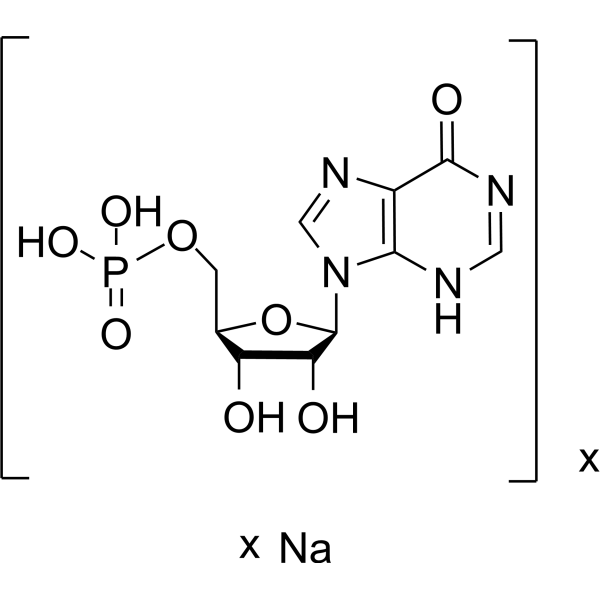
    Polyinosinic acid sodium is the sodium form of Polyinosinic acid (HY-148980). Polyinosinic acid is a single stranded homonucleic acid, which is a Toll-like Receptor 3 (TLR3) ligand. Polyinosinic acid enhances cellular immune response through TLR3 and TRIF. Polyinosinic acid has potential applications in immune regulation .
    Polyinosinic acid sodium
  • HY-N0379R

    Reference Standards Endogenous Metabolite Others
    D-Mannose (Standard) is the analytical standard of D-Mannose. This product is intended for research and analytical applications. D-Mannose is a C-2 superpolymer of glucose that occurs naturally in many plants and fruits. D-Mannose has anti-inflammatory and antitumor activity. D-Mannose plays an important role in immune regulation .
    D-Mannose (Standard)
  • HY-148198

    LPL Receptor Neurological Disease Inflammation/Immunology
    S1P5 receptor agonist-1 (Example 6) is an effective and selective S1P5 receptor (S1P5 receptor) agonist. The EC50 values for S1P5 and S1P1 receptors are 20 nM and > 3 μM, respectively. S1P5 receptor agonist-1 can be used in studies on neuroprotection and immune regulation .
    S1P5 receptor agonist-1
  • HY-W010155R

    Indole-3-ethanol (Standard)

    Reference Standards Endogenous Metabolite Apoptosis Caspase Bacterial Infection Cardiovascular Disease Neurological Disease Metabolic Disease Inflammation/Immunology
    Tryptophol (Standard) (Indole-3-ethanol (Standard)) is an analytical standard of Tryptophol (HY-W010155). This product is intended for use in research and analytical applications.Tryptophol is an aromatic alcohol and secondary metabolite produced by microorganisms. Tryptophol induces Apoptosis and cleavage of caspase-8. Tryptophol inhibits Cunninghamella blakesleeana biofilm. Tryptophol has anti-phage infection, biofilm formation regulation, anti-inflammatory, hemolytic, sleep induction, temperature change, seizure susceptibility and immune regulation activities. Tryptophol is used in the research of African trypanosomiasis, sleep disorders, epilepsy.
    Tryptophol (Standard)
  • HY-W750342

    Indole-3-ethanol-d4

    Isotope-Labeled Compounds Endogenous Metabolite Apoptosis Caspase Bacterial Infection Cardiovascular Disease Neurological Disease Metabolic Disease Inflammation/Immunology
    Tryptophol-d4 (Indole-3-ethanol-d4) is the deuterium labeled Tryptophol (HY-W010155). Tryptophol is an aromatic alcohol and secondary metabolite produced by microorganisms. Tryptophol induces apoptosis and cleavage of caspase-8. Tryptophol inhibits Cunninghamella blakesleeana biofilm. Tryptophol has anti-phage infection, biofilm formation regulation, anti-inflammatory, hemolytic, sleep induction, temperature change, seizure susceptibility and immune regulation activities. Tryptophol is used in the research of African trypanosomiasis, sleep disorders, epilepsy .
    Tryptophol-d4
  • HY-108402

    Penicillin-binding protein (PBP) Bacterial Antibiotic Infection
    Cefodizime is a third generation cephalosporin antibiotic with a broad spectrum of antibacterial activity. Cefodizime has no renal toxic effect, good tolerance and immune regulation activity, and has the potential for severe infections of the respiratory and urinary tracts .
    Cefodizime
  • HY-N2027R

    12-Deoxycholyltaurine (Standard)

    Caspase Reference Standards Apoptosis Endogenous Metabolite Inflammation/Immunology
    Taurochenodeoxycholic acid (Standard) is the analytical standard of Taurochenodeoxycholic acid. This product is intended for research and analytical applications. Taurochenodeoxycholic acid (12-Deoxycholyltaurine) is one of the main bioactive substances of animals' bile acid. Taurochenodeoxycholic acid induces apoptosis and shows obvious anti-inflammatory and immune regulation properties[1][2].
    Taurochenodeoxycholic acid (Standard)
  • HY-134493

    Butyrate-Cholecalciferol; Butyrate-Colecalciferol

    VD/VDR Metabolic Disease Inflammation/Immunology Cancer
    Butyrate-Vitamin D3 (Butyrate-Cholecalciferol) is a derivative of vitamin D3 in which a hydroxyl group in the vitamin D3 molecule is replaced by a butyric acid group. Butyrate-Vitamin D3 affects gene expression and cell function and has certain anti-inflammatory effects. Butyrate-Vitamin D3 can be used in the study of immune regulation, metabolic diseases and cancer .
    Butyrate-Vitamin D3
  • HY-155847

    Phosphatase PD-1/PD-L1 Inflammation/Immunology Cancer
    LYP-IN-3 is a selective, orally active and reversible lymphoid-tyrosine phosphatase (LYP) inhibitor (IC50 = 2.55 μM, Ki = 0.93 μM). D34 exhibits high selectivity of PTP1B, PTPN12, PTPN5 and SSH2. LYP-IN-3 regulates the T-cell receptor (TCR) signaling by specifically inhibiting LYP. LYP-IN-3 does not significantly inhibit MC38 cell viability; its anti-tumor effect stems from immune regulation. LYP-IN-3 can significantly upregulate PD-L1 or PD-1 expression in different immune cells. LYP-IN-3 facilitates T-cell infiltration and enhances T-cell functions. LYP-IN-3 synergizes with PD-L1 blockade can significantly improve colorectal tumor regression. LYP-IN-3 can be used for the study of colorectal cancer .
    LYP-IN-3
  • HY-148980

    Toll-like Receptor (TLR) Inflammation/Immunology
    Polyinosinic acid is a single stranded homonucleic acid, which is a Toll-like Receptor 3 (TLR3) ligand. Polyinosinic acid enhances cellular immune response through TLR3 and TRIF. Polyinosinic acid has potential applications in immune regulation .
    Polyinosinic acid
  • HY-108402AR

    Penicillin-binding protein (PBP) Reference Standards Bacterial Antibiotic Infection
    Cefodizime (sodium) (Standard) is the analytical standard of Cefodizime (sodium). This product is intended for research and analytical applications. Cefodizime sodium is a third generation cephalosporin antibiotic with a broad spectrum of antibacterial activity. Cefodizime sodium has no renal toxic effect, good tolerance and immune regulation activity, and can be used for the research of severe infections of the respiratory and urinary tracts[1][2].
    Cefodizime sodium (Standard)
  • HY-172200

    PD-1/PD-L1 HDAC Inflammation/Immunology Cancer
    PD-L1/HDAC6-IN-1 is an orally active dual inhibitor of PD-L1 and HDAC6, with IC50 values of 26.8 nM and 78 nM, respectively. PD-L1/HDAC6-IN-1 binds to human and murine PD-L1 proteins with high affinity, while it reduces STAT3 phosphorylation and downregulates PD-L1 expression by inhibiting HDAC6, thus blocking the PD-1/PD-L1 interaction. PD-L1/HDAC6-IN-1 exhibits potent anti-tumor activity in a mouse melanoma model. PD-L1/HDAC6-IN-1 is suitable for research on tumor immune regulation related to melanoma .
    PD-L1/HDAC6-IN-1
  • HY-N10017

    Others Metabolic Disease Inflammation/Immunology
    Lucidone F is a nortriterpenoid analogue which is derivated from Ganoderma resinaceum. Lucidone F is promising for research of immune-regulation, hyperglycemia and liver disease .
    Lucidone F
  • HY-N1429S

    12-Deoxycholyltaurine-d9 sodium

    Isotope-Labeled Compounds Apoptosis Endogenous Metabolite Inflammation/Immunology
    Taurochenodeoxycholic acid-d9 (sodium) is the deuterium labeled Taurochenodeoxycholic acid sodium. Taurochenodeoxycholic acid sodium salt (12-Deoxycholyltaurine sodium salt) is one of the main bioactive substances of animals' bile acid. Taurochenodeoxycholic acid induces apoptosis and shows obvious anti-inflammatory and immune regulation properties .
    Taurochenodeoxycholic acid-d9 sodium
  • HY-108161

    Interleukin Related Others
    LF 1695 is an immunomodulator. LF 1695 enhances the proliferative response of T cells by increasing the production of IL2 (interleukin-2) or the expression of the IL2 receptor. LF 1695 also increases CONA-induced inhibitory activity in human lymphocytes. LF 1695 can be used to study the proliferative and inhibitory activity of T cell subpopulations, as well as their role in immune regulation .
    LF 1695
  • HY-W744699

    (+)-Larixol

    Src ERK Akt Inflammation/Immunology
    Larixol is an fMLP inhibitor and also inhibits Src kinase, ERK1/2, p38 and AKT phosphorylation signals in immune regulation. Larixol can interfere with the interaction between the βγ subunit of the fMLP receptor Gi protein and its downstream molecules, thereby inhibiting fMLP-induced respiratory burst. Larixol inhibits fMLP (0.1 μM)-induced superoxide anion production (IC50: 1.98 μM), cathepsin G release (IC50: 2.76 μM), and chemotaxis. Larixol improves neutrophil hyperactivation and reduces inflammation or tissue damage. A series of Larixol derivatives were found to have inhibitory effects on FSGS-related TRPC6 functional mutants .
    Larixol
  • HY-168764

    Endogenous Metabolite Metabolic Disease Inflammation/Immunology
    C16 Galactosylceramide is a sphingolipid compound. C16 Galactosylceramide participates in the physiological processes of lipid metabolism and immune regulation in cells. C16 Galactosylceramide can be used in the study of diabetes .
    C16 Galactosylceramide
  • HY-N1429S2

    12-Deoxycholyltaurine-d4-1 sodium

    Isotope-Labeled Compounds Apoptosis Endogenous Metabolite Inflammation/Immunology
    Taurochenodeoxycholic acid-d4-1 (sodium) is the deuterium labeled Taurochenodeoxycholic acid. Taurochenodeoxycholic acid (12-Deoxycholyltaurine) sodium is one of the main bioactive substances of animals' bile acid. Taurochenodeoxycholic acid sodium induces apoptosis and shows obvious anti-inflammatory and immune regulation properties .
    Taurochenodeoxycholic acid-d4-1 sodium
  • HY-108402R

    Penicillin-binding protein (PBP) Reference Standards Bacterial Antibiotic Infection
    Cefodizime (Standard) is the analytical standard of Cefodizime. This product is intended for research and analytical applications. Cefodizime is a third generation cephalosporin antibiotic with a broad spectrum of antibacterial activity. Cefodizime has no renal toxic effect, good tolerance and immune regulation activity, and has the potential for severe infections of the respiratory and urinary tracts .
    Cefodizime (Standard)
  • HY-158471

    Biochemical Assay Reagents Others
    Core 1 O-glycan (C1) is an important O-linked glycan with core structure 1 (MUC1-M). Core 1 O-glycan (C1), 2AB labeled is related to sialylation and participates in life activities including cell recognition, protection, immune regulation and disease markers .
    Core 1 O-glycan (C1)
  • HY-158470

    Biochemical Assay Reagents Others
    Disialylated Core 2 O-glycan (C2S(3,3)2), 2-AB labeled is a 2-AB (2-aminobenzamide) labeled O-linked glycan with core structure 2. Disialylated Core 2 O-glycan (C2S(3,3)2), 2-AB labeled is related to sialylation and participates in life activities including cell recognition, protection, immune regulation and disease markers .
    Disialylated Core 2 O-glycan (C2S(3,3)2), 2-AB labelled
  • HY-W745090

    Formyl Peptide Receptor (FPR) Src ERK Akt p38 MAPK Others
    Isomaltulose monohydrate is a fMLP inhibitor and also inhibits Src kinase, ERK1/2, p38 and AKT phosphorylation signals in immune regulation. Isomaltulose monohydrate can interfere with the interaction between the βγ subunit of the fMLP receptor Gi protein and its downstream molecules, thereby inhibiting fMLP-induced respiratory burst. Isomaltulose monohydrate inhibits fMLP (0.1 μM)-induced superoxide anion production (IC50: 1.98 μM) , cathepsin G release (IC< sub>50: 2.76 μM) and chemotaxis. Isomaltulose monohydrate can improve excessive activation of neutrophils and reduce inflammation or tissue damage. A series of derivatives of Isomaltulose monohydrate are found to have inhibitory effects on FSGS-related TRPC6 functional mutants .
    Isomaltulose monohydrate
  • HY-126855S

    7-Sulfocholic acid-d4

    Isotope-Labeled Compounds G protein-coupled Bile Acid Receptor 1 MHC Metabolic Disease
    Cholic acid 7-sulfate-d4 (7-Sulfocholic acid-d4) is the deuterium labeled Cholic acid 7-sulfate (HY-126855). Cholic acid 7-sulfate is a selective agonist targeting TGR5 (EC50=0.17 μM) and a ligand for MHC class I-related protein (MR1). As a gut-restricted TGR5 agonist, cholic acid 7-sulfate binds to TGR5 on enteroendocrine L cells, induces GLP-1 secretion, and improves glucose tolerance in a TGR5-dependent manner. Cholic acid 7-sulfate also acts as an endogenous ligand for MR1, promoting the survival of mucosal-associated invariant T cells MAIT and the expression of homeostatic gene signatures, affecting MAIT cell development and function. Cholic acid 7-sulfate is mainly used in the research of diabetes and MAIT cell-related immune regulation .
    Cholic acid 7-sulfate-d4
  • HY-17669

    GPR84 Metabolic Disease Inflammation/Immunology
    PSB-16434 is a selective G protein-coupled receptor 84 (GPR84) agonist. PSB-16434 is promising for research of inflammatory diseases, metabolic disorders, and immune regulation .
    PSB-16434
  • HY-165651S

    12-Deoxycholyltaurine-d4

    Isotope-Labeled Compounds Metabolic Disease
    Taurochenodeoxycholic acid-d4 (TCDCA-d4) is the deuterium labeled Taurochenodeoxycholic acid. Taurochenodeoxycholic acid (12-Deoxycholyltaurine) is one of the main bioactive substances of animals' bile acid. Taurochenodeoxycholic acid induces apoptosis and shows obvious anti-inflammatory and immune regulation properties.
    Taurochenodeoxycholic acid-d4
  • HY-N19844

    Others Cardiovascular Disease
    3-Heptadecylcatechol is an urushiphenol compound found in Toxicodendron vernicifluum resin and poison oak urushiol. 3-Heptadecylcatechol exhibits anti-platelet aggregation and immune regulation activity. 3-Heptadecylcatechol can be used for the research of thrombotic disorders .
    3-Heptadecylcatechol
  • HY-158467

    Biochemical Assay Reagents Others
    Core 1 O-glycan (C1), 2AB labeled is a 2AB (2-aminobenzamide) labeled O-linked glycan with core structure 1 (MUC1-M). Core 1 O-glycan (C1), 2AB labeled is related to sialylation and participates in life activities including cell recognition, protection, immune regulation and disease markers .
    Core 1 O-glycan (C1), 2AB labelled
  • HY-182797

    Molecular Glues IKZF Family IFNAR Cancer
    NHWL071065 is a CRBN-targeting IKZF1/IKZF3 molecular glues degrader. NHWL071065 selectively degrades IKZF1 and IKZF3 in lymphoma cells via the ubiquitin-proteasome pathway. NHWL071065 inhibits the proliferation of lymphoma cells. NHWL071065 downregulates proteins involved in cytoskeleton assembly, cell adhesion and immune regulation in cells, while upregulating proteins related to the type I IFN signaling pathway. NHWL071065 can be used in the research of lymphoma .
    NHWL071065
  • HY-182080

    Microtubule/Tubulin Inflammation/Immunology
    EVs inducer-1 is a release inducer of immunostimulatory extracellular vesicles (EVs). EVs inducer-1 inhibits tubulin polymerization. EVs inducer-1 enhances the release of immunostimulatory EVs by antigen-presenting cells, increases the release of EV particles from dendritic cells, and elevates CD63 reporter gene activity. EVs inducer-1 inhibits the viability of proliferating cells. EVs inducer-1 is applicable for research related to immune regulation .
    EVs inducer-1

Inquiry Online

Your information is safe with us. * Required Fields.

Salutation


Country or Region *

Applicant Name *


Organization Name *

Department *


Email Address *


Product Name *

Cat. No.


Requested quantity *

Phone Number *


Remarks

Inquiry Online

Inquiry Information

Product Name:
Cat. No.:
Quantity:
MCE Japan Authorized Agent:

