1. Search Result
Search Result
Results for "

insulin receptor kinase

" in MedChemExpress (MCE) Product Catalog:

48

Inhibitors & Agonists

1

Bibliotecas de Screening

6

Peptides

2

Natural
Products

1

Isotope-Labeled Compounds

1

Oligonucleotides

Cat. No. Nombre del producto Target Áreas de investigación Chemical Structure
  • HY-15424
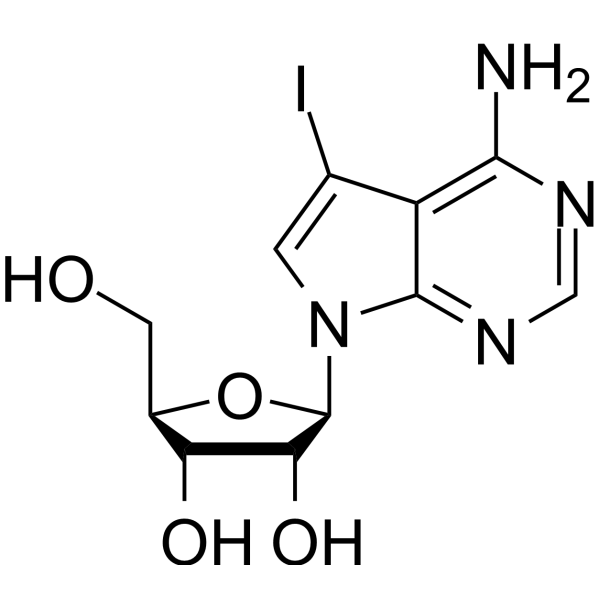
    5-Iodotubercidin
    Maximum Cited Publications
    11 Publications Verification

    NSC 113939; 5-ITu

    Adenosine Kinase Cancer
    5-Iodotubercidin (NSC 113939), an ATP mimetic, is a potent adenosine kinase inhibitor with an IC50 of 26 nM. 5-Iodotubercidin (NSC 113939) initiates glycogen synthesis in isolated hepatocytes by causing inactivation of phosphorylase and activation of glycogen synthase. 5-Iodotubercidin (NSC 113939) also inhibits CK1, insulin receptor tyrosine kinase, phosphorylase kinase, PKA, CK2, PKC and Haspin .
    5-Iodotubercidin
  • HY-15589
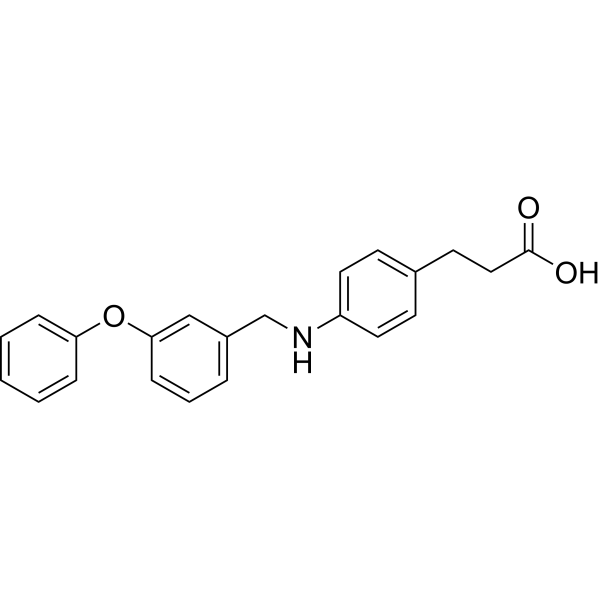
    GW9508
    5+ Cited Publications

    Free Fatty Acid Receptor Potassium Channel Cardiovascular Disease Metabolic Disease Inflammation/Immunology
    GW9508 is a potent and selective G protein-coupled receptors FFA1 (GPR40) and GPR120 agonist with pEC50s of 7.32 and 5.46, respectively. GW9508 shows ~100-fold selectivity for GPR40 over GPR120. GW9508 is inactive against other GPCRs, kinases, proteases, integrins and PPARs. GW9508 is a glucose-sensitive insulin secretagogue and an ATP-sensitive potassium (KATP) channels opener. Anti-inflammatory and anti-atherosclerotic activities .
    GW9508
  • HY-10262
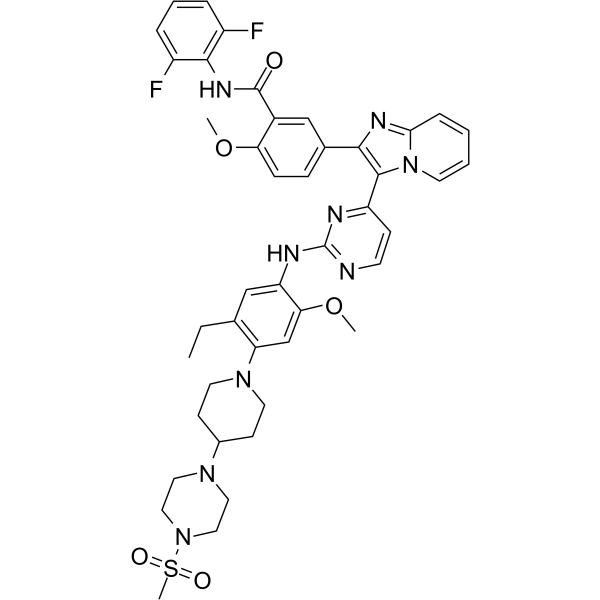
    BMS-536924
    5+ Cited Publications

    IGF-1R Insulin Receptor Apoptosis Endocrinology Cancer
    BMS-536924 is an orally active, competitive and selective insulin-like growth factor receptor (IGF-1R) kinase and insulin receptor (IR) inhibitor with IC50s of 100 nM and 73 nM, respectively. BMS-536924 has anti-cancer activity .
    BMS-536924
  • HY-10524
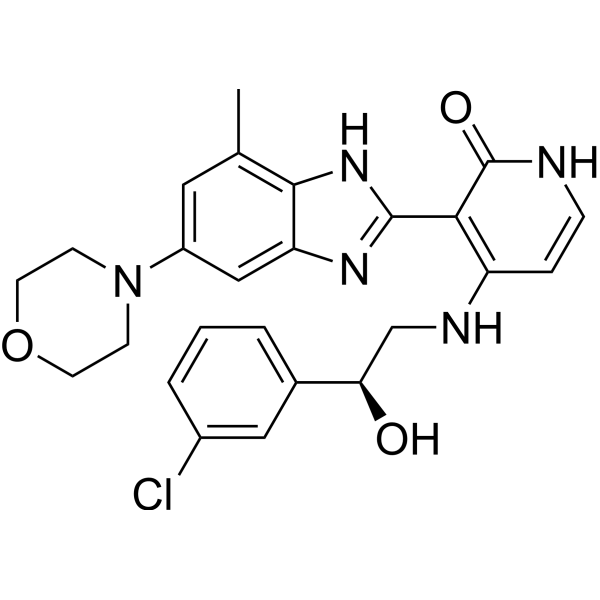
    GSK1904529A
    5+ Cited Publications

    IGF-1R Insulin Receptor Apoptosis Endocrinology Cancer
    GSK1904529A is a potent, selective, orally active, and ATP-competitive inhibitor of insulin-like growth factor-1 receptor (IGF-1R) and insulin receptor (IR), with IC50s of 27 and 25 nM, respectively. GSK1904529A shows poor activity (IC50>1 μM) in 45 other serine/threonine and tyrosine kinases. GSK1904529A exhibits anti-tumor activity .
    GSK1904529A
  • HY-P1856
    Proinsulin C-peptide (human)
    1 Publications Verification

    Insulin Receptor PDGFR MAPKAPK2 (MK2) Cardiovascular Disease Metabolic Disease Inflammation/Immunology
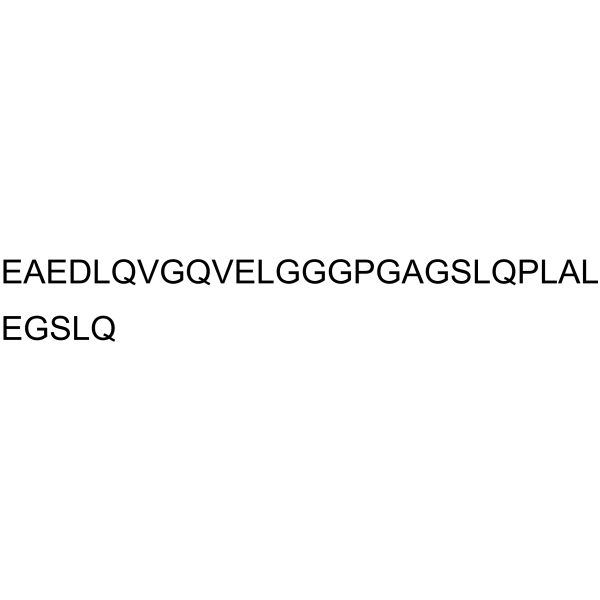
    Proinsulin C-peptide (human) is a peptide consisting of 31 amino acids that links the A and B chains of proinsulin to ensure its correct folding. Proinsulin C-peptide (human) inhibits the high glucose-induced increase in PDGF-β receptor protein expression and the phosphorylation of p42/p44 MAP kinase. Proinsulin C-peptide (human) increases the deformability of erythrocytes derived from type 1 diabetes, inhibits insulin-induced neointimal thickening, and suppresses the proliferation of rat aortic smooth muscle cells cultured under high-glucose conditions .
    Proinsulin C-peptide (human)
  • HY-13896
    PD168393
    3 Publications Verification

    EGFR Autophagy Apoptosis Cancer
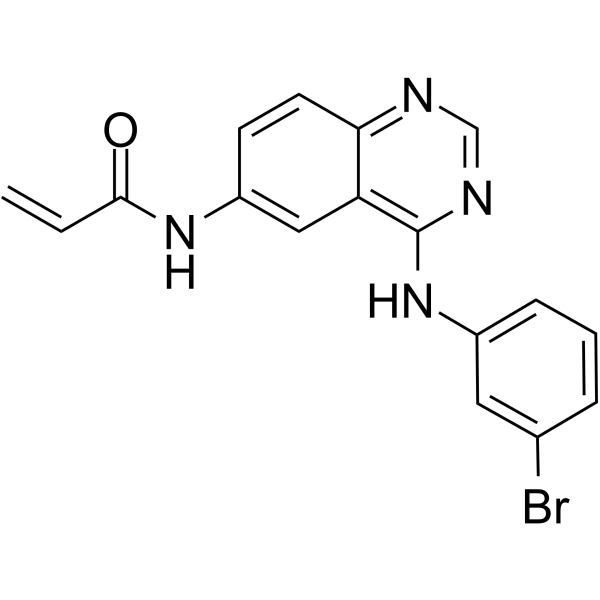
    PD168393 is a potent, selective and cell-permeable inhibitor of EGFR tyrosine kinase and ErbB2. PD168393 irreversiblely inactivates EGF receptor ( IC50=0.7 nM) and is inactive against insulin receptor, PDGFR, FGFR and PKC .
    PD168393
  • HY-10252
    NVP-ADW742
    3 Publications Verification

    ADW742; GSK 552602A; ADW

    IGF-1R Insulin Receptor Apoptosis Endocrinology Cancer
    NVP-ADW742 (ADW742) is an orally active, selective IGF-1R tyrosine kinase inhibitor with an IC50 of 0.17 μM. NVP-ADW742 inhibits insulin receptor (InsR) with an IC50 of 2.8 μM. NVP-ADW742 induces pleiotropic antiproliferative/proapoptotic biologic sequelae in tumor cells .
    NVP-ADW742
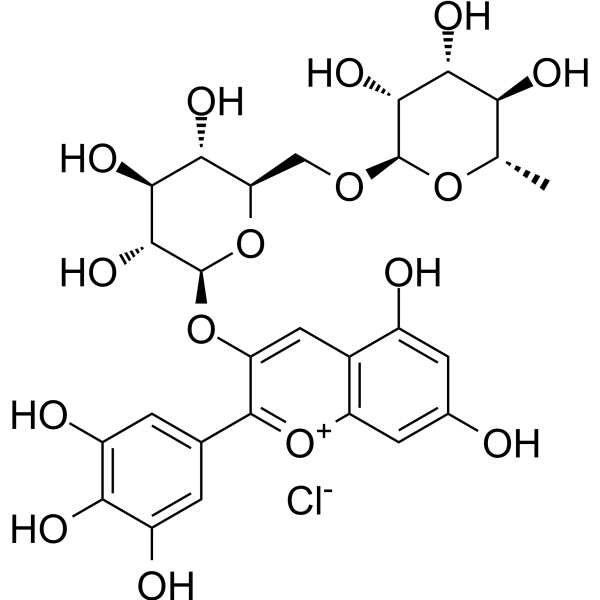
  • HY-114367
    Delphinidin 3-rutinoside chloride
    1 Publications Verification

    Delphinidin 3-O-rutinoside chloride

    Endothelin Receptor NO Synthase Myosin GLP Receptor Neurological Disease Metabolic Disease
    Delphinidin 3-rutinoside chloride is an anthocyanin component. Delphinidin 3-rutinoside chloride is isolable from the fruits of blackcurrant Ribes nigrum L. Delphinidin 3-rutinoside chloride activates the ETB receptor and stimulates the NO/cGMP pathway. Delphinidin 3-rutinoside chloride increases cyclic guanosine monophosphate production and reduces the phosphorylation level of Myosin regulatory light chain. Delphinidin 3-rutinoside chloride stimulates GLP-1 secretion. It significantly induces relaxation of bovine ciliary muscle strips contracted by ET-1 and inhibits ET-1-induced contraction of bovine ciliary muscle strips. Delphinidin 3-rutinoside chloride is applicable to research related to type 2 diabetes .
    Delphinidin 3-rutinoside chloride
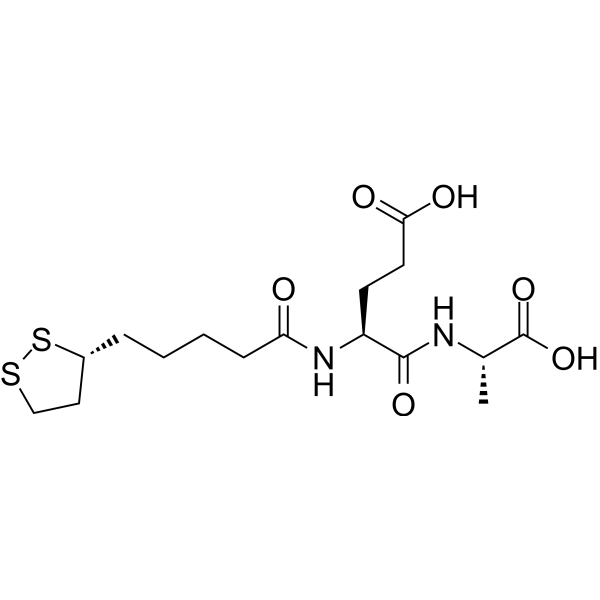
  • HY-119152

    Insulin Receptor Tyrosinase Akt Others
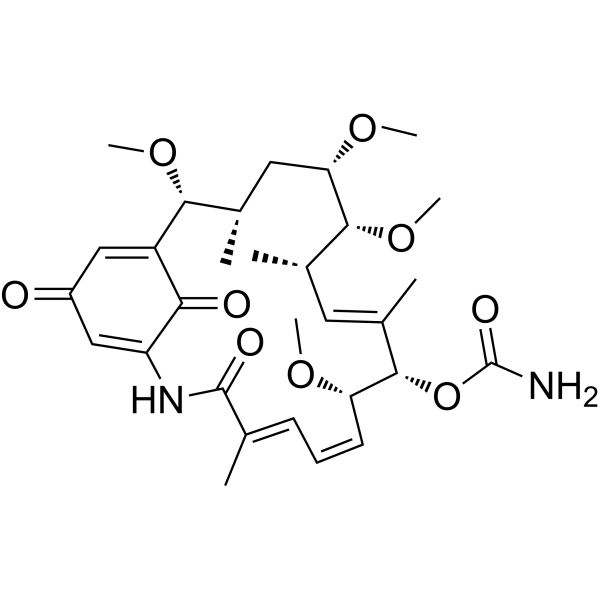
    CMX-2043 is a novel analogue of α-Lipoic Acid (HY-N0492). CMX-2043 is effective in antioxidant effect, activation of insulin receptor kinase, soluble tyrosine kinase, and Akt phosphorylation. CMX-2043 shows protection against ischemia-reperfusion injury (IRI) in rat model .
    CMX-2043
  • HY-112411

    EGFR ERK PDGFR FGFR Neurological Disease Inflammation/Immunology
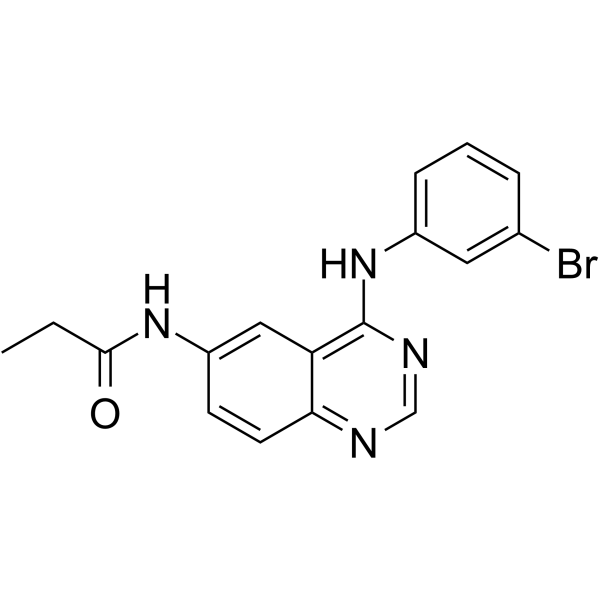
    PD 174265 is a highly selective, reversible EGFR/ErbB2 tyrosine kinase inhibitor (IC50=0.45 nM) and cell differentiation inducer. By blocking receptor autophosphorylation and the downstream ERK signaling pathway (with an IC50 of 0.45 μM for full-length ERK), PD 174265 effectively inhibits tumor growth and exhibits antitumor activity without obvious toxicity in in vivo models. PD 174265 drives oligodendrocyte precursor cells to switch from a proliferative state to a differentiated state, significantly upregulates the expression of myelin proteins such as CNP, PLP and MBP, and induces neurite branching. PD 174265 shows no inhibitory effect on other kinases including insulin, PDGF and basic FGF receptors, and serves as a crucial tool molecule for investigating the treatment of human epidermoid carcinoma and the mechanism of myelin repair in multiple sclerosis .
    PD 174265
  • HY-18764
    BpV(pic) potassium hydrate
    1 Publications Verification

    PTEN Metabolic Disease
    BpV(pic) potassium hydrate is a PTEN inhibitor with IC50 31 nM. BpV(pic) potassium hydrate is also an insulin simulator that activates insulin receptor kinase in cultured liver cancer cells, stimulates adipogenesis in adipocytes, and inhibits the dephosphorylation of autophosphorylated insulin receptors and epidermal growth factor receptors in rat hepatosomes .
    BpV(pic) potassium hydrate
  • HY-153830

    C16 Lactosylceramide (d18:1/16:0)

    Endogenous Metabolite Neurological Disease Metabolic Disease
    LacCer (d18:1/16:0) (C16 Lactosylceramide (d18:1/16:0)) is an endogenous bioactive sphingolipid that can form membrane microdomains with Lyn kinase and the αi subunits of inhibitory G protein-coupled receptors (GPCRs). The levels of LacCer (d18:1/16:0) are elevated in the plasma of insulin-resistant cattle. In a mouse model of Niemann-Pick type C1 disease (a neurodegenerative cholesterol-sphingolipid lysosomal storage disorder), the expression of LacCer (d18:1/16:0) is also upregulated. LacCer (d18:1/16:0) can be used in research on metabolic diseases and neurodegenerative diseases .
    LacCer (d18:1/16:0)
  • HY-136561
    GRK5-IN-2
    4 Publications Verification

    G Protein-coupled Receptor Kinase (GRK) ERK Metabolic Disease
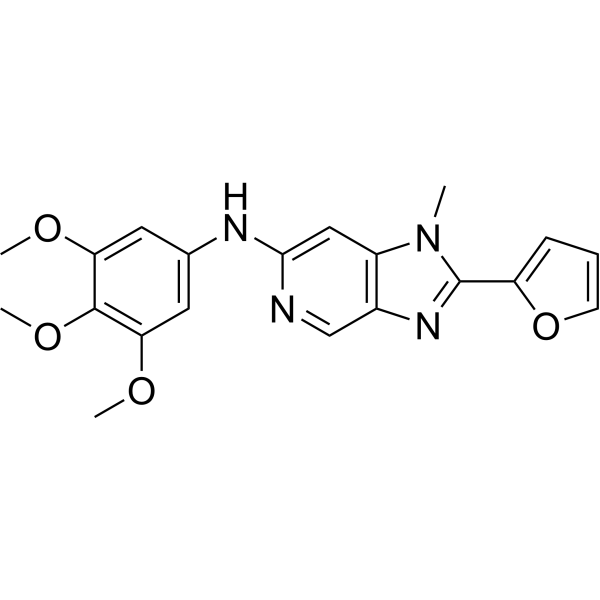
    GRK5-IN-2 (compound 707), a pyridine-based bicyclic compound, is a potent G-protein-coupled receptor kinase 5 (GRK5) inhibitor with an IC50 of 49.7 μM. GRK5-IN-2 regulates the expression and/or release of insulin and is useful for the metabolic disease research .
    GRK5-IN-2
  • HY-124097

    Insulin Receptor Metabolic Disease
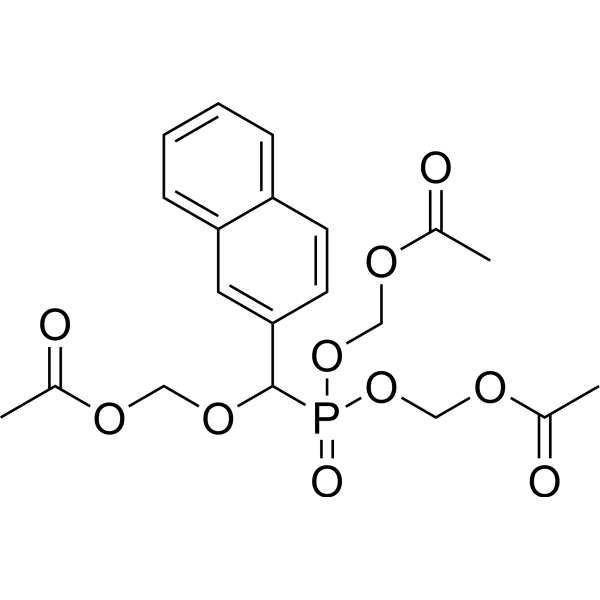
    HNMPA-(AM)3 is a cell-permeable and selective insulin receptor tyrosine kinase inhibitor analog of HNMPA. HNMPA-(AM)3 greatly inhibits the ability of prothoracicotropic hormone (PTTH) to activate ERK phosphorylation and stimulate ecdysteroidogenesis. HNMPA-(AM)3 is also effective in inhibiting ecdysteroid production (IC50=14.2 μM) and insulin receptor activity (IC50 is 14.2 μM and 200 μM in mosquitoes and mammals, respectively) .
    HNMPA-(AM)3
  • HY-135680
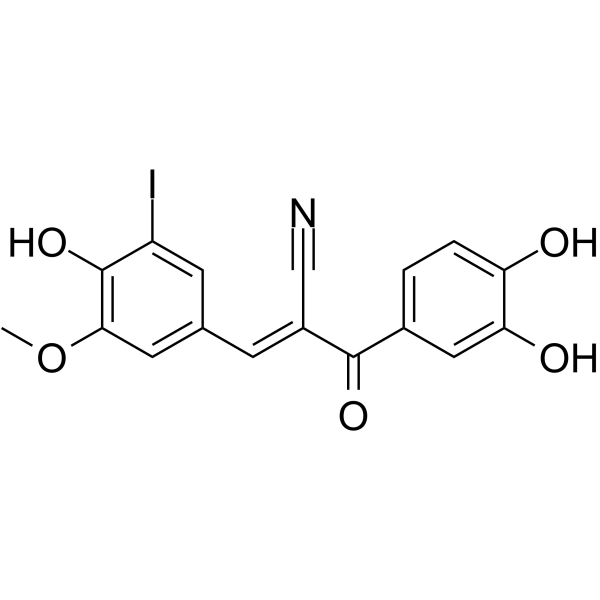
    I-OMe-Tyrphostin AG 538
    1 Publications Verification

    I-OMe-AG 538

    IGF-1R Metabolic Disease Cancer
    I-OMe-Tyrphostin AG 538 (I-OMe-AG 538) is a specific inhibitor of IGF-1R (insulin-like growth factor-1 receptor tyrosine kinase). I-OMe-Tyrphostin AG 538 inhibits IGF-1R-mediated signaling and is preferentially cytotoxic to nutrient-deprived PANC1 cells.?I-OMe-Tyrphostin AG 538 is an ATP-competitive inhibitor of phosphatidylinositol-5-phosphate 4-kinase α (PI5P4Kα), with an IC50?of 1 μM .
    I-OMe-Tyrphostin AG 538
  • HY-P5431

    Insulin Receptor Others
    Insulin receptor (1142-1153), pTyr1150 is a biological active peptide. (Peptide used as insulin receptor tyrosine kinase substrate.)
    Insulin receptor (1142-1153), pTyr1150
  • HY-118203

    FGFR PDGFR Insulin Receptor Cancer
    SU4984 is a protein tyrosine kinase inhibitor, with an IC50 of 10-20 μM for fibroblast growth factor receptor 1 (FGFR1). SU4984 is also inhibits platelet-derived growth factor receptor, and insulin receptor. SU4984 can be used for the research of cancer .
    SU4984
  • HY-15424R

    NSC 113939 (Standard); 5-ITu (Standard)

    Adenosine Kinase Reference Standards Cancer
    5-Iodotubercidin (Standard) is the analytical standard of 5-Iodotubercidin. This product is intended for research and analytical applications. 5-Iodotubercidin (NSC 113939), an ATP mimetic, is a potent adenosine kinase inhibitor with an IC50 of 26 nM. 5-Iodotubercidin (NSC 113939) initiates glycogen synthesis in isolated hepatocytes by causing inactivation of phosphorylase and activation of glycogen synthase. 5-Iodotubercidin (NSC 113939) also inhibits CK1, insulin receptor tyrosine kinase, phosphorylase kinase, PKA, CK2, PKC and Haspin .
    5-Iodotubercidin (Standard)
  • HY-15589R

    Free Fatty Acid Receptor Potassium Channel Reference Standards Cardiovascular Disease Metabolic Disease Inflammation/Immunology
    GW9508 (Standard) is the analytical standard of GW9508. This product is intended for research and analytical applications. GW9508 is a potent and selective G protein-coupled receptors FFA1 (GPR40) and GPR120 agonist with pEC50s of 7.32 and 5.46, respectively. GW9508 shows ~100-fold selectivity for GPR40 over GPR120. GW9508 is inactive against other GPCRs, kinases, proteases, integrins and PPARs. GW9508 is a glucose-sensitive insulin secretagogue and an ATP-sensitive potassium (KATP) channels opener. Anti-inflammatory and anti-atherosclerotic activities .
    GW9508 (Standard)
  • HY-101962

    Insulin Receptor Metabolic Disease
    HNMPA is a membrane impermeable insulin receptor tyrosine kinase inhibitor. HNMPA inhibits serine and tyrosine autophosphorylation by the human insulin receptor. HNMPA has no effect on protein kinase C or cyclic AMP-dependent protein kinase activities
    HNMPA
  • HY-P1790

    JAK Metabolic Disease
    Axltide is based on the mouse Insulin receptor substrate 1 (amino acid 979-989). Axltide is a substrate for Axl, DDR2, Mst1, and JAK2 kinases .
    Axltide
  • HY-13232

    Itk Inflammation/Immunology
    ITK antagonist (compound 10 n) is a potent, orally active and selective ITK (Interleukin-2 inducible T-cell kinase) antagonist (IC50=1 and 20 nM in different assays). ITK antagonist inhibits insulin receptor kinase (IRK) with an IC50 of 160 nM .
    ITK antagonist
  • HY-E70730

    IGF-1R Metabolic Disease
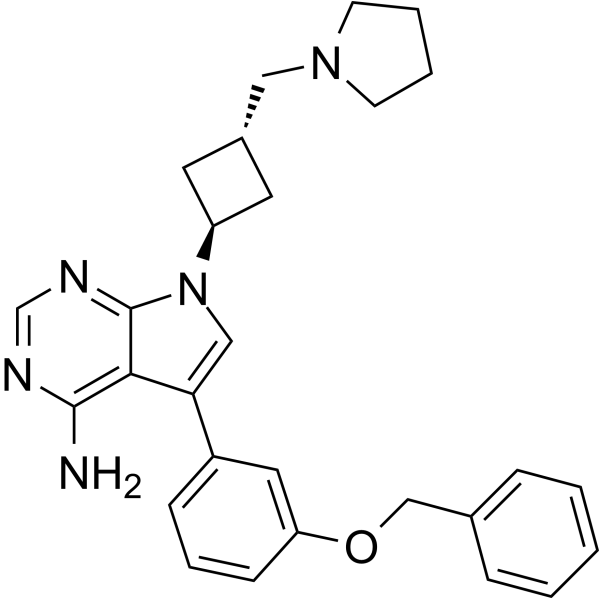
    The whole IGF axis constitutes an interactive network composed of the peptide-ligands IGF1, IGF2 and insulin, and the receptors IGF1R, IGF2R and insulin receptor (INSR) as IGF binding proteins (IGFBPs). The INSR itself appears in two isoforms, INSRA and INSRB differing in 12 amino acids encoded by exon 11. INSR Recombinant Human Active Protein Kinase is a recombinant INSR protein that can be used to study INSR-related functions .
    INSR Recombinant Human Active Protein Kinase
  • HY-162506

    IGF-1R Cancer
    IGF-1R inhibitor-3 (Compound C11) is an allosteric inhibitor for insulin-like growth factor receptor 1 kinase (IGF-1R), with an IC50 of 0.2 μM .
    IGF-1R inhibitor-3
  • HY-E70832

    Insulin Receptor Metabolic Disease
    IRR is a member of the insulin receptor (IR) family. IRR activation by alkali is determined by its N-terminal extracellular region. IRR Recombinant Human Active Protein Kinase is a recombinant IRR protein that can be used to study IRR-related functions .
    IRR Recombinant Human Active Protein Kinase
  • HY-118046

    ROCK IGF-1R G Protein-coupled Receptor Kinase (GRK) Cardiovascular Disease
    GSK2163632A is a selective G protein-coupled receptor kinase (GRK) inhibitor that can be used as a probe for studying heart failure and Parkinson's disease. GSK2163632A potently inhibits GRK1 and GRK5, and also inhibits Rho-associated coiled-coil kinase (ROCK) and insulin-like growth factor receptor IGF-1R. GSK2163632A binds to GRK2 in a manner similar to Paroxetine (HY-122272).
    GSK2163632A
  • HY-10252A

    cis-ADW742; cis-GSK 552602A; cis-ADW

    IGF-1R Insulin Receptor Apoptosis Inflammation/Immunology
    cis-NVP-ADW742 (cis-ADW742) is a cis isomer of NVP-ADW742 (HY-10252). NVP-ADW742 is an orally active, selective IGF-1R tyrosine kinase inhibitor with an IC50 of 0.17 μM. NVP-ADW742 inhibits insulin receptor (InsR) with an IC50 of 2.8 μM. NVP-ADW742 induces pleiotropic antiproliferative/proapoptotic biologic sequelae in tumor cells .
    cis-NVP-ADW742
  • HY-153830S

    C16 Lactosylceramide (d18:1/16:0)-d3

    Isotope-Labeled Compounds Endogenous Metabolite Neurological Disease Metabolic Disease
    LacCer (d18:1/16:0) (C16 Lactosylceramide (d18:1/16:0))-d3 is the deuterium labeled LacCer (d18:1/16:0) (HY-153830). LacCer (d18:1/16:0) is an endogenous bioactive sphingolipid that can form membrane microdomains with Lyn kinase and the αi subunits of inhibitory G protein-coupled receptors (GPCRs). LacCer (d18:1/16:0) are elevated in the plasma of insulin-resistant cattle. LacCer (d18:1/16:0) is also upregulated in a mouse model of Niemann-Pick type C1 disease (a neurodegenerative cholesterol-sphingolipid lysosomal storage disorder). LacCer (d18:1/16:0) can be used in research on metabolic diseases and neurodegenerative diseases .
    LacCer (d18:1/16:0)-d3
  • HY-P1776

    Insulin Receptor Metabolic Disease
    [pTyr1146][pTyr1150][pTyr1151]Insulin Receptor (1142-1153) binds to insulin and can be used as insulin receptor tyrosine kinase substrates .
    [pTyr1146][pTyr1150][pTyr1151]Insulin Receptor (1142-1153)
  • HY-138842

    Insulin Receptor Akt ERK Metabolic Disease
    DDN is a selective insulin receptor (Insulin Receptor) activator, an insulin sensitizer, and a glucose-lowering insulin mimetic with oral bioavailability. DDN can directly bind to the receptor kinase domain and induce Akt and ERK phosphorylation, and it can also enhance insulin's effect on glucose uptake. DDN significantly reduces blood glucose levels in wild-type and diabetic ob/ob and db/db mice .
    DDN
  • HY-E70647

    Anaplastic lymphoma kinase (ALK) Cancer
    Anaplastic lymphoma kinase (ALK) is a receptor tyrosine kinase in the insulin receptor superfamily. ALK has multiple mutants. ALK R1275Q is commonly found in neuroblastoma (NB). ALK R1275Q Recombinant Human Active Protein Kinase is a recombinant ALK R1275Q protein that can be used to study ALK R1275Q-related functions .
    ALK R1275Q Recombinant Human Active Protein Kinase
  • HY-E70643

    Anaplastic lymphoma kinase (ALK) Cancer
    Anaplastic lymphoma kinase (ALK) is a receptor tyrosine kinase in the insulin receptor superfamily. ALK has multiple mutants. ALK-F1174L is commonly found in neuroblastoma (NB). ALK-F1174L Recombinant Human Active Protein Kinase is a recombinant ALK-F1174L protein that can be used to study ALK-F1174L-related functions .
    ALK F1174L Recombinant Human Active Protein Kinase
  • HY-E70644

    Anaplastic lymphoma kinase (ALK) Cancer
    Anaplastic lymphoma kinase (ALK) is a receptor tyrosine kinase in the insulin receptor superfamily. ALK can be used for the study of non-small cell lung carcinoma (NSCLC). ALK has multiple mutants. ALK F1174S Recombinant Human Active Protein Kinase is a recombinant ALK F1174S protein that can be used to study ALK F1174S-related functions .
    ALK F1174S Recombinant Human Active Protein Kinase
  • HY-E70642

    Anaplastic lymphoma kinase (ALK) Cancer
    Anaplastic lymphoma kinase (ALK) is a receptor tyrosine kinase in the insulin receptor superfamily. ALK can be used for the study of non-small cell lung carcinoma (NSCLC). ALK has multiple mutants. ALK C1156Y Recombinant Human Active Protein Kinase is a recombinant ALK C1156Y protein that can be used to study ALK C1156Y-related functions .
    ALK C1156Y Recombinant Human Active Protein Kinase
  • HY-E70646

    Anaplastic lymphoma kinase (ALK) Cancer
    Anaplastic lymphoma kinase (ALK) is a receptor tyrosine kinase in the insulin receptor superfamily. ALK can be used for the study of non-small cell lung carcinoma (NSCLC). ALK has multiple mutants. ALK L1196M Recombinant Human Active Protein Kinase is a recombinant ALK L1196M protein that can be used to study ALK L1196M-related functions .
    ALK L1196M Recombinant Human Active Protein Kinase
  • HY-E70645

    Anaplastic lymphoma kinase (ALK) Cancer
    Anaplastic lymphoma kinase (ALK) is a receptor tyrosine kinase in the insulin receptor superfamily. ALK can be used for the study of non-small cell lung carcinoma (NSCLC). ALK has multiple mutants. ALK G1202R Recombinant Human Active Protein Kinase is a recombinant ALK G1202R protein that can be used to study ALK G1202R-related functions .
    ALK G1202R Recombinant Human Active Protein Kinase
  • HY-112469

    ERK Insulin Receptor Metabolic Disease
    ERK Inhibitor II (Negative control) is an effective inhibitor of extracellular signal-regulated kinase (ERK). ERK Inhibitor II (Negative control) inhibits the activation of insulin receptor, which can be used in the study of diabetes .
    ERK Inhibitor II (Negative control)
  • HY-14243

    Anaplastic lymphoma kinase (ALK) Insulin Receptor VEGFR Tie Cancer
    CEP-14083 is a ATP-competitive ALK kinase inhibitor with an IC50 value in enzymatic assays of 2 nM. CEP-14083 also inhibits other kinases, such as insulin receptor (IR), vascular endothelial growth factor receptor 2 (VEGFR2), angiopoietin-1 receptor (TIE2) and dual leucine zipper kinase (DLK). CEP-14083 suppresses CD274 mRNA expression and the NPM/ALK function in the NPM/ALK-carrying T cell lymphoma (ALK+TCL) cells. CEP-14083 is promising for research of lymphoma .
    CEP-14083
  • HY-162499

    Phosphatase Metabolic Disease
    MY17 is an inhibitor of protein tyrosine phosphatase 1B (PTP1B) (IC50=0.41±0.05 μM). MY17 alleviates palmitic acid (PA) -induced insulin resistance by up-regulating the expression of phosphorylated insulin receptor substrate (IRS1) and protein kinase B (AKT). By binding with PTP1B, MY17 can inhibit the activity of PTP1B, thereby improving insulin signaling and having anti-diabetic activity. MY17 can be used in the study of type 2 diabetes .
    MY17
  • HY-125102

    IGF-1R Cancer
    AZ12253801 is an ATP-competitive IGF-1R tyrosine kinase inhibitor that shows ∼10-fold selectivity over the insulin receptor. AZ12253801 inhibits IGF-1R–driven proliferation in 3T3 mouse fibroblasts (transfected with human IGF-1R) with an IC50 of 17 nmol/L. The IC50 for epidermal growth factor receptor (EGFR)–driven proliferation is 440 nmol/L. Anti-tumor activity.
    AZ12253801
  • HY-183840

    Insulin Receptor Neurological Disease Cancer
    PP185 is a insulin receptor kinase substrate. PP185 undergoes rapid tyrosine phosphorylation, with activity dependent on divalent cations and inhibited by insulin receptor kinase domain antibodies. PP185 can be used for the research of neuroblastoma .
    PP185
  • HY-10262R

    Reference Standards IGF-1R Insulin Receptor Apoptosis Endocrinology Cancer
    BMS-536924 (Standard) is the analytical standard of BMS-536924 (HY-10262). This product is intended for research and analytical applications. BMS-536924 is an orally active, competitive and selective insulin-like growth factor receptor (IGF-1R) kinase and insulin receptor (IR) inhibitor with IC50s of 100 nM and 73 nM, respectively. BMS-536924 has anti-cancer activity .
    BMS-536924 (Standard)
  • HY-179572

    EGFR Akt Mitochondrial Metabolism Metabolic Disease
    STA-013 is a EphB tyrosine kinase inhibitor. STA-013 shows promising potency against EphB1 (IC50 = 0.69 µM), EphB2 (IC50 = 1.73 µM), and EphB4 (IC50 = 1.02 µM) tyrosine kinases. STA-013 results a inhibition of the EphB phosphorylated signal, coupled with increased p-AKT/AKT signaling, to suggest insulin signaling activation. STA-013 inhibits EphB tyrosine kinase by enhancing insulin receptor beta (IRβ) signaling, and decreasing TGF-β levels in the heart. STA-013 can be used for the study of type 2 diabetes and cardiac complications (diabetic cardiomyopathy) .
    STA-013
  • HY-10524R

    Reference Standards IGF-1R Insulin Receptor Apoptosis Endocrinology Cancer
    GSK1904529A (Standard) is the analytical standard of GSK1904529A (HY-10524). This product is intended for research and analytical applications. GSK1904529A is a potent, selective, orally active, and ATP-competitive inhibitor of insulin-like growth factor-1 receptor (IGF-1R) and insulin receptor (IR), with IC50s of 27 and 25 nM, respectively. GSK1904529A shows poor activity (IC50>1 μM) in 45 other serine/threonine and tyrosine kinases. GSK1904529A exhibits anti-tumor activity .
    GSK1904529A (Standard)
  • HY-174645

    mRNA Metabolic Disease
    Human IL10RA mRNA encodes the human interleukin 10 receptor subunit alpha (IL10RA) protein, a receptor for interleukin 10. IL10RA been shown to mediate the immunosuppressive signal of interleukin 10, and thus inhibits the synthesis of proinflammatory cytokines. It is also reported to promote survival of progenitor myeloid cells through the insulin receptor substrate-2/PI 3-kinase/AKT pathway.
    Human IL10RA mRNA
  • HY-153503

    Anaplastic lymphoma kinase (ALK) Insulin Receptor Cancer
    ALK-IN-24 is an orally active ALK inhibitor with an IC50 value of 1.7 nM. ALK-IN-24 also inhibits insulin receptor kinase with an IC50 value of 6 nM. ALK-IN-24 suppresses the proliferation of lung adenocarcinoma cells. ALK-IN-24 inhibits ALK-driven tumor growth in xenograft mouse models. ALK-IN-24 can be used in research related to non-small cell lung cancer .
    ALK-IN-24
  • HY-111277

    Anaplastic lymphoma kinase (ALK) Insulin Receptor VEGFR Tie MAP3K Apoptosis Cancer
    CEP-14513 is an ALK inhibitor with an IC50 of 4 nM. CEP-14513 also inhibits insulin receptor, VEGFR2, TIE2 and DLK kinases, but does not inhibit MET, IKKβ, or CDK1/2/5. CEP-14513 induces cancer cell apoptosis. CEP-14513 is applicable to research related to non-small cell lung cancer, anaplastic large cell lymphoma, inflammatory myofibroblastic tumor, and diffuse large B-cell lymphoma .
    CEP-14513
  • HY-10252R

    ADW742 (Standard); GSK 552602A (Standard); ADW (Standard)

    Reference Standards IGF-1R Insulin Receptor Apoptosis Endocrinology Cancer
    NVP-ADW742 (Standard) is the analytical standard of NVP-ADW742 (HY-10252). This product is intended for research and analytical applications. NVP-ADW742 (ADW742) is an orally active, selective IGF-1R tyrosine kinase inhibitor with an IC50 of 0.17 μM. NVP-ADW742 inhibits insulin receptor (InsR) with an IC50 of 2.8 μM. NVP-ADW742 induces pleiotropic antiproliferative/proapoptotic biologic sequelae in tumor cells .
    NVP-ADW742 (Standard)

Consulta en línea

Your information is safe with us. * Required Fields.

Saludo


Country or Region *

Nombre del solicitante *


Nombre de la Organizaciòn *

Department *


Direcciòn del E-mail *


Nombre del producto *

Cat. No.


Requested quantity *

Número de teléfono *


Observaciones

Consulta en línea

Inquiry Information

Nombre del producto:
Cat. No.:
Cantidad:
MCE Japan Authorized Agent:

