


1. Search Result
Search Result
Results for "

lipid component

" in MedChemExpress (MCE) Product Catalog:

122

Inhibitors & Agonists

4

Screening Libraries

1

Fluorescent Dyes

24

Biochemical Assay Reagents

2

Peptides

36

Natural
Products

19

Isotope-Labeled Compounds

31

Oligonucleotides

1

GMP Molecules

Cat. No. Product Name Target Research Areas Chemical Structure
  • HY-W040193
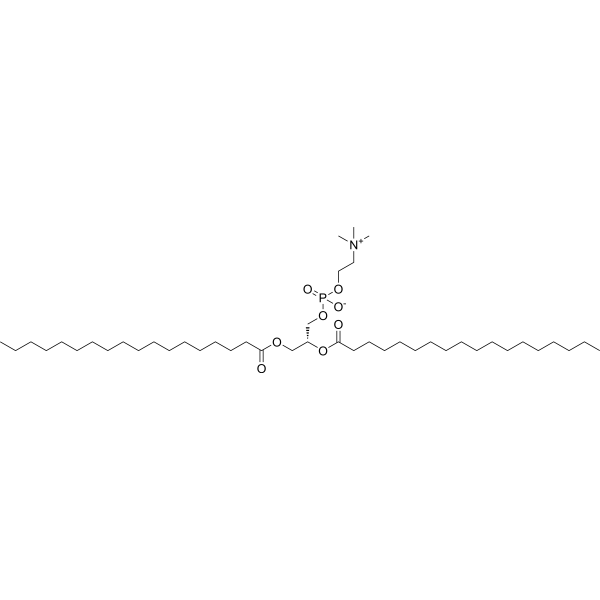
    DSPC
    Maximum Cited Publications
    18 Publications Verification

    1,2-Distearoyl-sn-glycero-3-PC; 1,2-Distearoyl-sn-glycero-3-phosphorylcholine

    Liposome Others
    DSPC (1,2-Distearoyl-sn-glycero-3-phosphorylcholine) is a cylindrical-shaped lipid. DSPC is used to synthesize liposomes, and is the lipid component in the lipid nanoparticle (LNP) system .
    DSPC
  • HY-109506
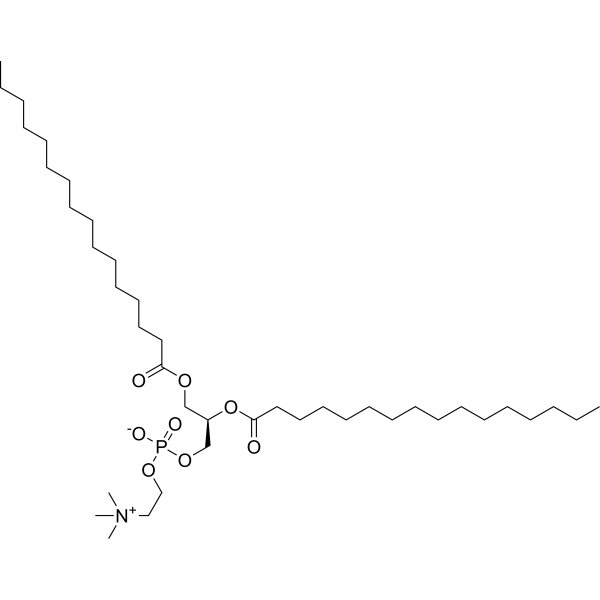
    DPPC
    5+ Cited Publications

    129Y83

    Liposome Endogenous Metabolite Others
    DPPC (129Y83) is a phosphoglyceride that can be used to prepare lipid monolayers, bilayers, and liposomes. DPPC is the main lipid component of pulmonary surfactant. Dppc-liposome can be effectively used as a delivery vector to induce an immune response against GSL antigen in mice .
    DPPC
  • HY-130462
    1-Palmitoyl-2-oleoyl-sn-glycero-3-PC
    3 Publications Verification

    POPC

    Liposome Others
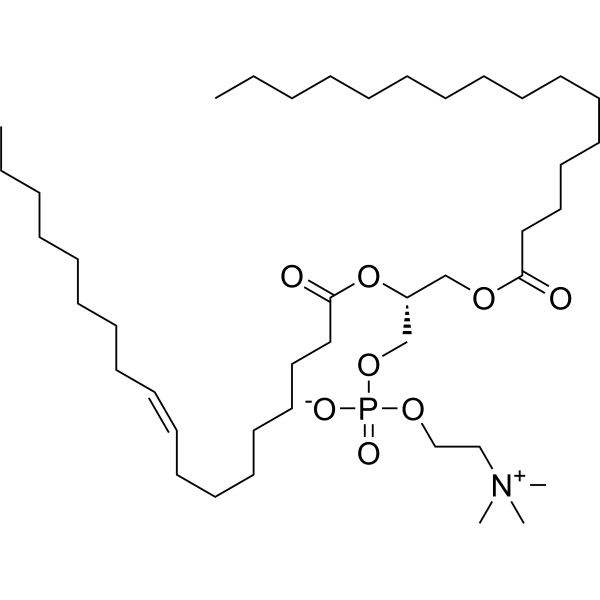
    1-Palmitoyl-2-oleoyl-sn-glycero-3-PC (POPC), a phospholipid, is a major component of biological membranes. 1-Palmitoyl-2-oleoyl-sn-glycero-3-PC is used for the preparation of liposomes and studying the properties of lipid bilayers .
    1-Palmitoyl-2-oleoyl-sn-glycero-3-PC
  • HY-130751
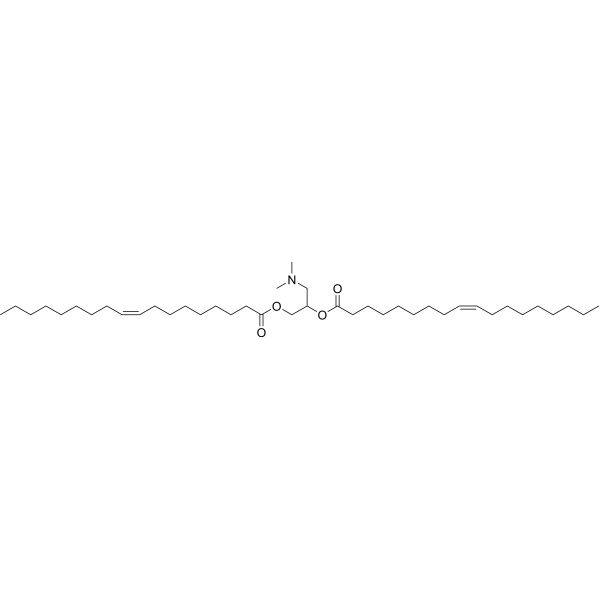
    DODAP
    1 Publications Verification

    Liposome Inflammation/Immunology
    DODAP is a cationic lipid utilized as the lipid component in liposomes (pKa = 5.59 in TNS binding tests). DODAP is employed for encapsulating siRNA and delivering immunostimulated chemotherapeutic agents both in vitro and in vivo. DODAP holds great promise for research in vaccines and inflammation .
    DODAP
  • HY-113679

    Telomerase Metabolic Disease Endocrinology
    Ceramides Mixture is an endogenous ceramide and consists of hydroxy and non-hydroxy fatty acid-containing ceramides. Ceramides Mixture is a main lipid component of the permeability barrier in epidermis. Ceramides Mixture is involved in the regulation of growth inhibition, cell cycle arrest, and modulation of telomerase activity .
    Ceramides Mixture
  • HY-139200
    DOTMA
    1 Publications Verification

    Liposome Others
    DOTMA is a cationic lipid that has been used as a non-viral vector for gene therapy. DOTMA is used as a component of liposomes to encapsulate siRNA, microRNA, and oligonucleotides and for in vitro gene transfection. DOTMA promotes effective interaction between liposomes and cell membranes by inducing positive charge on the liposomes. DOTMA showed good gene transfection effect both in vitro and in vivo .
    DOTMA
  • HY-125854
    Phosphatidylcholines, egg
    2 Publications Verification

    Liposome Cholinesterase (ChE) Monoamine Oxidase Apoptosis Neurological Disease Metabolic Disease Inflammation/Immunology
    Phosphatidylcholines, egg are a type of phosphatidylcholine that can be isolated and extracted from eggs, primarily present in egg yolks. As a major phospholipid component of cell membranes, Phosphatidylcholines, egg play a key role in providing nutrition and protection to the body. Phosphatidylcholines, egg can inhibit oxidative stress and neurotoxicity, exerting neuroprotective effects. Additionally, Phosphatidylcholines, egg can suppress the lymphatic absorption of cholesterol in the intestine and are also used in research on intestinal lipid absorption .
    Phosphatidylcholines, egg
  • HY-N7103

    Environmental Pollutants Endogenous Metabolite Others
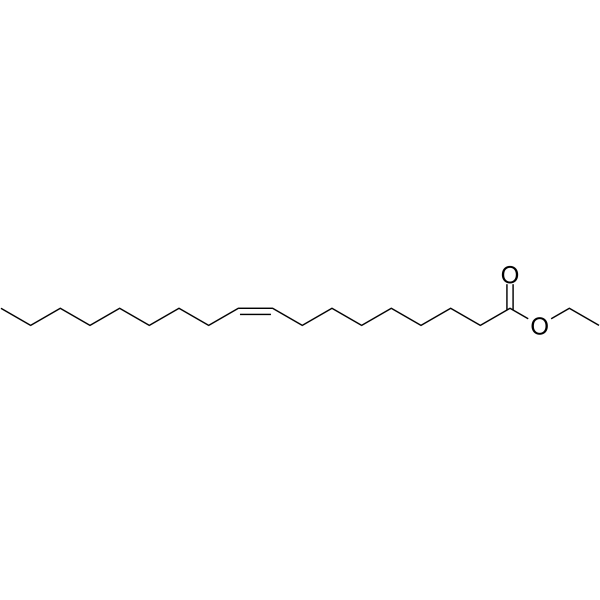
    Ethyl oleate is an orally active fatty acid ester formed from the condensation of oleic acid and ethanol. Ethyl oleate is the main fatty acid ethyl ester in the blood after alcohol ingestion. Ethyl oleate has no obvious toxicity to rats and its absorption, distribution and excretionare similar to triacylglycerol. Ethyl oleate can accelerate the drying process of certain foods and can also be used as a liquid lipid component in nanostructured lipid carriers .
    Ethyl oleate
  • HY-N2118
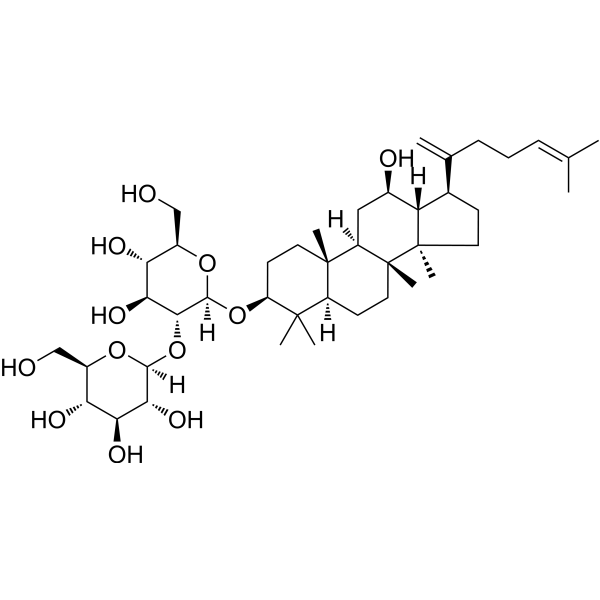
    Bilobetin
    2 Publications Verification

    PPAR PKA Akt p38 MAPK ERK Metabolic Disease
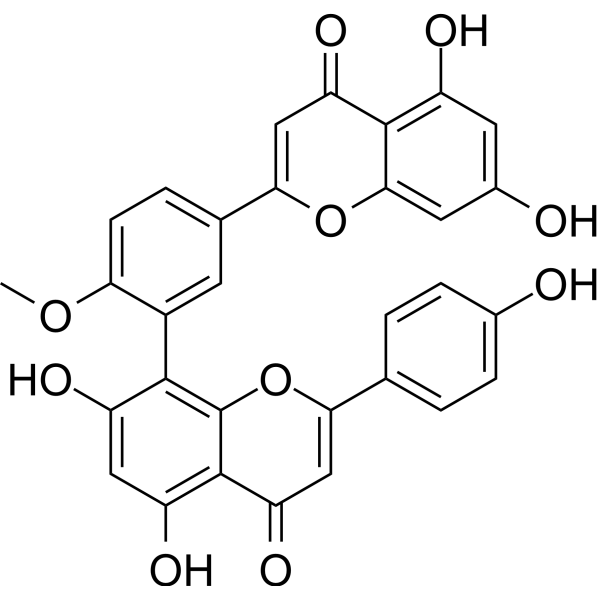
    Bilobetin, an active component of Ginkgo biloba, can reduce blood lipids and improve the effects of insulin. Bilobetin ameliorated insulin resistance, increased the hepatic uptake and oxidation of lipids, reduced very-low-density lipoprotein triglyceride secretion and blood triglyceride levels, enhanced the expression and activity of enzymes involved in β-oxidation and attenuated the accumulation of triglycerides and their metabolites in tissues. Bilobetin also increased the phosphorylation, nuclear translocation and activity of PPARα accompanied by elevated cAMP level and PKA activity .
    Bilobetin
  • HY-W592871

    10-HDA; Queen Bee Acid

    mTOR Apoptosis ERK MDM-2/p53 GSK-3 AMPK Interleukin Related TNF Receptor Caspase NF-κB Bacterial Fungal Cardiovascular Disease Neurological Disease Inflammation/Immunology Cancer
    10-Hydroxy-2-decenoic acid (10-HDA) is an orally active unsaturated medium-chain fatty acid with various physiological activities. 10-Hydroxy-2-decenoic acid induces ROS-mediated apoptosis in A549 cells. 10-Hydroxy-2-decenoic acid inhibits VEGF-induced angiogenesis in human venous endothelial cells. 10-Hydroxy-2-decenoic acid alleviates non-alcoholic fatty liver disease (NAFLD) by activating the AMPK-α signaling pathway. 10-Hydroxy-2-decenoic acid protects against bone loss by inhibiting NF-κB signaling downstream of FFAR4. 10-Hydroxy-2-decenoic acid is an antibiotic against many bacteria and fungi, such as Neurospora sitophila, molds and Staphylococcus aureus. 10-Hydroxy-2-decenoic acid has longevity-promoting effects in C. elegans. 10-Hydroxy-2-decenoic acid prevents osteoarthritis by targeting aspartyl β hydroxylase and inhibiting chondrocyte senescence .
    10-Hydroxy-2-decenoic acid
  • HY-166648

    Liposome Cancer
    DSPE-PEG2000-Maleimide sodium (purity>99%) is a functional lipid component and a thiol-reactive crosslinker. DSPE-PEG2000-Maleimide sodium (purity>99%) undergoes Michael addition with the thiol groups of thiolated or cyclic RGD peptides to form stable thioether bonds and DSPE-PEG2000-RGD. DSPE-PEG2000-Maleimide sodium (purity>99%) is applicable to research on drug delivery .
    DSPE-PEG2000-Maleimide sodium (purity>99%)
  • HY-167036

    Biochemical Assay Reagents Others
    DMG-PEG2000-Mal is a pegylated lipid with a molecular weight of 2000. DMG-PEG-Mal serves as a component of lipid nanoparticles for mRNA delivery .
    DMG-PEG2000-Mal
  • HY-W040268

    Endogenous Metabolite Others
    1,2-Dipalmitoyl-sn-glycero-3-phosphoethanolamine is a phospholipid that is a major component of the lipid bilayer that surrounds cells and provides stability to the membrane .
    1,2-Dipalmitoyl-sn-glycero-3-phosphoethanolamine
  • HY-112760
    18:0 mPEG2000 PE sodium
    1 Publications Verification

    DSPE-mPEG2000 sodium; 1,2-Distearoyl-sn-glycero-3-phosphoethanolamine-N-[methoxy(polyethylene glycol)-2000] sodium

    Liposome Others
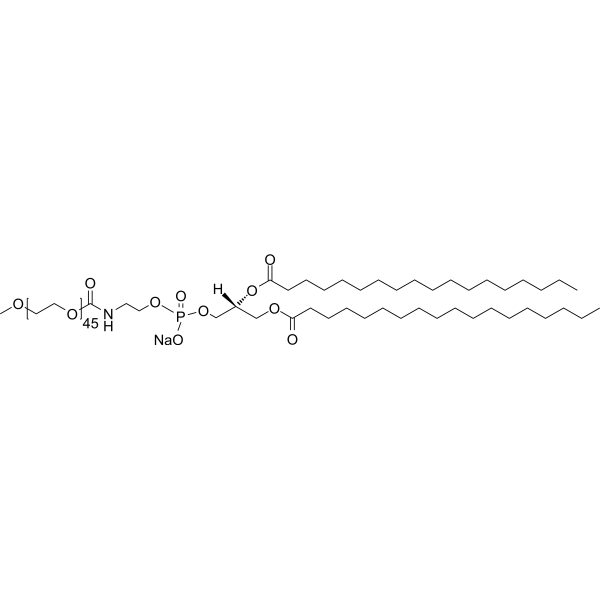
    18:0 mPEG2000 PE (DSPE-mPEG2000) sodium is a conjugate of phospholipid and polyethylene glycol, and it can serve as an important PEG lipid component in lipid nanoparticles (LNPs). 18:0 mPEG2000 PE sodium can be used in the research of gene transfection, drug carriers and drug delivery .
    18:0 mPEG2000 PE sodium
  • HY-W006405

    Estrogen Receptor/ERR Cardiovascular Disease Cancer
    Isoflavone is an orally available bioactive component of soy phytoestrogen with lipid-lowering and antioxidant activities. Isoflavone prevents a variety of chronic diseases by regulating fatty acid oxidation in the liver and gene expression in adipose tissue. In addition, isoflavone has important value in the research of cancer and cardiovascular diseases .
    Isoflavone
  • HY-W269593
    Perfluorodecanoic acid
    1 Publications Verification

    PFDA

    Caspase Interleukin Related Metabolic Disease
    Perfluorodecanoic acid (PFDA) is an orally active perfluoroalkyl substance. Perfluorodecanoic acid causes dysfunction of rat fetal Leydig cells via endoplasmic reticulum stress-mediated changes in lipid components. Perfluorodecanoic acid reduces testosterone biosynthesis in rat R2C Leydig cells by inducing endoplasmic reticulum stress. Perfluorodecanoic acid can be used in studies related to fetal Leydig cell dysfunction .
    Perfluorodecanoic acid
  • HY-154487

    Biochemical Assay Reagents Neurological Disease
    Glycerol dioleate is a lipid capable of forming Lyotropic Liquid Crystal (LLC). When formulated with phosphatidylcholine and exposed to aqueous media, glycerol dioleate constructs an inverted hexagonal (HII) phase structure with sustained-release properties. The in-situ forming gel prepared by optimizing glycerol dioleate with phosphatidylcholine and N-methyl-2-pyrrolidone enables stable release of Risperidone (HY-11018) for up to 60 days in vitro and in vivo. Glycerol dioleate causes minimal side effects in rabbits, making it an ideal carrier component for the development of antischizophrenia agents .Note: Lyotropic liquid crystals (Lyotropic Liquid Crystal, LLC) are ordered fluid phases self-assembled by amphipathic molecules (e.g., lipids, surfactants) in solvents (usually water) at specific concentrations .
    Glycerol dioleate
  • HY-46759

    Liposome Infection
    Genevant CL1 is an ionizable lipid (pKa = 6.3) suitable for the preparation of lipid nanoparticles (LNPs) for delivering nucleic acid payloads and intramuscular vaccines. Genevant CL1 is a component of lipid nanoparticle delivery systems for mRNA vaccines .
    Genevant CL1
  • HY-W040193S

    1,2-Distearoyl-sn-glycero-3-PC-d70; 1,2-Distearoyl-sn-glycero-3-phosphorylcholine-d70

    Isotope-Labeled Compounds Liposome Others
    DSPC-d70 (1,2-Distearoyl-sn-glycero-3-phosphorylcholine-d70) is the deuterium labeled DSPC (HY-W040193). DSPC is a cylindrical-shaped lipid. 1,2-Distearoyl-sn-glycero-3-phosphorylcholine is used to synthesize liposomes, and is the lipid component in the lipid nanoparticle (LNP) system .
    DSPC-d70
  • HY-147332

    Liposome Neurological Disease
    TCL053 is an ionizable lipid carrier and used to introduce active components, in particular nucleic acids, into cells with excellent efriciency. TCL053, together with DPPC (Dipalmitoylphosphatidylcholine), PEG-DMG (Polyethylene glycoldimyristoyl glycerol), and cholesterol, forms lipid nanoparticle (LNP) which is able to deliver Cas9 mRNA and sgRNA into skeletal muscle .
    TCL053
  • HY-145795

    Liposome Others
    OF-02 is an ionizable lipid for mRNA delivery and a key component of lipid nanoparticles (LNPs). OF-02 is protonated in the acidic endosomal environment to promote endosomal escape of mRNA and efficiently induce protein expression in target cells. OF-02 relies on the pH-responsive membrane fusion properties to form a complex with mRNA and destroy the endosomal membrane structure to achieve mRNA release in the cytoplasm. OF-02 is mainly used in the development of mRNA vaccines, gene editing, and protein replacement therapy[1][2][3].
    OF-02
  • HY-107343

    Ethyl docosahexaenoate

    COX Neurological Disease Metabolic Disease
    Docosahexaenoic acid ethyl ester (Ethyl docosahexaenoate) is a 90% concentrated ethyl ester of docosahexaenoic acid manufactured from the microalgal oil. Docosahexaenoic acid ethyl ester enhances 6-hydroxydopamine-induced neuronal damage by induction of lipid peroxidation in mouse striatum. Docosahexaenoic acid (DHA) is a key component of the cell membrane, and its peroxidation is inducible due to the double-bond chemical structure. Docosahexaenoic acid has neuroprotective effects .
    Docosahexaenoic acid ethyl ester
  • HY-112757
    DLinDMA
    3 Publications Verification

    Liposome Others
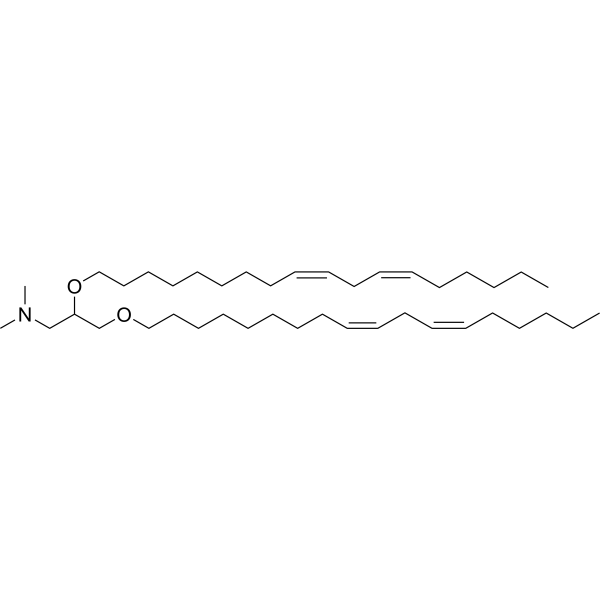
    DLinDMA, a ionizable cationic lipid, is a key lipid component of stable nucleic acid lipid particles (SNALPs) as a benchmark. DLinDMA is used for siRNA delivery .
    DLinDMA
  • HY-139305
    CL4H6
    1 Publications Verification

    Liposome Cancer
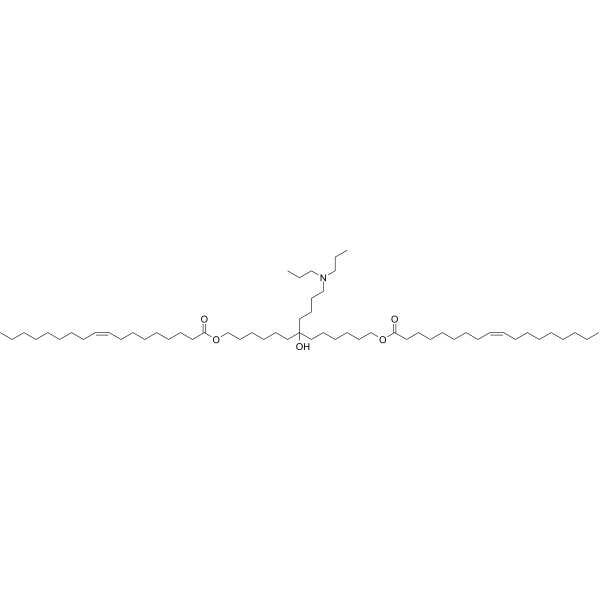
    CL4H6 is a pH-sensitive cationic lipid. CL4H6 is the main component of lipid nanoparticles (LNPs), which can be used to target and deliver siRNA, and induces a potent gene-silencing response .
    CL4H6
  • HY-W004291

    Methyl icosanoate

    Aminopeptidase Infection
    Methyl arachidate (Methyl icosanoate) is a component of lipid mixtures. Methyl arachidate can be isolated from flowering plants. Methyl arachidate inhibits LTA4H. Methyl arachidate shows no antifeedant activity against Leptinotarsa decemlineata .
    Methyl arachidate
  • HY-101530B

    PEG 40 stearate

    Biochemical Assay Reagents Others
    Polyoxyl 40 stearate (PEG 40 stearate) is a nonionic surfactant formed by the esterification of stearic acid with polyethylene glycol (PEG) containing approximately 40 ethoxy units, it is widely used in pharmaceutical preparations, nanodrug carriers, emulsification systems and biomedical materials. Polyoxyl 40 stearate can serve as a matrix component of solid lipid nanoparticles to achieve controlled release of encapsulated antifungal drugs; it can also act as a base material for solid lipid nanoparticles for vaginal administration, and polymerizable groups can be introduced via modification with acryloyl chloride .
    Polyoxyl 40 stearate
  • HY-N6660

    Tricaprin; Glyceryl tridecanoate

    Endogenous Metabolite Androgen Receptor Cardiovascular Disease Metabolic Disease
    Trisdecanoin (Tricaprin; Glyceryl tridecanoate) is an orally available precursor of decanoic acid (DA precursor) that can be hydrolyzed to decanoic acid. Trisdecanoin and its metabolite capric acid not only provide the body with a quick source of energy, but can also affect lipid metabolism. Trisdecanoin is a major component of medium chain triglycerides (MCT), which has preventive or inhibitory properties for abdominal aortic aneurysms (AAA), inhibition of cardiovascular disease, and anti-androgen (NSAA) and anti-hyperglycemic properties. Trisdecanoin can be used as an additive in food, medicine and cosmetics .
    Trisdecanoin
  • HY-177069

    Liposome Others
    4A3-SC7 is a polymer of 4A3 amine and is an ionizable lipid component. 4A3-SC7 can be used to prepare lipid nanoparticles (LNPs) to construct a selective organ targeting (SORT) LNP platform .
    4A3-SC7
  • HY-W040193S3

    1,2-Distearoyl-sn-glycero-3-PC-d83; 1,2-Distearoyl-sn-glycero-3-phosphorylcholine-d83

    Isotope-Labeled Compounds Liposome Others
    DSPC-d83 (1,2-Distearoyl-sn-glycero-3-phosphorylcholine-d83) is the deuterium labeled DSPC (HY-W040193). DSPC is a cylindrical-shaped lipid. 1,2-Distearoyl-sn-glycero-3-phosphorylcholine is used to synthesize liposomes, and is the lipid component in the lipid nanoparticle (LNP) system .
    DSPC-d83
  • HY-165029

    PLPC

    Liposome Others
    1-Palmitoyl-2-linoleoyl-sn-glycero-3-PC (PLPC) is a phospholipid used as a major component in lipid bilayer system models. 1-Palmitoyl-2-linoleoyl-sn-glycero-3-PC can serve as an untreated control, mixed with oxidized lipids such as 1-palmitoyl-2-(13-hydroxy-9,11-octadecanedienoyl)-lecithin (OHPLPC) and 1-palmitoyl-2-(13-hydroperoxy-9,11-octadecanedienoyl)-lecithin (HpPLPC), to study the effects of oxidation on membrane properties .
    1-Palmitoyl-2-linoleoyl-sn-glycero-3-PC
  • HY-153879

    Liposome Toll-like Receptor (TLR) Infection Inflammation/Immunology
    C12-TLRa is an ionized adjuvant lipid. C12-TLRa targets TLR7/8 receptors in endosomes. C12-TLRa enhances mRNA delivery as a structural component of LNPs. C12-TLRa enhances innate immune responses. C12-TLRa can be used for the research of SARS-CoV-2 mRNA vaccine .
    C12-TLRa
  • HY-N15643

    α-MA (C80)

    Bacterial Infection
    α-Mycolic acid (C80) is a structural lipid component of mycobacterial cell wall. α-Mycolic acid (C80) can be isolated from Mycobacterium tuberculosis Canetti. α-Mycolic acid (C80) significantly modulates membrane permeability and stability, promising for mycobacterium tuberculosis infection research .
    α-Mycolic acid (C80)
  • HY-166648A
    DSPE-PEG-Maleimide ammonium (MW 2000)
    1 Publications Verification

    Liposome Others
    DSPE-PEG-Maleimide ammonium (MW 2000) is a functional lipid component and a thiol-reactive crosslinker. DSPE-PEG-Maleimide ammonium (MW 2000) undergoes Michael addition with the thiol groups of thiolated or cyclic RGD peptides to form stable thioether bonds and DSPE-PEG (2000)-RGD. DSPE-PEG-Maleimide ammonium (MW 2000) is applicable to research on drug delivery .
    DSPE-PEG-Maleimide ammonium (MW 2000)
  • HY-W127459

    D-DPPC, 95%

    Liposome Others
    2,3-Dipalmitoyl-sn-glycero-1-phosphocholine, 95% (D-DPPC, 95%) is a chiral phospholipid that serves as a membrane-forming lipid component for bicelle assembly. 2,3-Dipalmitoyl-sn-glycero-1-phosphocholine, 95% can form bicelle assemblies with DHPC, which induce an induced circular dichroism (ICD) signal in the chiral probe DPH, with a polarity opposite to that induced by chiral L-DPPC/DHPC bicelles .
    2,3-Dipalmitoyl-sn-glycero-1-phosphocholine, 95%
  • HY-B2119

    Tauroglycocholic acid sodium salt

    Biochemical Assay Reagents Metabolic Disease
    Sodium tauroglycocholate (Tauroglycocholic acid sodium salt) is a multifunctional surfactant and penetration enhancer that can serve as a cholegraphic contrast agent. In organic solvents, Sodium tauroglycocholate embeds and stabilizes invertase by forming reverse micelles, and prolongs its active lifespan. In terms of transdermal absorption, Sodium tauroglycocholate effectively regulates the flux of aminophylline through snake slough by binding to keratin filaments, disrupting keratinocytes and altering lipid components of the stratum corneum. It exhibits rapid penetration characteristics without lag time at a concentration of 100 μg/mL. Sodium tauroglycocholate does not interfere with the hepatic uptake of Gd-EOB-DTPA by the bile acid transport system in rat hepatocytes .
    Sodium tauroglycocholate
  • HY-P2982

    Liposome Metabolic Disease
    Ceramide 1-phosphate is a bioactive lipid and one of the key components of sphingolipids. Ceramide 1-phosphate playing diverse roles in cellular behaviors such as cell differentiation, migration, proliferation and death .
    Ceramide 1-phosphate
  • HY-130581

    Bacterial Cardiovascular Disease Inflammation/Immunology
    Lipid X is a 2,3-diacylglucosamine-1-phosphate that serves as the monosaccharide precursor of lipid A, possessing both LPS antagonist and weak agonist activities. Lipid X exerts protective effects by inhibiting tumor necrosis factor production, monocyte procoagulant activity, and neutrophil priming. Lipid X may induce transient pulmonary hypertension, neutropenia, and mild pyrogenic effects in laboratory animals. Lipid X has low toxicity and no in vitro antibacterial activity, but it significantly reduces mortality following Gram-negative bacterial infection and endotoxin exposure. Lipid X tends to accumulate in liver tissue, binds to circulating cellular components, and can be converted to lipid Y through transesterification. Lipid X can be used in research on Gram-negative bacterial sepsis, endotoxemia, and associated pulmonary hypertension .
    Lipid X
  • HY-157624

    18:0-22:6 PE

    Liposome Others
    1-Stearoyl-2-docosahexaenoyl-sn-glycero-3-phosphoethanolamine (18:0-22:6 PE) is a lipid compound that can be used for liposome preparation. Liposomes are the main component of vesicles with concentric phospholipid bilayer membranes, which can be used to construct drug delivery systems for anti-cancer and anti-infection fields. Highly polar water-soluble loads can be captured in the internal aqueous space of liposomes, while lipophilic loads can be distributed into the lipid bilayer and become part of the lipid bilayer. Especially for the delivery of antisense oligonucleotides, it can overcome the problems of inefficient cellular uptake and rapid loss in the body.
    1-Stearoyl-2-docosahexaenoyl-sn-glycero-3-phosphoethanolamine
  • HY-W001959

    Endogenous Metabolite Metabolic Disease
    D-Allothreonine is the D stereoisomer of Allothreonine. D-Allallreonine is a peptide lipid derived from bacteria. D-Allothreonine can be specifically oxidized by D-amino acid oxidase, while the L configuration has no reaction. D-Allallreonine is also a component of bacterial polysaccharides. D-Allallreonine can be used for researching bacterial pathogenicity, antigenic diversity and drug resistance .
    D-Allothreonine
  • HY-155887

    DSPE-PEG-NH2, MW 3400 ammonium

    Liposome Cancer
    DSPE-PEG-Amine (DSPE-PEG-NH2), MW 3400 ammonium is an amino-functionalized PEGylated phospholipid. It serves not only as a key component for preparing σ receptor-targeted liposomes (such as anisamide-modified lipids) but also as a starting material for synthesizing click chemistry- and tumor-targeted lipids including DSPE-PEG-DBCO (HY-155788) and DSPE-PEG2000-TCO (HY-170704). DSPE-PEG-Amine, MW 3400 ammonium effectively modulates the ζ potential of nanoparticles, enables complexation with nucleic acids or proteins to protect DNA from nuclease degradation, and supports ligand conjugation on the nanoparticle surface. It is used in studies related to DU-145 tumors, breast cancer, and other relevant research .
    DSPE-PEG-Amine, MW 3400 ammonium
  • HY-N2673

    5-n-Heptadecylresorcinol; AR-C17

    Sirtuin Cardiovascular Disease Metabolic Disease
    5-Heptadecylresorcinol (AR-C17), a phenolic lipid component, is also an orally active mitochondrial protector. 5-Heptadecylresorcinol improves mitochondrial function via sirtuin3 signaling pathway, thus alleviates endothelial cell damage and apoptosis. 5-Heptadecylresorcinol induces sirtuin3-mediated autophagy. 5-Heptadecylresorcinol reduces the atherosclerotic plaques in the aortic root region of mice heart. 5-Heptadecylresorcinol can be used for research of atherosclerosis prevention and obesity .
    5-Heptadecylresorcinol
  • HY-109506R

    129Y83 (Standard)

    Liposome Reference Standards Endogenous Metabolite Others
    DPPC (Standard) is the analytical standard of DPPC. This product is intended for research and analytical applications. DPPC (129Y83) is a phosphoglyceride that can be used to prepare lipid monolayers, bilayers, and liposomes. DPPC is the main lipid component of pulmonary surfactant. Dppc-liposome can be effectively used as a delivery vector to induce an immune response against GSL antigen in mice .
    DPPC (Standard)
  • HY-N15645

    Bacterial Infection
    α-Mycolic acid, keto cis is a structural lipid component of mycobacterial cell wall. α-Mycolic acid, keto cis can be isolated from Mycobacterium tuberculosis Canetti. α-Mycolic acid, keto cis significantly modulates membrane permeability and stability, promising for mycobacterium tuberculosis infection research .
    α-Mycolic acid, keto cis
  • HY-N7103R

    Reference Standards Endogenous Metabolite Others
    Ethyl oleate (Standard) is the analytical standard of Ethyl oleate. This product is intended for research and analytical applications. Ethyl oleate is an orally active fatty acid ester formed from the condensation of oleic acid and ethanol. Ethyl oleate is the main fatty acid ethyl ester in the blood after alcohol ingestion. Ethyl oleate has no obvious toxicity to rats and its absorption, distribution and excretionare similar to triacylglycerol. Ethyl oleate can accelerate the drying process of certain foods and can also be used as a liquid lipid component in nanostructured lipid carriers .
    Ethyl oleate (Standard)
  • HY-130462R

    POPC (Standard)

    Liposome Reference Standards Others
    1-Palmitoyl-2-oleoyl-sn-glycero-3-PC (Standard) is the analytical standard of 1-Palmitoyl-2-oleoyl-sn-glycero-3-PC. This product is intended for research and analytical applications. 1-Palmitoyl-2-oleoyl-sn-glycero-3-PC (POPC), a phospholipid, is a major component of biological membranes. 1-Palmitoyl-2-oleoyl-sn-glycero-3-PC is used for the preparation of liposomes and studying the properties of lipid bilayers .
    1-Palmitoyl-2-oleoyl-sn-glycero-3-PC (Standard)
  • HY-148977

    Endogenous Metabolite Metabolic Disease
    18:0,22:6 PS sodium is a lipid component of synaptic vesicles and cholesterol, which can be used for metabolic research .
    18:0,22:6 PS sodium
  • HY-W698462

    (3S)-3-Hydroxytetradecanoic acid

    Drug Isomer Inflammation/Immunology
    (S)-3-Hydroxymyristic acid ((3S)-3-Hydroxytetradecanoic acid) is the enantiomer of (R)-3-hydroxytetradecanoic acid (a lipid A component) (HY-W288375), and enhances the inherent immune adjuvant activity of lipid A .
    (S)-3-Hydroxymyristic acid
  • HY-W040193GL

    1,2-Distearoyl-sn-glycero-3-PC (GMP Like); 1,2-Distearoyl-sn-glycero-3-phosphorylcholine (GMP Like)

    Liposome Others
    DSPC (GMP Like) (1,2-Distearoyl-sn-glycero-3-phosphorylcholine) is DSPC (HY-W040193) produced by using GMP like guidelines. GMP Like small molecules works appropriately as an auxiliary reagent for cell therapy manufacture. DSPC (1,2-Distearoyl-sn-glycero-3-phosphorylcholine) is a cylindrical-shaped lipid. DSPC is used to synthesize liposomes, and is the lipid component in the lipid nanoparticle (LNP) system .
    DSPC (GMP Like)
  • HY-N13248

    Glycosidase Metabolic Disease
    Mulberry Leaf Extract is a mulberry leaf extract, and its components include: 1-Deoxynojirimycin. Mulberry Leaf Extract can effectively alleviate the adverse effects of high-fat diet on blood lipids and renal function, regulate lipid metabolism abnormalities, and significantly inhibit the accumulation of glycosylated substances in glomeruli. Mulberry Leaf Extract can regulate the key signaling pathways of diabetic nephropathy, but does not directly affect blood glucose levels. .
    Mulberry Leaf Extract
  • HY-166257

    Psychosine 3′-O-sulfate; Psychosine 3′-sulfate

    Biochemical Assay Reagents Factor Xa Metabolic Disease
    Lyso-sulfatide (bovine) is a phospholipid component derived from sphingolipid catabolism and a potent factor Xa inhibitor and anticoagulant. Lyso-sulfatide (bovine) binds directly to factor Xa and inhibits prothrombin activation mediated by the prothrombinase complex, thereby prolonging factor Xa-induced plasma clotting time and suppressing thrombin generation. Lyso-sulfatide (bovine) serves as a reliable lipid membrane mimic for studying cell membrane structure, function, and molecular interactions .
    Lyso-sulfatide (bovine)

Inquiry Online

Your information is safe with us. * Required Fields.

Salutation


Country or Region *

Applicant Name *


Organization Name *

Department *


Email Address *


Product Name *

Cat. No.


Requested quantity *

Phone Number *


Remarks

Inquiry Online

Inquiry Information

Product Name:
Cat. No.:
Quantity:
MCE Japan Authorized Agent:

