

1. Search Result
Search Result
Results for "

mammary carcinomas

" in MedChemExpress (MCE) Product Catalog:

33

Inhibitors & Agonists

2

Peptides

3

Inhibitory Antibodies

9

Natural
Products

1

Isotope-Labeled Compounds

1

Click Chemistry

1

Oligonucleotides

Cat. No. Product Name Target Research Areas Chemical Structure
  • HY-P5321
    bFGF (119-126)
    5 Publications Verification

    FGFR Cancer
    bFGF (119-126) is a ligand of bFGF. The complex formed by bFGF (119-126) and bFGF can bind to FGFR1, while inhibiting the bFGF-FGFR1 interaction, FGFR1 phosphorylation and downstream signaling pathways. Therefore, bFGF (119-126) induces cell apoptosis and inhibits cell proliferation, migration, angiogenesis and metastasis. When conjugated with a carrier, bFGF (119-126) enhances cellular uptake via FGFR-mediated endocytosis and serves as an effective FGFR-targeted ligand. When used in combination with ultrasound and Doxorubicin (HY-15142A), bFGF (119-126) significantly enhances the inhibitory effect on tumors. bFGF (119-126) is applicable to research related to lung cancer, breast cancer, glioblastoma and ovarian cancer .
    bFGF (119-126)
  • HY-129630

    Drug Metabolite Glucocorticoid Receptor Neurological Disease Cancer
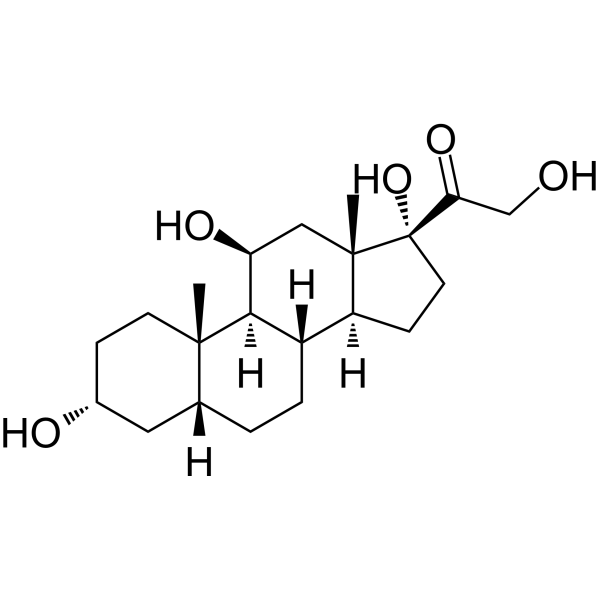
    Tetrahydrocortisol is a metabolite of Hydrocortisone (HY-N0583) that fails to activate glucocorticoid receptor. Tetrahydrocortisol inhibits Dexamethasone (HY-14648)-induced formation of cross-linked actin networks. Tetrahydrocortisol acts as a synergist to enhance the activity of anticancer agents. Tetrahydrocortisol can be used in the research of primary open-angle glaucoma, ocular hypertension, lung cancer and breast cancer .
    Tetrahydrocortisol
  • HY-P990173

    PD-1/PD-L1 Inflammation/Immunology Cancer
    Anti-Mouse/Rat/Human PD-L1 Antibody (368A.4H1) is a mouse-derived PD-L1 IgG1 κ type antibody inhibitor. Anti-Mouse/Rat/Human PD-L1 Antibody (368A.4H1) increases IFN-γ levels in organoid-primed T cells. Anti-Mouse/Rat/Human PD-L1 Antibody (368A.4H1) can be used for the researches of cancer, such as oral squamous cell carcinoma and mammary cancer .
    Anti-Mouse/Rat/Human PD-L1 Antibody (368A.4H1)
  • HY-113293A
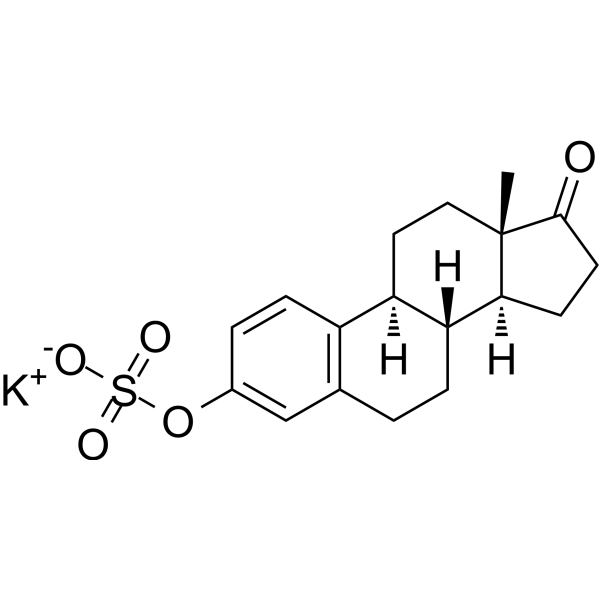
    Estrone sulfate potassium
    3 Publications Verification

    Endogenous Metabolite Estrogen Receptor/ERR Metabolic Disease Cancer
    Estrone sulfate potassium is an inactive endogenous estrogen that can be converted into Estrone (HY-B0234) and Estradiol (HY-B0141). Estrone sulfate potassium is also a substrate of the OATP1B3 transporter. Estrone sulfate potassium can be converted into Estrone and Estradiol in normal mammary parenchymal cells. Estrone sulfate potassium stimulates the growth of nitrosomethylurea-induced mammary tumors in ovariectomized rats and the colony formation of dispersed nitrosomethylurea mammary cells, with conversion into Estrone and Estradiol occurring both in vivo and in vitro during this process. Estrone sulfate potassium is applicable to breast cancer-related research .
    Estrone sulfate potassium
  • HY-P5098

    Integrin Neurological Disease Cancer
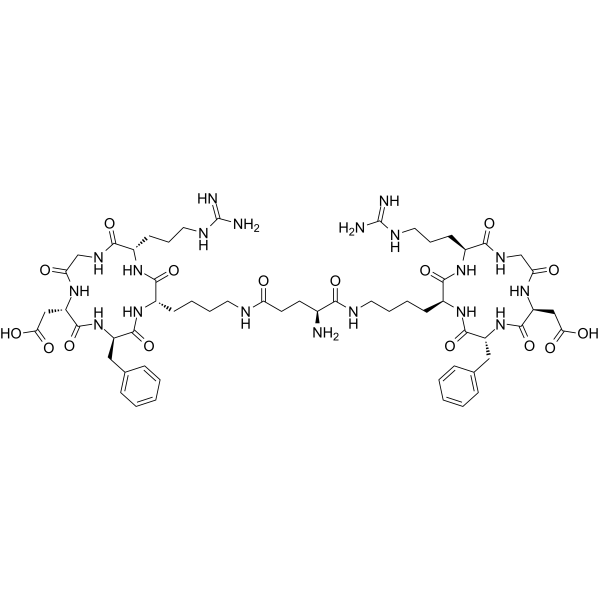
    E (c (RGDfK)) 2 is a αvβ3 integrin ligand and tumor-targeting agent. E (c (RGDfK)) 2 binds to αvβ3 integrin, mediates receptor-mediated endocytosis of conjugated payloads, and inhibits integrin-dependent cell adhesion to fibrinogen. E (c (RGDfK)) 2 inhibits the proliferation of cancer cells and endothelial cells. E (c (RGDfK)) 2 preferentially accumulates in orthotopic mouse breast tumors and human ovarian cancer xenograft tumors. E (c (RGDfK)) 2 can be used in research related to glioblastoma, lung cancer, breast adenocarcinoma and ovarian cancer .
    E(c(RGDfK))2
  • HY-N1403

    Apoptosis Cardiovascular Disease Metabolic Disease Inflammation/Immunology Cancer
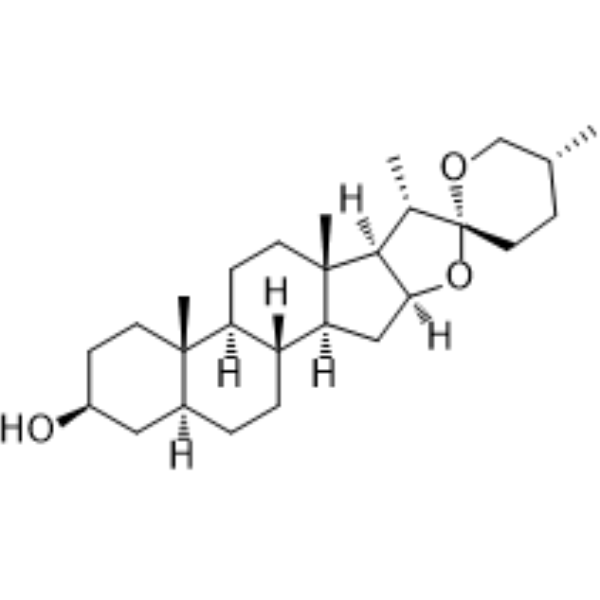
    Tigogenin is a steroidal sapogenins. Tigogenin can inhibit adipocytic differentiation and induce osteoblastic differentiation in mouse bone marrow stromal cells. Tigogenin can inhibit cells proliferation and induce apoptosis. Tigogenin can be used for the researches of cancer, inflammation, immunology, metabolic and cardiovascular disease, such as mammary gland carcinoma, rheumatoid arthritis, osteoporosis and atherosclerosis .
    Tigogenin
  • HY-75625

    4-Methoxysalicylic Acid

    Monocarboxylate Transporter Apoptosis Mitochondrial Metabolism Cardiovascular Disease Metabolic Disease Cancer
    2-Hydroxy-4-methoxybenzoic acid is an orally active inhibitor of MCT-1 and MCT-4, as well as a plant biomarker. 2-Hydroxy-4-methoxybenzoic acid can be isolated from roots. 2-Hydroxy-4-methoxybenzoic acid induces Apoptosis and loss of mitochondrial membrane potential. 2-Hydroxy-4-methoxybenzoic acid exhibits anticancer activity against breast cancer. 2-Hydroxy-4-methoxybenzoic acid normalizes lactic acid levels. 2-Hydroxy-4-methoxybenzoic acid neutralizes viper venom and attenuates its lethal, hemorrhagic, coagulant and anticoagulant activities in male albino mice. 2-Hydroxy-4-methoxybenzoic acid possesses antihyperlipidemic, antidiabetic and hepatoprotective activities .
    2-Hydroxy-4-methoxybenzoic acid
  • HY-15266

    PRI 2202; Impurity D of Calcipotriol

    Drug Derivative VD/VDR Cancer
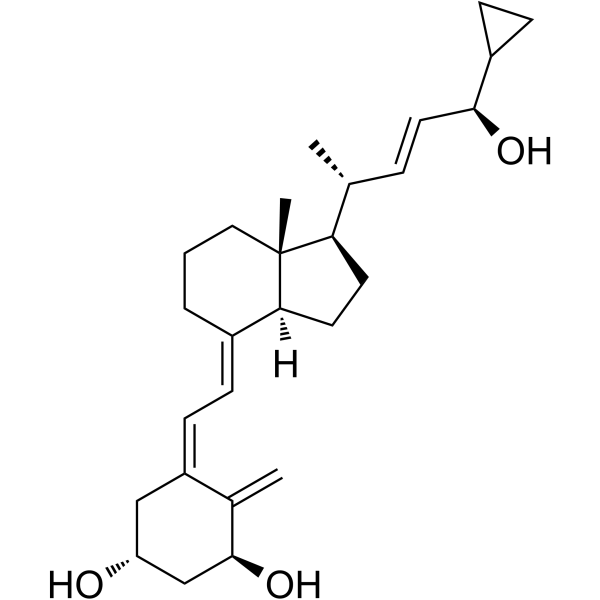
    24R-Calcipotriol (PRI 2202; Impurity D of Calcipotriol), an isomer of Calcipotriol (HY-10001), is a synthetic vitamin D analog. 24R-Calcipotriol exhibits synergistic antiproliferative effects with low-dose cytostatics in in vitro. 24R-Calcipotriol produces tumor growth inhibition when combined with Cyclophosphamide (HY-17420) and Cisplatin (HY-17394) in mice models. 24R-Calcipotriol can increase serum calcium levels and reduce blood leukocyte counts . 24R-Calcipotriol can be used for the research of mammary cancer and Lewis lung cancer .
    24R-Calcipotriol
  • HY-B1341

    Enidrel; SC-4642; NSC 15432

    Endogenous Metabolite Progesterone Receptor Cancer
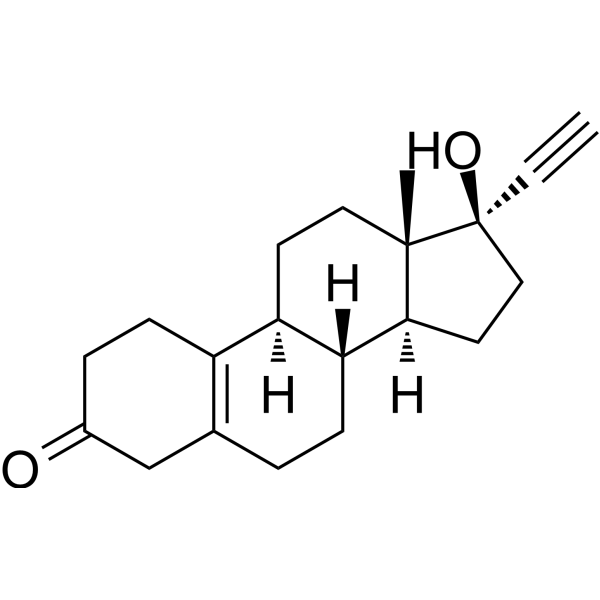
    Norethynodrel (Enidrel; SC-4642) is an orally active progestogen analog that reduces estrogen-like effects and enhances progestogen-like responses in endometrial stromal cells. Norethynodrel also promotes cell maturation and predecidual cell formation by inducing organelle hyperplasia and glycogen accumulation. Norethynodrel competitively inhibits drug-metabolizing enzymes in rat liver microsomes, thereby prolonging Pentobarbital sleep time, while exhibiting multiple effects including reduced body weight gain, attenuated heart rate elevation and ovulation inhibition. In mouse models, Norethynodrel significantly increases the incidence of mammary adenocarcinoma, cervical cancer and pituitary tumors. Norethynodrel can be used for mechanism research on related diseases such as mammary adenocarcinoma, cervical cancer, ovarian tubular adenoma and pituitary adenoma .
    Norethynodrel
  • HY-W029411

    Drug Derivative Cancer
    4-(Benzo[d]oxazol-2-yl)aniline is a potent antitumor agent. 4-(Benzo[d]oxazol-2-yl)aniline has inhibitory activity against mammary carcinoma cell lines .
    4-(Benzo[d]oxazol-2-yl)aniline
  • HY-P990259

    Transmembrane Glycoprotein Inflammation/Immunology Cancer
    Anti-Mouse CD96 Antibody (3.3) is a rat-derived anti-mouse CD96 IgG1 λ type antibody inhibitor. Anti-Mouse CD96 Antibody (3.3) blocks binding of CD155 to CD96. Anti-Mouse CD96 Antibody (3.3) can enhance the antitumor efficacy of multiple immune-checkpoint inhibitors. Anti-Mouse CD96 Antibody (3.3) shows potent anti-tumor and anti-metastatic activity in various tumor models. Anti-Mouse CD96 Antibody (3.3) can be used for the researches of cancer and inflammation, such as mammary carcinoma .
    Anti-Mouse CD96 Antibody (3.3)
  • HY-118916A

    Farnesyl Transferase Cancer
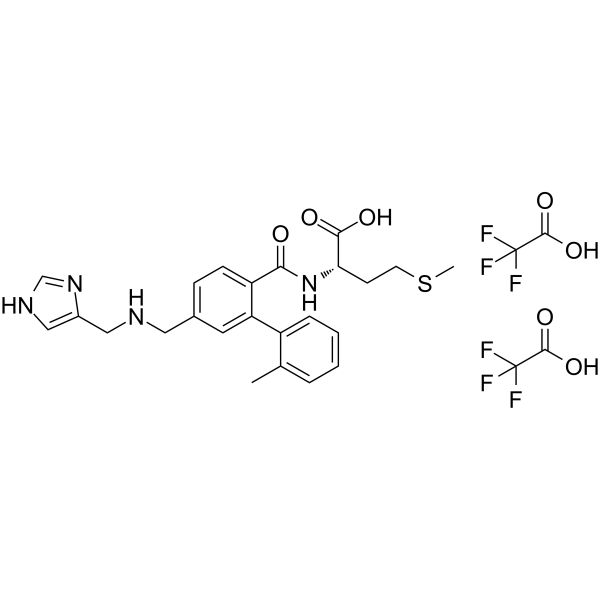
    FTI-2148 diTFA is a RAS C-terminal mimetic dual farnesyl transferase (FT-1) and geranylgeranyl transferase-1 (GGT-1) inhibitor with IC50s of 1.4 nM and 1.7 μM, respectively .
    FTI-2148 diTFA
  • HY-N5166

    (-)-Ardeemin

    P-glycoprotein Cancer
    Ardeemin ((-)-Ardeemin) binds to the P-glycoprotein, preventing anticancer agent from being pumped out of cells. Ardeemin reverses the multidrug resistance phenotype of tumor cells and increases the sensitivity of tumor cells to anticancer agent in mammary carcinoma xenografts .
    Ardeemin
  • HY-N1403R

    Reference Standards Apoptosis Cardiovascular Disease Metabolic Disease Inflammation/Immunology Cancer
    Tigogenin (Standard) is a steroidal sapogenins. Tigogenin (Standard) can inhibit adipocytic differentiation and induce osteoblastic differentiation in mouse bone marrow stromal cells. Tigogenin (Standard) can inhibit cells proliferation and induce apoptosis. Tigogenin (Standard) can be used for the researches of cancer, inflammation, immunology, metabolic and cardiovascular disease, such as mammary gland carcinoma, rheumatoid arthritis, osteoporosis and atherosclerosis .
    Tigogenin (Standard)
  • HY-147852

    Raf Cancer
    B-Raf IN 7 (compound 6a) is a potent B-Raf inhibitor, with an IC50 of 110.23 nM. B-Raf IN 7 exhibits antitumor activity against colon carcinoma (HCT-116), mammary gland (MCF-7), hepatocellular carcinoma (HEPG-2), human cervical carcinoma (Hela) and human prostate cancer (PC-3) cells, with IC50 values of 7.50, 9.87, 10.57, 11.63 and 12.83 µM .
    B-Raf IN 7
  • HY-147853

    Raf Cancer
    B-Raf IN 8 (compound 7g) is a potent B-Raf inhibitor, with an IC50 of 70.65 nM. B-Raf IN 8 exhibits antitumor activity against hepatocellular carcinoma (HEPG-2), colon carcinoma (HCT-116), mammary gland (MCF-7) and human prostate cancer (PC-3) cells, with IC50 values of 9.78, 13.78, 18.52 and 29.85 µM .
    B-Raf IN 8
  • HY-174779

    mRNA Cancer
    Human AREG mRNA encodes the human amphiregulin (AREG) protein, a member of the epidermal growth factor family. AREG interacts with the EGF/TGF-alpha receptor to promote the growth of normal epithelial cells, and inhibits the growth of certain aggressive carcinoma cell lines. It also functions in mammary gland, oocyte and bone tissue development.
    Human AREG mRNA
  • HY-13762S

    Isotope-Labeled Compounds Cytochrome P450 Cancer
    Tesmilifene-d4 is the deuterium labeled Tesmilifene (HY-13762). Tesmilifene is an antihistamine agent and a chemical sensitizer. Tesmilifene targets cytochrome P450, exhibits hormonal effects on DNA synthesis in MCF-7 cells, and stimulates the tumor growth in mouse/rat models. Tesmilifene overcomes multidrug resistance .
    Tesmilifene-d4
  • HY-13762

    Cytochrome P450 Cancer
    Tesmilifene is an antihistamine agent and a chemical sensitizer. Tesmilifene targets cytochrome P450, exhibits hormonal effects on DNA synthesis in MCF-7 cells, and stimulates the tumor growth in mouse/rat models. Tesmilifene overcomes multidrug resistance .
    Tesmilifene
  • HY-122566

    ZINC666243

    Toll-like Receptor (TLR) TNF Receptor Cancer
    SMU127 is an agonist of the toll-like receptor 1/2 (TLR1/2) heterodimer. It induces NF-κB signaling in cells expressing human TLR2 (EC50=0.55 μM) but not cells expressing human TLR3, -4, -5, -7, or -8 when used at concentrations ranging from 0.1 to 100 μM. SMU127 induces the production of TNF-α in isolated human peripheral blood mononuclear cells (PBMCs) when used at concentrations ranging from 0.01 to 1 μM. In vivo, SMU127 (0.1 mg/animal) reduces tumor volume in a 4T1 murine mammary carcinoma model.
    SMU127
  • HY-123664

    LY133314

    Estrogen Receptor/ERR Cancer
    Trioxifene mesylate (LY133314) is an orally active and selective estrogen receptor (ER) modulator with human ERα IC50 of 203.49 nM and Ki of 20.84 nM. Trioxifene mesylate binds estradiol receptors, inhibits ERα-mediated gene expression, reduces circulating gonadotrophin levels. Trioxifene mesylate can be used for the research of advanced breast cancer and androgen-independent, metastatic prostatic adenocarcinoma .
    Trioxifene mesylate
  • HY-106919

    Drug Derivative Histamine Receptor Inflammation/Immunology Cancer
    D-20133 is an orally active Hexadecylphosphocholine analog. D-20133 can both enhance and inhibit antigen-induced histamine release. D-20133 shows antineoplastic activity against small DMBA (HY-W011845)-induced mammary carcinomas .
    D-20133
  • HY-182377

    Interleukin Related TNF Receptor Inflammation/Immunology Cancer
    DT-5461 is an IL-1 and TNF-α antagonist. DT-5461 competitively binds lipid A-binding sites on macrophage receptors, blocks LPS (HY-D1056)-initiated signaling, inhibits LPS-induced cytokine release, prevents LPS-induced serum cytokine production in mice, and protects against LPS-induced lethal endotoxemia. DT-5461 can be used for the research of lethal endotoxemia, medullary tubular mammary carcinoma, poorly differentiated colon adenocarcinoma, squamous-cell lung carcinoma, and gelatinous gastric adenocarcinoma .
    DT-5461
  • HY-181598

    HyT Glutathione Peroxidase Ferroptosis Reactive Oxygen Species (ROS) Cancer
    GPX4 degrader-1 (Compound RS-1) is a hydrophobic tagging (HyT)-mediated GPX4 degrader (DC50: 8.9 nM in HT1080 cells) GPX4 degrader-1 induces GPX4 degradation. GPX4 degrader-1 induces Ferroptosis. GPX4 degrader-1 increases lipid ROS. GPX4 degrader-1 demonstrates potent antitumor efficacy in a murine mammary carcinoma model .
    GPX4 degrader-1
  • HY-N19312

    Apoptosis Glutathione S-transferase Topoisomerase Cancer
    Diospyrin is a dinaphthoquinone anticancer agent with pro-apoptotic (apoptosis) activity, glutathione S-transferase (Glutathione S-transferase) inhibitory activity, and topoisomerase (Topoisomerase) I inhibitory activity. Diospyrin is present in the heartwood of various Diospyros plants and can be used for research on Ehrlich ascites carcinoma, acute myeloid leukemia, chronic myeloid leukemia, mammary adenocarcinoma, cervical epithelial carcinoma, malignant cutaneous melanoma, laryngeal epidermoid carcinoma, human osteosarcoma, and human lymphoblastic carcinoma .
    Diospyrin
  • HY-W409652

    CDK EGFR HDAC Cancer
    CLK1/4-IN-2 is a selective CLK1/4 inhibitor, with an IC50 of 7 nM against CLK1 and an IC50 of 2.3 nM against CLK4. CLK1/4-IN-2 induces protein depletion in cancer cells and exhibits anticancer activity. CLK1/4-IN-2 can be used in research related to breast cancer, monocytic leukemia, bladder cancer, mammary adenocarcinoma and hepatocellular carcinoma .
    CLK1/4-IN-2
  • HY-W800535

    NF-κB p38 MAPK mTOR Topoisomerase AMPK Apoptosis Cholinesterase (ChE) HIF/HIF Prolyl-Hydroxylase β-catenin Infection Metabolic Disease Inflammation/Immunology Cancer
    Cryptolepine is an orally active multi-potent alkaloid with anti-cancer, anti-bacterial, anti-viral, anti-malarial, anti-inflammatory, anti-hyperglycemic, relieve pain and other properties. Cryptolepine acts as an inhibitor of c-Myc, mTOR, NF-κB, HIF-1, MAPK and an activator of AMPKα1/2. It intercalates into DNA, inhibits topoisomerase II (Top II), disrupts mitochondrial dynamics and induces apoptosis. Cryptolepine also exhibits anti-plasmodial and cholinesterase inhibitory activities. Cryptolepine can be used in research related to tumors (melanoma, hepatocellular carcinoma, mammary adenocarcinoma, etc.), malaria, inflammatory diseases and diabetes, particularly in studies focused on inhibiting tumor growth and anti-plasmodial infection .
    Cryptolepine
  • HY-181992

    Drug-Linker Conjugates for ADC Inflammation/Immunology Cancer
    Mal-PEG4-Val-Cit-PAB-MSA-2 is a Drug-Linker Conjugates for ADC. Mal-PEG4-Val-Cit-PAB-MSA-2 consists of the ADC Cytotoxin MSA-2 (HY-136927) and a linker Mal-PEG4-Val-Cit-PAB-OH (HY-140143). Mal-PEG4-Val-Cit-PAB-MSA-2 can be used for synthesis of ADCs .
    Mal-PEG4-Val-Cit-PAB-MSA-2
  • HY-P992059

    CD1 Cancer
    Anti-Mouse CD1d Antibody (1B1) is an antibody targeting mouse CD1d (Kd=12.5 nM). By inserting into the lipid-binding groove of CD1d, Anti-Mouse CD1d Antibody (1B1) overlaps with the binding sites of type I and type II NKT cell receptors (TCR), thereby effectively blocking TCR-mediated interactions. Anti-Mouse CD1d Antibody (1B1) activates antigen-presenting cells such as dendritic cells and macrophages, induces them to release IL-12p70, and increases the levels of key cytokines including IL-12, IFN-γ and IFN-α in mouse serum. Anti-Mouse CD1d Antibody (1B1) can be used in studies related to renal cancer, breast cancer and colon adenocarcinoma. When combined with anti-DR5 or anti-CD137 antibodies and chemotherapeutic drugs, Anti-Mouse CD1d Antibody (1B1) exhibits significant tumor inhibitory and even eradication effects in mice .
    Anti-Mouse CD1d Antibody (1B1)
  • HY-182382

    Apoptosis MDM-2/p53 Caspase Cancer
    Anticancer agent 311 is an apoptosis inducer and p53 modulator. Anticancer agent 311 increases p53 levels, activates cleaved caspase-3, reduces p-Cdc25C levels, and disrupts p-p44/42 MAPK phosphorylation. Anticancer agent 311 induces G2/M phase arrest, inhibits cancer cell viability in a concentration- and time-dependent manner, and exhibits low toxicity to non-cancer cells. Anticancer agent 311 prevents tumor growth and angiogenesis in mouse xenograft models without detectable toxicity. Anticancer agent 311 can be used for the research of lung cancer .
    Anticancer agent 311
  • HY-183844

    Cancer
    C5F2-HCB is a CYP-mediated inhibitor of the biosynthesis of arachidonic acid epoxygenase product (±) 14,15-EET (HY-150084), with an IC50 of 3.1 μM. C5F2-HCB inhibits EET-driven oxidative phosphorylation (OXPHOS) associated with tumor hypoxia, converting an immunologically "cold" tumor microenvironment into a "hot" one. C5F2-HCB reverses the immune-excluded tumor microenvironment in ER +HER2 breast cancer allograft models. C5F2-HCB can be used in research related to ER +HER2 breast cancer .
    C5F2-HCB
  • HY-119080

    Progesterone Receptor Endocrinology Cancer
    CP8754 is an orally active, selective human progesterone receptor (hPR) antagonist that blocks progesterone-mediated signaling pathways. CP8754 competitively inhibits the binding of [ 3H]-progesterone to hPR. And in vitro, CP8754 inhibits progesterone-dependent exogenous luciferase and endogenous alkaline phosphatase expression; while in vivo, CP8754 inhibits rabbit endometrial transformation. CP8754 does not significantly bind to human glucocorticoid receptors (hGR), estrogen receptors (hER), or rat androgen receptors (rAR). CP8754 can be used in the study of progesterone-related diseases such as breast cancer, endometriosis, uterine fibroids, and meningioma, as well as hormone-dependent tumors .
    CP8754
  • HY-135529

    LY133314 free base

    Estrogen Receptor/ERR Cancer
    Trioxifene (LY133314 free base) is an orally active and selective estrogen receptor (ER) modulator with human ERα IC50 of 203.49 nM and Ki of 20.84 nM. Trioxifene binds estradiol receptors, inhibits ERα-mediated gene expression, reduces circulating gonadotrophin levels. Trioxifene can be used for the research of advanced breast cancer and androgen-independent, metastatic prostatic adenocarcinoma .
    Trioxifene

Inquiry Online

Your information is safe with us. * Required Fields.

Salutation


Country or Region *

Applicant Name *


Organization Name *

Department *


Email Address *


Product Name *

Cat. No.


Requested quantity *

Phone Number *


Remarks

Inquiry Online

Inquiry Information

Product Name:
Cat. No.:
Quantity:
MCE Japan Authorized Agent: