Search Result
Results for "
muscle contraction inhibitor
" in MedChemExpress (MCE) Product Catalog:
1
Biochemical Assay Reagents
7
Isotope-Labeled Compounds
| Cat. No. |
Product Name |
Target |
Research Areas |
Chemical Structure |
-
- HY-B1640
-
|
Etacrynic acid
|
Wnt
Glutathione S-transferase
NF-κB
Calcium Channel
NO Synthase
|
Cardiovascular Disease
Inflammation/Immunology
Cancer
|
|
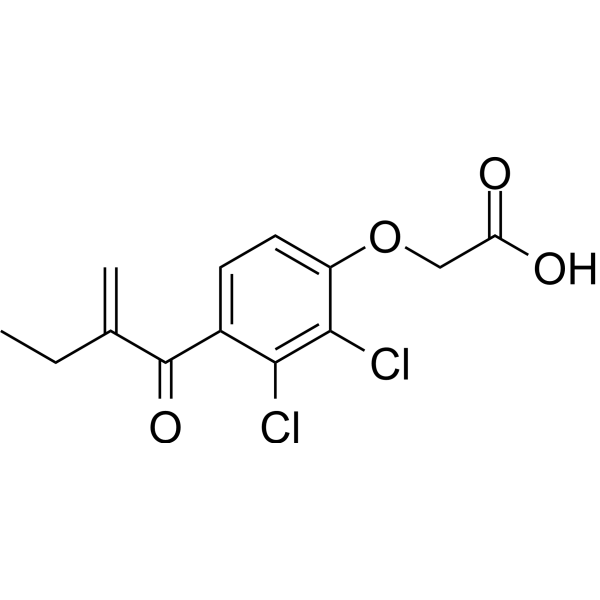
Ethacrynic acid has anti-inflammatory and anticancer activity. Ethacrynic acid is an orally active diuretic. Ethacrynic acid is an inhibitor of glutathione S-transferase (GSTs) and Wnt signaling pathways. Ethacrynic acid is a radiosensitizer. Ethacrynic acid can inhibit airway smooth muscle (ASM) contraction in mice. Ethacrynic acid can increase the outflow of aqueous humor from the eye for the study of glaucoma .
|
-
-
- HY-148799
-
|
EDG-5506
|
Myosin
|
Others
|
|
Sevasemten is an orally active, selective allosteric inhibitor of skeletal muscle myosin that protects skeletal muscle from contraction-induced injury. Sevasemten decreases muscle damage biomarkers and fibrosis while increasing muscle strength and activity in in Duchenne muscular dystrophy disease models .
|
-
-
- HY-119981
-
Ani9
2 Publications Verification
|
Chloride Channel
|
Neurological Disease
Cancer
|
|
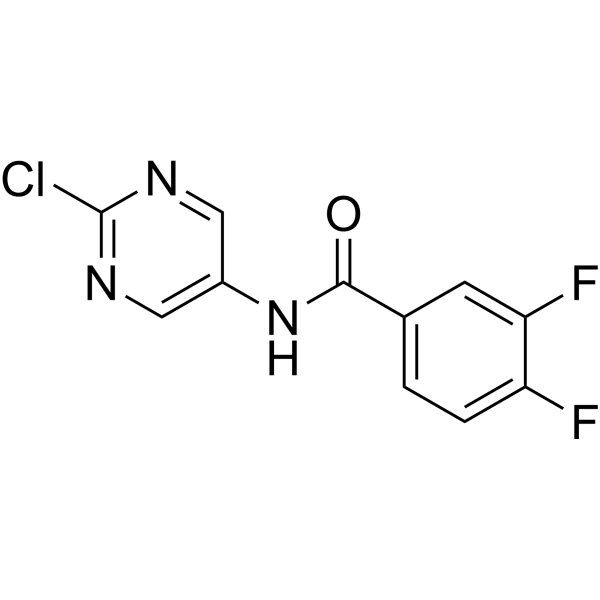
Ani9 is an ANO1 inhibitor, with an IC50 of 77 nM. Ani9 can inhibit smooth muscle contractions in mice and is applicable in research related to diseases such as tumors .
|
-
-
- HY-14290
-
|
P-1134
|
Potassium Channel
|
Cardiovascular Disease
|
|
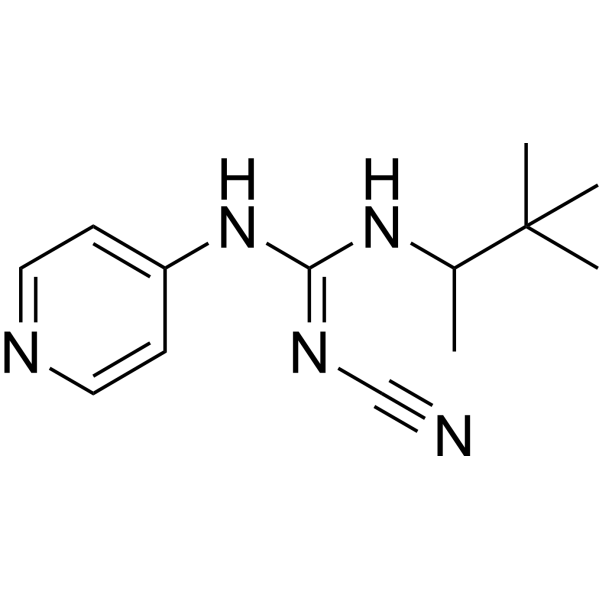
Pinacidil (P-1134) is a potent activator of ATP-sensitive potassium channel. Pinacidil is an antihypertensive agent hyperpolarizes vascular smooth muscle by opening K + channels. Pinacidil enhances K +-efflux in smooth muscle. Pinacidil has vasorelaxant properties. Pinacidil is able to inhibit spontaneous tone and of reducing agonist induced contractions. Pinacidil can be studied in research area such as cardiovascular diseases .
|
-
-
- HY-Y0413
-
|
Diacetyl monoxime; DAM
|
Na+/K+ ATPase
Myosin
|
Cardiovascular Disease
Metabolic Disease
|
|
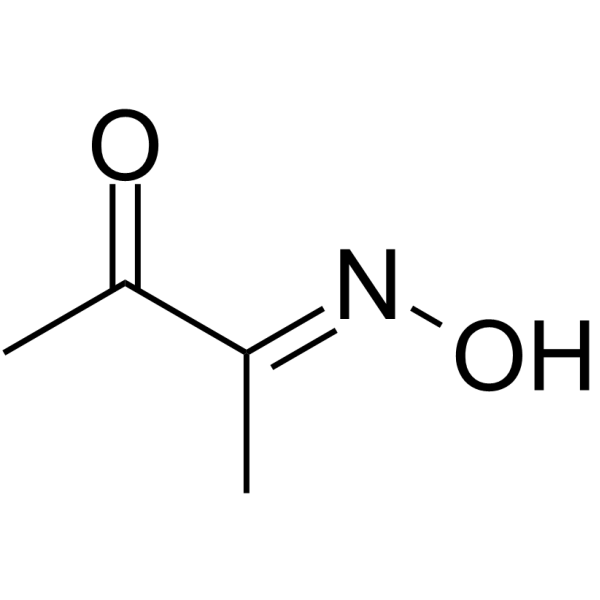
Biacetyl monoxime (Diacetyl monoxime), a myosin ATPase inhibitor, is a skeletal and cardiac muscle contraction inhibitor. Biacetyl monoxime is also a well-characterized non-competitive inhibitor of chemical and motile activity of skeletal muscle myosin-II. Biacetyl monoxime induces sarcoplasmic reticulum Ca 2+ release .
|
-
-
- HY-16690
-
BTS
3 Publications Verification
N-Benzyl-p-toluenesulfonamide; N-Tosylbenzylamine
|
Myosin
|
Others
|
|
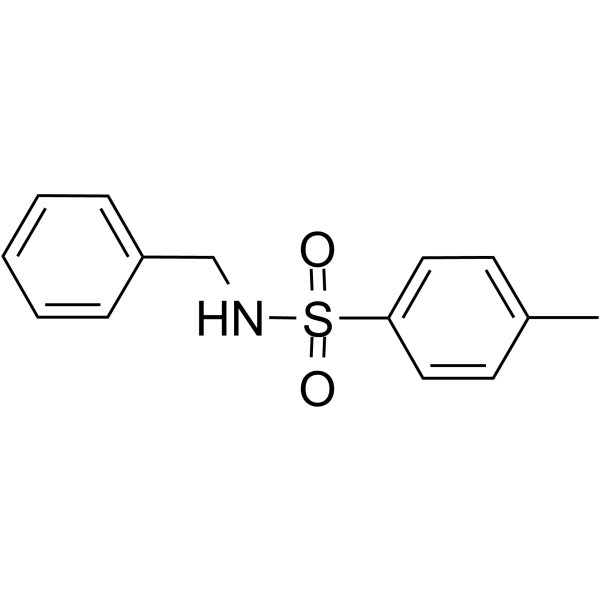
BTS (N-Benzyl-p-toluenesulfonamide) is a potent and selective inhibitor of skeletal muscle myosin II subfragment 1 (S1) ATPase activity, with an IC50s of ~5 µM for actin- and Ca 2+-stimulated myosin S1 ATPase. BTS specifically inhibits the contraction of fast skeletal muscle fibers .
|
-
-
- HY-B0549A
-
|
Rec-7-0040; DW61
|
Calcium Channel
Adenosine Receptor
mAChR
Dopamine Receptor
Adrenergic Receptor
|
Cardiovascular Disease
Infection
Neurological Disease
Cancer
|
|
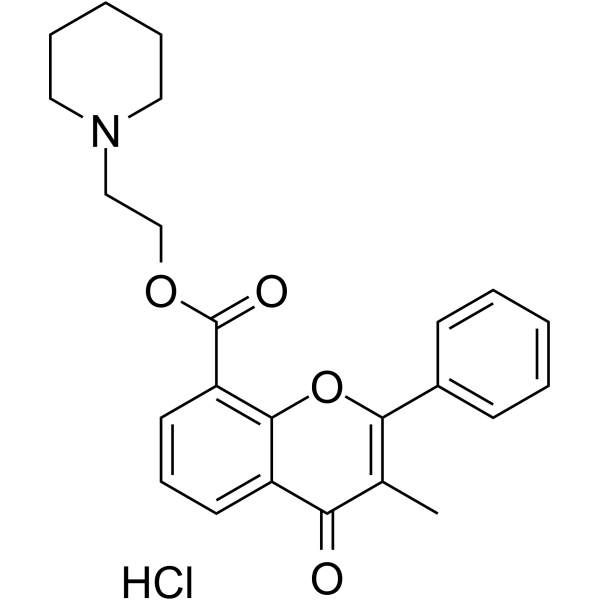
Flavoxate hydrochloride (Rec-7-0040; DW61) is an orally active L-type Ca 2+ channel inhibitor and antispasmodic. Flavoxate hydrochloride inhibits cyclic adenosine monophosphate production by blocking voltage-dependent inward Ba 2+ currents, regulating the brainstem micturition center, and stimulating G protein-coupled receptors. Consequently, Flavoxate hydrochloride induces relaxation of bladder smooth muscle and inhibits isovolumetric rhythmic contractions. Flavoxate hydrochloride effectively increases bladder capacity and alleviates symptoms of urgent urination frequency and pollakiuria caused by overactive bladder. Flavoxate hydrochloride can be used in research on overactive bladder and related voiding dysfunctions .
|
-
-
- HY-P0102
-
|
|
nAChR
|
Neurological Disease
Metabolic Disease
|
|
Dipeptide diaminobutyroyl benzylamide diacetate, a Wagerlin-1-mimicking peptide, is a nAChR antagonist. Dipeptide diaminobutyroyl benzylamide diacetate mimics Waglerin-1 to block neuromuscular junction nicotinic acetylcholine receptors, partially inhibits neuronal signal transduction, and relaxes muscles. Dipeptide diaminobutyroyl benzylamide diacetate reduces appearance of facial wrinkles linked to repeated muscle movement.Dipeptide diaminobutyroyl benzylamide diacetate can be used for the research of mild-to-moderate fine and coarse periocular and perioral wrinkles and periorbital ageing .
|
-
-
- HY-A0024
-
|
(R)-(+)-Tolterodine; (+)-Tolterodine; (R)-Tolterodine; PNU-200583
|
mAChR
Cytochrome P450
|
Neurological Disease
Cancer
|
|
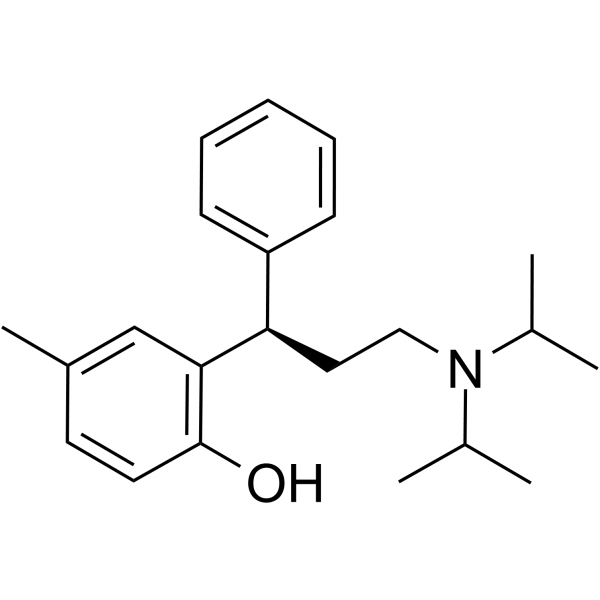
Tolterodine ((R)-(+)-Tolterodine) is a mAChR inhibitor and substrate for cytochrome P450 enzymes. Tolterodine competitively binds acetylcholine, reduces sympathetic excitation, and inhibits involuntary bladder muscle contraction. Tolterodine restores the Nrf2/NF-κB signaling pathway, mediates protection against inflammatory response and ferroptosis. Tolterodine ameliorates LPS (HY-D1056)-induced reactive oxygen species production and lipid oxidation. Tolterodine can be used for the research of urinary tract infections and overactive bladder .
|
-
-
- HY-90010
-
|
Kabi-2234; PNU-200583E
|
mAChR
Cytochrome P450
|
Neurological Disease
Cancer
|
|
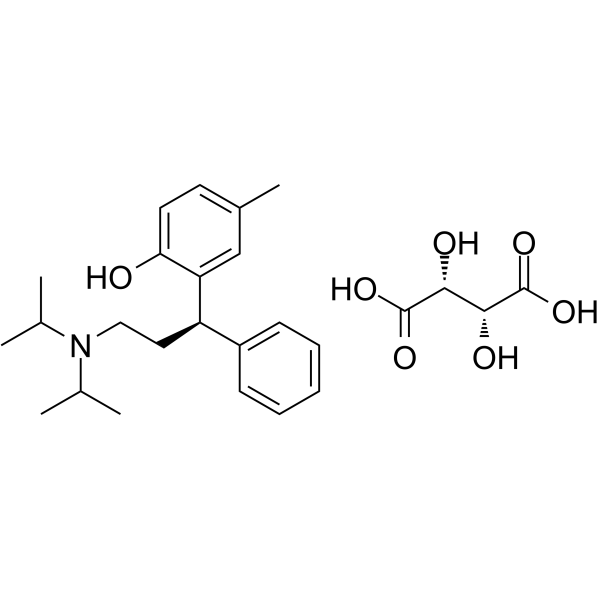
Tolterodine tartrate (Kabi-2234) is a mAChR inhibitor and substrate for cytochrome P450 enzymes. Tolterodine tartrate competitively binds acetylcholine, reduces sympathetic excitation, and inhibits involuntary bladder muscle contraction. Tolterodine tartrate restores the Nrf2/NF-κB signaling pathway, mediates protection against inflammatory response and ferroptosis. Tolterodine tartrate ameliorates LPS (HY-D1056)-induced reactive oxygen species production and lipid oxidation. Tolterodine tartrate can be used for the research of urinary tract infections and overactive bladder .
|
-
-
- HY-14290A
-
|
P-1134 monohydrate
|
Potassium Channel
|
Cardiovascular Disease
|
|
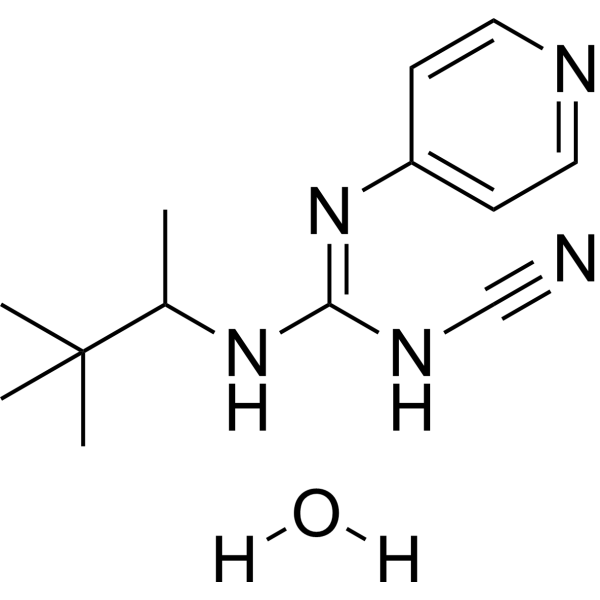
Pinacidil (P-1134) monohydrate is a potent activator of ATP-sensitive potassium channel. Pinacidil monohydrate is an antihypertensive agent hyperpolarizes vascular smooth muscle by opening K + channels. Pinacidil monohydrate enhances K +-efflux in smooth muscle. Pinacidil monohydrate has vasorelaxant properties. Pinacidil monohydrate is able to inhibit spontaneous tone and of reducing agonist induced contractions. Pinacidil monohydrate can be studied in research area such as cardiovascular diseases .
|
-
-
- HY-114367
-
|
Delphinidin 3-O-rutinoside chloride
|
Endothelin Receptor
NO Synthase
Myosin
GLP Receptor
|
Neurological Disease
Metabolic Disease
|
|
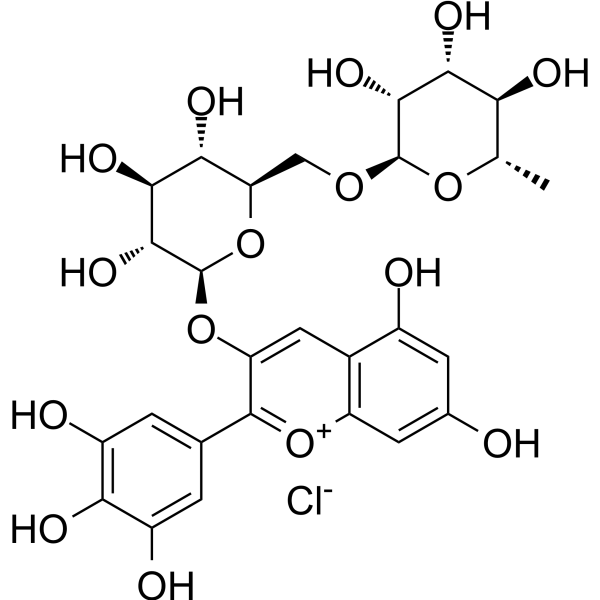
Delphinidin 3-rutinoside chloride is an anthocyanin component. Delphinidin 3-rutinoside chloride is isolable from the fruits of blackcurrant Ribes nigrum L. Delphinidin 3-rutinoside chloride activates the ETB receptor and stimulates the NO/cGMP pathway. Delphinidin 3-rutinoside chloride increases cyclic guanosine monophosphate production and reduces the phosphorylation level of Myosin regulatory light chain. Delphinidin 3-rutinoside chloride stimulates GLP-1 secretion. It significantly induces relaxation of bovine ciliary muscle strips contracted by ET-1 and inhibits ET-1-induced contraction of bovine ciliary muscle strips. Delphinidin 3-rutinoside chloride is applicable to research related to type 2 diabetes .
|
-
-
- HY-15574
-
|
SB-207266
|
5-HT Receptor
|
Cardiovascular Disease
|
|
Piboserod is an orally available selective antagonist of the 5-HT4 receptor, with a Ki value of approximately 0.1 nM for human 5-HT4 receptors. Piboserod can competitively bind to the 5-HT4 receptor and block the activation of the 5-HT4 receptor. Piboserod can inhibit the enhancing effect of 5-HT on the nerve-mediated contraction response of the human bladder detrusor muscle. Piboserod is mainly used in the research of urinary system diseases (such as overactive bladder) and cardiovascular diseases (such as chronic heart failure) .
|
-
-
- HY-101396
-
|
|
Potassium Channel
|
Neurological Disease
|
|
ICA-069673 is a KCNQ2/Q3 potassium channel activator. ICA-069673 demonstrates greater selectivity for KV7.2/7.3 over KV7.3/KV7.5, with EC50s of 0.69 μM and 14.3 μM, respectively. ICA-069673 inhibits spontaneous phasic and nerve-evoked contractions in guinea pig detrusor smooth muscle (DSM). ICA-069673 also decreases the global intracellular Ca(2+) concentration in DSM cells .
|
-
-
- HY-B0380A
-
|
|
Opioid Receptor
Toll-like Receptor (TLR)
Calcium Channel
Potassium Channel
IRAK
ERK
JNK
NF-κB
Akt
Apoptosis
|
Neurological Disease
Metabolic Disease
Inflammation/Immunology
Cancer
|
|
Trimebutine maleate is a multi-target inhibitor and opioid receptor agonist with antimuscarinic activity. Trimebutine maleate inhibits L-type Ca 2+ channels and large-conductance calcium-activated potassium channels (BKCa channels), thereby inhibiting extracellular calcium influx and potassium ion efflux. Trimebutine maleate also targets Toll-like receptors, inhibits Toll-like receptor 2/4/7/8/9 signals, and inhibits LPS-induced IRAK1 activation, as well as ERK1/2, JNK and NF-κB activation, thereby exerting anti-inflammatory effects. Trimebutine maleate also induces tumor cell apoptosis by inhibiting the AKT/ERK pathway. Trimebutine maleate also inhibits excessive contraction of smooth muscle and can be used in the study of gastrointestinal disorders such as irritable bowel syndrome (IBS) .
|
-
-
- HY-B0380
-
|
|
Opioid Receptor
Toll-like Receptor (TLR)
Calcium Channel
Potassium Channel
IRAK
ERK
JNK
NF-κB
Akt
Apoptosis
|
Neurological Disease
Metabolic Disease
Inflammation/Immunology
Cancer
|
|
Trimebutine is a multi-target inhibitor and opioid receptor agonist with antimuscarinic activity. Trimebutine inhibits L-type Ca 2+ channels and large-conductance calcium-activated potassium channels (BKCa channels), thereby inhibiting extracellular calcium influx and potassium ion efflux. Trimebutine also targets Toll-like receptors, inhibits Toll-like receptor 2/4/7/8/9 signals, and inhibits LPS-induced IRAK1 activation, as well as ERK1/2, JNK and NF-κB activation, thereby exerting anti-inflammatory effects. Trimebutine also induces tumor cell apoptosis by inhibiting the AKT/ERK pathway. Trimebutine also inhibits excessive contraction of smooth muscle and can be used in the study of gastrointestinal disorders such as irritable bowel syndrome (IBS) .
|
-
-
- HY-158183
-
|
|
Chloride Channel
|
Neurological Disease
|
|
NMD670 is an orally active inhibitor of skeletal muscle specific chloride channel ClC-1 with an EC50 of 1.6 μM. NMD670 enhances neuromuscular transmission and improves muscle contraction and strength. NMD670 can be used in the study of muscle weakness and muscle fatigue .
|
-
-
- HY-128878
-
|
|
Cholecystokinin Receptor
P-glycoprotein
|
Metabolic Disease
Endocrinology
|
|
Dexloxiglumide is an orally active and selective cholecystokinin type A (CCKA) receptor antagonist. Dexloxiglumide is the active enantiomer of Loxiglumide, inhibits smooth muscle cell contractions induced by cholecystokinin-octapeptide (CCK-8). Dexloxiglumide exhibits moderate Caco-2 permeability that is polarized, concentration dependent, and pH dependent. Dexloxiglumide increases MRP1-substrate fluorescein uptake. Dexloxiglumide can be studied in research for gastrointestinal diseases and tumors .
|
-
-
- HY-150270A
-
|
|
P2X Receptor
Prostaglandin Receptor
NOD-like Receptor (NLR)
Caspase
Interleukin Related
|
Inflammation/Immunology
|
|
NP-1815-PX sodium is an orally active dual inhibitor of P2X4 and prostaglandin TP receptors, with an IC50 of 0.26 μM against human P2X4 receptors. NP-1815-PX sodium specifically inhibits ATP-mediated prostaglandin production, TP receptor-induced calcium elevation, and the canonical/non-canonical NLRP3 inflammasome signaling pathway. NP-1815-PX sodium selectively blocks smooth muscle contractions induced by ATP, U46619 (HY-108566) and prostaglandin F2α. NP-1815-PX sodium not only produces anti-allodynic effects in vivo, but also significantly alleviates symptoms of DNBS (HY-W324435)-induced colitis (such as weight loss and tissue damage). NP-1815-PX sodium exerts anti-inflammatory effects by downregulating IL-1β levels and Caspase-1 activity. NP-1815-PX sodium is used in studies related to asthma and inflammatory bowel disease (colitis) .
|
-
-
- HY-P1805
-
|
|
Calmodulin
|
Neurological Disease
|
|
Calmodulin Binding Peptide 1 is a high-affinity (pM) CaM-binding peptide derived from smooth muscle myosin light chain kinase (MLCK peptide). The interface of the complex formed by Calmodulin Binding Peptide 1 and Ca 2+-CaM can be specifically bound by small-molecule inhibitors, serving as a key target for selective regulation of smooth muscle contraction and development of anti-CaM drugs .
|
-
-
- HY-B1164
-
|
|
Dopamine Receptor
|
Neurological Disease
|
|
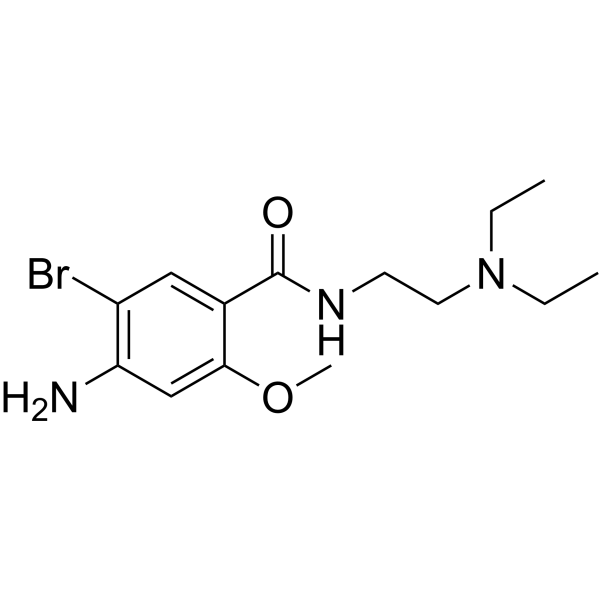
Bromopride is a selective, irreversible, competitive, and orally effective dopamine D2 receptor antagonist. Bromopride can pass through the blood-brain barrier, inhibit the vomiting center, and enhance gastrointestinal motility, exerting antiemetic and gastrointestinal motility effects. Bromopride antagonizes dopamine-mediated vomiting reflexes and promotes gastrointestinal smooth muscle contraction, and has no adverse effects on abdominal wall healing in rats with postoperative abdominal infection. Bromopride can be used for the study of digestive system diseases (such as gastric hypomotility, nausea and vomiting) .
|
-
-
- HY-W100287
-
|
|
NF-κB
p38 MAPK
Interleukin Related
IKK
JNK
β-catenin
Wnt
|
Neurological Disease
Inflammation/Immunology
Cancer
|
|
Murrayafoline A is a carbazole alkaloid that can be extracted from Murraya tetramera. Murrayafoline A directly targets Specificity protein 1 (Sp1), thereby inhibiting NF-κB and MAPK signaling pathways. Murrayafoline a induces a G0/G1-phase arrest in platelet-derived growth factor (PDGF)-stimulated vascular smooth muscle cells. Murrayafoline A attenuates the Wnt/β-catenin pathway by promoting the degradation of intracellular β-catenin proteins. Murrayafoline A enhances the contraction of rat ventricular myocytes and L-type calcium current by activating protein kinase C. Murrayafoline A inhibits LPS (HY-D1056)-induced neuroinflammation in vivo. Murrayafoline A can be used for the study of inflammation, vascular complications and colon cancer .
|
-
-
- HY-N2754
-
|
Eriodictyol 7-methyl ether; 7-O-Methyleriodictyol
|
Bacterial
|
Infection
Cardiovascular Disease
|
|
Sternbin (Eriodictyol 7-methyl ether) is a flavanone and antibacterial agent. Sternbin can be isolated from Heliotropium sinuatum. Sternbin has antibacterial activity against a wide range of bacteria. Sternbin has antiviral activity against infectious salmon anemia virus (ISAV). Sternbin inhibits the contraction of isolated rat smooth muscle .
|
-
-
- HY-123983
-
|
|
Pim
DAPK
|
Cardiovascular Disease
|
|
HS56 is an ATP-competitive dual Pim/DAPK3 inhibitor with Ki values of 0.26, 0.208, 2.94, and >100 μM for DAPK3, Pim-3, Pim-1, and Pim-2, respectively. HS56 inhibits LC20 phosphorylation and smooth muscle contraction. HS56 decreases blood pressure in spontaneously hypertensive mice. HS56 can be used in research of hypertension .
|
-
-
- HY-17457
-
|
Levosalbutamol hemitartrate
|
Adrenergic Receptor
PI3K
|
Inflammation/Immunology
|
|
Levalbuterol (Levosalbutamol) hemitartrate is a β2-adrenergic receptor agonist and PI3K inhibitor. Levalbuterol hemitartrate inhibits PI3K activity, reduces NF-κB and Rb protein expression, activates the cAMP/PKA pathway, and stimulates cAMP release. Levalbuterol hemitartrate relaxes airway smooth muscle, reduces intracellular calcium levels, and inhibits spasmogen-induced contractions. Levalbuterol hemitartrate can be used for the research of moderate-to-severe asthma .
|
-
-
- HY-108960
-
|
|
P2X Receptor
Interleukin Related
|
Neurological Disease
|
|
PPADS is a P2X receptor (P2X Receptor) antagonist and a reversible competitive antagonist of NAADP receptors, with IC50 values of 68 nM (P2X1) and 214 nM (P2X3), respectively. PPADS alleviates pain-related behaviors in the central and peripheral nervous systems of mice after peripheral neuropathy, inhibits the overproduction of IL-1β, IL-6, iNOS and nNOS, and suppresses the hydrolytic activity of extracellular ATPase. PPADS blocks ATP-mediated inward currents on recombinant rat P2X1 and P2X3 receptors, and inhibits purinergic nerve stimulation-induced contraction of rabbit bladder detrusor muscle. PPADS is applicable to research related to neuropathic pain .
|
-
-
- HY-118335
-
|
SZL 49
|
Adrenergic Receptor
|
Cardiovascular Disease
|
|
Prazobind (SZL 49), a prazosin analog, is an irreversible α1-adrenoceptor antagonist. Prazobind competes for alpha 1-adrenoceptor binding sites with a similar potency (IC50 of 1 nM) in tissues enriched in both the alpha 1A (hippocampus) and alpha 1B (liver) subtypes. Prazobind partially inhibits the contractions of circular muscles, longitudinal muscles and smooth muscles of the spleen. Prazobind can be used for the study of blood pressure .
|
-
-
- HY-70075
-
|
|
RGS Protein
|
Cardiovascular Disease
Neurological Disease
|
|
CCG-63808 is a selective, reversible RGS4 inhibitor with an IC50 of 10 μM for the Gαo-RGS4 interaction . CCG-63808 enhances the contractile response of lymphatic smooth muscle and potentiates agonist-mediated thoracic duct contraction. CCG-63808 can be used in research related to neuropathic pain and hypertension .
|
-
-
- HY-123468
-
|
|
Cyclic GMP-AMP Synthase
PKA
ERK
Tyrosine Hydroxylase
Calcium Channel
|
Cardiovascular Disease
Metabolic Disease
|
|
HA-1004 is a selective inhibitor of PKA, which can inhibit lipolysis and induce vascular relaxation. HA-1004 is also a dual inhibitor of cyclic GMP-dependent protein kinase and cyclic AMP-dependent protein, and is involved in smooth muscle, second messenger, cyclic AMP and cyclic GMP regulation mechanisms. HA-1004 is an antagonist for calcium, that can be used as a vasodilator to inhibit the contraction of rabbit aortic strips, or to antagonize ERK and tyrosine hydroxylase (TH) phosphorylation in morphine abstinence rat models .
|
-
-
- HY-W153159
-
|
|
Adrenergic Receptor
|
Inflammation/Immunology
|
|
N-Methyltyramine hydrochloride is an orally active α2-adrenoreceptor antagonist with an IC50 value of 5.53 μM against rat targets. N-Methyltyramine hydrochloride blocks α2-adrenoreceptors, while inhibiting lipolysis, hyperactivity responses and small intestinal peristalsis in mice. N-Methyltyramine hydrochloride promotes gastrin release and pancreatic juice secretion, upregulates appetite, blood pressure, myocardial contraction frequency and contraction intensity, and increases renal blood flow, renal vascular resistance and mean peripheral arterial resistance. N-Methyltyramine hydrochloride relaxes mouse small intestinal smooth muscle and undergoes biotransformation in vivo to produce adrenaline. N-Methyltyramine hydrochloride can be used in studies related to gastrointestinal diseases .
|
-
-
- HY-P4160
-
|
THG113.31; ILGHXDYK
|
Prostaglandin Receptor
|
Endocrinology
|
|
PDC31 (THG113.31; ILGHXDYK) is an allosteric and non-competitive inhibitor of FP Prostaglandin Receptor. PDC31 is the D-amino acid-based oligopeptide, is used for smooth muscle contractile agent. PDC31 decreases the strength and duration of uterine contractions in vivo, which can be used for research of preterm labor and primary dysmenorrhea (PD). PDC31 also enhances Ca 2+-dependent large-conductance K +-channel in human myometrial cells .
|
-
-
- HY-10568
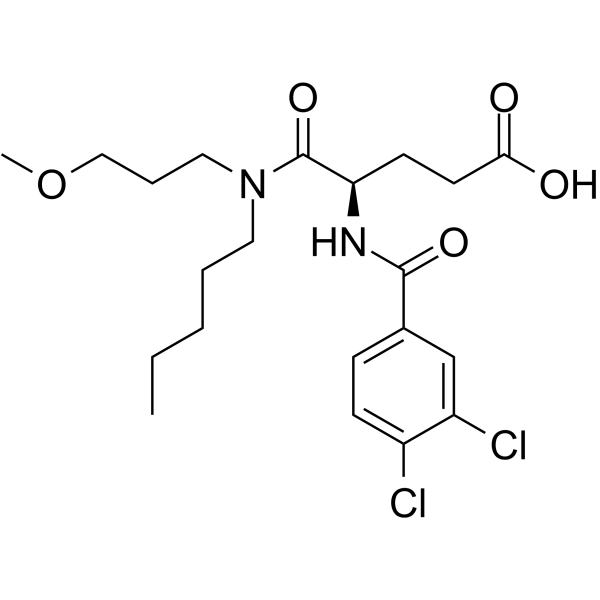
-
|
|
Phosphodiesterase (PDE)
|
Metabolic Disease
|
|
TC-E 5005 is a potent and selective PDE10A inhibitor with IC50 values of 7.28, 239, 779, 919, 3,100, and 3,700 nM for PDE10A, 2A, 11A, 5A, 7B and 3A, respectively. TC-E 5005 inhibits adrenergic and neurogenic smooth muscle contractions in the human prostate .
|
-
-
- HY-106523
-
|
KT 210; K 351; Hypadil
|
Adrenergic Receptor
|
Cardiovascular Disease
|
|
Nipradolol (KT-210; K-351) is a potent blocker of alpha-1-adrenergic receptors. Nipradolol inhibits the increase of intraocular pressure (IOP) in an albino rabbit model induced by Phenylephrine (HY-B0769). Nipradolo suppresses the noradrenaline (NA)-induced muscles contraction, also exhibits vasodilator activity on the dog coronary artery .
|
-
-
- HY-135447
-
|
|
Prostaglandin Receptor
|
Others
|
|
BM-531 is a dual-acting agent for thromboxane receptor (TXA2) antagonism and thromboxane synthase inhibition. BM-531 exerts anti-aggregatory effects on human citrated platelet-rich plasma (PRP), inhibiting Arachidonic acid (HY-109590A)-induced aggregation with an ED100 of 0.125 μM and U-46619 (HY-108566)-induced aggregation with an ED50 of 0.482 μM. BM-531 inhibits high-K +-induced contraction of porcine uterine smooth muscle .
|
-
-
- HY-B0549
-
|
Rec-7-0040 free base; DW61 free base
|
mAChR
Calcium Channel
Adrenergic Receptor
Adenosine Receptor
Dopamine Receptor
|
Neurological Disease
|
|
Flavoxate (Rec-7-0040 free base; DW61 free base) is an orally active L-type Ca 2+ channel inhibitor and antispasmodic. Flavoxate inhibits cyclic adenosine monophosphate production by blocking voltage-dependent inward Ba 2+ currents, regulating the brainstem micturition center, and stimulating G protein-coupled receptors. Consequently, Flavoxate induces relaxation of bladder smooth muscle and inhibits isovolumetric rhythmic contractions. Flavoxate effectively increases bladder capacity and alleviates symptoms of urgent urination frequency and pollakiuria caused by overactive bladder. Flavoxate can be used in research on overactive bladder and related voiding dysfunctions .
|
-
-
- HY-B0549AR
-
|
Rec-7-0040 (Standard); DW61 (Standard)
|
Reference Standards
mAChR
Calcium Channel
Adrenergic Receptor
Adenosine Receptor
Dopamine Receptor
|
Neurological Disease
|
|
Flavoxate (hydrochloride) (Standard) is the analytical standard of Flavoxate (hydrochloride). This product is intended for research and analytical applications. Flavoxate hydrochloride (Rec-7-0040; DW61) is an orally active L-type Ca 2+ channel inhibitor and antispasmodic. Flavoxate hydrochloride inhibits cyclic adenosine monophosphate production by blocking voltage-dependent inward Ba 2+ currents, regulating the brainstem micturition center, and stimulating G protein-coupled receptors. Consequently, Flavoxate hydrochloride induces relaxation of bladder smooth muscle and inhibits isovolumetric rhythmic contractions. Flavoxate hydrochloride effectively increases bladder capacity and alleviates symptoms of urgent urination frequency and pollakiuria caused by overactive bladder. Flavoxate hydrochloride can be used in research on overactive bladder and related voiding dysfunctions .
|
-
-
- HY-N8628
-
|
3,4,5-TIBA
|
Phytohormone
|
Others
|
|
3,4,5-Triiodobenzoic acid is an auxin transport inhibitor. 3,4,5-Triiodobenzoic acid stimulates specific [ 3H]verapamil binding to zucchini microsomes. 3,4,5-Triiodobenzoic acid also increases specific [ 3H]verapamil binding to rabbit skeletal muscle membranes. 3,4,5-Triiodobenzoic acid can be used in the research of smooth muscle contraction .
|
-
-
- HY-16741
-
|
OBE001
|
Oxytocin Receptor
|
Endocrinology
|
|
Erlosiban (OBE001) is an orally active non-peptide type oxytocin receptor antagonist. Erlosiban inhibits the increase of intracellular calcium concentration, thereby reducing uterine smooth muscle contraction. Erlosiban can be used for research on premature birth and to improve embryo implantation and pregnancy rate in assisted reproductive technology (AR).
|
-
-
- HY-N6609
-
|
|
nAChR
|
Others
|
|
Magnocurarine is a neuromuscular junction blocker that inhibits muscle contraction by functionally blocking signal transmission without directly damaging nerve or muscle tissues. In frog, mouse and rabbit models, Magnocurarine exerts a dose-dependent paralytic effect, which progresses gradually from limb weakness and loss of righting reflex to respiratory depression and even cardiac arrest. Although high doses cause complete cessation of movement, Magnocurarine does not affect the spinal multineuronal reflex in frogs. Magnocurarine exhibits biological activity similar to that of tubocurarine (HY-125901) in various animal models .
|
-
-
- HY-U00134
-
|
Bencyclane; Benzcyclan
|
5-HT Receptor
|
Cardiovascular Disease
Neurological Disease
|
|
Benzcyclane (Bencyclane; Benzcyclan) is a serotonin receptor antagonist and a cerebral/peripheral vasodilator. Benzcyclane exerts atypical serotonin antagonistic effects in rabbit superior mesenteric arteries. Benzcyclane relaxes high K +-induced contractions in rabbit basilar arteries and superior mesenteric arteries, and selectively inhibits sympathetic nerve stimulation-induced contractions in rabbit pulmonary arteries. Benzcyclane exerts non-competitive norepinephrine antagonistic effects in rabbit superior mesenteric arteries, and slightly reduces the maximum contractile response induced by histamine. Benzcyclane relaxes smooth muscles, induces transient hypotension, inhibits thrombosis, and accelerates blood fibrinolytic activity. Benzcyclane increases cerebral glucose content/uptake, enhances hypoxia tolerance in mice, and increases cerebral blood supply in dogs. Benzcyclane is applicable to studies related to cerebral vascular circulation .
|
-
-
- HY-W153897
-
|
|
Adrenergic Receptor
|
Inflammation/Immunology
|
|
N-Methyltyramine is an orally active α2-adrenoreceptor antagonist with an IC50 value of 5.53 μM against rat targets. N-Methyltyramine blocks α2-adrenoreceptors, while inhibiting lipolysis, hyperactivity responses and small intestinal peristalsis in mice. N-Methyltyramine promotes gastrin release and pancreatic juice secretion, upregulates appetite, blood pressure, myocardial contraction frequency and contraction intensity, and increases renal blood flow, renal vascular resistance and mean peripheral arterial resistance. N-Methyltyramine relaxes mouse small intestinal smooth muscle and undergoes biotransformation in vivo to produce adrenaline. N-Methyltyramine can be used in studies related to gastrointestinal diseases .
|
-
-
- HY-112348
-
|
|
Cyclic GMP-AMP Synthase
PKA
ERK
Calcium Channel
|
Cardiovascular Disease
Metabolic Disease
|
|
HA-1004 hydrochloride is a selective inhibitor of PKA, which can inhibit lipolysis and induce vascular relaxation. HA-1004 hydrochloride is also a dual inhibitor of cyclic GMP-dependent protein kinase and cyclic AMP-dependent protein (Cyclic GMP-AMP Synthase), and is involved in smooth muscle, second messenger, cyclic AMP and cyclic GMP regulation mechanisms. HA-1004 hydrochloride an antagonist for calcium, that can be used as a vasodilator to inhibit the contraction of rabbit aortic strips, or to antagonize ERK and tyrosine hydroxylase (TH) phosphorylation in morphine abstinence rat models .
|
-
-
- HY-P5155
-
|
|
Potassium Channel
|
Neurological Disease
|
|
Stromatoxin 1 is an inhibitor of Potassium Channel, a peptide which can be isolated from tarantulas. Stromatoxin 1 selectively inhibits K(V)2.1, K(V)2.2, K(V)4.2, and K(V)2.1/9.3 channels. K(V)2.1 and K(V)2.2, but not K(V)4.2, channel subunits play a key role in opposing both myogenic and neurogenic urinary bladder smooth muscle (UBSM) contractions in rats .
|
-
-
- HY-W414644
-
|
|
Parasite
STAT
Phosphatase
MDM-2/p53
Apoptosis
|
Infection
Neurological Disease
Inflammation/Immunology
Cancer
|
|
Fluacrypyrim, a Miticide, is a STAT3 inhibitor. Fluacrypyrim significantly increases the protein tyrosine phosphatases(PTPs) activity. Fluacrypyrim inhibits the growth of leukemia cells by a predominant G1 arrest with significant decrease of the protein and mRNA levels of cyclin D1. Fluacrypyrim selectively inhibits STAT3 signaling, inducing growth arrest and apoptosis in STAT3-dependent cancer cells. Fluacrypyrim mitigates IR-induced hematopoietic system injury mainly by preventing apoptosis in the HSCs. Fluacrypyrim demonstrates significant analgesic and anti-inflammatory effects by inhibiting uterine smooth muscle contraction and inflammatory responses .
|
-
-
- HY-165587
-
|
|
Prostaglandin Receptor
|
Cardiovascular Disease
|
|
BM-573 is an orally active dual thromboxane A₂ (TXA₂) modulator with an IC50 of 1.3 nM. BM-573 possesses both thromboxane synthase (TxAS) inhibition and thromboxane receptor (TP) antagonistic effects. BM-573 can completely inhibit platelet aggregation induced by Arachidonic acid (HY-109590) or U-46619 (TXA₂ analogues). BM-573 completely blocks the generation of TXB₂ (the stable metabolite of TXA₂) in human platelets and does not inhibit cyclooxygenase (COX-1/COX-2), thus avoiding interference with other prostaglandin synthesis. BM-573 has an inhibitory effect on U-46619-induced contractions in rat gastric fundus smooth muscle (ED₅₀ = 4.2 μM), but has no effect on contractions caused by PGE₂, PGF₂α, or PGI₂. BM-573 can be used in the study of atherosclerosis, myocardial infarction, pulmonary hypertension and shock .
|
-
-
- HY-B0380S1
-
|
|
Isotope-Labeled Compounds
Opioid Receptor
Toll-like Receptor (TLR)
Calcium Channel
Potassium Channel
IRAK
ERK
JNK
NF-κB
Akt
Apoptosis
|
Neurological Disease
Metabolic Disease
Inflammation/Immunology
Cancer
|
|
Trimebutine-d5 fumarate is deuterium labeled Trimebutine fumarate. Trimebutine fumarate is a multi-target inhibitor and opioid receptor agonist with antimuscarinic activity. Trimebutine fumarate inhibits L-type Ca 2+ channels and large-conductance calcium-activated potassium channels (BKCa channels), thereby inhibiting extracellular calcium influx and potassium ion efflux. Trimebutine fumarate also targets Toll-like receptors, inhibits Toll-like receptor 2/4/7/8/9 signals, and inhibits LPS-induced IRAK1 activation, as well as ERK1/2, JNK and NF-κB activation, thereby exerting anti-inflammatory effects. Trimebutine fumarate also induces tumor cell apoptosis by inhibiting the AKT/ERK pathway. Trimebutine fumarate also inhibits excessive contraction of smooth muscle and can be used in the study of gastrointestinal disorders such as irritable bowel syndrome (IBS) .
|
-
-
- HY-101390D
-
|
|
Calcium Channel
|
Cardiovascular Disease
|
|
(R)-Niguldipine, a R-epimer of Niguldipine (HY-101390B), is a calcium channel antagonist. (R)-Niguldipine exerts a vasodilatory effect by blocking calcium channels and reducing the transmembrane influx of calcium ions. (R)-Niguldipine can inhibit U-46619 (HY-108566)-induced coronary artery contraction in guinea pig Langendorff hearts (pID50 of 9.93), has high affinity for calcium channel binding sites on guinea pig skeletal muscle membranes (Ki of 8.10), and lowers blood pressure in spontaneously hypertensive rats (pED30 of 5.55). (R)-Niguldipine can improve cardiovascular diseases such as hypertension, angina pectoris, and arrhythmias .
|
-
-
- HY-B0380AR
-
|
|
Reference Standards
Opioid Receptor
Apoptosis
Potassium Channel
NF-κB
Akt
IRAK
JNK
Toll-like Receptor (TLR)
ERK
Calcium Channel
|
Neurological Disease
Metabolic Disease
Inflammation/Immunology
Cancer
|
|
Trimebutine maleate (Standard) is the analytical standard of Trimebutine maleate (HY-B0380A). This product is intended for research and analytical applications. Trimebutine maleate is a multi-target inhibitor and opioid receptor agonist with antimuscarinic activity. Trimebutine maleate inhibits L-type Ca 2+ channels and large-conductance calcium-activated potassium channels (BKCa channels), thereby inhibiting extracellular calcium influx and potassium ion efflux. Trimebutine maleate also targets Toll-like receptors, inhibits Toll-like receptor 2/4/7/8/9 signals, and inhibits LPS-induced IRAK1 activation, as well as ERK1/2, JNK and NF-κB activation, thereby exerting anti-inflammatory effects. Trimebutine maleate also induces tumor cell apoptosis by inhibiting the AKT/ERK pathway. Trimebutine maleate also inhibits excessive contraction of smooth muscle and can be used in the study of gastrointestinal disorders such as irritable bowel syndrome (IBS) .
|
-
-
- HY-114743
-
|
|
mAChR
Histamine Receptor
CRAC Channel
|
Others
|
|
GS 283 is a compound with calcium antagonist and weak histamine and muscarinic receptor blocking activity, with activity in modulating contraction of guinea pig and rat tracheal smooth muscle. GS 283 inhibits contractions induced by carbachol, histamine (guinea pig only), and high H + in guinea pig and rat tracheal smooth muscle, inhibits Ca 2+-induced contractions in guinea pig tracheal smooth muscle, and at high concentrations completely abolishes contractions induced by carbachol in Ca 2+-free medium.
|
-
-
- HY-171187
-
|
CL 13580
|
Carbonic Anhydrase
|
Cancer
|
|
Chlorzolamide (CL 13580) is a carbonic anhydrase (CA) inhibitor. Chlorzolamide has an effect on the skeletal muscle of rats, which can reduce the tetanic contraction force of soleus and extensor digitorum longus and prolong the relaxation time and peak time of muscle contraction. In addition, Chlorzolamide inhibits tumor cell proliferation and has antitumor activity .
|
-
- HY-108381
-
|
LCB29
|
Others
|
Others
|
|
Idrocilamide (LCB29) exhibits a muscle relaxing effect, that inhibits muscle twitch, tetanic tension, K +-induced as well as voltage clamp-induced contraction of rat soleus muscle fibers. Idrocilamide is also a caffeine antagonist, inhibiting the breakdown and biotransformation of caffeine .
|
-
- HY-117255
-
|
|
Potassium Channel
|
Others
|
|
ZM260384 is a KATP channel opener that accelerates metabolism and inhibits the decline of guinea pig isolated diaphragm function, thereby affecting muscle contraction. ZM260384 can be used to study muscle function under hypoxic conditions .
|
-
- HY-P10346
-
|
Smooth-muscle Myosin Light-Chain Kinase (796-815)
|
Myosin
|
Cardiovascular Disease
Inflammation/Immunology
|
|
smMLCK peptide is a specific inhibitor of smooth muscle myosin light chain kinase (smMLCK). The smMLCK peptide mimics the substrate and competitively inhibits the binding of the actual substrate to the enzyme, thereby inhibiting the kinase activity. This inhibition prevents the phosphorylation of the myosin light chain, thus inhibiting muscle contraction .
|
-
- HY-114920
-
|
|
Calcium Channel
|
Cardiovascular Disease
|
|
Piprofurol is a calcium channel inhibitor. Piprofurol inhibits the calcium-induced contractions in isolated potassium depolarized preparations of rat aorta in a concentration-dependent manner and relaxes the K +-induced contraction of the dog coronary artery and the rabbit basilar artery. Piprofurol exerts a negative inotropic effect on guinea-pig papillary muscle, with the EC50 of 5 μM .
|
-
- HY-P10006
-
|
|
Opioid Receptor
|
Neurological Disease
|
|
Leumorphin, human is a potent kappa opioid receptor (κ opioid receptor) agonist. Leumorphin, human inhibits the contraction of the myenteric plexus-longitudinal muscle preparation of the guinea pig ileum .
|
-
- HY-174257
-
|
|
NF-κB
Oxidative Phosphorylation
|
Inflammation/Immunology
|
|
RCD405 is a bronchodilator. RCD405 exerts relaxant effects by acting directly on human airway smooth muscle (hASM) with an EC50 value of 12 μM for histamine-induced contractions and 45.71 μM for carbachol-induced contractions. RCD405 inhibits cholinergic and histaminergic tone and reduces electrically stimulated (EFS)-induced contractions. RCD405 is promising for research of asthma and chronic obstructive pulmonary disease (COPD) .
|
-
- HY-122409
-
|
|
Others
|
Others
|
|
Cularine is a compound that relaxes guinea pig tracheal and human bronchial smooth muscle, inhibits contraction induced by a variety of contractile agents, and has nonspecific antispasmodic activity, and its activity is structure-related.
|
-
- HY-P2087
-
|
|
Insecticide
Parasite
Bacterial
|
Infection
|
|
Bassianolide is a cyclooligomer depsipeptide secondary metabolite. Bassianolide is an insecticidal virulence factor of Beauveria bassiana. Bassianolide inhibits acetylcholine-induced smooth muscle contraction, and shows moderate antiplasmodial and anti-mycobacterial activities .
|
-
- HY-W722221
-
|
|
Adrenergic Receptor
|
Cardiovascular Disease
|
|
Colterol acetate is a selective inhibitor of β-adrenergic receptors. Colterol acetate can relax tracheal smooth muscle (primarily acting on β2 receptors), reduce subspastic contractions of tricholoma (acting on β2), and increase contractility of left ventricular papillary muscles (acting on β1) .
|
-
- HY-19228
-
|
|
mAChR
Calcium Channel
|
Neurological Disease
Metabolic Disease
|
|
FK 584 is a potent detrusor muscle contraction inhibitor. FK 584 possesses potent antimuscarinic activity and weak calcium channel blocking activity. FK 584 has demonstrated potent detrusor muscle inhibitory activity in various experimental models with a manageable risk of mydriasis. FK 584 can be used to study overactive bladder (OAB).
|
-
- HY-118350
-
|
|
Biochemical Assay Reagents
|
Neurological Disease
|
|
FR 75513 is a 1,1'-biphenyl-2,6-dicarboxylic acid diester series compound that can inhibit the contraction of the detrusor muscle of guinea pig bladder (IC50=3.3 μg/mL). After intravenous injection of FR 75513 into anesthetized rats, it also showed strong inhibitory activity on the detrusor contraction (ID50=0.04 mg/kg).
|
-
- HY-19244
-
|
|
Potassium Channel
|
Cardiovascular Disease
|
|
JTV-506 is a potent ATP-sensitive potassium channel opener. JTV-506 inhibits Histamine (HY-B1204)-induced contraction of tracheal smooth muscle by activation of KATP channels. JTV-506 attenuates pulmonary vascular tone through its direct action on vascular smooth muscle cells. JTV-506 can be used for pulmonary hypertension research .
|
-
- HY-106819A
-
|
|
Sodium Channel
|
Cardiovascular Disease
|
|
AN-132 phosphate is an antiarrhythmic agent. AN-132 phosphate can inhibit Sodium Channel. AN-132 phosphate can prolong atrioventricular conduction time, decrease sinus rate and reduce the force of papillary muscle contraction. AN-132 phosphate can be used for the research of cardiovascular disease .
|
-
- HY-14290R
-
|
P-1134 (Standard)
|
Reference Standards
Potassium Channel
|
Cardiovascular Disease
|
|
Pinacidil (Standard) is the analytical standard of Pinacidil. This product is intended for research and analytical applications. Pinacidil is a potent activator of ATP-sensitive potassium channel. Pinacidil is an antihypertensive agent hyperpolarizes vascular smooth muscle by opening K + channels. Pinacidil enhances K +-efflux in smooth muscle. Pinacidil has vasorelaxant properties. Pinacidil is able to inhibit spontaneous tone and of reducing agonist induced contractions. Pinacidil can be studied in research area such as cardiovascular diseases .
|
-
- HY-118335S
-
|
SZL 49-d8
|
Isotope-Labeled Compounds
Adrenergic Receptor
|
Cardiovascular Disease
|
|
Prazobind-d8 (SZL 49-d8) is the deuterium labeled Prazobind (HY-118335). Prazobind, a prazosin analog, is an irreversible α1-adrenoceptor antagonist. Prazobind competes for alpha 1-adrenoceptor binding sites with a similar potency (IC50 of 1 nM) in tissues enriched in both the alpha 1A (hippocampus) and alpha 1B (liver) subtypes. Prazobind partially inhibits the contractions of circular muscles, longitudinal muscles and smooth muscles of the spleen. Prazobind can be used for the study of blood pressure.
|
-
- HY-15018A
-
|
|
Oxytocin Receptor
|
Endocrinology
|
|
SSR126768A free base is an orally active antagonist for oxytocin receptor, with Ki of 0.44 nM. SSR126768A free base is a tocolytic agent, that antagonizes the Oxytocin (HY-17571)-induced intracellular Ca 2+ increase and prostaglandin release in human uterine smooth muscle cells, inhibits thus the Oxytocin (HY-17571)-induced uterine contraction and delays parturition in pregnant rats in labor .
|
-
- HY-123468A
-
|
|
Cyclic GMP-AMP Synthase
PKA
ERK
Calcium Channel
|
Cardiovascular Disease
Metabolic Disease
|
|
HA-1004 dihydrochloride is a selective inhibitor of PKA, which can inhibit lipolysis and induce vascular relaxation. HA-1004 dihydrochloride is also a dual inhibitor of cyclic GMP-dependent protein kinase and cyclic AMP-dependent protein, and is involved in smooth muscle, second messenger, cyclic AMP and cyclic GMP regulation mechanisms. HA-1004 dihydrochloride is an antagonist for calcium, that can be used as a vasodilator to inhibit the contraction of rabbit aortic strips, or to antagonize ERK and tyrosine hydroxylase (TH) phosphorylation in morphine abstinence rat models .
|
-
- HY-136831
-
|
QMPB
|
Leukotriene Receptor
|
Inflammation/Immunology
|
|
SR2640 is a highly efficient and selective LTD4/LTE4 antagonist that can specifically inhibit the smooth muscle contractions induced by LTD4 in the guinea pig ileum and trachea in a concentration-dependent manner, without affecting the contractions caused by histamine. SR2640 can concentration-dependently prevent the binding of 0.4 nM [3H] LTD4 to membrane receptors in guinea pig lung tissue, with an IC50 of 23 nM. SR2640 can shift the dose-response curve for bronchoconstriction induced by intravenous LTD4 in guinea pigs to the right, and the extent of this shift is positively correlated with the dose of SR2640 administered. SR2640 can be used in asthma research .
|
-
- HY-B1164A
-
|
|
Dopamine Receptor
|
Neurological Disease
|
|
Bromopride hydrochloride is a selective, irreversible, competitive, and orally active dopamine D2 receptor antagonist. Bromopride hydrochloride can pass through the blood-brain barrier, inhibit the vomiting center, and enhance gastrointestinal motility, exerting antiemetic and gastrointestinal motility effects. Bromopride hydrochloride antagonizes dopamine-mediated vomiting reflexes and promotes gastrointestinal smooth muscle contraction, and has no adverse effects on abdominal wall healing in rats with postoperative abdominal infection. Bromopride hydrochloride can be used for the study of digestive system diseases (such as gastric hypomotility, nausea and vomiting) .
|
-
- HY-A0024S
-
|
(R)-(+)-Tolterodine-d14 hydrochloride; (+)-Tolterodine-d14 hydrochloride; (R)-Tolterodine-d14 hydrochloride; PNU-200583-d14 hydrochloride
|
Isotope-Labeled Compounds
mAChR
Cytochrome P450
|
Neurological Disease
|
|
Tolterodine-d14 (hydrochloride) is the deuterium labeled Tolterodine hydrochloride . Tolterodine ((R)-(+)-Tolterodine) is a mAChR inhibitor and substrate for cytochrome P450 enzymes. Tolterodine competitively binds acetylcholine, reduces sympathetic excitation, and inhibits involuntary bladder muscle contraction. Tolterodine restores the Nrf2/NF-κB signaling pathway, mediates protection against inflammatory response and ferroptosis. Tolterodine ameliorates LPS (HY-D1056)-induced reactive oxygen species production and lipid oxidation. Tolterodine can be used for the research of urinary tract infections and overactive bladder.
|
-
- HY-128878R
-
|
|
Cholecystokinin Receptor
P-glycoprotein
Reference Standards
|
Metabolic Disease
Endocrinology
|
|
Dexloxiglumide (Standard) is the analytical standard of Dexloxiglumide. This product is intended for research and analytical applications. Dexloxiglumide is an orally active and selective cholecystokinin type A (CCKA) receptor antagonist. Dexloxiglumide is the active enantiomer of Loxiglumide, inhibits smooth muscle cell contractions induced by cholecystokinin-octapeptide (CCK-8). Dexloxiglumide exhibits moderate Caco-2 permeability that is polarized, concentration dependent, and pH dependent. Dexloxiglumide increases MRP1-substrate fluorescein uptake. Dexloxiglumide can be studied in research for gastrointestinal diseases and tumors .
|
-
- HY-A0024R
-
|
(R)-(+)-Tolterodine (Standard); (+)-Tolterodine (Standard); (R)-Tolterodine (Standard); PNU-200583 (Standard)
|
Reference Standards
mAChR
Cytochrome P450
|
Neurological Disease
Cancer
|
|
Tolterodine (Standard) is the analytical standard of Tolterodine. This product is intended for research and analytical applications. Tolterodine ((R)-(+)-Tolterodine) is a mAChR inhibitor and substrate for cytochrome P450 enzymes. Tolterodine competitively binds acetylcholine, reduces sympathetic excitation, and inhibits involuntary bladder muscle contraction. Tolterodine restores the Nrf2/NF-κB signaling pathway, mediates protection against inflammatory response and ferroptosis. Tolterodine ameliorates LPS (HY-D1056)-induced reactive oxygen species production and lipid oxidation. Tolterodine can be used for the research of urinary tract infections and overactive bladder.
|
-
- HY-90010R
-
|
Kabi-2234 (Standard); PNU-200583E (Standard)
|
Reference Standards
mAChR
Cytochrome P450
|
Neurological Disease
Cancer
|
|
Tolterodine (tartrate) (Standard) is the analytical standard of Tolterodine tartrate. This product is intended for research and analytical applications. Tolterodine ((R)-(+)-Tolterodine) is a mAChR inhibitor and substrate for cytochrome P450 enzymes. Tolterodine competitively binds acetylcholine, reduces sympathetic excitation, and inhibits involuntary bladder muscle contraction. Tolterodine restores the Nrf2/NF-κB signaling pathway, mediates protection against inflammatory response and ferroptosis. Tolterodine ameliorates LPS (HY-D1056)-induced reactive oxygen species production and lipid oxidation. Tolterodine can be used for the research of urinary tract infections and overactive bladder.
|
-
- HY-19108
-
|
|
Reactive Oxygen Species (ROS)
Histamine Receptor
|
Inflammation/Immunology
Endocrinology
|
|
CI-959 is an inhibitor of inflammatory cell activation. CI-959 exhibits anti-inflammatory and anti-allergic activities. CI-959 can inhibit the production of reactive oxygen species by neutrophils, as well as neutrophil adhesion, respiratory burst, and histamine release from mast cells. CI-959 can also inhibit the release of inflammatory mediators such as histamine, leukotrienes, and thromboxane from guinea-pig and human lung tissues, and effectively suppress anti-IgE-induced contractions of human bronchial smooth muscle. CI-959 can be used in the research of inflammatory and allergic diseases, such as asthma .
|
-
- HY-W153897R
-
|
|
Reference Standards
Adrenergic Receptor
|
Inflammation/Immunology
|
|
N-Methyltyramine (Standard) is the analytical standard of N-Methyltyramine (HY-W153897). This product is intended for research and analytical applications. N-Methyltyramine is an orally active α2-adrenoreceptor antagonist with an IC50 value of 5.53 μM against rat targets. N-Methyltyramine blocks α2-adrenoreceptors, while inhibiting lipolysis, hyperactivity responses and small intestinal peristalsis in mice. N-Methyltyramine promotes gastrin release and pancreatic juice secretion, upregulates appetite, blood pressure, myocardial contraction frequency and contraction intensity, and increases renal blood flow, renal vascular resistance and mean peripheral arterial resistance. N-Methyltyramine relaxes mouse small intestinal smooth muscle and undergoes biotransformation in vivo to produce adrenaline. N-Methyltyramine can be used in studies related to gastrointestinal diseases .
|
-
- HY-B0549S
-
|
|
Isotope-Labeled Compounds
mAChR
Calcium Channel
Adrenergic Receptor
Adenosine Receptor
Dopamine Receptor
|
Others
|
|
Flavoxate-d5 is deuterium labeled Flavoxate. Flavoxate hydrochloride (Rec-7-0040; DW61) is an orally active L-type Ca 2+ channel inhibitor and antispasmodic. Flavoxate hydrochloride inhibits cyclic adenosine monophosphate production by blocking voltage-dependent inward Ba 2+ currents, regulating the brainstem micturition center, and stimulating G protein-coupled receptors. Consequently, Flavoxate hydrochloride induces relaxation of bladder smooth muscle and inhibits isovolumetric rhythmic contractions. Flavoxate hydrochloride effectively increases bladder capacity and alleviates symptoms of urgent urination frequency and pollakiuria caused by overactive bladder. Flavoxate hydrochloride can be used in research on overactive bladder and related voiding dysfunctions .
|
-
- HY-101390A
-
|
(R)-Niguldipine hydrochloride
|
Calcium Channel
|
Cardiovascular Disease
|
|
(-)-Niguldipine ((R)-Niguldipine) hydrochloride is a calcium channel antagonist. (-)-Niguldipine hydrochloride exerts a vasodilatory effect by blocking calcium channels and reducing the transmembrane influx of calcium ions. (-)-Niguldipine can inhibit U-46619 (HY-108566)-induced coronary artery contraction in guinea pig Langendorff hearts (pID50 of 9.93), has high affinity for calcium channel binding sites on guinea pig skeletal muscle membranes (Ki of 8.10), and lowers blood pressure in spontaneously hypertensive rats (pED30 of 5.55). (-)-Niguldipine hydrochloride can improve cardiovascular diseases such as hypertension, angina pectoris, and arrhythmias .
|
-
- HY-B0549AS
-
|
|
Isotope-Labeled Compounds
mAChR
Calcium Channel
Adrenergic Receptor
Adenosine Receptor
Dopamine Receptor
|
Neurological Disease
|
|
Flavoxate-d4 hydrochloride (Rec-7-0040-d4) is the deuterium labeled Flavoxate hydrochloride. Flavoxate hydrochloride (Rec-7-0040; DW61) is an orally active L-type Ca 2+ channel inhibitor and antispasmodic. Flavoxate hydrochloride inhibits cyclic adenosine monophosphate production by blocking voltage-dependent inward Ba 2+ currents, regulating the brainstem micturition center, and stimulating G protein-coupled receptors. Consequently, Flavoxate hydrochloride induces relaxation of bladder smooth muscle and inhibits isovolumetric rhythmic contractions. Flavoxate hydrochloride effectively increases bladder capacity and alleviates symptoms of urgent urination frequency and pollakiuria caused by overactive bladder. Flavoxate hydrochloride can be used in research on overactive bladder and related voiding dysfunctions .
|
-
- HY-B0380S2
-
|
|
Isotope-Labeled Compounds
Opioid Receptor
Toll-like Receptor (TLR)
Calcium Channel
Potassium Channel
IRAK
ERK
JNK
NF-κB
Akt
Apoptosis
|
Neurological Disease
Metabolic Disease
Inflammation/Immunology
Cancer
|
|
Trimebutine-d3 hydrochloride is deuterium labeled Trimebutine hydrochloride. Trimebutine hydrochloride is a multi-target inhibitor and opioid receptor agonist with antimuscarinic activity. Trimebutine hydrochloride inhibits L-type Ca 2+ channels and large-conductance calcium-activated potassium channels (BKCa channels), thereby inhibiting extracellular calcium influx and potassium ion efflux. Trimebutine hydrochloride also targets Toll-like receptors, inhibits Toll-like receptor 2/4/7/8/9 signals, and inhibits LPS-induced IRAK1 activation, as well as ERK1/2, JNK and NF-κB activation, thereby exerting anti-inflammatory effects. Trimebutine hydrochloride also induces tumor cell apoptosis by inhibiting the AKT/ERK pathway. Trimebutine hydrochloride also inhibits excessive contraction of smooth muscle and can be used in the study of gastrointestinal disorders such as irritable bowel syndrome (IBS) .
|
-
- HY-15574R
-
|
SB-207266 (Standard)
|
5-HT Receptor
Reference Standards
|
Cardiovascular Disease
|
|
Piboserod (Standard) is the analytical standard of Piboserod. This product is intended for research and analytical applications. Piboserod is an orally available selective antagonist of the 5-HT4 receptor, with a Ki value of approximately 0.1 nM for human 5-HT4 receptors. Piboserod can competitively bind to the 5-HT4 receptor and block the activation of the 5-HT4 receptor. Piboserod can inhibit the enhancing effect of 5-HT on the nerve-mediated contraction response of the human bladder detrusor muscle. Piboserod is mainly used in the research of urinary system diseases (such as overactive bladder) and cardiovascular diseases (such as chronic heart failure) .
|
-
- HY-B0380R
-
|
|
Opioid Receptor
Toll-like Receptor (TLR)
Calcium Channel
Potassium Channel
IRAK
ERK
JNK
NF-κB
Akt
Apoptosis
Reference Standards
|
Neurological Disease
Metabolic Disease
Inflammation/Immunology
Cancer
|
|
Trimebutine (Standard) is the analytical standard of Trimebutine (HY-B0380). This product is intended for research and analytical applications. Trimebutine is a multi-target inhibitor and opioid receptor agonist with antimuscarinic activity. Trimebutine inhibits L-type Ca 2+ channels and large-conductance calcium-activated potassium channels (BKCa channels), thereby inhibiting extracellular calcium influx and potassium ion efflux. Trimebutine also targets Toll-like receptors, inhibits Toll-like receptor 2/4/7/8/9 signals, and inhibits LPS-induced IRAK1 activation, as well as ERK1/2, JNK and NF-κB activation, thereby exerting anti-inflammatory effects. Trimebutine also induces tumor cell apoptosis by inhibiting the AKT/ERK pathway. Trimebutine also inhibits excessive contraction of smooth muscle and can be used in the study of gastrointestinal disorders such as irritable bowel syndrome (IBS) .
|
-
- HY-167739
-
|
|
Endogenous Metabolite
|
Neurological Disease
|
|
(S,S)-Dehydroemetine is an antispasmodic compound with inhibitory activity on smooth muscle. (S,S)-Dehydroemetine can be used to inhibit diseases related to smooth muscle contraction .
|
-
- HY-165387
-
|
|
Biochemical Assay Reagents
|
Neurological Disease
|
|
Nafenodone is an antidepressant agent. Nafenodone can reduce the rate and amplitude of contractions and lengthen sinus node recovery time. Nafenodone can inhibit the spontaneous mechanical activity in portal vein segmens with an IC50 of 1.4 μM in rat isolated vascular smooth muscle. Nafenodone relaxes the contractions induced by high K + and noradrenaline .
|
-
- HY-N13111
-
|
|
Others
|
Others
|
|
Neoliensinine is a benzylisoquinoline that effectively inhibits KCl (124 mM)-induced contraction of isolated mesenteric vascular smooth muscle (MVSM) with an IC50 value of 2.407 μM. Neoliensinine can be isolated from the embryo of Nelumbo nucifera Gaertn., a traditional Chinese medicine.
|
-
- HY-182599
-
|
|
Calcium Channel
mAChR
|
Neurological Disease
|
|
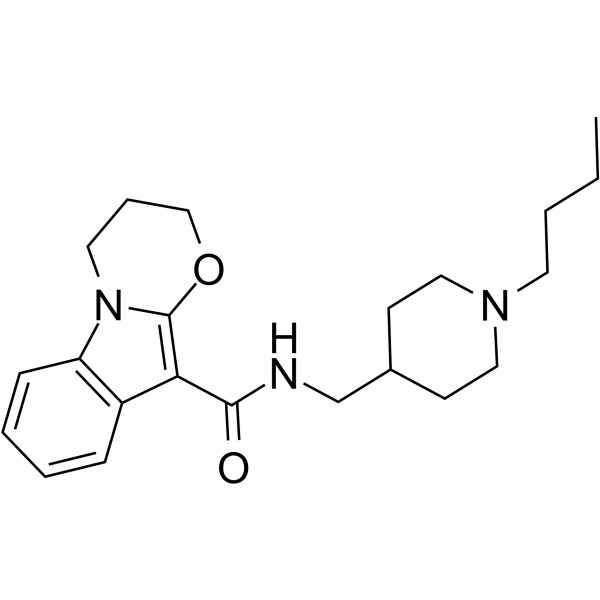
RCC-36 hydrochloride is an L-type calcium channel inhibitor and competitive muscarinic receptor antagonist. RCC-36 hydrochloride inhibits L-type calcium currents in voltage- and concentration-dependent fashion with no effect on cardiac K + currents. RCC-36 hydrochloride suppresses maximum acetylcholine-induced contractile responses, inhibits detrusor muscle contractions induced by potassium chloride, calcium chloride, and electric field stimulation, including atropine-resistant contractions. RCC-36 hydrochloride can be used for the research of urinary frequency, urinary incontinence, and bladder overactivity .
|
-
- HY-14290AR
-
|
P-1134 monohydrate (Standard)
|
Potassium Channel
Reference Standards
|
Cardiovascular Disease
|
|
Pinacidil (monohydrate) (Standard) is the analytical standard of Pinacidil (monohydrate). This product is intended for research and analytical applications. Pinacidil (P-1134) monohydrate is a potent activator of ATP-sensitive potassium channel. Pinacidil monohydrate is an antihypertensive agent hyperpolarizes vascular smooth muscle by opening K+ channels. Pinacidil monohydrate enhances K+-efflux in smooth muscle. Pinacidil monohydrate has vasorelaxant properties. Pinacidil monohydrate is able to inhibit spontaneous tone and of reducing agonist induced contractions. Pinacidil monohydrate can be studied in research area such as cardiovascular diseases .
|
-
- HY-183932
-
|
|
mAChR
|
Neurological Disease
Inflammation/Immunology
|
|
NPC-14695 is a competitive and selective M3 muscarinic receptor antagonist, with a Kd value of 15 nM for guinea pig M3, 60 nM for guinea pig M2, and 25 nM for rabbit M1. NPC-14695 exhibits higher activity towards M3 receptors in bronchial smooth muscle than towards those regulating salivary secretion. NPC-14695 inhibits Carbachol (HY-B1208)-induced contraction of isolated rabbit iris smooth muscle .
|
-
- HY-W776974
-
|
|
Myosin
|
Others
|
|
(R)-(+)-Blebbistatin O-Benzoate is a non-muscle myosin II selective inhibitor. (R)-(+)-Blebbistatin O-Benzoate is a derivative of Blebbistatin (HY-13813). (R)-(+)-Blebbistatin O-Benzoate blocks cell membrane bubbling and interferes with directed migration and cytokinesis in vertebrate cells. (R)-(+)-Blebbistatin O-Benzoate inhibits the contraction of mitotic grooves. (R)-(+)-Blebbistatin O-Benzoate can be used as a negative control for (S)-(-)-Blebblastatin .
|
-
- HY-N6609B
-
|
|
nAChR
|
Cardiovascular Disease
|
|
Magnocurarine chloride is a neuromuscular junction blocker that inhibits muscle contraction by functionally blocking signal transmission without directly damaging nerve or muscle tissues. In frog, mouse and rabbit models, Magnocurarine chloride exerts a dose-dependent paralytic effect, which progresses gradually from limb weakness and loss of righting reflex to respiratory depression and even cardiac arrest. Although high doses cause complete cessation of movement, Magnocurarine chloride does not affect the spinal multineuronal reflex in frogs. Magnocurarine chloride exhibits biological activity similar to that of tubocurarine (HY-125901) in various animal models .
|
-
- HY-N18431
-
|
ST-A TFA
|
Fungal
|
Infection
|
|
Stellettamide A TFA is a marine toxin found in a marine sponge. Stellettamide A TFA is a calmodulin inhibitor. Stellettamide A TFA can inhibit Ca 2+/Mg 2+ ATPase, phosphodiesterase, myosin light chain , and Mg 2+-ATPase. Stellettamide A TFA inhibits high K +- and Ca 2+-induced contraction in permeabilized smooth muscle. Stellettamide A TFA exhibits antifungal activity against Mortierella remannianus. Stellettamide A TFA can be used for the research of fungal infection .
|
-
- HY-181755
-
|
|
NO Synthase
|
Inflammation/Immunology
|
|
Phenylaminojuglone AJ-2 is a nitric oxide synthase inhibitor that interacts with soluble guanylate cyclase, β-adrenergic receptor, CaV1.2 calcium channel, KV channel and KCa channel. Phenylaminojuglone AJ-2 blocks extracellular Ca 2+ influx, regulates the activity of the NO?sGC?cGMP signaling pathway, and inhibits pharmacologic and electromechanical contractions of smooth muscle. Phenylaminojuglone AJ-2 is applicable to studies related to intestinal spasm .
|
-
- HY-U00134A
-
|
Bencyclane fumarate; Benzcyclan fumarate
|
5-HT Receptor
|
Cardiovascular Disease
Neurological Disease
|
|
Benzcyclane fumarate (Bencyclane fumarate; Benzcyclan fumarate) is a serotonin receptor antagonist and a cerebral/peripheral vasodilator. Benzcyclane fumarate exerts atypical serotonin antagonistic effects in rabbit superior mesenteric arteries. Benzcyclane fumarate relaxes high K +-induced contractions in rabbit basilar arteries and superior mesenteric arteries, and selectively inhibits sympathetic nerve stimulation-induced contractions in rabbit pulmonary arteries. Benzcyclane fumarate exerts non-competitive norepinephrine antagonistic effects in rabbit superior mesenteric arteries, and slightly reduces the maximum contractile response induced by histamine. Benzcyclane fumarate relaxes smooth muscles, induces transient hypotension, inhibits thrombosis, and accelerates blood fibrinolytic activity. Benzcyclane fumarate increases cerebral glucose content/uptake, enhances hypoxia tolerance in mice, and increases cerebral blood supply in dogs. Benzcyclane fumarate is applicable to studies related to cerebral vascular circulation .
|
-
- HY-170918
-
|
|
Potassium Channel
|
Others
|
|
BKCa activator-1 (Compound 51b) is the orally active activator for the calcium-activated potassium channel BKCa with an EC50 of 2.82 μM. BKCa activator-1 increases K+ efflux, leads to cell membrane hyperpolarization, thereby inhibiting smooth muscle contraction. BKCa activator-1 alleviates urinary incontinence in spontaneously hypertensive rat (SHR) model, exhibits antitussive effect in puinea pig cough model .
|
-
- HY-U00134R
-
|
Bencyclane (Standard); Benzcyclan (Standard)
|
Reference Standards
5-HT Receptor
|
Cardiovascular Disease
Neurological Disease
|
|
Benzcyclane (Standard) is the analytical standard of Benzcyclane (HY-U00134). This product is intended for research and analytical applications. Benzcyclane (Bencyclane; Benzcyclan) is a serotonin receptor antagonist and a cerebral/peripheral vasodilator. Benzcyclane exerts atypical serotonin antagonistic effects in rabbit superior mesenteric arteries. Benzcyclane relaxes high K +-induced contractions in rabbit basilar arteries and superior mesenteric arteries, and selectively inhibits sympathetic nerve stimulation-induced contractions in rabbit pulmonary arteries. Benzcyclane exerts non-competitive norepinephrine antagonistic effects in rabbit superior mesenteric arteries, and slightly reduces the maximum contractile response induced by histamine. Benzcyclane relaxes smooth muscles, induces transient hypotension, inhibits thrombosis, and accelerates blood fibrinolytic activity. Benzcyclane increases cerebral glucose content/uptake, enhances hypoxia tolerance in mice, and increases cerebral blood supply in dogs. Benzcyclane is applicable to studies related to cerebral vascular circulation .
|
-
- HY-W153159R
-
|
|
Reference Standards
Adrenergic Receptor
|
Inflammation/Immunology
|
|
N-Methyltyramine (hydrochloride) (Standard) is the analytical standard of N-Methyltyramine (hydrochloride) (HY-W153159). This product is intended for research and analytical applications. N-Methyltyramine hydrochloride is an orally active α2-adrenoreceptor antagonist with an IC50 value of 5.53 μM against rat targets. N-Methyltyramine hydrochloride blocks α2-adrenoreceptors, while inhibiting lipolysis, hyperactivity responses and small intestinal peristalsis in mice. N-Methyltyramine hydrochloride promotes gastrin release and pancreatic juice secretion, upregulates appetite, blood pressure, myocardial contraction frequency and contraction intensity, and increases renal blood flow, renal vascular resistance and mean peripheral arterial resistance. N-Methyltyramine hydrochloride relaxes mouse small intestinal smooth muscle and undergoes biotransformation in vivo to produce adrenaline. N-Methyltyramine hydrochloride can be used in studies related to gastrointestinal diseases .
|
-
- HY-90010S
-
|
Kabi-2234-d14; PNU-200583E-d14
|
Isotope-Labeled Compounds
mAChR
Cytochrome P450
|
Neurological Disease
Cancer
|
|
Tolterodine tartrate-d14 (Kabi-2234-d14) is deuterium labeled Tolterodine tartrate. Tolterodine ((R)-(+)-Tolterodine) is a mAChR inhibitor and substrate for cytochrome P450 enzymes. Tolterodine competitively binds acetylcholine, reduces sympathetic excitation, and inhibits involuntary bladder muscle contraction. Tolterodine restores the Nrf2/NF-κB signaling pathway, mediates protection against inflammatory response and ferroptosis. Tolterodine ameliorates LPS (HY-D1056)-induced reactive oxygen species production and lipid oxidation. Tolterodine can be used for the research of urinary tract infections and overactive bladder.
|
-
- HY-115314
-
|
LG 30435
|
Histamine Receptor
|
Inflammation/Immunology
|
|
Mequitamium iodide (LG 30435) is an antihistamine drug with antiallergic and bronchodilatory activity. Mequitamium iodide can effectively antagonize airway contraction and inflammatory responses induced by histamine and antigens. Mequitamium iodide has nanomolar affinity for the H1 and smooth muscle receptors of histamine and mequitin. Mequitamium iodide, when administered in aerosol form, significantly inhibits histamine- and antigen-induced increases in airway pressure in allergic mice. Mequitamium iodide reduces antigen-induced eosinophil accumulation in the airways. Mequitamium iodide also exhibits inhibitory effects on PAF-induced platelet aggregation and bronchoconstriction, and can be used in the study of allergic diseases such as rhinitis and asthma .
|
-
- HY-101396R
-
|
|
Potassium Channel
Reference Standards
|
Neurological Disease
|
|
ICA-069673 (Standard) is the analytical standard of ICA-069673 (HY-101396). This product is intended for research and analytical applications. ICA-069673 is a KCNQ2/Q3 potassium channel activator. ICA-069673 demonstrates greater selectivity for KV7.2/7.3 over KV7.3/KV7.5, with EC50s of 0.69 μM and 14.3 μM, respectively. ICA-069673 inhibits spontaneous phasic and nerve-evoked contractions in guinea pig detrusor smooth muscle (DSM). ICA-069673 also decreases the global intracellular Ca(2+) concentration in DSM cells .
|
-
- HY-135446
-
|
|
Endothelin Receptor
|
Cardiovascular Disease
Endocrinology
|
|
BQ-610 is a selective antagonist of the endothelin A receptor (ETA receptor). BQ-610 specifically blocks the ETA receptor, competitively inhibiting the binding of endothelin-1 (ET-1) (a vasoconstrictive peptide) to the receptor, thereby blocking the effects of ET-1 such as vascular smooth muscle contraction, cell mitosis, and inhibition of hormone secretion. BQ-610 significantly alleviates cerebral vasospasm in rabbits. BQ-610 blocks the bronchial epithelial and pulmonary vascular cell proliferation caused by cigarette smoke in rat models. BQ-610 can delay the natural luteal regression in the cow's uterus. BQ-610 can be used for research on vasospasm, abnormal cell proliferation, and reproductive endocrine disorders .
|
-
- HY-W100287R
-
|
|
NF-κB
Reference Standards
p38 MAPK
Interleukin Related
IKK
JNK
β-catenin
Wnt
|
Neurological Disease
Inflammation/Immunology
Cancer
|
|
Murrayafoline A (Standard) is the analytical standard of Murrayafoline A (HY-W100287). This product is intended for research and analytical applications. Murrayafoline A is a carbazole alkaloid that can be extracted from Murraya tetramera. Murrayafoline A directly targets Specificity protein 1 (Sp1), thereby inhibiting NF-κB and MAPK signaling pathways. Murrayafoline a induces a G0/G1-phase arrest in platelet-derived growth factor (PDGF)-stimulated vascular smooth muscle cells. Murrayafoline A attenuates the Wnt/β-catenin pathway by promoting the degradation of intracellular β-catenin proteins. Murrayafoline A enhances the contraction of rat ventricular myocytes and L-type calcium current by activating protein kinase C. Murrayafoline A inhibits LPS (HY-D1056)-induced neuroinflammation in vivo. Murrayafoline A can be used for the study of inflammation, vascular complications and colon cancer .
|
-
- HY-150270
-
|
|
Prostaglandin Receptor
P2X Receptor
NOD-like Receptor (NLR)
Caspase
Interleukin Related
|
Neurological Disease
Inflammation/Immunology
|
|
NP-1815-PX is an orally active dual inhibitor of P2X4 and prostaglandin TP receptors, with an IC50 of 0.26 μM against human P2X4 receptors. NP-1815-PX specifically inhibits ATP-mediated prostaglandin production, TP receptor-induced calcium elevation, and the canonical/non-canonical NLRP3 inflammasome signaling pathway. NP-1815-PX selectively blocks smooth muscle contractions induced by ATP, U46619 (HY-108566) and prostaglandin F2α. NP-1815-PX not only produces anti-allodynic effects in vivo, but also significantly alleviates symptoms of DNBS (HY-W324435)-induced colitis (such as weight loss and tissue damage). NP-1815-PX exerts anti-inflammatory effects by downregulating IL-1β levels and Caspase-1 activity. NP-1815-PX is used in studies related to asthma and inflammatory bowel disease (colitis) .
|
-
| Cat. No. |
Product Name |
Type |
-
- HY-135447
-
|
|
Biochemical Assay Reagents
|
|
BM-531 is a dual-acting agent for thromboxane receptor (TXA2) antagonism and thromboxane synthase inhibition. BM-531 exerts anti-aggregatory effects on human citrated platelet-rich plasma (PRP), inhibiting Arachidonic acid (HY-109590A)-induced aggregation with an ED100 of 0.125 μM and U-46619 (HY-108566)-induced aggregation with an ED50 of 0.482 μM. BM-531 inhibits high-K +-induced contraction of porcine uterine smooth muscle .
|
| Cat. No. |
Product Name |
Target |
Research Area |
-
- HY-P0102
-
|
|
nAChR
|
Neurological Disease
Metabolic Disease
|
|
Dipeptide diaminobutyroyl benzylamide diacetate, a Wagerlin-1-mimicking peptide, is a nAChR antagonist. Dipeptide diaminobutyroyl benzylamide diacetate mimics Waglerin-1 to block neuromuscular junction nicotinic acetylcholine receptors, partially inhibits neuronal signal transduction, and relaxes muscles. Dipeptide diaminobutyroyl benzylamide diacetate reduces appearance of facial wrinkles linked to repeated muscle movement.Dipeptide diaminobutyroyl benzylamide diacetate can be used for the research of mild-to-moderate fine and coarse periocular and perioral wrinkles and periorbital ageing .
|
-
- HY-P1805
-
|
|
Calmodulin
|
Neurological Disease
|
|
Calmodulin Binding Peptide 1 is a high-affinity (pM) CaM-binding peptide derived from smooth muscle myosin light chain kinase (MLCK peptide). The interface of the complex formed by Calmodulin Binding Peptide 1 and Ca 2+-CaM can be specifically bound by small-molecule inhibitors, serving as a key target for selective regulation of smooth muscle contraction and development of anti-CaM drugs .
|
-
- HY-P4160
-
|
THG113.31; ILGHXDYK
|
Prostaglandin Receptor
|
Endocrinology
|
|
PDC31 (THG113.31; ILGHXDYK) is an allosteric and non-competitive inhibitor of FP Prostaglandin Receptor. PDC31 is the D-amino acid-based oligopeptide, is used for smooth muscle contractile agent. PDC31 decreases the strength and duration of uterine contractions in vivo, which can be used for research of preterm labor and primary dysmenorrhea (PD). PDC31 also enhances Ca 2+-dependent large-conductance K +-channel in human myometrial cells .
|
-
- HY-P5155
-
|
|
Potassium Channel
|
Neurological Disease
|
|
Stromatoxin 1 is an inhibitor of Potassium Channel, a peptide which can be isolated from tarantulas. Stromatoxin 1 selectively inhibits K(V)2.1, K(V)2.2, K(V)4.2, and K(V)2.1/9.3 channels. K(V)2.1 and K(V)2.2, but not K(V)4.2, channel subunits play a key role in opposing both myogenic and neurogenic urinary bladder smooth muscle (UBSM) contractions in rats .
|
-
- HY-P2084
-
|
|
Peptides
|
Neurological Disease
|
|
WWamide-1 is a neuropeptide, which can be isolated form Achatina fulica. WWamide-1 inhibits central neurons of snails, regulates the snail muscle contraction. WWamide-1 inhibits the contraction of anterior byssus retractor muscle (ABRM), enhances the contraction of the radular traction muscle, through effects on presynaptic and postsynaptic membrane of the muscle .
|
-
- HY-P10346
-
|
Smooth-muscle Myosin Light-Chain Kinase (796-815)
|
Myosin
|
Cardiovascular Disease
Inflammation/Immunology
|
|
smMLCK peptide is a specific inhibitor of smooth muscle myosin light chain kinase (smMLCK). The smMLCK peptide mimics the substrate and competitively inhibits the binding of the actual substrate to the enzyme, thereby inhibiting the kinase activity. This inhibition prevents the phosphorylation of the myosin light chain, thus inhibiting muscle contraction .
|
-
- HY-P2083
-
|
|
Peptides
|
Neurological Disease
|
|
WWamide-2 is a neuropeptide, which can be isolated form Achatina fulica. WWamide-2 inhibits the rhythmic contraction of anterior byssus retractor muscle (ABRM) .
|
-
- HY-P2085
-
|
|
Peptides
|
Neurological Disease
|
|
WWamide-3 is a neuropeptide, which can be isolated form Achatina fulica. WWamide-3 inhibits the rhythmic contraction of anterior byssus retractor muscle (ABRM) .
|
-
- HY-P10006
-
|
|
Opioid Receptor
|
Neurological Disease
|
|
Leumorphin, human is a potent kappa opioid receptor (κ opioid receptor) agonist. Leumorphin, human inhibits the contraction of the myenteric plexus-longitudinal muscle preparation of the guinea pig ileum .
|
-
- HY-P2087
-
|
|
Insecticide
Parasite
Bacterial
|
Infection
|
|
Bassianolide is a cyclooligomer depsipeptide secondary metabolite. Bassianolide is an insecticidal virulence factor of Beauveria bassiana. Bassianolide inhibits acetylcholine-induced smooth muscle contraction, and shows moderate antiplasmodial and anti-mycobacterial activities .
|
-
- HY-P2152A
-
|
|
Peptides
|
Neurological Disease
|
|
Antho-RPamide II hydrochloride is a bioactive neuropeptide. Antho-RPamide II hydrochloride can be isolated for the sea anemone Anthopleura elegantissima. Antho-RPamide II hydrochloride inhibits the spontaneous, rhythmic contractions in tentacle longitudinal muscle fibers of sea anemones .
|
| Cat. No. |
Product Name |
Category |
Target |
Chemical Structure |
-
- HY-114367
-
-
-
- HY-W100287
-
|
|
Alkaloids
Murraya tetramera C. C. Huang
Rutaceae
Carbazole Alkaloids
Plants
Source Classification
|
NF-κB
p38 MAPK
Interleukin Related
IKK
JNK
β-catenin
Wnt
|
|
Murrayafoline A is a carbazole alkaloid that can be extracted from Murraya tetramera. Murrayafoline A directly targets Specificity protein 1 (Sp1), thereby inhibiting NF-κB and MAPK signaling pathways. Murrayafoline a induces a G0/G1-phase arrest in platelet-derived growth factor (PDGF)-stimulated vascular smooth muscle cells. Murrayafoline A attenuates the Wnt/β-catenin pathway by promoting the degradation of intracellular β-catenin proteins. Murrayafoline A enhances the contraction of rat ventricular myocytes and L-type calcium current by activating protein kinase C. Murrayafoline A inhibits LPS (HY-D1056)-induced neuroinflammation in vivo. Murrayafoline A can be used for the study of inflammation, vascular complications and colon cancer .
|
-
-
- HY-N2754
-
-
-
- HY-W153159
-
|
|
Structural Classification
Alkaloids
Monophenols
Other Alkaloids
Gramineae
Phenols
Plants
Hordeum distichon L.
Source Classification
|
Adrenergic Receptor
|
|
N-Methyltyramine hydrochloride is an orally active α2-adrenoreceptor antagonist with an IC50 value of 5.53 μM against rat targets. N-Methyltyramine hydrochloride blocks α2-adrenoreceptors, while inhibiting lipolysis, hyperactivity responses and small intestinal peristalsis in mice. N-Methyltyramine hydrochloride promotes gastrin release and pancreatic juice secretion, upregulates appetite, blood pressure, myocardial contraction frequency and contraction intensity, and increases renal blood flow, renal vascular resistance and mean peripheral arterial resistance. N-Methyltyramine hydrochloride relaxes mouse small intestinal smooth muscle and undergoes biotransformation in vivo to produce adrenaline. N-Methyltyramine hydrochloride can be used in studies related to gastrointestinal diseases .
|
-
-
- HY-N6609
-
-
-
- HY-W153897
-
-
-
- HY-P2087
-
-
-
- HY-W153897R
-
-
-
- HY-N13111
-
-
-
- HY-N6609B
-
|
|
Structural Classification
Alkaloids
Tiliacora racemosa Colebr.
Plants
Isoquinoline Alkaloids
Menispermaceae
Source Classification
|
nAChR
|
|
Magnocurarine chloride is a neuromuscular junction blocker that inhibits muscle contraction by functionally blocking signal transmission without directly damaging nerve or muscle tissues. In frog, mouse and rabbit models, Magnocurarine chloride exerts a dose-dependent paralytic effect, which progresses gradually from limb weakness and loss of righting reflex to respiratory depression and even cardiac arrest. Although high doses cause complete cessation of movement, Magnocurarine chloride does not affect the spinal multineuronal reflex in frogs. Magnocurarine chloride exhibits biological activity similar to that of tubocurarine (HY-125901) in various animal models .
|
-
-
- HY-N18431
-
-
-
- HY-W153159R
-
|
|
Structural Classification
Alkaloids
Monophenols
Other Alkaloids
Gramineae
Phenols
Plants
Hordeum distichon L.
Source Classification
|
Reference Standards
Adrenergic Receptor
|
|
N-Methyltyramine (hydrochloride) (Standard) is the analytical standard of N-Methyltyramine (hydrochloride) (HY-W153159). This product is intended for research and analytical applications. N-Methyltyramine hydrochloride is an orally active α2-adrenoreceptor antagonist with an IC50 value of 5.53 μM against rat targets. N-Methyltyramine hydrochloride blocks α2-adrenoreceptors, while inhibiting lipolysis, hyperactivity responses and small intestinal peristalsis in mice. N-Methyltyramine hydrochloride promotes gastrin release and pancreatic juice secretion, upregulates appetite, blood pressure, myocardial contraction frequency and contraction intensity, and increases renal blood flow, renal vascular resistance and mean peripheral arterial resistance. N-Methyltyramine hydrochloride relaxes mouse small intestinal smooth muscle and undergoes biotransformation in vivo to produce adrenaline. N-Methyltyramine hydrochloride can be used in studies related to gastrointestinal diseases .
|
-
-
- HY-W100287R
-
|
|
Structural Classification
Alkaloids
Murraya tetramera C. C. Huang
Rutaceae
Carbazole Alkaloids
Plants
Source Classification
|
NF-κB
Reference Standards
p38 MAPK
Interleukin Related
IKK
JNK
β-catenin
Wnt
|
|
Murrayafoline A (Standard) is the analytical standard of Murrayafoline A (HY-W100287). This product is intended for research and analytical applications. Murrayafoline A is a carbazole alkaloid that can be extracted from Murraya tetramera. Murrayafoline A directly targets Specificity protein 1 (Sp1), thereby inhibiting NF-κB and MAPK signaling pathways. Murrayafoline a induces a G0/G1-phase arrest in platelet-derived growth factor (PDGF)-stimulated vascular smooth muscle cells. Murrayafoline A attenuates the Wnt/β-catenin pathway by promoting the degradation of intracellular β-catenin proteins. Murrayafoline A enhances the contraction of rat ventricular myocytes and L-type calcium current by activating protein kinase C. Murrayafoline A inhibits LPS (HY-D1056)-induced neuroinflammation in vivo. Murrayafoline A can be used for the study of inflammation, vascular complications and colon cancer .
|
-
| Cat. No. |
Product Name |
Chemical Structure |
-
- HY-B0380S1
-
|
|
|
Trimebutine-d5 fumarate is deuterium labeled Trimebutine fumarate. Trimebutine fumarate is a multi-target inhibitor and opioid receptor agonist with antimuscarinic activity. Trimebutine fumarate inhibits L-type Ca 2+ channels and large-conductance calcium-activated potassium channels (BKCa channels), thereby inhibiting extracellular calcium influx and potassium ion efflux. Trimebutine fumarate also targets Toll-like receptors, inhibits Toll-like receptor 2/4/7/8/9 signals, and inhibits LPS-induced IRAK1 activation, as well as ERK1/2, JNK and NF-κB activation, thereby exerting anti-inflammatory effects. Trimebutine fumarate also induces tumor cell apoptosis by inhibiting the AKT/ERK pathway. Trimebutine fumarate also inhibits excessive contraction of smooth muscle and can be used in the study of gastrointestinal disorders such as irritable bowel syndrome (IBS) .
|
-
-
- HY-118335S
-
|
|
|
Prazobind-d8 (SZL 49-d8) is the deuterium labeled Prazobind (HY-118335). Prazobind, a prazosin analog, is an irreversible α1-adrenoceptor antagonist. Prazobind competes for alpha 1-adrenoceptor binding sites with a similar potency (IC50 of 1 nM) in tissues enriched in both the alpha 1A (hippocampus) and alpha 1B (liver) subtypes. Prazobind partially inhibits the contractions of circular muscles, longitudinal muscles and smooth muscles of the spleen. Prazobind can be used for the study of blood pressure.
|
-
-
- HY-A0024S
-
|
|
|
Tolterodine-d14 (hydrochloride) is the deuterium labeled Tolterodine hydrochloride . Tolterodine ((R)-(+)-Tolterodine) is a mAChR inhibitor and substrate for cytochrome P450 enzymes. Tolterodine competitively binds acetylcholine, reduces sympathetic excitation, and inhibits involuntary bladder muscle contraction. Tolterodine restores the Nrf2/NF-κB signaling pathway, mediates protection against inflammatory response and ferroptosis. Tolterodine ameliorates LPS (HY-D1056)-induced reactive oxygen species production and lipid oxidation. Tolterodine can be used for the research of urinary tract infections and overactive bladder.
|
-
-
- HY-B0549S
-
|
|
|
Flavoxate-d5 is deuterium labeled Flavoxate. Flavoxate hydrochloride (Rec-7-0040; DW61) is an orally active L-type Ca 2+ channel inhibitor and antispasmodic. Flavoxate hydrochloride inhibits cyclic adenosine monophosphate production by blocking voltage-dependent inward Ba 2+ currents, regulating the brainstem micturition center, and stimulating G protein-coupled receptors. Consequently, Flavoxate hydrochloride induces relaxation of bladder smooth muscle and inhibits isovolumetric rhythmic contractions. Flavoxate hydrochloride effectively increases bladder capacity and alleviates symptoms of urgent urination frequency and pollakiuria caused by overactive bladder. Flavoxate hydrochloride can be used in research on overactive bladder and related voiding dysfunctions .
|
-
-
- HY-B0549AS
-
|
|
|
Flavoxate-d4 hydrochloride (Rec-7-0040-d4) is the deuterium labeled Flavoxate hydrochloride. Flavoxate hydrochloride (Rec-7-0040; DW61) is an orally active L-type Ca 2+ channel inhibitor and antispasmodic. Flavoxate hydrochloride inhibits cyclic adenosine monophosphate production by blocking voltage-dependent inward Ba 2+ currents, regulating the brainstem micturition center, and stimulating G protein-coupled receptors. Consequently, Flavoxate hydrochloride induces relaxation of bladder smooth muscle and inhibits isovolumetric rhythmic contractions. Flavoxate hydrochloride effectively increases bladder capacity and alleviates symptoms of urgent urination frequency and pollakiuria caused by overactive bladder. Flavoxate hydrochloride can be used in research on overactive bladder and related voiding dysfunctions .
|
-
-
- HY-B0380S2
-
|
|
|
Trimebutine-d3 hydrochloride is deuterium labeled Trimebutine hydrochloride. Trimebutine hydrochloride is a multi-target inhibitor and opioid receptor agonist with antimuscarinic activity. Trimebutine hydrochloride inhibits L-type Ca 2+ channels and large-conductance calcium-activated potassium channels (BKCa channels), thereby inhibiting extracellular calcium influx and potassium ion efflux. Trimebutine hydrochloride also targets Toll-like receptors, inhibits Toll-like receptor 2/4/7/8/9 signals, and inhibits LPS-induced IRAK1 activation, as well as ERK1/2, JNK and NF-κB activation, thereby exerting anti-inflammatory effects. Trimebutine hydrochloride also induces tumor cell apoptosis by inhibiting the AKT/ERK pathway. Trimebutine hydrochloride also inhibits excessive contraction of smooth muscle and can be used in the study of gastrointestinal disorders such as irritable bowel syndrome (IBS) .
|
-
-
- HY-90010S
-
|
|
|
Tolterodine tartrate-d14 (Kabi-2234-d14) is deuterium labeled Tolterodine tartrate. Tolterodine ((R)-(+)-Tolterodine) is a mAChR inhibitor and substrate for cytochrome P450 enzymes. Tolterodine competitively binds acetylcholine, reduces sympathetic excitation, and inhibits involuntary bladder muscle contraction. Tolterodine restores the Nrf2/NF-κB signaling pathway, mediates protection against inflammatory response and ferroptosis. Tolterodine ameliorates LPS (HY-D1056)-induced reactive oxygen species production and lipid oxidation. Tolterodine can be used for the research of urinary tract infections and overactive bladder.
|
-
Your information is safe with us. * Required Fields.
Inquiry Information
- Product Name:
- Cat. No.:
- Quantity:
- MCE Japan Authorized Agent:

