







53 Results for "

muscle enzymes

" in MedChemExpress (MCE) Product Catalog:
Products (53)

53 Results for "muscle enzymes" in MCE Product Catalog:

12
12 Publications Verification
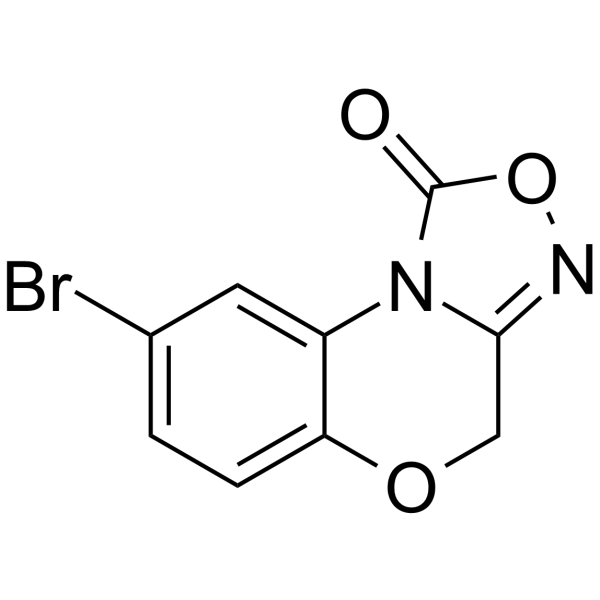
Cat. No.: HY-15259
CAS No.: 591778-68-6
Purity:  99.72%
Research Areas:  

Metabolic Disease

CP-640186 is an orally active and cell-permeable Acetyl-CoA carboxylase (ACC) inhibitor with IC50s of 53 nM and 61 nM for rat liver ACC1 and rat skeletal muscle ACC2 respectively. Acetyl-CoA carboxylase (ACC) is a key enzyme of fatty acid metabolism that enables the synthesis of malonyl-CoA. CP-640186 can also stimulate muscle fatty acid oxidation .
loading...
    loading...
12
12 Publications Verification
Cat. No.: HY-15259A
CAS No.: 591778-70-0
Purity:  99.90%
Research Areas:  

Metabolic Disease

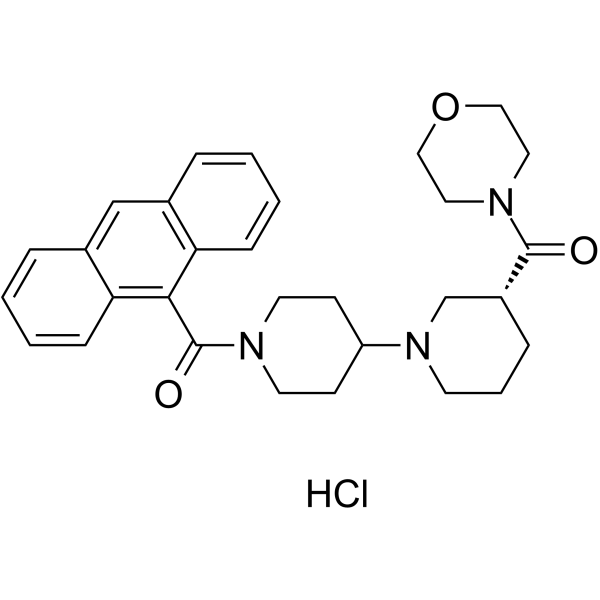
CP-640186 hydrochloride is an orally active and cell-permeable Acetyl-CoA carboxylase (ACC) inhibitor with IC50s of 53 nM and 61 nM for rat liver ACC1 and rat skeletal muscle ACC2 respectively. Acetyl-CoA carboxylase (ACC) is a key enzyme of fatty acid metabolism that enables the synthesis of malonyl-CoA. CP-640186 hydrochloride can also stimulate muscle fatty acid oxidation .
loading...
    loading...
3
3 Cited Publications
Cat. No.: HY-N2464
CAS No.: 34612-38-9
Synonyms: Amylotetraose; Fujioligo 450; α-1,4-Tetraglucose
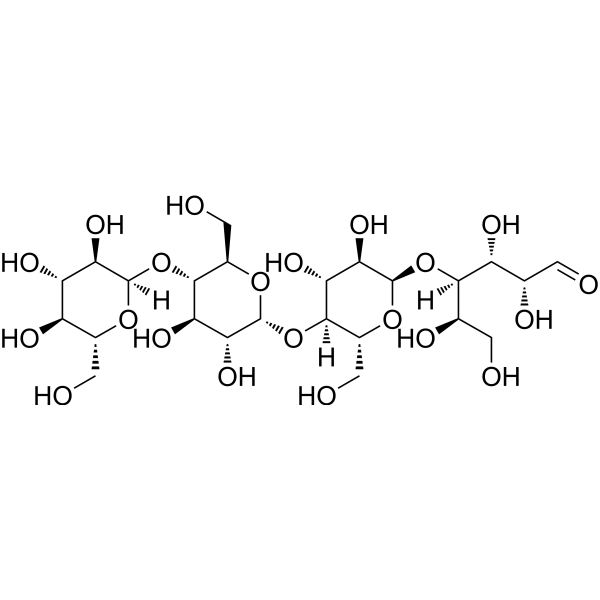
Maltotetraose can serve as a substrate for enzyme-linked assays to measure amylase activity in biological fluids. Maltotetraose has oral active, and reduces TNF-α-induced inflammatory responses by inhibiting NF-κB activity and decreasing ICAM-1 expression. Maltotetraose also inhibits PDGF-induced vascular smooth muscle cell migration and neovascularization. Additionally, Maltotetraose derivatives can function as probes for detecting bacterial infections by targeting the maltodextrin transporter. With good long-term safety, Maltotetraose holds promise for research in atherosclerosis-related diseases .
loading...
    loading...
3
3 Cited Publications
Cat. No.: HY-N1993
CAS No.: 82517-12-2
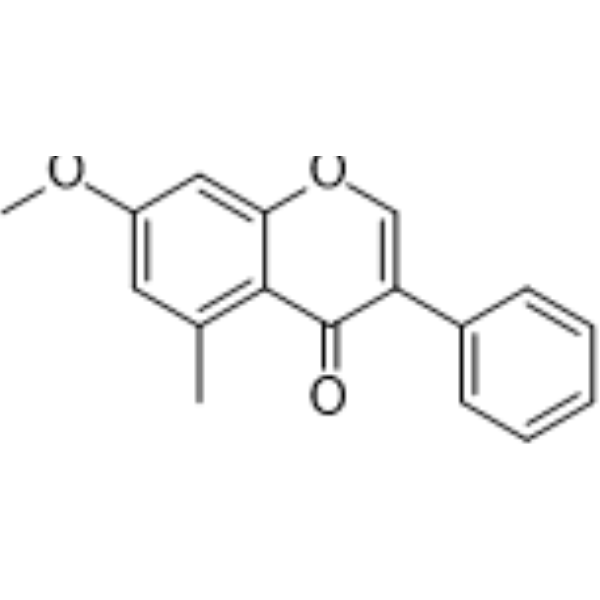
5-Methyl-7-methoxyisoflavone is an orally active anti-oxidant with remyelinating activity. 5-Methyl-7-methoxyisoflavone inhibits the enzyme aromatase, interfering with the normal metabolic pathways of testosterone. 5-Methyl-7-methoxyisoflavone is a non-steroidal anabolic isoflavone, used as a anabolic agent. 5-Methyl-7-methoxyisoflavone shows better potency increasing muscle mass and endurance than Ipriflavone (HY-N0094). 5-Methyl-7-methoxyisoflavone can be used for fat loss besides the maintenance of low cholesterol level and strengthen bones. 5-Methyl-7-methoxyisoflavone is the inhibitor for NF-κB .
loading...
    loading...
1
1 Cited Publications
Cat. No.: HY-E70005H
CAS No.: 9001-12-1
Target:  

Proteasome

Research Areas:  

Cardiovascular Disease

Collagenase, Type VIII is a mixed enzyme derived from Clostridium histolyticum that contains collagenase, a nonspecific protease, and a clostripain. Collagenase, Type VIII can hydrolyze Type VIII collagen and may be used to study the formation of atherosclerosis. Type VIII collagen is a regulator of endothelial cell differentiation and angiogenesis, a substrate for cell adhesion and migration such as smooth muscle cells, and may accumulate in atherosclerosis. After endotoxin activates the expression of Collagenase, Type VIII, it can reduce the production of Type VIII collagen and has the potential to inhibit atherosclerosis .
loading...
    loading...
1
1 Cited Publications
Cat. No.: HY-P2799
CAS No.: 9001-15-4
Synonyms: CPK
Target:  

Endogenous Metabolite

Research Areas:  

Metabolic Disease Cancer

Creatine phosphokinase, Rabbit muscle (CPK) catalyzes the reversible reaction of creatine and ATP to form phosphocreatine and ADP. Creatine phosphokinase is a key enzyme for maintaining a constant ATP/ADP ratio during rapid energy turnover .
loading...
    loading...
1
1 Cited Publications
Cat. No.: HY-122273
CAS No.: 534-64-5
Purity:  96.61%
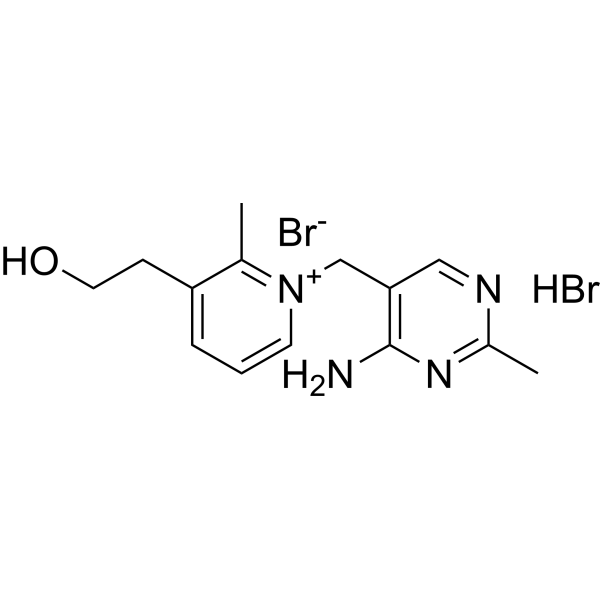
Pyrithiamine (hydrobromide) is an inhibitor of thiamine kinase and thiamine pyrophosphate kinase. Pyrithiamine (hydrobromide) competitively inhibits thiamine transport and reduces intracellular levels of thiamine and its phosphates. Pyrithiamine (hydrobromide) is used to study thiamine deficiency with polyneuritic symptoms and Wernicke's encephalopathy .
loading...
    loading...
1
1 Cited Publications
Cat. No.: HY-12379
CAS No.: 204326-43-2
Purity:  99.58%
Target:  

Guanylate Cyclase

Research Areas:  

Inflammation/Immunology

NS-2028 is a highly selective soluble Guanylyl Cyclase (sGC) inhibitor with IC50 values of 30 nM and 200 nM for basal and NO-stimulated enzyme activity . NS-2028 inhibits soluble Guanylyl Cyclase activity in homogenates of mouse cerebellum and neuronal NO synthase with IC50 values of 17 nM and 20 nM . NS-2028 inhibits 3-morpholino-sydnonimine (SIN-1)-elicited formation of cyclic GMP in human cultured umbilical vein endothelial cells with an IC50 of 30 nM . NS-2028 is commonly used in the research of nitric oxide signaling pathways, it inhibits NO-dependent relaxant responses in non-vascular smooth muscle completely (1 μM) . NS-2028 reduces vascular endothelial growth factor-induced angiogenesis and permeability .
loading...
    loading...
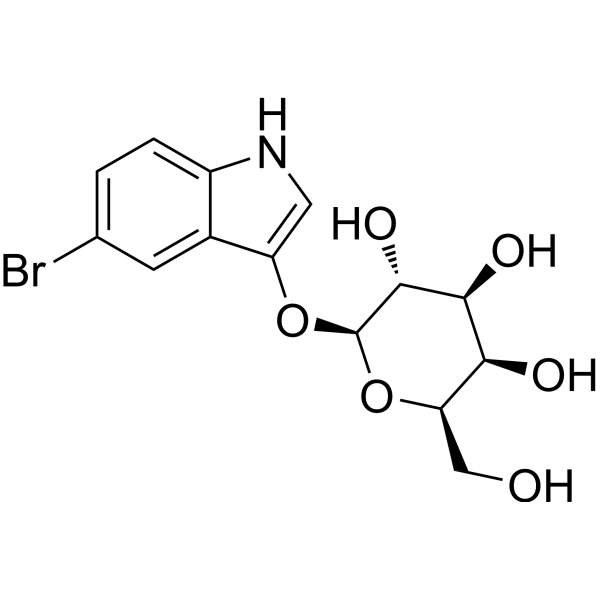
Cat. No.: HY-137276
CAS No.: 97753-82-7
Purity:  99.73%
Synonyms: Bluo-Gal
Research Areas:  

Others

5-Bromo-3-indolyl β-D-galactopyranoside (Bluo-Gal) is a chromogenic substrate for β-galactosidase. 5-Bromo-3-indolyl β-D-galactopyranoside is hydrolyzed by the enzyme to generate a 5-bromoindole intermediate, which is further oxidized to form an insoluble blue precipitate. 5-Bromo-3-indolyl β-D-galactopyranoside can specifically recognize bacterial β-galactosidases (such as the product of the Escherichia coli lacZ gene) and reacts at pH 7.4, making it suitable for light and electron microscopic observations. 5-Bromo-3-indolyl β-D-galactopyranoside can be used in histochemical detection of reporter gene expression in transgenic organisms, such as the localization analysis of β-galactosidase activity in mouse embryos or muscle tissues .
loading...
    loading...
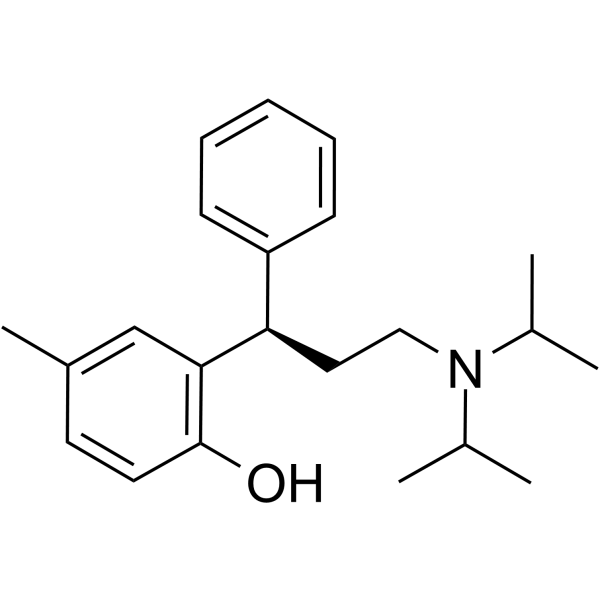
Cat. No.: HY-A0024
CAS No.: 124937-51-5
Synonyms: (R)-(+)-Tolterodine; (+)-Tolterodine; (R)-Tolterodine; PNU-200583
Target:  

mAChR Cytochrome P450

Research Areas:  

Neurological Disease Cancer

Tolterodine ((R)-(+)-Tolterodine) is a mAChR inhibitor and substrate for cytochrome P450 enzymes. Tolterodine competitively binds acetylcholine, reduces sympathetic excitation, and inhibits involuntary bladder muscle contraction. Tolterodine restores the Nrf2/NF-κB signaling pathway, mediates protection against inflammatory response and ferroptosis. Tolterodine ameliorates LPS (HY-D1056)-induced reactive oxygen species production and lipid oxidation. Tolterodine can be used for the research of urinary tract infections and overactive bladder .
loading...
    loading...
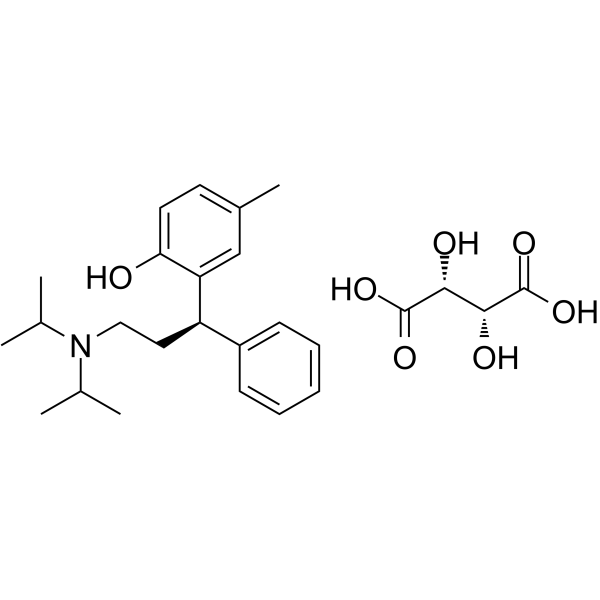
Cat. No.: HY-90010
CAS No.: 124937-52-6
Synonyms: Kabi-2234; PNU-200583E
Target:  

mAChR Cytochrome P450

Research Areas:  

Neurological Disease Cancer

Tolterodine tartrate (Kabi-2234) is a mAChR inhibitor and substrate for cytochrome P450 enzymes. Tolterodine tartrate competitively binds acetylcholine, reduces sympathetic excitation, and inhibits involuntary bladder muscle contraction. Tolterodine tartrate restores the Nrf2/NF-κB signaling pathway, mediates protection against inflammatory response and ferroptosis. Tolterodine tartrate ameliorates LPS (HY-D1056)-induced reactive oxygen species production and lipid oxidation. Tolterodine tartrate can be used for the research of urinary tract infections and overactive bladder .
loading...
    loading...
Cat. No.: HY-P2952
CAS No.: 9013-02-9
Synonyms: Myokinase; Adk
Research Areas:  

Others

Recombinant myokinase, Rabbit muscle (Myokinase), is a phosphotransferase enzyme, is often used in biochemical studies. Recombinant myokinase, Rabbit muscle catalyzes the interconversion of adenosine phosphates. Recombinant myokinase, Rabbit muscle monitors phosphate nucleotide levels inside the cell, it plays an important role in cellular energy homeostasis .
loading...
    loading...
Cat. No.: HY-P2726
CAS No.: 9024-52-6
Synonyms: Fructose-diphosphate aldolase
Aldolase, Rabbit muscle (Fructose-diphosphate aldolase) is a glycolytic enzyme and glucose availability sensor. Aldolase, Rabbit muscle catalyzes the reversible carbon-carbon cleavage of fructose-1,6-bisphosphate to produce dihydroxyacetone phosphate and glyceraldehyde 3-phosphate. Aldolase, Rabbit muscle is an essential component for v-ATPase activity. Aldolase, Rabbit muscle participates in processes such as gluconeogenesis, the Calvin cycle and glycolysis .
loading...
    loading...
Cat. No.: HY-P2752
CAS No.: 9004-02-8
Synonyms: LPL
Target:  

Endogenous Metabolite

Research Areas:  

Metabolic Disease Cancer

Lipoprotein lipase, Pseudomonas sp (LPL) is a multifunctional enzyme from adipose tissue, heart and skeletal muscle, islets and macrophages. Lipoprotein lipase promotes normal lipoprotein metabolism, delivery and utilization of tissue-specific substrates. Lipoprotein lipase catalyzes the rate-limiting step of lipids in blood circulation .
loading...
    loading...
Cat. No.: HY-P2914
CAS No.: 9029-90-7
Carnitine acetyltransferase is a mitochondrial matrix enzyme that catalyzes the interconversion of Acetyl-CoA and Acetylcarnitine (HY-126358). Carnitine acetyltransferase functions as a positive regulator of total body glucose tolerance and muscle activity of pyruvate dehydrogenase. Carnitine acetyltransferase is responsible for mitochondrial acetyl-CoA balance and regulation of fatty acid oxidation by utilizing short- and medium- chain fatty acids and their corresponding acylcarnitines as substrates. Carnitine acetyltransferase plays a crucial role in regulating glucose homeostasis. Carnitine acetyltransferase can be utilized in the research of aging, obesity, and diabetes .
loading...
    loading...
Cat. No.: HY-130687A
CAS No.: 23140-52-5
Synonyms: DL-Psicose
Psicose (DL-Psicose) is an orally effective sugar substitute. Psicose activates the PI3K/Akt/mTOR pathway to promote muscle synthesis. Psicose upregulates IGF-1 and downregulates Myostatin. Psicose normalizes mitochondrial dysfunction by increasing G6P activity. Psicose enhances the activity of antioxidant enzymes and reduces oxidative stress markers. Psicose increases muscle mass, grip strength and muscle weight in aged mice and diet-induced obese mice. Psicose improves obesity and type 2 diabetes. Psicose can be used in the research of age-related sarcopenia .
loading...
    loading...
Cat. No.: HY-142117
CAS No.: 149091-92-9
Research Areas:  

Others

Adenophostin A is an IP3 receptor (inositol 1,4,5-trisphosphate receptors) modulator and Ca 2+ releaser, with an IC50 of 1.3 nM, an EC50 of 1.4 nM, and a Ki of 0.18 nM in rats, and an IC50 of 0.95 nM in humans. Adenophostin A activates IP3 receptors, stimulates Ca 2+ release from intracellular stores and microsomes, inhibits the binding of [ 3H]IP3 to plasma membrane receptors, and activates chloride channels. Adenophostin A resists phosphorylation and dephosphorylation by IP3 metabolic enzymes to maintain its activity, and increases cytoplasmic [Ca 2+] levels via calcium mobilization from the endoplasmic reticulum of vascular smooth muscle cells. Adenophostin A is applicable to research related to hemorrhagic shock .
loading...
    loading...
Cat. No.: HY-P2820
CAS No.: 9001-81-4
Target:  

Endogenous Metabolite

Research Areas:  

Metabolic Disease

Phosphoglucomutase, Rabbit muscle is often used in biochemical studies. Phosphoglucomutase is an enzyme that can transfer the phosphate group on the α-D-glucose monomer forward from the 1-position to the 6-position or reversely transfer from the 6-position to the 1-position, and promote the glucose-1-phosphate and glucose-6-phosphate Transform each other. Phosphoglucomutase is a key enzyme in glycolysis and gluconeogenesis, and plays an important role in the metabolism of proteins, lipids and nucleic acids .
loading...
    loading...
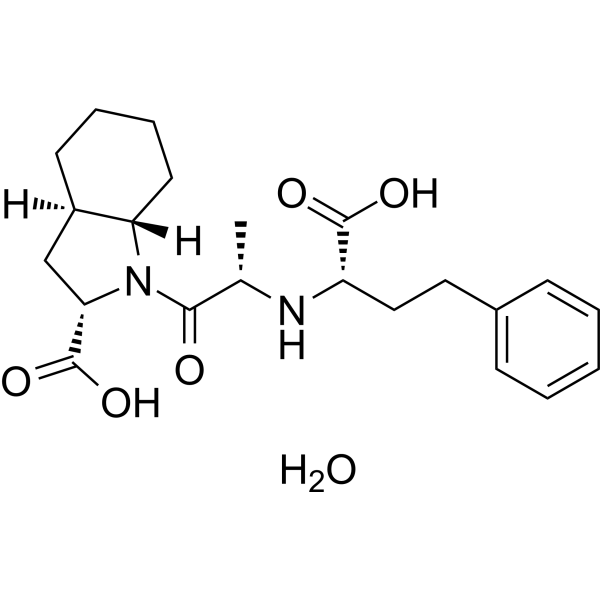
Cat. No.: HY-A0116A
CAS No.: 951393-55-8
Synonyms: Trandolaprilat hydrate; RU 44403 hydrate
Trandolaprilate hydrate is a potent angiotensin-converting enzyme (ACE) inhibitor. Trandolaprilate hydrate partially inhibits angiotensin-I-mediated c-fos induction. Trandolaprilate is main bioactive metabolite of Trandolapril. Trandolaprilate shows high lipophilicity .
loading...
    loading...
Cat. No.: HY-P2918
CAS No.: 9001-41-6
Synonyms: GPI; Phosphoglucose Isomerase
Target:  

Endogenous Metabolite

Research Areas:  

Metabolic Disease Cancer

Phosphoglucose Isomerase, Rabbit muscle (GPI), i.e., phosphoglucose isomerase/phosphoglucoisomerase (PGI) or phosphohexose isomerase (PHI), is often used in biochemical studies. Glucose 6-phosphate isomeras is a highly conserved glycolytic and dimeric enzyme. Glucose 6-phosphate isomeras catalyzes the reversible isomerization of glucose-6-phosphate to fructose-6-phosphate .
loading...
    loading...

