1. Search Result
Search Result
Results for "

nicotinamide phosphoribosyltransferase (NAMPT)

" in MedChemExpress (MCE) Product Catalog:

32

Inhibitors & Agonists

2

Natural
Products

4

Recombinant Proteins

1

Isotope-Labeled Compounds

4

Antibodies

1

Click Chemistry

Targets Recommended:
Cat. No. Product Name Target Research Areas Chemical Structure
  • HY-F0004
    Fosribnicotinamide
    25+ Cited Publications

    β-nicotinamide mononucleotide; β-NM; NMN

    Endogenous Metabolite Neurological Disease Cancer
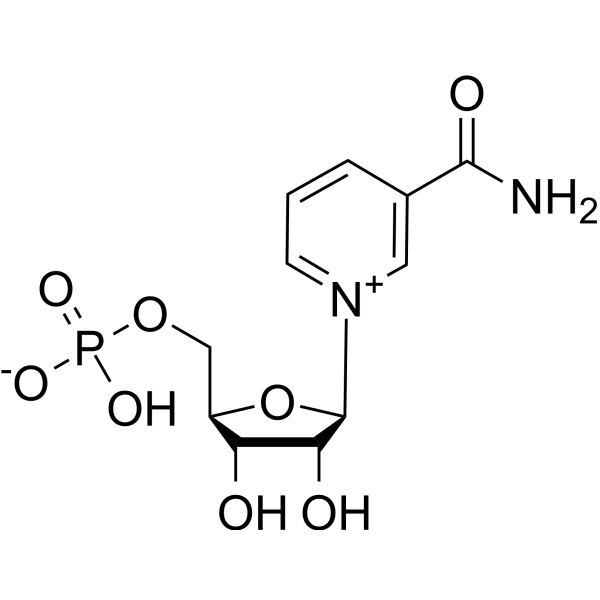
    Fosribnicotinamide (β-nicotinamide mononucleotide) is a product of the nicotinamide phosphoribosyltransferase (NAMPT) reaction and a key NAD + intermediate. The pharmacological activities of Fosribnicotinamide include its role in cellular biochemical functions, cardioprotection, diabetes, Alzheimer's disease, and complications associated with obesity .
    Fosribnicotinamide
  • HY-50876
    Daporinad
    Maximum Cited Publications
    64 Publications Verification

    FK866; APO866

    NAMPT Autophagy Apoptosis mTOR p38 MAPK ERK Cancer
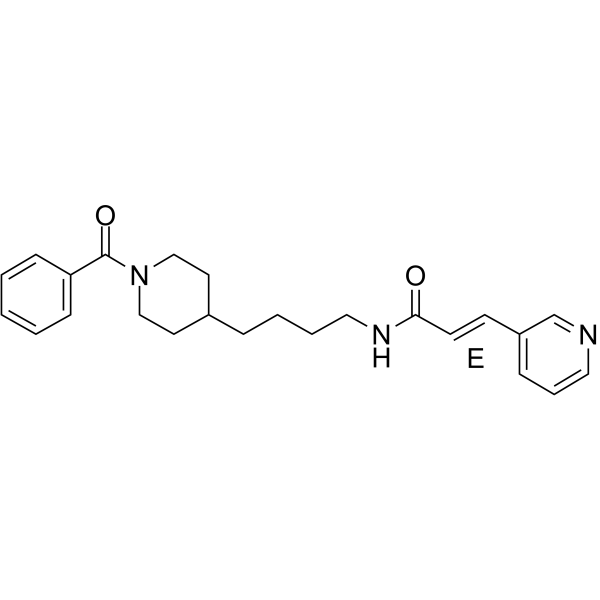
    Daporinad (FK866) is a non-competitive inhibitor of nicotinamide phosphoribosyltransferase (Nampt), with a Ki value of 0.3 nM. Daporinad depletes NAD+ and ATP levels, inhibits mTORC1 and MAPK/ERK pathways, and activates TFEB to induce autophagy. Daporinad causes the depletion of the endoplasmic reticulum Ca²⁺ pool, ultimately weakening the mitogen-induced Ca²⁺ signal and the activation and function of T cells. Daporinad induces cell cycle arrest and apoptosis, and inhibits cell proliferation. Daporinad can be used for the study of myeloma, liver cancer, and immunosuppression .
    Daporinad
  • HY-147193

    NAMPT Cancer
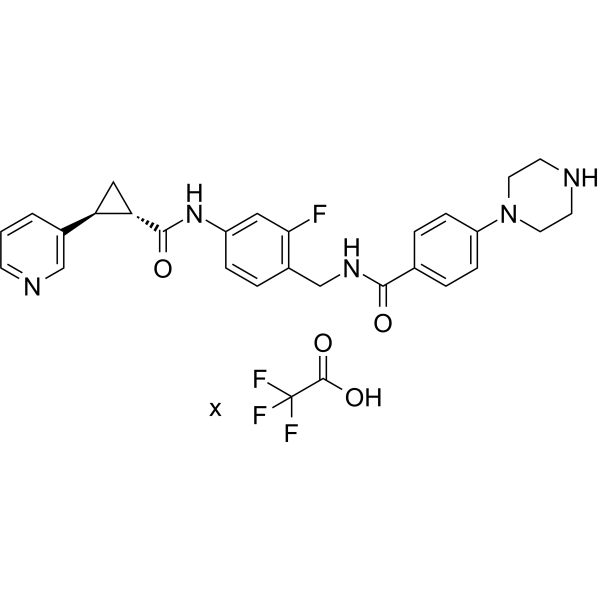
    Nampt-IN-10 TFA (compound 4) is a Nicotinamide Phosphoribosyltransferase (NAMPT) inhibitor. Nampt-IN-10 TFA shows cellular potency to A2780 and CORL23 cells lines with IC50s of 5 and 19 nM, respectively. Nampt-IN-10 TFA can be used as a novel non-antimitotic payload for ADCs .
    Nampt-IN-10 TFA
  • HY-12793
    Padnarsertib
    3 Publications Verification

    KPT-9274

    PAK NAMPT Cancer
    Padnarsertib (KPT-9274) is an orally bioavailable, dual PAK4/Nicotinamide phosphoribosyltransferase (Nampt) inhibitor, with IC50s of <100 nM and 120 nM, respectively .
    Padnarsertib
  • HY-126255
    SBI-797812
    2 Publications Verification

    NAMPT Metabolic Disease
    SBI-797812 is an orally active nicotinamide phosphoribosyltransferase (NAMPT) activator. SBI-797812 shifts NAMPT to NMN formation, increases NAMPT affinity for ATP, stabilizes phosphorylated NAMPT, promotes consumption of the pyrophosphate by-product, and blunts feedback inhibition by NAD +. SBI-797812 increases intracellular nicotinamide mononucleotide (NMN) and elevates liver NAD + in mice .
    SBI-797812
  • HY-10079
    CHS-828
    4 Publications Verification

    GMX1778

    NAMPT Apoptosis Cancer
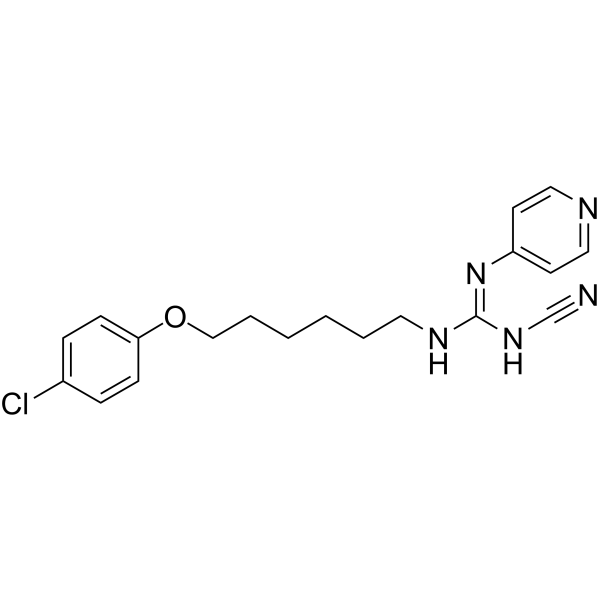
    CHS-828 (GMX1778) is a competitive inhibitor of nicotinamide phosphoribosyltransferase (NAMPT), with an IC50 less than 25 nM. CHS-828 (GMX1778) exerts a cytotoxic effect by decreasing the cellular level of NAD + and exhibits a potent anticancer activity .
    CHS-828
  • HY-148815

    NAMPT Metabolic Disease
    Nampt activator-1 is a nicotinamide phosphoribosyltransferase (NAMPT) activator, with an EC50 of 3.3~3.7 μM. Nampt activator-1 enhances the enzymatic activity of NAMPT. Nampt activator-1 can be used for research related to metabolic disorders .
    Nampt activator-1
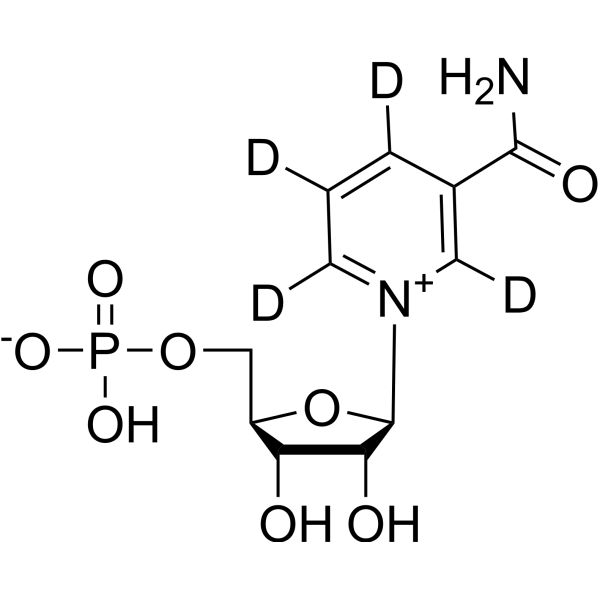
  • HY-F0004S

    β-nicotinamide mononucleotide-d4; β-NM-d4; NMN-d4

    Isotope-Labeled Compounds Endogenous Metabolite Neurological Disease Cancer
    Fosribnicotinamide-d4 (β-Nicotinamide mononucleotide-d4) is the deuterium labeled Fosribnicotinamide. Fosribnicotinamide is a product of the nicotinamide phosphoribosyltransferase (NAMPT) reaction and a key NAD+ intermediate. The pharmacological activities of Fosribnicotinamide include its role in cellular biochemical functions, cardioprotection, diabetes, Alzheimer's disease, and complications associated with obesity .
    Fosribnicotinamide-d4
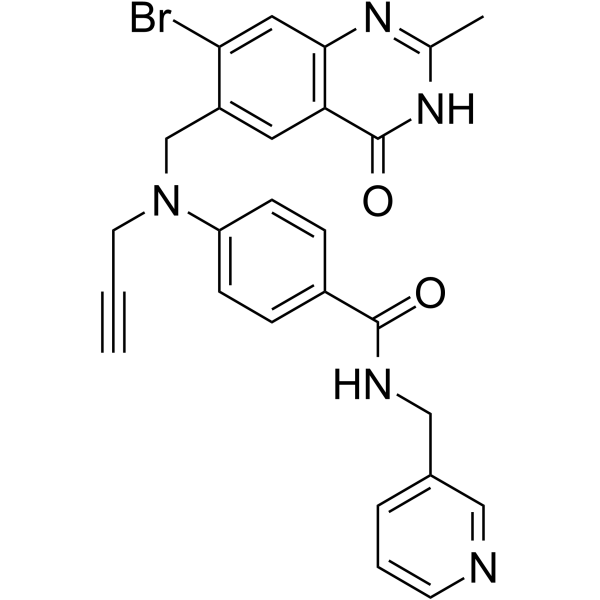
  • HY-14373

    ZM 242421

    NAMPT Cancer
    CB30865 (ZM 242421) is a nicotinamide phosphoribosyltransferase (Nampt) inhibitor, with potent cytotoxicity. CB30865 is highly potent against a variety of human tumour cell lines (IC50 values in the 1-10 nM range) . CB30865 is a click chemistry reagent, it contains an Alkyne group and can undergo copper-catalyzed azide-alkyne cycloaddition (CuAAc) with molecules containing Azide groups.
    CB30865
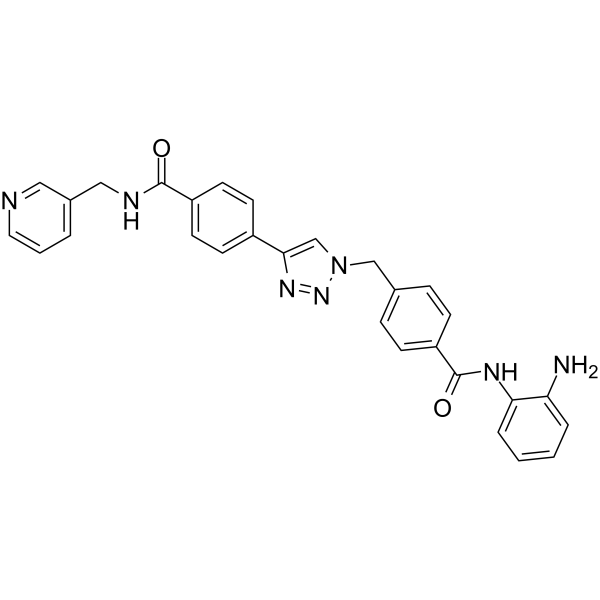
  • HY-108701

    NAMPT HDAC Autophagy Apoptosis Cancer
    Nampt-IN-3 (Compound 35) simultaneously inhibit nicotinamide phosphoribosyltransferase (NAMPT) and HDAC with IC50s of 31 nM and 55 nM, respectively. Nampt-IN-3 effectively induces cell apoptosis and autophagy and ultimately leads to cell death .
    Nampt-IN-3
  • HY-F0004R

    β-nicotinamide mononucleotide (Standard); β-NM (Standard); NMN (Standard)

    Reference Standards Endogenous Metabolite Neurological Disease Cancer
    Fosribnicotinamide (Standard) (β-Nicotinamide mononucleotide (Standard)) is the analytical standard of Fosribnicotinamide (HY-F0004 ). This product is intended for research and analytical applications. Fosribnicotinamide is a product of the nicotinamide phosphoribosyltransferase (NAMPT) reaction and a key NAD + intermediate. The pharmacological activities of Fosribnicotinamide include its role in cellular biochemical functions, cardioprotection, diabetes, Alzheimer's disease, and complications associated with obesity .
    Fosribnicotinamide (Standard)
  • HY-163499

    NAMPT Cancer
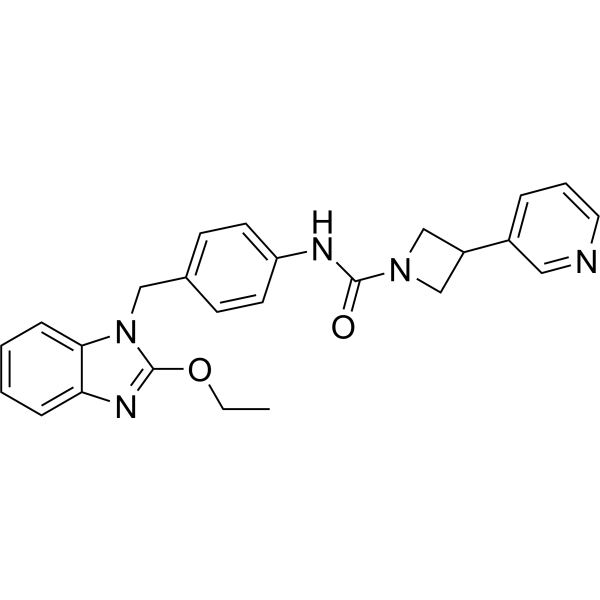
    NAMPT activator-7 (Compound 232) is an activator for nicotinamide phosphoribosyltransferase (NAMPT), with EC50 < 0.5 μM. NAMPT activator-7 activates NAMPT in cells U2OS with cellular EC50 of < 0.5 μM .
    NAMPT activator-7
  • HY-163500

    NAMPT Cancer
    NAMPT activator-8 (Compound 278) is an activator for nicotinamide phosphoribosyltransferase (NAMPT), with EC50 < 0.5 μM. NAMPT activator-8 activates NAMPT in cells U2OS with cellular EC50 of < 0.5 μM .
    NAMPT activator-8
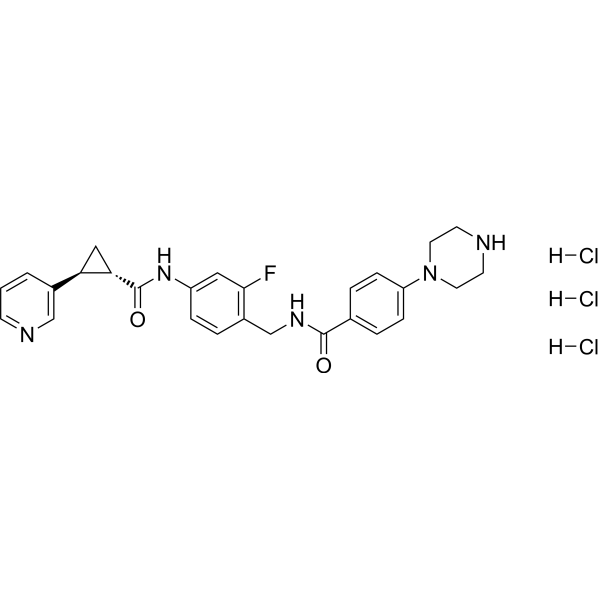
  • HY-147193A

    NAMPT Cancer
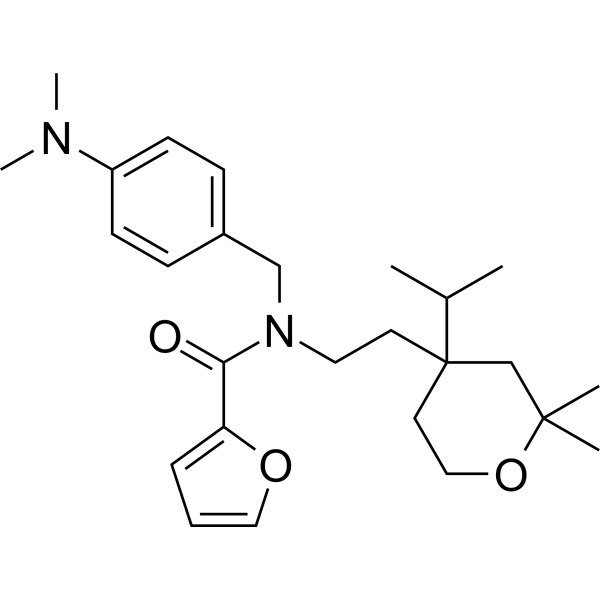
    Nampt-IN-10 trihydrochloride (compound 4) is a Nicotinamide Phosphoribosyltransferase (NAMPT) inhibitor. Nampt-IN-10 trihydrochloride shows cellular potency to A2780 and CORL23 cell lines with IC50 values of 5 and 19 nM, respectively. Nampt-IN-10 trihydrochloride can be used as a novel non-antimitotic payload for antibody-drug conjugate (ADC) .
    Nampt-IN-10 trihydrochloride
  • HY-W1117786

    ADC Payload NAMPT Cancer
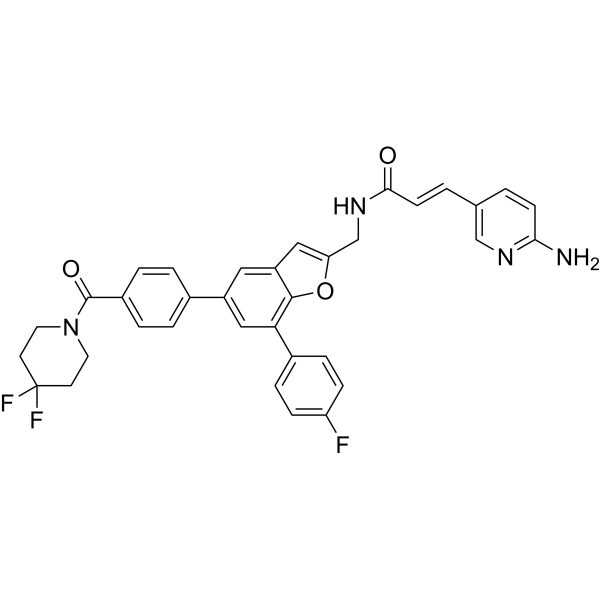
    Nampt-IN-10 (Compound 4) is an efficient inhibitor of nicotinamide phosphoribosyltransferase (NAMPT). Nampt-IN-10 exhibits nanomolar-level inhibitory activity against cell lines such as MDA-MB453, NCI-N87, and NCI-H526. Nampt-IN-10 can be used as an ADC payload, and the ADC constructed with it as the core demonstrates significant anti-tumor activity .
    Nampt-IN-10
  • HY-163280

    NAMPT Neurological Disease
    JGB-1-155 is a positive allosteric modulators (N-PAMs), which enhances the activity of nicotinamide phosphoribosyltransferase NAMPT with EC50 of 3.29 μM. JGB-1-155 counteracts the oxidative stress, through upregulating the NAD + in THP-1 human monocytes. JGB-1-155 attenuates TNFα-induced ROS in HT-22 cells .
    JGB-1-155
  • HY-147656

    ATTECs NAMPT Autophagy Cancer
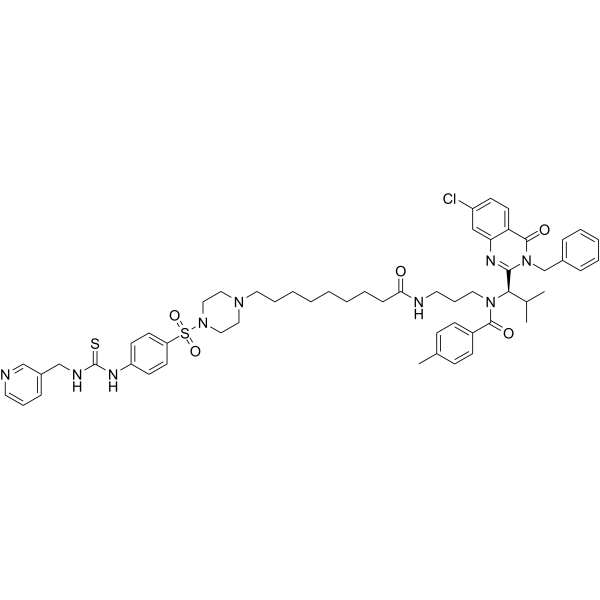
    NAMPT degrader-1 (Compound A3), an autophagosome-tethering compound (ATTEC), is an nicotinamide phosphoribosyltransferase (NAMPT) degrader with an IC50 of 0.023 μM. NAMPT degrader-1 significantly induces the degradation of NAMPT through the autophagy-lysosomal pathway and shows excellent cellular antitumor potency .
    NAMPT degrader-1
  • HY-130606

    NAMPT Cytochrome P450 Cancer
    Nampt-IN-5 is a potent nicotinamide phosphoribosyltransferase (NAMPT) inhibitor. Nampt-IN-5 also inhibits CYP3A4 activity and has cellular IC50s of 0.7 nM and 3.9 nM against A2780 and COR-L23, respectively .
    Nampt-IN-5
  • HY-159009

    NAMPT Ligands for Target Protein for PROTAC Cancer
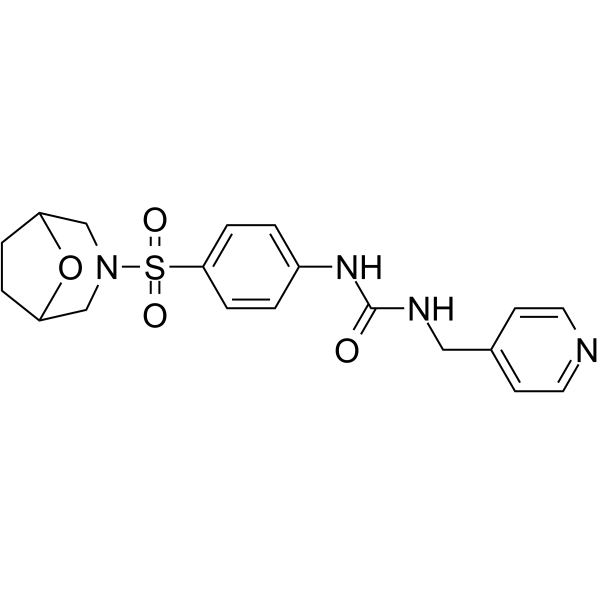
    MS7 is a potent inhibitor of nicotinamide phosphoribosyltransferase (NAMPT). NAMPT is overexpressed in many cancer cells to meet the continuous replenishment of NAD + required for rapid proliferation. MS7, as a NAMPT target protein ligand, can be used to synthesize PROTAC A7, which is an effective NAMPT degrader. MS7 can be used in cancer research .
    MS7
  • HY-175294

    PD-1/PD-L1 NAMPT Cancer
    PD-L1/Nampt-IN-1 is an orally active inhibitor that simultaneously target PD-L1 and NAMPT (nicotinamide phosphoribosyltransferase) with IC50s value of 63 nM and 582 nM. PD-L1/Nampt-IN-1 demonstrates cross-species affinity with comparable KD values for hPD-L1 (52.6 nM) and mPD-L1 (49.1 nM), respectively. PD-L1/Nampt-IN-1 effectively inhibits tumor growth by activating the tumor immune microenvironment. PD-L1/Nampt-IN-1 can be used for the study of melanoma .
    PD-L1/Nampt-IN-1
  • HY-159016

    PROTACs Cancer
    SIAIS630121-NC (compound 630121-NC) is a negative control for NAMPT (nicotinamide phosphoribosyltransferase) PROTAC degrader SIAIS630121. SIAIS630121-NC shows no NAMPT degradation capability at all .
    SIAIS630121-NC
  • HY-101280A

    NAMPT Cancer
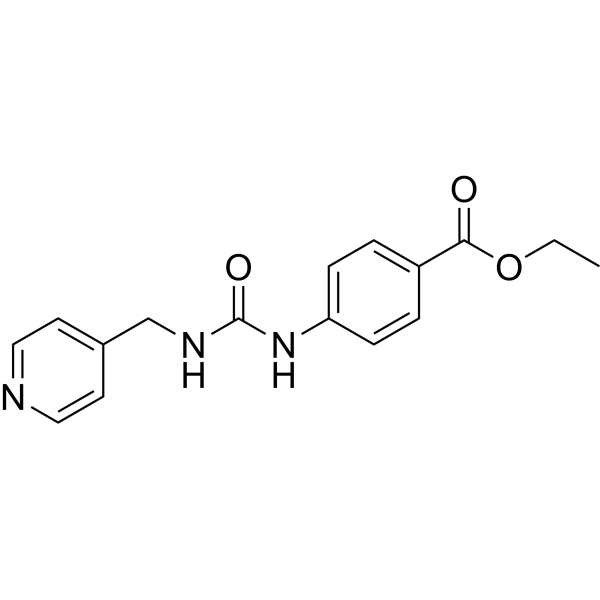
    LB-60-OF61 hydrochloride is a potent NAMPT (nicotinamide phosphoribosyltransferase) inhibitor. LB-60-OF61 hydrochloride is a cytotoxic compound with a selectivity towards MYC overexpressing cell lines .
    LB-60-OF61 hydrochloride
  • HY-159015

    PROTACs Cancer
    SIAIS630120-NC is a negative control for NAMPT (nicotinamide phosphoribosyltransferase) degrader SIAIS630120 (Sturcture Note:(Blue: Cereblon ligand Thalidomide (HY-14658) analogue (HY-138793), Black: linker;Pink: Nampt inhibitor FK866 (HY-50876)) .
    SIAIS630120-NC
  • HY-10079A

    GMX1778 (nicotinate)

    NAMPT Apoptosis Cancer
    CHS-828 nicotinate is a competitive inhibitor of nicotinamide phosphoribosyltransferase (NAMPT), with an IC50 less than 25 nM. CHS-828 nicotinate (GMX1778) exerts a cytotoxic effect by decreasing the cellular level of NAD + and exhibits a potent anticancer activity .
    CHS-828 (nicotinate)
  • HY-158319

    Apoptosis Isocitrate Dehydrogenase (IDH) NAMPT Cancer
    Mutant IDH1/NAMPT-IN-1 (Compound 23h) is a dual inhibitor of mutant isocitrate dehydrogenase 1 (mutant IDH1) (IC50=14.93 nM) and nicotinamide phosphoribosyltransferase (NAMPT) (IC50=12.56 nM). Mutant IDH1/NAMPT-IN-1 can induce apoptosis. Mutant IDH1/NAMPT-IN-1 crosses the blood-brain barrier effectively .
    Mutant IDH1/NAMPT-IN-1
  • HY-10079R

    GMX1778 (Standard)

    Reference Standards NAMPT Apoptosis Cancer
    CHS-828 (Standard) is the analytical standard of CHS-828. This product is intended for research and analytical applications. CHS-828 (GMX1778) is a competitive inhibitor of nicotinamide phosphoribosyltransferase (NAMPT), with an IC50 less than 25 nM. CHS-828 (GMX1778) exerts a cytotoxic effect by decreasing the cellular level of NAD+ and exhibits a potent anticancer activity .
    CHS-828 (Standard)
  • HY-182567

    NAMPT Cancer
    Nampt-IN-19 is an orally active and non-substrate nicotinamide phosphoribosyltransferase (NAMPT) inhibitor with a human Ki of 5.6 nM. Nampt-IN-19 blocks NAD + biosynthesis from Nicotinamide (HY-B0150). Nampt-IN-19 acts as an antiproliferative agent in cancer cells. Nampt-IN-19 has preclinical pharmacokinetic properties supporting oral antitumor activity in mouse xenograft models. Nampt-IN-19 can be used for the research of colorectal cancer .
    Nampt-IN-19
  • HY-108701R

    Reference Standards NAMPT HDAC Autophagy Apoptosis Cancer
    Nampt-IN-3 (Standard) is the analytical standard of Nampt-IN-3 (HY-108701). This product is intended for research and analytical applications. Nampt-IN-3 (Compound 35) simultaneously inhibit nicotinamide phosphoribosyltransferase (NAMPT) and HDAC with IC50s of 31 nM and 55 nM, respectively. Nampt-IN-3 effectively induces cell apoptosis and autophagy and ultimately leads to cell death .
    Nampt-IN-3 (Standard)
  • HY-181880

    PROTACs NAMPT Cancer
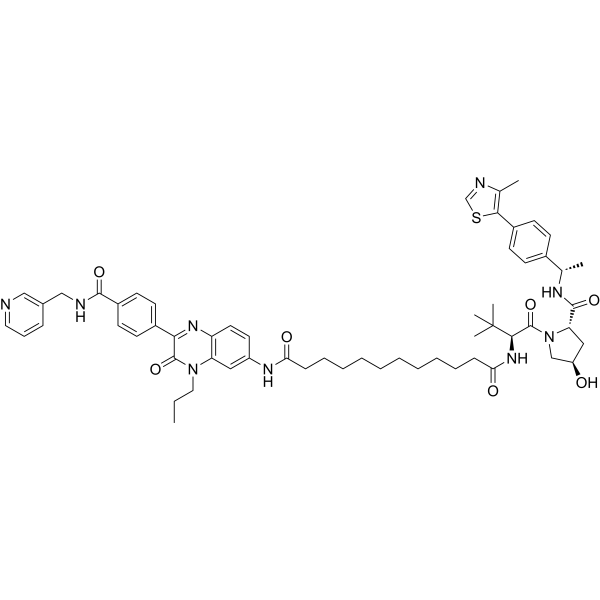
    PROTAC NAMPT Degrader-28 is a NAMPT PROTAC degrader with DC50 values of 45 nM and 55 nM in MCF7 and 4T1cl5 cells, respectively. PROTAC NAMPT Degrader-28 retains nicotinamide phosphoribosyltransferase inhibitory activity and does not induce degradation of this enzyme. PROTAC NAMPT Degrader-28 can be used in breast cancer-related research .
    PROTAC NAMPT Degrader-28
  • HY-181350

    Carbonic Anhydrase NAMPT Apoptosis Reactive Oxygen Species (ROS) ERK Akt DNA/RNA Synthesis Mitochondrial Metabolism Cancer
    CAIX/XII/NAMPT-IN-1 is a triple inhibitor of carbonic anhydrase IX/XII and nicotinamide phosphoribosyltransferase (NAMPT) with a hCA IX Ki of 78.1 nM, hCA XII Ki of 64.4 nM, and hNAMPT IC50 of 168 nM. CAIX/XII/NAMPT-IN-1 induces apoptosis, ROS accumulation, suppresses ERK/AKT signaling, inhibits DNA synthesis, and causes mitochondrial dysfunction. CAIX/XII/NAMPT-IN-1 exerts antiproliferative effects against multiple cancer cells under normoxic and hypoxic conditions. CAIX/XII/NAMPT-IN-1 can be used for the research of cancer, such as renal carcinoma, glioblastoma and colorectal cancer .
    CAIX/XII/NAMPT-IN-1
  • HY-179523

    Drug Derivative NAMPT Microtubule/Tubulin Neurological Disease Cancer
    Carba1 is a bifunctional Carbazole (HY-D0204) derivative that activates nicotinamide phosphoribosyltransferase (NAMPT) and enhances NAD biosynthesis. Carba1 binds to colchicine site of tubulin, enhancing the anti-tumor effect of various chemotherapy drugs, such as Paclitaxel (HY-B0015). Carba1 exerts neuroprotective effect and can regulate cell energy metabolism. Carba1 can be used for the researches of cancer and chemotherapy-induced peripheral neuropathy (CIPN) .
    Carba1
  • HY-50876A

    FK866 hydrochloride; APO866 hydrochloride

    NAMPT Autophagy Apoptosis mTOR p38 MAPK ERK Inflammation/Immunology Cancer
    Daporinad (FK866) hydrochloride is a non-competitive inhibitor of nicotinamide phosphoribosyltransferase (Nampt), with a Ki value of 0.3 nM. Daporinad hydrochloride depletes NAD+ and ATP levels, inhibits mTORC1 and MAPK/ERK pathways, and activates TFEB to induce autophagy. Daporinad hydrochloride causes the depletion of the endoplasmic reticulum Ca²⁺ pool, ultimately weakening the mitogen-induced Ca²⁺ signal and the activation and function of T cells. Daporinad hydrochloride induces cell cycle arrest and apoptosis, and inhibits cell proliferation. Daporinad hydrochloride can be used for the study of myeloma, liver cancer, and immunosuppression .
    Daporinad hydrochloride

Inquiry Online

Your information is safe with us. * Required Fields.

Salutation


Country or Region *

Applicant Name *


Organization Name *

Department *


Email Address *


Product Name *

Cat. No.


Requested quantity *

Phone Number *


Remarks

Inquiry Online

Inquiry Information

Product Name:
Cat. No.:
Quantity:
MCE Japan Authorized Agent:

