334 Results for "

p38 MAPK inhibitor

" in MedChemExpress (MCE) Product Catalog:
Products (334)

334 Results for "p38 MAPK inhibitor" in MCE Product Catalog:

639
639 Publications Verification
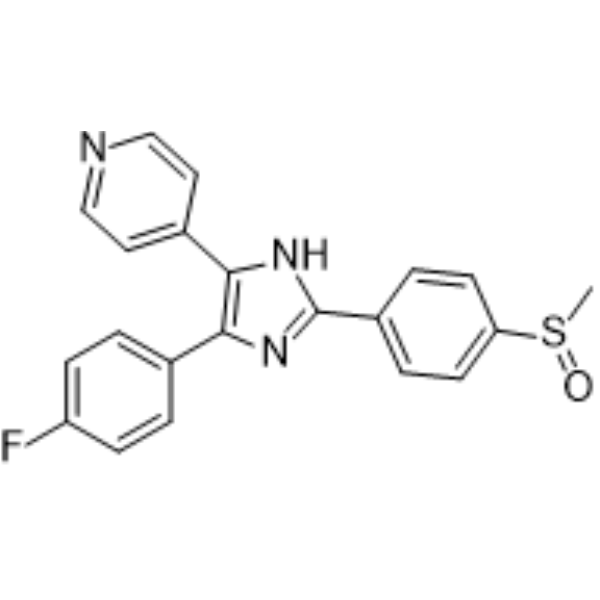
Cat. No.: HY-10256
CAS No.: 152121-47-6
Purity:  99.92%
Synonyms: SB 203580; RWJ 64809
Adezmapimod (SB 203580) is a selective and ATP-competitive p38 MAPK inhibitor with IC50s of 50 nM and 500 nM for SAPK2a/p38 and SAPK2b/p38β2, respectively. Adezmapimod inhibits LCK, GSK3β and PKBα with IC50s of 100-500-fold higher than that for SAPK2a/p38. Adezmapimod can inhibit p38 MAPK and lead to the inhibition of downstream HSP27 phosphorylation. Adezmapimod does not disrupt JNK activity and is an autophagy and mitophagy activator .
loading...
    loading...
639
639 Publications Verification
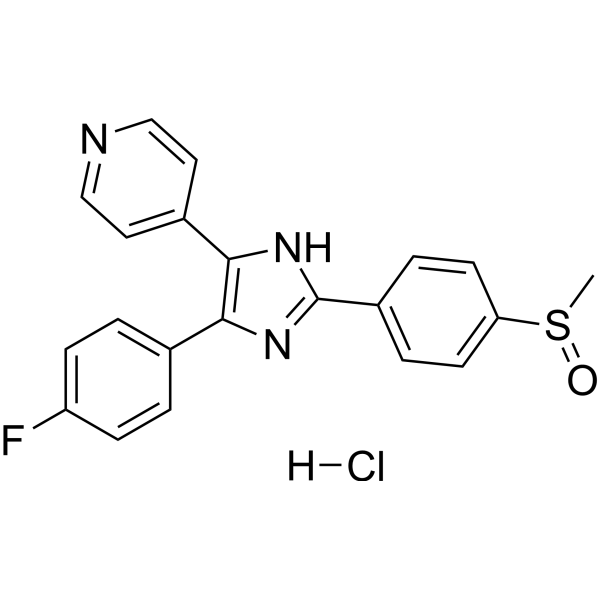
Cat. No.: HY-10256A
CAS No.: 869185-85-3
Purity:  99.37%
Synonyms: SB 203580 hydrochloride; RWJ 64809 hydrochloride
Adezmapimod (SB 203580; RWJ 64809) hydrochloride is a selective and ATP-competitive p38 MAPK inhibitor with IC50s of 50 nM and 500 nM for SAPK2a/p38 and SAPK2b/p38β2, respectively. Adezmapimod hydrochloride inhibits LCK, GSK3β and PKBα with IC50s of 100-500-fold higher than that for SAPK2a/p38. Adezmapimod hydrochloride does not disrupt JNK activity and is an autophagy and mitophagy activator .
loading...
    loading...
300
300 Cited Publications
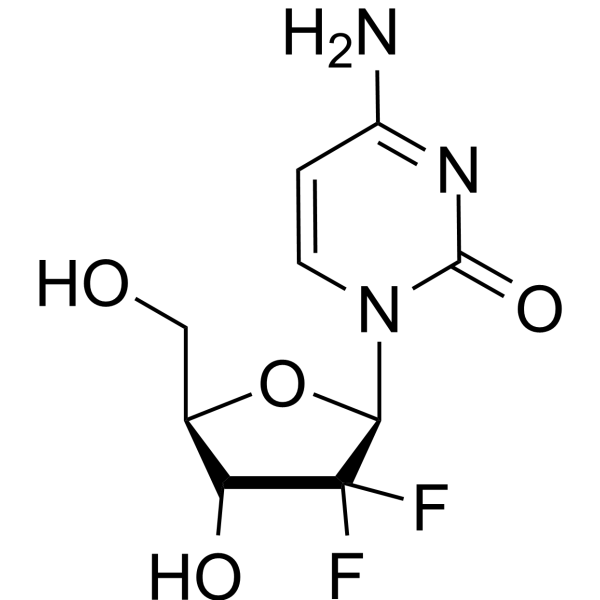
Cat. No.: HY-17026
CAS No.: 95058-81-4
Synonyms: LY 188011
Gemcitabine (LY 188011) is a pyrimidine nucleoside analog antimetabolite and an antineoplastic agent. Gemcitabine inhibits DNA synthesis and repair, and can modulate autophagy. Gemcitabine induces apoptosis through the activation of p38 MAPK. Gemcitabine demonstrates efficacy in mouse models of pancreatic and breast cancer. Gemcitabine can be used for cancer research, such as pancreatic cancer, non-small cell lung cancer, and breast cancer .
loading...
    loading...
53
53 Cited Publications
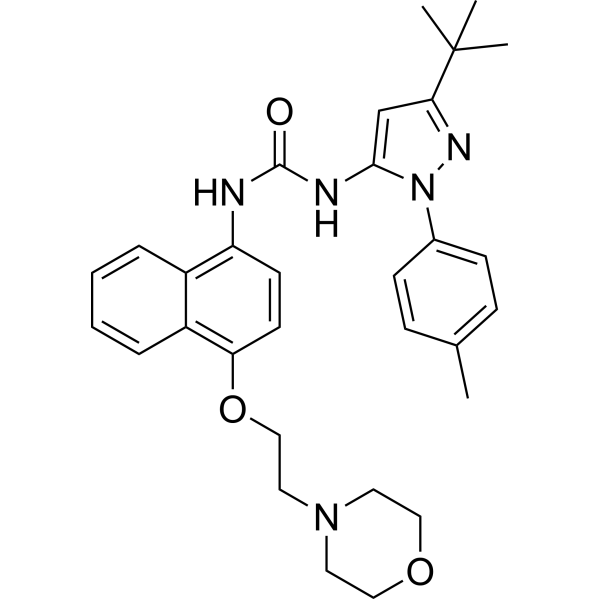
Cat. No.: HY-10320
CAS No.: 285983-48-4
Purity:  99.76%
Synonyms: BIRB 796
Target:  

p38 MAPK Raf Autophagy

Research Areas:  

Inflammation/Immunology Cancer

Doramapimod (BIRB 796) is an orally active, highly potent p38 MAPK inhibitor, which has an IC50 for p38α=38 nM, for p38β=65 nM, for p38γ=200 nM, and for p38δ=520 nM. Doramapimod has picomolar affinity for p38 kinase (Kd=0.1 nM). Doramapimod also inhibits B-Raf with an IC50 of 83 nM .
loading...
    loading...
53
53 Cited Publications
Cat. No.: HY-10320A
CAS No.: 1283526-53-3
Synonyms: BIRB 796 hydrochloride
Target:  

Autophagy Raf p38 MAPK

Research Areas:  

Inflammation/Immunology

Doramapimod hydrochloride (BIRB 796 hydrochloride) is an anti-inflammatory compound with biological activity through inhibition of p38 MAPK. Doramapimod hydrochloride can significantly inhibit the activities of TNF-α and IL-1β induced by LPS, LTA and PGN. Doramapimod hydrochloride showed a stronger inhibitory effect on inflammation induced by all three bacterial toxins, which was more significant compared with the effects of other compounds. Doramapimod hydrochloride can be used in the research of autoimmune diseases .
loading...
    loading...
52
52 Cited Publications
Cat. No.: HY-15676
CAS No.: 1229705-06-9
Purity:  99.93%
Synonyms: RG7388
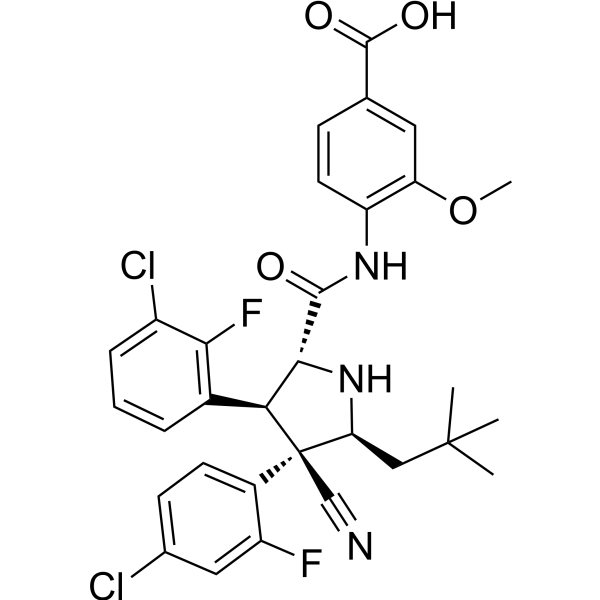
Idasanutlin (RG7388) is an orally bioavailable MDM2 inhibitor with an IC50 of 6 nM. Idasanutlin disrupts MDM2-p53 binding, stabilizes and activates p53, triggering cell cycle arrest, apoptosis, and reduced cancer cell viability. Idasanutlin reduces EGFR protein expression and phosphorylation, suppresses downstream SHP2, MEK1/2, ERK1/2, AKT, mTOR, p70(S6K1), and S6 signaling. Idasanutlin induces mitochondrial ROS production, drives p38 MAPK phosphorylation, upregulates NOXA, and mediates caspase-3-dependent apoptosis and gasdermin E-mediated pyroptosis. Idasanutlin can be used for the research of TP53-mutant non-small cell lung cancer, T-cell acute lymphoblastic leukemia, colorectal carcinoma, melanoma, diffuse large B-cell lymphoma, mantle cell lymphoma, non-Hodgkin lymphoma, severe fever with thrombocytopenia syndrome, neuroblastoma, acute lymphoblastic leukemia, relapsed or refractory acute myeloid leukemia, osteosarcoma, solid tumors, and hematological tumors .
loading...
    loading...
31
31 Cited Publications
Cat. No.: HY-11068
CAS No.: 193551-21-2
Purity:  99.15%
SB 239063 is a potent, selective and orally active p38 MAPK inhibitor, exhibits an IC50 of 44 nM for recombinant purified human p38α, with equipotent inhibitory activity against p38α and p38β. SB 239063 has no effect on p38γ or p38δ. With anti-asthma activity and also be used to enhance memory which is impaired due to aging or medical conditions, such as, AD. SB 239063 can penetrate the blood brain barrier (BBB) .
loading...
    loading...
30
30 Cited Publications
Cat. No.: HY-N0168
CAS No.: 520-33-2
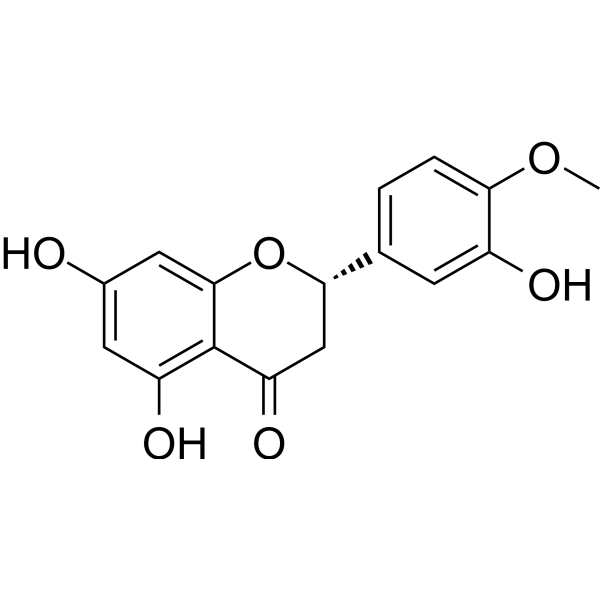
Hesperetin is a natural flavanone that can be found in citrus, and acts as a potent and orally active broad-spectrum inhibitor against human UGT activity. Hesperetin induces apoptosis via p38 MAPK activation. Hesperetin displays a range of bioactivities including antioxidant, anti-inflammatory, and anti-cancer. Hesperetin is found to induce cell-cycle arrest at G2/M phase. Hesperetin can reduce Bcl-2 and enhance BaxM. Hesperetin induces apoptosis through inhibiting NF-κB receptor .
loading...
    loading...
25
25 Cited Publications
Cat. No.: HY-15417
CAS No.: 110448-33-4
Purity:  99.60%
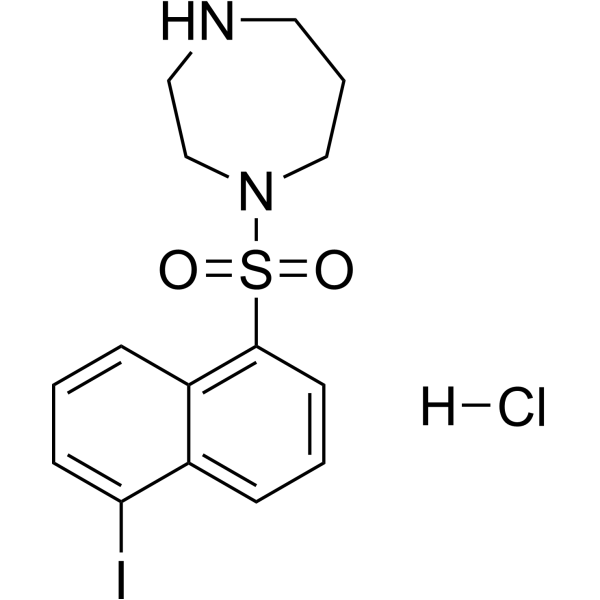
ML-7 hydrochloride is a selective and highly specific myosin light chain kinase (MLCK) inhibitor that acts as a trabecular meshwork (TM) relaxant. ML-7 hydrochloride enhances Quinocetone (HY-123581)-induced phosphorylation of ERK, p38 MAPK and JNK, attenuates Akt activation, and promotes apoptosis of hepatocellular carcinoma cells. ML-7 hydrochloride reduces Th2 cytokine secretion by inhibiting MLCK, while alleviating smooth muscle hyperplasia and collagen deposition . As a non-antibiotic adjuvant, ML-7 hydrochloride restores the sensitivity of drug-resistant bacteria to Tigecycline (HY-B0117) . ML-7 hydrochloride can be used in research related to glaucoma, hepatocellular carcinoma, asthma, and Klebsiella pneumoniae infection .
loading...
    loading...
22
22 Cited Publications
Cat. No.: HY-N0484
CAS No.: 2586-96-1
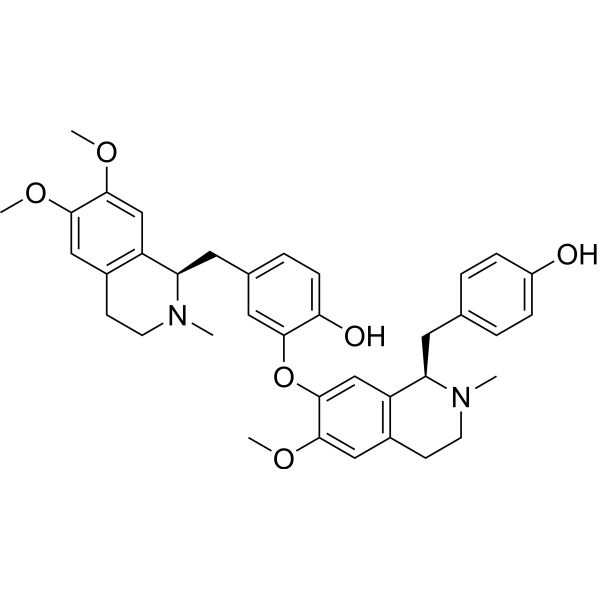
Liensinine is a bisbenzylisoquinoline alkaloid. By inhibiting the PI3K/AKT and JNK/p38-MAPK signaling pathways, Liensinine suppresses autophagy and apoptosis, clears , and exerts anti-inflammatory, antioxidant and neuroprotective effects. Liensinine activates AMPK and inhibits the expression of HIF-1α and VEGF, thereby suppressing angiogenesis. Liensinine exerts anti-tumor effects through ROS-mediated inhibition of the JAK2/STAT3 signaling pathway. Liensinine can be used for the research of diseases such as Alzheimer's disease, hepatocellular carcinoma, osteosarcoma, sepsis-induced organ injury and stroke .
loading...
    loading...
22
22 Cited Publications
Cat. No.: HY-N5014
CAS No.: 2385-63-9
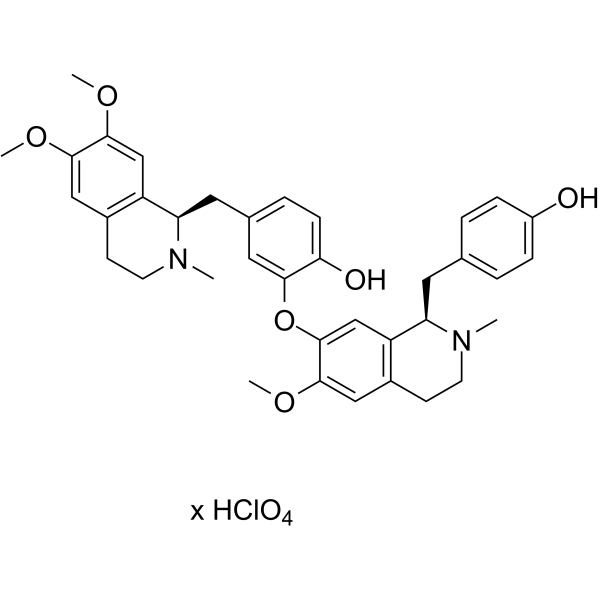
Liensinine perchlorate is a bisbenzylisoquinoline alkaloid. By inhibiting the PI3K/AKT and JNK/p38-MAPK signaling pathways, Liensinine perchlorate suppresses autophagy and apoptosis, clears , and exerts anti-inflammatory, antioxidant and neuroprotective effects. Liensinine perchlorate activates AMPK and inhibits the expression of HIF-1α and VEGF, thereby suppressing angiogenesis. Liensinine perchlorate exerts anti-tumor effects through ROS-mediated inhibition of the JAK2/STAT3 signaling pathway. Liensinine perchlorate can be used for the research of diseases such as Alzheimer's disease, hepatocellular carcinoma, osteosarcoma, sepsis-induced organ injury and stroke .
loading...
    loading...
18
18 Cited Publications
Cat. No.: HY-B1272
CAS No.: 58-28-6
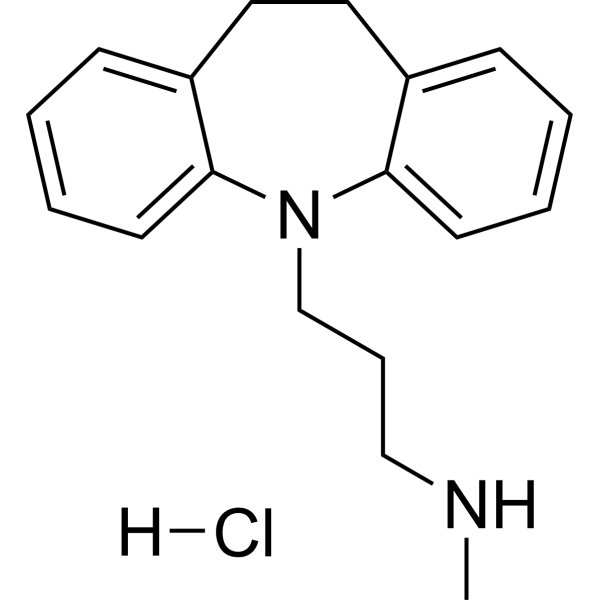
Desipramine hydrochloride is a first-generation tricyclic antidepressant. Desipramine hydrochloride selectively binds to norepinephrine transporter and blocks neuronal norepinephrine reuptake. Desipramine hydrochloride activates MAPK signaling via ERK1/2, JNK, and p38, represses NF-κB and AP-1 activity, and induces apoptosis via ROS elevation, mitochondrial membrane potential reduction, and intracellular calcium increase. Desipramine hydrochloride also shows anyi-inflammatory activity, inhibiting TNF-α production. Desipramine hydrochloride can be used for the research of hepatocellular cancer, inflammation, and neurological diseases .
loading...
    loading...
17
17 Cited Publications
Cat. No.: HY-13241
CAS No.: 862507-23-1
Purity:  99.94%
Synonyms: LY2228820 dimesylate
Research Areas:  

Inflammation/Immunology Cancer

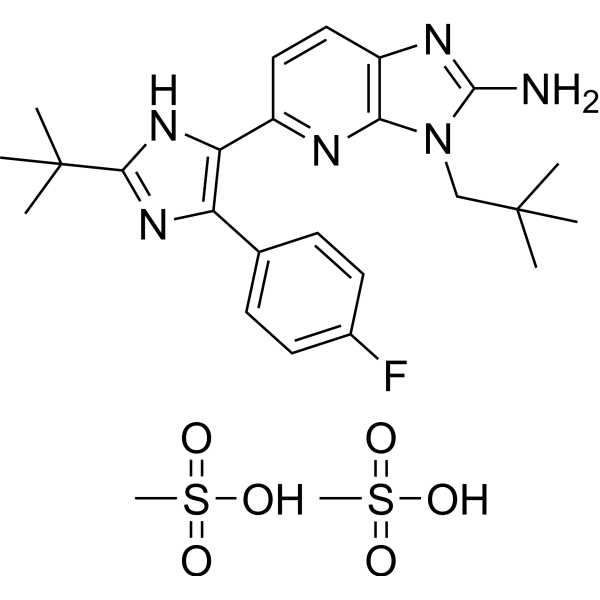
Ralimetinib dimesylate (LY2228820 dimesylate) is a selective, ATP-competitive inhibitor of p38 MAPK α/β with IC50s of 5.3 and 3.2 nM, respectively. Ralimetinib (LY2228820) selectively inhibits phosphorylation of MK2 (Thr334), with no effect on phosphorylation of p38a MAPK, JNK, ERK1/2, c-Jun, ATF2, or c-Myc.
loading...
    loading...
17
17 Cited Publications
Cat. No.: HY-13241A
CAS No.: 862505-00-8
Synonyms: LY2228820
Target:  

p38 MAPK Autophagy

Research Areas:  

Cancer

Ralimetinib is an ATP-competitive p38α and p38β MAPK inhibitor with an IC50 of 5.3 nmol/L against human p38α and an IC50 of 3.2 nmol/L against human p38β. Ralimetinib slows tumor growth in preclinical in vivo cancer models, exhibits oral bioavailability in mice, and achieves sustained target inhibition for 4 to 8 h. Ralimetinib is applicable for research on melanoma, non-small cell lung cancer, ovarian cancer, glioma, multiple myeloma, breast cancer, renal cancer, and head and neck squamous cell carcinoma .
loading...
    loading...
16
16 Cited Publications
Cat. No.: HY-12839
CAS No.: 1006378-90-0
Purity:  99.58%
Target:  

p38 MAPK Autophagy

Research Areas:  

Inflammation/Immunology

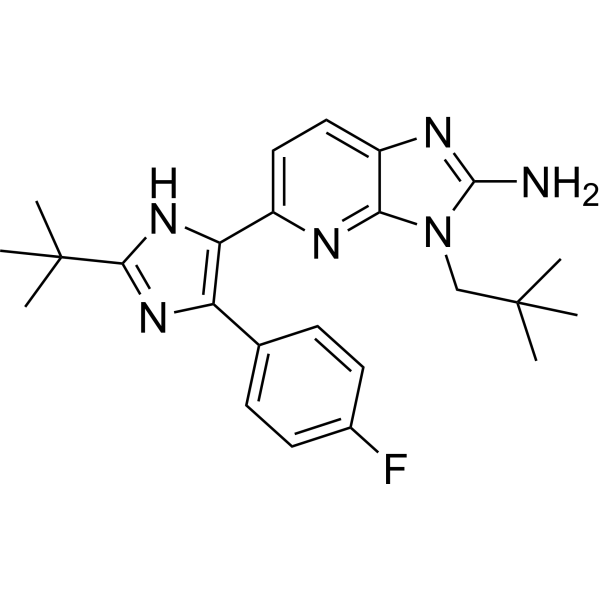
p38 MAPK-IN-1 (Compound 4) is a novel potent and selective inhibitor of p38 MAPK with IC50 of 68 nM. p38 MAPK-IN-1 shows sustained levels, low clearance and good bioavailability.
loading...
    loading...
14
14 Cited Publications
Cat. No.: HY-N1914
CAS No.: 497-30-3
Synonyms: L-(+)-Ergothioneine
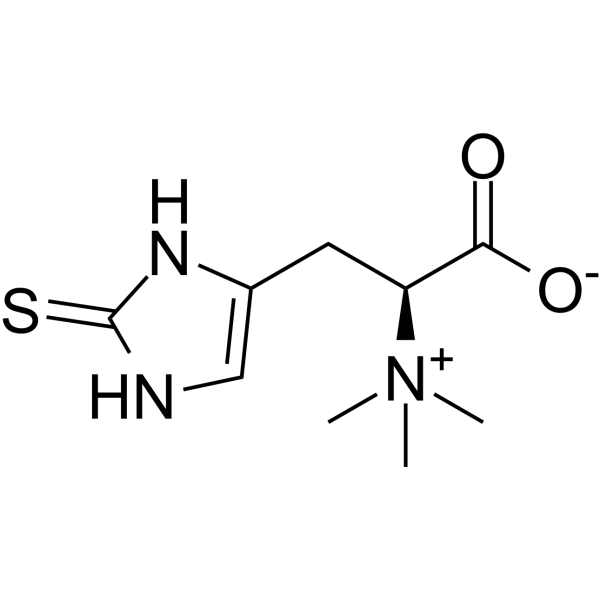
Ergothioneine is an imidazole-2-thione derivative with orally active histidine betaine. Ergothioneine is a specific inhibitor of p38-MAPK and Akt, which plays a protective role in cell apoptosis induced by stress. Ergothioneine has antioxidant activity .
loading...
    loading...
13
13 Cited Publications
Cat. No.: HY-14187
CAS No.: 1951-25-3
Purity:  98.32%
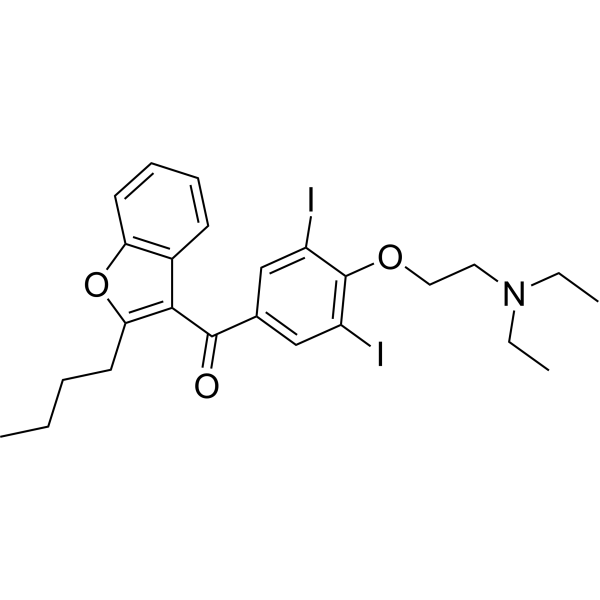
Amiodarone, a benzofuran-based Class III antiarrhythmic agent, inhibits WT outward ionic current (IhERG) tails with an IC50 of ∼45 nM . Amiodarone induces cell proliferation and myofibroblast differentiation via ERK1/2 and p38 MAPK signaling in fibroblasts . Amiodarone can be used in the research of both supraventricular and ventricular arrhythmias .
loading...
    loading...
13
13 Cited Publications
Cat. No.: HY-14188
CAS No.: 19774-82-4
Purity:  99.86%
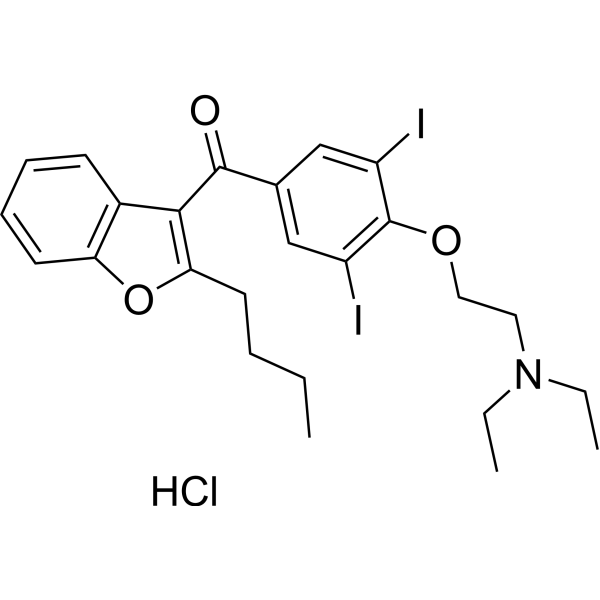
Amiodarone hydrochloride, a benzofuran-based Class III antiarrhythmic agent, inhibits WT outward ionic current (IhERG) tails with an IC50 of ∼45 nM . Amiodarone hydrochloride induces cell proliferation and myofibroblast differentiation via ERK1/2 and p38 MAPK signaling in fibroblasts . Amiodarone hydrochloride can be used in the research of both supraventricular and ventricular arrhythmias .
loading...
    loading...
12
12 Cited Publications
Cat. No.: HY-10456
CAS No.: 303162-79-0
Purity:  99.76%
Target:  

p38 MAPK Casein Kinase Wnt

Research Areas:  

Inflammation/Immunology

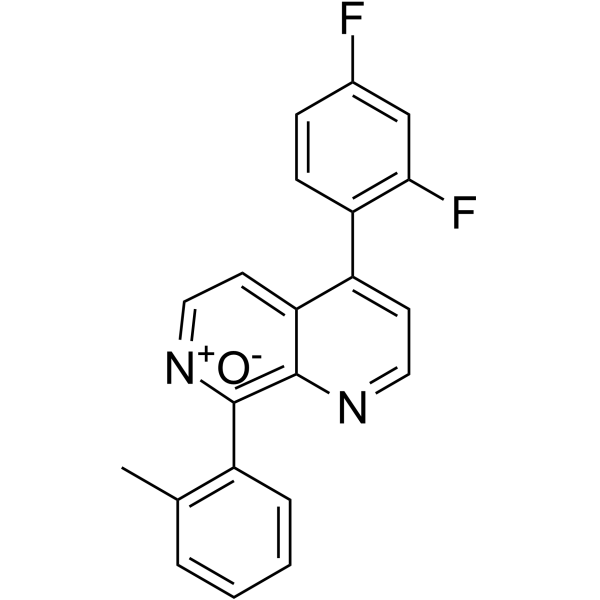
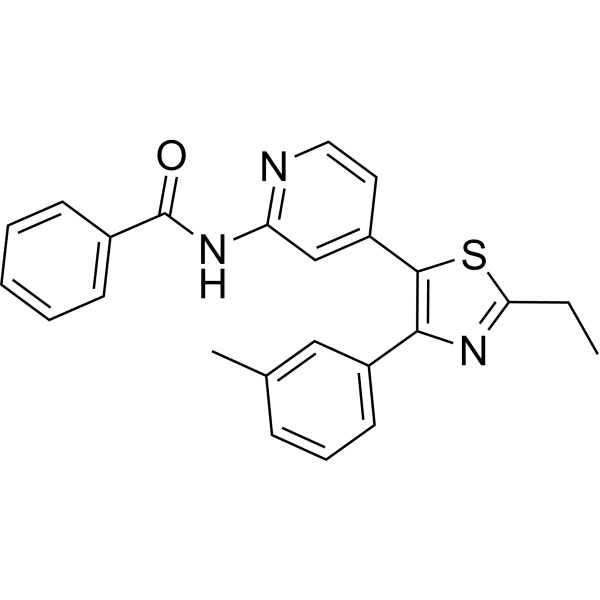
TAK-715 is an orally active and potent p38 MAPK inhibitor with IC50s of 7.1 nM, 200 nM for p38α and p38β, respectively. TAK-715 inhibits casein kinase I (CK1δ/ε) to regulate activation of Wnt/β-catenin signaling. TAK-715 shows good significant efficacy in a rat arthritis model .
loading...
    loading...
12
12 Cited Publications
Cat. No.: HY-10402
CAS No.: 585543-15-3
Purity:  99.94%
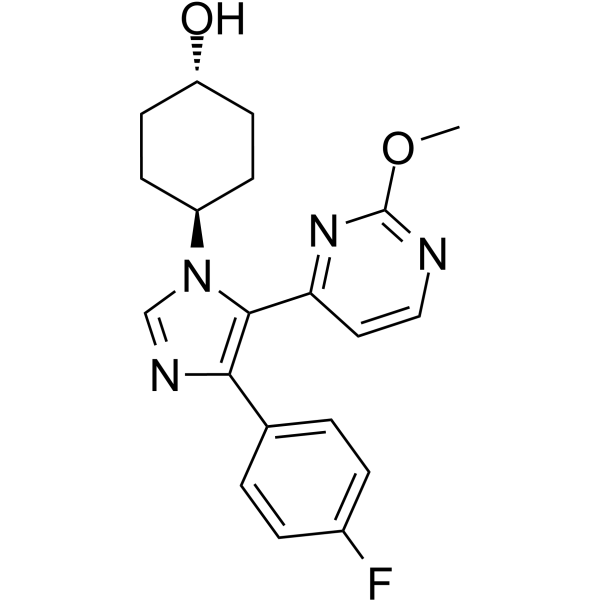
Synonyms: GSK-AHAB; GW856553X; SB856553
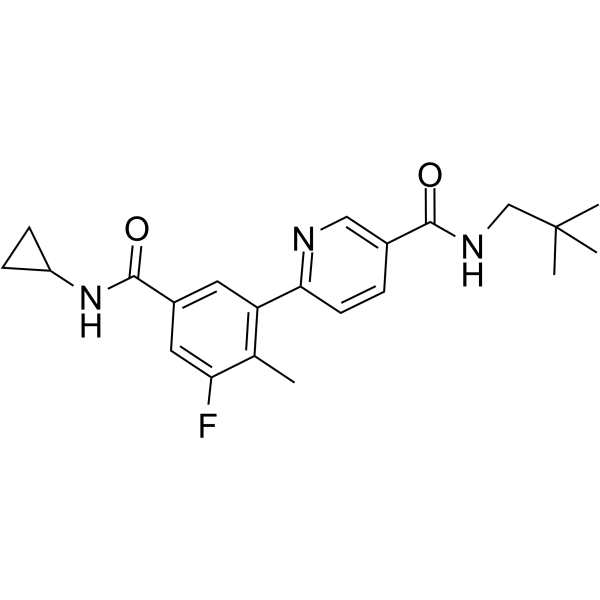
Losmapimod (GSK-AHAB; GW856553X) is an orally active p38α/β MAPK inhibitor, with pKi values of 8.1 and 7.6 for p38α and p38β, respectively. Losmapimod reduces DUX4 expression, thus exerting efficacy in facioscapulohumeral muscular dystrophy. By inhibiting MAPK/NF-κB, Losmapimod reduces apoptosis of epileptiform hippocampal neurons, and exhibits anti-allodynia and anti-hyperalgesic activities. Losmapimod blocks the entry and fusion of Lassa fever virus (LASV). Losmapimod overcomes tyrosine kinase inhibitor resistance in non-small cell lung cancer (NSCLC). Losmapimod inhibits myocardial senescence and inflammation, and possesses cardioprotective activity against cardiotoxicity .
loading...
    loading...

