


Search Result
Results for "
pH-responsive
" in MedChemExpress (MCE) Product Catalog:
17
Biochemical Assay Reagents
1
Isotope-Labeled Compounds
| Cat. No. |
Product Name |
Target |
Research Areas |
Chemical Structure |
-
- HY-W008034
-
|
Fmoc-L-Trp(Boc)-OH
|
Amino Acid Derivatives
|
Cancer
|
|
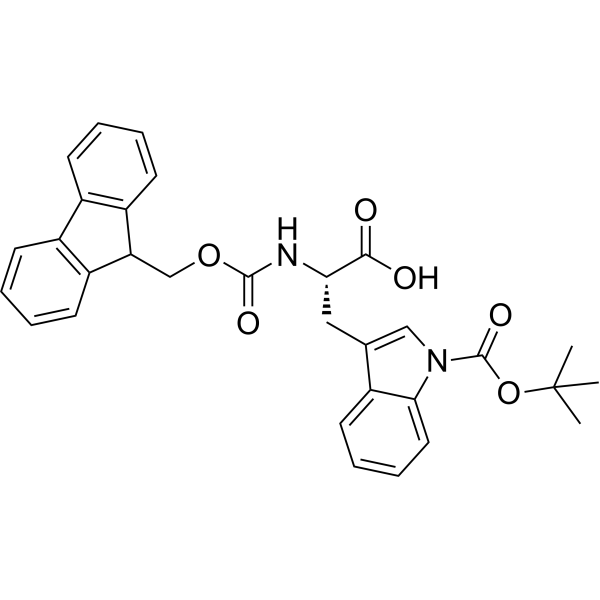
Fmoc-Trp(Boc)-OH (Fmoc-L-Trp(Boc)-OH) is an amino acid derivative with protective groups. Fmoc-Trp(Boc)-OH can self-assemble into stable and pH-responsive spherical nanoparticles, which can load and release bioactive molecules, with good biocompatibility and high cell uptake rate. Fmoc-Trp(Boc)-OH can be used in research on drug delivery .
|
-
-
- HY-W075517
-
|
2-Methylimidazole zinc salt
|
MOFs
Caspase
Pyroptosis
|
Cancer
|
|
ZIF-8 (2-Methylimidazole zinc salt) is a pyroptosis inducer that activates the caspase-1/gasdermin D-dependent pyroptosis pathway. ZIF-8 induces pyroptotic cell death accompanied by necrosis and immunogenic cell death. ZIF-8 initiates in situ immunity, activates anti-tumor immunity, and reprograms the immunosuppressive tumor microenvironment to inhibit tumor growth. ZIF-8 acts as a pH-responsive and stimulus-responsive drug release inducer. ZIF-8 is applicable to cancer-related research .
|
-
-
- HY-P5423
-
|
|
Exosomes
Liposome
|
Cancer
|
|
GALA is a pH-responsive amphipathic peptide consisting of 30 amino acids, which acts as a lung endothelium-targeting ligand. GALA undergoes a conformational transition from random coil to α-helix in an acidic environment at pH 5.0, thereby inducing endosomal membrane destabilization and fusion. GALA-modified liposomes traverse lung endothelial cells via clathrin-dependent endocytosis and transcytosis, and specifically accumulate in the lungs after intravenous injection. GALA significantly promotes the cytosolic release of cargos carried by exosomes, plasmids and liposomes, effectively enhances gene transfection efficiency, and drives gene knockdown of functional macromolecules (such as siRNA) in alveolar epithelial cells (with no significant cytotoxicity at effective concentrations). GALA serves as a critical tool for studies on lung cancer metastasis (e.g., melanoma lung metastasis) and lung-targeted drug delivery systems .
|
-
-
- HY-145795
-
|
|
Liposome
|
Others
|
|
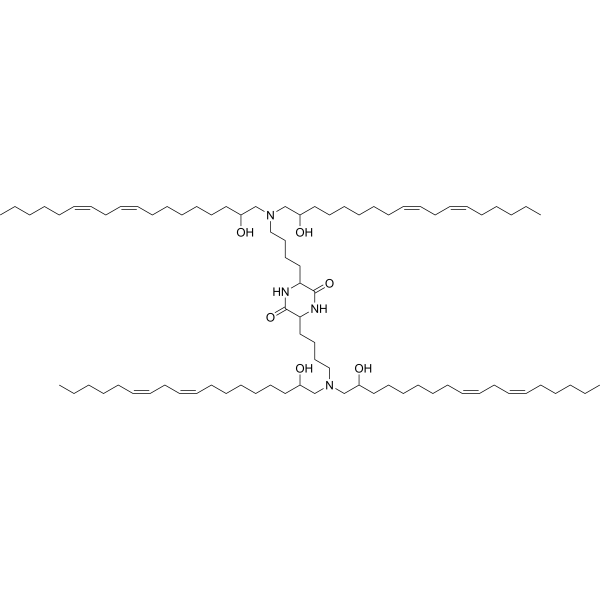
OF-02 is an ionizable lipid for mRNA delivery and a key component of lipid nanoparticles (LNPs). OF-02 is protonated in the acidic endosomal environment to promote endosomal escape of mRNA and efficiently induce protein expression in target cells. OF-02 relies on the pH-responsive membrane fusion properties to form a complex with mRNA and destroy the endosomal membrane structure to achieve mRNA release in the cytoplasm. OF-02 is mainly used in the development of mRNA vaccines, gene editing, and protein replacement therapy[1][2][3].
|
-
-
- HY-W923198
-
|
Methacryloyloxy fluorescein
|
Fluorescent Dye
|
Others
|
|
Fluorescein O-methacrylate (Methacryloyloxy fluorescein) is a pH-responsive fluorescent monomeric dye. Fluorescein O-methacrylate exhibits pH-responsive fluorescence properties: its fluorescence is activated under alkaline conditions and quenched under neutral or acidic conditions; reversible switching of fluorescence is achievable by adjusting the pH of the solution. Fluorescein O-methacrylate can be used as a monomer for the synthesis of amphiphilic fluorescein polymers. These polymers can self-assemble into stable polymer nanoparticles with enhanced aqueous-phase fluorescence, and also enable the conjugation of nanoparticles with amine-containing biomolecules to support sensitive optical detection of biomarkers (Ex/Em = 490/520 nm) .
|
-
-
- HY-W127770
-
|
Basic red 9
|
Fluorescent Dye
|
Infection
|
|
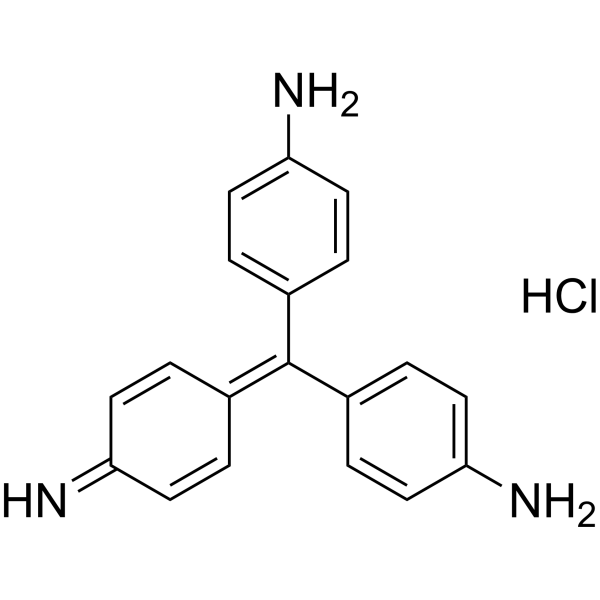
Pararosaniline hydrochloride (Basic red 9) is a pH-responsive basic dye, as a biological stain to track certain proteins. The pH of the acidified Pararosaniline hydrochloride reagent has a significant effect on the color and the maximum absorption wavelength (λmax) of the reaction system, with its optimum pH 0.48 and a λmax at 549 nm. Pararosaniline hydrochloride is also a strong modifier of RNA splicing. Pararosaniline hydrochloride has been used in the analysis of SO2 and formaldehyde and staining of bacteria or other organisms. Pararosaniline hydrochloride is extensively used in industries like textile, printing, paper, cosmetic, and leather .
|
-
-
- HY-W243303J
-
|
|
Biochemical Assay Reagents
|
Cancer
|
|
Poly(acrylic acid) (MW 250000) is a synthetic cationic electrolyte containing abundant carboxyl groups (-COOH), which exhibits excellent water absorption and retention properties and is often cross-linked to form hydrogels. Poly(acrylic acid) (with a molecular weight of 250,000). Poly(acrylic acid) (MW 250000) can be used as a non-collagenous analog in the biomimetic mineralization research of type I collagen. Poly(acrylic acid) (MW 250000) has pH responsiveness and biocompatibility and is often used as a drug carrier, surface modifier and functional material .
|
-
-
- HY-118924
-
|
|
Fluorescent Dye
|
Cancer
|
|
IR-825 is a near infrared fluorescent dye.the end of IR-825 has carboxyl COOH active group, and can participate in the reaction to connect other molecules. IR-825 can be widely used in tumor photothermal study. .
|
-
-
- HY-N13292
-
|
|
Antibiotic
Bacterial
|
Infection
|
|
Actinorhodin is a blue-pigmented, redox-active microbial secondary metabolite. Actinorhodin is a potent, bacteriostatic, pH-responsive antibiotic. Actinorhodin exhibits antimicrobial activity against Gram-positive bacteria .
|
-
-
- HY-D1463
-
|
|
Fluorescent Dye
|
Others
|
|
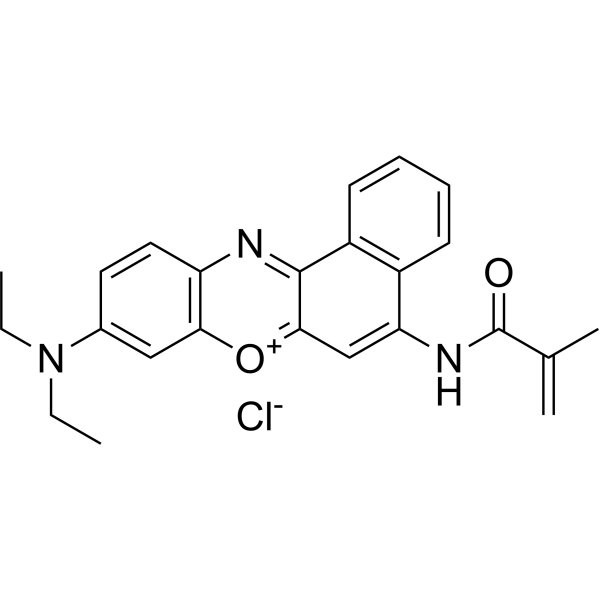
Nile Blue Methacrylamide is a pH-responsive probe. Nile Blue Methacrylamide exhibits pH-sensitive absorption and fluorescence emission in the physiological pH range, with spectral shifts occurring between acidic and near-physiological pH conditions . (Ex/Em = 590/670-700 nm)
|
-
-
- HY-P11353
-
|
|
Small Interfering RNA (siRNA)
|
Cancer
|
|
HA2 peptide is a potent pH-responsive fusogenic peptide derived from hemagglutinin (HA). HA2 peptide is anionic and can be conjugated to cationic peptides for siRNA condensation. HA2 peptide can be used for the research of cancer .
|
-
-
- HY-P11055
-
|
|
Bacterial
|
Infection
|
|
IKFQFHFD is a pH-responsive and self-assembling peptide. IKFQFHFD is biocompatible at neutral pH and becomes an antimicrobial peptide-like molecular structure only at acidic pH. IKFQFHFD can be used for chronic wounds (venous ulcers, diabetic ulcers, and pressure ulcers) induced by biofilm infections research .
|
-
-
- HY-172403
-
|
|
Biochemical Assay Reagents
|
Others
|
|
Poly-L-aspartic acid is an acidic polypeptide that functions via pH-dependent conformational changes. Poly-L-aspartic acid is promising for research of pH-responsive structural transitions in biological systems .
|
-
-
- HY-172692
-
|
|
Liposome
|
Cancer
|
|
DSPE-PEG1000-TH is a PEG compound which composed of DSPE and a pH-responsive cell penetrating peptide (TH). TH is activated in an acidic environment (such as the tumor microenvironment) and can selectively carry small molecules, oligonucleotides, proteins, etc. into tumor cells .
|
-
-
- HY-172693
-
|
|
Liposome
|
Cancer
|
|
DSPE-PEG2000-TH is a PEG compound which composed of DSPE and a pH-responsive cell penetrating peptide (TH). TH is activated in an acidic environment (such as the tumor microenvironment) and can selectively carry small molecules, oligonucleotides, proteins, etc. into tumor cells .
|
-
-
- HY-177344
-
|
|
Biochemical Assay Reagents
|
Cancer
|
|
IAJD-97 is a single-component ionizable amphiphilic Janus dendrimer carrier targeting mRNA delivery, which self-assembles into dendrimersomes (DNPs) via pH-responsive mechanisms to efficiently encapsulate and protect mRNA, while facilitating cellular uptake and endosomal escape through ionizable amine groups. IAJD-97 is promising for research of cancers .
|
-
-
- HY-172711A
-
|
|
Liposome
|
Cancer
|
|
DSPE-PEG3400-R6H4 is a PEG compound which composed of DSPE and pH responsive membrane-penetrating peptide (R6H4). R6H4 can be used for pH responsive anticancer drug delivery purposes. DSPE-PEG3400-R6H4 can be used for drug delivery .
|
-
-
- HY-172712
-
|
|
Liposome
|
Cancer
|
|
DSPE-PEG3000-R6H4 is a PEG compound which composed of DSPE and pH responsive membrane-penetrating peptide (R6H4). R6H4 can be used for pH responsive anticancer drug delivery purposes. DSPE-PEG3000-R6H4 can be used for drug delivery .
|
-
-
- HY-172710
-
|
|
Liposome
|
Cancer
|
|
DSPE-PEG1000-R6H4 is a PEG compound which composed of DSPE and pH responsive membrane-penetrating peptide (R6H4). R6H4 can be used for pH responsive anticancer drug delivery purposes. DSPE-PEG1000-R6H4 can be used for drug delivery .
|
-
-
- HY-W008034S
-
|
Fmoc-L-Trp(Boc)-OH-13C11,15N2
|
Isotope-Labeled Compounds
Amino Acid Derivatives
|
Cancer
|
|
Fmoc-Trp(Boc)-OH- 13C11, 15N2 (Fmoc-L-Trp(Boc)-OH- 13C11, 15N2) is the 13C-labeled and 15N-labeled Fmoc-Trp(Boc)-OH (HY-W008034). Fmoc-Trp(Boc)-OH (Fmoc-L-Trp(Boc)-OH) is an amino acid derivative with protective groups. Fmoc-Trp(Boc)-OH can self-assemble into stable and pH-responsive spherical nanoparticles, which can load and release bioactive molecules, with good biocompatibility and high cell uptake rate. Fmoc-Trp(Boc)-OH can be used in research on drug delivery .
|
-
-
- HY-154871
-
|
|
Drug Derivative
Biochemical Assay Reagents
|
Others
|
|
α-D-Glucosamine 1-phosphate is a glycosyl donor analog of Glc-1-P. α-D-Glucosamine 1-phosphate acts as a glycosyl donor to produce α(1→4)-linked glucosamine chains in the enzyme-catalyzed polymerization reaction mediated by thermostable α-glucan phosphorylase. α-D-Glucosamine 1-phosphate serves as a glycosyl donor analog to generate a pentasaccharide with a glucosamine residue at the non-reducing end in the maltotetraose glucosamination reaction catalyzed by potato α-glucan phosphorylase. α-D-Glucosamine 1-phosphate is used for the synthesis of amphiphilic block polysaccharides with pH-responsive assembly/disassembly properties .
|
-
-
- HY-172726
-
|
|
Liposome
|
Cancer
|
|
DSPE-PEG2000-EB1 is a PEG compound which composed of DSPE and pH responsive membrane-penetrating peptide (EB1). DSPE-PEG2000-EB1 can be used for drug delivery .
|
-
-
- HY-172726A
-
|
|
Liposome
|
Cancer
|
|
DSPE-PEG3400-EB1 is a PEG compound which composed of DSPE and pH responsive membrane-penetrating peptide (EB1). DSPE-PEG3400-EB1 can be used for drug delivery .
|
-
-
- HY-P11301
-
|
|
Biochemical Assay Reagents
|
Neurological Disease
Cancer
|
|
C16-pHD108 is a pH-responsive nanopore-forming peptide. C16-pHD108 functions as a macromolecule delivery carrier via endosomal membrane nanoporation. C16-pHD108 is promising for research of cancers and neurodegenerative diseases .
|
-
-
- HY-P11766
-
|
GALA-cholesterol
|
Biochemical Assay Reagents
|
Cancer
|
|
GALA-chol is a cholesterol-conjugated pH-responsive fusion peptide that can serve as a delivery adjuvant. GALA-chol enhances the endocytosis of siRNA RET/PTC1-SQ nanoparticles, inhibits cell viability, and undergoes pH-responsive charge conversion in the acidic lysosomal environment, thereby promoting lysosomal escape of small extracellular vesicle (sEV) cargo. GALA-chol anchors to the sEV membrane and maintains the structural integrity and intrinsic homing activity of sEVs. GALA-chol can be used in studies related to adjuvant delivery .
|
-
-
- HY-172694
-
|
|
Liposome
|
Cancer
|
|
DSPE-PEG5000-TH is a PEG compound which composed of DSPE and a pH-responsive cell penetrating peptide (TH). TH is activated in an acidic environment (such as the tumor microenvironment) and can selectively carry small molecules, oligonucleotides, proteins, etc. into tumor cells .
|
-
-
- HY-172711
-
|
|
Liposome
|
Cancer
|
|
DSPE-PEG2000-R6H4 is a PEG compound which composed of DSPE and pH responsive membrane-penetrating peptide (R6H4). R6H4 can be used for pH responsive anticancer drug delivery purposes. DSPE-PEG2000-R6H4 can be used for drug delivery .
|
-
-
- HY-182098B
-
|
|
Liposome
|
Cancer
|
|
DSPE-PEG3400-GALA is a PEG compound which composed of DSPE and a lung endothelium-targeting peptide GALA (HY-P5423). GALA is a pH-responsive amphipathic peptide consisting of 30 amino acids, which acts as a lung endothelium-targeting ligand. GALA undergoes a conformational transition from random coil to α-helix in an acidic environment at pH 5.0, thereby inducing endosomal membrane destabilization and fusion. GALA-modified liposomes traverse lung endothelial cells via clathrin-dependent endocytosis and transcytosis, and specifically accumulate in the lungs after intravenous injection. DSPE-PEG3400-GALA can be used for drug delivery .
|
-
-
- HY-182098C
-
|
|
Liposome
|
Cancer
|
|
DSPE-PEG5000-GALA is a PEG compound which composed of DSPE and a lung endothelium-targeting peptide GALA (HY-P5423). GALA is a pH-responsive amphipathic peptide consisting of 30 amino acids, which acts as a lung endothelium-targeting ligand. GALA undergoes a conformational transition from random coil to α-helix in an acidic environment at pH 5.0, thereby inducing endosomal membrane destabilization and fusion. GALA-modified liposomes traverse lung endothelial cells via clathrin-dependent endocytosis and transcytosis, and specifically accumulate in the lungs after intravenous injection. DSPE-PEG5000-GALA can be used for drug delivery .
|
-
-
- HY-182098
-
|
|
Liposome
|
Cancer
|
|
DSPE-PEG1000-GALA is a PEG compound which composed of DSPE and a lung endothelium-targeting peptide GALA (HY-P5423). GALA is a pH-responsive amphipathic peptide consisting of 30 amino acids, which acts as a lung endothelium-targeting ligand. GALA undergoes a conformational transition from random coil to α-helix in an acidic environment at pH 5.0, thereby inducing endosomal membrane destabilization and fusion. GALA-modified liposomes traverse lung endothelial cells via clathrin-dependent endocytosis and transcytosis, and specifically accumulate in the lungs after intravenous injection. DSPE-PEG1000-GALA can be used for drug delivery .
|
-
-
- HY-182098A
-
|
|
Liposome
|
Cancer
|
|
DSPE-PEG2000-GALA is a PEG compound which composed of DSPE and a lung endothelium-targeting peptide GALA (HY-P5423). GALA is a pH-responsive amphipathic peptide consisting of 30 amino acids, which acts as a lung endothelium-targeting ligand. GALA undergoes a conformational transition from random coil to α-helix in an acidic environment at pH 5.0, thereby inducing endosomal membrane destabilization and fusion. GALA-modified liposomes traverse lung endothelial cells via clathrin-dependent endocytosis and transcytosis, and specifically accumulate in the lungs after intravenous injection. DSPE-PEG2000-GALA can be used for drug delivery .
|
-
-
- HY-172727
-
|
|
Liposome
|
Cancer
|
|
DSPE-PEG5000-EB1 is a PEG compound which composed of DSPE and pH responsive membrane-penetrating peptide (EB1). DSPE-PEG5000-EB1 can be used for drug delivery .
|
-
-
- HY-172725
-
|
|
Liposome
|
Cancer
|
|
DSPE-PEG1000-EB1 is a PEG compound which composed of DSPE and pH responsive membrane-penetrating peptide (EB1). DSPE-PEG1000-EB1 can be used for drug delivery .
|
-
| Cat. No. |
Product Name |
Type |
-
- HY-W923198
-
|
Methacryloyloxy fluorescein
|
Fluorescent Dye
|
|
Fluorescein O-methacrylate (Methacryloyloxy fluorescein) is a pH-responsive fluorescent monomeric dye. Fluorescein O-methacrylate exhibits pH-responsive fluorescence properties: its fluorescence is activated under alkaline conditions and quenched under neutral or acidic conditions; reversible switching of fluorescence is achievable by adjusting the pH of the solution. Fluorescein O-methacrylate can be used as a monomer for the synthesis of amphiphilic fluorescein polymers. These polymers can self-assemble into stable polymer nanoparticles with enhanced aqueous-phase fluorescence, and also enable the conjugation of nanoparticles with amine-containing biomolecules to support sensitive optical detection of biomarkers (Ex/Em = 490/520 nm) .
|
-
- HY-118924
-
|
|
Fluorescent Dye
|
|
IR-825 is a near infrared fluorescent dye.the end of IR-825 has carboxyl COOH active group, and can participate in the reaction to connect other molecules. IR-825 can be widely used in tumor photothermal study. .
|
-
- HY-D1463
-
|
|
Fluorescent Dye
|
|
Nile Blue Methacrylamide is a pH-responsive probe. Nile Blue Methacrylamide exhibits pH-sensitive absorption and fluorescence emission in the physiological pH range, with spectral shifts occurring between acidic and near-physiological pH conditions . (Ex/Em = 590/670-700 nm)
|
| Cat. No. |
Product Name |
Type |
-
- HY-W008034
-
|
Fmoc-L-Trp(Boc)-OH
|
Biochemical Assay Reagents
|
|
Fmoc-Trp(Boc)-OH (Fmoc-L-Trp(Boc)-OH) is an amino acid derivative with protective groups. Fmoc-Trp(Boc)-OH can self-assemble into stable and pH-responsive spherical nanoparticles, which can load and release bioactive molecules, with good biocompatibility and high cell uptake rate. Fmoc-Trp(Boc)-OH can be used in research on drug delivery .
|
-
- HY-145795
-
|
|
Biochemical Assay Reagents
|
|
OF-02 is an ionizable lipid for mRNA delivery and a key component of lipid nanoparticles (LNPs). OF-02 is protonated in the acidic endosomal environment to promote endosomal escape of mRNA and efficiently induce protein expression in target cells. OF-02 relies on the pH-responsive membrane fusion properties to form a complex with mRNA and destroy the endosomal membrane structure to achieve mRNA release in the cytoplasm. OF-02 is mainly used in the development of mRNA vaccines, gene editing, and protein replacement therapy[1][2][3].
|
-
- HY-W243303J
-
|
|
Biochemical Assay Reagents
|
|
Poly(acrylic acid) (MW 250000) is a synthetic cationic electrolyte containing abundant carboxyl groups (-COOH), which exhibits excellent water absorption and retention properties and is often cross-linked to form hydrogels. Poly(acrylic acid) (with a molecular weight of 250,000). Poly(acrylic acid) (MW 250000) can be used as a non-collagenous analog in the biomimetic mineralization research of type I collagen. Poly(acrylic acid) (MW 250000) has pH responsiveness and biocompatibility and is often used as a drug carrier, surface modifier and functional material .
|
-
- HY-172693
-
|
|
Biochemical Assay Reagents
|
|
DSPE-PEG2000-TH is a PEG compound which composed of DSPE and a pH-responsive cell penetrating peptide (TH). TH is activated in an acidic environment (such as the tumor microenvironment) and can selectively carry small molecules, oligonucleotides, proteins, etc. into tumor cells .
|
-
- HY-172711A
-
|
|
Biochemical Assay Reagents
|
|
DSPE-PEG3400-R6H4 is a PEG compound which composed of DSPE and pH responsive membrane-penetrating peptide (R6H4). R6H4 can be used for pH responsive anticancer drug delivery purposes. DSPE-PEG3400-R6H4 can be used for drug delivery .
|
-
- HY-172712
-
|
|
Biochemical Assay Reagents
|
|
DSPE-PEG3000-R6H4 is a PEG compound which composed of DSPE and pH responsive membrane-penetrating peptide (R6H4). R6H4 can be used for pH responsive anticancer drug delivery purposes. DSPE-PEG3000-R6H4 can be used for drug delivery .
|
-
- HY-172710
-
|
|
Biochemical Assay Reagents
|
|
DSPE-PEG1000-R6H4 is a PEG compound which composed of DSPE and pH responsive membrane-penetrating peptide (R6H4). R6H4 can be used for pH responsive anticancer drug delivery purposes. DSPE-PEG1000-R6H4 can be used for drug delivery .
|
-
- HY-172726
-
|
|
Biochemical Assay Reagents
|
|
DSPE-PEG2000-EB1 is a PEG compound which composed of DSPE and pH responsive membrane-penetrating peptide (EB1). DSPE-PEG2000-EB1 can be used for drug delivery .
|
-
- HY-172726A
-
|
|
Biochemical Assay Reagents
|
|
DSPE-PEG3400-EB1 is a PEG compound which composed of DSPE and pH responsive membrane-penetrating peptide (EB1). DSPE-PEG3400-EB1 can be used for drug delivery .
|
-
- HY-172694
-
|
|
Biochemical Assay Reagents
|
|
DSPE-PEG5000-TH is a PEG compound which composed of DSPE and a pH-responsive cell penetrating peptide (TH). TH is activated in an acidic environment (such as the tumor microenvironment) and can selectively carry small molecules, oligonucleotides, proteins, etc. into tumor cells .
|
-
- HY-172711
-
|
|
Biochemical Assay Reagents
|
|
DSPE-PEG2000-R6H4 is a PEG compound which composed of DSPE and pH responsive membrane-penetrating peptide (R6H4). R6H4 can be used for pH responsive anticancer drug delivery purposes. DSPE-PEG2000-R6H4 can be used for drug delivery .
|
-
- HY-182098B
-
|
|
Biochemical Assay Reagents
|
|
DSPE-PEG3400-GALA is a PEG compound which composed of DSPE and a lung endothelium-targeting peptide GALA (HY-P5423). GALA is a pH-responsive amphipathic peptide consisting of 30 amino acids, which acts as a lung endothelium-targeting ligand. GALA undergoes a conformational transition from random coil to α-helix in an acidic environment at pH 5.0, thereby inducing endosomal membrane destabilization and fusion. GALA-modified liposomes traverse lung endothelial cells via clathrin-dependent endocytosis and transcytosis, and specifically accumulate in the lungs after intravenous injection. DSPE-PEG3400-GALA can be used for drug delivery .
|
-
- HY-182098C
-
|
|
Biochemical Assay Reagents
|
|
DSPE-PEG5000-GALA is a PEG compound which composed of DSPE and a lung endothelium-targeting peptide GALA (HY-P5423). GALA is a pH-responsive amphipathic peptide consisting of 30 amino acids, which acts as a lung endothelium-targeting ligand. GALA undergoes a conformational transition from random coil to α-helix in an acidic environment at pH 5.0, thereby inducing endosomal membrane destabilization and fusion. GALA-modified liposomes traverse lung endothelial cells via clathrin-dependent endocytosis and transcytosis, and specifically accumulate in the lungs after intravenous injection. DSPE-PEG5000-GALA can be used for drug delivery .
|
-
- HY-182098
-
|
|
Biochemical Assay Reagents
|
|
DSPE-PEG1000-GALA is a PEG compound which composed of DSPE and a lung endothelium-targeting peptide GALA (HY-P5423). GALA is a pH-responsive amphipathic peptide consisting of 30 amino acids, which acts as a lung endothelium-targeting ligand. GALA undergoes a conformational transition from random coil to α-helix in an acidic environment at pH 5.0, thereby inducing endosomal membrane destabilization and fusion. GALA-modified liposomes traverse lung endothelial cells via clathrin-dependent endocytosis and transcytosis, and specifically accumulate in the lungs after intravenous injection. DSPE-PEG1000-GALA can be used for drug delivery .
|
-
- HY-182098A
-
|
|
Biochemical Assay Reagents
|
|
DSPE-PEG2000-GALA is a PEG compound which composed of DSPE and a lung endothelium-targeting peptide GALA (HY-P5423). GALA is a pH-responsive amphipathic peptide consisting of 30 amino acids, which acts as a lung endothelium-targeting ligand. GALA undergoes a conformational transition from random coil to α-helix in an acidic environment at pH 5.0, thereby inducing endosomal membrane destabilization and fusion. GALA-modified liposomes traverse lung endothelial cells via clathrin-dependent endocytosis and transcytosis, and specifically accumulate in the lungs after intravenous injection. DSPE-PEG2000-GALA can be used for drug delivery .
|
-
- HY-172727
-
|
|
Biochemical Assay Reagents
|
|
DSPE-PEG5000-EB1 is a PEG compound which composed of DSPE and pH responsive membrane-penetrating peptide (EB1). DSPE-PEG5000-EB1 can be used for drug delivery .
|
-
- HY-172725
-
|
|
Biochemical Assay Reagents
|
|
DSPE-PEG1000-EB1 is a PEG compound which composed of DSPE and pH responsive membrane-penetrating peptide (EB1). DSPE-PEG1000-EB1 can be used for drug delivery .
|
| Cat. No. |
Product Name |
Target |
Research Area |
-
- HY-P5423
-
|
|
Exosomes
Liposome
|
Cancer
|
|
GALA is a pH-responsive amphipathic peptide consisting of 30 amino acids, which acts as a lung endothelium-targeting ligand. GALA undergoes a conformational transition from random coil to α-helix in an acidic environment at pH 5.0, thereby inducing endosomal membrane destabilization and fusion. GALA-modified liposomes traverse lung endothelial cells via clathrin-dependent endocytosis and transcytosis, and specifically accumulate in the lungs after intravenous injection. GALA significantly promotes the cytosolic release of cargos carried by exosomes, plasmids and liposomes, effectively enhances gene transfection efficiency, and drives gene knockdown of functional macromolecules (such as siRNA) in alveolar epithelial cells (with no significant cytotoxicity at effective concentrations). GALA serves as a critical tool for studies on lung cancer metastasis (e.g., melanoma lung metastasis) and lung-targeted drug delivery systems .
|
-
- HY-P4116
-
|
pHLIP
|
Peptides
|
Metabolic Disease
Cancer
|
|
pH-Low Insertion Peptide (pHLIP) is a short, pH-responsive peptide capable of inserting across a cell membrane to form a transmembrane helix at acidic pH. pH-Low Insertion Peptide targets the acidic tumor microenvironment for tumors at early and metastatic stages with high specificity, used as a specific ligand. pH-Low Insertion Peptide successfully modify polylysine polymers to have the pH-responsive capability. pH-Low Insertion Peptide-based targeting of cancer presents an opportunity to monitor metabolic changes, and to selectively deliver imaging and therapeutic agents to tumors .
|
-
- HY-P5284
-
|
|
Peptides
|
Others
|
|
RALA peptide is a cationic amphiphilic delivery agent targeting cell membranes, which forms nanoparticles through electrostatic interactions with anionic drugs. RALA peptide has pH-responsive binding properties, which can enhance the α-helical conformation in an acidic environment and destroy the endosomal membrane, promote the release of drugs into the cytoplasm, and exert efficient intracellular delivery activity. RALA peptide can be used in cancer research (enhancing the activity of bisphosphonates against prostate cancer and breast cancer cells) and bone tissue engineering (promoting osteoblast collagen deposition and extracellular matrix mineralization) .
|
-
- HY-P4116A
-
|
pHLIP TFA
|
Peptides
|
Metabolic Disease
Cancer
|
|
pH-Low Insertion Peptide TFA (pHLIP TFA) is a short, pH-responsive peptide capable of inserting across a cell membrane to form a transmembrane helix at acidic pH. pH-Low Insertion Peptide TFA targets the acidic tumor microenvironment for tumors at early and metastatic stages with high specificity, used as a specific ligand. pH-Low Insertion Peptide TFA successfully modifys polylysine polymers to have the pH-responsive capability. pH-Low Insertion Peptide TFA -based targeting of cancer presents an opportunity to monitor metabolic changes and to selectively deliver imaging and therapeutic agents to tumors .
|
-
- HY-P11353
-
|
|
Small Interfering RNA (siRNA)
|
Cancer
|
|
HA2 peptide is a potent pH-responsive fusogenic peptide derived from hemagglutinin (HA). HA2 peptide is anionic and can be conjugated to cationic peptides for siRNA condensation. HA2 peptide can be used for the research of cancer .
|
-
- HY-P11055
-
|
|
Bacterial
|
Infection
|
|
IKFQFHFD is a pH-responsive and self-assembling peptide. IKFQFHFD is biocompatible at neutral pH and becomes an antimicrobial peptide-like molecular structure only at acidic pH. IKFQFHFD can be used for chronic wounds (venous ulcers, diabetic ulcers, and pressure ulcers) induced by biofilm infections research .
|
-
- HY-P11301
-
|
|
Biochemical Assay Reagents
|
Neurological Disease
Cancer
|
|
C16-pHD108 is a pH-responsive nanopore-forming peptide. C16-pHD108 functions as a macromolecule delivery carrier via endosomal membrane nanoporation. C16-pHD108 is promising for research of cancers and neurodegenerative diseases .
|
-
- HY-P11766
-
|
GALA-cholesterol
|
Biochemical Assay Reagents
|
Cancer
|
|
GALA-chol is a cholesterol-conjugated pH-responsive fusion peptide that can serve as a delivery adjuvant. GALA-chol enhances the endocytosis of siRNA RET/PTC1-SQ nanoparticles, inhibits cell viability, and undergoes pH-responsive charge conversion in the acidic lysosomal environment, thereby promoting lysosomal escape of small extracellular vesicle (sEV) cargo. GALA-chol anchors to the sEV membrane and maintains the structural integrity and intrinsic homing activity of sEVs. GALA-chol can be used in studies related to adjuvant delivery .
|
-
- HY-P10794
-
|
|
Peptides
|
Cancer
|
|
LH2 peptide is a pH-responsive cell-penetrating peptide dimer with the amino acid sequence LHHLCHLLHHLCHLAG. It can increase its uptake in tumor cells under weakly acidic conditions (such as the tumor microenvironment) through the protonation of histidine residues (pKa approximately 6). When conjugated with the anticancer drug Paclitaxel (HY-B0015), the PTX-LH2 conjugate showed superior tumor suppression effects compared to paclitaxel alone in a subcutaneous breast tumor model. The LH2 peptide holds potential as a drug delivery vehicle in cancer research .
|
-
- HY-P5423C
-
|
|
Peptides
|
Others
|
|
GALA-Cys is a chemically modified GALA peptide (HY-P5423) that retains GALA functions while acquiring strong covalent conjugation capability. GALA-Cys undergoes pH-driven reversible secondary structure transition, rearranges into an amphipathic α-helix, self-oligomerizes, penetrates lipid membranes to form pores, and disrupts lipid bilayers, thereby enabling endosomal escape and cytosolic cargo delivery. GALA-Cys can be conjugated with lipid DPTE for integration into liposomes, self-assembles into a tilted monolayer on gold surfaces, and serves as a pH-responsive coating for particle surface functionalization. GALA-Cys is applicable to studies related to targeted cargo delivery .
|
| Cat. No. |
Product Name |
Category |
Target |
Chemical Structure |
| Cat. No. |
Product Name |
Chemical Structure |
-
- HY-W008034S
-
|
|
|
Fmoc-Trp(Boc)-OH- 13C11, 15N2 (Fmoc-L-Trp(Boc)-OH- 13C11, 15N2) is the 13C-labeled and 15N-labeled Fmoc-Trp(Boc)-OH (HY-W008034). Fmoc-Trp(Boc)-OH (Fmoc-L-Trp(Boc)-OH) is an amino acid derivative with protective groups. Fmoc-Trp(Boc)-OH can self-assemble into stable and pH-responsive spherical nanoparticles, which can load and release bioactive molecules, with good biocompatibility and high cell uptake rate. Fmoc-Trp(Boc)-OH can be used in research on drug delivery .
|
-
| Cat. No. |
Product Name |
|
Classification |
-
- HY-145795
-
|
|
|
Cationic Lipids
|
|
OF-02 is an ionizable lipid for mRNA delivery and a key component of lipid nanoparticles (LNPs). OF-02 is protonated in the acidic endosomal environment to promote endosomal escape of mRNA and efficiently induce protein expression in target cells. OF-02 relies on the pH-responsive membrane fusion properties to form a complex with mRNA and destroy the endosomal membrane structure to achieve mRNA release in the cytoplasm. OF-02 is mainly used in the development of mRNA vaccines, gene editing, and protein replacement therapy[1][2][3].
|
-
- HY-172692
-
|
|
|
Pegylated Lipids
|
|
DSPE-PEG1000-TH is a PEG compound which composed of DSPE and a pH-responsive cell penetrating peptide (TH). TH is activated in an acidic environment (such as the tumor microenvironment) and can selectively carry small molecules, oligonucleotides, proteins, etc. into tumor cells .
|
-
- HY-172693
-
|
|
|
Pegylated Lipids
|
|
DSPE-PEG2000-TH is a PEG compound which composed of DSPE and a pH-responsive cell penetrating peptide (TH). TH is activated in an acidic environment (such as the tumor microenvironment) and can selectively carry small molecules, oligonucleotides, proteins, etc. into tumor cells .
|
-
- HY-172711A
-
|
|
|
Pegylated Lipids
|
|
DSPE-PEG3400-R6H4 is a PEG compound which composed of DSPE and pH responsive membrane-penetrating peptide (R6H4). R6H4 can be used for pH responsive anticancer drug delivery purposes. DSPE-PEG3400-R6H4 can be used for drug delivery .
|
-
- HY-172712
-
|
|
|
Pegylated Lipids
|
|
DSPE-PEG3000-R6H4 is a PEG compound which composed of DSPE and pH responsive membrane-penetrating peptide (R6H4). R6H4 can be used for pH responsive anticancer drug delivery purposes. DSPE-PEG3000-R6H4 can be used for drug delivery .
|
-
- HY-172710
-
|
|
|
Pegylated Lipids
|
|
DSPE-PEG1000-R6H4 is a PEG compound which composed of DSPE and pH responsive membrane-penetrating peptide (R6H4). R6H4 can be used for pH responsive anticancer drug delivery purposes. DSPE-PEG1000-R6H4 can be used for drug delivery .
|
-
- HY-172726
-
|
|
|
Pegylated Lipids
|
|
DSPE-PEG2000-EB1 is a PEG compound which composed of DSPE and pH responsive membrane-penetrating peptide (EB1). DSPE-PEG2000-EB1 can be used for drug delivery .
|
-
- HY-172726A
-
|
|
|
Pegylated Lipids
|
|
DSPE-PEG3400-EB1 is a PEG compound which composed of DSPE and pH responsive membrane-penetrating peptide (EB1). DSPE-PEG3400-EB1 can be used for drug delivery .
|
-
- HY-172694
-
|
|
|
Pegylated Lipids
|
|
DSPE-PEG5000-TH is a PEG compound which composed of DSPE and a pH-responsive cell penetrating peptide (TH). TH is activated in an acidic environment (such as the tumor microenvironment) and can selectively carry small molecules, oligonucleotides, proteins, etc. into tumor cells .
|
-
- HY-172711
-
|
|
|
Pegylated Lipids
|
|
DSPE-PEG2000-R6H4 is a PEG compound which composed of DSPE and pH responsive membrane-penetrating peptide (R6H4). R6H4 can be used for pH responsive anticancer drug delivery purposes. DSPE-PEG2000-R6H4 can be used for drug delivery .
|
-
- HY-172727
-
|
|
|
Pegylated Lipids
|
|
DSPE-PEG5000-EB1 is a PEG compound which composed of DSPE and pH responsive membrane-penetrating peptide (EB1). DSPE-PEG5000-EB1 can be used for drug delivery .
|
-
- HY-172725
-
|
|
|
Pegylated Lipids
|
|
DSPE-PEG1000-EB1 is a PEG compound which composed of DSPE and pH responsive membrane-penetrating peptide (EB1). DSPE-PEG1000-EB1 can be used for drug delivery .
|
Your information is safe with us. * Required Fields.
Inquiry Information
- Product Name:
- Cat. No.:
- Quantity:
- MCE Japan Authorized Agent:

