


1. Search Result
Search Result
Results for "

prostate tumor growth

" in MedChemExpress (MCE) Product Catalog:

117

Inhibitors & Agonists

1

Fluorescent Dyes

3

Peptides

6

Inhibitory Antibodies

8

Natural
Products

4

Isotope-Labeled Compounds

4

Oligonucleotides

Cat. No. Product Name Target Research Areas Chemical Structure
  • HY-158101
    BMS-986365
    1 Publications Verification

    CC-94676

    PROTACs Androgen Receptor Cancer
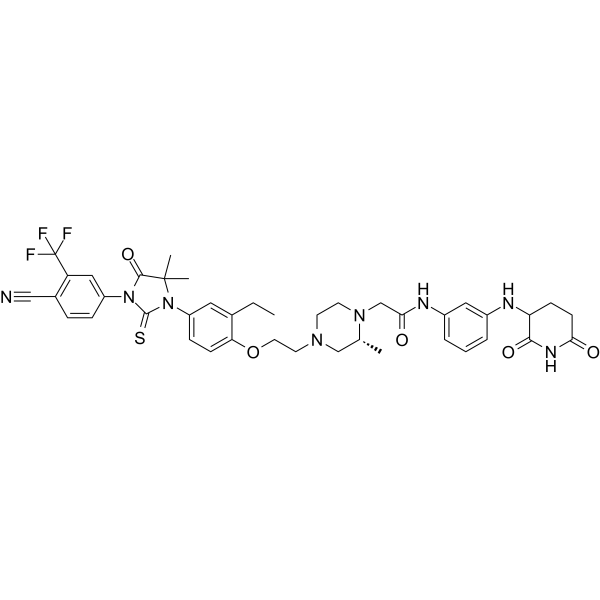
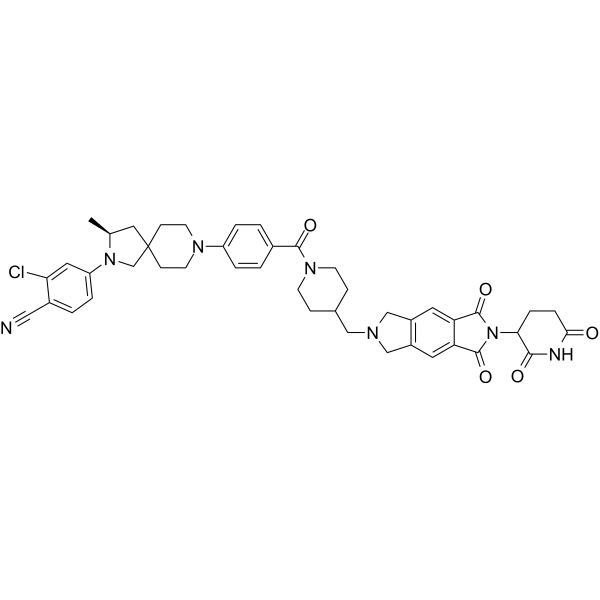
    BMS-986365 (CC-94676) is an orally active and selective targeted androgen receptor (AR) PROTAC degrader (DC50 of 10-40 nM). BMS-986365 is capable of inducing cereblon (CRBN) E3 ligase-dependent ubiquitination and degradation of the androgen receptor (AR), as well as various AR mutants. BMS-986365 shows no degradation of the close AR family members estrogen receptor (ER), progesterone receptor (PR), and glucocorticoid receptor (GR). BMS-986365 shows significant in vivo potency, degrading AR, inhibiting AR signaling, and restricting tumor growth in animal models of advanced prostate cancer. BMS-986365 can be used for the study of metastatic castration-resistant prostate cancer (mCRPC) .
    BMS-986365
  • HY-104040
    MKC8866
    Maximum Cited Publications
    16 Publications Verification

    Orin1001

    IRE1 Cancer
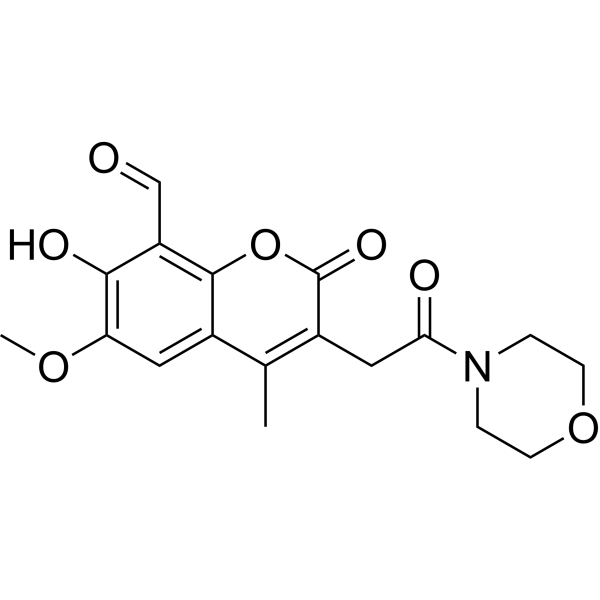
    MKC8866, a salicylaldehyde analog, is a potent, selective IRE1 RNase inhibitor with an IC50 of 0.29 μM in human vitro. MKC8866 strongly inhibits Dithiothreitol-induced X-box-binding protein 1-spliced (XBP1s) expression with an EC50 of 0.52 μM and unstresses RPMI 8226 cells with an IC50 of 0.14 μM . MKC8866 inhibits IRE1 RNase in breast cancer cells leading to the decreased production of pro-tumorigenic factors and it can inhibits prostate cancer (PCa) tumor growth .
    MKC8866
  • HY-N6796
    Manumycin A
    2 Publications Verification

    Antibiotic Exosomes Farnesyl Transferase Ras Apoptosis Phospholipase TNF Receptor Atg8/LC3 Infection Inflammation/Immunology Cancer
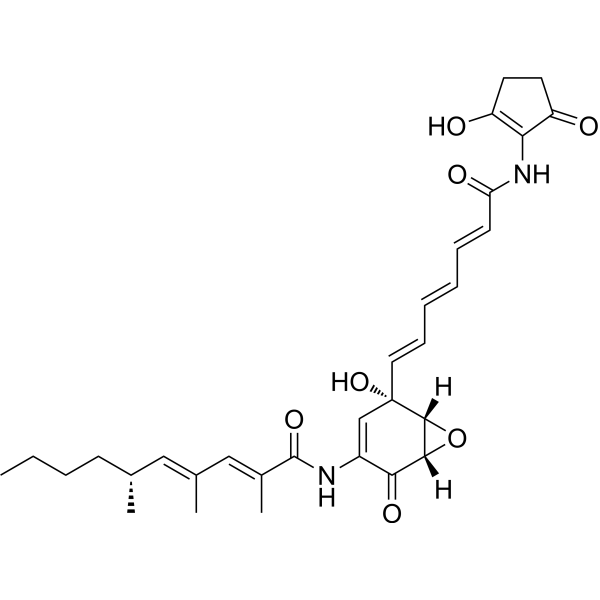
    Manumycin A is a polyketide antibiotic and an inhibitor of thioredoxin reductase 1 (TrxR-1). Manumycin A can inhibit the growth of breast cancer cells and exert its anti-tumor activity through LC3. Manumycin A can downregulate the release of pro-inflammatory cytokines in human monocytes stimulated by TNF α, and has potential anti-inflammatory activity. Manumycin A can inhibit the Ras/Raf/ERK1/2 signaling and hnRNP H1 in castration resistant prostate cancer cells to suppress exosome biogenesis and secretion .
    Manumycin A
  • HY-173158

    PROTACs Histone Acetyltransferase Cancer
    AUR1545 is a selective KAT2A/KAT2B ((GCN5/PCAF)) PROTAC degrader that induces monocyte differentiation and inhibits the growth of acute myeloid leukemia cells. AUR1545 inhibits cell growth, induces epithelial differentiation and suppresses tumor growth in small cell lung cancer models. AUR1545 inhibits cell growth and induces differentiation in neuroendocrine prostate cancer cells and primary patient-derived organoids. AUR1545 is applicable to research related to acute myeloid leukemia, small cell lung cancer and neuroendocrine prostate cancer .
    AUR1545
  • HY-147081
    AS 1411
    2 Publications Verification

    AGRO-100

    Histone Methyltransferase Bcl-2 Family Cancer
    AS 1411 (AGRO-100) is an oligonucleotide aptamer targeting nucleoproteins. AS 1411 inhibits tumor cell proliferation by affecting the activity of nucleoprotein-containing complexes and can be used as a carrier to precisely deliver nanoparticles, oligonucleotides and small molecules to cancer cells. AS 1411 reduces PRMT5 expression to inhibit tumor growth in DU145 prostate cancer cells. AS 1411 works by blocking the binding of nucleoproteins to bcl-2 mRNA in MCF-7 breast cancer cells. AS 1411-coupled Jin nanospheres can inhibit breast cancer cell proliferation in vitro and in mouse models, has the ability to cross the blood-brain barrier with low tissue toxicity .
    AS 1411
  • HY-N6601

    Randialic acid A

    Apoptosis Cancer
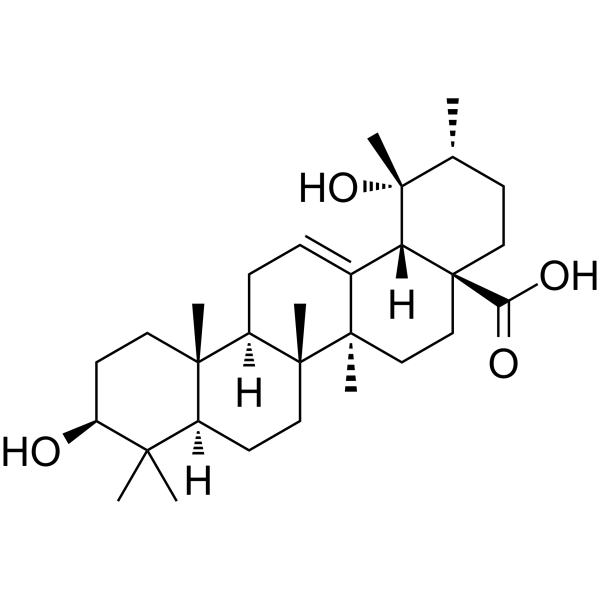
    Randialic acid A (Pomolic acid) is a pentacyclic triterpene isolated from?Euscaphis japonica?(Tunb.). Randialic acid A (Pomolic acid) inhibits tumor cells growth and induces cell apoptosis. Randialic acid A (Pomolic acid) has a potential for the treatment of prostate cancer (PC) .
    Pomolic acid
  • HY-P99188
    Carlumab
    4 Publications Verification

    CNTO 888

    CCR Cancer
    Carlumab (CNTO 888) is a human anti-CCL2 (chemokine ligand 2) monoclonal antibody. Carlumab binds and neutralises profibrotic activities of human CCL2. Carlumab inhibits tumor growth by reducing macrophage infiltration and decreasing tumor microvascular density. Carlumab can be used for the research of cancer, suah as prostate cancer .
    Carlumab
  • HY-70006
    Galeterone
    3 Publications Verification

    TOK-001; VN-124-1

    Molecular Glues Androgen Receptor MNK Cytochrome P450 Apoptosis Cancer
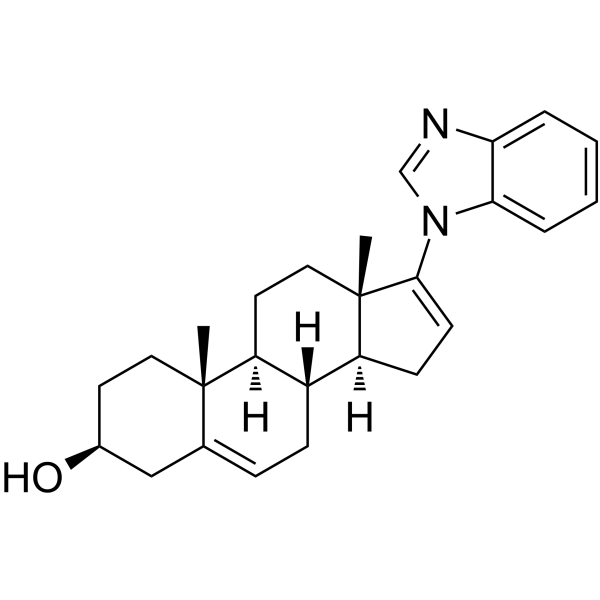
    Galeterone (TOK-001) is a potent, orally active molecular glue degrader, which degrades androgen receptor (AR) and its splice variants (AR-Vs) and MAP kinase-interacting serine/threonine protein kinase Mnk1/2. Galeterone also functions as a CYP17 inhibitor (IC50 = 47 nM). Galeterone induces cell apoptosis. Galeterone inhibits tumor growth in human prostate cancer xenograft mouse models. Galeterone can be used for castration resistant prostate cancer (CRPC) and pancreatic ductal adenocarcinoma (PDAC) research [1][2].
    Galeterone
  • HY-176521

    Androgen Receptor Epigenetic Reader Domain Cancer
    AR/BRD4 RIPTAC-1 (Compound II-5) is an orally active Regulatory-inducible proximity-targeting chimera (RIPTAC). AR/BRD4 RIPTAC-1 induces the formation of a stable ternary complex between the androgen receptor (AR) and BRD4, thereby blocking BRD4 function. AR/BRD4 RIPTAC-1 inhibits the growth and proliferation of tumor cells. AR/BRD4 RIPTAC-1 holds promise for use in prostate cancer research .
    AR/BRD4 RIPTAC-1
  • HY-120599
    Sabizabulin
    4 Publications Verification

    VERU-111; ABI-231

    Microtubule/Tubulin Apoptosis HPV Cancer
    VERU-111 (ABI-231) is a potent and orally active α and β tubulin inhibitor, which displays strong antiproliferative activity, with an average IC50 of 5.2 nM against panels of melanoma and prostate cancer cell lines. VERU-111 (ABI-231) suppresses tumor growth and metastatic phenotypes of cervical cancer cells via targeting HPV E6 and E7, and has potential for the treatment of prostate cancer .
    Sabizabulin
  • HY-107582

    Ser/Thr Protease Calcium Channel PKC Cancer
    JW480 is a selective KIAA1363/AADACL1 inhibitor with oral activity, featuring IC50 values of 12 nM against human KIAA1363, 20 nM against mouse KIAA1363. JW480 blocks lipid deacetylase activity to restrain HAG metabolism and lowers retinyl ester hydrolase function in hepatic stellate cells. JW480 reduces MAGE lipid levels and inhibits migration, invasion, survival and tumor growth of prostate cancer cells. JW480 lowers PKCδ phosphorylation, facilitates HAGP accumulation, diminishes platelet aggregation, dense granule secretion and Ca 2+ flux, delays arterial thrombosis and prolongs tail bleeding time in rats. JW480 can be used for the study of prostate cancer and thrombosis .
    JW480
  • HY-P9992

    BAY-2315497; PSMA-TTC

    PSMA Apoptosis Cancer
    Peligifatamab is a PSMA-targeted α-radioimmunoconjugate with an EC50 of 1.2 nM against human targets. Peligifatamab induces DNA damage, DNA double-strand breaks, cell cycle arrest and apoptosis (Apoptosis) in PSMA-positive prostate cancer cells. Peligifatamab reduces cell viability in a manner dependent on cellular PSMA expression levels. Peligifatamab inhibits tumor growth and tumor-induced abnormal bone growth in prostate cancer bone metastasis models. Peligifatamab exhibits antitumor efficacy in subcutaneous prostate cancer models and xenograft models. Peligifatamab can be used for the research of metastatic castration-resistant prostate cancer .
    Pelgifatamab
  • HY-124628
    IPI-9119
    2 Publications Verification

    Fatty Acid Synthase (FASN) Cancer
    IPI-9119 is an orally active, selective and irreversible FASN inhibitor with an IC50 of 0.3 nM in vitro biochemical assay. IPI-9119 inhibits tumor growth of castration-resistant prostate cancer (CRPC) xenografts mouse models .
    IPI-9119
  • HY-P9916

    Anti-Human IL6Rα, Human Antibody

    Interleukin Related STAT Apoptosis Inflammation/Immunology Cancer
    Sarilumab is a monoclonal antibody targeting IL6 that binds to IL6R and blocks the binding of IL6, thereby inhibiting the activation of the downstream STAT3 phosphorylation signaling pathway. In tumor cells with active IL6/STAT3 signaling pathways, Sarilumab induces Apoptosis and inhibits cell growth. Sarilumab is applicable to research related to prostate cancer, lung cancer and rheumatoid arthritis .
    Sarilumab
  • HY-145722
    Apatorsen sodium
    1 Publications Verification

    OGX-427 sodium

    HSP Cancer
    Apatorsen (OGX-427) sodium is a 2'-methoxyethyl-modified antisense oligonucleotide and also a Hsp27 inhibitor. Apatorsen sodium reduces Hsp27 mRNA and protein levels, impairs stress-induced cytoprotective functions, induces cell apoptosis, inhibits tumor growth and prevents metastasis. Apatorsen sodium is applicable to research related to non-small cell lung cancer, castration-resistant prostate cancer, breast cancer, ovarian cancer and bladder cancer .
    Apatorsen sodium
  • HY-P99217

    AMG 102

    c-Met/HGFR Cancer
    Rilotumumab (AMG 102) is an anti-HGF (anti-hepatocyte growth factor) monoclonal antibody, inhibits HGF/MET-driven signaling. Rilotumumab shows anti-tumor activity, and can be used in castration-resistant prostate cancer (CRPC) and solid tumor research .
    Rilotumumab
  • HY-168555

    PROTACs CDK Apoptosis Akt mTOR Cancer
    YJ1206 is an orally active selective CDK12/CDK13 PROTAC degrader. YJ1206 induces DNA damage and genomic instability, activates the AKT pathway, and triggers apoptosis. YJ1206 reduces tumor cell viability, inhibits tumor growth, and attenuates tumor cell dissemination. YJ1206 is applicable to research related to prostate cancer and high-grade serous tubo-ovarian cancer .
    YJ1206
  • HY-45661

    NUV-422

    CDK Neurological Disease Cancer
    Inixaciclib (NUV-422) is a blood-brain barrier-penetrant inhibitor of CDK2, CDK4 and CDK6. Inixaciclib inhibits cancer cell growth. Inixaciclib induces anti-tumor activity in xenograft models of glioblastoma, CDK4/CDK6 inhibitor-resistant HR + HER2 - metastatic breast cancer, and anti-androgen-resistant prostate cancer. Inixaciclib can be used for the research of relapsed or metastatic castration-resistant prostate cancer .
    Inixaciclib
  • HY-111614

    Progesterone Receptor Metabolic Disease Cancer
    Melengestrol acetate is a progesterone derivative, acts as an orally active corticosteroid hormone to promote endometrial proliferation, pregnancy maintenance, and delay of menstrual activity . Melengestrol Acetate is used as a contraceptive agent for growth promoting effects and suppression of estrus in animals. Melengestrol acetate inhibits both the androgen-dependent and -independent prostatic tumors in vivo and can be used for cancer research .
    Melengestrol acetate
  • HY-40136

    Endogenous Metabolite Cardiovascular Disease Metabolic Disease Endocrinology Cancer
    cis-4-Hydroxy-L-proline is an orally active proline analog and collagen production inhibitor. cis-4-Hydroxy-L-proline inhibits cell growth by preventing the deposition of triple helical collagen on the cell layer. cis-4-Hydroxy-L-proline inhibits N-nitrosomethylurea-induced breast tumor growth. cis-4-Hydroxy-L-proline improves lung compliance and reduces prostate weight. cis-4-Hydroxy-L-proline can be used in the study of hypoxic pulmonary hypertension .
    cis-4-Hydroxy-L-proline
  • HY-160020

    Androgen Receptor Cancer
    ET516 is a potent inhibitor of Androgen Receptor. ET516 significantly inhibits the proliferation and tumor growth of prostate cancer cells expressing AR-resistant mutants .
    ET516
  • HY-N0475

    Hypolide; (+)-Triptophenolide

    Androgen Receptor Pyroptosis Caspase Bcl-2 Family Apoptosis Inflammation/Immunology Cancer
    Triptophenolide (Hypolide) is a colorless crystal isolated from the ethyl acetate extract of Tripterygium wilfordii. Triptophenolide is an orally active pan‑antagonist of the androgen receptor (AR) with an IC50 of 467 nM against human wild‑type AR. Triptophenolide reduces AR expression, inhibits AR nuclear translocation, downregulates prostate‑specific antigen mRNA levels, and suppresses the growth of AR‑positive prostate cancer cells. Triptophenolide shows anti-tumor effects against breast cancer by inhibiting cell proliferation and migration, inducing G1-phase arrest and apoptosis, repressing xenograft tumor growth. Triptophenolide inhibits pyroptosis, alleviates tissue inflammation, and ameliorates synovial injury. Triptophenolide can be used for the study of prostate cancer, rheumatoid arthritis and breast cancer .
    Triptophenolide
  • HY-132292

    PROTACs Androgen Receptor Cancer
    ARD-2128 is a highly potent, orally bioavailable PROTAC androgen receptor (AR) degrader. ARD-2128 effectively reduces AR protein, suppresses AR-regulated genes in tumor tissues, and inhibits growth of tumor without signs of toxicity. ARD-2128 has the potential for the research of the prostate cancer .
    ARD-2128
  • HY-111614S2

    Isotope-Labeled Compounds Progesterone Receptor Metabolic Disease Cancer
    Melengestrol acetate-d3 is the deuterium labeled Melengestrol acetate. Melengestrol acetate is a progesterone derivative, acts as an orally active corticosteroid hormone to promote endometrial proliferation, pregnancy maintenance, and delay of menstrual activity . Melengestrol Acetate is used as a contraceptive agent for growth promoting effects and suppression of estrus in animals. Melengestrol acetate inhibits both the androgen-dependent and -independent prostatic tumors in vivo and can be used for cancer research .
    Melengestrol acetate-d3
  • HY-134635

    Bacterial Fungal HIV CDK Infection Cancer
    Dehydrozingerone is a ginger-derived component and cyclin D1 inhibitor that downregulates cyclin D1 expression and induces cell cycle G1 phase arrest. Dehydrozingerone reduces the proliferative capacity of castration-resistant prostate cancer cells under in vitro conditions. Dehydrozingerone reduces subcutaneous tumor growth by inhibiting cell proliferation and angiogenesis. Dehydrozingerone exerts antibacterial and antifungal activities via its α,β-unsaturated carbonyl conjugated system. Dehydrozingerone can be used in studies related to castration-resistant prostate cancer, bacterial infections, and food spoilage fungal infections .
    Dehydrozingerone
  • HY-149433

    PROTACs Androgen Receptor Apoptosis Cancer
    BWA-522 is an orally active PROTAC degrader targeting full-length androgen receptor (AR-FL) and androgen receptor splice variant 7 (AR-V7). BWA-522 antagonizes the N-terminal domain (AR-NTD) of the androgen receptor, suppresses AR downstream signaling proteins and induces cancer cells apoptosis. BWA-522 inhibits tumor growth in LNCaP xenograft mouse model. BWA-522 can be used for the research of prostate cancer .
    BWA-522
  • HY-145722A
    Apatorsen
    1 Publications Verification

    OGX-427

    HSP Cancer
    Apatorsen is a 2'-methoxyethyl-modified antisense oligonucleotide and also a Hsp27 inhibitor. Apatorsen reduces Hsp27 mRNA and protein levels, impairs stress-induced cytoprotective functions, induces cell apoptosis, inhibits tumor growth and prevents metastasis. Apatorsen is applicable to research related to non-small cell lung cancer, castration-resistant prostate cancer, breast cancer, ovarian cancer and bladder cancer .
    Apatorsen
  • HY-114256

    PSMA Cancer
    EC1169 is a cytotoxic maytansinoid conjugate that specifically binds to prostate-specific membrane antigen (PSMA). EC1169 precisely delivers the maytansinoid B hydrazide payload to PSMA-positive cells to exert antitumor activity. EC1169 only inhibits the growth of PSMA-positive cells but has no effect on PSMA-negative cells, and enables complete recovery in mice bearing PSMA-positive tumors. EC1169 exhibits safety with no body weight loss or major organ damage induced. EC1169 is used in studies of prostate cancer and other PSMA-expressing malignancies .
    EC1169
  • HY-156397

    AMPK YAP Cancer
    HTH-02-006 is a NUAK2 inhibitor, with an IC50 value of 126 nM. HTH-02-006 inhibits NUAK2-mediated signaling by reducing phosphorylation of its substrate MYPT1 at S445 and downstream MLC. HTH-02-006 shows growth inhibitory efficacy in YAP-high cancer cells (HuCCT-1, SNU475). HTH-02-006 significantly suppresses YAP-induced hepatomegaly (reduced liver/body weight ratio) in TetO-YAP S127A transgenic mice and demonstrates significant anti-tumor efficacy in mice bearing HMVP2 prostate cancer allografts. HTH-02-006 can be used for the study of liver cancer and prostate cancer .
    HTH-02-006
  • HY-147081A
    AS 1411 sodium
    2 Publications Verification

    AGRO-100 sodium

    Histone Methyltransferase Bcl-2 Family Cancer
    AS 1411 (AGRO-100) sodium is an oligonucleotide aptamer targeting nucleoproteins. AS 1411 sodium inhibits tumor cell proliferation by affecting the activity of nucleoprotein-containing complexes and can be used as a carrier to precisely deliver nanoparticles, oligonucleotides and small molecules to cancer cells. AS 1411 sodium reduces PRMT5 expression to inhibit tumor growth in DU145 prostate cancer cells. S 1411 sodium works by blocking the binding of nucleoproteins to bcl-2 mRNA in MCF-7 breast cancer cells. S 1411 sodium-coupled Jin nanospheres can inhibit breast cancer cell proliferation in vitro and in mouse models, has the ability to cross the blood-brain barrier with low tissue toxicity
    AS 1411 sodium
  • HY-175652

    PROTACs Adenosine Receptor Cancer
    AZD9750 is an orally active, Cereblon (CRBN)-recruiting, androgen receptor (AR)-targeted PROTAC degrader. AZD9750 induces the proteasome-dependent degradation of both wild-type AR and the drug-resistant mutant AR L702H, thereby inhibiting the AR signaling pathway. AZD9750 suppresses tumor growth in mouse prostate cancer xenograft models and has been utilized in prostate cancer research .
    AZD9750
  • HY-16498

    PCK-3145

    Apoptosis PTHR Metabolic Disease Cancer
    Tigapotide (PCK-3145) is a synthetic 15-mer peptide derived from prostate-secretory protein, and acts as an antineoplastic agent. Tigapotide inhibits tumor growth, experimental bone metastasis, and malignancy-associated hypocalcemia. Tigapotide induces apoptosis in prostate cancer cells and tumors, and suppresses the growth of prostate cancer cells. Tigapotide inhibits the production of parathyroid hormone-related protein (PTHrP) in tumors and plasma. Tigapotide reduces plasma calcium levels in hypercalcemic tumor-bearing rats. Tigapotide is applicable for the research of prostate cancer and malignancy-associated hypercalcemia .
    Tigapotide
  • HY-139453

    Drug Derivative DNA Alkylator/Crosslinker Cancer
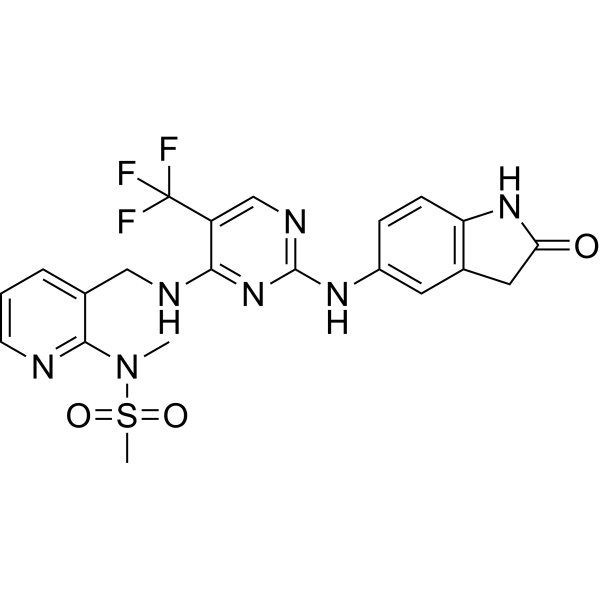
    LP-184 (compound 6), an acylfulvene analog, inhibits tumor growth. LP-184 has potent anti-cancer activity in the ovarian, colon, prostate and pancreatic cell lines. (patent WO2007019308A2).
    LP-184
  • HY-121524

    Microtubule/Tubulin Cancer
    DJ101 is a potent and metabolically stable tubulin inhibitor. DJ101 targets the colchicine binding site and overcomes taxane resistance. DJ101 also inhibits melanoma tumor growth and lung metastasis. DJ101 can be used for prostate cancer research .
    DJ101
  • HY-158119A

    Felivotide mopaxetan

    PSMA Cancer
    PSMA-trillium (Felivotide mopaxetan) is a PSMA-targeted molecule that contains a highly specific PSMA-binding motif, an albumin-binding domain optimized for tumor uptake and retention, and a Macropa chelator conjugated to the α-emitter 225Ac. PSMA-trillium binds to albumin to prolong plasma retention time and binds to PSMA via its specific motif. 225Ac-PSMA-Trillium exhibits dose-dependent inhibition of LNCaP tumor growth in mice. PSMA-trillium can be used in research related to prostate cancer and metastatic castration-resistant prostate cancer .
    PSMA-trillium
  • HY-175744

    PSMA Cancer
    PSMA-MAL-5 is a PSMA ligand. PSMA-MAL-5 covalently binds to Cys466 of PSMA. PSMA-MAL-5 labeled with 177Lu and 225Ac has high radiostability and tumor uptake. PSMA-MAL-5 also effectively inhibits tumor growth. PSMA-MAL-5 can be used for SPECT/CT imaging and radionuclide therapy of prostate cancer .
    PSMA-MAL-5
  • HY-147696

    HSP AMPK Reactive Oxygen Species (ROS) Cancer
    SMTIN-T140 (compound 6a) is a potent TRAP1 (tumor-necrosis-factor-receptor associated protein 1) inhibitor, with an IC50 of 1.646 μM. SMTIN-T140 shows anticancer activity. SMTIN-T140 leads to mitochondrial dysfunction, increases mitochondrial ROS production and activates AMPK. SMTIN-T140 potently suppressed tumor growth without any noticeable in vivo toxicity in a mouse model xenografted with PC3 prostate cancer cells .
    SMTIN-T140
  • HY-170933

    SGK Cancer
    SGK1-IN-6 is a selective SGK1 inhibitor with an IC50 of 0.39 μM, showing selectivity over SGK2/3. SGK1-IN-6 inhibits cancer cell migration and invasion, improves SGK1 protein thermal stability. SGK1-IN-6 decreases SGK1 protein levels in tumor tissues, suppresses tumor growth in mouse xenograft models. SGK1-IN-6 can be used for the research of prostate cancer .
    SGK1-IN-6
  • HY-168556

    CDK PROTACs DNA/RNA Synthesis Cancer
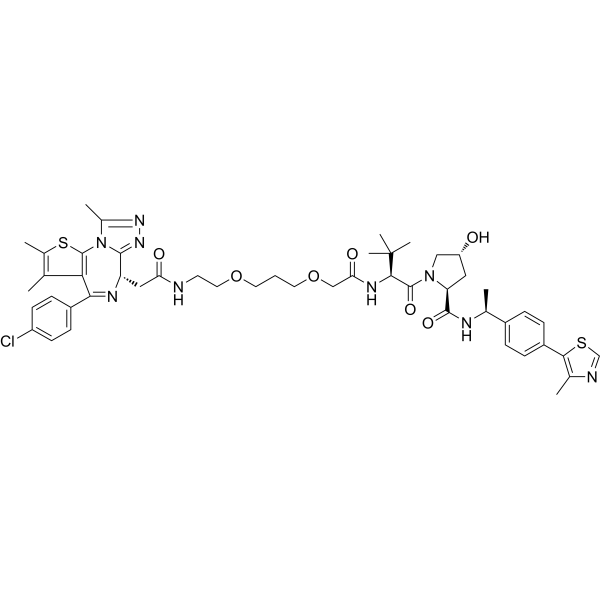
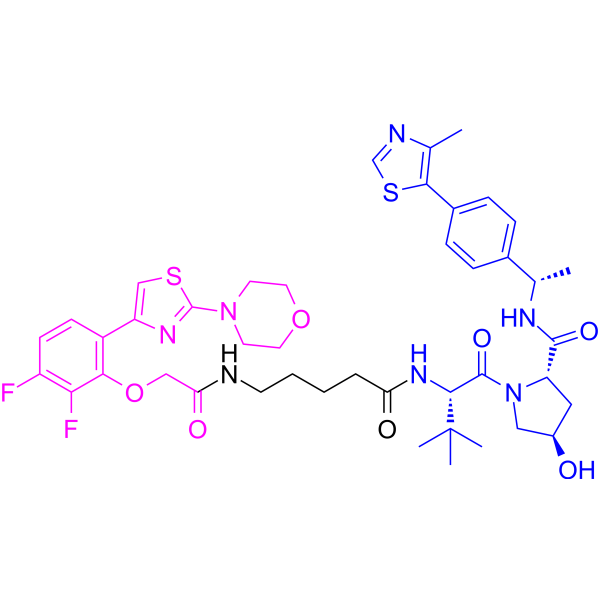
    YJ9069 is a selective CDK12/CDK13 PROTAC degrader with an IC50 of 22.22 nM for in VCaP cells. CDK12/13 degradation rapidly triggers gene-length-dependent transcriptional elongation defects, leading to DNA damage and cell-cycle arrest. YJ9069 effectively inhibits proliferation in subsets of prostate cancer cells and significantly suppresses prostate tumor growth. (Pink: CDK12/CDK13 degradation agent (HY-168658); Black: Linker (HY-W015967); Blue: ligand for E3 ligase (HY-103596)) .
    YJ9069
  • HY-175455

    PROTACs Androgen Receptor Akt Cancer
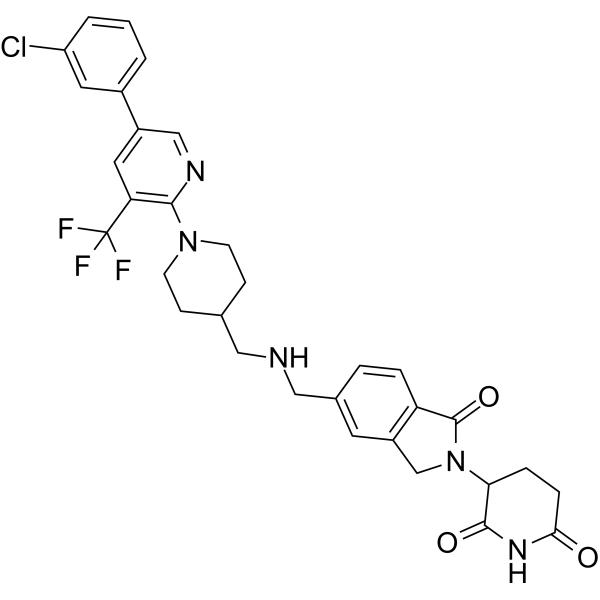
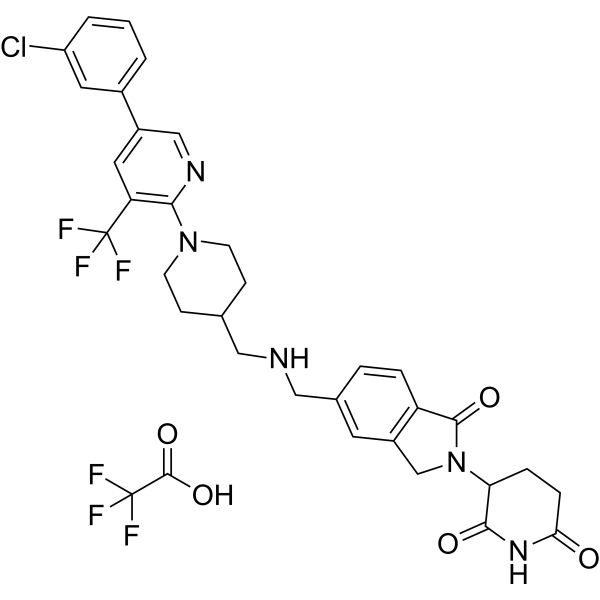
    LYA914 is an orally active AR/AR-V7 PROTAC degrader. LYA914 targets the proteolytic degradation of the conserved DNA binding domain (DBD) of the androgen receptor (AR). LYA914 exhibits potent antiproliferative effects in Enzalutamide (HY-70002)-insensitive/resistant cells. LYA914 inhibits tumor growth in VCaP/LNCaP tumor mouse models. LYA914 can be used to study castration-resistant prostate cancer (CRPC). (Pink: AR-DBD ligand-1: HY-175456, Blue: Thalidomide: HY-14658, Pink + Black: AR-DBD ligand-Linker Conjugate 1: HY-175457, Black: Boc-piperidine-oxopiperidin: HY-175458) .
    LYA914
  • HY-162938

    E1/E2/E3 Enzyme Cancer
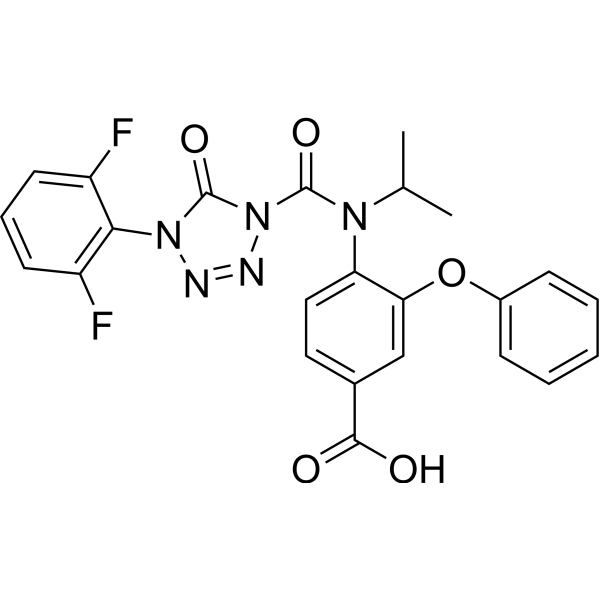
    Skp2 inhibitor 3 is an orally active inhibitor of the Skp2-Cks1 complex, with an IC50 of 4.86 μM. Skp2 inhibitor 3 reduces Skp2 protein expression while upregulating the expression of p21 and p27. Skp2 inhibitor 3 inhibits colony formation and migration of cancer cells, and induces cell cycle arrest at the S phase. Skp2 inhibitor 3 suppresses tumor growth in xenograft mice. Skp2 inhibitor 3 can be used in the research of gastric cancer and prostate cancer .
    Skp2 inhibitor 3
  • HY-148777

    PROTACs Androgen Receptor Cancer
    A031 is a highly effective PROTAC androgen receptor (AR) degrader with an IC50 value less than 0.25 μM for AR protein degradation. A031 has an inhibitory effect on tumor growth in zebrafish with human prostate cancer (VCaP) .
    A031
  • HY-125065

    Androgen Receptor 5 alpha Reductase Endocrinology Cancer
    MK-4541 is an orally active and selective androgen receptor (AR) modulator. MK-4541 acts as an antagonist to inhibit 5α-reductase. MK-4541 inhibits proliferation and induces apoptosis in AR positive prostate cancer cells. MK-4541 significantly inhibited the growth of R3327-G prostate tumors in xenograft mouse model .
    MK-4541
  • HY-124067

    IKK JAK STAT NF-κB Cancer
    EC-70124 is an orally active multikinase inhibitor targeting IKKβ and JAK2. EC-70124 blocks IkB phosphorylation and STAT3 (Tyr705) activation, suppressing NF-κB nuclear translocation and STAT3 transcriptional activity. EC-70124 reduces tumor growth and cancer stem cell (CSC) populations in prostate cancer cells and xenograft models. EC-70124 is promising for research of prostate cancer .
    EC-70124
  • HY-124056

    CXCR Cancer
    AZ10397767 is an orally active, selective CXCR2 receptor antagonist with an IC50 of 1 nM. AZ10397767 attenuates the Oxaliplatin (HY-17371)-induced NF-κB transcriptional activity and potentiates Oxaliplatin-induced apoptosis in androgen-independent prostate cancer (AIPC) cells. AZ10397767 significantly inhibits neutrophil recruitment into tumors which then adversely affects tumor growth in vitro and in vivo .
    AZ10397767
  • HY-70006A

    TOK-001 hydrochloride; VN-124-1 hydrochloride

    Molecular Glues Androgen Receptor MNK Cytochrome P450 Apoptosis Cancer
    Galeterone (TOK-001) hydrochloride is a potent, orally active molecular glue degrader, which degrades androgen receptor (AR) and its splice variants (AR-Vs) and MAP kinase-interacting serine/threonine protein kinase Mnk1/2. Galeterone hydrochloride also functions as a CYP17 inhibitor (IC50 = 47 nM). Galeterone hydrochloride induces cell apoptosis. Galeterone hydrochloride inhibits tumor growth in human prostate cancer xenograft mouse models. Galeterone hydrochloride can be used for castration resistant prostate cancer (CRPC) and pancreatic ductal adenocarcinoma (PDAC) research [1][2].
    Galeterone hydrochloride
  • HY-163940

    Aldose Reductase Androgen Receptor Cancer
    LX1 is an anti-prostate cancer compound that targets androgen receptor (AR), AR variants and steroidogenic enzyme AKR1C3. LX1 inhibits the enzymatic activity of AKR1C3, reduces the conversion of androstenedione to testosterone and reduces the expression of AR and AR-V7 and downregulates their target genes. LX1 overcomes the resistance of tumor cells to Enzalutamide (HY-70002), and the combination with Enzalutamide (HY-70002) further inhibits tumor growth .
    LX1
  • HY-149495

    PROTACs CDK Cancer
    CP-07 is a potent and selective PROTACCDK9 degrader (DC50: 43 nM). CP-07 inhibits 22RV1 cell proliferation (IC50: 62 nM) and colony formation by down-regulating Mcl-1 and c-Myc. CP-07 inhibits 22RV1 xenograft tumor growth. CP-07 can be used for research of prostate cancer .
    CP-07
  • HY-177138

    Microtubule/Tubulin Cancer
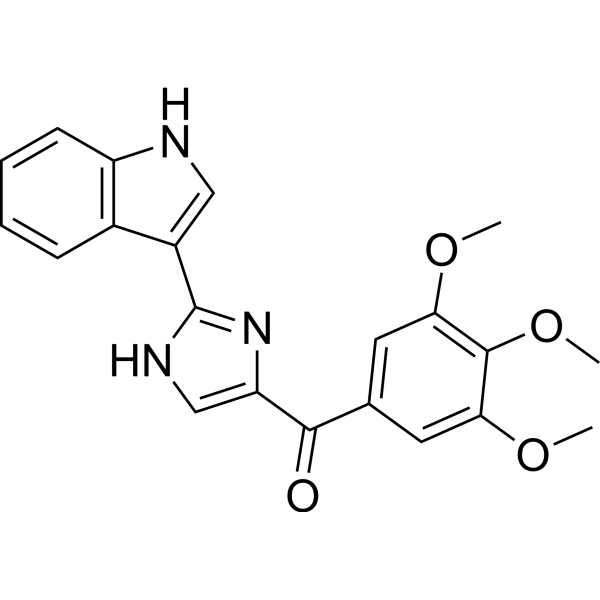
    Tubulin-IN-52 is a tubulin inhibitor. Tubulin-IN-52 demonstrates significant cytotoxicity toward a variety of cancer cell types including prostate, lung, and ovarian cancers with strong activity toward highly aggressive cancer lines (IC50 = 0.9-3.8 mM). Tubulin-IN-52 significantly inhibits the growth of established tumors without noticeable toxicity. Tubulin-IN-52 can be used for the study of cancer .
    Tubulin-IN-52
  • HY-175243

    Adenosine Deaminase Apoptosis Cancer
    ADAR1-IN-1 is a potent ADAR1 inhibitor. ADAR1-IN-1 significantly suppressed DU-145 cell proliferation (IC50 = 1.11 μM), clonogenicity, migration, and invasion, arrests cell cycle, and induces apoptosis. ADAR1-IN-1 safely and effectively inhibits tumor growth. ADAR1-IN-1 can be used for the study of prostate cancer (PCa) .
    ADAR1-IN-1

Inquiry Online

Your information is safe with us. * Required Fields.

Salutation


Country or Region *

Applicant Name *


Organization Name *

Department *


Email Address *


Product Name *

Cat. No.


Requested quantity *

Phone Number *


Remarks

Inquiry Online

Inquiry Information

Product Name:
Cat. No.:
Quantity:
MCE Japan Authorized Agent:

