1. Search Result
Search Result
Results for "

protons

" in MedChemExpress (MCE) Product Catalog:

231

Inhibitors & Agonists

2

Screening Libraries

10

Fluorescent Dye

17

Biochemical Assay Reagents

14

Peptides

18

Natural
Products

46

Isotope-Labeled Compounds

4

Oligonucleotides

1

GMP Molecules

Cat. No. Product Name Target Research Areas Chemical Structure
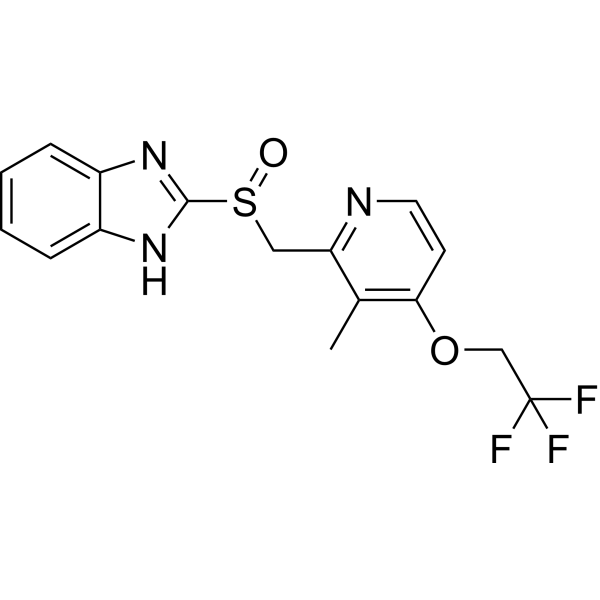
  • HY-13662
    Lansoprazole
    3 Publications Verification

    AG-1749

    Exosomes Proton Pump Bacterial Phospholipase Inflammation/Immunology Cancer
    Lansoprazole (AG 1749) is an orally active proton pump inhibitor which prevents the stomach from producing acid. Lansoprazole (AG 1749) is a potent brain penetrant neutral sphingomyelinase (N-SMase) inhibitor (exosome inhibitor) .
    Lansoprazole
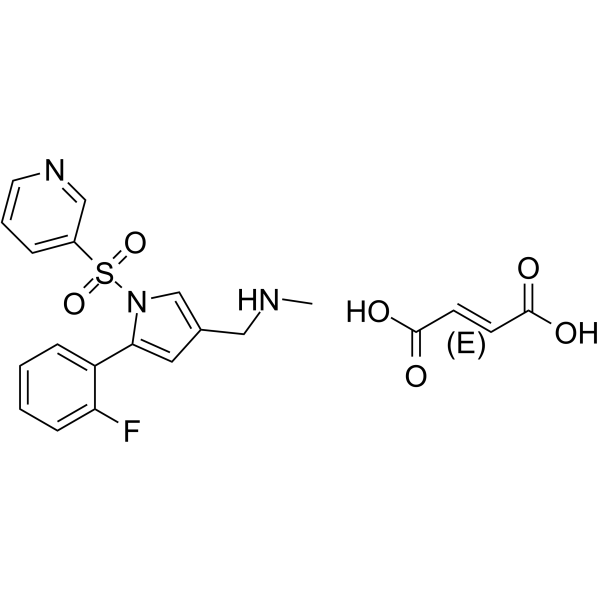
  • HY-15295
    Vonoprazan Fumarate
    5+ Cited Publications

    TAK-438

    Proton Pump Metabolic Disease Cancer
    Vonoprazan Fumarate (TAK-438), a proton pump inhibitor (PPI), is a potent and orally active potassium-competitive acid blocker (P-CAB), with antisecretory activity. Vonoprazan Fumarate inhibits H +,K +-ATPase activity in porcine gastric microsomes with an IC50 of 19 nM at pH 6.5. Vonoprazan Fumarate is developed for the research of acid-related diseases, such as gastroesophageal reflux disease and peptic ulcer disease .
    Vonoprazan Fumarate
  • HY-17021
    Esomeprazole
    3 Publications Verification

    (S)-Omeprazole; (-)-Omeprazole

    Proton Pump Bacterial Inflammation/Immunology Endocrinology Cancer
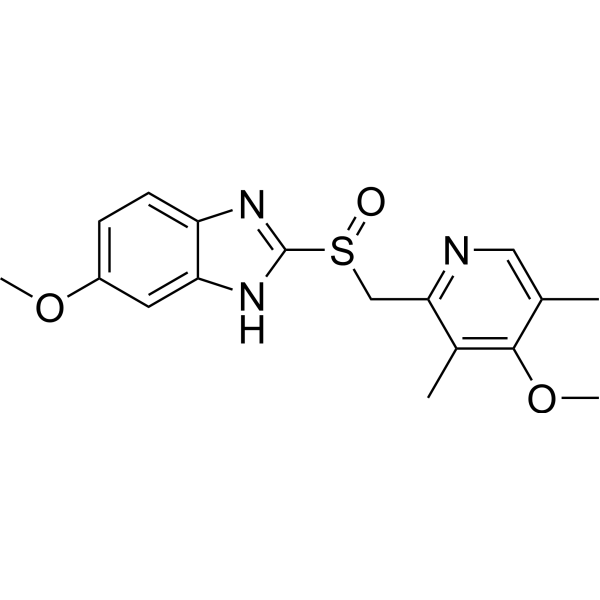
    Esomeprazole ((S)-Omeprazole) is a potent and orally active proton pump inhibitor and reduces acid secretion through inhibition of the H +, K +-ATPase in gastric parietal cells. Esomeprazole has the potential for symptomatic gastroesophageal reflux disease research .
    Esomeprazole
  • HY-100007
    Vonoprazan
    5+ Cited Publications

    TAK-438 free base

    Proton Pump Bacterial Endocrinology Cancer
    Vonoprazan (TAK-438 free base), a proton pump inhibitor (PPI), is a potent and orally active potassium-competitive acid blocker (P-CAB), with antisecretory activity. Vonoprazan inhibits H +,K +-ATPase activity in porcine gastric microsomes with an IC50 of 19 nM at pH 6.5. Vonoprazan is developed for the research of acid-related diseases, such as gastroesophageal reflux disease and peptic ulcer disease. Vonoprazan can be used for eradication of Helicobacter pylori .
    Vonoprazan
  • HY-B0572
    Zinc Pyrithione
    10+ Cited Publications

    Environmental Pollutants Bacterial Cuproptosis Proton Pump Fungal Infection Metabolic Disease
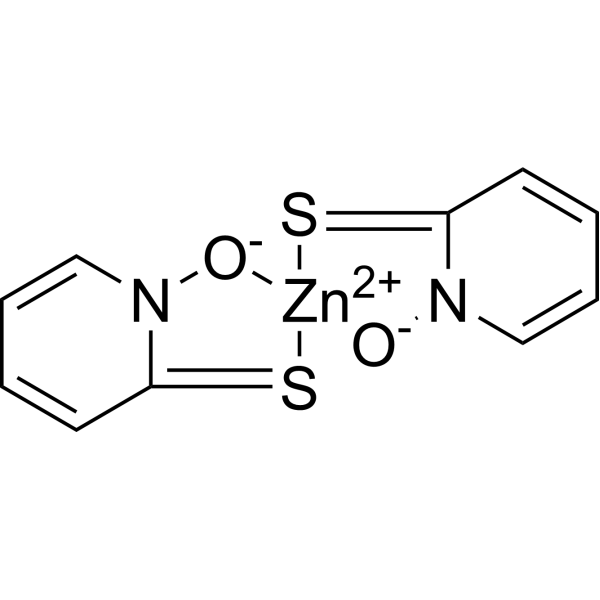
    Zinc Pyrithione is an antifungal and antibacterial agent disrupting membrane transport by blocking the proton pump . Zinc Pyrithione is also a copper ionophore that delivers copper into cells and is a useful tool for studying cuproptosis .
    Zinc Pyrithione
  • HY-13662B
    (R)-Lansoprazole
    2 Publications Verification

    Dexlansoprazole

    Exosomes Proton Pump Inflammation/Immunology Cancer
    (R)-Lansoprazole is the R enantiomer of Lansoprazole, Lansoprazole (AG 1749) is an orally active proton pump inhibitor which prevents the stomach from producing acid. Lansoprazole (AG 1749) is a potent brain penetrant neutral sphingomyelinase (N-SMase) inhibitor (exosome inhibitor) .
    (R)-Lansoprazole
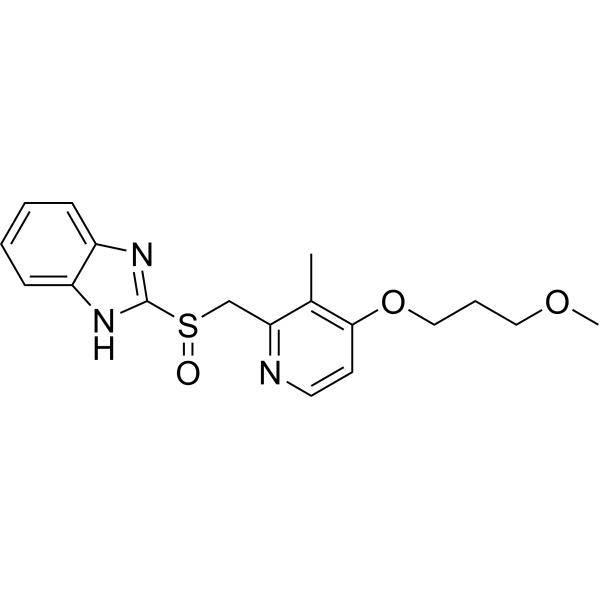
  • HY-B0656
    Rabeprazole
    5 Publications Verification

    LY307640

    Proton Pump Apoptosis Bacterial Inflammation/Immunology Cancer
    Rabeprazole (LY307640) is a second-generation proton pump inhibitor (PPI) that irreversibly inactivates gastric H +/K +-ATPase. Rabeprazole induces apoptosis. Rabeprazole acts as an uridine nucleoside ribohydrolase (UNH) inhibitor with an IC50 of 0.3 μM. Rabeprazole can be used for the research of gastric ulcerations and gastroesophageal reflux .
    Rabeprazole
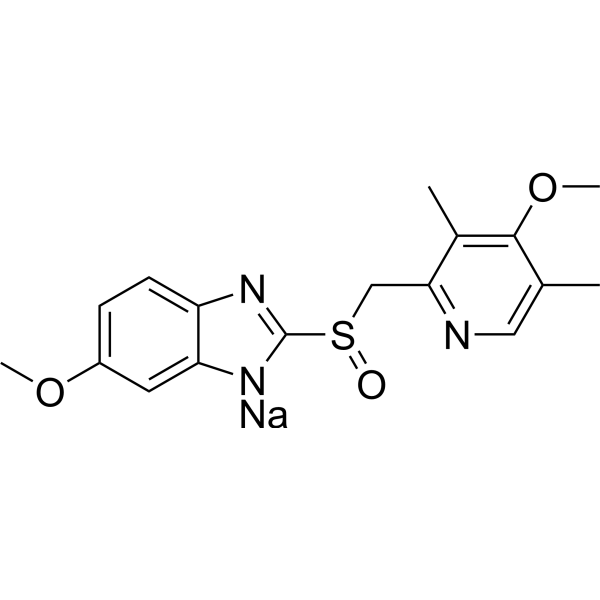
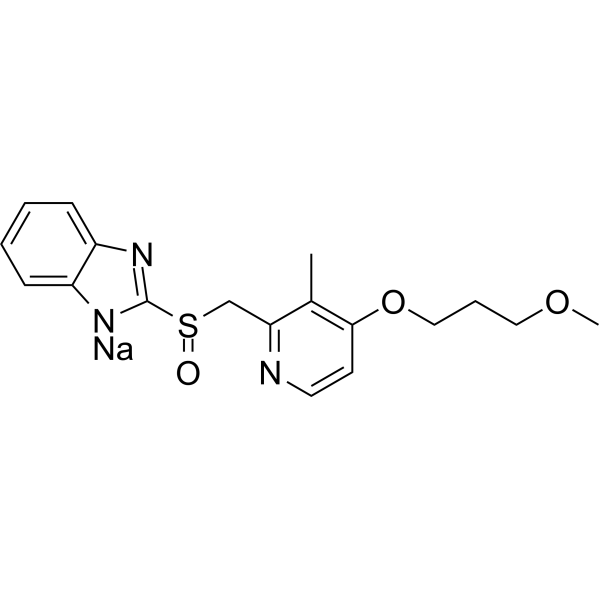
  • HY-B0656A
    Rabeprazole sodium
    5 Publications Verification

    LY307640 sodium

    Proton Pump Apoptosis Bacterial Inflammation/Immunology Cancer
    Rabeprazole sodium (LY307640 sodium) is a second-generation proton pump inhibitor (PPI) that irreversibly inactivates gastric H +/K +-ATPase. Rabeprazole sodium induces apoptosis. Rabeprazole sodium acts as an uridine nucleoside ribohydrolase (UNH) inhibitor with an IC50 of 0.3 μM. Rabeprazole sodium can be used for the research of gastric ulcerations and gastroesophageal reflux .
    Rabeprazole sodium
  • HY-33878

    Potassium Channel Proton Pump Neurological Disease
    2-PPA is a lysosomal potassium and proton channel TMEM175 pore blocker. 2-PPA binds at a TMEM175 pore site to occlude potassium and proton ion permeation pathways. 2-PPA increases lysosomal macromolecule catabolism, accelerates macropinocytosis. 2-PPA binds to hepatic protein in covalent. 2-PPA can be used for the research of Parkinson's disease .
    2-PPA
  • HY-109079A

    DWP14012 hydrochloride; Fexuprazan hydrochloride

    Proton Pump Metabolic Disease
    Abeprazan hydrochloride (DWP14012 hydrochloride) is a potassium-competitive acid blocker. Abeprazan hydrochloride inhibits H +, K +- ATPase by reversible potassium-competitive ionic binding with no acid activation required. Abeprazan hydrochloride is developed as a potential alternative to proton pump inhibitor for the treatment of acid-related diseases .
    Abeprazan hydrochloride
  • HY-109079

    DWP14012; Fexuprazan

    Proton Pump Metabolic Disease
    Abeprazan (DWP14012) is a potassium-competitive acid blocker. Abeprazan inhibits H +, K +- ATPase by reversible potassium-competitive ionic binding with no acid activation required. Abeprazan is developed as a potential alternative to proton pump inhibitor for the treatment of acid-related diseases .
    Abeprazan
  • HY-P10352A

    Bacterial Infection
    Pediocin PA-1 TFA is a class IIa bacteriocin that specifically binds to membrane proteins of susceptible Gram-positive bacteria (such as Listeria monocytogenes) to form voltage-independent hydrophilic pores, leading to dissipation of proton motive force, ATP depletion and cell death. Pediocin PA-1 TFA shows no significant activity against intact Gram-negative bacteria, strains carrying immunity genes and obligate anaerobic commensal gut microbiota, and its bactericidal function depends on the integrity of disulfide bonds, with activity lost upon reduction. Pediocin PA-1 TFA can be used not only as a food biopreservative but also for research on listeriosis .
    Pediocin PA 1 TFA
  • HY-139557

    JP-1366

    Proton Pump Inflammation/Immunology
    Zastaprazan (JP-1366) is a proton pump inhibitor and a potent potassium-competitive acid blocker. Zastaprazan can be used in the research of gastrointestinal inflammatory diseases or gastric acid-related diseases such as gastroesophageal reflux disease .
    Zastaprazan
  • HY-139557A

    JP-1366 citrate

    Proton Pump Inflammation/Immunology
    Zastaprazan (JP-1366) citrate is a Proton pump inhibitor and potent potassium-competitive acid blocker. Zastaprazan citrate can be used in the research of gastrointestinal inflammatory diseases or gastric acid-related diseases such as gastroesophageal reflux disease .
    Zastaprazan citrate
  • HY-N7067
    Revaprazan hydrochloride
    2 Publications Verification

    Proton Pump Bacterial COX NF-κB ERK Akt Infection Inflammation/Immunology
    Revaprazan hydrochloride is reversible proton pump inhibitor. Revaprazan hydrochloride can inhibit gastric acid secretion and protect gastric mucosa. Revaprazan hydrochloride can inhibit IkappaB-alpha degradation as well as Akt inactivation, resulting in attenuation of H. pylori-induced COX-2 expression. Revaprazan hydrochloride can be used for the researches of infection and inflammmation, such as H. pylori-infected gastric inflammation and gastric ulcer .
    Revaprazan hydrochloride
  • HY-100705

    6-Nitroveratraldehyde

    Drug Intermediate Neurological Disease
    DMNB (6-Nitroveratraldehyde) is a photolabile proton donor that releases acidic substances when excited at a wavelength of 405 nM. DMNB can be used for the synthesis of no-carrier-added 6-[18F]fluoro-L-DOPA (6-FDOPA). DMNB is also applicable to the preparation of o-nitroaryl-bis (5-methylfur-2-yl) methanes and the synthesis of alpha-asarone (HY-N0700). DMNB is an enzyme involved in the non-homologous end joining (NHEJ) pathway responsible for DNA double-strand break (DSB) repair. DMNB can be used in PET studies of the dopaminergic system .
    DMNB
  • HY-Y0286

    Hartshorn salt, 99%

    Environmental Pollutants Biochemical Assay Reagents Others
    Ammonium carbonate (Ammonium carbonate), 99% is a solid amino compound that functions as a buffer, pH regulator, pore-forming agent, and electrocatalytic oxidation substrate. Ammonium carbonate, 99% is a GRAS-grade direct food additive with no restricted daily intake specified by FAO/WHO, and it shows no acute skin toxicity, clinical signs of toxicity, or effects on body weight in rats. Ammonium carbonate, 99% undergoes electrocatalytic oxidation in alkaline solutions with a Pt/C catalyst (carbonate adsorption interferes with activity). Ammonium carbonate, 99% can serve as a fuel for low-temperature polymer fuel cells and anion exchange membrane fuel cells (with performance superior to pure ammonia), and can also form pores in the carrier-free Pt cathode catalyst layer after low-temperature decomposition, thereby enhancing catalyst activity under low-humidity conditions and the performance of proton exchange membrane fuel cells .
    Ammonium carbonate, 99%
  • HY-W010162

    L-Alanyl-L-alanine; Ala-Ala

    Amino Acid Derivatives Others
    H-Ala-Ala-OH (L-Alanyl-L-alanine; Ala-Ala) is a nonpolar dipeptide that is absorbed by human intestinal Caco-2 cells. The transport of alanine (Ala), like proton/amino acid symport, can lead to cytoplasmic acidification .
    H-Ala-Ala-OH
  • HY-D0077

    Oregon green 488

    Fluorescent Dye Others
    2',7'-Difluorofluorescein (Oregon green 488) is a fluorescein derivative and a pH-sensitive fluorescent probe (pKa ~4.7). Upon excitation at 488 nm, 2',7'-Difluorofluorescein exhibits pH-sensitive fluorescence intensity through the formation of dianions, while its pH sensitivity decreases under excitation at 450 nm, allowing its use in ratiometric pH analysis. 2',7'-Difluorofluorescein can be used for the quantitative analysis of pH values in the range of 2-7 in submicron aerosol particles. 2',7'-Difluorofluorescein undergoes buffer-mediated and buffer-free excited-state proton transfer between different protonated forms, and its cationic form undergoes rapid excited-state deprotonation. 2',7'-Difluorofluorescein is resistant to photodegradation, maintains stable absorption and fluorescence properties within the physiological pH range, and serves as a fluorescent protein label, a component of Ca 2+ indicators, a fluorescent imaging agent, and an anisotropy probe .
    2',7'-Difluorofluorescein
  • HY-W140203

    Fluorescent Dye Others
    2-(2′-Hydroxyphenyl) benzimidazole is the most extensively studied excited-state intramolecular proton transfer (ESIPT) molecule, exhibiting normal and tautomer emissions. 2-(2′-Hydroxyphenyl) benzimidazole has been applied as a fluorescent probe in various systems .
    2-(2′-Hydroxyphenyl)benzimidazole
  • HY-P10817

    Proton Pump Reactive Oxygen Species (ROS) Metabolic Disease
    Corza6 is a potent and selective human voltage-gated proton channel (hHv1) peptide inhibitor. Corza6 binds to the external voltage sensor domain (VSD) loop in hHv1 with a Kd of ~1 nM at the natural, hyperpolarized resting membrane potential (RMP) of mammalian cells. Corza6 allows capacitation in sperm and permits sustained reactive oxygen species (ROS) production in white blood cells (WBCs) .
    Corza6
  • HY-77817

    2-Formylpyrrole

    Others Others
    Pyrrole-2-carboxaldehyde (2-Formylpyrrole) has vibrational and electronic characteristics used to establish the existence of dimeric form in solid phase and monomeric form in solution phase. Pyrrole-2-carboxaldehyde is a five membered N-heterocyclic system containing pyrrole group as a proton donor and carbonyl group as a proton acceptor .
    Pyrrole-2-carboxaldehyde
  • HY-P10352

    Bacterial Infection
    Pediocin PA 1 is a class IIa bacteriocin that specifically binds to membrane proteins of susceptible Gram-positive bacteria (such as Listeria monocytogenes) to form voltage-independent hydrophilic pores, leading to dissipation of proton motive force, ATP depletion and cell death. Pediocin PA 1 shows no significant activity against intact Gram-negative bacteria, strains carrying immunity genes and obligate anaerobic commensal gut microbiota, and its bactericidal function depends on the integrity of disulfide bonds, with activity lost upon reduction. Pediocin PA 1 can be used not only as a food biopreservative but also for research on listeriosis .
    Pediocin PA 1
  • HY-32876

    Biochemical Assay Reagents Others
    Pyridine-3-sulfonyl chloride belongs to the substituted sulfonyl chloride class. Due to its high proton affinity, it can be used as a derivatizing agent .
    Pyridine-3-sulfonyl chloride
  • HY-W016371

    3,4,5-threechlorine pyridine

    Biochemical Assay Reagents Others
    3,4,5-Trichloropyridine is a chlorinated pyridine compound and also serves as an internal standard for quantitative proton nuclear magnetic resonance spectroscopy .
    3,4,5-Trichloropyridine
  • HY-I0259

    Fluorescent Dye Others
    8-Amino-2-naphthol is a photoactive charge transfer compounds, which can be used as fluorescent probe. 8-Amino-2-naphthol undergoes excited-state proton transfer (ESPT) to form a zwitterion under acidic conditions, where the photoacidity of its hydroxyl group is regulated by the protonation state of the amino group, enabling pH to act as an on/off switch for photoacidity. 8-Amino-2-naphthol is also utilized as chiral organocatalyst .
    8-Amino-2-naphthol
  • HY-P10817A

    Proton Pump Reactive Oxygen Species (ROS) Metabolic Disease
    Corza6 TFA is a potent and selective human voltage-gated proton channel (hHv1) peptide inhibitor. Corza6 TFA binds to the external voltage sensor domain (VSD) loop in hHv1 with a Kd of ~1 nM at the natural, hyperpolarized resting membrane potential (RMP) of mammalian cells. Corza6 TFA allows capacitation in sperm and permits sustained reactive oxygen species (ROS) production in white blood cells (WBCs) .
    Corza6 TFA
  • HY-75070

    Biochemical Assay Reagents Others
    (+)-1-(1-Naphthyl)ethylamine ((+)-1-(1-NEA)) is a chiral modifier used to introduce enantioselectivity in catalytic hydrogenation reactions. 1-NEA can undergo H-D exchange with D2 in solution to form N?D bonds. That is, 1-NEA can complete Pt surface adsorption and protonation through amine N atoms, indicating that NEA molecules have the potential to impart enantioselectivity to Pt hydrogenation catalysts .
    (+)-1-(1-Naphthyl)ethylamine
  • HY-100560S

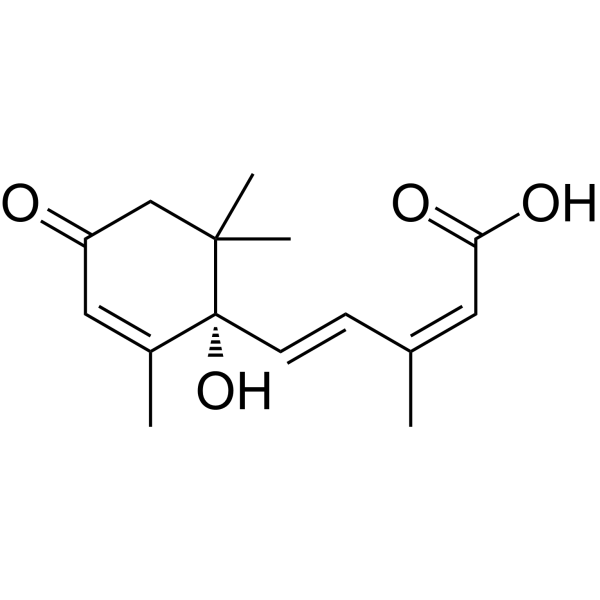
    (S)​-​(+)​-​Abscisic acid-d6; ABA-d6

    Proton Pump Isotope-Labeled Compounds ABA Receptor Metabolic Disease
    Abscisic acid-d6 is deuterium labeled Abscisic acid. Abscisic acid inhibits proton pump (H +-ATPase) .
    Abscisic acid-d6
  • HY-17021B
    Esomeprazole potassium salt
    2 Publications Verification

    (S)-Omeprazole potassium salt; (-)-Omeprazole potassium salt

    Proton Pump Bacterial Inflammation/Immunology Endocrinology Cancer
    Esomeprazole potassium salt ((S)-Omeprazole potassium salt) is a potent and orally active proton pump inhibitor and reduces acid secretion through inhibition of the H +, K +-ATPase in gastric parietal cells. Esomeprazole potassium salt has the potential for symptomatic gastroesophageal reflux disease research .
    Esomeprazole potassium salt
  • HY-118283
    5-Hydroxylansoprazole
    1 Publications Verification

    AG1908

    Proton Pump Metabolic Disease
    5-Hydroxylansoprazole (AG1908) is an active metabolite of Lansoprazole in plasma. Lansoprazole is metabolized by CYP2C19 forming 5-Hydroxylansoprazole. Lansoprazole is a gastric proton-pump inhibitor and is effective in the treatment of various peptic diseases .
    5-Hydroxylansoprazole
  • HY-13662C

    Levolansoprazole

    Proton Pump Phospholipase Bacterial Exosomes Inflammation/Immunology
    (S)-Lansoprazole (Levolansoprazole) is an isoform of Lansoprazole (HY-13662), which is an orally active proton pump inhibitor which prevents the stomach from producing acid. Lansoprazole (AG 1749) is a potent brain penetrant neutral sphingomyelinase (N-SMase) inhibitor (exosome inhibitor) .
    (S)-Lansoprazole
  • HY-W015987

    Fmoc-NH2

    Biochemical Assay Reagents Others
    9-Fluorenylmethyl carbamate (Fmoc-NH2) is an amide compound with an Fmoc protecting group, which can be used as a photobase initiator to prepare organosilane-based proton exchange membranes .
    9-Fluorenylmethyl carbamate
  • HY-113654

    TRP Channel Others
    AMG 7905 is a hypothermia-inducing transient receptor potential vanilloid type 1 (TRPV1) antagonist. AMG 7905 potentiates TRPV1 channels activation by protons and drives the reflectory inhibition of thermogenesis and tail-skin vasoconstriction, while potently blocking channel activation by capsaicin .
    AMG 7905
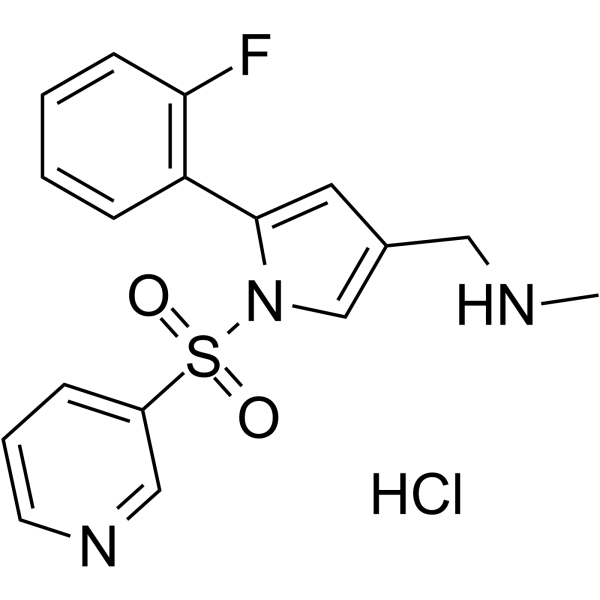
  • HY-100007A
    Vonoprazan hydrochloride
    5+ Cited Publications

    TAK-438 hydrochloride

    Proton Pump Bacterial Infection Endocrinology Cancer
    Vonoprazan hydrochloride, a proton pump inhibitor (PPI), is a potent and orally active potassium-competitive acid blocker (P-CAB), with antisecretory activity. Vonoprazan hydrochloride inhibits H +,K +-ATPase activity in porcine gastric microsomes with an IC50 of 19 nM at pH 6.5. Vonoprazan hydrochloride is developed for the research of acid-related diseases, such as gastroesophageal reflux disease and peptic ulcer disease. Vonoprazan hydrochloride can be used for eradication of Helicobacter pylori .
    Vonoprazan hydrochloride
  • HY-400540

    Padoprazan

    Proton Pump Inflammation/Immunology
    Padoprazanum (Padoprazan) is a Proton Pump inhibitor .
    Padoprazanum
  • HY-B0402S

    1-Adamantanamine-d15; 1-Aminoadamantane-d15

    Influenza Virus Orthopoxvirus SARS-CoV Apoptosis Infection Neurological Disease Cancer
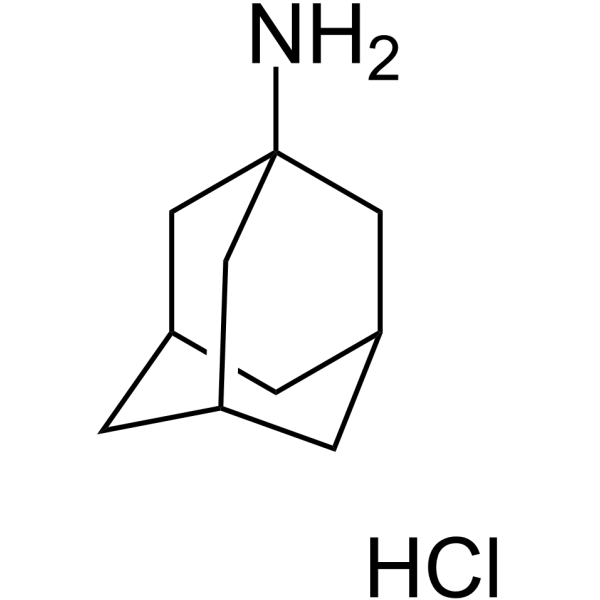
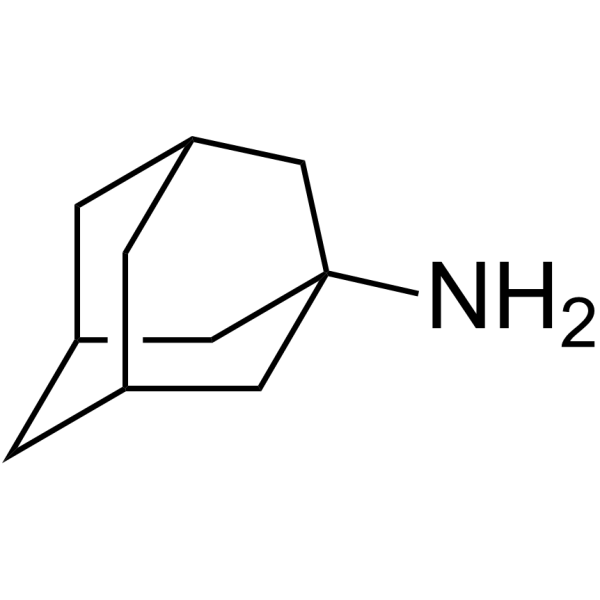
    Amantadine-d15 is the deuterium labeled Amantadine. Amantadine (1-Adamantanamine) is an antiviral agent with activity against influenza A viruses. Amantadine blocks the proton flow through the M2 ion channel (M2 proton channel of influenza A) and thus prevents the release of viral RNA into the cytoplasm of the infected cells. Amantadine is an antiparkinsonian agent .
    Amantadine-d15
  • HY-Y0716

    Environmental Pollutants Biochemical Assay Reagents Metabolic Disease
    3-t-Butylphenol is a mitochondrial uncoupler. 3-t-Butylphenol disrupts the proton gradient, inhibits ATP synthesis and induces cytotoxicity .
    3-t-Butylphenol
  • HY-120937

    Biochemical Assay Reagents Others
    DC4 Crosslinker is a stable crosslinking reagent with improved activity and solubility. DC4 Crosslinker is labile cleavable with collision-induced dissociation (CID), that will be fragmented into four rearrange products containing mobilized protons .
    DC4 Crosslinker
  • HY-13662S

    AG-1749-d4

    Proton Pump Bacterial Inflammation/Immunology Cancer
    Lansoprazole-d4 (AG-1749-d4) is a deuterium labeled Lansoprazole. Lansoprazole is a proton pump inhibitor which prevents the stomach from producing acid .
    Lansoprazole-d4
  • HY-W001584

    Biochemical Assay Reagents Others
    6-Aminoindole is an electron donor. A novel proton transfer hydrogen-bonded complex is formed between 6-aminoindole and Picric acid .
    6-Aminoindole
  • HY-D1560

    Fluorescent Dye Others
    FG 488 DHPE is a lipid-coupled fluorochrome, has be used as a fluorophore Oregon Green 488. FG 488 DHPE monitors acidification of lipid vesicles with λex/λem=508/534 nm.FG 488 DHPE is also used for Hv1-induced proton translocation quantificatio with λex/λem=508/534 nm as well .
    FG 488 DHPE
  • HY-121851

    SB 641257

    Proton Pump Bacterial COX NF-κB ERK Akt Infection Inflammation/Immunology
    Revaprazan (SB 641257) is reversible proton pump inhibitor. Revaprazan can inhibit gastric acid secretion and protect gastric mucosa. Revaprazan can inhibit IkappaB-alpha degradation as well as Akt inactivation, resulting in attenuation of H. pylori-induced COX-2 expression. Revaprazan can be used for the researches of infection and inflammmation, such as H. pylori-infected gastric inflammation and gastric ulcer .
    Revaprazan
  • HY-Z2337

    Drug Intermediate Others
    Rabeprazole sulfone is a metabolite of the proton pump inhibitor Rabeprazole and is an impurity reference for Rabeprazole .
    Rabeprazole sulfone
  • HY-100325

    Na+/H+ Exchanger (NHE) Neurological Disease
    NHE3-IN-1 is a sodium/proton exchanger type 3 (NHE-3) inhibitor extracted from patent WO 2011019784 A1.
    NHE3-IN-1
  • HY-N7031

    (±)​-Peganine

    Proton Pump Inflammation/Immunology
    (±)-Vasicine is the racemate of Vasicine. Vasicine (Peganine) significantly inhibits H +-K +-ATPase activity in vitro with an IC50 of 73.47 μg/mL. Anti-ulcer activity. Vasicine shows significant anti-secretory, antioxidant and cytoprotective effect .
    (±)​-​Vasicine
  • HY-161135A

    Bacterial Infection
    (rac)-TBAJ-5307 is the racemate of TBAJ-5307 (HY-161135). TBAJ-5307 is a broad spectrum anti-non-tuberculous mycobacteria inhibitor that can target the FO-domain of the engine and preventing rotation and proton-translocation .
    (rac)-TBAJ-5307
  • HY-17021A

    (S)-Omeprazole magnesium salt; (-)-Omeprazole magnesium salt

    Proton Pump Bacterial Inflammation/Immunology Endocrinology Cancer
    Esomeprazole magnesium salt ((S)-Omeprazole magnesium salt) is a potent and orally active proton pump inhibitor and reduces acid secretion through inhibition of the H +, K +-ATPase in gastric parietal cells. Esomeprazole magnesium salt has the potential for symptomatic gastroesophageal reflux disease research .
    Esomeprazole magnesium salt
  • HY-W012232

    Biochemical Assay Reagents Drug Intermediate Others
    2,6-Diphenylpyridine is a proton acceptor (log(P) = 5) and a tridentate [C^N^C] dianionic ligand. 2,6-Diphenylpyridine efficiently transfers protons through a direct pathway at the interface of two immiscible electrolyte solutions. 2,6-Diphenylpyridine as a tridentate ligand and can form mononuclear and binuclear complexes with gold(III). 2,6-Diphenylpyridin is applicable to research in electrochemical ion transfer kinetics and organometallic chemistry .
    2,6-Diphenylpyridine
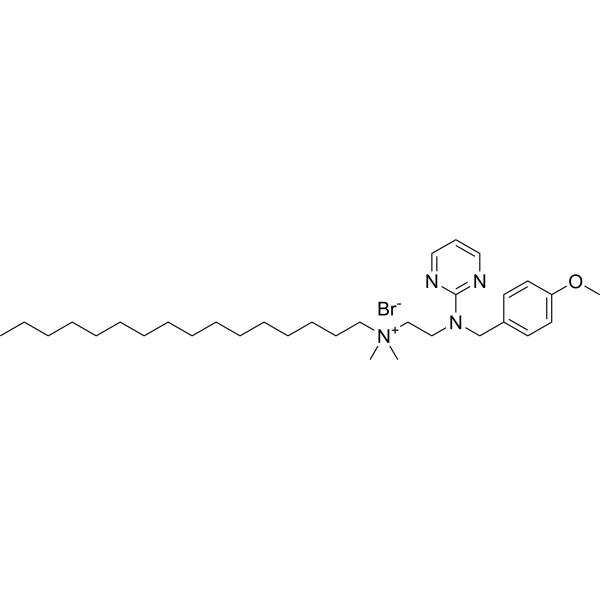
  • HY-163696A

    Proton Pump Others Neurological Disease Cancer
    HV1-IN-1 hydrochloride is an inhibitor of the human voltage-gated proton channel (hHV1). HV1-IN-1 hydrochloride works by binding to the VSD of the HV1 channel. The VSD is a component of the HV1 channel that is responsible for detecting changes in membrane potential and triggering the opening of the channel. HV1-IN-1 hydrochloride can be used in the study of cancer, neuroinflammation and immune response .
    HV1-IN-1 hydrochloride

Inquiry Online

Your information is safe with us. * Required Fields.

Salutation


Country or Region *

Applicant Name *


Organization Name *

Department *


Email Address *


Product Name *

Cat. No.


Requested quantity *

Phone Number *


Remarks

Inquiry Online

Inquiry Information

Product Name:
Cat. No.:
Quantity:
MCE Japan Authorized Agent:

