25 Results for "

rage inhibitor

" in MedChemExpress (MCE) Product Catalog:
Products (25)

25 Results for "rage inhibitor" in MCE Product Catalog:

73
73 Publications Verification
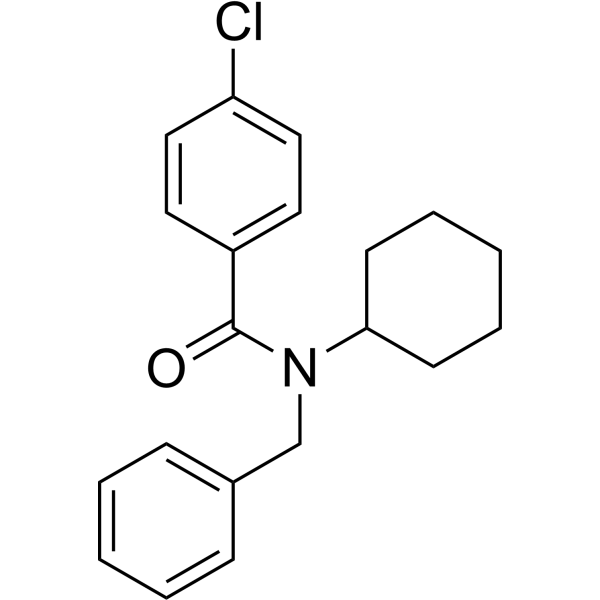
Cat. No.: HY-19370
CAS No.: 945714-67-0
Target:  

Amyloid-β

Research Areas:  

Neurological Disease

FPS-ZM1 is a high-affinity and BBB-permeable RAGE inhibitor with a Ki of 25 nM.
loading...
    loading...
17
17 Cited Publications
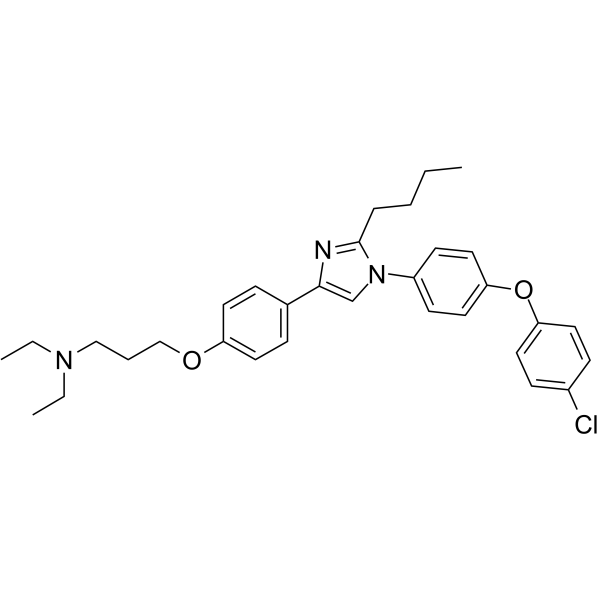
Cat. No.: HY-50682
CAS No.: 603148-36-3
Synonyms: TTP488; PF-04494700
Target:  

Amyloid-β

Research Areas:  

Neurological Disease Cancer

Azeliragon (TTP488) is an orally bioavailable inhibitor of the receptor for advanced glycation end products (RAGE) in development as a potential treatment to slow disease progression with mild Alzheimer’s disease (AD) . Azeliragon also can cross the blood-brain barrier (BBB) .
loading...
    loading...
6
6 Cited Publications
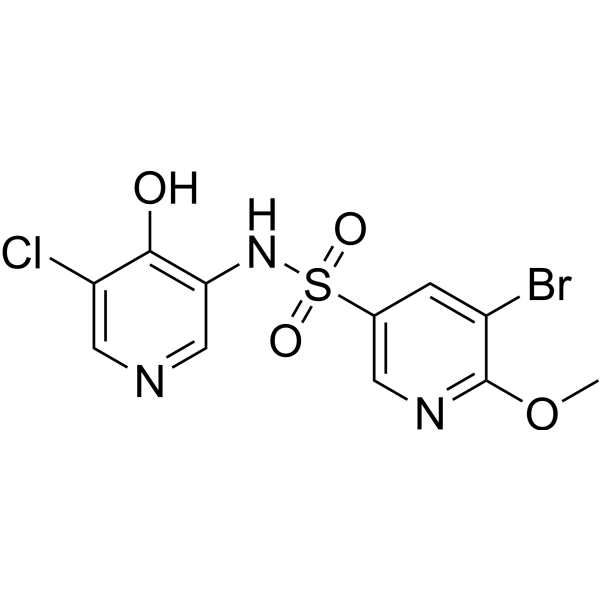
Cat. No.: HY-141537
CAS No.: 1638200-22-2
Purity:  98.71%
Research Areas:  

Inflammation/Immunology

ABR-238901 is an orally active and potent S100A8/A9 blocker and inhibits S100A8/A9 interaction with its receptors RAGE (receptor for advanced glycation endproducts) and TLR4 (toll-like receptor 4). ABR-238901 has the potential for myocardial infarction (MI) research .
loading...
    loading...
1
1 Cited Publications
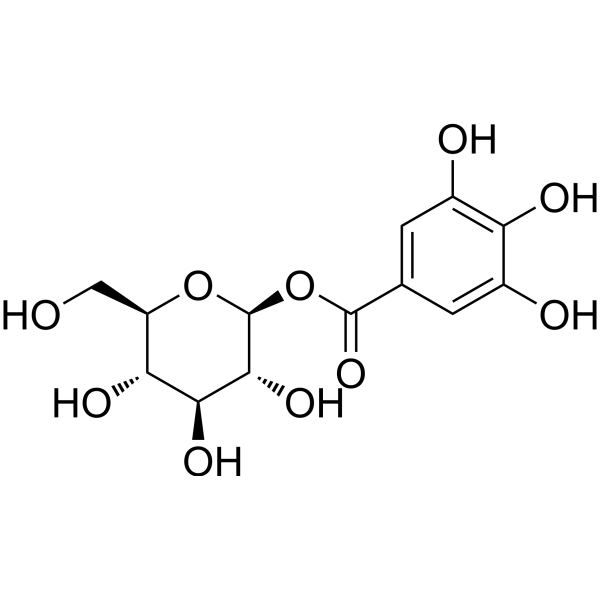
Cat. No.: HY-133708
CAS No.: 13405-60-2
Purity:  99.82%
Synonyms: Glucogallin; 1-O-Galloyl-β-D-glucose
β-Glucogallin is an orally active and selective aldose reductase (AKR1B1) inhibitor with an IC50 value of 58 μM when using Glyceraldehyde (HY-128748) as AKR1B1 substrate. β-Glucogallin reduces ROS, PDGF, RAGE, and NF-κB. β-Glucogallin increases SOD. β-Glucogallin has antioxidant and hepatoprotective effects. β-Glucogallin can be used in retinal research .
loading...
    loading...
1
1 Cited Publications
Cat. No.: HY-W017370
CAS No.: 99-48-9
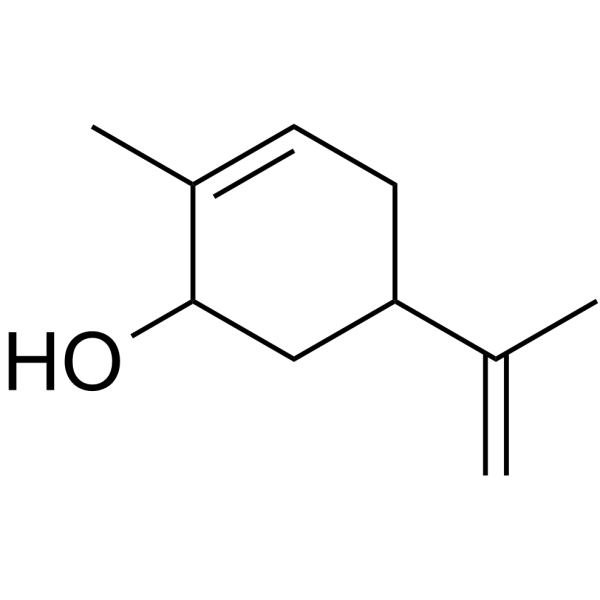
Carveol is an orally active monoterpenoid alcohol with neuroprotective, antioxidant, anti-inflammatory, anticonvulsant, antidiabetic, hypolipidemic and hepatoprotective activities. Carveol upregulates the expression of Bcl2, downregulates the expression of caspase-3, TNF-α, IL1β and IL6, activates the Nrf2/HO-1 antioxidant signaling pathway, inhibits the RAGE/NF-κB signaling pathway, and suppresses neuroinflammation and neuronal apoptosis. Carveol inhibits α-synuclein aggregation, improves cognitive ability, and inhibits α-amylase activity. Carveol exerts neuroprotective effects in a rat model of Parkinson's disease. Carveol exhibits antidiabetic effects in alloxan-induced diabetic rats. Carveol alleviates PTZ-induced seizures in rats. Carveol can be used in research related to Parkinson's disease, epilepsy, diabetes and ischemic stroke .
loading...
    loading...
Cat. No.: HY-N9914
CAS No.: 551-68-8
Synonyms: D-Allulose
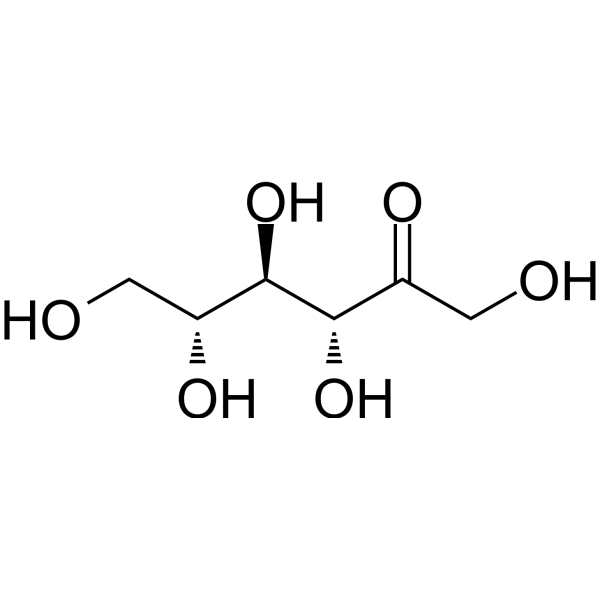
D-psicose is an orally active rare sugar. D-psicose inhibits p38-MAPK phosphorylation and MCP-1 expression. D-psicose inhibits the AGEs/RAGE/NF-κB pathway. D-psicose protects pancreatic β-islets, improves hyperglycemia and high-fat diet-induced non-alcoholic fatty liver disease .
loading...
    loading...
Cat. No.: HY-N3097
CAS No.: 18836-52-7
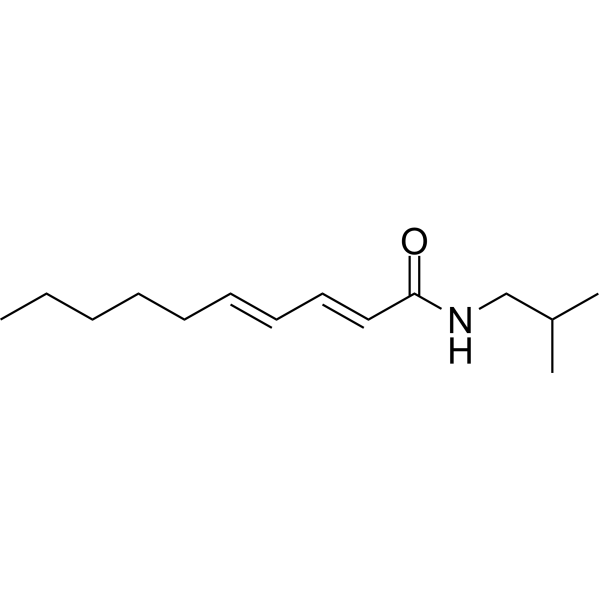
Pellitorine is a bioactive natural amide compound. Pellitorine can competitively antagonize the activation of TRPV1 by Capsaicin (HY-10448), thereby reducing pain signal transmission. Pellitorine improves cognitive dysfunction by upregulating the BDNF-ERK1/2-CREB and Nrf2-HO-1 pathways. Pellitorine exerts anti-inflammatory and anti-sepsis effects by inhibiting the release of high mobility group protein B1 (HMGB1) and the expression of RAGE/TLR4. Pellitorine exerts its antithrombotic effect by prolonging the clotting time, inhibiting the activity of clotting factors and thrombin. Pellitorine inhibits lipid peroxidation and resists ferroptosis by upregulating GPX4 and DHODH. Pellitorine kills Aedes aegypti mosquito larvae by inhibiting V-type H⁺-ATPase and aquaporin 4 (AaAQP4). Pellitorine exhibits anti-cancer activity (e.g., leukemia and breast cancer) and has inhibitory effects on certain bacteria .
loading...
    loading...
Cat. No.: HY-N0442
CAS No.: 84272-85-5
Synonyms: 4'-O-β-D-Glucosyl-5-O-methylvisamminol
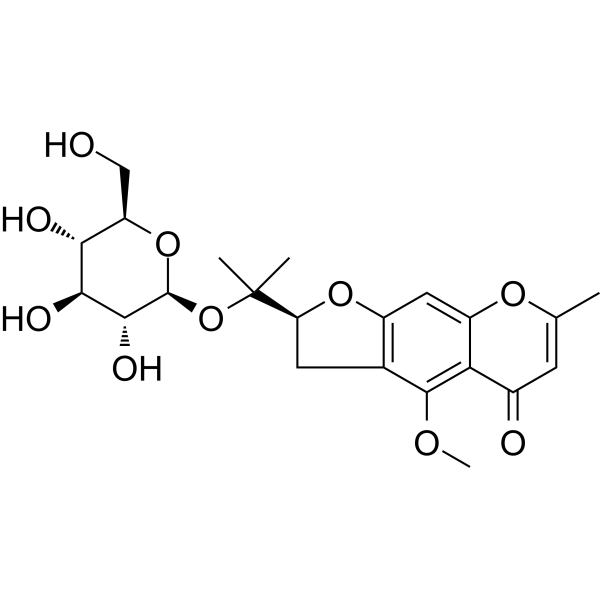
5-O-Methylvisammioside (4'-O-β-D-Glucosyl-5-O-methylvisamminol) is an orally active natural chromone glycoside and multiple biological activities. 5-O-Methylvisammioside inhibits ferroptosis by activating the Nrf2/HO-1 signaling axis. 5-O-Methylvisammioside alleviates intestinal barrier damage by inhibiting the ROS/NF-κB/NLRP3 pathway. 5-O-Methylvisammioside exerts a protective effect against acute liver injury by reducing ALT/AST, decreasing inflammatory infiltration, and inhibiting IκB-α phosphorylation and NF-κB nuclear translocation. 5-O-Methylvisammioside blocks the HMGB1/RAGE/MEK/ERK signaling axis to exert anti-tumor and anti-angiogenic effects. 5-O-Methylvisammioside improves depression-like behaviors by inhibiting Src kinase and the NF-κB pathway .
loading...
    loading...
Cat. No.: HY-147329
CAS No.: 2143072-85-7
Purity:  99.89%
Research Areas:  

Metabolic Disease

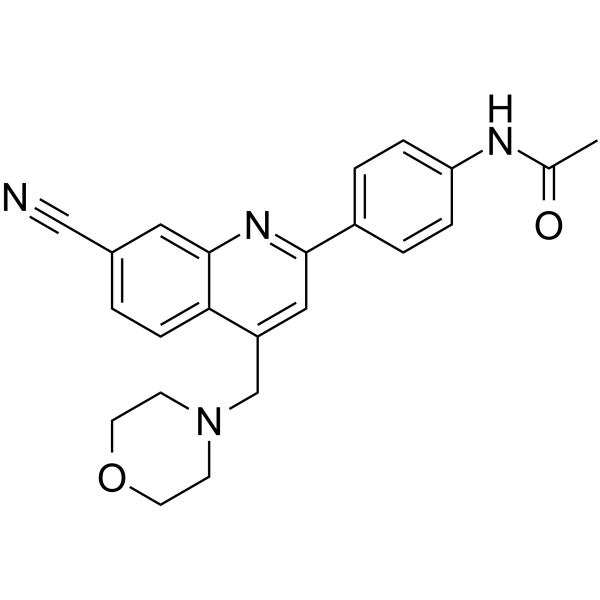
RAGE 229 is an orally active ctRAGE-DIAPH1 inhibitor. RAGE 229 can inhibit the intracellular RAGE signaling by inhibiting the interaction between the cytoplasmic tail of RAGE(ctRAGE) and Diaphanous-1(DIAPH1) .
loading...
    loading...
Cat. No.: HY-136688
CAS No.: 2222635-92-7
Purity:  99.34%
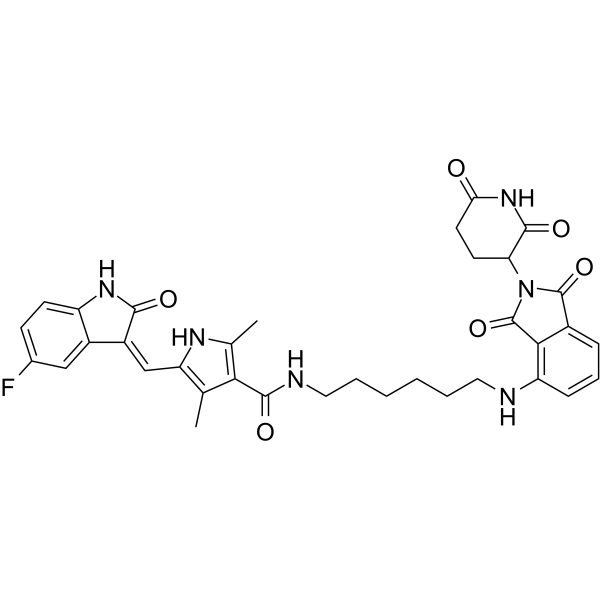
MI-389 is a potent menin-MLL interaction inhibitor (IC50=25 nM) and a CRBN-recruiting, GSPT1-targeted PROTAC degrader. MI-389 upregulates myeloid differentiation-related genes that are lowly expressed in primitive hematopoietic progenitor cells, thereby inducing myeloid differentiation phenotypic changes in MLL-rearranged leukemia cells. MI-389 competitively blocks the MG-H1-RAGE interaction to interfere with the AGEs-RAGE pathway, thus alleviating AGEs-induced HUVEC injury . MI-389 can be used in studies related to MLL-rearranged acute leukemia .
loading...
    loading...
Cat. No.: HY-146695
CAS No.: 690991-06-1
Purity:  99.74%
Target:  

Calcium Channel

Research Areas:  

Cancer

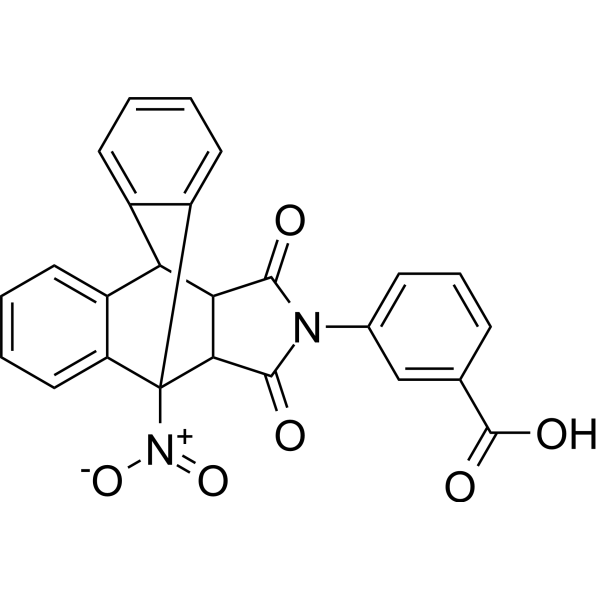
S100P-IN-1 is a S100P inhibitor, and S100P is a calcium-binding protein. S100P-IN-1 potently inhibits the interaction between purified human S100P and RAGE-Fc protein, with an IC50 value of 22.7 nM. S100P-IN-1 exerts anti-metastatic effects on pancreatic cancer cells. S100P-IN-1 can be used for the research of pancreatic cancer .
loading...
    loading...
Cat. No.: HY-N9914R
CAS No.: 551-68-8
Synonyms: D-Allulose (Standard)
D-Psicose (Standard) is the analytical standard of D-Psicose (HY-N9914). This product is intended for research and analytical applications. D-psicose is an orally active rare sugar. D-psicose inhibits p38-MAPK phosphorylation and MCP-1 expression. D-psicose inhibits the AGEs/RAGE/NF-κB pathway. D-psicose protects pancreatic β-islets, improves hyperglycemia and high-fat diet-induced non-alcoholic fatty liver disease .
loading...
    loading...
Cat. No.: HY-178926
CAS No.: 3034560-21-6
RAGE406R is an orally active RAGE-DIAPH1 interaction antagonist. RAGE406R can bind to ctRAGE and prevent the formation of the RAGE-DIAPH1 complex and inhibit its interaction. RAGE406R can reduce the expression of CCL2, TNF, and IL-6 in THP1 cells. RAGE406R suppresses delayed-type hypersensitivity in T2D mice. RAGE406R can be used for the study of diabetes .
loading...
    loading...
Cat. No.: HY-146619
CAS No.: 2766739-35-7
Research Areas:  

Neurological Disease

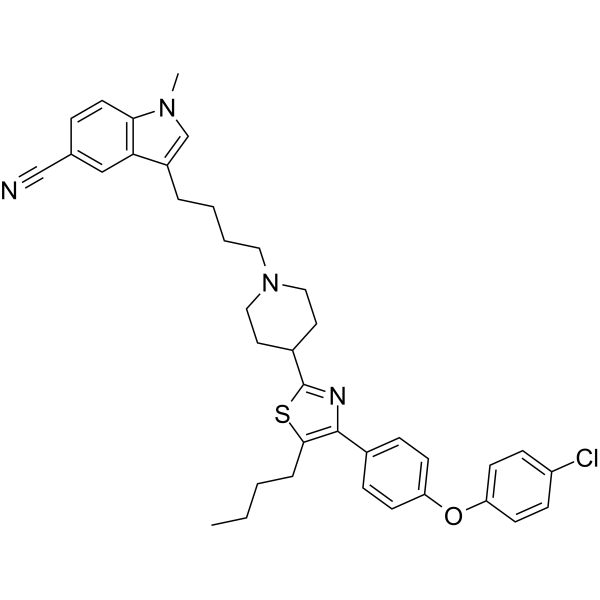
RAGE/SERT-IN-1 is a potent and orally active advanced glycation end products (RAGE) and serotonin transporter (SERT) inhibitor with IC50s of 8.26 μM and 31.09 nM, respectively. RAGE/SERT-IN-1 exhibits significant neuroprotective effect against Aβ25-35-induced neuronal damage and alleviates depressive behavior of mice. RAGE/SERT-IN-1 can be used for researching the comorbidity of Alzheimer's disease and depression .
loading...
    loading...
Cat. No.: HY-50682S
Synonyms: TTP488-d9; PF-04494700-d9
Azeliragon-d9 (TTP488-d9) is the deuterium labeled Azeliragon (HY-50682). Azeliragon (TTP488) is an orally bioavailable inhibitor of the receptor for advanced glycation end products (RAGE) in development as a potential treatment to slow disease progression with mild Alzheimer’s disease (AD) . Azeliragon also can cross the blood-brain barrier (BBB) .
loading...
    loading...
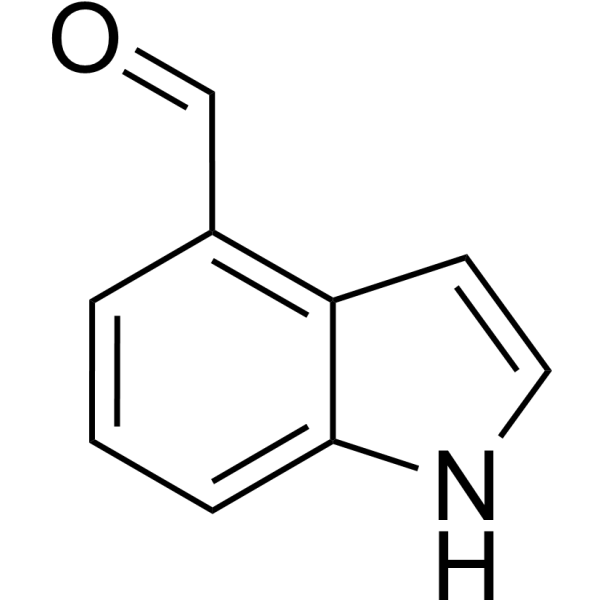
Cat. No.: HY-W001288
CAS No.: 1074-86-8
Indole-4-carboxaldehyde is an ergot alkaloid precursor that regulates glycosylation and inflammation. Indole-4-carboxaldehyde upregulates Glo-1, inhibits MGO-induced NF-κB activation, and suppresses MGO-induced expression of TNF-α and IFN-γ. Indole-4-carboxaldehyde inhibits MGO-induced formation of advanced glycation end products (AGE) and expression of their receptor (RAGE). Indole-4-carboxaldehyde is a core metabolite produced in the pedicels of Summer Black grapes after exogenous gibberellin treatment, and it directly promotes fruit enlargement and fruit set of Summer Black grapes. Indole-4-carboxaldehyde can be used in studies related to hepatic steatosis and plant growth regulation .
loading...
    loading...
Cat. No.: HY-19421
CAS No.: 2574-78-9
Target:  

Bacterial

Research Areas:  

Inflammation/Immunology

Orazamide is an AICA orotate. Orazamide can prevent anti-TB drug-induced liver damage by downregulating the protein expression of HMGB 1 and RAGE in liver tissue and inhibiting the secretion of inflammatory factors. Orazamide can be used in research on hepatitis and liver cirrhosis .
loading...
    loading...
Cat. No.: HY-50682A
CAS No.: 1284150-65-7
Synonyms: TTP488 dihydrochloride; PF-04494700 dihydrochloride
Target:  

Amyloid-β

Research Areas:  

Neurological Disease Cancer

Azeliragon dihydrochloride (TTP488) is an orally bioavailable inhibitor of the receptor for advanced glycation end products (RAGE) in development as a potential treatment to slow disease progression with mild Alzheimer’s disease (AD) . Azeliragon dihydrochloride also can cross the blood-brain barrier (BBB) .
loading...
    loading...
Cat. No.: HY-50682R
CAS No.: 603148-36-3
Synonyms: TTP488 (Standard); PF-04494700 (Standard)
Research Areas:  

Neurological Disease Cancer

Azeliragon (Standard) is the analytical standard of Azeliragon. This product is intended for research and analytical applications. Azeliragon (TTP488) is an orally bioavailable inhibitor of the receptor for advanced glycation end products (RAGE) in development as a potential treatment to slow disease progression with mild Alzheimer’s disease (AD) . Azeliragon also can cross the blood-brain barrier (BBB) .
loading...
    loading...
Cat. No.: HY-129085
CAS No.: 1221154-42-2
Synonyms: C5OH
Research Areas:  

Cancer

5-Methyl cromolyn (C5OH) disodium, an analog of Cromolyn (HY-B1619), is a S100P inhibitor. 5-Methyl cromolyn disodium inhibits the binding of S100P to its receptor RAGE, NF-κB activity and cell proliferation, and promotes Gemcitabine (HY-17026)-induced apoptosis. 5-Methyl cromolyn disodium reduces tumor growth and metastasis, and prolongs survival in mouse models of syngeneic PDAC. 5-Methyl cromolyn disodium can be used for pancreatic cancer like pancreatic ductal adenocarcinoma (PDAC) research .
loading...
    loading...

