
Search Result
Results for "
reactive nitrogen species
" in MedChemExpress (MCE) Product Catalog:
3
Biochemical Assay Reagents
| Cat. No. |
Product Name |
Target |
Research Areas |
Chemical Structure |
-
- HY-108537
-
|
|
Reactive Oxygen Species (ROS)
|
Inflammation/Immunology
|
|
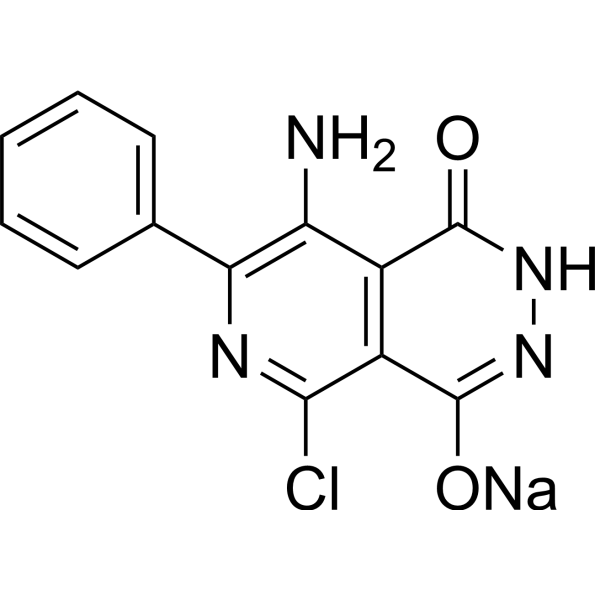
L 012 sodium salt is a luminal-based chemiluminescent probe. L 012 sodium salt can detect NADPH oxidase (Nox)-derived superoxide and nitrogen species (reactive oxygen species (ROS) and reactive nitrogen species (RNS)) .
|
-
-
- HY-W011664
-
|
DPBF
|
Fluorescent Dye
Reactive Oxygen Species (ROS)
|
Others
|
|
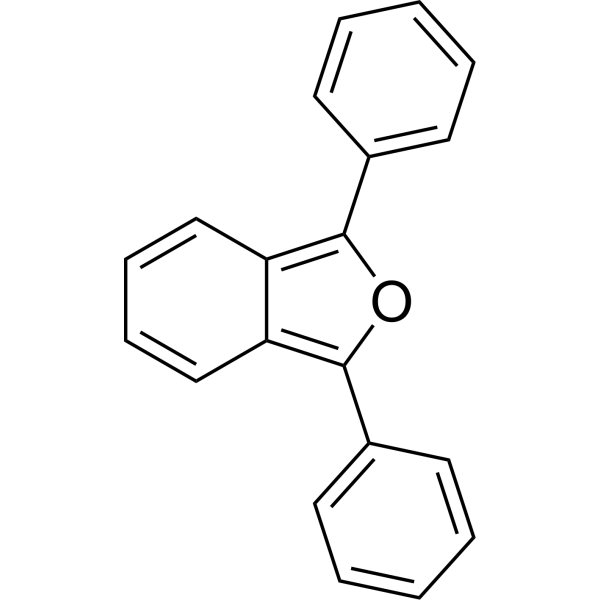
1,3-Diphenylisobenzofuran (DPBF) has been developed as a selective probe for the detection and quantitative determination of hydrogen peroxide in samples containing different reactive nitrogen and oxygen species (RNOS). DPBF is a fluorescent probe which, for almost 20 years, was believed to react in a highly specific manner toward some reactive oxygen species such as singlet oxygen and hydroxy, alkyloxy or alkylperoxy radicals .
|
-
-
- HY-15930
-
|
BM blue; Sure Blue TMB
|
Fluorescent Dye
MOFs
Reactive Oxygen Species (ROS)
|
Others
|
|
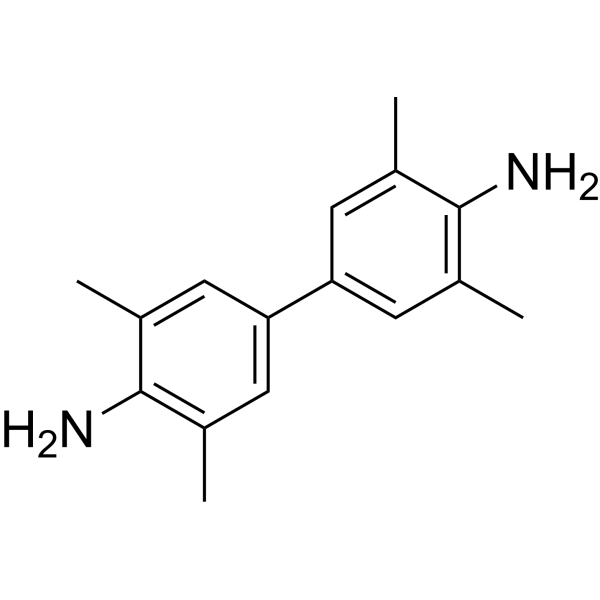
TMB is a non-toxic, non-mutagenic, colorless dye that is also used as a chromogenic agent in enzyme detection systems based on horseradish peroxidase (HRP). TMB can function as a photoacoustic probe for reactive oxygen and nitrogen species (ROS/RNS), reacting with hypochlorite, hydrogen peroxide, singlet oxygen, and nitrogen dioxide to produce blue oxidation products. TMB can detect the singlet oxygen produced by the outer membrane of Escherichia coli ATCC 25922 .
|
-
-
- HY-150097
-
|
|
Biochemical Assay Reagents
|
Metabolic Disease
Inflammation/Immunology
Cancer
|
|
Recombinant Human Serum Albumin (rHSA) is a non-glycosylated monomeric plasma protein that acts as a core factor for maintaining plasma colloid osmotic pressure. Recombinant Human Serum Albumin (rHSA) possesses multiple physiological functions including carrier, metabolic regulation, detoxification, antioxidation and enzyme mimicking. Recombinant Human Serum Albumin (rHSA) not only scavenges reactive oxygen and nitrogen species via specific residues and binds a variety of endogenous and exogenous compounds to maintain redox homeostasis, but also serves as a biomarker for multiple diseases such as cancer and inflammation. Recombinant Human Serum Albumin (rHSA) broadly supports the development of implantable materials, surgical adhesives and ligand capture, and can be used for research on critical illnesses including hypovolemia, liver failure, severe sepsis and various types of trauma resuscitation .
|
-
-
- HY-125859A
-
|
MPO
|
Bacterial
|
Inflammation/Immunology
|
|
Myeloperoxidase, human white blood cells (MPO) is a peroxidase. In Myeloperoxidase, human white blood cells mediate oxidative stress by promoting the production of reactive oxygen species (ROS) and active nitrogen (RNS), regulating the polarization and inflammation-related signaling pathways of microglia and neutrophils. Myeloperoxidase, human white blood cells has antibacterial activity .
|
-
-
- HY-118315
-
L-012
2 Publications Verification
|
Fluorescent Dye
|
Inflammation/Immunology
|
|
L-012 is a luminal-based chemiluminescent probe. L-012 sodium salt can detect NADPH oxidase (Nox)-derived superoxide and nitrogen species (reactive oxygen species (ROS) and reactive nitrogen species (RNS)) .
|
-
-
- HY-15930A
-
|
BM blue dihydrochloride; Sure Blue TMB dihydrochloride
|
Fluorescent Dye
Reactive Oxygen Species (ROS)
|
Others
|
|
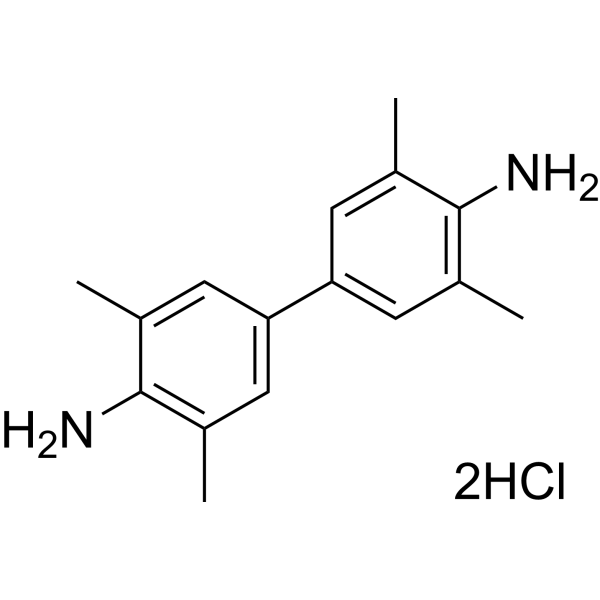
TMB dihydrochloride is the dihydrochloride form of TMB (HY-15930). TMB dihydrochloride is a non-toxic, non-mutagenic, colorless dye that is also used as a chromogenic agent in enzyme detection systems based on horseradish peroxidase (HRP). TMB dihydrochloride can function as a photoacoustic probe for reactive oxygen and nitrogen species (ROS/RNS), reacting with hypochlorite, hydrogen peroxide, singlet oxygen, and nitrogen dioxide to produce blue oxidation products. TMB dihydrochloride can detect the singlet oxygen produced by the outer membrane of Escherichia coli ATCC 25922 .
|
-
-
- HY-111806
-
|
5-Deoxykampferol; Resokaempferol
|
Reactive Oxygen Species (ROS)
Leukotriene Receptor
DNA/RNA Synthesis
|
Inflammation/Immunology
|
|
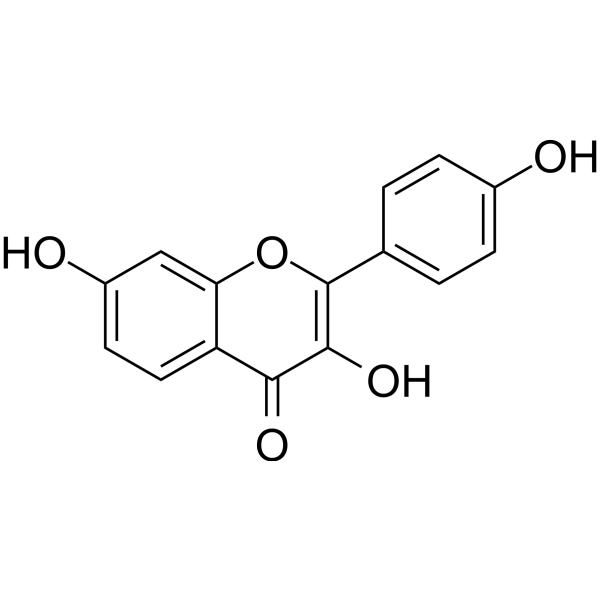
3,7,4'-Trihydroxyflavone (5-Deoxykampferol) is a flavonoid compound that can be isolated from the stems of Rhus javanica var. roxburghiana. 3,7,4'-Trihydroxyflavone has the effect of cleaving DNA in the presence of copper ions. 3,7,4'-Trihydroxyflavone also has anti-inflammatory and antioxidant activities and can scavenge various reactive oxygen species (ROS) and reactive nitrogen species (RNS) .
|
-
-
- HY-15930B
-
|
Sure Blue TMB dihydrochloride x.hydrate
|
Fluorescent Dye
Reactive Oxygen Species (ROS)
|
Others
|
|
TMB (dihydrochloride x.hydrate) is the dihydrochloride x hydrate form of TMB (HY-15930). TMB (dihydrochloride x.hydrate) is a non-toxic, non-mutagenic, colorless dye that is also used as a chromogenic agent in enzyme detection systems based on horseradish peroxidase (HRP). TMB (dihydrochloride x.hydrate) can function as a photoacoustic probe for reactive oxygen and nitrogen species (ROS/RNS), reacting with hypochlorite, hydrogen peroxide, singlet oxygen, and nitrogen dioxide to produce blue oxidation products. TMB (dihydrochloride x.hydrate) can detect the singlet oxygen produced by the outer membrane of Escherichia coli ATCC 25922 .
|
-
-
- HY-123894
-
|
|
Reactive Oxygen Species (ROS)
|
Inflammation/Immunology
|
|
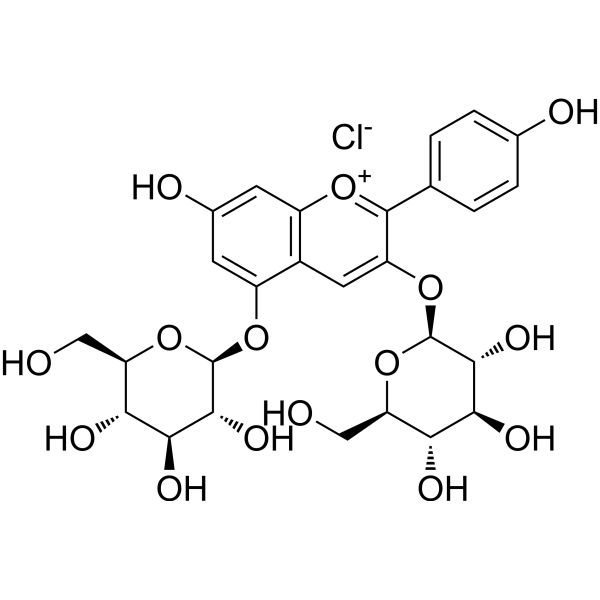
Pelargonidin 3,5-diglucoside (chloride) is a natural pigment abundantly present in red fruits and vegetables. Pelargonidin 3,5-diglucoside (chloride) acts as a scavenger for reactive oxygen species and reactive nitrogen species . Pelargonidin 3,5-diglucoside (chloride) demonstrates inhibitory effects on enzymes involved in the production of ROS, RNS, and pro-inflammatory cytokines .
|
-
-
- HY-135849C
-
-
-
- HY-15930C
-
|
BM blue monosulfate; Sure Blue TMB monosulfate
|
Fluorescent Dye
Reactive Oxygen Species (ROS)
|
Others
|
|
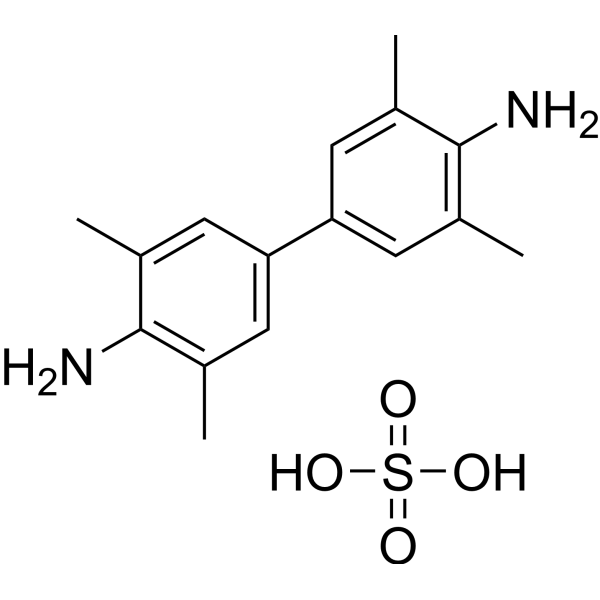
TMB monosulfate is the monosulfate form of TMB (HY-15930). TMB monosulfate is a non-toxic, non-mutagenic, colorless dye that is also used as a chromogenic agent in enzyme detection systems based on horseradish peroxidase (HRP). TMB monosulfate can function as a photoacoustic probe for reactive oxygen and nitrogen species (ROS/RNS), reacting with hypochlorite, hydrogen peroxide, singlet oxygen, and nitrogen dioxide to produce blue oxidation products. TMB monosulfate can detect the singlet oxygen produced by the outer membrane of Escherichia coli ATCC 25922 .
|
-
-
- HY-111646
-
-
-
- HY-DY1053
-
|
|
Fluorescent Dye
Reactive Oxygen Species (ROS)
|
Others
|
1,3-Diphenylisobenzofuran (DPBF) (solution) has been developed as a selective probe for the detection and quantitative determination of hydrogen peroxide in samples containing different reactive nitrogen and oxygen species (RNOS). DPBF is a fluorescent probe which, for almost 20 years, was believed to react in a highly specific manner toward some reactive oxygen species such as singlet oxygen and hydroxy, alkyloxy or alkylperoxy radicals . Solvent and concentration: DMSO: 10 mM The 1 mL volume is defined as the base specification. All larger sizes correspond to incremental volumes of this base.
|
-
-
- HY-130783
-
|
|
Fluorescent Dye
|
Others
|
|
LysoFP-NO2 is a turn-on fluorescent probe for carbon monoxide (CO) that localizes to the lysosome. In the presence of lysosomal CO, lysoFP-NO2 is transformed into lysoFP-NH2, which is highly fluorescent. LysoFP-NO2 is selective for CO over various reactive nitrogen, oxygen, and sulfur species. It displays excitation/emission maxima of 440/528 nm, respectively, and is not cytotoxic to HepG2 cells for up to five hours when used at a concentration of 30 μM.
|
-
-
- HY-W145695
-
|
|
Biochemical Assay Reagents
Apoptosis
Interleukin Related
IFNAR
|
Cardiovascular Disease
Inflammation/Immunology
|
|
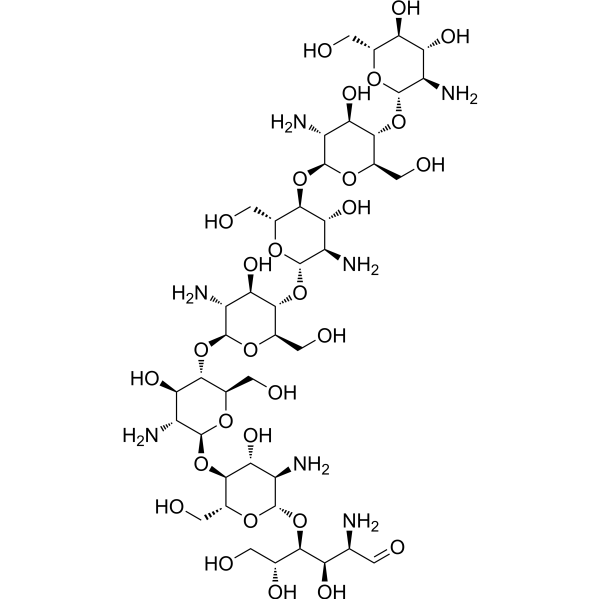
Chitoheptaose is an orally active chitooligosaccharide (degree of polymerization = 7). Chitoheptaose can be extracted from the exoskeletons of crustaceans, such as the shells of crabs, shrimps and lobsters. Chitoheptaose reduces pro-inflammatory cytokines while increasing the levels of anti-inflammatory cytokines (decreasing the levels of pro-inflammatory cytokines IL-1β, IL-17A and IFN-γ, and increasing the level of the anti-inflammatory cytokine IL-10). Chitoheptaose possesses antioxidant, anti-inflammatory and anti-Apoptotic activities. Chitoheptaose improves cardiac parameters, alleviates myocarditis injury, and exerts cardioprotective effects in a rat model of myocarditis. Chitoheptaose can be used in studies related to myocarditis .
|
-
-
- HY-116582
-
-
-
- HY-15930R
-
|
BM blue (Standard); Sure Blue TMB (Standard)
|
Fluorescent Dye
Reactive Oxygen Species (ROS)
Reference Standards
|
Others
|
|
TMB (Standard) is the analytical standard of TMB. This product is intended for research and analytical applications. TMB is a non-toxic, non-mutagenic, colorless dye that is also used as a chromogenic agent in enzyme detection systems based on horseradish peroxidase (HRP). TMB can function as a photoacoustic probe for reactive oxygen and nitrogen species (ROS/RNS), reacting with hypochlorite, hydrogen peroxide, singlet oxygen, and nitrogen dioxide to produce blue oxidation products. TMB can detect the singlet oxygen produced by the outer membrane of Escherichia coli ATCC 25922 .
|
-
-
- HY-D3002
-
|
|
Fluorescent Dye
|
Metabolic Disease
|
|
ONOO-/O2- tracker probe is a dual-responsive near-infrared fluorescent probe. ONOO-/O2- tracker probe will only emit a strong fluorescence signal when both peroxynitrite (ONOO⁻) and superoxide anion (O₂•⁻), the two key reactive oxygen/nitrogen species, are present simultaneously. ONOO-/O2- tracker probe can be used as a biomarker detection tool for drug-induced liver injury (DILI) .
|
-
-
- HY-175862
-
|
|
Aldose Reductase
Reactive Oxygen Species (ROS)
PI3K
Akt
SOD
p38 MAPK
Keap1-Nrf2
|
Metabolic Disease
|
|
ALR2-IN-9 is a potent ALR2 inhibitor (IC50 = 21.8 nM) with excellent antioxidant activity (EC50 for DPPH radical scavenging = 2.8 μM). ALR2-IN-9 interacts directly with Reactive Oxygen Species (ROS)/Reactive Nitrogen Species (RNS) and interrupts the free radical chain reactions, and as an endogenous enzymatic antioxidant regulator, which regulates enzyme functions of CAT and SOD. ALR2-IN-9 regulates PI3K/Akt/Nrf2 pathway to attenuate hyperglycemia-mediated mitochondrial superoxide overproduction in vitro, and ameliorates CuSO4- and H2O2-induced oxidative stress in vivo. ALR2-IN-9 prolongs lifespan of C. elegans via the regulation of stress response genes such as PMK-1. ALR2-IN-9 is a promising anti-aging drug candidate. ALR2-IN-9 can be used for diabetic complication research .
|
-
-
- HY-W166764
-
-
-
- HY-151925
-
|
|
Bacterial
|
Infection
|
|
Antibacterial agent 126 is a potent antibacterial agent. Antibacterial agent 126 reduces the burden of biofilm to avoid developing agent resistance. Antibacterial agent 126 disturbs the membrane integrity and leads to the leakage of intracellular materials. Antibacterial agent 126 increase in ROS and reactive nitrogen species (RNS) production .
|
-
-
- HY-162258
-
|
|
Cholinesterase (ChE)
|
Neurological Disease
|
|
AChE-IN-57 (compound 5b(SP-2)) is a potent AChE inhibitor. AChE-IN-57 improves cognitive defects. AChE-IN-57 restores the biochemical mediators and inhibits reactive oxygen and nitrogen species implicated in the neuroinflammation mechanism. AChE-IN-57 has the potential for the research of Alzheimer .
|
-
-
- HY-182333
-
|
|
Cholinesterase (ChE)
|
Neurological Disease
|
|
AChE-IN-112 is an acetylcholinesterase (AChE) inhibitor with an IC50 of 0.41 μM. AChE-IN-112 scavenges various reactive oxygen and reactive nitrogen species, including DPPH, ABTS, NO, hydroxyl and hydrogen peroxide free radicals. AChE-IN-112 can be used for the research of Alzheimer's disease .
|
-
-
- HY-108537R
-
|
|
Reactive Oxygen Species (ROS)
Reference Standards
|
Inflammation/Immunology
|
|
L 012 sodium salt (Standard) is the analytical standard of L 012 (sodium salt) (HY-108537). This product is intended for research and analytical applications. L 012 sodium salt is a luminal-based chemiluminescent probe. L 012 sodium salt can detect NADPH oxidase (Nox)-derived superoxide and nitrogen species (reactive oxygen species (ROS) and reactive nitrogen species (RNS)) .
|
-
-
- HY-182332
-
|
|
Cholinesterase (ChE)
|
Neurological Disease
|
|
AChE-IN-111 is an acetylcholinesterase inhibitor with a IC50 of 0.37 μM. AChE-IN-111 scavenges various reactive oxygen and nitrogen species. AChE-IN-111 exhibits significant antioxidant potential and iron regulatory protein levels. AChE-IN-111 can be used for the research of Alzheimer's disease .
|
-
-
- HY-D3449
-
|
|
Fluorescent Dye
Reactive Oxygen Species (ROS)
|
Others
|
|
8-(9-Bromoanthracene)-BODIPY 505/515 is a fluorescence turn-on probe with selective fluorescence turn-on response towards hydroxyl radical. 8-(9-Bromoanthracene)-BODIPY 505/515 can be used to detect reactive oxygen/nitrogen species (ROS/RNS) . (Ex/Em = 505/515 nm)
|
-
-
- HY-D3227
-
|
|
Fluorescent Dye
|
Inflammation/Immunology
Cancer
|
|
HOTN is a hypochlorous acid (HClO) Fluorescent indicator. HOTN is oxidized by HClO, causing cleavage of its Py +-N + moiety and a change in hydrophobicity, which in turn triggers aggregation-induced emission to generate a strong fluorescent signal. HOTN is used for in vivo imaging of inflammation and hepatocellular carcinoma, as these diseases typically result in high levels of HClO .
|
-
| Cat. No. |
Product Name |
Type |
-
- HY-108537
-
|
|
Fluorescent Dyes
|
|
L 012 sodium salt is a luminal-based chemiluminescent probe. L 012 sodium salt can detect NADPH oxidase (Nox)-derived superoxide and nitrogen species (reactive oxygen species (ROS) and reactive nitrogen species (RNS)) .
|
-
- HY-W011664
-
|
DPBF
|
Fluorescent Dyes
|
|
1,3-Diphenylisobenzofuran (DPBF) has been developed as a selective probe for the detection and quantitative determination of hydrogen peroxide in samples containing different reactive nitrogen and oxygen species (RNOS). DPBF is a fluorescent probe which, for almost 20 years, was believed to react in a highly specific manner toward some reactive oxygen species such as singlet oxygen and hydroxy, alkyloxy or alkylperoxy radicals .
|
-
- HY-15930
-
|
BM blue; Sure Blue TMB
|
Fluorescent Dyes
|
|
TMB is a non-toxic, non-mutagenic, colorless dye that is also used as a chromogenic agent in enzyme detection systems based on horseradish peroxidase (HRP). TMB can function as a photoacoustic probe for reactive oxygen and nitrogen species (ROS/RNS), reacting with hypochlorite, hydrogen peroxide, singlet oxygen, and nitrogen dioxide to produce blue oxidation products. TMB can detect the singlet oxygen produced by the outer membrane of Escherichia coli ATCC 25922 .
|
-
- HY-15930A
-
|
BM blue dihydrochloride; Sure Blue TMB dihydrochloride
|
Fluorescent Dyes
|
|
TMB dihydrochloride is the dihydrochloride form of TMB (HY-15930). TMB dihydrochloride is a non-toxic, non-mutagenic, colorless dye that is also used as a chromogenic agent in enzyme detection systems based on horseradish peroxidase (HRP). TMB dihydrochloride can function as a photoacoustic probe for reactive oxygen and nitrogen species (ROS/RNS), reacting with hypochlorite, hydrogen peroxide, singlet oxygen, and nitrogen dioxide to produce blue oxidation products. TMB dihydrochloride can detect the singlet oxygen produced by the outer membrane of Escherichia coli ATCC 25922 .
|
-
- HY-15930C
-
|
BM blue monosulfate; Sure Blue TMB monosulfate
|
Fluorescent Dyes
|
|
TMB monosulfate is the monosulfate form of TMB (HY-15930). TMB monosulfate is a non-toxic, non-mutagenic, colorless dye that is also used as a chromogenic agent in enzyme detection systems based on horseradish peroxidase (HRP). TMB monosulfate can function as a photoacoustic probe for reactive oxygen and nitrogen species (ROS/RNS), reacting with hypochlorite, hydrogen peroxide, singlet oxygen, and nitrogen dioxide to produce blue oxidation products. TMB monosulfate can detect the singlet oxygen produced by the outer membrane of Escherichia coli ATCC 25922 .
|
-
- HY-DY1053
-
|
|
Fluorescent Dyes
|
1,3-Diphenylisobenzofuran (DPBF) (solution) has been developed as a selective probe for the detection and quantitative determination of hydrogen peroxide in samples containing different reactive nitrogen and oxygen species (RNOS). DPBF is a fluorescent probe which, for almost 20 years, was believed to react in a highly specific manner toward some reactive oxygen species such as singlet oxygen and hydroxy, alkyloxy or alkylperoxy radicals . Solvent and concentration: DMSO: 10 mM The 1 mL volume is defined as the base specification. All larger sizes correspond to incremental volumes of this base.
|
-
- HY-15930R
-
|
BM blue (Standard); Sure Blue TMB (Standard)
|
Fluorescent Dyes
|
|
TMB (Standard) is the analytical standard of TMB. This product is intended for research and analytical applications. TMB is a non-toxic, non-mutagenic, colorless dye that is also used as a chromogenic agent in enzyme detection systems based on horseradish peroxidase (HRP). TMB can function as a photoacoustic probe for reactive oxygen and nitrogen species (ROS/RNS), reacting with hypochlorite, hydrogen peroxide, singlet oxygen, and nitrogen dioxide to produce blue oxidation products. TMB can detect the singlet oxygen produced by the outer membrane of Escherichia coli ATCC 25922 .
|
-
- HY-D3002
-
|
|
Fluorescent Dyes
|
|
ONOO-/O2- tracker probe is a dual-responsive near-infrared fluorescent probe. ONOO-/O2- tracker probe will only emit a strong fluorescence signal when both peroxynitrite (ONOO⁻) and superoxide anion (O₂•⁻), the two key reactive oxygen/nitrogen species, are present simultaneously. ONOO-/O2- tracker probe can be used as a biomarker detection tool for drug-induced liver injury (DILI) .
|
-
- HY-108537R
-
|
|
Fluorescent Dyes
|
|
L 012 sodium salt (Standard) is the analytical standard of L 012 (sodium salt) (HY-108537). This product is intended for research and analytical applications. L 012 sodium salt is a luminal-based chemiluminescent probe. L 012 sodium salt can detect NADPH oxidase (Nox)-derived superoxide and nitrogen species (reactive oxygen species (ROS) and reactive nitrogen species (RNS)) .
|
-
- HY-D3449
-
|
|
Fluorescent Dyes
|
|
8-(9-Bromoanthracene)-BODIPY 505/515 is a fluorescence turn-on probe with selective fluorescence turn-on response towards hydroxyl radical. 8-(9-Bromoanthracene)-BODIPY 505/515 can be used to detect reactive oxygen/nitrogen species (ROS/RNS) . (Ex/Em = 505/515 nm)
|
-
- HY-D3227
-
|
|
Fluorescent Dyes
|
|
HOTN is a hypochlorous acid (HClO) Fluorescent indicator. HOTN is oxidized by HClO, causing cleavage of its Py +-N + moiety and a change in hydrophobicity, which in turn triggers aggregation-induced emission to generate a strong fluorescent signal. HOTN is used for in vivo imaging of inflammation and hepatocellular carcinoma, as these diseases typically result in high levels of HClO .
|
| Cat. No. |
Product Name |
Type |
-
- HY-150097
-
|
|
Biochemical Assay Reagents
|
|
Recombinant Human Serum Albumin (rHSA) is a non-glycosylated monomeric plasma protein that acts as a core factor for maintaining plasma colloid osmotic pressure. Recombinant Human Serum Albumin (rHSA) possesses multiple physiological functions including carrier, metabolic regulation, detoxification, antioxidation and enzyme mimicking. Recombinant Human Serum Albumin (rHSA) not only scavenges reactive oxygen and nitrogen species via specific residues and binds a variety of endogenous and exogenous compounds to maintain redox homeostasis, but also serves as a biomarker for multiple diseases such as cancer and inflammation. Recombinant Human Serum Albumin (rHSA) broadly supports the development of implantable materials, surgical adhesives and ligand capture, and can be used for research on critical illnesses including hypovolemia, liver failure, severe sepsis and various types of trauma resuscitation .
|
-
- HY-15930B
-
|
Sure Blue TMB dihydrochloride x.hydrate
|
Biochemical Assay Reagents
|
|
TMB (dihydrochloride x.hydrate) is the dihydrochloride x hydrate form of TMB (HY-15930). TMB (dihydrochloride x.hydrate) is a non-toxic, non-mutagenic, colorless dye that is also used as a chromogenic agent in enzyme detection systems based on horseradish peroxidase (HRP). TMB (dihydrochloride x.hydrate) can function as a photoacoustic probe for reactive oxygen and nitrogen species (ROS/RNS), reacting with hypochlorite, hydrogen peroxide, singlet oxygen, and nitrogen dioxide to produce blue oxidation products. TMB (dihydrochloride x.hydrate) can detect the singlet oxygen produced by the outer membrane of Escherichia coli ATCC 25922 .
|
-
- HY-W145695
-
|
|
Biochemical Assay Reagents
|
|
Chitoheptaose is an orally active chitooligosaccharide (degree of polymerization = 7). Chitoheptaose can be extracted from the exoskeletons of crustaceans, such as the shells of crabs, shrimps and lobsters. Chitoheptaose reduces pro-inflammatory cytokines while increasing the levels of anti-inflammatory cytokines (decreasing the levels of pro-inflammatory cytokines IL-1β, IL-17A and IFN-γ, and increasing the level of the anti-inflammatory cytokine IL-10). Chitoheptaose possesses antioxidant, anti-inflammatory and anti-Apoptotic activities. Chitoheptaose improves cardiac parameters, alleviates myocarditis injury, and exerts cardioprotective effects in a rat model of myocarditis. Chitoheptaose can be used in studies related to myocarditis .
|
| Cat. No. |
Product Name |
Category |
Target |
Chemical Structure |
| Cat. No. |
Product Name |
|
Classification |
-
- HY-111646
-
|
|
|
Nucleoside Analogs
Adenosine
|
|
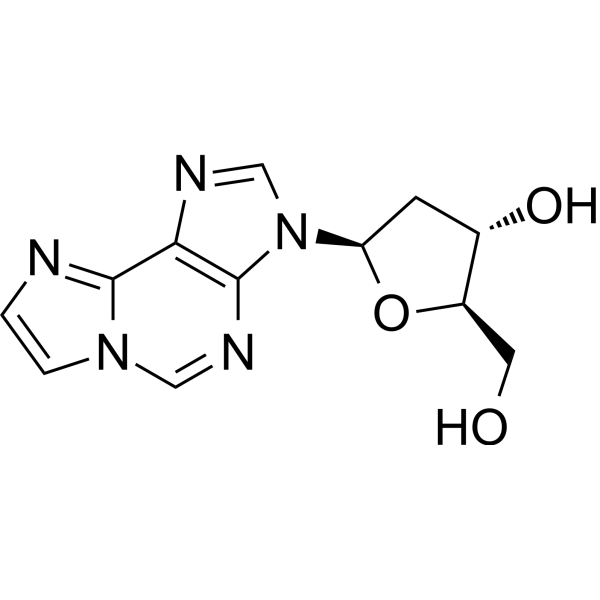
N6-Etheno 2'-deoxyadenosine is a reactive oxygen species (ROS)/reactive nitrogen species (RNS)-induced DNA oxidation product, used as a biomarker to evaluate chronic inflammation and lipid peroxidation in animal or human tissues .
|
Your information is safe with us. * Required Fields.
Inquiry Information
- Product Name:
- Cat. No.:
- Quantity:
- MCE Japan Authorized Agent:

