


1. Search Result
Search Result
Results for "

tumor-bearing mice

" in MedChemExpress (MCE) Product Catalog:

61

Inhibitors & Agonists

4

Fluorescent Dyes

3

Biochemical Assay Reagents

5

Peptides

3

Inhibitory Antibodies

2

Natural
Products

3

Isotope-Labeled Compounds

2

Click Chemistry

3

Oligonucleotides

1

GMP Molecules

Cat. No. Product Name Target Research Areas Chemical Structure
  • HY-107202
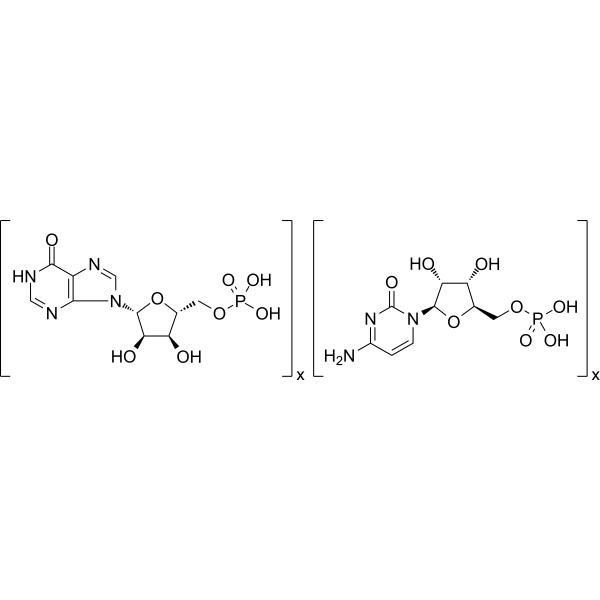
    Polyinosinic-polycytidylic acid
    Maximum Cited Publications
    61 Publications Verification

    Poly(I:C)

    RIG-I-like receptor (RLR) Toll-like Receptor (TLR) PKD HSP Bcl-2 Family Interleukin Related Apoptosis Infection Inflammation/Immunology Cancer
    Polyinosinic-polycytidylic acid (Poly(I:C)) is a synthetic analog of double-stranded RNA and an agonist of toll-like receptor 3 (TLR3) and retinoic acid inducible gene I (RIG-I)-like receptors (RIG-I and MDA5). Polyinosinic-polycytidylic acid can be used as a vaccine adjuvant to enhance innate and adaptive immune responses, and to alter the tumor microenvironment. Polyinosinic-polycytidylic acid can directly trigger cancer cells to undergo apoptosis .
    Polyinosinic-polycytidylic acid
  • HY-112288
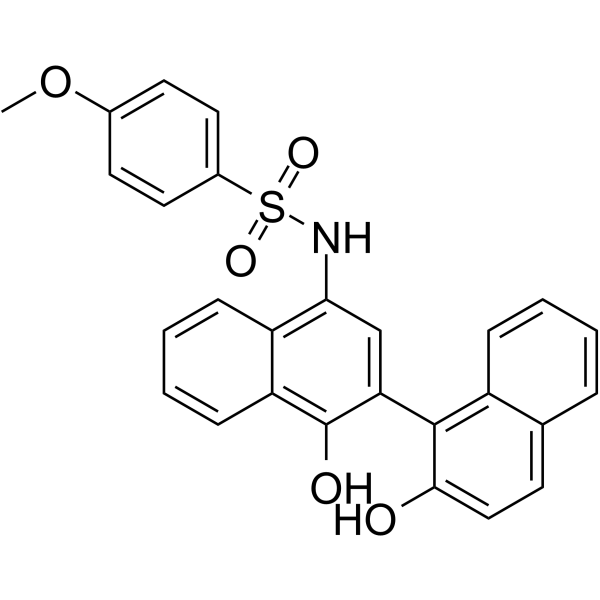
    C188-9
    30+ Cited Publications

    TTI-101

    STAT Apoptosis DNA Methyltransferase Metabolic Disease Inflammation/Immunology Cancer
    C188-9 (TTI-101) is a STAT3 inhibitor with a Kd value of 4.7 nM. C188-9 targets the SH2 domain of STAT3, blocks the processes of STAT3 ligand binding, receptor recruitment, homodimerization and phosphorylation, and regulates STAT3-mediated genes associated with tumorigenesis and radioresistance. C188-9 regulates STAT1-mediated genes related to radioresistance and reduces the activation level of STAT1. C188-9 downregulates the expression of DNMT1, enhances DAC-induced demethylation and re-expression of RASSF1A, and simultaneously potentiates the anti-tumor effect of DAC on pancreatic cancer cells. C188-9 inhibits both anchorage-dependent and anchorage-independent growth of cancer cells, induces Apoptosis, blocks the growth of tumor xenografts, and suppresses muscle atrophy. C188-9 maintains muscle mass, increases body weight and improves grip strength in tumor-bearing mice. C188-9 can be used in research related to head and neck squamous cell carcinoma, pancreatic cancer, sepsis-related skeletal muscle wasting, non-small cell lung cancer, acute myeloid leukemia and cancer cachexia .
    C188-9
  • HY-B1260
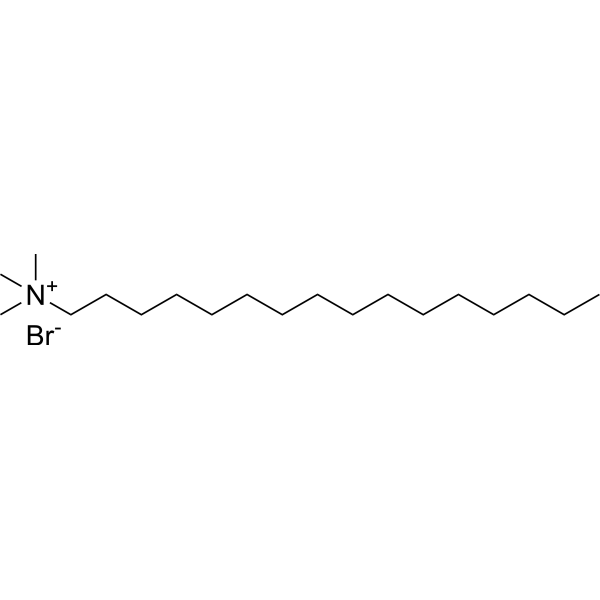
    Cetrimonium bromide
    2 Publications Verification

    CTAB; Cetyltrimethylammonium bromide; Hexadecyltrimethylammonium bromide

    Environmental Pollutants Biochemical Assay Reagents Apoptosis TGF-β Receptor MMP Cancer
    Cetrimonium bromide (CTAB), a quaternary ammonium, is an orally active cationic surfaetant. Cetrimonium bromide has toxicity and anticancer effect. Cetrimonium bromide inhibits cell migration and invasion through modulating the canonical and non-canonical TGF-β signaling pathways. Cetrimonium bromide can be used for DNA extraction .
    Cetrimonium bromide
  • HY-177475

    1-Arachidonoyl-sn-glycero-3-phosphocholine

    Endogenous Metabolite Metabolic Disease Cancer
    LysoPC 20:4 (20:4) (1-Arachidonoyl-sn-glycero-3-phosphocholine) is a serum metabolite. LysoPC 20:4 (20:4) decreases in tumor-bearing mice, but the reduction is not significant. LysoPC (20:4) can be used in cancer and obesity-related research .
    LysoPC(20:4)
  • HY-145746

    Fluorescent Dye PD-1/PD-L1 Inflammation/Immunology Cancer
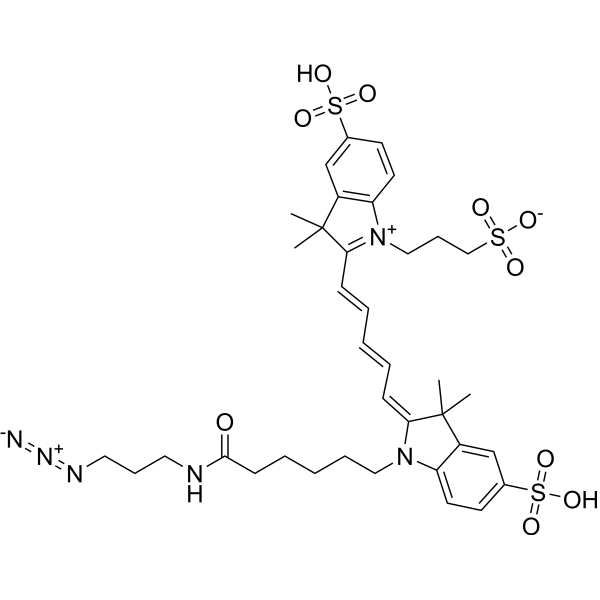
    Sulfo-Cy5 azide is a near-infrared fluorescent probe with favorable click chemistry reactivity. Sulfo-Cy5 azide enables fluorescence imaging, tissue and cellular visualization of PD-L1 in tumors, and site-specific modification of anti-PD-L1 antibodies. Sulfo-Cy5 azide has been employed for RNA labeling and imaging. Sulfo-Cy5 azide can be conjugated to targeting agents for fluorescence imaging in atherosclerosis and breast cancer models (Ex/Em = 645/670 nm) .
    Sulfo-Cy5 azide
  • HY-114440

    GR-MD-02

    Galectin Apoptosis Cancer
    Belapectin (GR-MD-02) is a Galectin-3 (Gal-3) inhibitor. Belapectin drives tumor-induced immunosuppression by inducing T cell Apoptosis. Belapectin promotes tumor regression and improves survival of tumor-bearing mice through a CD8+ T cell-dependent mechanism. Belapectin binds to Gal-3 with affinity Ki of 2.8 μM .
    Belapectin
  • HY-153358

    HDAC Cancer
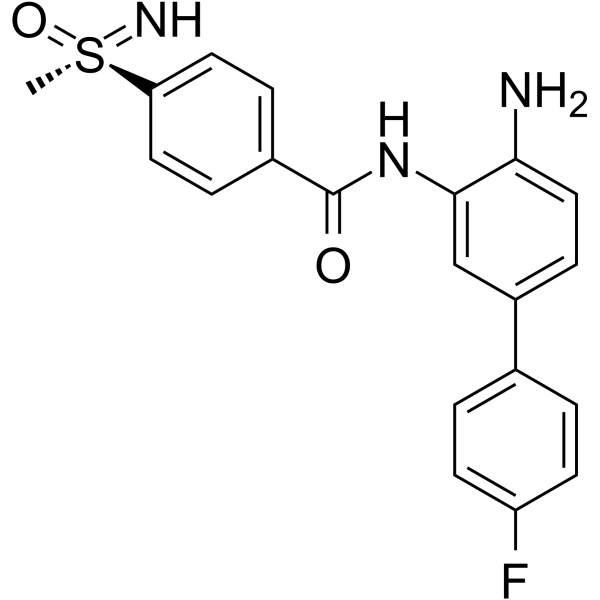
    TNG260 is a selective, orally effective inhibitor of HDAC1 and CoREST complex, with a 10-fold selectivity for HDAC1 over HDAC3 and a 500-fold selectivity for CoREST complex over NuRD and Sin3 complex. TNG260 reshapes the tumor immune microenvironment, reduces immunosuppressive neutrophil infiltration, promotes effector T cell recruitment, and reverses anti-PD-1 resistance caused by STK11 deficiency by inhibiting the activity of the CoREST-HDAC1 complex. TNG260 induces durable tumor regression in combination with α-PD1 in MC38 tumor-bearing mice with STK11 mutations, and has lower toxicity to bone marrow cells than non-selective HDAC inhibitors .
    TNG260
  • HY-12758

    BCRP Cancer
    YHO-13351 is an orally active ABCG2 inhibitor . YHO-13351 modulates the function of ABCG2, blocks BCRP-mediated compound efflux, downregulates the expression of breast cancer resistance protein at the post-transcriptional level, and reverses ABCG2-associated tolerance. YHO-13351 restores the toxicity of SN-38 to SN-38-resistant cancer cells and sensitizes cancer cells to Irinotecan. YHO-13351 is a water-soluble prodrug that is rapidly converted to YHO-13177 (HY-12757) in mice. YHO-13351 prolongs the median survival time of mice bearing cancer cell xenografts when combined with IMMU-132. YHO-13351 extends the survival time of tumor-bearing mice and inhibits the growth of xenograft tumors when combined with Irinotecan. YHO-13351 can be used for the research of breast cancer, gastric cancer, BCRP-mediated drug-resistant cancers, and cervical cancer .
    YHO-13351
  • HY-157763

    PROTAC-Linker Conjugates for PAC Btk Cancer
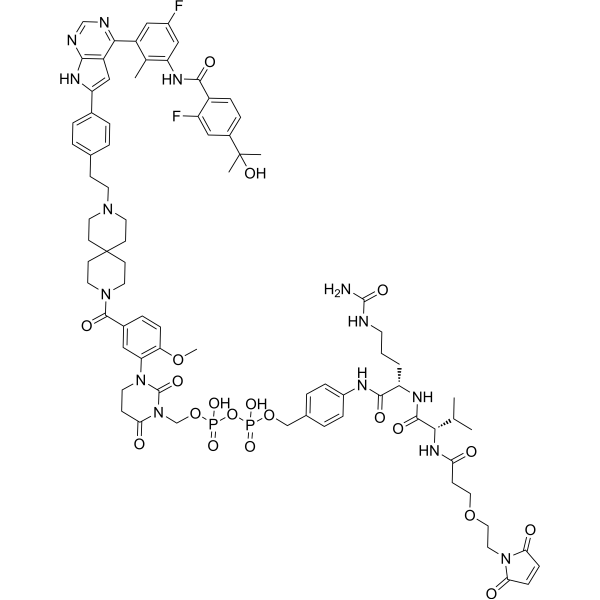
    Mal-PEG1-Val-Cit-PABC-diphosphate-BTK degrader-1 is a cleavable linker-payload conjugate and cereblon-binding BTK bifunctional degrader. Mal-PEG1-Val-Cit-PABC-diphosphate-BTK degrader-1 induces BTK degradation and exerts cytotoxic effects when delivered via CD79b monoclonal antibody. Mal-PEG1-Val-Cit-PABC-diphosphate-BTK degrader-1, when formulated as a CD79b antibody-drug conjugate, achieves sustained in vivo BTK degradation in tumor-bearing mice with reduced systemic payload exposure. Mal-PEG1-Val-Cit-PABC-diphosphate-BTK degrader-1 can be used for the research of activated b-cell-like diffuse large b-cell lymphoma (ADC linker: (HY-130944); PROTAC: (HY-163295)) .
    Mal-PEG1-Val-Cit-PABC-diphosphate-BTK degrader-1
  • HY-107202A
    Poly (I:C):Kanamycin (1:1)
    5+ Cited Publications

    Toll-like Receptor (TLR) RIG-I-like receptor (RLR) PKD HSP Bcl-2 Family Interleukin Related Apoptosis Infection Inflammation/Immunology Cancer
    Poly(I:C):Kanamycin (1:1) is a mixture of Poly(I:C) (HY-107202) and Kanamycin (HY-16566). Poly(I:C) is a synthetic analog of double-stranded RNA and an agonist of toll-like receptor 3 (TLR3) and retinoic acid inducible gene I (RIG-I)-like receptors (RIG-I and MDA5). Poly(I:C) can be used as a vaccine adjuvant to enhance innate and adaptive immune responses, and to alter the tumor microenvironment. Poly(I:C) can directly trigger cancer cells to undergo apoptosis. Kanamycin stabilizes Poly(I:C) .
    Poly (I:C):Kanamycin (1:1)
  • HY-175035

    Hexokinase Inflammation/Immunology Cancer
    HK-2-IN-1 is a Hexokinase 2 (HK-2) inhibitor. HK-2-IN-1 exhibits a non-activating effect on human recombinant HK-2 enzyme. HK-2-IN-1 has anti-tumor activity, affecting immune cells in the tumor microenvironment. HK-2-IN-1 has immunomodulatory effects and is potentially useful in the study of cancers such as colon cancer, liver cancer, and breast cancer .
    HK-2-IN-1
  • HY-16446

    c-Met/HGFR PI3K Akt MEK Apoptosis Cancer
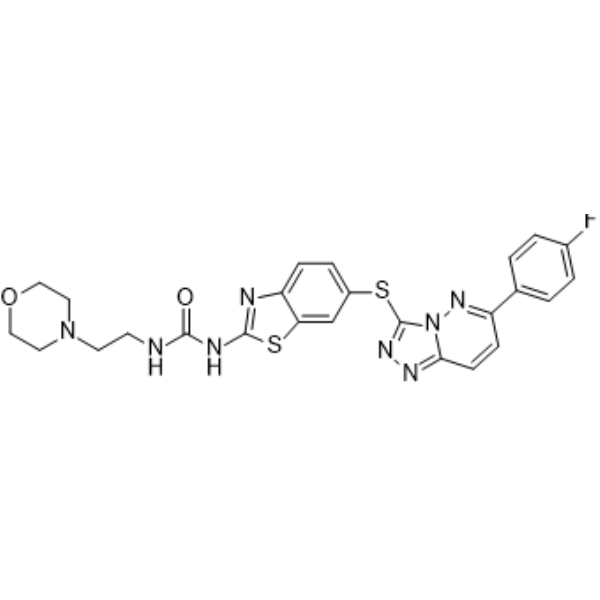
    SAR125844 is a potent, selective, and ATP-competitive MET kinase inhibitor with the value of IC50 is 4.2 nM and Ki is 2.8 nM. SAR125844 has antitumor activity and can be used for the research of cancer .
    SAR125844
  • HY-P1907

    HPV Cancer
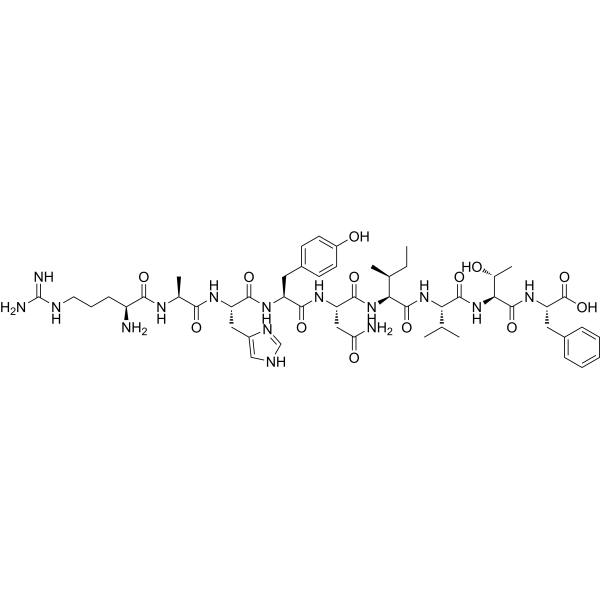
    Human Papillomavirus (HPV) E7 protein (49-57) is a cytotoxic T lymphocyte (CTL) epitope peptide derived from HPV16 E7 protein (sequence: RAHYNIVTF). Human Papillomavirus (HPV) E7 protein (49-57) induces E749-57-specific CTL responses. Human Papillomavirus (HPV) E7 protein (49-57) can be used for the research of cervical cancer .
    Human Papillomavirus (HPV) E7 protein (49-57)
  • HY-19337
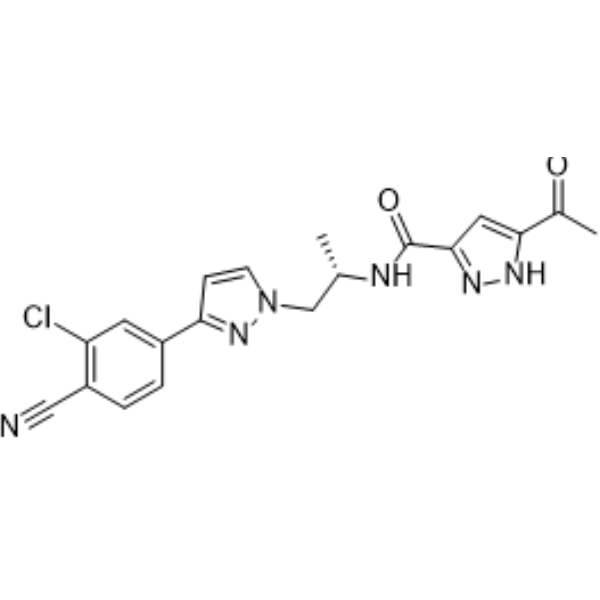
    Ketodarolutamide
    1 Publications Verification

    BAY 1896953; ORM-15341

    Androgen Receptor Cancer
    Ketodarolutamide (ORM-15341) is a potent, high-affinity nonsteroidal competitive full antagonist of androgen receptor (AR). Ketodarolutamide displays a Ki value of 8 nM for rat wild-type AR and an IC50 value of 38 nM in AR-HEK293 cells . Ketodarolutamide inhibits testosterone-induced nuclear translocation of the AR and antagonizes both overexpressed and mutant ARs . Ketodarolutamide specifically suppresses the proliferation of AR-dependent prostate cancer cells and exhibits antitumor activity in models of castration-resistant prostate cancer (CRPC) . Ketodarolutamide is suitable for the mechanistic and therapeutic research of prostate cancer .
    Ketodarolutamide
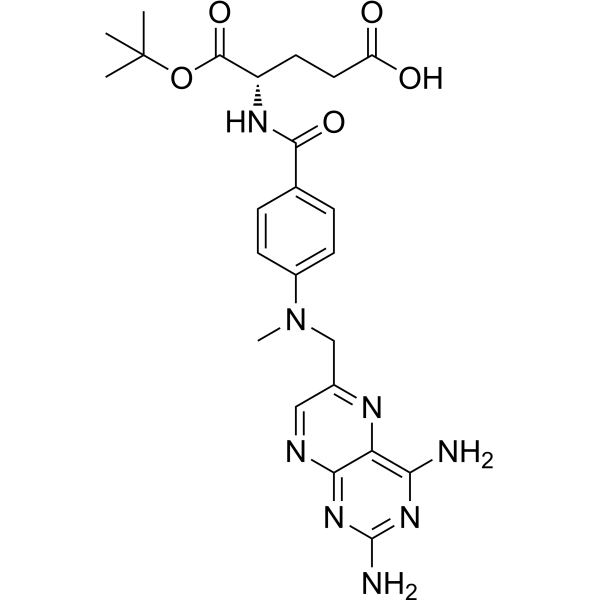
  • HY-133887

    Antifolate DNA/RNA Synthesis Cancer
    Methotrexate α-tert-butyl ester, capped by OtBu, significantly reduces tumor growth in HT1080 tumor bearing mice. Methotrexate is an antimetabolite and antifolate agent and is also an immunosuppressant and antineoplastic agent .
    Methotrexate α-tert-butyl ester
  • HY-148511

    CMP-001

    Toll-like Receptor (TLR) IFNAR PD-1/PD-L1 Indoleamine 2,3-Dioxygenase (IDO) Cancer
    Vidutolimod (CMP-001) is a virus-like particle containing a TLR9 activator . Vidutolimod induces human peripheral blood mononuclear cells to secrete IFNα, and upregulates the gene expression of CXCL10, PDL1, IDO and CD80. Vidutolimod activates TLR9, which in turn triggers plasmacytoid dendritic cell activation, production of IFNγ and TNFα, induction of CXCL10, and recruitment of antitumor T cells. Vidutolimod causes influenza-like symptoms, hypotension and tumor regression, and its activity depends on the presence of anti- antibodies. Vidutolimod modulates monocyte function, promotes CD4 T cell proliferation, and activates multiple immune cell types in an environment with anti-Qβ antibodies. Vidutolimod prolongs the survival of tumor-bearing mice. Vidutolimod is used in research related to advanced melanoma, head and neck squamous cell carcinoma, and advanced non-small cell lung cancer .
    Vidutolimod
  • HY-107202GL

    Poly(I:C) (GMP Like)

    Toll-like Receptor (TLR) PKD HSP Bcl-2 Family Interleukin Related Apoptosis Infection Inflammation/Immunology Cancer
    Polyinosinic-polycytidylic acid (Poly(I:C)) (GMP Like) is the GMP Like class Polyinosinic-polycytidylic acid (HY-107202), and can be used as pharmaceutical excipients. Polyinosinic-polycytidylic acid (Poly(I:C)) is a synthetic analog of double-stranded RNA and an agonist of toll-like receptor 3 (TLR3) and retinoic acid inducible gene I (RIG-I)-like receptors (RIG-I and MDA5). Polyinosinic-polycytidylic acid can be used as a vaccine adjuvant to enhance innate and adaptive immune responses, and to alter the tumor microenvironment. Polyinosinic-polycytidylic acid can directly trigger cancer cells to undergo apoptosis .
    Polyinosinic-polycytidylic acid (GMP Like)
  • HY-148152A

    PSMA Cancer
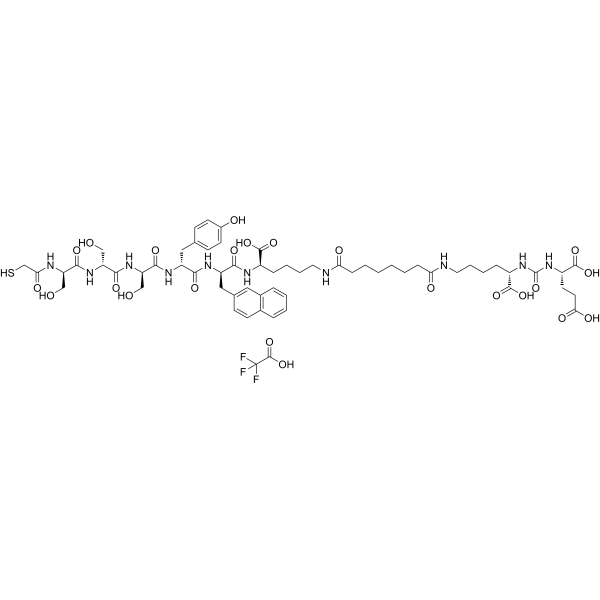
    PSMA I&S TFA is a PSMA-targeted imaging agent. PSMA I&S TFA undergoes PSMA-mediated internalization into PSMA-expressing cells, with uptake into PSMA-positive tissues competitively inhibited by a potent PSMA inhibitor. PSMA I&S TFA can be used for the research of prostate cancer .
    PSMA I&S TFA
  • HY-159768A

    Radionuclide-Drug Conjugates (RDCs) FAP Neurological Disease Cancer
    DOTAGA.Glu.(FAPi) 2 is a FAPI homodimer in which a central glutamic acid (Glu) linker connects FAPI and a chelator. Radiolabeled with gallium- 68, lutetium- 177 or terbium- 161, DOTAGA.Glu.(FAPi) 2 is applicable to FAP-positive cancer PET imaging studies. DOTAGA.Glu.(FAPi) 2 is suitable for research related to prostate adenocarcinoma and recurrent glioblastoma multiforme .
    DOTAGA.Glu.(FAPi)2
  • HY-164546

    STAT Apoptosis Cancer
    WB436B is a highly selective STAT3 inhibitor. WB436B can selectively inhibit STAT3-Tyr705 phosphorylation and the expression of STAT3 target genes, showing cytotoxic effects on pancreatic cancer cells and inducing apoptosis. WB436B can suppress tumor growth and metastasis in pancreatic cancer mouse models, extending the survival of tumor-bearing mice .
    WB436B
  • HY-P11060

    Adpgk peptide

    MHC Cancer
    MC38 SLP Adpgk (Adpgk peptide) is an H-2 K b-restricted colorectal cancer neoantigen peptide. MC38 SLP Adpgk is formulated into PCNP nanocomplexes together with CpG ODN. PCNP vaccines significantly enhance the co-delivery efficiency of neoantigens and adjuvants to lymphoid organs, and activate cytotoxic T cells. PCNP vaccines not only protect mice from MC-38 colorectal tumor invasion, but also exhibit anti-tumor efficacy in established colorectal tumor models and significantly prolong the survival of tumor-bearing mice .
    MC38 SLP Adpgk
  • HY-P10792

    EGFR Cancer
    HER2-targeted peptide H6F is a HER2 targeting peptide that binds to HER2 to target breast cancer cells, with the amino acid sequence YLFFVFER. The HER2-targeted peptide H6F can be conjugated with the bifunctional chelating agent hydrazinonicotinamide (HYNIC) for radiolabeling with 99mTc. Single-photon emission computed tomography (SPECT) imaging shows that the labeled HER2-targeted peptide H6F specifically accumulates in HER2-positive MDA-MBA-453 tumor-bearing mice models. The HER2-targeted peptide H6F can be used for tumor molecular imaging studies .
    HER2-targeted peptide H6F
  • HY-159194

    Liposome Cancer
    DSPE-PEG2000-Cy5.5 is a phospholipid-fluorophore conjugate consisting of Cy5.5 covalently linked to 1,2-distearoyl-sn-glycero-3-phosphoethanolamine (DSPE), serving as a surface label for liposomes in multimodal CT/optical imaging.DSPE-PEG2000-Cy5.5 can be used for the research of non-small cell lung cancer .
    DSPE-PEG2000-Cy5.5
  • HY-15266

    PRI 2202; Impurity D of Calcipotriol

    Drug Derivative VD/VDR Cancer
    24R-Calcipotriol (PRI 2202; Impurity D of Calcipotriol), an isomer of Calcipotriol (HY-10001), is a synthetic vitamin D analog. 24R-Calcipotriol exhibits synergistic antiproliferative effects with low-dose cytostatics in in vitro. 24R-Calcipotriol produces tumor growth inhibition when combined with Cyclophosphamide (HY-17420) and Cisplatin (HY-17394) in mice models. 24R-Calcipotriol can increase serum calcium levels and reduce blood leukocyte counts . 24R-Calcipotriol can be used for the research of mammary cancer and Lewis lung cancer .
    24R-Calcipotriol
  • HY-W440913

    Liposome Fluorescent Dye Cancer
    DSPE-PEG-Cy5, MW 5000 is a fluorescently labeled PEGylated phospholipid with a molecular weight of 5000 Da. After intravenous injection, DSPE-PEG-Cy5, MW 5000 shows only extremely low fluorescence accumulation at tumor sites in orthotopic tumor-bearing mice, and can be used as a negative control for evaluating tumor accumulation of nanoparticles. DSPE-PEG-Cy5, MW 5000 can serve as a fluorescent marker to prepare Cy5-labeled NPs-DPPA and NPs-DPPA (C3F8) for pharmacokinetic and biodistribution studies in mice. DSPE-PEG-Cy5, MW 5000 is widely applicable to research in fields related to triple-negative breast cancer, hepatocellular carcinoma and so on .
    DSPE-PEG5000-Cy5
  • HY-146231

    PROTACs MAP4K Inflammation/Immunology Cancer
    SS47, a PROTAC-based HPK1 degrader, exerts proteasome-mediated HPK1 degradation. The degradation of HPK1 via SS47 also significantly enhances the antitumor efficacy .
    SS47
  • HY-164429

    Integrin Elastase Cancer
    VIP236 is a small-molecule drug conjugate targeting αvβ3 integrin. VIP236 achieves tumor homing via specific binding to αvβ3 integrin and delivers its payload to the tumor microenvironment. The linker of VIP236 is cleavable by neutrophil elastase, which is highly expressed in the tumor microenvironment, to release the payload 7-ethylcamptothecin. This payload induces DNA damage by inhibiting topoisomerase 1, thereby exerting anti-tumor effects. VIP236 exhibits excellent plasma stability and tumor targeting property, with a tumor/plasma payload ratio 10-fold higher than that of the single administration. It effectively induces tumor regression, reduces metastasis formation, and shows good tolerance in mouse models. VIP236 has been used in studies related to non-small cell lung cancer, clear cell renal cell carcinoma, colon cancer, triple-negative breast cancer, small cell lung cancer, and metastatic solid tumors .
    VIP236
  • HY-174811

    PROTACs Epigenetic Reader Domain PD-1/PD-L1 Inflammation/Immunology Cancer
    PROTAC BRD4 Degrader-33 is an enzyme activated clickable BRD4 PROTAC degrader with favorable tumor microenvironment-response. PROTAC BRD4 Degrader-33 has superior tumor tissue penetration capabilities and efficiently inhibits PD-L1 protein expression. PROTAC BRD4 Degrader-33 shows potent anti-tumoral immunomodulation activity in 4T1 tumor-bearing mice model . Pink: BRD4 ligand (HY-174812); Blue: CRBN ligase ligand (HY-10984); Black: linker
    PROTAC BRD4 Degrader-33
  • HY-174421

    FAP Cancer
    FAPI-JNU is a molecule targeting fibroblast activation protein (FAP). FAPI-JNU specifically binds to FAP highly expressed in the tumor microenvironment, and uses radionuclides [ 68Ga]Ga or [ 177Lu]Lu to achieve tumor imaging diagnosis. [177Lu]Lu−FAPI−JNU can effectively target and inhibit tumor growth in tumor-bearing mice. FAPI-JNU is promising for research of FAP-positive tumors (such as various solid tumors) .
    FAPI-JNU
  • HY-175014

    PD-1/PD-L1 Biochemical Assay Reagents Cancer
    LGT-1 is a PD-L1 ligand. LGT-1 labeled with 18F has an excellent specific uptake in B16-F10 tumor cells, and shows a high tumor uptake but a low liver uptake with good stability in B16-F10 tumor-bearing mice model. LGT-1 can be used as a radiotracer for PET imaging of PD-L1 expression in tumors .
    LGT-1
  • HY-149298

    PSMA Cancer
    PSMA-IN-2 is an inhibitor of PSMA with a Ki value of 1.07 nM. PSMA-IN-2 displays favorable in vivo NIR imaging (λEM = 1088 nm, λex = 808 nm), and can be used for NIRII image-guided tumor resection surgery in PSMA-positive tumor-bearing mice .
    PSMA-IN-2
  • HY-177059

    NBMPR-P

    Nucleoside Antimetabolite/Analog Cancer
    Nitrobenzylthioinosine 5'-monophosphate (NBMPR-P), a nucleoside analog, is a prodrug of the potent nucleoside transport inhibitor Nitro-benzylthioinosine (NBMPR) (HY-W010936). Nitrobenzylthioinosine 5'-monophosphate blocks nucleoside transport in vivo and prevents host toxicity in tumor-bearing mice administered with highdoses of Tubercidin (HY-100126) .
    Nitrobenzylthioinosine 5'-monophosphate
  • HY-175591

    Photosensitizer Apoptosis Reactive Oxygen Species (ROS) Cancer
    Photosensitizer-7 is a endoplasmic reticulum (ER)-targeted photosensitizer (PS) (λab = 610 nm, λem = 622 nm). Photosensitizer-7shows an IC50 of 4.006 μM in HeLa cells and 3.28 μM in MCF-7 cells under light irradiation. Photosensitizer-7 exhibits dose-dependent cellular uptake and predominant colocalization with ER. Photosensitizer-7 induces dose-dependent intracellular ROS generation, reduces mitochondrial membrane potential, and increases apoptosis upon light irradiation in cells. Photosensitizer-7 significantly inhibits tumor growth in MCF-7 tumor-bearing mice. Photosensitizer-7 can be used for the study of photodynamic anticancer applications .
    Photosensitizer-7
  • HY-12602

    PARP Cancer
    TNKS-IN-4 (compound 49) is an orally active tankyrase (TNKS) inhibitor with IC50 values of 0.1 nM and 7.6nM for TNKS1 and TNKS2, respectively. TNKS-IN-4 can be used for study of APC-mutant colorectal cancer .
    TNKS-IN-4
  • HY-174437

    FLT3 Apoptosis Cancer
    FLT3-IN-32 is a potent and orally active FLT3 inhibitor. FLT3-IN-32 shows high selectivity for FLT3 and efficiently inhibits FLT3-activating mutations and induces apoptosis. FLT3-IN-32 shows good tolerability in non-tumor bearing mice. FLT3-IN-32 demonstrates outstanding anti-tumor efficacy in MV4-11 bearing NOD/SCID mice, prolonging the survival noticeably. FLT3-IN-32 can be used for the research of acute myeloid leukemia .
    FLT3-IN-32
  • HY-121431

    Fungal Inflammation/Immunology
    FR-901235 is a new type of immunoactive substance produced by an imperfect fungus, Paecilomyces carneus F-4882. FR-901235 partially restored the impaired delayed-type hypersensitivity to sheep red blood cells in tumor-bearing mice .
    FR-901235
  • HY-10084

    Kinesin Cancer
    CK0106023 is a potent and specific allosteric inhibitor of KSP with a Ki value of 12 nM, showing antitumor activity. CK0106023 causes mitotic arrest and growth inhibition in several tumor cell lines. CK0106023 exhibits antitumor activity in tumor-bearing mice .
    CK0106023
  • HY-162867

    Ferroptosis Cancer
    Photosensitizer-5 is a photosensitizer. Photosensitizer-5 has cytotoxicity against HeLa and HepG2 cells, with IC50 values of 10.4 nM and 6.9 nM, respectively. Photosensitizer-5 can lead to lipid peroxidation and induces cell death through an iron-independent ferroptosis-like pathway. Photosensitizer-5 shows anti-tumor activity in HeLa tumor-bearing mice .
    Photosensitizer-5
  • HY-P991318

    Mucin Cancer
    AR20.5 is a human monoclonal antibody (mAb) targeting MUC1. AR20.5 increases the number of activated CD8 T cells, CD3+CD4−CD8−(DN) T cells, and mature dendritic cells in pancreatic tumor-bearing mice. AR20.5 can be used in anti-pancreatic cancer immunity research .
    AR20.5
  • HY-173267

    Carboxylesterase (CES) Metabolic Disease Cancer
    CES2A-IN-2 (compound 14n) is an orally active, highly specific, irreversible and covalent CES2A inhibitor with an IC50 of 0.04 nM for human CES2A. CES2A-IN-2 covalently binds to CES2A by specifically targeting the catalytic serine residue (Ser-228). CES2A-IN-2 can significantly ameliorate Irinotecan-triggered gut toxicity (ITGT) without diminishing the anti-tumor effects of Irinotecan (HY-16562) in tumor-bearing mice .
    CES2A-IN-2
  • HY-153699

    SHP2 Cancer
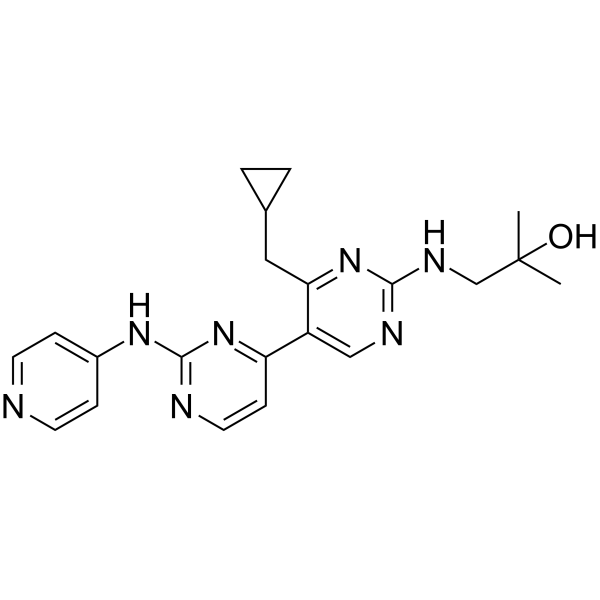
    SHP2-IN-14 (compound 27) is an orally active and potent SHP2 allosteric inhibitor (IC50=7 nM) with anti-tumor activity. SHP2-IN-14 inhibits tumor progression in NCI-H358 tumor bearing mice, exhibits good pharmacokinetic characteristics and safty .
    SHP2-IN-14
  • HY-W720629

    Isotope-Labeled Compounds Phytohormone Aldehyde Dehydrogenase (ALDH) Others
    Cyanamide- 15N2 is the 15N-labeled Cyanamide (HY-Y0070). Cyanamide is a cell division and plant growth inhibitor, as well as an allelochemical derived from Vicia villosa. Cyanamide inhibits root growth and biomass accumulation in a dose-dependent manner by disrupting the formation of mitotic spindles and phragmoplast complexes, reducing the number of mitotic cells and blocking the cell cycle. The effects of Cyanamide are partially reversible after removal from low-concentration environments. Cyanamide is also a specific inhibitor of aldehyde dehydrogenase (ALDH). Although Cyanamide has no direct effect on tumor growth, it can significantly enhance the anti-tumor efficacy of Cyclophosphamide (HY-17420) at non-toxic doses by inhibiting the inactivation of Cyclophosphamide. Cyanamide enables Cyclophosphamide to exert equivalent therapeutic effects at lower doses, effectively inhibiting the growth of primary and metastatic tumors and prolonging the lifespan of tumor-bearing mice. Cyanamide is commonly used in studies related to ha-1 hepatoma and rls lymphosarcoma .
    Cyanamide-15N2
  • HY-176482

    TAM Receptor Cancer
    MerTK-IN-3 (compound 11) is an orally active and selectivity MerTK inhibitor with IC50 values of 21.5 nM and 991.3 nM for MerTK and Tyro3, respectively. MerTK-IN-3 can be used for study of colon cancer .
    MerTK-IN-3
  • HY-136404

    Fluorescent Dye Cancer
    Melanin probe-1 is an 18F-picolinamides based PET probe. Melanin probe-1 can be used for PET imaging of malignant melanoma. Melanin probe-1 exhibits high tumor targeting efficiency, excellent tumor imaging contrasts, desirable biodistribution patterns, and good in vivo stability .
    Melanin probe-1
  • HY-117513

    Proteasome Apoptosis Cancer
    CEP1612 is a dipeptidyl proteasome inhibitor with the IC50 of 60 nM. CEP1612 induces p21(WAF1)and p27(KIP1) expression and cell apoptosis. CEP1612 shows anticancer activity in vivo .
    CEP1612
  • HY-177482

    Drug Intermediate Neurological Disease Cancer
    Pro-PTX is a Pd-sensitive Paclitaxel (HY-B0015) prodrug with anticancer activity. Pro-PTX triggers intramolecular cyclization via Pd-catalyzed depropargylation to release active Paclitaxel (HY-B0015) and a non-toxic byproduct. Pro-PTX exhibits low cytotoxicity and antiproliferative activity in cancer cells and non-cancerous human cerebrovascular pericytes. Pro-PTX is applicable for research related to non-small cell lung cancer, glioblastoma and lung cancer .
    Pro-PTX
  • HY-D3143

    Fluorescent Dye Cancer
    QM-B-CF is a sequential dual-lock chemiluminescent/fluorescent dual-mode probe designed for the specific detection of H2O2, and it can produce enhanced chemiluminescence upon photoirradiation. QM-B-CF generates chemiluminescent signals only under the conditions of H2O2 and light exposure in vitro, in cancer cells, and in tumor-bearing nude mice (Ex/Em = 514 nm/600 nm) .
    QM-B-CF
  • HY-165504

    Glycosidase Inflammation/Immunology Cancer
    Nagstatin is a naturally derived competitive inhibitor of N-acetyl-β-D-glucosaminidase (NAG-ase), with an IC50 of 0.0012 μg/mL and a Ki of 1.7×10 -8 M against porcine-derived enzyme. Nagstatin enhances cellular immune responses in normal mice and reactivates suppressed cellular immune responses in tumor-bearing mice. Nagstatin can be used in the research of various diseases such as diabetes and leukemia .
    Nagstatin
  • HY-178999

    Drug Derivative Cancer
    Carnosol analog 1 (Compound 10) is a derivative of carnosol. Carnosol analog 1 attenuates myotube atrophy (67.08% reversal) and adipocyte lipolysis in C26 tumor-conditioned models. Carnosol analog 1 alleviates cachexia-related weight loss without altering tumor progression in C26 tumor-bearing mice. Carnosol analog 1 can be used for the study of cancer cachexia .
    Carnosol analog 1
  • HY-P11737

    Radionuclide-Drug Conjugates (RDCs) Carbonic Anhydrase Cancer
    IPM-N001 is a carbonic anhydrase IX (CAIX) ligand with a Kd value of <0.0337 nM for hCAIX. When radio-conjugated with 68Ga, IPM-N001 serves as a CAIX-targeted radionuclide tracer. [ 68Ga]Ga-IPM-N001 exhibits excellent tumor uptake and significantly improves the tumor-to-background ratio in PET/CT imaging studies using OS-RC-2 tumor-bearing mice. IPM-N001 can be used for the research of clear cell renal cell carcinoma .
    IPM-N001

Inquiry Online

Your information is safe with us. * Required Fields.

Salutation


Country or Region *

Applicant Name *


Organization Name *

Department *


Email Address *


Product Name *

Cat. No.


Requested quantity *

Phone Number *


Remarks

Inquiry Online

Inquiry Information

Product Name:
Cat. No.:
Quantity:
MCE Japan Authorized Agent:

