

1. Search Result
Search Result
Results for "

viral diseases

" in MedChemExpress (MCE) Product Catalog:

93

Inhibitors & Agonists

8

Screening Libraries

2

Fluorescent Dyes

3

Biochemical Assay Reagents

3

Peptides

4

Inhibitory Antibodies

16

Natural
Products

2

Isotope-Labeled Compounds

1

Click Chemistry

7

Oligonucleotides

Cat. No. Product Name Target Research Areas Chemical Structure
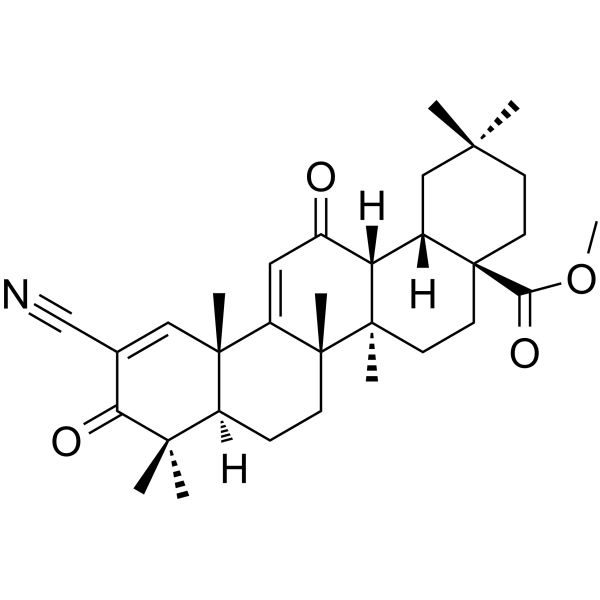
  • HY-13324
    Bardoxolone methyl
    Maximum Cited Publications
    41 Publications Verification

    RTA 402; NSC 713200; CDDO Methyl ester

    Keap1-Nrf2 SARS-CoV Virus Protease Cardiovascular Disease Infection Neurological Disease Metabolic Disease Inflammation/Immunology Cancer
    Bardoxolone (CDDO; RTA 401) methyl is an orally active and blood-brain-barrier-penetrant activator of Nrf2 and an inhibitor of SARS-CoV-2 3CL protease. Bardoxolone methyl inhibits SARS-CoV-2 replication in Vero cells with an EC50 value of 0.29 μM. Bardoxolone methyl increases levels of pNrf2 and HO-1, inhibits inflammatory mediators like pNFκB and MCP-1. Bardoxolone methyl activates the Nrf2 pathway to enhance antioxidant and anti-inflammatory responses, inhibits viral replication, and improves mitochondrial function. Bardoxolone methyl can be used in research on chemotherapy-induced neuropathic pain (CINP), COVID-19, and chronic kidney disease (CKD) .
    Bardoxolone methyl
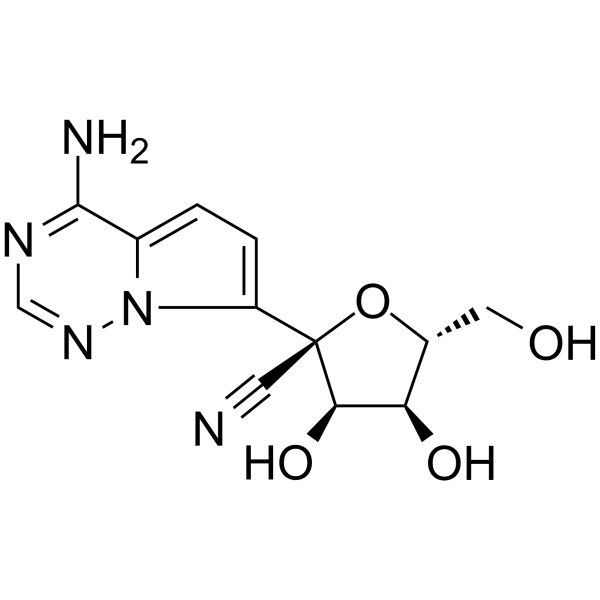
  • HY-103586
    GS-441524
    25+ Cited Publications

    DNA/RNA Synthesis SARS-CoV Infection
    GS-441524 is a potent, orally active and CNS-penetrant viral RNA-dependent RNA polymerase inhibitor. GS-441524 competes with natural nucleosides to block viral RNA transcription as an alternative substrate and RNA chain terminator. GS-441524 inhibits the replication of feline infectious peritonitis virus, African swine fever virus, and severe acute respiratory syndrome coronavirus 2. GS-441524 reduces viral RNA levels in cats. GS-441524 can be used in research related to feline infectious peritonitis, African swine fever, and coronavirus disease 2019 (COVID-19) .
    GS-441524
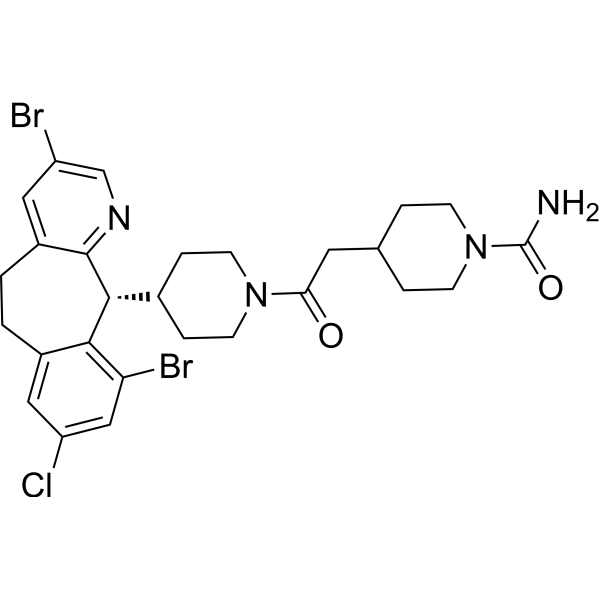
  • HY-148104
    ACSS2-IN-2
    1 Publications Verification

    Acetyl-CoA synthetase Infection Neurological Disease Metabolic Disease Inflammation/Immunology Cancer
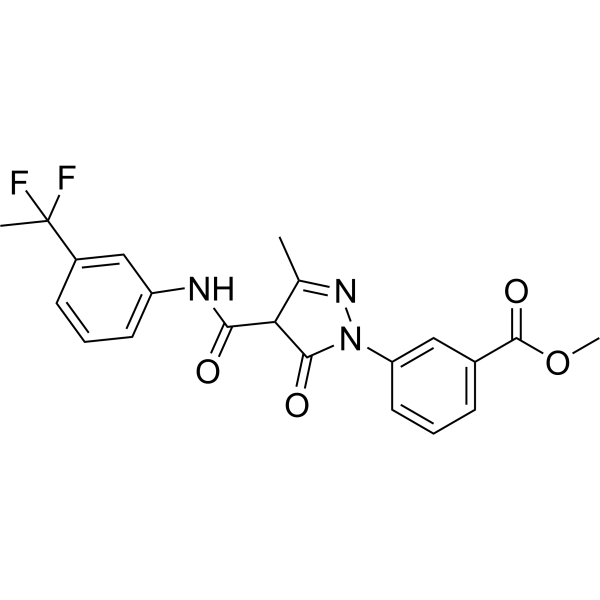
    ACSS2-IN-2 is an acyl-CoA synthetase short-chain family member 2 (ACSS2) inhibitor. ACSS2-IN-2 can inhibit ACSS2 activity with an IC50 value of 3.8 nM. ACSS2-IN-2 can be used for the research of several diseases, such as viral infection, metabolic disorders, neuropsychiatric diseases, inflammatory/autoimmune conditions and cancer .
    ACSS2-IN-2
  • HY-I0400
    N-Acetylneuraminic acid
    5 Publications Verification

    NANA; Lactaminic acid

    Tyrosinase Ras Influenza Virus Endogenous Metabolite Cardiovascular Disease Inflammation/Immunology Cancer
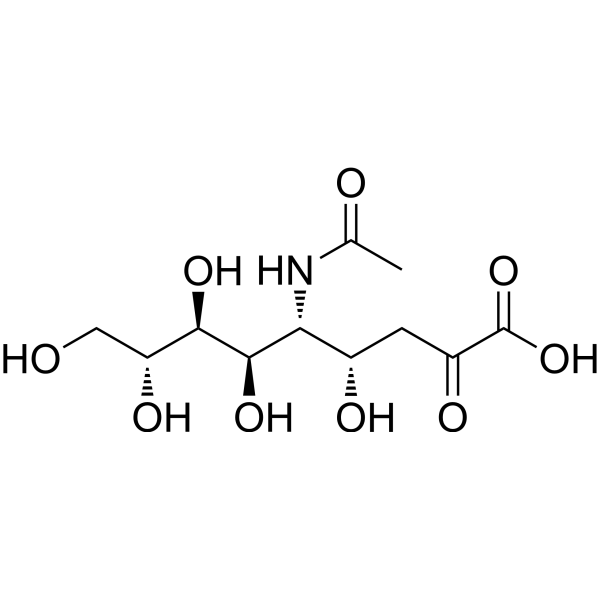
    N-Acetylneuraminic acid (NANA; Lactaminic acid), a nonphenolic structure, is the predominant form of sialic from Collocalia esculenta. N-Acetylneuraminic acid plays a biological role in myocardial injury, melanoma and viral or bacterial infection. N-Acetylneuraminic acid inhibits melanogenesis by reducing tyrosinase activity and triggers myocardial injury in vitro and in vivo by activation of the Rho/Rho-associated signaling pathway through binding to RhoA and Cdc42. N-Acetylneuraminic acid may prevent high fat diet (HFD)-induced inflammation and oxidative stress, thereby prevents hyperlipidemia-associated inflammation and oxidative stress. N-Acetylneuraminic acid is promising for research in the field of melanoma, coronary artery, obesity-related diseases and hyperlipidemia .
    N-Acetylneuraminic acid
  • HY-D0214
    Acid Red 94 sodium
    1 Publications Verification

    Influenza Virus Photosensitizer Amyloid-β Infection Neurological Disease Cancer
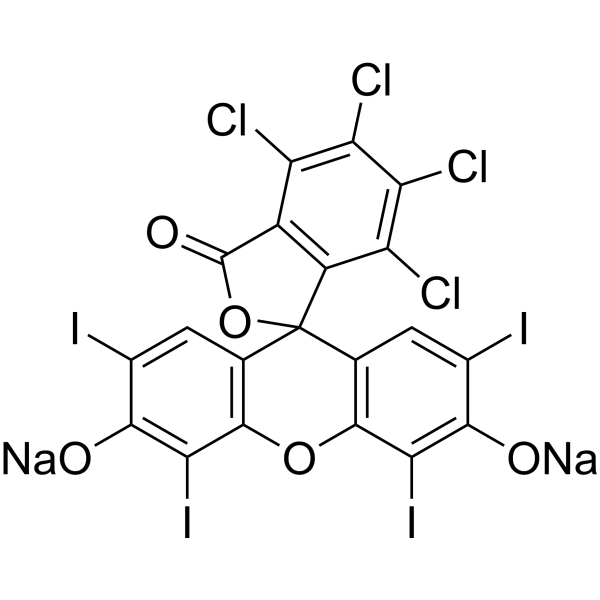
    Acid Red 94 sodium, a synthetic fluorescein derivative, is a deep red dye primarily composed of 4,5,6,7-tetrachloro-2,4,5,7-tetraiodo fluorescein. It is widely used as an ophthalmic diagnostic agent to detect dry or damaged cells on the ocular surface. Acid Red 94 sodium exhibits antitumor activity and can inhibit Friend Leukemia Virus (FLV) infection through photodynamic action. Additionally, Acid Red 94 sodium can inhibit aggregation through light irradiation. Acid Red 94 sodium holds potential for use in cancer, viral infections, and neurodegenerative disease research .
    Acid Red 94 sodium
  • HY-W251428

    Egg PG

    Biochemical Assay Reagents Others
    Phosphatidylglycerols (PG) is a selective inhibitor targeting the TLR4 accessory protein CD14/MD-2 complex, inhibiting LPS or virus (such as RSV)-mediated inflammatory signaling pathways through competitive binding. Phosphatidylglycerols directly bind to viral particles to block infection, inhibit COX-2 expression to reduce the release of inflammatory factors (IL-6, IL-8), and improve oxidative stress by regulating mitochondrial membrane phospholipid remodeling. Phosphatidylglycerols can be taken orally or by inhalation and can be used in the study of chronic inflammatory diseases (such as atherosclerosis) and respiratory viral infections (such as RSV) .
    Phosphatidylglycerols (egg) sodium salt
  • HY-16468
    Squalamine
    1 Publications Verification

    MSI-1256; ENT-01 free acid

    Bacterial HBV FAK Dengue Virus Infection Neurological Disease Cancer
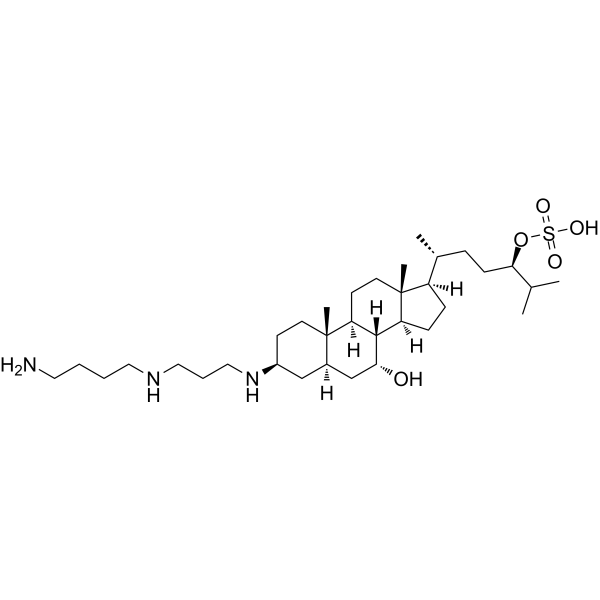
    Squalamine (MSI-1256) is an aminosterol compound with broad-spectrum antiviral activity. Squalamine makes cells less conducive to certain viral replication by altering the electrostatic interactions in the inner membrane of host cells. Squalamine also has antibacterial and antitumor activities. Squalamine has broad-spectrum antibacterial activity against Gram-negative and Gram-positive bacteria, fungi and protozoa. Squalamine inhibits tumor-related angiogenesis and the growth of human breast cancer cells. Squalamine restores the function of enteric nervous system in Parkinson ,s disease mouse models .
    Squalamine
  • HY-W019670
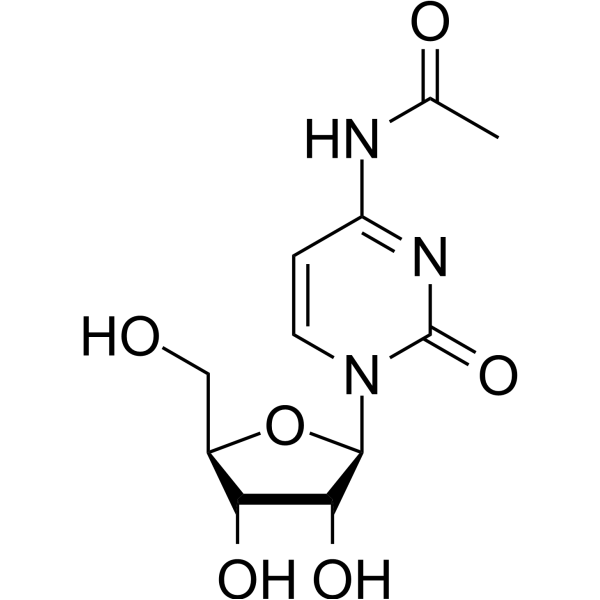
    N4-Acetylcytidine
    1 Publications Verification

    Endogenous Metabolite Histone Acetyltransferase Enterovirus NOD-like Receptor (NLR) Infection Neurological Disease Metabolic Disease Inflammation/Immunology Cancer
    N4-acetylcytidine (N4A) is an endogenous nucleoside metabolite from the degradation of tRNA. N4-Acetylcytidine is formed by N-acetyltransferase 10 and other enzymes. N4-acetylcytidine might sustain NLRP3 inflammasome activation via induction of HMGB1 expression and releasee. N4-Acetylcytidine modifies mRNA, tRNA and rRNA, affecting their stability, translation efficiency (such as enterovirus 71 RNA). N4-Acetylcytidine is used in the study of cancer, neuroinflammatory diseases, viral infections and obesity .
    N4-Acetylcytidine
  • HY-N7922
    Urolithin M5
    1 Publications Verification

    Decarboxyellagic acid

    Influenza Virus p38 MAPK EGFR Akt Reactive Oxygen Species (ROS) Apoptosis Infection Neurological Disease
    Urolithin M5 (Decarboxyellagic acid) is an orally active influenza virus neuraminidase inhibitor and neuroprotective agent, with IC50 values of 174.8 μM (HK68), 191.5 μM (pdm09), 243.2 μM (WSN) and 257.1 μM (PR8) against four influenza virus neuraminidases, respectively. Urolithin M5 inhibits viral neuraminidase activity, thereby blocking influenza virus replication (including oseltamivir (HY-13317)-resistant strains), protecting infected mammals from death and improving pulmonary edema. Urolithin M5 forms a hydrogen-bond stabilized complex with IGF1R, and binds to MAPK14, AKT1, NFKB1 and EGFR. Urolithin M5 reduces reactive oxygen species production, inhibits neuronal apoptosis, restores mitochondrial transmembrane potential, and promotes neurite outgrowth of damaged neuronal cells. Urolithin M5 can be used in research related to influenza virus infection and Alzheimer's disease .
    Urolithin M5
  • HY-P99340
    Sotrovimab
    4 Publications Verification

    VIR 7831; GSK-4182136

    SARS-CoV Infection Cancer
    Sotrovimab (VIR 7831) is a human IgG1κ pan-sarbecovirus monoclonal antibody (mAb), neutralizes SARS-CoV-2, SARS-CoV-1, and multiple other sarbecoviruses. Sotrovimab is developed based on S309, exhibits a long half-life and great bioavailability in the respiratory mucosa. Sotrovimab could result in immune-mediated viral clearance and prevent progression of Covid-19 early in the course of disease .
    Sotrovimab
  • HY-168034

    STING Integrin NF-κB SARS-CoV Infection Inflammation/Immunology
    diABZI-4 is a STING activator and broad-spectrum antiviral agent with immunostimulatory activity. diABZI-4 triggers the TBK1-IRF3 and NF-κB signaling cascades by inducing STING oligomerization, thereby promoting the production of type I/III interferons and various proinflammatory cytokines. diABZI-4 exhibits broad-spectrum antiviral activity and effectively inhibits the replication of influenza A virus, SARS-CoV-2, herpes simplex virus, and other viruses. diABZI-4 also activates lymphocytes and macrophages to provide significant pre- and post-exposure protection in viral disease models. diABZI-4 can be used to study COVID-19, respiratory viral infections, and related immunopathological mechanisms .
    diABZI-4
  • HY-172437

    S-892216

    Virus Protease SARS-CoV Infection
    Secutrelvir is an oral SARS-CoV-2 3C-like protease (3CLpro) inhibitor and antiviral agent, with IC50 values of 0.655 nM and 0.697 nM against SARS-CoV-2 3CLpro, respectively. Secutrelvir forms a reversible covalent bond with the catalytic cysteine C145 of SARS-CoV-2 3CLpro, thereby inhibiting viral replication. Secutrelvir exhibits activity against multiple SARS-CoV-2 variants and can be used in research related to coronavirus disease 2019 (COVID-19) .
    Secutrelvir
  • HY-N2127
    Pinostrobin
    3 Publications Verification

    Amyloid-β Apoptosis Ser/Thr Protease HSV Interleukin Related Infection Cardiovascular Disease Neurological Disease Inflammation/Immunology Cancer
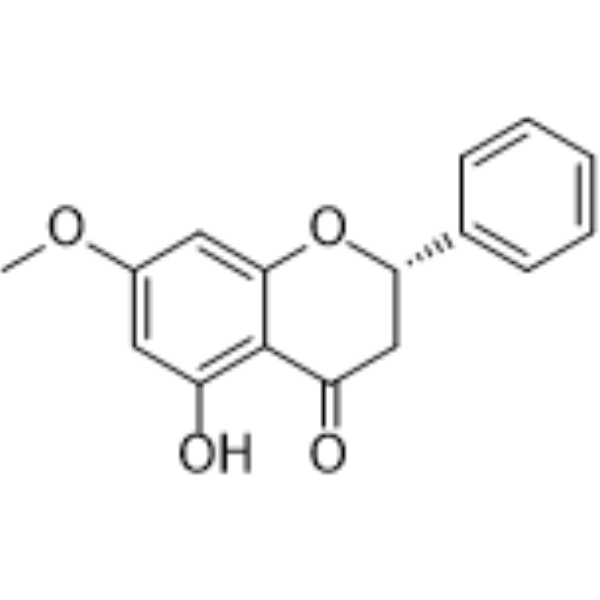
    Pinostrobin is a flavonoid with anti-cancer, antioxidant, antiviral and neuroprotective activities. Pinostrobin has oral activity. Pinostrobin is a potent PCSK9 inhibitor that inhibits the catalytic activity of PCSK9. Pinostrobin can be used in the research of viral infections, cancer, leukemia, cardiovascular and cerebrovascular diseases, cirrhosis, inflammation and neurological diseases .
    Pinostrobin
  • HY-N12586

    ERK Reactive Oxygen Species (ROS) COX PGE synthase STAT HCV HCV Protease Infection Neurological Disease Cancer
    Pheophytin a is a multi-target inhibitor, anticancer agent, antioxidant and antiviral agent. Pheophytin a directly binds to and inhibits HCV-NS3/4A protease (IC50=0.89 μM) to block viral replication. Pheophytin a also scavenges free radicals, reduces ferric ions, and exhibits cytotoxic activity against breast cancer cells. Pheophytin a effectively inhibits LPS-induced production of nitric oxide, prostaglandin E2, NOS2 and COX-2, as well as various pro-inflammatory cytokines, by downregulating the transcription levels of inflammatory mediators and blocking the ERK1/2 and STAT-1 pathways. In a low nerve growth factor environment, Pheophytin a also enhances ERK1/2 phosphorylation and synergistically promotes neurite outgrowth through MAPK pathway. Pheophytin a can be used to investigate the pathogenic mechanisms of diseases including chronic hepatitis C, sepsis, breast cancer and Alzheimer's disease .
    Pheophytin a
  • HY-50737
    DUB-IN-3
    5+ Cited Publications

    Deubiquitinase Infection Cardiovascular Disease Neurological Disease Inflammation/Immunology Cancer
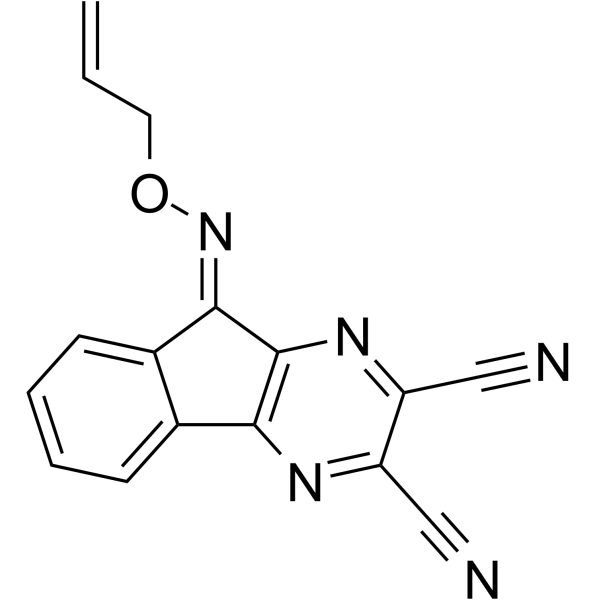
    DUB-IN-3 (compound 22c) is a potent and selective inhibitor of the deubiquitinating enzyme USP8 with an IC50 value of 0.56 μM. DUB-IN-3 is promising for research of cancer, neurodegenerative diseases, inflammation, viral infection and cardiovascular disease .
    DUB-IN-3
  • HY-153205

    Biochemical Assay Reagents Inflammation/Immunology
    Aluminum hydroxide adjuvant is a vaccine aluminum adjuvant. The aluminum content is 9-11 mg/mL. Aluminum hydroxide adjuvant induces the differentiation of macrophages into a new type of mature, specialized antigen-presenting cells in vitro . It has a strong adsorption capacity for negatively charged antigens, a significant sustained-release effect, no stress response, high safety, and can effectively induce immune responses in the body. It is suitable for various veterinary vaccines, including inactivated vaccines or gene-engineered subunit vaccines for bacterial and viral diseases of livestock and poultry. It is suitable for various veterinary vaccines, including inactivated vaccines or gene-engineered subunit vaccines for bacterial and viral diseases of livestock and poultry.
    Aluminum hydroxide adjuvant
  • HY-135644
    Rencofilstat
    1 Publications Verification

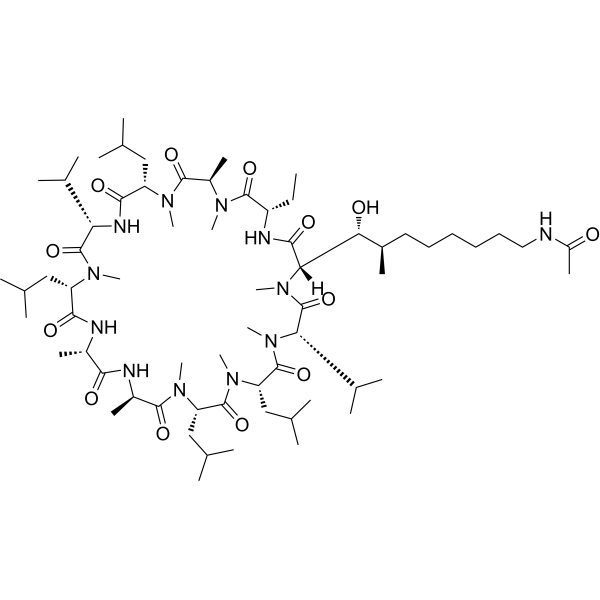
    CRV431

    Cyclophilin Sirtuin Nuclear Factor of activated T Cells (NFAT) Interleukin Related Cancer
    Rencofilstat (CRV431) is an orally active pan-cyclophilin inhibitor with IC50 values of 2.5 nM, 3.1 nM, 2.8 nM, 7.3 nM for Cyp A, CypB, Cyp D and Cyp G, respectively. Rencofilstat reduces fibrosis and tumor growth in models of chronic liver disease. Rencofilstat can be used for the study of nonalcoholic steatohepatitis (NASH), hepatocellular carcinoma and viral hepatitis-induced liver disease .
    Rencofilstat
  • HY-148836

    c-Myc Infection Cardiovascular Disease Cancer
    c-Myc inhibitor 6 (compound A102) is a c-Myc inhibitor. c-Myc inhibitor 6 decreases cancer cell viability and degrades c-Myc protein. c-Myc inhibitor 6 can be used for the research of c-Myc imbalance, such as cancer, cardiovascular diseases, and viral infection .
    c-Myc inhibitor 6
  • HY-112958
    Fomivirsen
    2 Publications Verification

    ISIS-2922

    CMV Infection
    Fomivirsen (ISIS-2922) is an antisense phosphorothioate oligonucleotide. Fomivirsen is an antiviral reagent used in research on cytomegalovirus (CMV) retinitis. Fomivirsen binds to and degrades the mRNA of CMV immediate-early 2 protein, thereby inhibiting viral proliferation. Fomivirsen can be used in research related to cytomegalovirus retinitis and cytomegalovirus diseases .
    Fomivirsen
  • HY-N1941

    P-glycoprotein Bacterial HIV Protease Phosphatase Reactive Oxygen Species (ROS) NF-κB p38 MAPK ERK JNK Calcium Channel Infection Metabolic Disease Inflammation/Immunology Cancer
    Isosinensetin is a flavonoid compound and an inhibitor of HIV-1 protease and PTP1B (IC50: 2.61 µM; Ki: 0.92 µM). Isosinensetin inhibits P-glycoprotein (P-gp) in MDR1-MDCKII cells. Isosinensetin has multiple activities such as anti-tumor, anti-viral, anti-inflammatory, and antioxidant effects. Isosinensetin can be used in the research of various diseases including cancer, inflammation, osteoporosis, diabetes, etc .
    Isosinensetin
  • HY-148837

    PROTACs c-Myc Casein Kinase Infection Cardiovascular Disease Cancer
    PROTAC c-Myc degrader-1 (Compound A153) is a multiple target protein degrader (PROTAC). PROTAC c-Myc degrader-1 effective degrades c-MYC, CK1α, GSPT1 and IKZF1/2/3 proteins in a variety of tumor cells. PROTAC c-Myc degrader-1 can be used for c-Myc high expression related disease research, such as cancer, cardiovascular and cerebrovascular diseases, and viral infection (Pink: c-Myc ligand (HY-168685); Blue: E3 ligase ligand (HY-W093472); Black: linker (HY-W015808)) .
    GT19630
  • HY-P990094

    CSL311

    c-Fms Inflammation/Immunology
    Trabikibart (CSL311) is a specific inhibitor targeting the βc receptor (CSF2RB) that inhibits signal transduction mediated by GM-CSF, IL-5, and IL-3. Trabikibart exhibits significant anti-inflammatory and anti-edema effects, reduces myeloid cell infiltration, and inhibits inflammatory cell survival. Trabikibart also possesses antiviral immune functions, which alleviate pulmonary inflammation, reverse airway dysfunction and fibrosis, and thereby restore impaired pulmonary function. Trabikibart can be used in research on related diseases such as acute respiratory distress syndrome, viral pneumonia, asthma, and chronic rhinosinusitis with nasal polyps .
    Trabikibart
  • HY-N3266

    Tyrosinase Phosphatase Cholinesterase (ChE) SARS-CoV PERK JNK p38 MAPK TGF-beta/Smad Apoptosis Reactive Oxygen Species (ROS) AMPK MMP Cardiovascular Disease Infection Neurological Disease Inflammation/Immunology Cancer
    Methyl rosmarinate is an orally active hydroxycinnamic acid. Methyl rosmarinate exhibits an IC50 of 24.70 μM and a Ki of 15.29 μM against PTP1B, an IC50 of 41.46 μg/mL against BChE, a Ki of 0.61 mM against mushroom tyrosinase, and an IC50 of 2.50 μM against SARS-CoV-2 3CLpro. Methyl rosmarinate downregulates the phosphorylation levels of ERK, JNK, p38, Smad2 and Smad3. Methyl rosmarinate activates erythrocyte BPGM and promotes the production of 2,3-BPG. Methyl rosmarinate induces apoptosis of fibroblasts. Methyl rosmarinate prolongs the survival time of hypoxic mice. Methyl rosmarinate improves insulin sensitivity. Methyl rosmarinate binds to SARS-CoV-2 3CLpro and inhibits viral replication. Methyl rosmarinate induces glioblastoma cell death. Methyl rosmarinate activates the TGR5/AMPK axis and reduces the levels of ROS and MDA. Methyl rosmarinate shows inhibitory activity against MMP-1. Methyl rosmarinate can be used in research related to pulmonary fibrosis, hypoxia-induced injury, type 2 diabetes, Alzheimer's disease, hyperpigmentation disorders, COVID-19, glioblastoma and myocardial ischemia-reperfusion injury .
    Methyl rosmarinate
  • HY-148191

    HIV Protease Infection Cardiovascular Disease Inflammation/Immunology Cancer
    CL-197 is an orally active and long-acting purine anti-HIV nucleoside reverse transcriptase inhibitor (NRTI). CL-197 has potential effect on the research of viral, oncological and cerebrovascular diseases . CL-197 is a click chemistry reagent, it contains an Alkyne group and can undergo copper-catalyzed azide-alkyne cycloaddition (CuAAc) with molecules containing Azide groups.
    CL-197
  • HY-B1607
    Chlorphenoxamine
    1 Publications Verification

    Histamine Receptor SARS-CoV Filovirus Parasite Infection Neurological Disease Inflammation/Immunology
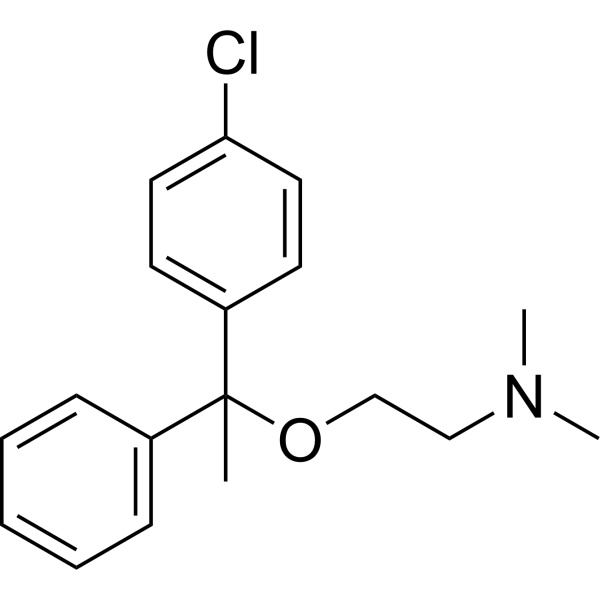
    Chlorphenoxamine, an antihistamine and anticholinergic agent is a GPCR antagonist. Chlorphenoxamine inhibits multiple lethal viral diseases, such as SARS-CoV, MERS-CoV, EBOV and malaria. Chlorphenoxamine shows anti-filovirus activity against both EBOV and Marburg virus (MARV) with IC50s of 1.1 μM and 6.2 μM, respectively. Chlorphenoxamine is used for allergic conditions, urticaria, viral diseases and Parkinson’s disease .
    Chlorphenoxamine
  • HY-N2000
    Bellidifolin
    1 Publications Verification

    STAT PI3K mTOR Akt Neurological Disease Inflammation/Immunology Cancer
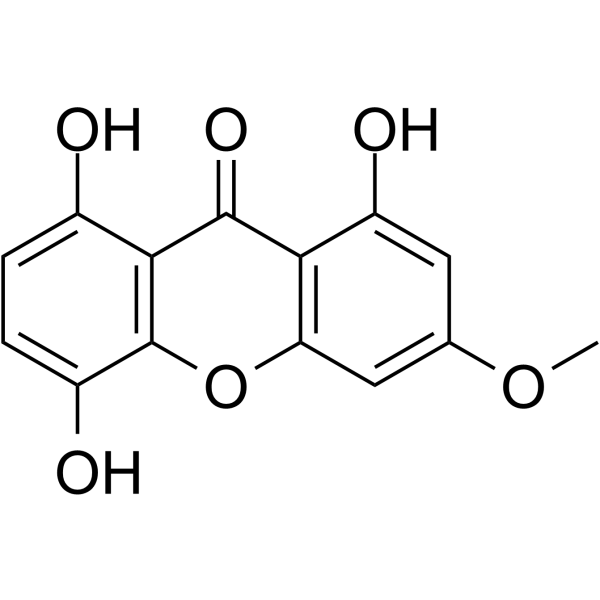
    Bellidifolin is an orally active compound with antiproliferative, anti-inflammatory and antioxidant properties. Bellidifolin modulates key signaling pathways including STAT3, PI3K-Akt, mTOR and BRD4, and inhibits the viral protein R (Vpr). Bellidifolin induces cell cycle arrest and apoptosis, exerts significant antifibrotic effects, and protects the heart, liver and nervous system. Bellidifolin is applicable to the research of various diseases such as lung cancer, non-alcoholic fatty liver disease, myocardial hypertrophy and ischemic cranial nerve injury .
    Bellidifolin
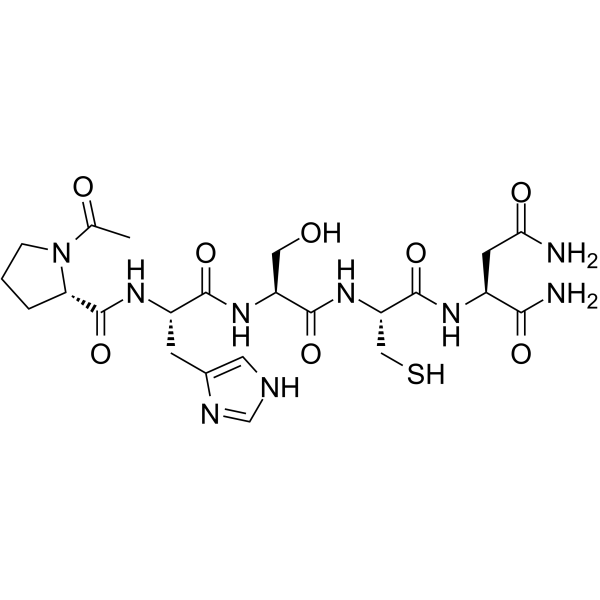
  • HY-P10056

    Human ezrin peptide (324-337)

    HIV HCV HPV Influenza Virus Interleukin Related Infection Inflammation/Immunology
    HEP-1 (Human ezrin peptide (324 - 337)) is an orally active peptide with antiviral, anti-inflammatory, and immunomodulatory activities. HEP-1 is effective against infections by various viruses such as HIV, HCV, herpes viruses, HPV, and influenza viruses. As an immunomodulator, HEP-1 can enhance the adaptive immunity mediated by B cells and T cells. HEP-1 can also increase the antibody titers after hepatitis B vaccination. HEP-1 can be used in the research of viral infections and inflammation-related diseases .
    HEP-1
  • HY-147240

    ADX-629

    Drug Derivative Infection Cardiovascular Disease Inflammation/Immunology
    Acloproxalap is a quinoline-based aldehyde scavenger that can be used in studies of diseases with toxic aldehyde accumulation, such as inflammatory diseases of the eye and skin, respiratory diseases such as pneumonia, organ diseases, and viral infection-related syndromes .
    Acloproxalap
  • HY-169003

    Virus Protease Infection Neurological Disease Cancer
    STT3A/B-IN-1 is an orally active STT3A/B inhibitor with antiviral activity. STT3A/B-IN-1 upregulates DERL3 gene expression levels. STT3A/B-IN-1 is promising for research of viral diseases, including cancer and neurodegenerative disorders .
    STT3A/B-IN-1
  • HY-W753593

    Isotope-Labeled Compounds Enterovirus NOD-like Receptor (NLR) Histone Acetyltransferase Endogenous Metabolite Infection Neurological Disease Metabolic Disease Inflammation/Immunology Cancer
    N4-Acetylcytidine- 13C5 is the 13C-labeled N4-Acetylcytidine (HY-W019670). N4-acetylcytidine (N4A) is an endogenous nucleoside metabolite from the degradation of tRNA. N4-Acetylcytidine is formed by N-acetyltransferase 10 and other enzymes. N4-acetylcytidine might sustain NLRP3 inflammasome activation via induction of HMGB1 expression and releasee. N4-Acetylcytidine modifies mRNA, tRNA and rRNA, affecting their stability, translation efficiency (such as enterovirus 71 RNA). N4-Acetylcytidine is used in the study of cancer, neuroinflammatory diseases, viral infections and obesity .
    N4-Acetylcytidine-13C5
  • HY-N0857
    Deoxyandrographolide
    1 Publications Verification

    GLUT HDAC Virus Protease PI3K AMPK Akt Histone Demethylase MDM-2/p53 IFNAR Reactive Oxygen Species (ROS) Infection Metabolic Disease Inflammation/Immunology
    Deoxyandrographolide is an orally active lactone found in the Andrographis paniculata Nees. Deoxyandrographolide shows a KD of 38.4 μM of HDAC1. Deoxyandrographolide enhances GLUT4 plasma membrane translocation, activates PI3K and AMPK-dependent signaling pathways, suppresses fasting blood glucose, serum insulin, triglycerides, and LDL-cholesterol levels. Deoxyandrographolide enhances HDAC1 expression via inhibited ubiquitination degradation, represses H3K4me3, improves chromosome stability, and restrains aging biomarkers p16, p21, γH2A.X, p53 and ROS production. Deoxyandrographolide interacts with Foot-and-Mouth Disease Virus 3Cpro active site, inhibits protease and IFN-antagonist activity, derepresses ISG expression, and inhibits viral replication. Deoxyandrographolide can be used for the researches of type 2 diabetes mellitus, vascular senescence and virus infection .
    Deoxyandrographolide
  • HY-I0400R

    NANA (Standard); Lactaminic acid (Standard)

    Reference Standards Tyrosinase Ras Influenza Virus Endogenous Metabolite Cardiovascular Disease Inflammation/Immunology Cancer
    N-Acetylneuraminic acid (Standard) is the analytical standard of N-Acetylneuraminic acid. This product is intended for research and analytical applications. N-Acetylneuraminic acid (NANA; Lactaminic acid), a nonphenolic structure, is the predominant form of sialic from Collocalia esculenta. N-Acetylneuraminic acid plays a biological role in myocardial injury, melanoma and viral or bacterial infection. N-Acetylneuraminic acid inhibits melanogenesis by reducing tyrosinase activity and triggers myocardial injury in vitro and in vivo by activation of the Rho/Rho-associated signaling pathway through binding to RhoA and Cdc42. N-Acetylneuraminic acid may prevent high fat diet (HFD)-induced inflammation and oxidative stress, thereby prevents hyperlipidemia-associated inflammation and oxidative stress. N-Acetylneuraminic acid is promising for research in the field of melanoma, coronary artery, obesity-related diseases and hyperlipidemia .
    N-Acetylneuraminic acid (Standard)
  • HY-N3187

    Flavivirus Dengue Virus Fungal Bacterial Histamine Receptor Infection Neurological Disease Inflammation/Immunology Cancer
    Nimbin is an orally active intermediate limonoid found in Azadirachta. Nimbin prevents tau aggregation and increases cell viability. Nimbin is effective inhibits the envelope protein of dengue virus. Nimbin has anti-inflammatory, antipyretic, antifungal, antihistamine, antiseptic, antioxidant, anti-cancer and anti-viral properties. Nimbin is promising for research of neurodegenerative diseases and viral infections .
    Nimbin
  • HY-103586A
    GS-441524 hydrochloride
    25+ Cited Publications

    DNA/RNA Synthesis SARS-CoV Infection
    GS-441524 hydrochloride is a potent, orally active and CNS-penetrant viral RNA-dependent RNA polymerase inhibitor. GS-441524 hydrochloride competes with natural nucleosides to block viral RNA transcription as an alternative substrate and RNA chain terminator. GS-441524 hydrochloride inhibits the replication of feline infectious peritonitis virus, African swine fever virus, and severe acute respiratory syndrome coronavirus 2. GS-441524 hydrochloride reduces viral RNA levels in cats. GS-441524 hydrochloride can be used in research related to feline infectious peritonitis, African swine fever, and coronavirus disease 2019 (COVID-19) .
    GS-441524 hydrochloride
  • HY-167935

    Bacterial Metabolic Disease Inflammation/Immunology
    LCC-12 formic is a dimer of metformin that targets mitochondrial copper(II), leading to a decrease in the NAD(H) pool and modulation of inflammatory responses. LCC-12 formic reduces inflammation in mouse models of bacterial and viral infections. LCC-12 formic also serves as a tool for investigating metabolic diseases through its effects on cell plasticity and epigenetic programming.
    LCC-12 formic
  • HY-155488

    ATV014

    SARS-CoV Infection
    SHEN26 (ATY014) is a potent and orally active RdRp inhibitor, with an IC50 for SARS-CoV-2 is 1.36 μM. SHEN26 is a 5’-cyclohexanecarboxylate derivative of GS-441524 (HY-103586). SHEN26 inhibits viral nucleic acid synthesis to achieve antiviral effects. SHEN26 can be used for the research of coronavirus disease 2019 (COVID-19) .
    SHEN26
  • HY-159747

    Toll-like Receptor (TLR) Inflammation/Immunology
    Aluminum hydroxide adjuvant (aluminum : 4~6 mg/mL) is a micron level water-based aluminum hydroxide adjuvant. The aluminum content is 4 - 6 mg/ml. It has a strong adsorption capacity for negatively charged antigens, a significant sustained-release effect, no stress response, high safety, and can effectively induce immune responses in the body. It is suitable for various veterinary vaccines, including inactivated vaccines or gene-engineered subunit vaccines for bacterial and viral diseases of livestock and poultry.
    Aluminum hydroxide adjuvant aluminum : 4~6 mg/mL
  • HY-120632

    RSV Infection
    BMS-433771 is a potent orally active inhibitor of respiratory syncytial virus (RSV). BMS-433771 is active against both A and B groups of RSV, with an average EC50 of 20 nM. BMS-433771 can be used for the research of respiratory tract disease .
    BMS-433771
  • HY-W019670R

    Reference Standards Endogenous Metabolite Histone Acetyltransferase Enterovirus NOD-like Receptor (NLR) Infection Neurological Disease Metabolic Disease Inflammation/Immunology Cancer
    N4-acetylcytidine (N4A) is an endogenous nucleoside metabolite from the degradation of tRNA. N4-Acetylcytidine is formed by N-acetyltransferase 10 and other enzymes. N4-acetylcytidine might sustain NLRP3 inflammasome activation via induction of HMGB1 expression and releasee. N4-Acetylcytidine modifies mRNA, tRNA and rRNA, affecting their stability, translation efficiency (such as enterovirus 71 RNA). N4-Acetylcytidine is used in the study of cancer, neuroinflammatory diseases, viral infections and obesity .
    N4-Acetylcytidine (Standard)
  • HY-W145481A

    Carob galactomannan

    Sirtuin Inflammation/Immunology
    D-Galacto-D-mannan (Carob galactomannan) is an orally active Dectin-2 agonist. D-Galacto-D-mannan exerts antioxidant activity against hydroxyl radical generation. D-Galacto-D-mannan activates Dectin-2 to trigger downstream signaling pathways, promote the expression of immunoregulatory molecules, coordinate innate and adaptive immune responses, and inhibit excessive inflammatory responses by upregulating the expression of Sirtuin 1. When used as a vaccine adjuvant, D-Galacto-D-mannan induces cellular and humoral immune responses, promotes IFNγ secretion, increases antibody levels and virus neutralization titers, and elevates the levels of immunoglobulin G and A. D-Galacto-D-mannan can serve as an adjuvant for foot-and-mouth disease vaccines, enhance the vaccine-mediated ability of hosts to defend against viral infection in mice, and reduce local side effects at the inoculation site in pigs. D-Galacto-D-mannan can be used in the research of inflammatory and immune diseases, such as foot-and-mouth disease .
    D-Galacto-D-mannan
  • HY-143744

    GP681; Cap-dependent endonuclease-IN-3

    Endonuclease Influenza Virus Infection
    Suraxavir marboxil (GP681; Cap-dependent endonuclease-IN-3) is a PA subunit cap-dependent endonuclease inhibitor with antiviral activity. Suraxavir marboxil inhibits PA subunit cap-dependent endonuclease activity and inhibits influenza A and/or influenza B viral replication. Suraxavir marboxil can be used alone or in combination with other anti-influenzal agents for the prevention of influenza A and/or influenza B viral infectious diseases. Suraxavir marboxil can be used for the research of influenza A and/or influenza B viral infectious diseases .
    Suraxavir marboxil
  • HY-116146
    CYM50179
    1 Publications Verification

    LPL Receptor Inflammation/Immunology
    CYM50179 (compound 22n) is a potent and selective S1P4-R (Sphingosine-1-phosphate4 receptor) agonist with an EC50 of 46 nM .
    CYM50179
  • HY-153335

    Phosphodiesterase (PDE) Infection Cardiovascular Disease Metabolic Disease Inflammation/Immunology Cancer
    Enpp-1-IN-16 (compound 54) is an ENPP1 inhibitor. Enpp-1-IN-16 has the potential to study cancer, especially in cases of high ENPP1 expression or elevated cytoplasmic DNA levels. Enpp-1-IN-16 can also be used in other diseases mediated by ENPP1, such as bacterial or viral infections, insulin resistance and type II diabetes, chondrocalcinosis and osteoarthritis, calcium pyrophosphate deposition disorder (CPPD), low Phosphatase disease and soft tissue calcification disorders .
    Enpp-1-IN-16
  • HY-119378

    CX 295

    Proteasome Apoptosis Infection Cardiovascular Disease Neurological Disease Inflammation/Immunology
    AK 295 (CX 295) is a selective calpain inhibitor. AK 295 can inhibit apoptosis through a calpain-dependent pathway. AK 295 shows potent neuroprotective effect. AK 295 can inhibit the activity of the cysteine protease calpain and reduce myocardial injury. AK 295 can be used for the researches of infection, inflammation, cardiovascular and neurological disease, such as stroke and viral myocarditis .
    AK 295
  • HY-162653

    Others
    SGC-CDKL2/AAK1/BMP2K-1 (Compound 9) is a potent and selective CDKL2 (Cyclin-dependent kinase-like 2) inhibitor with an IC50 value of 460 nM. CDKL2 is involved in various biological processes such as tumorigenesis, development, and viral infections. SGC-CDKL2/AAK1/BMP2K-1 serves as a powerful tool for studying the biological functions of CDKL2 and holds promise for research in fields related to cancer, infections, and other diseases .
    SGC-CDKL2/AAK1/BMP2K-1
  • HY-N9454

    Pregnane X Receptor (PXR) COX NF-κB Amylases β-glucuronidase DNA/RNA Synthesis Amyloid-β NOD-like Receptor (NLR) Pyroptosis Cancer
    Garcinoic acid is an orally active anti-inflammatory agent that crosses the blood-brain barrier. Garcinoic acid also enhances efferocytosis and enzyme/receptor regulation, and selectively inhibits human COX-2, porcine α-amylase, Saccharomyces cerevisiae α-glucosidase and human DNA polymerase β (IC50=11 μM), as well as activates human PXR. Garcinoic acid enhances macrophage efferocytosis via receptors such as MerTK and LRP-1, and promotes the production of pro-resolving lipid mediators. Garcinoic acid inhibits NF-κB activation and pro-inflammatory cytokine secretion, interferes with aggregation, downregulates NLRP3 inflammasome activity, and binds to targets including CD44 and EGFR to inhibit leukemia cell proliferation. The pharmacological activities of Garcinoic acid, such as antioxidant, anti-inflammatory and lipid metabolism-regulating effects, are widely used in studies related to various diseases including atherosclerosis, Alzheimer's disease, type 2 diabetes, inflammatory bowel disease and viral pneumonia .
    Garcinoic acid
  • HY-P1358

    Drug Intermediate Infection Inflammation/Immunology
    Alisporivir intermediate-1 is an intermediate in the synthesis of Alisporivir. Alisporivir is used for the treatment of inflammatory and viral diseases.
    Alisporivir intermediate-1
  • HY-179336

    Toll-like Receptor (TLR) Interleukin Related IFNAR TNF Receptor Cancer
    TLR7/8 agonist 14 is a TLR7 and TLR8 agonist with EC50 values of 0.53 μM and 4.3 μM, respectively. TLR7/8 agonist 14 increases the secretion of the proinflammatory cytokines TNF-α, IL-1β, IL-8 and IFN-γ. TLR7/8 agonist 14 increases cytokine secretion and expression of CD86. LR7/8 agonist 14 can be used for research colorectal carcinoma .
    TLR7/8 agonist 14
  • HY-178690

    MyD88 IFNAR Infection Inflammation/Immunology
    MyD88-IN-4 is a MyD88 inhibitor. MyD88-IN-4 exerts antiviral effects by up-regulating IFN-β, and anti-inflammatory effects by inhibiting pro-inflammatory cytokine production. MyD88-IN-4 prevents MyD88 homodimer formation and its interaction with IRF3/IRF7. MyD88-IN-4 demonstrates efficacy against encephalitic alphavirus infections by reducing viral replication and improving survival in VEEV TC-83-infected mouse models. MyD88-IN-4 can be used for the study of alphavirus infections, bacterial toxin-related diseases, and sepsis .
    MyD88-IN-4
  • HY-174814

    Enterovirus Infection
    Jun15716 is an Enterovirus (EVs) 2C protein (EVs 2C) inhibitor with Kis of 15.9, 44.2 and 17.8 μM for EV-D68, EV-A71 and CVB3, respectively. Jun15716 has a potent antiviral activity against EV-D68 US/MO/14-18947 and CVB3 Nancy cells (EC50s of 1.0 and 0.7 μM, respectively). Jun15716 can be used for viral infections research, such as meningitis, hand, foot and mouth disease (HFMD) and viral myocarditis .
    Jun15716

Inquiry Online

Your information is safe with us. * Required Fields.

Salutation


Country or Region *

Applicant Name *


Organization Name *

Department *


Email Address *


Product Name *

Cat. No.


Requested quantity *

Phone Number *


Remarks

Inquiry Online

Inquiry Information

Product Name:
Cat. No.:
Quantity:
MCE Japan Authorized Agent:

