



Taurine
Based on 20 publication(s) in Google Scholar
Taurine, a sulphur-containing amino acid and an organic osmolyte involved in cell volume regulation, provides a substrate for the formation of bile salts, and plays a role in the modulation of intracellular free calcium concentration. Taurine has the ability to activate autophagy in adipocytes.
For research use only. We do not sell to patients.
- Purity : 99.99%
- CAS No.: 107-35-7
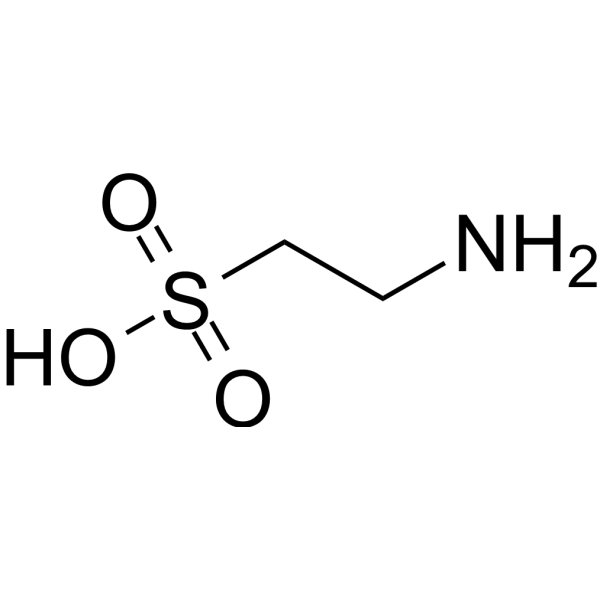
- Formula: C2H7NO3S
- Molecular Weight:125.15
-
Storage:
Store at room temperature 3 years.
In solvent -80°C, 2 years , -20°C, 1 year

To place orders, for customer services and technical support, please contact: MedChemExpress USA
Tel: 609-228-6898 E-mail: [email protected] [email protected]


-
 Biological Activity
-
Chemical Information
-
Solvent & Solubility
- Protocols
- Purity & Documentation
- References
-
 Help & FAQs


-
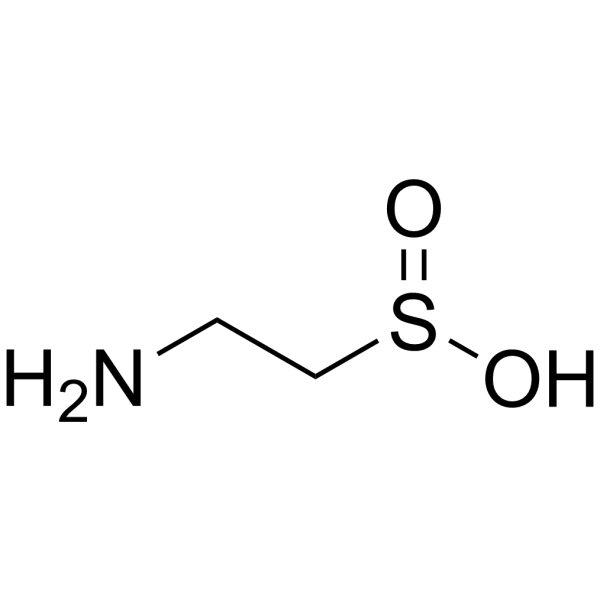
HY-100803
HypotaurineAntioxidant -
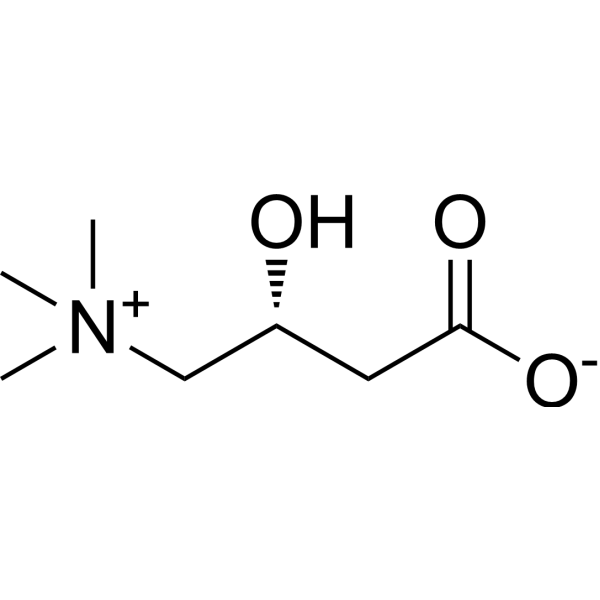
HY-B0399
L-CarnitineCo-factor for β-oxidation -
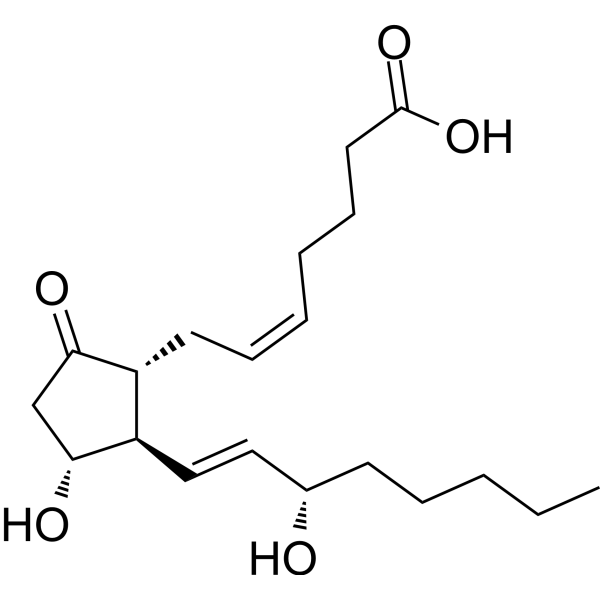
HY-101952
Prostaglandin E2Prostaglandin Receptor Agonist -
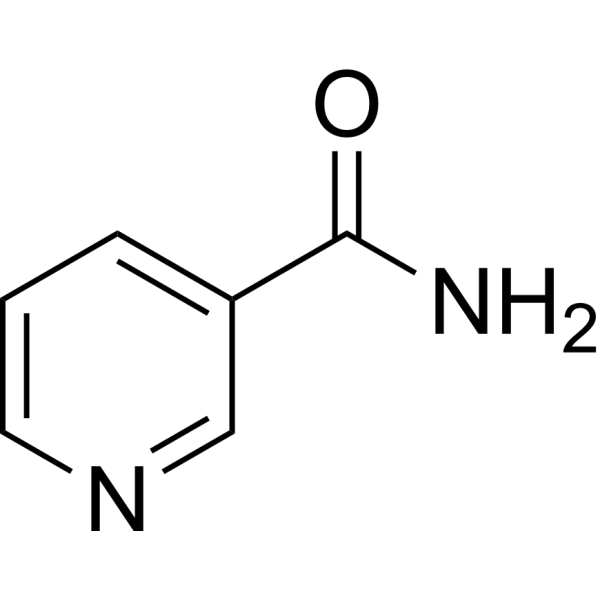
HY-B0150
NicotinamideSIRT Inhibitor -
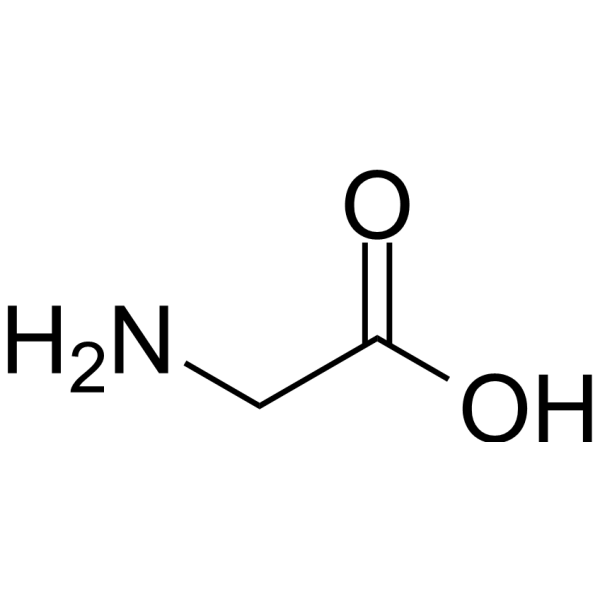
HY-Y0966
GlycineNMDAR Agonist -
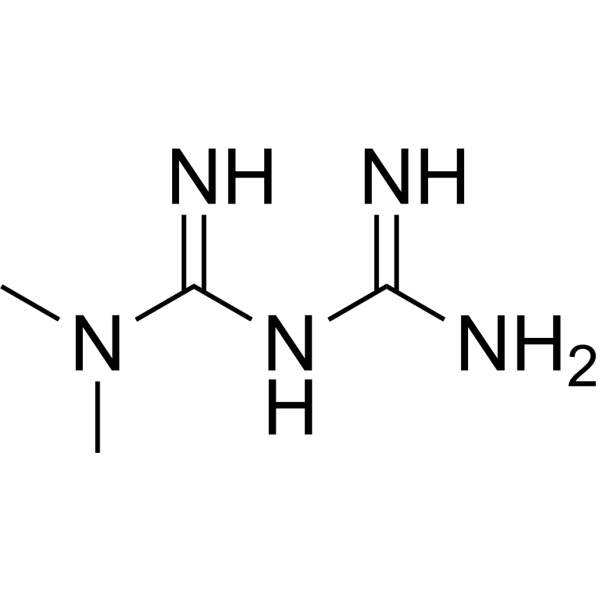
HY-B0627
MetforminAntihyperglycemic Agent -
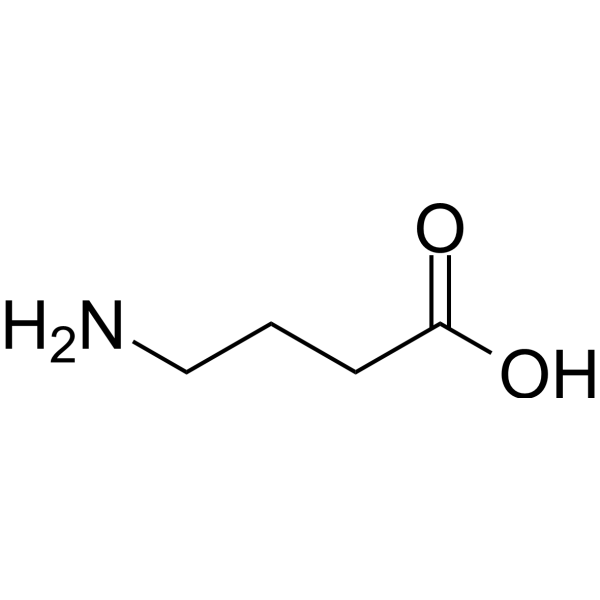
HY-N0067
γ-Aminobutyric acidNeurotransmitter -
HY-18739
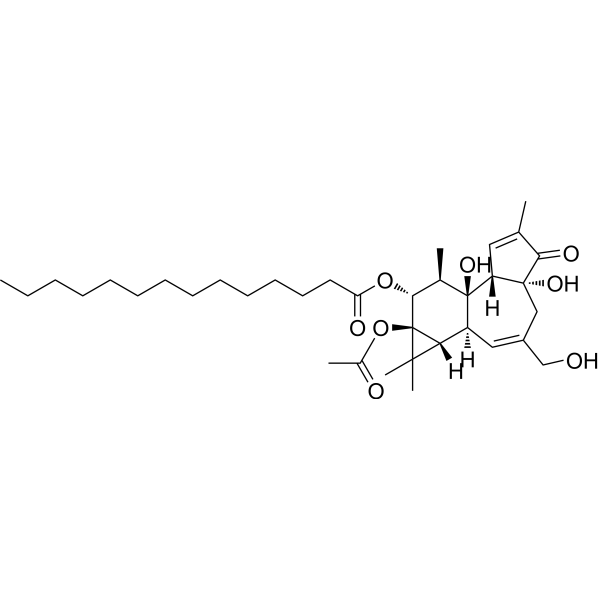
Phorbol 12-myristate 13-acetatePKC Activator -
HY-14608
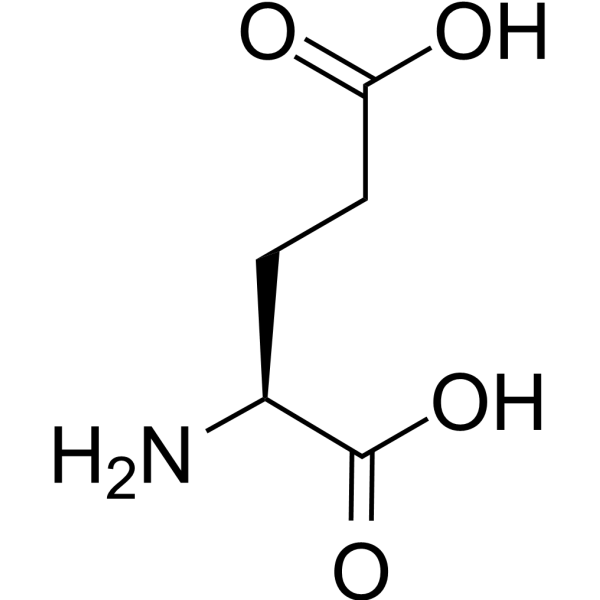
L-Glutamic acidGlutamate Receptors Agonist -
HY-N0092
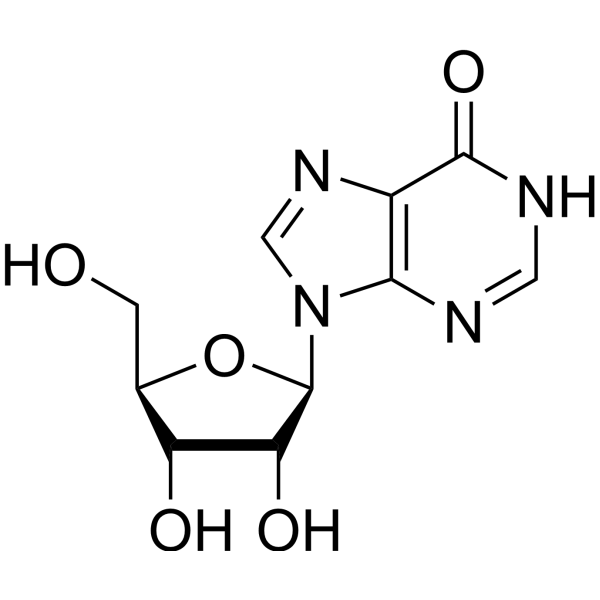
InosineEndogenous Metabolite -
HY-B2167
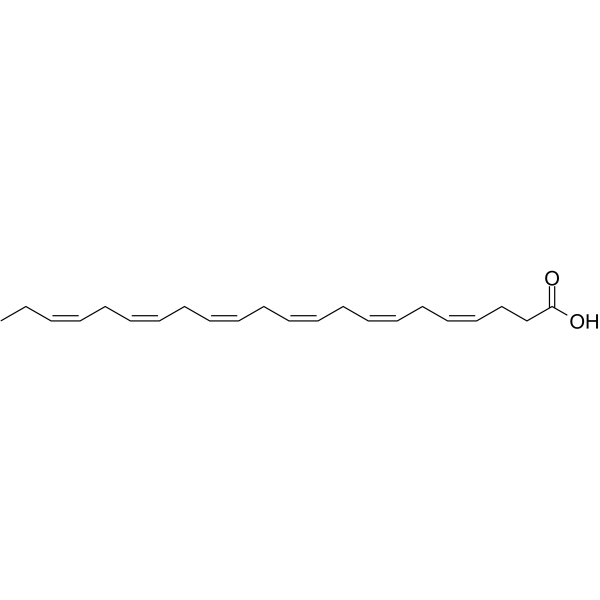
Docosahexaenoic acidomega-3 Fatty Acid -
HY-14649
Retinoic acidRAR Agonist
Publications Citing Use of MedChemExpress (MCE) Taurine
More- Cell Res. 2025 May;35(5):385-388. [Abstract]
- Cell Host Microbe. 2025 Jun 11;33(6):915-931.e9. [Abstract]
- Nat Commun. 2026 May 9. [Abstract]
- J Adv Res. 2025 Apr:70:339-353. [Abstract]
- Adv Sci (Weinh). 2025 Jan;12(4):e2411276. [Abstract]
- J Transl Med. 2025 Oct 15;23(1):1106. [Abstract]
- EMBO J. 2025 Nov 20. [Abstract]
- Free Radic Biol Med. 2025 Apr 3:S0891-5849(25)00207-2. [Abstract]
- Free Radic Biol Med. 2022 Nov 20;193(Pt 2):795-807. [Abstract]
- PLoS Biol. 2024 Jun 27;22(6):e3002672. [Abstract]
- Eur J Pharmacol. 2025 Jun 15:997:177614. [Abstract]
- Front Cell Dev Biol. 2021 Apr 15:9:631163. [Abstract]
- Sci Rep. 2026 Apr 9;16(1):16713. [Abstract]
- FASEB J. 2026 Jun 30;40(12):e72072. [Abstract]
- Clin Chim Acta. 2024 Jan 15:553:117726. [Abstract]
- Microbiol Spectr. 2023 Jan 31;11(2):e0469822. [Abstract]
- PLoS One. 2025 Apr 16;20(4):e0318311. [Abstract]
- World J Gastrointest Oncol. 2026 Feb 15;18(2):114161. [Abstract]
- bioRxiv. 2024 November 14.
- bioRxiv. 2024 Apr 3:2023.06.02.542933. [Abstract]
 Customer Validation & Images

-
Cell Proliferation/Viability Assay
-
Cell Proliferation/Viability Assay
-
In Vivo Efficacy Study
-
WB
-
Cell Proliferation/Viability Assay
All Endogenous Metabolite Isoforms
More

Biological Activity
Description
IC50 & Target
|
Human Endogenous Metabolite |
Cellular Effect
|
Cell Line

|
Type | Value | Description | References |
|---|---|---|---|---|
| HEK293 | EC50 |
10 μM
Compound: 1123
|
Substrate uptake by the Taurine Transporter (TauT, SLC6A6) as assessed by the fluorescent FLIPR membrane potential dye in HEK-293 JumpIN-SLC6A6 cells
Substrate uptake by the Taurine Transporter (TauT, SLC6A6) as assessed by the fluorescent FLIPR membrane potential dye in HEK-293 JumpIN-SLC6A6 cells
|
10.5281/zenodo.7360560 |
| HEK293 | EC50 |
10 μM
Compound: 1123
|
Substrate uptake by the Taurine Transporter (TauT, SLC6A6) as assessed by the fluorescent FLIPR membrane potential dye in HEK-293 JumpIN-SLC6A6 cells (PubChem AID: 1794824)
Substrate uptake by the Taurine Transporter (TauT, SLC6A6) as assessed by the fluorescent FLIPR membrane potential dye in HEK-293 JumpIN-SLC6A6 cells (PubChem AID: 1794824)
|
10.5281/zenodo.7360560 |
| L6 | IC50 |
>90 μg/mL
Compound: 6
|
Cytotoxicity against rat L6 cells after 72 hrs
Cytotoxicity against rat L6 cells after 72 hrs
|
[PMID: 17765547] |
In Vitro
Taurine is one of the most abundant amino acids in the brain and spinal cord, leukocytes, heart and muscle cells, the retina, and indeed almost every tissue throughout the body[1].
Taurine exhibits diverse biological actions, including protection against ischemia-reperfusion injury, modulation of intracellular calcium concentration, and antioxidant, antiatherogenic and blood pressure-lowering effects[2].
MedChemExpress (MCE) has not independently confirmed the accuracy of these methods. They are for reference only. Further protocols information, click here.
Clinical Trial
| NCT Number | Sponsor | Condition | Start Date |
Phase
|
|---|---|---|---|---|
| NCT01329991 | Plexxikon| | 2011-05 | PHASE1 |


Chemical Information
-
CAS No. 107-35-7
-
Appearance Solid
-
Molecular Weight 125.15
-
Formula C2H7NO3S
-
Color White to off-white
-
SMILES
NCCS(=O)(O)=O
-
Synonyms
2-Aminoethanesulfonic acid
-
Structure Classification
-
Initial Source
-
Shipping
Room temperature in continental US; may vary elsewhere.
-
Storage
Store at room temperature 3 years
In solvent -80°C 2 years -20°C 1 year


Publications (20)
-
Journal Impact Factor
-
Most Recent
-
Cell Res
Structural basis of augmenting taurine uptake by the taurine transporter in alleviating cellular senescence. [Abstract]2025 May;35(5):385-388. PMID: 40108449 -
Cell Host Microbe
Microbiota-derived urocanic acid triggered by tyrosine kinase inhibitors potentiates cancer immunotherapy efficacy. [Abstract]2025 Jun 11;33(6):915-931.e9. PMID: 40441145 -
Nat Commun
Btg2 inhibits Fmo1 UFMylation thus exacerbating ferroptosis and apoptosis in hepatic ischemia-reperfusion injury. [Abstract]2026 May 9. PMID: 42106354 -
J Adv Res
Crosstalk between endothelial cells and dermal papilla entails hair regeneration and angiogenesis during aging. [Abstract]2025 Apr:70:339-353. PMID: 38718895 -
Adv Sci (Weinh)
Single-Cell Simultaneous Metabolome and Transcriptome Profiling Revealing Metabolite-Gene Correlation Network. [Abstract]2025 Jan;12(4):e2411276. PMID: 39629980 -
J Transl Med
Nuclear receptor Nr1d1 links sleep deprivation to intestinal homeostasis via microbiota-derived taurine. [Abstract]2025 Oct 15;23(1):1106. PMID: 41094491 -
EMBO J
2025 Nov 20. PMID: 41266655
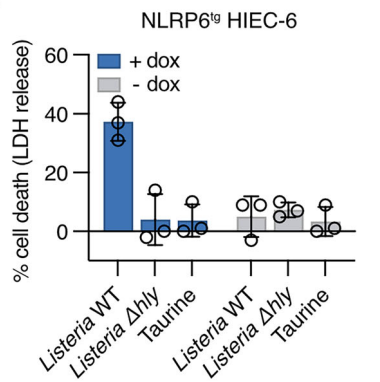
Taurine purchased from MedChemExpress. Usage Cited in: EMBO J. 2025 Nov 20. [Abstract]
LDH release from NLRP6-WTtg HIEC-6 cells induced or not with 1 μg/ml doxycycline overnight and infected with WT or Δhly L. monocytogenes EGD for 8 h or treated with 70 mM Taurine.
-
Free Radic Biol Med
Ultrasound-responsive taurine lipid nanoparticles attenuate oxidative stress and promote macrophage polarization for diabetic wound healing. [Abstract]2025 Apr 3:S0891-5849(25)00207-2. PMID: 40187503
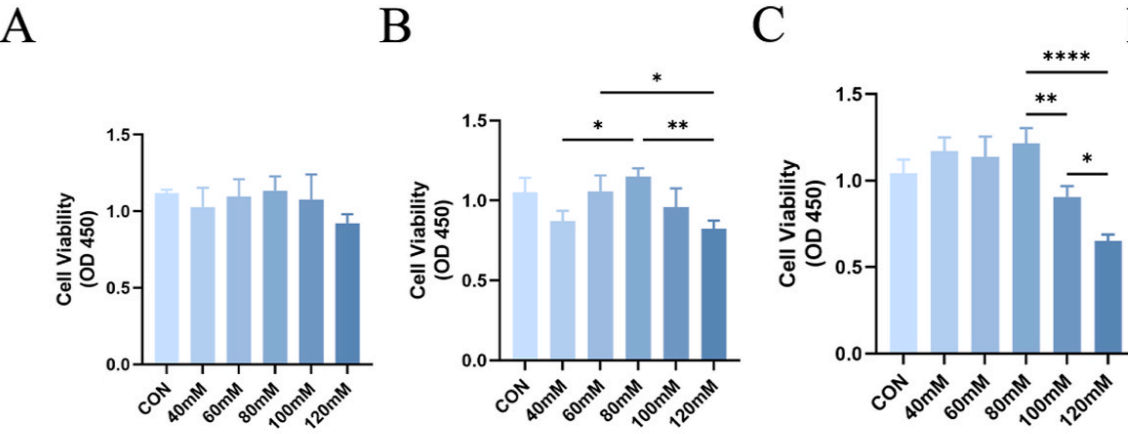
Taurine purchased from MedChemExpress. Usage Cited in: Free Radic Biol Med. 2025 Apr 3:S0891-5849(25)00207-2. [Abstract]
CCK-8 assay assessing PC12 cell viability after Taurine (TA, 40-120 mM; 24-72 h) treatment at various concentrations for 24 h (A), 48 h (B), and 72 h (C).
-
Free Radic Biol Med
Taurine attenuates neuronal ferroptosis by regulating GABAB/AKT/GSK3β/β-catenin pathway after subarachnoid hemorrhage. [Abstract]2022 Nov 20;193(Pt 2):795-807. PMID: 36402441
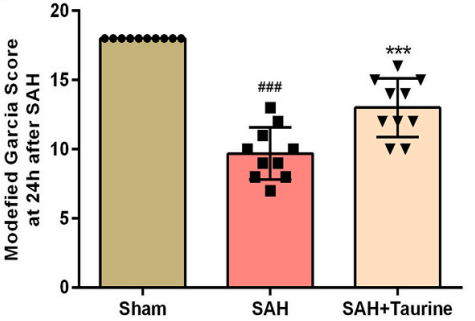
Taurine purchased from MedChemExpress. Usage Cited in: Free Radic Biol Med. 2022 Nov 20;193(Pt 2):795-807. [Abstract]
Taurine (400 mg/kg; i.p. 30 min before and 12 h after SAH). Bar graphs showed mortality rates at 24 h after subarachnoid hemorrhage (SAH) in mice.
Taurine purchased from MedChemExpress. Usage Cited in: Free Radic Biol Med. 2022 Nov 20;193(Pt 2):795-807. [Abstract]
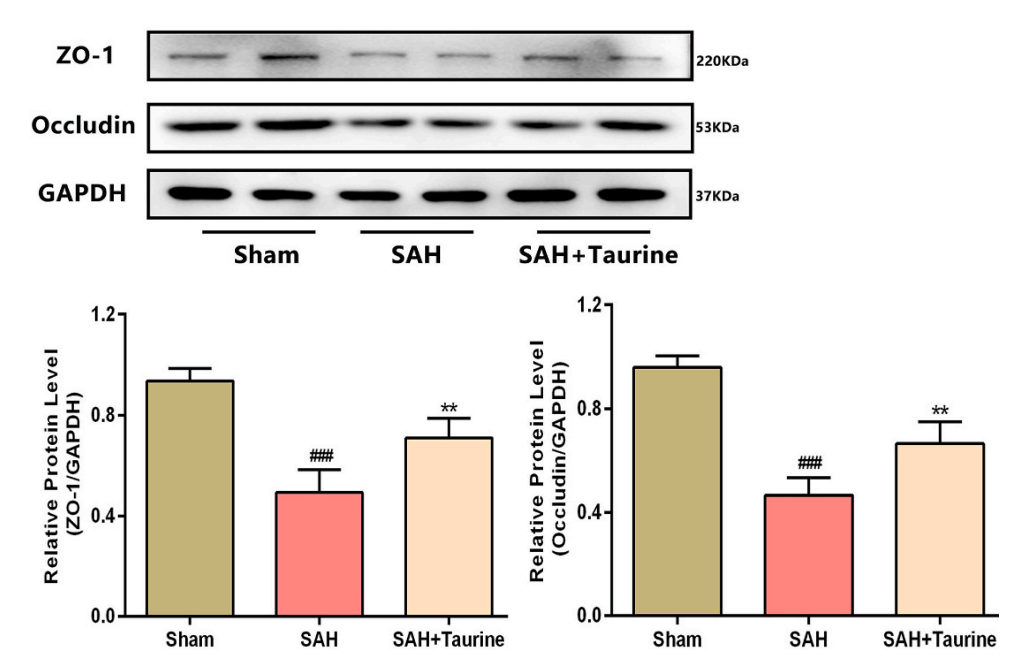
Taurine (400 mg/kg; i.p. 30 min before and 12 h after SAH). Western blotting images and quantitative data of relative expression level of ZO-1 and occludin in cerebral cortex at 24 h after subarachnoid hemorrhage (SAH) (n = 4/group).
Taurine purchased from MedChemExpress. Usage Cited in: Free Radic Biol Med. 2022 Nov 20;193(Pt 2):795-807. [Abstract]
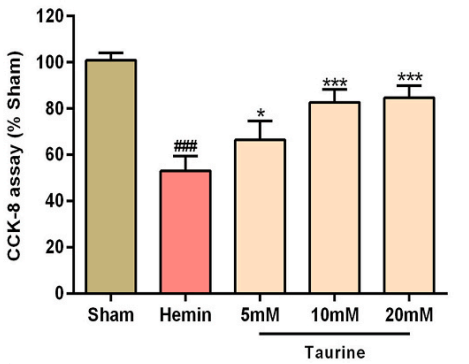
The viability of HT22 treated by different concentration of Taurine (5-20 mM) for 24 h was tested by CCK-8 assay in vitro (n = 6/group).
-
PLoS Biol
2024 Jun 27;22(6):e3002672. PMID: 38935621 -
Eur J Pharmacol
Taurine ameliorates liver fibrosis by repressing Fpr2-regulated macrophage M1 polarization. [Abstract]2025 Jun 15:997:177614. PMID: 40216178 -
Front Cell Dev Biol
2021 Apr 15:9:631163. PMID: 33937232 -
Sci Rep
2026 Apr 9;16(1):16713. PMID: 41957466 -
FASEB J
Protective Effects of Taurine Against Zearalenone-Induced Quality Impairment During Porcine Oocyte Maturation. [Abstract]2026 Jun 30;40(12):e72072. PMID: 42333697 -
Clin Chim Acta
SAH and SAM/SAH ratio associate with acute kidney injury in critically ill patients: A case-control study. [Abstract]2024 Jan 15:553:117726. PMID: 38110027 -
Microbiol Spectr
Disruption of the Intestinal Mucosal Barrier Induced by High Fructose and Restraint Stress Is Regulated by the Intestinal Microbiota and Microbiota Metabolites. [Abstract]2023 Jan 31;11(2):e0469822. PMID: 36719201 -
PLoS One
Taurine is a potential therapy for rheumatoid arthritis via targeting FOXO3 through cellular senescence and autophagy. [Abstract]2025 Apr 16;20(4):e0318311. PMID: 40238799 -
World J Gastrointest Oncol
Taurine suppresses gastric intestinal metaplasia in patient-derived organoids and Atp4a -/- mice. [Abstract]2026 Feb 15;18(2):114161. PMID: 41695925 -
-
bioRxiv
An efficient behavioral screening platform classifies natural products and other chemical cues according to their chemosensory valence in C. elegans. [Abstract]2024 Apr 3:2023.06.02.542933. PMID: 37333363


Solvent & Solubility
In Vitro:
H2O : 25 mg/mL (199.76 mM; Need ultrasonic)
DMSO : 1 mg/mL (7.99 mM; Need ultrasonic; Hygroscopic DMSO has a significant impact on the solubility of product, please use newly opened DMSO)
Please refer to the solubility information to select the appropriate solvent. Once prepared, please aliquot and store the solution to prevent product inactivation from repeated freeze-thaw cycles.
Storage method and period of stock solution: -80°C, 2 years; -20°C, 1 year. When stored at -80°C, please use it within 2 years. When stored at -20°C, please use it within 1 year.
* Note: If you choose water as the stock solution, please dilute it to the working solution, then filter and sterilize it with a 0.22 μm filter before use.
Please refer to the solubility information to select the appropriate solvent. Once prepared, please aliquot and store the solution to prevent product inactivation from repeated freeze-thaw cycles.
Storage method and period of stock solution: -80°C, 2 years; -20°C, 1 year. When stored at -80°C, please use it within 2 years. When stored at -20°C, please use it within 1 year.
* Note: If you choose water as the stock solution, please dilute it to the working solution, then filter and sterilize it with a 0.22 μm filter before use.
Concentration (start) × Volume (start) = Concentration (final) × Volume (final)
In Vivo:
For the following dissolution methods, please prepare the working solution directly:
It is recommended to prepare fresh solutions and use them promptly within a short period of time.
The percentages shown for the solvents indicate their volumetric ratio in the final prepared solution. If precipitation or phase separation occurs during preparation, heat and/or sonication can be used to aid dissolution.
Add each solvent one by one: PBS
Solubility: 12.5 mg/mL (99.88 mM); Clear solution; Need ultrasonic and warming and heat to 60°C

Protocols
-
Large-size fat particle sorting
Large-size fat particle sorting is widely used to isolate cells up to 200 μm in diameter. Single-cell flow sorting will allow greater insight into adipocyte heterogeneity by identifying gene expression, protein composition, and metabolic signatures at the single-cell level.
-
Autophagy
Autophagy is a process in which eukaryotic cells use lysosomes to degrade their own cytoplasmic proteins and damaged organelles under the regulation of autophagy related gene (Atg). Microtubule-associated proteins light chain 3 (LC3) is recognized as autophagy marker, which transfers from cytoplasmic LC3 (LC3-I) to membrane type (LC3-II). LC3-II/I ratio could be detected by Western Blot and fluorescence microscopy.
-
Lysosome and acidic-vesicle live-cell staining
Lysosome and acidic-vesicle live-cell staining detects acidic intracellular compartments by using membrane-permeant acidotropic probes that accumulate in low-pH vesicles, including lysosomes, late endosomes, autolysosomes, and acidic phagosomes. LysoTracker staining is commonly used as an intensity-based readout of acidic lysosomal compartment abundance or enlargement, while acridine orange produces green fluorescence in less concentrated compartments and red fluorescence after concentration-dependent accumulation in acidic vesicular organelles. Loss or reduction of acridine-orange red signal can be used as a readout of lysosomal membrane permeabilization or reduced acidic-vesicle integrity. This protocol is designed for live cultured cells and can be adapted for fluorescence microscopy, high-content imaging, plate-reader readout, or flow cytometry when the selected literature supports the readout. Because these dyes report acidotropic accumulation rather than lysosome identity alone,
-
Macroautophagy Solutions
Macroautophagy is a conserved lysosome-dependent degradation pathway in which cytoplasmic material is sequestered into double-membrane autophagosomes and delivered to lysosomes for degradation and recycling. The pathway supports cellular homeostasis during nutrient limitation, organelle stress, protein-aggregate accumulation, infection, differentiation, and tissue remodeling by coupling cargo sequestration, autophagosome maturation, lysosomal fusion, and degradation of cargo-derived macromolecules. The core molecular sequence includes initiation by nutrient- and stress-regulated autophagy machinery, autophagosome nucleation, LC3/ATG8-family conjugation to autophagosomal membranes, cargo selection through receptors such as SQSTM1/p62, autophagosome-lysosome fusion, and lysosomal degradation. LC3 was identified as a mammalian homolog of yeast Atg8 that localizes to autophagosomal membranes after processing, and p62/SQSTM1 was shown to connect ubiquitinated cargo with autophagic degradati
-
Directly Induced Neuron Culture
Directly induced neuron culture converts somatic cells, most commonly fibroblasts, into induced neurons without passing through a pluripotent or neural progenitor stage; classic evidence shows that mouse fibroblasts can be converted by Ascl1, Brn2/Pou3f2, and Myt1l, human fibroblasts can be converted by defined neuronal transcription factors, and human fibroblasts can also be converted by miR-9/9-124 with neurogenic or subtype-specifying transcription factors. The readout is acquisition of neuronal identity and function, assessed by neuronal morphology, neuronal markers such as Tuj1/βIII-tubulin, MAP2, synapsin, and subtype markers when relevant, together with functional assays such as action-potential firing, synaptic activity, and electrophysiology.


Purity & Documentation
-
Data Sheet (272 KB)
-
SDS (396 KB)
- English - EN (396 KB)
- Français - FR (396 KB)
- Deutsch - DE (396 KB)
- Norwegian - NO (396 KB)
- Español - ES (396 KB)
- Swedish - SV (396 KB)
- Italian - IT (396 KB)
- Korean - KR (396 KB)
- Portuguese - PT (396 KB)
-
Handling Instructions (2659 KB)
References
[1]. Ripps H, Shen W. Review: taurine: a "very essential" amino acid. Mol Vis. 2012;18:2673-2686. [Content Brief]
[2]. Xu YJ, et al. The potential health benefits of taurine in cardiovascular disease. Exp Clin Cardiol. 2008;13(2):57-65. [Content Brief]
[3]. Kaneko H, et al. Taurine is an amino acid with the ability to activate autophagy in adipocytes. Amino Acids. 2018;50(5):527-535. [Content Brief]


Complete Stock Solution Preparation Table
Please refer to the solubility information to select the appropriate solvent. Once prepared, please aliquot and store the solution to prevent product inactivation from repeated freeze-thaw cycles.
Storage method and period of stock solution: -80°C, 2 years; -20°C, 1 year. When stored at -80°C, please use it within 2 years. When stored at -20°C, please use it within 1 year.
| Optional Solvent | Concentration Solvent Mass | 1 mg | 5 mg | 10 mg | 25 mg |
|---|---|---|---|---|---|
| DMSO / H2O | 1 mM | 7.9904 mL | 39.9521 mL | 79.9041 mL | 199.7603 mL |
| 5 mM | 1.5981 mL | 7.9904 mL | 15.9808 mL | 39.9521 mL | |
| H2O | 10 mM | 0.7990 mL | 3.9952 mL | 7.9904 mL | 19.9760 mL |
| 15 mM | 0.5327 mL | 2.6635 mL | 5.3269 mL | 13.3174 mL | |
| 20 mM | 0.3995 mL | 1.9976 mL | 3.9952 mL | 9.9880 mL | |
| 25 mM | 0.3196 mL | 1.5981 mL | 3.1962 mL | 7.9904 mL | |
| 30 mM | 0.2663 mL | 1.3317 mL | 2.6635 mL | 6.6587 mL | |
| 40 mM | 0.1998 mL | 0.9988 mL | 1.9976 mL | 4.9940 mL | |
| 50 mM | 0.1598 mL | 0.7990 mL | 1.5981 mL | 3.9952 mL | |
| 60 mM | 0.1332 mL | 0.6659 mL | 1.3317 mL | 3.3293 mL | |
| 80 mM | 0.0999 mL | 0.4994 mL | 0.9988 mL | 2.4970 mL | |
| 100 mM | 0.0799 mL | 0.3995 mL | 0.7990 mL | 1.9976 mL |
* Note: If you choose water as the stock solution, please dilute it to the working solution, then filter and sterilize it with a 0.22 μm filter before use.


Taurine Related Classifications
HY-B0351 Related Classifications
 Powered by Bioz