



2'-Fucosyllactose
Based on 5 publication(s) in Google Scholar
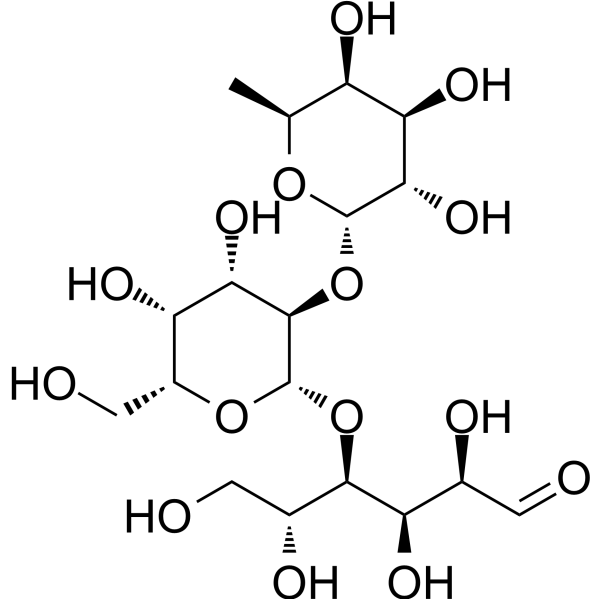
2'-Fucosyllactose (2'-FL) is an oligosaccharide that could be derived from human milk. 2'-Fucosyllactose regulates the expression of CD14, alleviates colitis and regulates the gut microbiome. 2'-Fucosyllactose stimulates T cells to increase IFN-γ production and decreases IL-6, IL-17, and TNF-α production of cytokines.
For research use only. We do not sell to patients.
- Purity : 99.97%
- CAS No.: 41263-94-9
- Formula: C18H32O15
- Molecular Weight:488.44
-
Storage:
4°C, protect from light
* In solvent : -80°C, 6 months; -20°C, 1 month (protect from light)

To place orders, for customer services and technical support, please contact: MedChemExpress USA
Tel: 609-228-6898 E-mail: [email protected] [email protected]


-
 Biological Activity
-
Chemical Information
-
Solvent & Solubility
- Protocols
- Purity & Documentation
- References
-
 Help & FAQs


-
HY-N9448
Lacto-N-tetraoseOligosaccharides -
HY-N9445
Lacto-N-neotetraoseEndogenous Metabolite -
HY-137335
6'-Sialyllactose sodiumMilk Oligosaccharide -
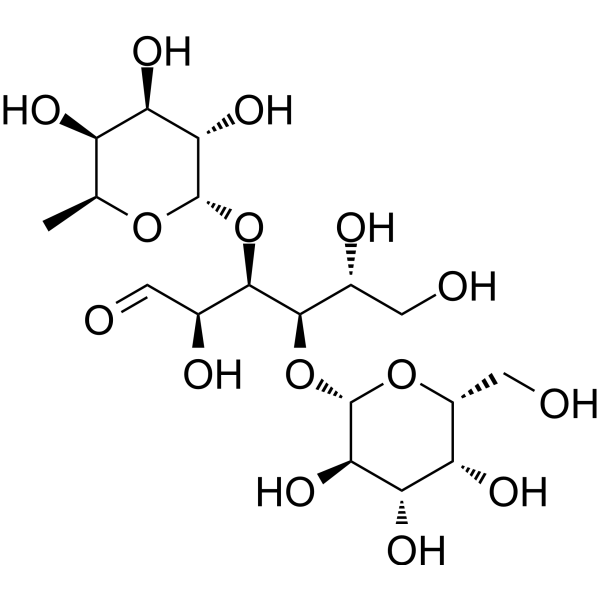
HY-N10528
3-FucosyllactoseFucosylated Oligosaccharide -
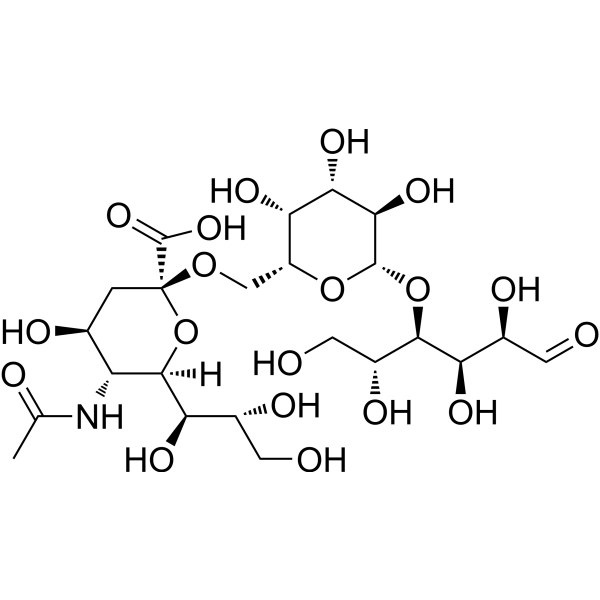
HY-N10521
6'-SialyllactoseMilk Oligosaccharide -
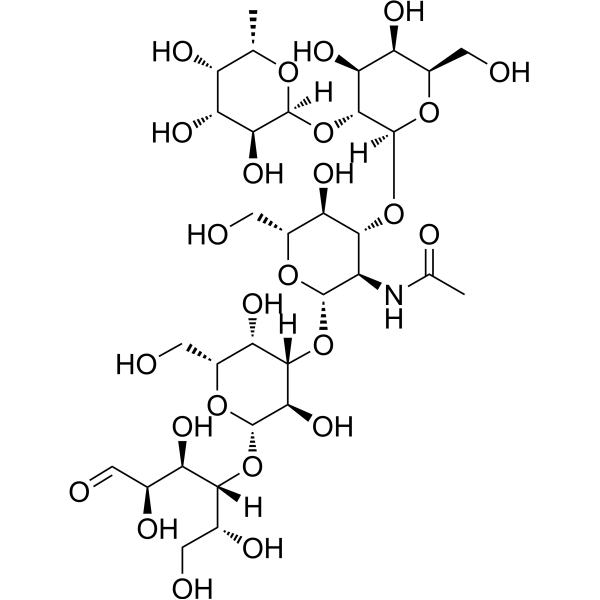
HY-W019806
Lacto-N-fucopentaose IHuman Milk Oligosaccharide -
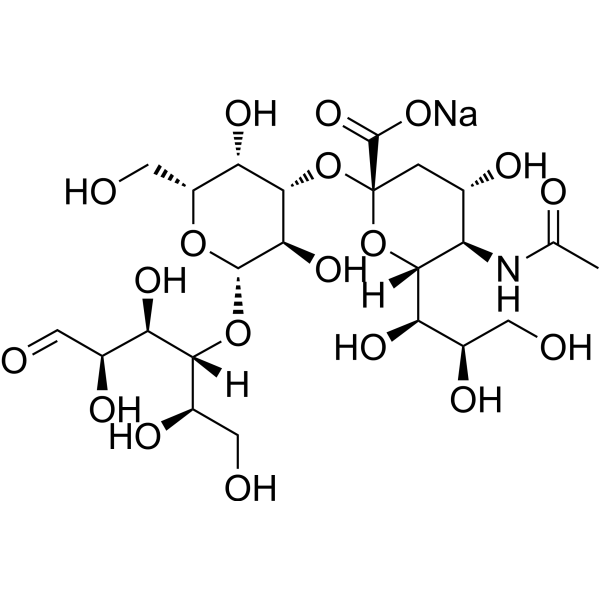
HY-108065A
3'-Sialyllactose sodiumPrebiotic -
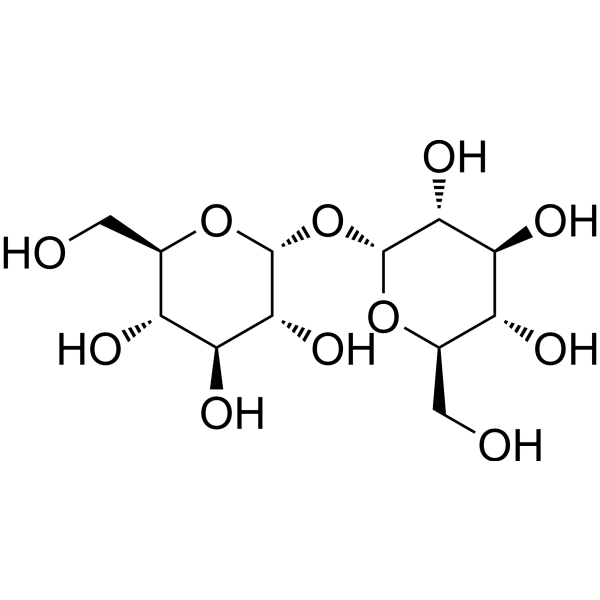
HY-N1132
D-(+)-TrehaloseDisaccharide -
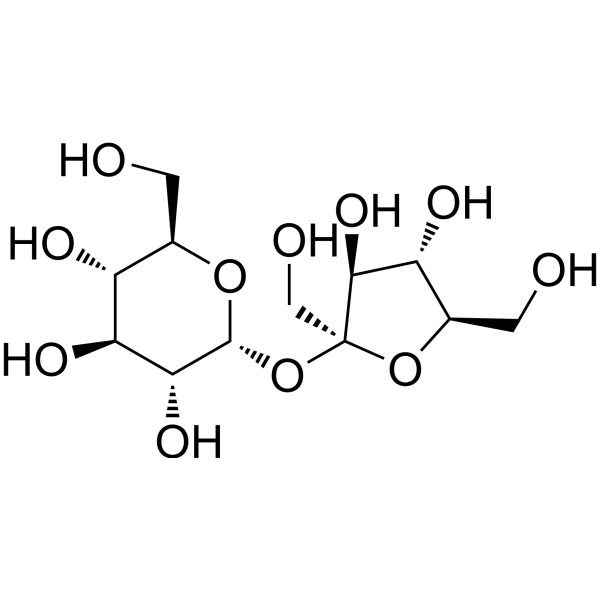
HY-B1779
SucroseDisaccharide -

HY-N9448R
Lacto-N-tetraose (Standard)Oligosaccharides -
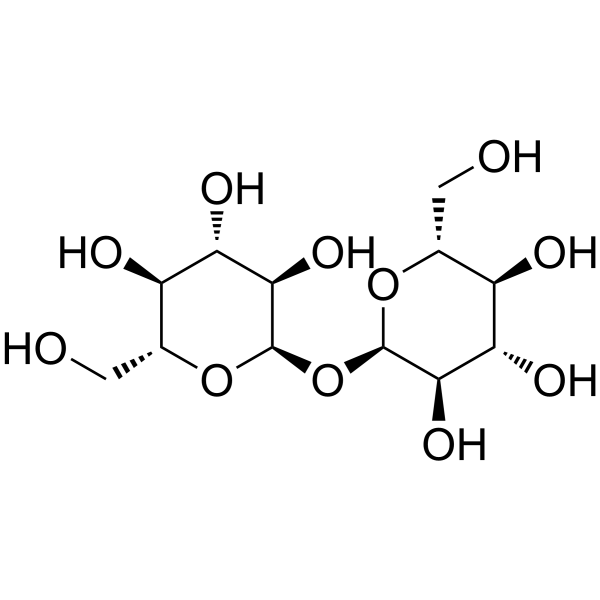
HY-CP001
D-Trehalose, Carrier ProteinCarrier Protein -
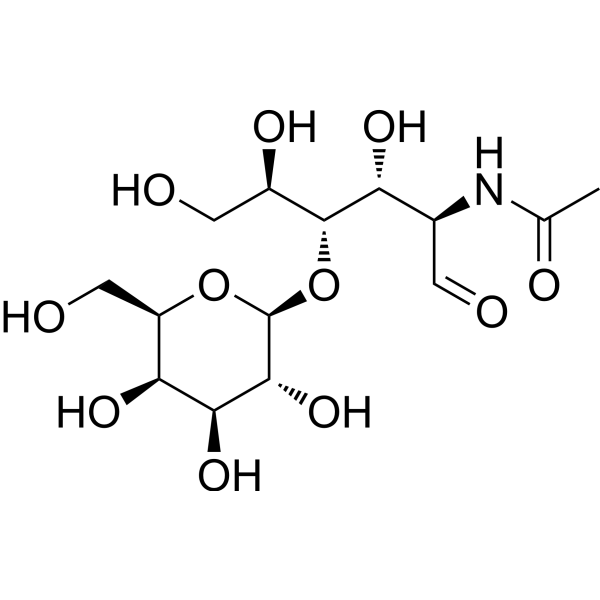
HY-126854
N-AcetyllactosamineNitrogen Disaccharide
Publications Citing Use of MedChemExpress (MCE) 2'-Fucosyllactose
More

Biological Activity
Description
IC50 & Target
Target: IFN-γ, IL-6, IL-17, and TNF-α[1]
In Vitro
2'-Fucosyllactose (2'-FL; 0-12 mg/mL; 48 h) suppress cell-associated CD14 expression and to attenuate LPS (100 μg/mL) stimulated IL-8 secretion in T84 cells[1].
2'-Fucosyllactose (2 mg/mL; 48 h; T84 and HCT8 cells) ameliorates inflammation induced by bacterial invasion. 2'-Fucosyllactose inhibits ETEC invasion and attenuated the consequent IL-8 secretion[1].
2'-Fucosyllactose (2 mg/mL; 48 h; T84 and HCT8 cells) induces macrophage migration inhibitory factor signal pathways that suppress inflammation[1].
MedChemExpress (MCE) has not independently confirmed the accuracy of these methods. They are for reference only. Further protocols information, click here.
-
Cell Line:T84 cells
-
Concentration:0, 2, and 4 mg/mL
-
Incubation Time:48 hours
-
Result:Suppressed CD14 mRNA and reduced cell-associated CD14 protein expression.
-
Cell Line:T84 and HCT8 cellsT84 and HCT8 cells
-
Concentration:2 mg/mL
-
Incubation Time:48 hours
-
Result:Suppressed CD14 mRNA and reduced cell-associated CD14 protein expression.
Inhibited CD14 and NF-κB induction.
Induced iκB and SOCS2 expression and STAT3 phosphorylation.
In Vivo
MedChemExpress (MCE) has not independently confirmed the accuracy of these methods. They are for reference only.
-
Animal Model:C57BL/6 mice (8 weeks) with AIEC (uropathogenic E. coli, and adherent-invasive E. coli) infection[1]
-
Dosage:100 mg (200 μL)
-
Administration:Oral gavage; daily, for 4 days
-
Result:Had colons lengths were closer to normal.
Inhibited the colonisation of the colonic mucosa by O83-positive bacteria.
Decreased CD14 expression, CD14 mRNA levels, IL-6, IL-17 and TNF-α levels in colonic.
Clinical Trial
| NCT Number | Sponsor | Condition | Start Date |
Phase

|
|---|---|---|---|---|
| NCT01329991 | Plexxikon| | 2011-05 | PHASE1 |


Chemical Information
-
CAS No. 41263-94-9
-
Appearance Solid
-
Molecular Weight 488.44
-
Formula C18H32O15
-
Color White to off-white
-
SMILES
O=C[C@H](O)[C@@H](O)[C@@H]([C@H](O)CO)O[C@H]1[C@@H]([C@H]([C@H]([C@H](O1)CO)O)O)O[C@H]2[C@H]([C@@H]([C@@H]([C@@H](O2)C)O)O)O
-
Synonyms
2'-FL
-
Structure Classification
-
Initial Source
Human milk
-
Shipping
Room temperature in continental US; may vary elsewhere.
-
Storage
4°C, protect from light
* In solvent : -80°C, 6 months; -20°C, 1 month (protect from light)


Publications (5)
-
Journal Impact Factor
-
Most Recent
-
Food Chem
Maillard reaction with milk proteins reduced the prebiotic activity of 2'-fucosyllactose in a neonatal rat model. [Abstract]2026 Jul 1:516:149410. PMID: 42056776 -
-
Tissue Cell
Oligosaccharides ameliorate insulin resistance and hepatic metabolism by promoting the leptin/POMC axis to accelerate short stature growth and development. [Abstract]2026 Apr:99:103277. PMID: 41421172 -
-
Future Sci OA
The potential of human milk oligosaccharides in ameliorating traumatic brain injury-induced cognitive impairment in mice. [Abstract]2026 Dec;12(1):2622241. PMID: 41622772


Solvent & Solubility
In Vitro:
H2O : 50 mg/mL (102.37 mM; Need ultrasonic)
Please refer to the solubility information to select the appropriate solvent. Once prepared, please aliquot and store the solution to prevent product inactivation from repeated freeze-thaw cycles.
Storage method and period of stock solution: -80°C, 6 months; -20°C, 1 month (protect from light). When stored at -80°C, please use it within 6 months. When stored at -20°C, please use it within 1 month.
* Note: If you choose water as the stock solution, please dilute it to the working solution, then filter and sterilize it with a 0.22 μm filter before use.
Please refer to the solubility information to select the appropriate solvent. Once prepared, please aliquot and store the solution to prevent product inactivation from repeated freeze-thaw cycles.
Storage method and period of stock solution: -80°C, 6 months; -20°C, 1 month (protect from light). When stored at -80°C, please use it within 6 months. When stored at -20°C, please use it within 1 month.
* Note: If you choose water as the stock solution, please dilute it to the working solution, then filter and sterilize it with a 0.22 μm filter before use.
Concentration (start) × Volume (start) = Concentration (final) × Volume (final)

Protocols
-
RNA extraction experimental
By lysing cells, releasing RNA, and removing impurities such as proteins and DNA, high-purity RNA products are finally obtained. The commonly used traditional method is the guanidine isothiocyanate/phenol/chloroform method (Trizol), which is suitable for a variety of animal materials including animal tissues, microorganisms, cultured cells, etc., and most plant materials.
-
DSS-Induced Colitis
Dextran sulfate sodium (DSS)-induced colitis is generated by administering DSS in mouse drinking water, producing epithelial injury, barrier disruption, weight loss, diarrhea, fecal blood, colon shortening, histologic mucosal damage, and inflammatory mediator changes; the model is mainly used to study acute or chronic intestinal inflammation resembling selected features of ulcerative colitis. DSS injury is interpreted through clinical and tissue readouts rather than a single molecular endpoint: daily body weight, stool consistency, and bleeding are combined into a disease activity index, while colon length, histology, cytokines, myeloperoxidase activity, intestinal permeability, and tight-junction markers provide complementary measures of inflammation and barrier damage.
-
TNBS-Induced Colitis
TNBS-induced colitis is produced by intrarectal delivery of 2,4,6-trinitrobenzene sulfonic acid in ethanol, where ethanol disrupts the mucosal barrier and TNBS haptenates colonic proteins, generating immune-mediated colonic inflammation with weight loss, diarrhea, ulceration, transmural injury, inflammatory-cell infiltration, and cytokine responses. The model is used as an experimental intestinal inflammation model with Crohn’s disease–like features, especially when Th1-type responses, IL-12–dependent inflammation, chronic relapsing inflammation, or fibrosis-related endpoints are studied.
-
Research Protocol for Microbiome Analysis
Microbiome analysis characterizes microbial communities in biological or environmental samples by measuring community composition, diversity, taxonomic structure, functional potential, and associations with host or environmental phenotypes. 16S rRNA gene amplicon sequencing is commonly used for bacterial and archaeal taxonomic profiling, while shotgun metagenomics provides higher taxonomic resolution and direct functional information, including microbial genes, pathways, viruses, fungi, and antimicrobial-resistance genes when sequencing depth and host-DNA contamination are adequately controlled. Microbiome results are strongly affected by sample collection, storage, DNA extraction, contamination, sequencing method, reference database, and bioinformatic pipeline; therefore, standardized protocols, negative controls, mock communities, and transparent analysis workflows are required. Unresolved issues include low-biomass contamination, compositional-data bias, inconsistent species-level c


Purity & Documentation
-
Data Sheet (286 KB)
-
SDS (252 KB)
- English - EN (252 KB)
- Français - FR (252 KB)
- Deutsch - DE (252 KB)
- Norwegian - NO (252 KB)
- Español - ES (252 KB)
- Swedish - SV (252 KB)
- Italian - IT (252 KB)
- Korean - KR (252 KB)
- Portuguese - PT (252 KB)
-
Handling Instructions (2659 KB)
References
[1]. He Y, et, al. The human milk oligosaccharide 2'-fucosyllactose modulates CD14 expression in human enterocytes, thereby attenuating LPS-induced inflammation. Gut. 2016 Jan;65(1):33-46. [Content Brief]
[2]. Eiwegger T, et, al. Human milk--derived oligosaccharides and plant-derived oligosaccharides stimulate cytokine production of cord blood T-cells in vitro. Pediatr Res. 2004 Oct;56(4):536-40. [Content Brief]


Complete Stock Solution Preparation Table
Please refer to the solubility information to select the appropriate solvent. Once prepared, please aliquot and store the solution to prevent product inactivation from repeated freeze-thaw cycles.
Storage method and period of stock solution: -80°C, 6 months; -20°C, 1 month (protect from light). When stored at -80°C, please use it within 6 months. When stored at -20°C, please use it within 1 month.
| Optional Solvent | Concentration Solvent Mass | 1 mg | 5 mg | 10 mg | 25 mg |
|---|---|---|---|---|---|
| H2O | 1 mM | 2.0473 mL | 10.2367 mL | 20.4733 mL | 51.1834 mL |
| 5 mM | 0.4095 mL | 2.0473 mL | 4.0947 mL | 10.2367 mL | |
| 10 mM | 0.2047 mL | 1.0237 mL | 2.0473 mL | 5.1183 mL | |
| 15 mM | 0.1365 mL | 0.6824 mL | 1.3649 mL | 3.4122 mL | |
| 20 mM | 0.1024 mL | 0.5118 mL | 1.0237 mL | 2.5592 mL | |
| 25 mM | 0.0819 mL | 0.4095 mL | 0.8189 mL | 2.0473 mL | |
| 30 mM | 0.0682 mL | 0.3412 mL | 0.6824 mL | 1.7061 mL | |
| 40 mM | 0.0512 mL | 0.2559 mL | 0.5118 mL | 1.2796 mL | |
| 50 mM | 0.0409 mL | 0.2047 mL | 0.4095 mL | 1.0237 mL | |
| 60 mM | 0.0341 mL | 0.1706 mL | 0.3412 mL | 0.8531 mL | |
| 80 mM | 0.0256 mL | 0.1280 mL | 0.2559 mL | 0.6398 mL | |
| 100 mM | 0.0205 mL | 0.1024 mL | 0.2047 mL | 0.5118 mL |
* Note: If you choose water as the stock solution, please dilute it to the working solution, then filter and sterilize it with a 0.22 μm filter before use.


2'-Fucosyllactose Related Classifications
HY-N9965 Related Classifications
 Powered by Bioz