



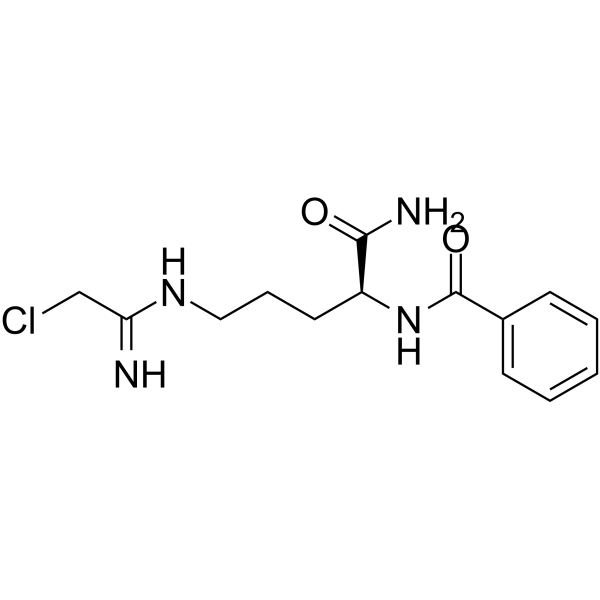
Cl-amidine
Based on 27 publication(s) in Google Scholar
Cl-amidine is an orally active peptidylarginine deminase (PAD) inhibitor, with IC50 values of 0.8 μM, 6.2 μM and 5.9 μM for PAD1, PAD3, and PAD4, respectively. Cl-amidine induces apoptosis in cancer cells. Cl-amidine induces microRNA (miR)-16 (miRNA-16, microRNA-16) expression and causes cell cycle arrest. Cl-Amidine prevents histone 3 citrullination and neutrophil extracellular trap formation, and improves survival in a murine sepsis model.
For research use only. We do not sell to patients.
- CAS No.: 913723-61-2
- Formula: C14H19ClN4O2
- Molecular Weight:310.78
-
Storage:
Please store the product under the recommended conditions in the Certificate of Analysis.

To place orders, for customer services and technical support, please contact: MedChemExpress USA
Tel: 609-228-6898 E-mail: [email protected] [email protected]


-
 Biological Activity
-
Chemical Information
- Protocols
- Purity & Documentation
- References
-
 Help & FAQs


-
HY-100514
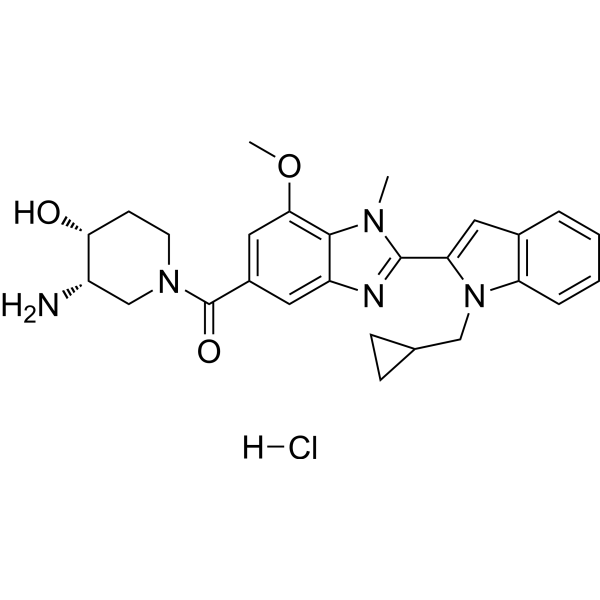
GSK484 hydrochloridePAD4 Inhibitor -
HY-100574A
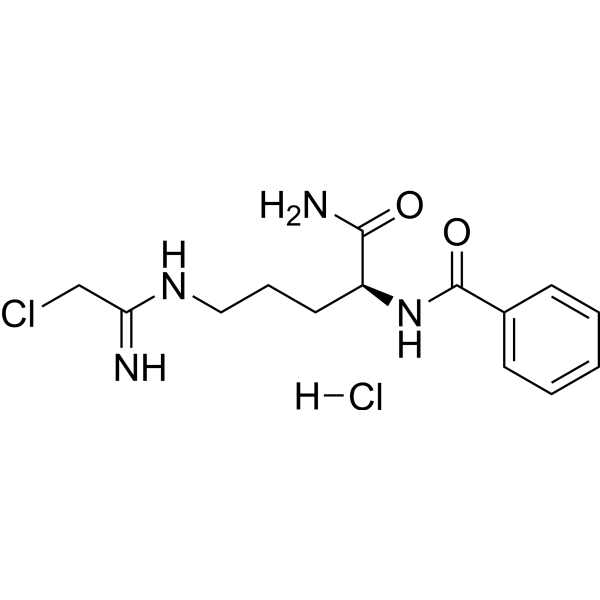
Cl-amidine hydrochloridePAD Inhibitor -
HY-111347
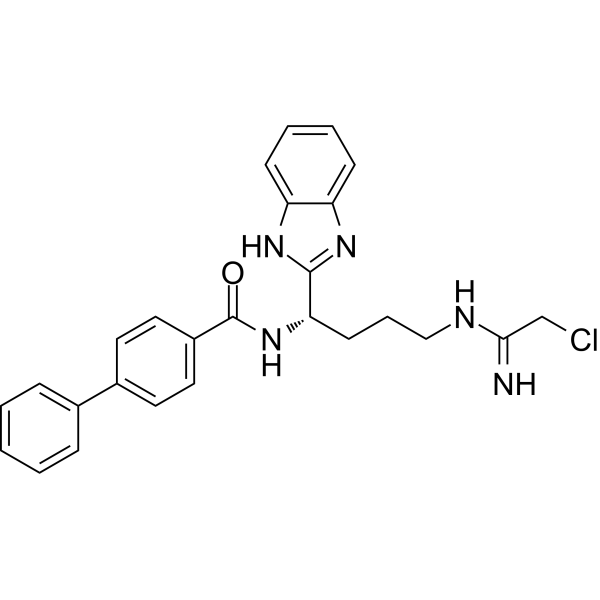
BB-Cl-AmidinePAD Inhibitor -
HY-124586
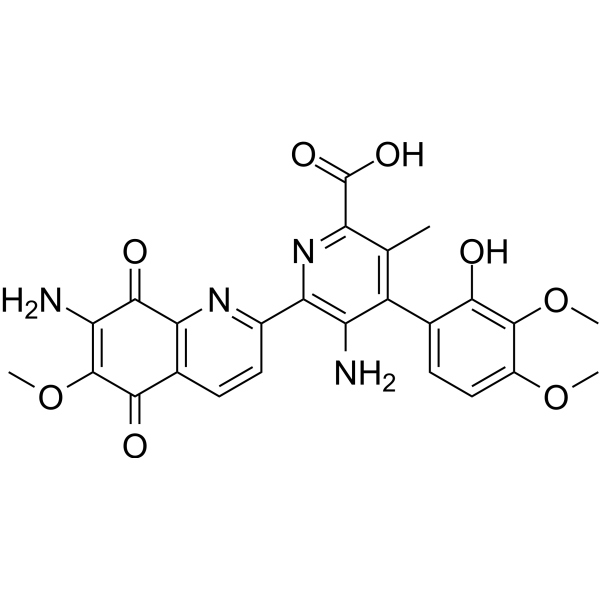
StreptonigrinPan-PAD Iinhibitor -
HY-103058
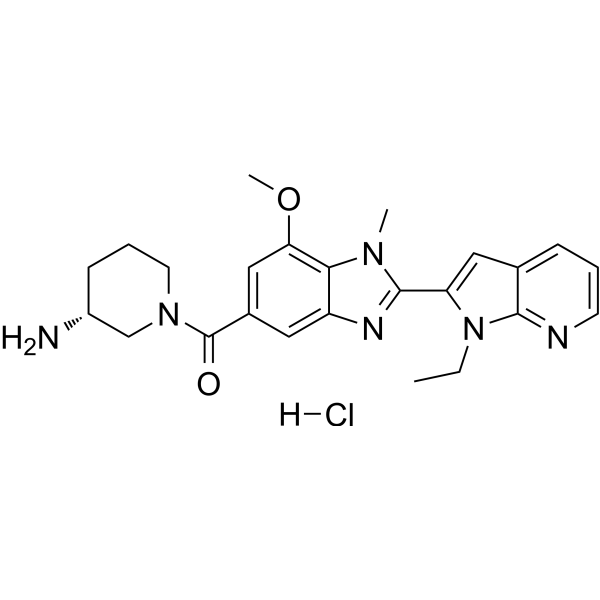
GSK199PAD4 Inhibitor -

HY-100514R
GSK484 hydrochloride (Standard)PAD4 Inhibitor -
HY-100574B
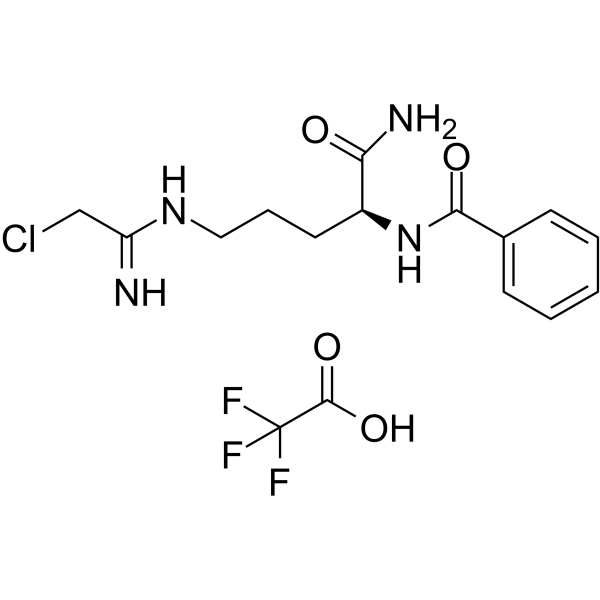
Cl-amidine TFAPAD Inhibitor -

HY-112903A
YW3-56 hydrochloridePAD Inhibitor
Publications Citing Use of MedChemExpress (MCE) Cl-amidine
More- Eur Heart J. 2025 Oct 27:ehaf836. [Abstract]
- Nat Biomed Eng. 2024 Sep;8(9):1177-1190. [Abstract]
- Gut. 2026 Jul 16:gutjnl-2025-337720.
- Exp Mol Med. 2024 Dec;56(12):2602-2616. [Abstract]
- Acta Pharm Sin B. 2025 Sep 12.
- Adv Sci (Weinh). 2026 Apr;13(20):e15431. [Abstract]
- MedComm (2020). 2025 Jan 30;6(2):e70084. [Abstract]
- J Hazard Mater. 2025 Apr 5:487:137257. [Abstract]
- Free Radic Biol Med. 2024 Nov 1:224:540-553. [Abstract]
- Cell Rep. 2021 Sep 21;36(12):109750. [Abstract]
- Chin Med. 2026 Jan 4;21(1):1. [Abstract]
- J Agric Food Chem. 2026 Jun 10;74(22):17392-17404. [Abstract]
- Transl Res. 2023 May:255:85-96. [Abstract]
- Int Immunopharmacol. 2026 Jan 1;168(Pt 1):115862. [Abstract]
- Toxicology. 2026 Nov:526:154549.
- Exp Neurol. 2026 Oct:404:115896.
- Neoplasia. 2022 Nov;33:100835. [Abstract]
- J Inflamm Res. 2026 Mar 20:19:569462. [Abstract]
- J Inflamm Res. 2026 Feb 13:19:557809. [Abstract]
- Fish Shellfish Immunol. 2022 Oct:129:22-29. [Abstract]
- Chem Res Toxicol. 2022 Apr 18;35(4):597-605. [Abstract]
- Microb Pathog. 2020 Dec:149:104530. [Abstract]
- Immun Inflamm Dis. 2025 Nov;13(11):e70268. [Abstract]
- Microvasc Res. 2023 Nov:150:104592. [Abstract]
- Vet Parasitol. 2026 May:344:110769. [Abstract]
- Vet Parasitol. 2022 Dec:312:109841. [Abstract]
- Research Square Print. January 4th, 2023.
 Customer Validation & Images

-
Cell Proliferation/Viability Assay
-
WB
-
Bio/Physico-chemical Assay
-
IHC
-
In Vivo Efficacy Study


Biological Activity
Description
IC50 & Target
Cellular Effect
|
Cell Line

|
Type | Value | Description | References |
|---|---|---|---|---|
| U2OS | EC50 |
160 mM
Compound: CI-amidine
|
Cytotoxicity against human U2OS cells assessed as reduction in cell viability by CellTiter 96 non-radioactive cell proliferation assay
Cytotoxicity against human U2OS cells assessed as reduction in cell viability by CellTiter 96 non-radioactive cell proliferation assay
|
[PMID: 32631569] |
| U2OS | EC50 |
160 μM
Compound: Cl-amidine
|
Antiproliferative activity against human U2OS cells expressing PAD4 assessed as cell viability after 72 hrs by XTT assay
Antiproliferative activity against human U2OS cells expressing PAD4 assessed as cell viability after 72 hrs by XTT assay
|
[PMID: 25559347] |
In Vitro
Cl-amidine is a bioavailable haloacetamidine-based compound that inhibits all the active PAD isozymes with near equal potency (kinact/KI=13,000 M-1 min-1 for PAD4)[1].
Cl-amidine (0, 5, 10, 15, 20, 25, 50 μg/mL, 24 hours) induces apoptosis in TK6 lymphoblastoid cells and HT29 colon cancer cells in a dose-dependent manner. Interestingly, the colon cancer cell line (HT29) is relatively resistant to apoptosis caused by Cl-amidine[2].
Cl-amidine irreversibly inactivates PADs by covalently modifying an active site cysteine that is important for its catalytic activity[4].
MedChemExpress (MCE) has not independently confirmed the accuracy of these methods. They are for reference only. Further protocols information, click here.
-
Cell Line:TK6 lymphoblastoid cells and HT29 colon cancer cells.
-
Concentration:0, 5, 10, 15, 20, 25, 50 μg/mL.
-
Incubation Time:24 h.
-
Result:Induced apoptosis dose-dependently.
In Vivo
Cl-amidine (5, 25, 75 mg/kg, oral gavage, once daily) leads to significant reductions in the histology scores dose-dependently[2].
MedChemExpress (MCE) has not independently confirmed the accuracy of these methods. They are for reference only.
-
Animal Model:C57BL/6 mice (8-12 wk old, DSS mouse model of colitis)[2].
-
Dosage:75 mg/kg.
-
Administration:IP once daily.
-
Result:Suppressed PAD activity, protein citrullination, and PAD levels in the colon in vivo.
-
Animal Model:C57BL/6 mice (8-12 wk old, DSS mouse model of colitis)[2].
-
Dosage:5, 25, 75 mg/kg.
-
Administration:Oral gavage once daily.
-
Result:Led to significant reductions in the histology scores.


Chemical Information
-
CAS No. 913723-61-2
-
Molecular Weight 310.78
-
Formula C14H19ClN4O2
-
SMILES
O=C(N[C@H](C(N)=O)CCCNC(CCl)=N)C1=CC=CC=C1
-
Shipping
Room temperature in continental US; may vary elsewhere.
-
Storage
Please store the product under the recommended conditions in the Certificate of Analysis.


Publications (27)
-
Journal Impact Factor
-
Most Recent
-
Eur Heart J
Targeting P2Y14R alleviates platelet-induced NET formation and venous thrombosis through PKA/AKAP13/RhoA axis. [Abstract]2025 Oct 27:ehaf836. PMID: 41143464 -
Nat Biomed Eng
Bacteria-mediated resistance of neutrophil extracellular traps to enzymatic degradation drives the formation of dental calculi. [Abstract]2024 Sep;8(9):1177-1190. PMID: 38491329 -
-
Exp Mol Med
IL33-induced neutrophil extracellular traps (NETs) mediate a positive feedback loop for synovial inflammation and NET amplification in rheumatoid arthritis. [Abstract]2024 Dec;56(12):2602-2616. PMID: 39617790
Cl-amidine purchased from MedChemExpress. Usage Cited in: Exp Mol Med. 2024 Dec;56(12):2602-2616. [Abstract]
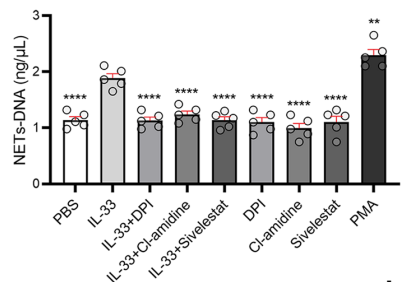
NET-DNA levels produced by RA neutrophils pretreated with 10 μM DPI, 10 μM Cl-Amidine or 20 μM sivelestat for 1 h prior to stimulation with 100 ng/mL IL-33 or 40 nM PMA for 4 h.
-
-
Adv Sci (Weinh)
pH/ROS-Responsive Injectable Hydrogel Co-Loaded with B7-H3 Blocker and NETs Suppressor Boosts OSCC Synergistic Immunotherapy. [Abstract]2026 Apr;13(20):e15431. PMID: 41684277 -
MedComm (2020)
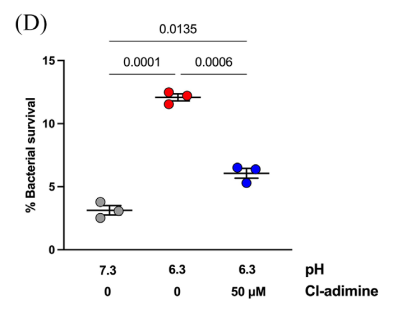
Outer membrane vesicle contributes to the Pseudomonas aeruginosa resistance to antimicrobial peptides in the acidic airway of bronchiectasis patients. [Abstract]2025 Jan 30;6(2):e70084. PMID: 39896756
Cl-amidine purchased from MedChemExpress. Usage Cited in: MedComm (2020). 2025 Jan 30;6(2):e70084. [Abstract]
Inhibition of OMV release with Cl-amidine, a protein arginine deiminase inhibitor, significantly reversed the reinforcing effect of lactate-adjusted low-pH conditions on the P. aeruginosa LL-37 resistance
-
J Hazard Mater
Interleukin-33 modulates NET formation via an autophagy-dependent manner to promote neutrophilic inflammation in cigarette smoke-exposure asthma. [Abstract]2025 Apr 5:487:137257. PMID: 39842125
Cl-amidine purchased from MedChemExpress. Usage Cited in: J Hazard Mater. 2025 Apr 5:487:137257. [Abstract]
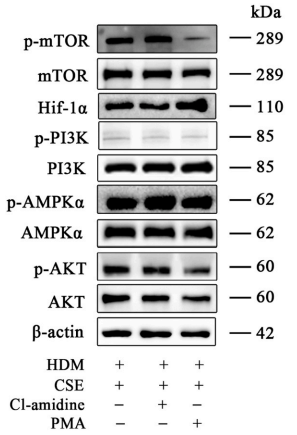
In the co-culture, inhibiting NET formation (treated with 200 μM Cl-amidine for 15 min) downregulated the HIF-1αpathway and upregulated p-mTOR, while stimulating NETs (treated with 100 nM PMA for 3 h) had the opposite effect.
-
Free Radic Biol Med
Neutrophil extracellular traps promote M1 macrophage polarization in gouty inflammation via targeting hexokinase-2. [Abstract]2024 Nov 1:224:540-553. PMID: 39277122
Cl-amidine purchased from MedChemExpress. Usage Cited in: Free Radic Biol Med. 2024 Nov 1:224:540-553. [Abstract]
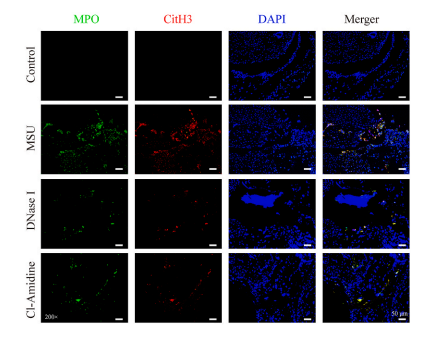
GA mice were pretreated with DNase I or Cl-Amidine (a PAD4 inhibitor). Elevated NETs (marked with histone H3 and MPO) in GA mice were significantly reduced after treatment with DNase I or Cl-Amidine (50 mg/kg, ip).
Cl-amidine purchased from MedChemExpress. Usage Cited in: Free Radic Biol Med. 2024 Nov 1:224:540-553. [Abstract]
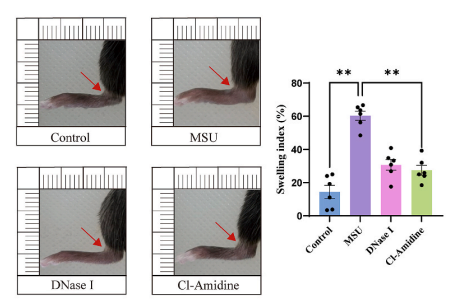
Based on the analysis of the ankle swelling index, the swelling index was significantly increased in the MSU group when compared with the control group. DNase I or Cl-Amidine (50 mg/kg, ip) treatment significantly reduced the swelling index in GA mice.
-
Cell Rep
Inappropriate use of antibiotics exacerbates inflammation through OMV-induced pyroptosis in MDR Klebsiella pneumoniae infection. [Abstract]2021 Sep 21;36(12):109750. PMID: 34551309 -
Chin Med
Fuzheng Jiedu formula attenuates acute pneumonia by coordinated regulation of macrophage NLRP3 inflammasome and neutrophil NETs. [Abstract]2026 Jan 4;21(1):1. PMID: 41484909 -
J Agric Food Chem
T-2 Toxin Induces Macrophage Extracellular Trap Formation via CLOCK-WNT10B-PAD2/ROS Signaling. [Abstract]2026 Jun 10;74(22):17392-17404. PMID: 42207496 -
Transl Res
Neutrophil Extracellular Traps Induce Abdominal Aortic Aneurysm Formation by Promoting the Synthetic and Proinflammatory Smooth Muscle Cell Phenotype via Hippo-YAP Pathway. [Abstract]2023 May:255:85-96. PMID: 36435329 -
Int Immunopharmacol
Inhibition of neutrophil infiltration and NETosis ameliorates sepsis-induced cardiac injury and reduces myocardial inflammation and apoptosis. [Abstract]2026 Jan 1;168(Pt 1):115862. PMID: 41248570 -
-
-
Neoplasia
PAD4-dependent citrullination of nuclear translocation of GSK3β promotes colorectal cancer progression via the degradation of nuclear CDKN1A. [Abstract]2022 Nov;33:100835. PMID: 36113195 -
J Inflamm Res
Fire Needling Acupuncture Reduces Neutrophil Extracellular Traps (NETs) Formation and Inhibits TLR4/NF-κB/LCN2 Pathway in Psoriasis-Like Skin Lesions. [Abstract]2026 Mar 20:19:569462. PMID: 41907203 -
J Inflamm Res
Standardized Extract of Flavonoids from Smilax glabra Alleviates Gouty Arthritis by Multi-Target Inhibition of Neutrophil Extracellular Traps via the Raf/ERK and Histone Citrullination Pathways. [Abstract]2026 Feb 13:19:557809. PMID: 41709965 -
Fish Shellfish Immunol
Zinc oxide nanoparticles (ZnO-NPs) exhibit immune toxicity to crucian carp (Carassius carassius) by neutrophil extracellular traps (NETs) release and oxidative stress. [Abstract]2022 Oct:129:22-29. PMID: 35932984 -
Chem Res Toxicol
Polychlorinated Biphenyl Quinone Metabolites Cause Neutrophil Extracellular Traps in Mouse Bone Marrow Neutrophils. [Abstract]2022 Apr 18;35(4):597-605. PMID: 35168318 -
Microb Pathog
Cl-amidine attenuates lipopolysaccharide-induced mouse mastitis by inhibiting NF-κB, MAPK, NLRP3 signaling pathway and neutrophils extracellular traps release. [Abstract]2020 Dec:149:104530. PMID: 32980473 -
Immun Inflamm Dis
Neutrophil Extracellular Traps Activate Meningeal Fibroblast to Aggravate Subarachnoid Fibrosis in Kaolin-Induced Hydrocephalus in Rats. [Abstract]2025 Nov;13(11):e70268. PMID: 41236114 -
Microvasc Res
Light-induced circadian rhythm disorder leads to microvascular dysfunction via up-regulating NETs. [Abstract]2023 Nov:150:104592. PMID: 37567437 -
Vet Parasitol
2026 May:344:110769. PMID: 41967379 -
Vet Parasitol
Giardia duodenalis trophozoites triggered bovine neutrophil extracellular traps formation dependent on P2X1 receptor and PAD4 in vitro. [Abstract]2022 Dec:312:109841. PMID: 36427458 -

Protocols
-
RNA extraction experimental
By lysing cells, releasing RNA, and removing impurities such as proteins and DNA, high-purity RNA products are finally obtained. The commonly used traditional method is the guanidine isothiocyanate/phenol/chloroform method (Trizol), which is suitable for a variety of animal materials including animal tissues, microorganisms, cultured cells, etc., and most plant materials.
-
Apoptosis
Apoptosis, also called programmed cell death, is generally characterized by distinct morphological characteristics.
-
TUNEL staining for apoptotic DNA fragmentation
TUNEL staining detects DNA strand breaks by using terminal deoxynucleotidyl transferase to add labeled nucleotides to exposed 3′-OH DNA termini, generating either microscopic staining in fixed cells or tissue sections, or fluorescence/cytometric signal in cell suspensions. TUNEL positivity reflects DNA fragmentation but should not be interpreted alone as definitive apoptosis, because TUNEL can also label necrotic, autolytic, mechanically damaged, or DNA-repair-associated DNA breaks.
-
Cell Cytotoxicity Assay
Cytotoxicity assays are usually based on the assessment of cell membrane damage, which can also be indirectly detected by measuring cell viability. Detection methods include MTT assay, CKK-8 assay, LDH assay and ATP assay, etc.
-
Flow cytometric DNA-content cell-cycle staining
Flow cytometric DNA-content cell-cycle staining measures the fluorescence intensity of DNA-bound fluorochromes in single cells or nuclei to estimate DNA content distributions, allowing assignment of populations to G0/G1, S, and G2/M phases by DNA histogram deconvolution. Propidium iodide (PI) intercalates into DNA, and PI fluorescence is proportional to cellular DNA content when staining is performed under conditions that make DNA accessible and minimize non-DNA signal. Cells with G2/M DNA content are expected to show approximately twice the fluorescence intensity of G0/G1 cells, while S-phase cells occupy intermediate fluorescence values. PI-based DNA-content analysis can also detect cells with fractional DNA content, often reported as sub-G1, when DNA fragmentation and extraction during staining reduce retained DNA signal in apoptotic cells. DAPI is an alternative DNA fluorochrome for univariate DNA-content analysis, while bivariate approaches combining DNA content with proliferation
-
LPS-Induced Endotoxemia/Systemic Inflammation
Lipopolysaccharide (LPS)-induced endotoxemia is a widely used in vivo model of acute systemic inflammation in which LPS, a Gram-negative bacterial endotoxin, activates innate immune signaling primarily through TLR4, leading to rapid and transient induction of pro-inflammatory cytokines such as TNF-α, IL-6, and IL-1β in circulation and tissues. This cytokine surge is commonly used as a measurable readout of systemic inflammatory activation and immune dysregulation, and is typically assessed within hours after intraperitoneal LPS administration in mouse models of endotoxemia. The model captures key features of systemic inflammatory response syndrome, including cytokine release, immune cell activation, and downstream tissue responses, and has been used to evaluate anti-inflammatory interventions such as cytokine modulation, lipid mediators, and immune cell-targeting therapies.
-
Annexin V plus membrane-impermeant dye apoptosis staining
Annexin V-based apoptosis assays rely on the detection of phosphatidylserine (PS) externalization from the inner leaflet of the plasma membrane to the outer leaflet, an early biochemical hallmark of apoptosis. Fluorescently labeled Annexin V binds PS in a calcium-dependent manner, enabling identification of early apoptotic cells by flow cytometry or fluorescence microscopy. When combined with a membrane-impermeant DNA-binding dye (e. g. , propidium iodide), this approach allows discrimination between viable (Annexin V−/dye−), early apoptotic (Annexin V+/dye−), and late apoptotic or necrotic (Annexin V+/dye+) cell populations by assessing membrane integrity and PS exposure.
-
BrdU Incorporation Assay
Bromodeoxyuridine (BrdU) incorporation assay is based on the principle that BrdU, a thymidine analog, is incorporated into newly synthesized DNA during the S phase of the cell cycle, thereby serving as a marker of DNA replication and cellular proliferation. Incorporated BrdU can be detected using anti-BrdU antibodies following DNA denaturation, enabling visualization or quantification of proliferating cells through immunochemical detection methods such as immunofluorescence or immunohistochemistry.
-
Apoptosis Solutions
Apoptosis is a regulated, generally non-lytic cell-death pathway that removes unwanted, damaged, infected, or abnormal cells through coordinated morphological changes, caspase activation, DNA fragmentation, and membrane remodeling. The intrinsic apoptosis pathway is controlled mainly by mitochondrial outer membrane permeabilization, BCL-2 family proteins, cytochrome c release, apoptosome formation, caspase-9 activation, and downstream executioner caspase-3/7 activation. The extrinsic apoptosis pathway is initiated by death receptors such as Fas, TNFR, and TRAIL receptors, which recruit adaptor proteins and activate caspase-8 before engaging executioner caspases or mitochondrial amplification through BID cleavage. Apoptosis is linked to many phenotypes, including cancer cell killing, tissue homeostasis, immune regulation, neurodegeneration, infection response, and treatment-induced cytotoxicity; unresolved questions include how apoptosis interacts with necroptosis, pyroptosis, ferroptos
-
Protocol for Cell Cycle
Cell-cycle analysis by flow cytometry measures DNA content in single cells to estimate the fraction of cells in G0/G1, S, and G2/M phases. Propidium iodide intercalates into DNA, and after RNA removal with RNase, fluorescence intensity reflects cellular DNA content: 2N cells are assigned to G0/G1, cells between 2N and 4N to S phase, and 4N cells to G2/M. DNA-content analysis alone cannot reliably separate G0 from G1 or G2 from M. Ki-67 can distinguish quiescent G0 cells from cycling cells, EdU or BrdU incorporation marks active DNA synthesis in S phase, and phospho-histone H3 staining identifies mitotic cells within the 4N population.


Purity & Documentation
References
[1]. Yuan Luo, et al. Inhibitors and Inactivators of Protein Arginine Deiminase 4: Functional and Structural Characterization. Biochemistry. 2006 Oct 3; 45(39): 11727–11736. [Content Brief]
[2]. Chumanevich AA, et al. Suppression of colitis in mice by Cl-amidine: a novel peptidylarginine deiminase inhibitor. Am J Physiol Gastrointest Liver Physiol. 2011 Jun;300(6):G929-38. [Content Brief]
[3]. Witalison EE, et al. Molecular targeting of protein arginine deiminases to suppress colitis and prevent colon cancer. Oncotarget. 2015 Nov 3;6(34):36053-62. [Content Brief]
[4]. Biron BM, et al., Cl-Amidine Prevents Histone 3 Citrullination and Neutrophil Extracellular Trap Formation, and Improves Survival in a Murine Sepsis Model. J Innate Immun. 2017;9(1):22-32. [Content Brief]
[5]. Bryan Knuckley, et al. Substrate Specificity and Kinetic Studies of PADs 1, 3, and 4 Identify Potent and Selective Inhibitors of Protein Arginine Deiminase 3. Biochemistry. 2010 Jun 15;49(23):4852-63. [Content Brief]

Calculators
Concentration (start) × Volume (start) = Concentration (final) × Volume (final)


Cl-amidine Related Classifications
HY-100574 Related Classifications
 Powered by Bioz