



Cancer Immunotherapy
Cancer immunotherapy (CIT) is a type of biological therapy, aiming to improve anti-tumor immune responses with fewer off-target effects than chemotherapy. Several types of immunotherapy include: oncolytic virus therapies, cancer vaccines, cytokine therapies, adoptive cell transfer (ACT), and immune checkpoint inhibitors (ICIs). In particular, ICIs and ACT have obtained immense clinical response, but their efficacy varies from person to person. Immune cells can be harnessed to eliminate tumor cells, such as T cells, B cells, NK cells, and myeloid cells. T cells have potent tumor-killing capability, therefore, a plethora of cancer immunotherapy research have focused on inducing T-cell-mediated anti-tumor responses. CTLA-4 and PD-1 are found on the cell surface of T cells as co-inhibitory receptors. The breakthrough in cancer immunotherapy results from the identification and subsequent targeting of checkpoint mechanisms in T cells with monoclonal antibodies against CTLA-4 and programmed death-ligand 1/programmed death-1 (PD-L1/PD-1).
Several types of cancers (e.g., melanoma, mismatch repair-deficient cancers, bladder cancer, and non-small cell lung cancer) have achieved significant clinical responses in T-cell checkpoint blockade therapies. However, single-mode immunotherapy faces challenges such as low immune response, low tumor infiltration, and complex immunosuppressive tumor microenvironment. Recently, combined therapies based on tumor immunity have received extensive attention in the research of enhancing tumor cells immunogenicity and inhibiting their growth. For example, anti CTLA-4 and PD-1, immune checkpoint blockade (ICB) combined with chemotherapy, anti-angiogenic drugs and kinase inhibitors.
-
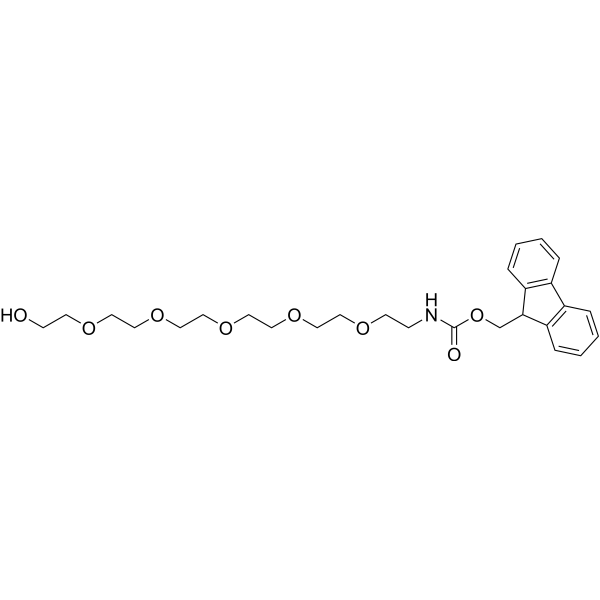
Fmoc-NH-PEG6-alcohol
 0 ImagesCat. No.: HY-139292CAS No.: 1884208-29-0
Fmoc-NH-PEG6-alcohol is a cleavable ADC linker used in the synthesis of antibody-drug conjugates (ADCs). Fmoc-NH-PEG6-alcohol is extracted from patent WO2016030791, example comp 91.
-
PQ32
 0 ImagesCat. No.: HY-175265
PQ32 is an antitumor agent that targets c-MYC Pu27 and KRAS G-quadruplexes. PQ32 inhibits tumor cell proliferation, arrests the cell cycle at the G2 phase, and induces apoptosis. PQ32 inhibits the expression of c-MYC and KRAS genes. PQ32 can inhibit tumor growth in mice and is used in the study of lymphoma, breast cancer, lung cancer, hepatocellular carcinoma, colorectal cancer, and other cancers.
-
ASD141
 0 ImagesCat. No.: HY-P992314
-
Valproic acid magnesium
 0 ImagesCat. No.: HY-W794759CAS No.: 62959-43-7Synonyms: Magnesium valproate; VPA magnesium; 2-Propylpentanoic acid magnesium
Valproic acid magnesium (Magnesium valproate) is an orally active HDAC inhibitor, with IC50 in the range of 0.5 and 2 mM. Valproic acid magnesium inhibits HDAC1 (IC50, 400 μM), and induces proteasomal degradation of HDAC2. Valproic acid magnesium activates Notch1 signaling and inhibits proliferation in small cell lung cancer (SCLC) cells. Valproic acid magnesium is used in the epilepsy, bipolar disorder, metabolic disease, HIV infection and prevention of migraine headaches.
-
IQS-019
 0 ImagesCat. No.: HY-124605CAS No.: 1630804-24-8
IQS-019 is a B cell receptor (BCR) kinase inhibitor. IQS-019 can inhibit the de-phosphorylation of constitutive and IgM-activated Syk, Lyn, and Btk. IQS-019 can inhibit cell proliferation, migration and induce apoptosis. IQS-019 exhibits antitumor activity and can be used for the research of cancer, such as B cell lymphoma.
-
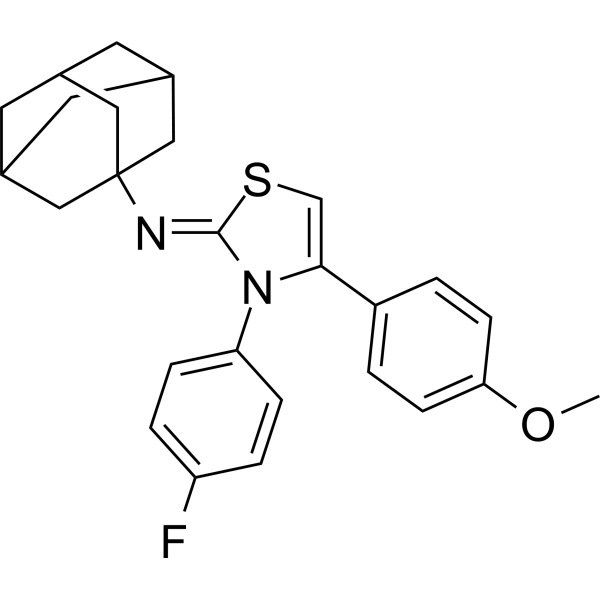
Antiproliferative agent-18
 0 ImagesCat. No.: HY-152091CAS No.: 2882206-14-4
Antiproliferative agent-18 (Compound 5k) is an anti-proliferative agent. Antiproliferative agent-18 also displays moderate anti-bacterial and anti-fungi activity.
-
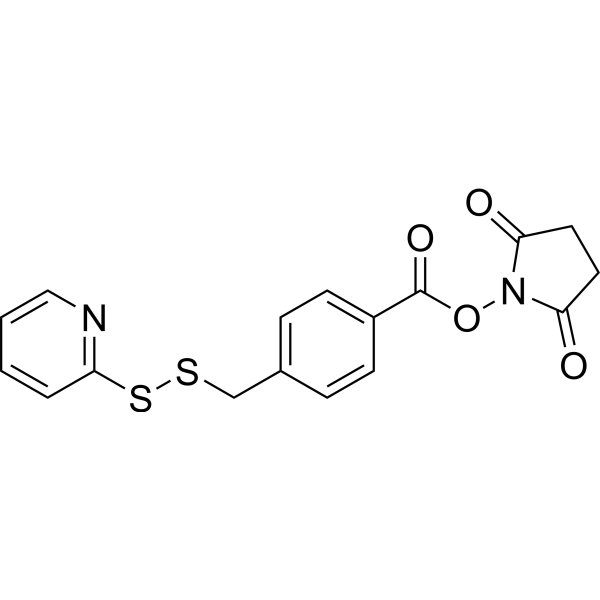
4-Succinimidyl-oxycarbonyl-α-(2-pyridyldithio)toluene
 0 ImagesCat. No.: HY-133538CAS No.: 160854-54-6
4-Succinimidyl-oxycarbonyl-α-(2-pyridyldithio)toluene is a non-cleavable ADC linker used in the synthesis of antibody-drug conjugates (ADCs).
-
Anticancer agent 360
 0 ImagesCat. No.: HY-189125
Anticancer agent 360 is a broad-spectrum antibacterial agent. Anticancer agent 360 binds to the ATP pocket of the GyrB subunit of DNA gyrase via an Arg84 salt bridge, interfering with gyrase-dependent DNA supercoiling. Anticancer agent 360 disrupts bacterial biofilms and inhibits the metabolic activity of respiratory chain dehydrogenases. Anticancer agent 360 exhibits activity against Gram-positive bacteria, Gram-negative bacteria, and fungal strains. Anticancer agent 360 exerts selective cytotoxicity against liver cancer cells. Anticancer agent 360 can be used in studies related to bacterial infections and liver cancer.

-
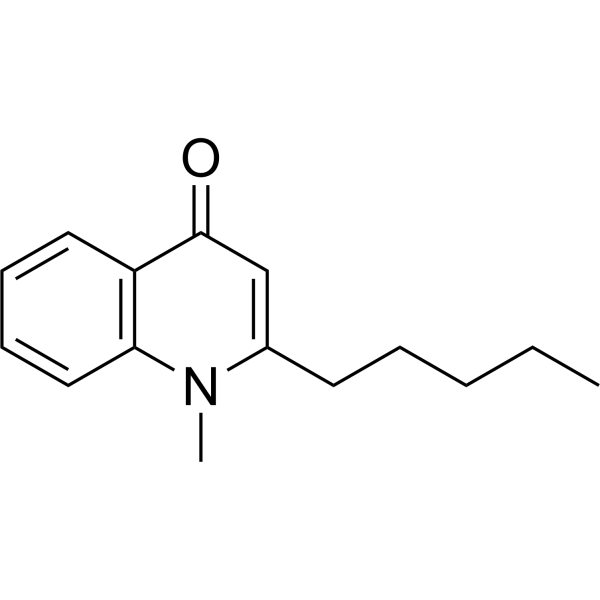
1-Methyl-2-pentyl-4(1H)-quinolinone
 0 Images
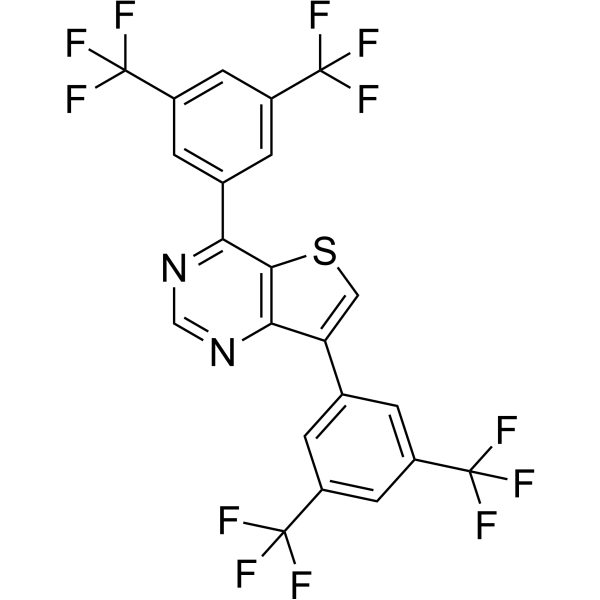
1-Methyl-2-pentyl-4(1H)-quinolinone, a quinolone alkaloid isolated from the fruits of Evodia Rutaecarpa, possesses antibacterial and cytotoxic activities for cancer cells.
-
EGFR-IN-191
 0 ImagesCat. No.: HY-181093
EGFR-IN-191 is an anti-tumor agent targeting both EGFR and AKT. EGFR-IN-191 exerts its anti-tumor activity by inducing DNA damage, apoptosis, cell cycle arrest, and inhibition of the PI3K/AKT-EGFR signaling pathway in tumor cells. EGFR-IN-191 can be used in the study of tumors such as triple-negative breast cancer.
-
MJ33
 0 ImagesCat. No.: HY-136271CAS No.: 137300-78-8
MJ-33 is a competitive phospholipase A₂ (PLA₂) inhibitor with an IC50 of 0.3 μM. MJ-33 inhibits the activation of NOX2 by blocking the PLA₂ activity of Prdx6, thereby reducing the production of ROS. MJ-33 effectively inhibits the activity of acidic PLA₂ (pH 4.0), reduces the degradation of pulmonary surfactant phosphatidylcholine (PC), but has no effect on alkaline PLA₂ (pH 8.5). MJ-33 significantly alleviates lung oxidative damage induced by ischemia-reperfusion (I/R). MJ-33 significantly inhibits the invasive, migratory and adhesive abilities of prostate cancer cells by suppressing the MAPK, AKT, NF-κB and AP-1 signaling pathways. MJ-33 can be used to study ROS-related diseases and prostate cancer.
-
SUCNR1 antagonist-1
 0 ImagesCat. No.: HY-183639
SUCNR1 antagonist-1 is an orally active SUCNR1 antagonist. SUCNR1 antagonist-1 forms stable, water-bridged hydrogen bonds with key residue Glu221.31 to stabilize binding conformation and modulates protein conformational flexibility. SUCNR1 antagonist-1 blocks succinate-mediated SUCNR1 signaling and induces cell apoptosis. SUCNR1 antagonist-1 can be used for the research of colorectal carcinoma.
-
Erythromycin A dihydrate
 0 ImagesCat. No.: HY-B0220ECAS No.: 59319-72-1
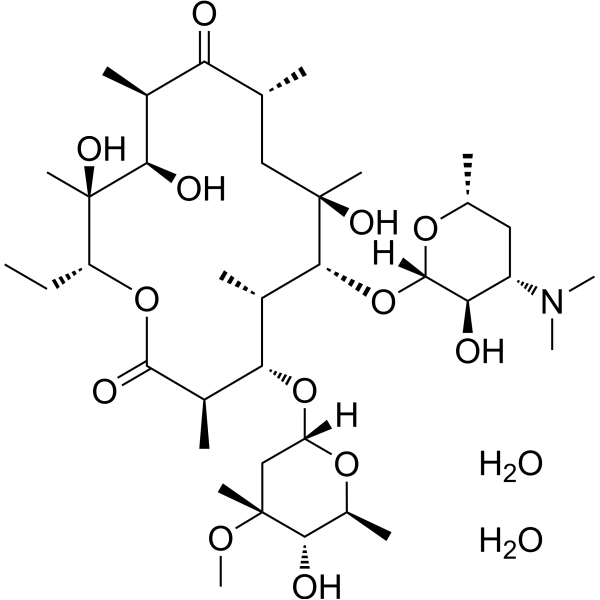
Erythromycin A dihydrate is a macrolide antibiotic produced by actinomycete Streptomyces erythreus with a broad spectrum of antimicrobial activity. Erythromycin A dihydrate binds to bacterial 50S ribosomal subunits and inhibits RNA-dependent protein synthesis by blockage of transpeptidation and/or translocation reactions, without affecting synthesis of nucleic acid[1][2]. Erythromycin A dihydrate also exhibits antitumor and neuroprotective effect in different fields of research[3][4].
-
4-Acetylaminoantipyrine-d3
 0 ImagesCat. No.: HY-W268542S1CAS No.: 342821-66-3
4-Acetylaminoantipyrine-d3 is the deuterium labeled 4-Acetylaminoantipyrine (HY-W268542). 4-Acetylaminoantipyrine (4-AA) is a derivative of antipyrine (HY-B0171). 4-Acetylaminoantipyrine acts as a PGE2-dependent blocker and inhibitor of cyclooxygenase (COX). 4-Acetylaminoantipyrine can inhibit Cu/ZnSOD. 4-Acetylaminoantipyrine can spontaneously bind with bovine serum albumin (BSA) and alter its conformation.
-
BTF-DNBS
 0 ImagesCat. No.: HY-175329
BTF-DNBS is a glutathione (GSH)-responsive small-molecule photosensitizer (PS). BTF-DNBS disrupts mitochondrial function and triggers Golgi-mediated pyroptosis, serving as a reactive oxygen species (ROS) generator. BTF-DNBS is promising for research of cancers.
-
Aurein 3.3
 0 ImagesCat. No.: HY-P5576CAS No.: 302343-15-3
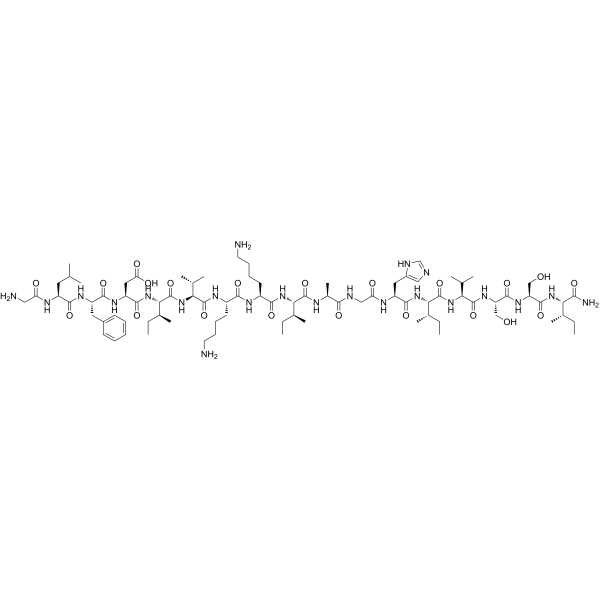
Aurein 3.3 is an antibiotic antimicrobial peptide. Aurein 3.3 also has anticancer activity.
-
CTB006
 0 ImagesCat. No.: HY-P992340
CTB006 is a monoclonal antibody targeting a humanized chimeric recombinant anti-DR5. CTB006 specifically binds to and activates DR5, thereby inducing tumor cell apoptosis, inhibiting tumor growth and reducing tumor drug resistance. 177Lu-radiolabeled CTB006 can deliver targeted radiotherapy to tumor cells; while 89Zr- or 177Lu-labeled CTB006 can serve as a PET/CT imaging agent for detecting DR5 expression levels in preclinical tumor models and screening cancers with DR5 overexpression. CTB006 can be applied to research related to gastrointestinal cancer, colorectal cancer and other solid tumors.
-
Karanjin (Standard)
 0 Images
Karanjin (Standard) is the analytical standard of Karanjin. This product is intended for research and analytical applications. Karanjin is an orally active furanoflavonoid which can be isolated from several Leguminosae. Karanjin exhibits evident anti-diabetic, anti-cancer, anti-inflammatory, antioxidant, anticolitis, anti-ulcer, anti-Alzheimer properties and multiple insect repellent/insecticidal, acaricide properties, suggesting the potential of Karanjin to be applied to relevant research.



