



Cancer Targeted Therapy
Cancer targeted therapy is the foundation of precision medicine; it uses drugs or other substances to target specific genes and proteins that control cancer cells’ growth, division and spreading. Compared to traditional chemotherapy drugs, targeted-drugs can specifically act on cancer cells with high efficacy without damaging normal cells. Drugs used in cancer targeted therapy mainly includes small molecules and macromolecules (e.g., monoclonal antibodies), which can target cancer cells and constituents in the tumor microenvironment to activate the immune system. Anti-angiogenesis drugs, such as those targeting vascular endothelial growth factor (VEGF), epidermal growth factor receptor (EGFR), transforming growth factor (TGF)-α, TGF-β, Tumor necrosis factor (TNF)-α, and platelet-derived endothelial growth factor (PDGFR) inhibit the proliferation and metastasis of cancer cells. In recent years, the proportion of antibody drugs in cancer treatment has gradually become prominent. Antibody-drug conjugates (ADCs) are a new type of targeted drugs that are composed of monoclonal antibody, cytotoxic drug and linker. ADCs can deliver drugs to tumor cells and minimize the toxicity to normal tissues. Proteolysis-targeting chimera (PROTAC) is a useful technology for targeted protein degradation. PROTAC exploits the ubiquitin-proteasome system and forms a ternary complex with a hijacked E3 ubiquitin ligase and target protein, leading to polyubiquitination and degradation of the target protein.
Targeted therapy is a useful strategy in treatment of cancer either alone or in combination with standard chemotherapy. At present, targeted therapy has proved significant clinical success in the treatment of many types of cancer, including breast cancer, colorectal cancer, leukemia, ovarian cancer and lung cancer.
-
DOTA-ECL1i
 0 Images
DOTA-ECL1i is a conjugate of the CCR2 inhibitor ECL1i (HY-P11553) and DOTA. When radiolabeled with 68Ga, DOTA-ECL1i serves as a PET tracer that targets CCR2 expression. DOTA-ECL1i can be used in research related to pulmonary fibrosis, cardiac injury, abdominal aortic aneurysm inflammation, atherosclerosis, head and neck cancer, and pancreatic cancer.
-
NH2-PEG2-methyl acetate
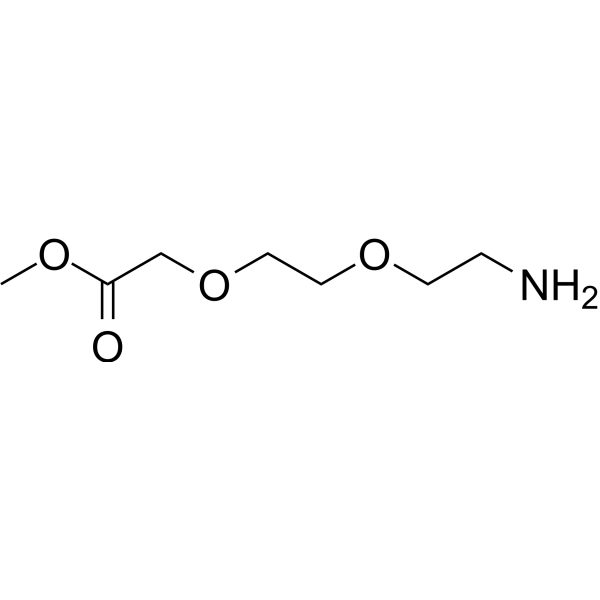 0 ImagesCat. No.: HY-W096162CAS No.: 741235-80-3
-
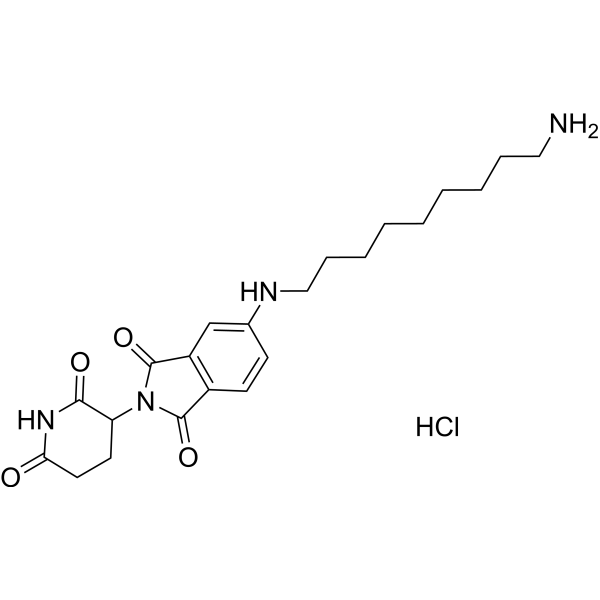
Pomalidomide-PEG5-C2-NH2 hydrochloride
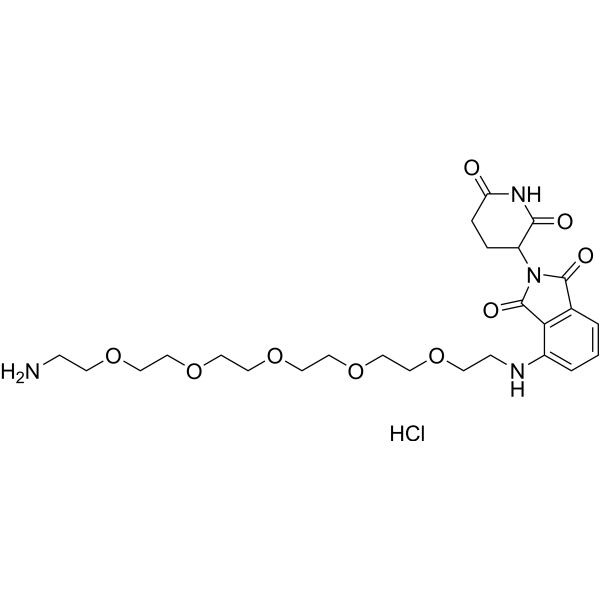 0 ImagesCat. No.: HY-148662CAS No.: 2357117-23-6
-
Chrysomycin A
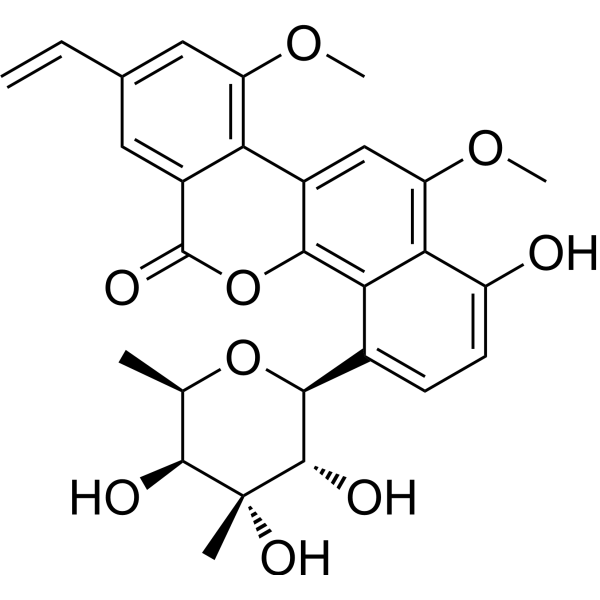 0 ImagesSynonyms: Chr-A
Chrysomycin A (Chr-A), an antibiotic, can be obtained from Streptomyces. Chrysomycin A exhibits antitumor and anti-tuberculous and MRSA activities. As for glioblastoma, Chrysomycin A inhibits the proliferation, migration, and invasion of cancer cells through the Akt/GSK-3β/β-catenin signaling pathway.
-
Kisspeptin-54(human) TFA
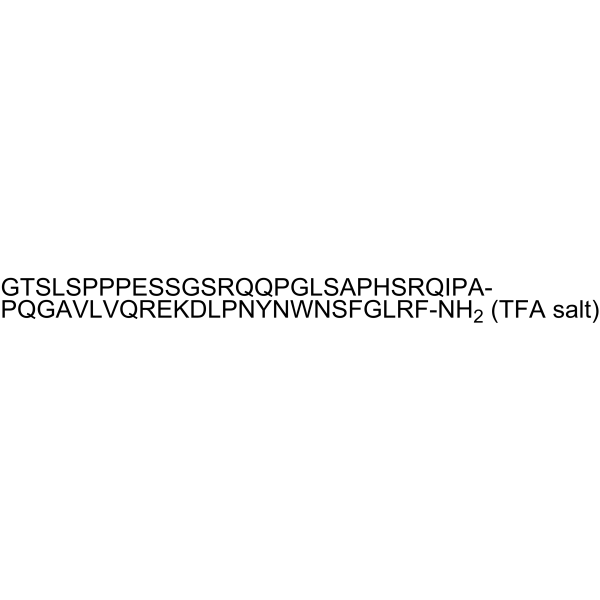 0 ImagesCat. No.: HY-P1022APurity: 98.86%Synonyms: Metastin(human) TFA
Kisspeptin-54(human) TFA (Metastin(human) TFA) is an endogenous ligand for kisspeptin receptor (KISS1, GPR54). Kisspeptin-54(human) TFA binds to rat and human GPR54 receptors with Ki values of 1.81 nM and 1.45 nM, respectively. Kisspeptin-54(human) TFA hinders tumor metastasis and stimulates gonadotropin secretion.
-
RPARPAR acetate
 0 ImagesCat. No.: HY-P11647APurity: 99.47%
RPARPAR acetate is a CendR tumor-penetrating peptide. RPARPAR acetate directly binds to the NRP-1 and NRP-2 receptors on the surface of tumor cells, triggering cellular internalization, vascular extravasation, and penetration into tumor tissues. RPARPAR acetate serves as an efficient ligand for targeting nanocarriers to NRP-1-positive tumors. RPARPAR acetate is applicable in research on tumor targeting and drug delivery.
-
Zemlikafusp alfa
 0 ImagesCat. No.: HY-P992074Synonyms: IPH6501
Zemlikafusp alfa (IPH6501) is a tetra-specific NK cell engager that targets CD20, CD16a, NKp46 and carries an IL-2 variant. Zemlikafusp alfa (IPH6501) is used in research for the treatment of relapsed/refractory B-cell non-Hodgkin lymphoma.
-
Oncrasin-60
 0 ImagesSynonyms: NSC-741909
-
Lys-Nε-SPDB-DM4
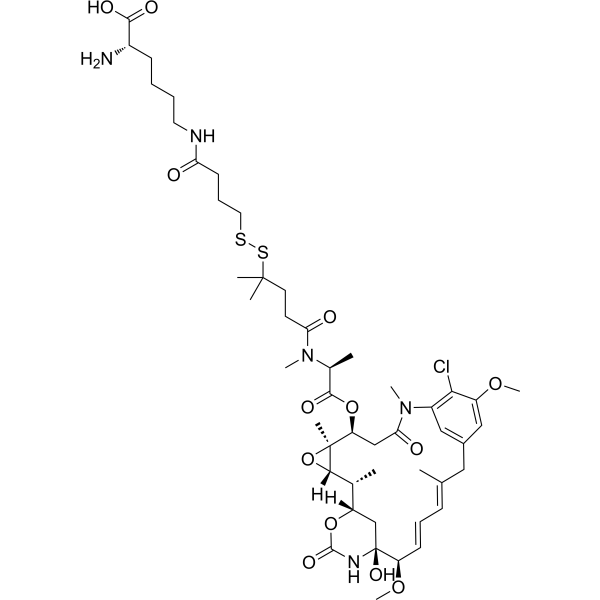 0 Images
Lys-Nε-SPDB-DM4 is a agent-linker conjugate composed of a potent a tubulin inhibitor DM4 and a linker Lys-Nε-SPDB to make antibody agent conjugate (ADC).
-
Azido-PEG9-alcohol
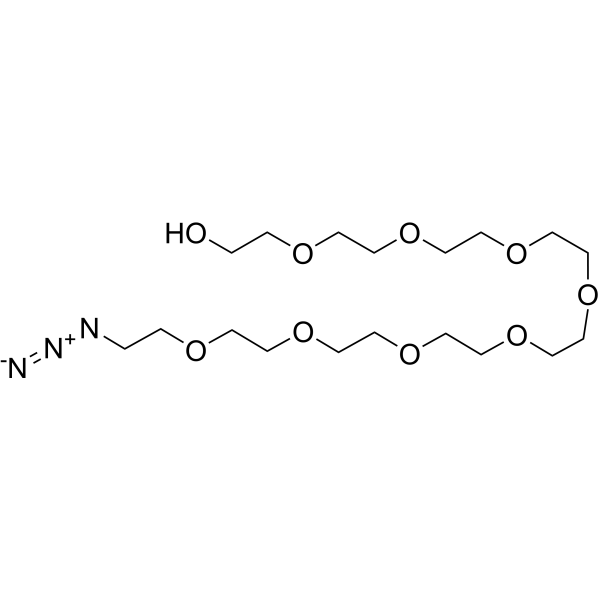 0 ImagesCat. No.: HY-140800CAS No.: 1984776-37-5
Azido-PEG9-alcohol is a PEG-based PROTAC linker that can be used in the synthesis of PROTACs. Azido-PEG9-alcohol is a click chemistry reagent, it contains an Azide group and can undergo copper-catalyzed azide-alkyne cycloaddition reaction (CuAAc) with molecules containing Alkyne groups. It can also undergo strain-promoted alkyne-azide cycloaddition (SPAAC) reactions with molecules containing DBCO or BCN groups.
-
hsa-miR-100-5p inhibitor
 0 ImagesCat. No.: HY-RI00015
hsa-miR-100-5p inhibitors are chemically-modified oligonucleotides that hybridize with mature miRNAs. The miRNA inhibitors have full-length nucleotide 2'-methoxy modification. The miRNA inhibitors strongly compete with mature miRNAs to prevent the complementary pairing of miRNAs and their target genes, thereby inhibiting miRNAs from functioning.
-
hsa-miR-518f-5p inhibitor
 0 ImagesCat. No.: HY-RI01575
hsa-miR-518f-5p inhibitors are chemically-modified oligonucleotides that hybridize with mature miRNAs. The miRNA inhibitors have full-length nucleotide 2'-methoxy modification. The miRNA inhibitors strongly compete with mature miRNAs to prevent the complementary pairing of miRNAs and their target genes, thereby inhibiting miRNAs from functioning.
-
Neu5Ac-2Galβ1-3Glc-oxazoline-(2)Me sodium
 0 ImagesCat. No.: HY-180467A
Neu5Ac-2Galβ1-3Glc-oxazoline-(2)Me (Compound G12) sodium is a disaccharide linker. Neu5Ac-2Galβ1-3Glc-oxazoline-(2)Me sodium can be efficiently recognized by the endo-glycosidase Endo-S2 and can be directedly transferred to the conserved N-glycosylation site (Asn297 position) of the antibody's Fc domain through enzymatic catalytic reactions, thereby achieving site-specific modification of the antibody. Neu5Ac-2Galβ1-3Glc-oxazoline-(2)Me sodium can be used for for the synthesis of antibody-conjugated drugs (ADCs).
-
mmu-miR-326-3p antagomir
 0 ImagesCat. No.: HY-RI03025A
mmu-miR-326-3p antagomirs are chemically-modified oligonucleotides that hybridize with mature miRNAs. The miRNA antagomirs have 2 phosphorothioates at the 5' end, 4 phosphorothioates at the 3' end, 1 cholesterol group at the 3' end, and full-length nucleotide 2'-methoxy modification. The miRNA antagomirs strongly compete with mature miRNAs to prevent the complementary pairing of miRNAs and their target genes, thereby inhibiting miRNAs from functioning. Stability of miRNA antagomirs appears to be significantly higher than miRNA inhibitors, they exhibits enhanced cellular uptake, stability and regulatory activity in vivo.
-
Blidarvetug
 0 Images
Blidarvetug is a veterinary monoclonal antibody targeting MS4A1/CD20, which can be used to study CD20-positive B-cell lymphoma in dogs.
-
mmu-miR-466l-3p antagomir
 0 ImagesCat. No.: HY-RI03185A
mmu-miR-466l-3p antagomirs are chemically-modified oligonucleotides that hybridize with mature miRNAs. The miRNA antagomirs have 2 phosphorothioates at the 5' end, 4 phosphorothioates at the 3' end, 1 cholesterol group at the 3' end, and full-length nucleotide 2'-methoxy modification. The miRNA antagomirs strongly compete with mature miRNAs to prevent the complementary pairing of miRNAs and their target genes, thereby inhibiting miRNAs from functioning. Stability of miRNA antagomirs appears to be significantly higher than miRNA inhibitors, they exhibits enhanced cellular uptake, stability and regulatory activity in vivo.
-
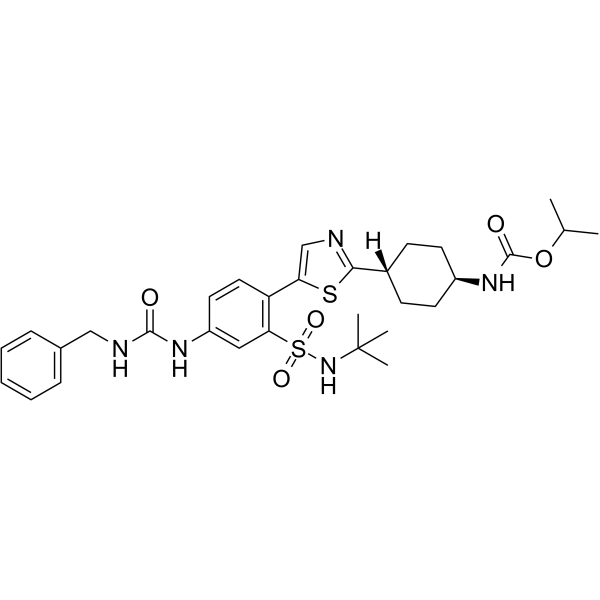
CDK12-IN-8
 0 Images
CDK12-IN-8 (Compound Cpd143) is an orally active and highly selective inhibitor of cyclin-dependent kinase 12 (CDK12). CDK12-IN-8 inhibits CDK12-mediated phosphorylation of the C-terminal domain (CTD) serine 2 of RNA polymerase II, interfering with gene transcription elongation and DNA damage repair pathways. CDK12-IN-8 is promising for research of cancers with high CDK12 expression such as small cell lung cancer and triple-negative breast cancer.



