Metabolic Disease
-
Metabolic Disease Related Products (16271)
Related Products (16271)

-
Antibodies (62)
-
Related Compound Screening Libraries (3)
-
Exerenibart
 0 ImagesSynonyms: REGN7999
REGN7999 is a monoclonal antibody that inhibits TMPRSS6. REGN7999 inhibits TMPRSS6 activity, preventing Hemojuvelin (HJV) lysis, thereby enhancing BMP6-HJV signaling and increasing serum hepcidin. REGN7999 ameliorates iron overload and impaired erythropoiesis in a β-thalassemia mouse model by inhibiting TMPRSS6 activity. REGN7999 is indicated for research in β-thalassemia.
-
1-Cyclohexyl-3-dodecyl urea
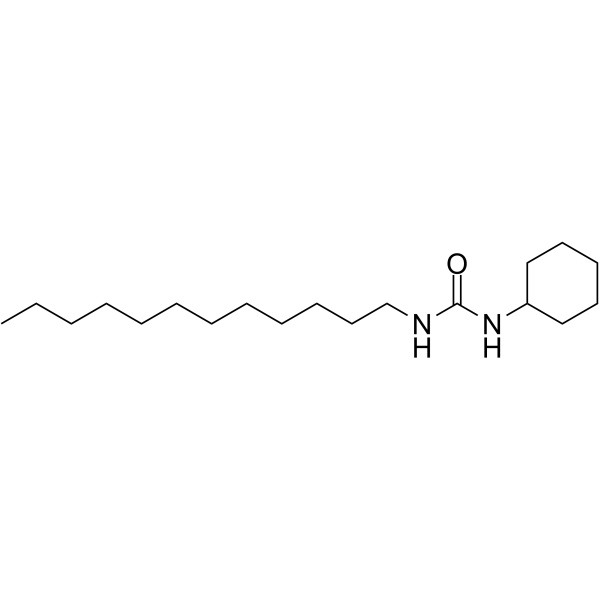 0 ImagesSynonyms: CDU; N-Cyclohexyl-N-dodecyl urea; NCND
1-Cyclohexyl-3-dodecyl urea (CDU; N-Cyclohexyl-N-dodecyl urea; NCND) is a highly selective soluble epoxide hydrolase (sEH) inhibitor. 1-Cyclohexyl-3-dodecyl urea (CDU; N-Cyclohexyl-N-dodecyl urea; NCND) increases epoxyeicosatrienoic acids (EETs) levels and lowers blood pressure in angiotensin II (Ang II) hypertension.
-
4-Chloro-3,5-dimethylphenoxyacetic acid
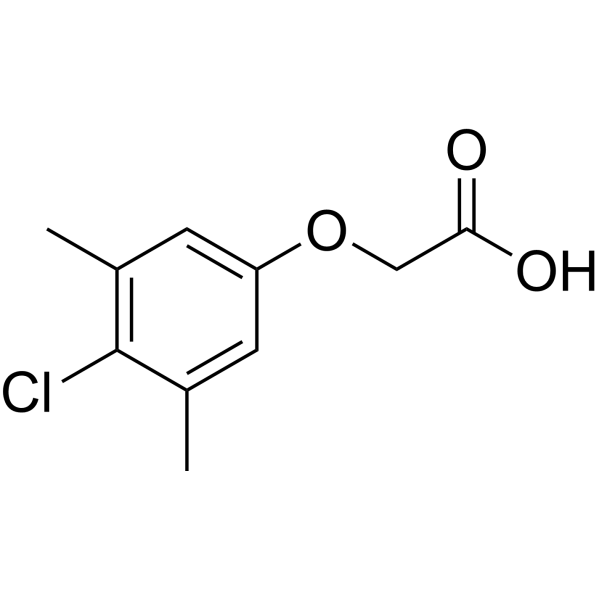 0 ImagesCat. No.: HY-116833CAS No.: 19545-95-0
-
Midaglizole hydrochloride
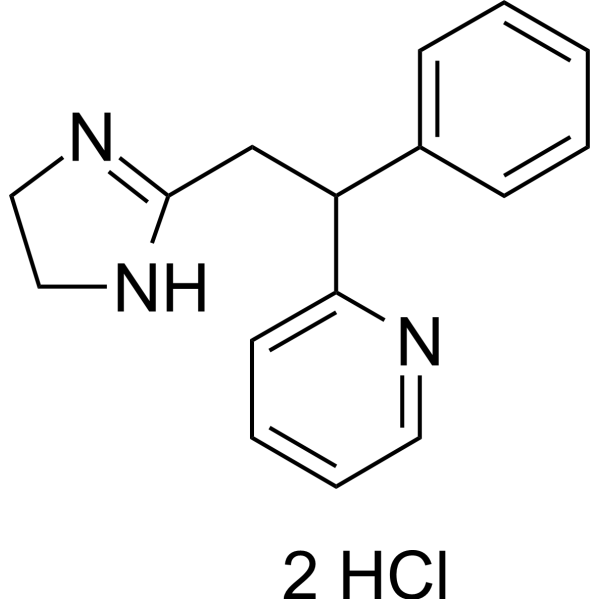 0 ImagesSynonyms: (±)-DG5128; DG5128
Midaglizole hydrochloride (DG5128) is a preferential α2-adrenoceptor antagonist. Midaglizole hydrochloride (DG5128) exhibits 7.4 times higher affinity (pKi=6.28) toward α2-adrenoceptor than α1-adrenoceptor.
-
Creatine monohydrate (Standard)
 0 Images
Creatine (monohydrate) (Standard) is the analytical standard of Creatine (monohydrate). This product is intended for research and analytical applications. Creatine monohydrate, an endogenous amino acid derivative, plays an important role in cellular energy, especially in muscle and brain.
-
Glycolic acid (Standard)
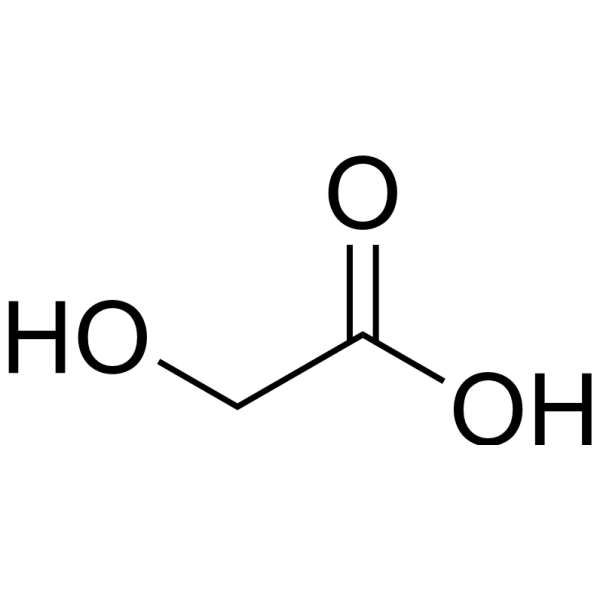 0 ImagesCat. No.: HY-W015967RCAS No.: 79-14-1Synonyms: Hydroxyethanoic acid (Standard)
Glycolic acid (Standard) is the analytical standard of Glycolic acid. This product is intended for research and analytical applications. Glycolic acid is an inhibitor of tyrosinase, suppressing melanin formation and lead to a lightening of skin colour.
-
L-Carnitine hydrochloride (Standard)
 0 ImagesSynonyms: (R)-Carnitine hydrochloride (Standard); Levocarnitine hydrochloride (Standard)
L-Carnitine (hydrochloride) (Standard) is the analytical standard of L-Carnitine (hydrochloride). This product is intended for research and analytical applications. L-Carnitine hydrochloride ((R)-Carnitine hydrochloride), a highly polar, small zwitterion, is an essential co-factor for the mitochondrial β-oxidation pathway. L-Carnitine hydrochloride functions to transport long chain fatty acyl-CoAs into the mitochondria for degradation by β-oxidation. L-Carnitine hydrochloride is an antioxidant. L-Carnitine hydrochloride can ameliorate metabolic imbalances in many inborn errors of metabolism.
-
(R,R)-THC
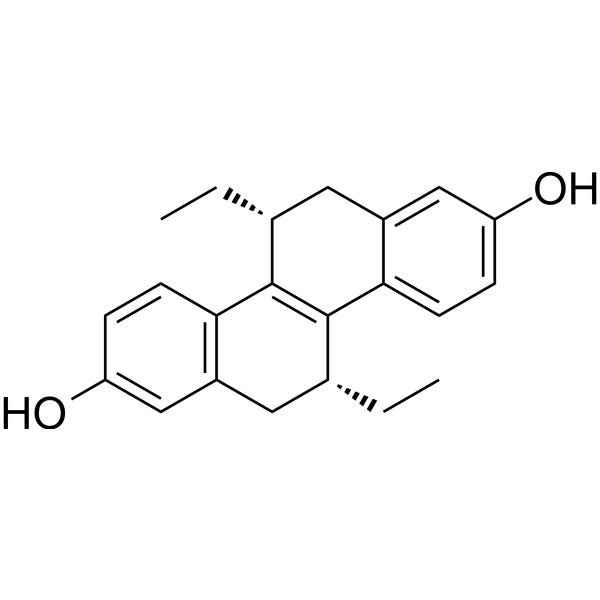 0 Images
(R,R)-THC is an ERα agonist and an ERβ antagonist, with Kis of 9.0 nM and 3.6 nM for ERα and ERβ, respectively. (R,R)-THC has higher relative binding affinity for ERβ than ERα with the values of 25 and 3.6.
-
Diethyl succinate (Standard)
 0 Images
Diethyl succinate (Standard) is the analytical standard of Diethyl succinate. This product is intended for research and analytical applications. Diethyl succinate (Diethyl Butanedioate) can be utilized at physiological pH, allowing it to penetrate biological membranes and integrate into the cells of tissue cultures, where it is metabolized via the tricarboxylic acid cycle. Diethyl succinate modulates the polarization and activation of microglial cells by reducing mitochondrial fission and the levels of reactive oxygen species (ROS), thereby exerting an inflammatory protective effect in primary microglial cells. Furthermore, Diethyl succinate is non-toxic and can be used in flavorings and seasonings.
-
Enterostatin (rat)
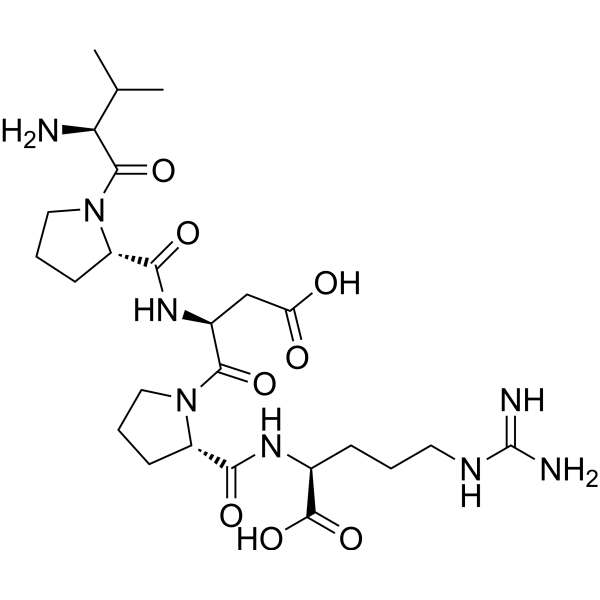 0 Images
Enterostatin (rat), an orally active activation peptide of procolipase, selectively reduces fat intake. Enterostatin (rat) reduces serum cholesterol levels by way of a CCK1 receptor-dependent mechanism.
-
Kudinoside D
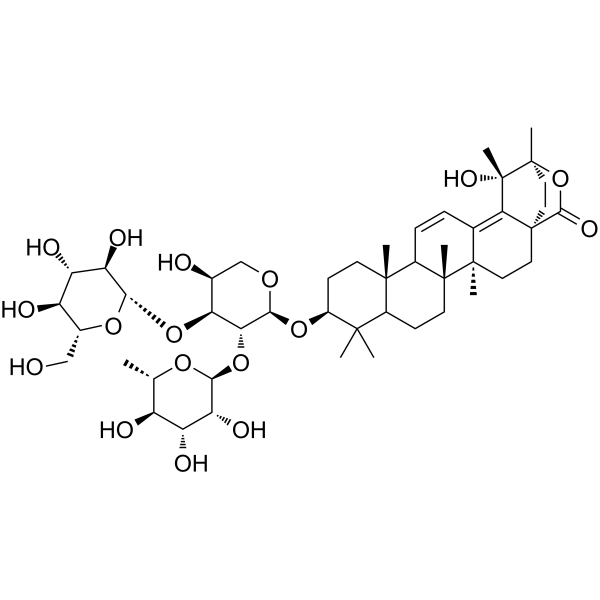 0 Images
Kudinoside D is a triterpenoid saponin. Kudinoside D is isolated from the leaves of Ilex kudingcha. Kudinoside D enhances the phosphorylation levels of AMPK and its downstream molecule ACC, and inhibits the expression of PPARγ, C/EBPα, SREBP-1c as well as the target genes of adipogenic transcription factors. Kudinoside D inhibits the activity of ANO1. Kudinoside D possesses hypolipidemic activity. Kudinoside D can be used in obesity-related research.
-
(R)-Verapamil
 0 ImagesSynonyms: Dexverapamil
(R)-Verapamil (Dexverapamil) is an optically enantiomer of the oral-active Verapamil (HY-14275). (R)-Verapamil has a relatively low affinity for L-type calcium channels (Cav1.2) (IC50 > 300 μM), and its IC50 for sodium channels (sodium channel) is 3.19 μM. (R)-Verapamil exhibits SSTR2 agonistic activity, with an EC50 of 1.3 μM. (R)-Verapamil significantly downregulates the expression of TXNIP protein in diabetic mouse models and significantly inhibits β-cell apoptosis (apoptosis), effectively controlling blood sugar. (R)-Verapamil can be used as a PET tracer for the function of P-glycoprotein (P-gp).

-
FXR/TGR5 agonist 1
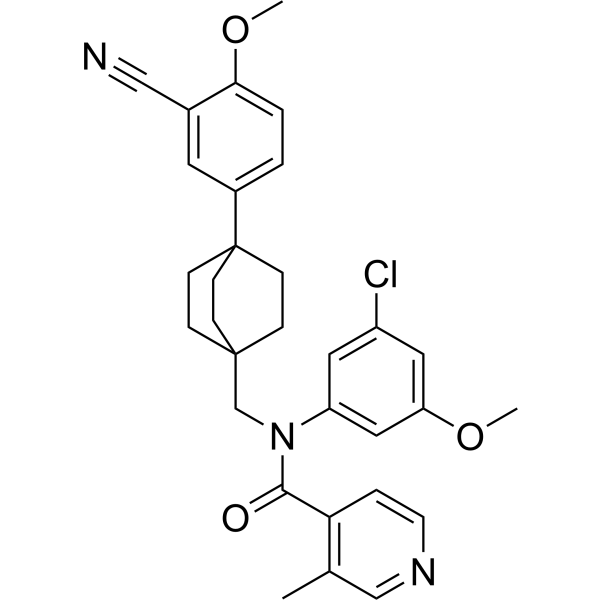 0 Images
FXR/TGR5 agonist 1 has agonist action on FXR and TGR5, and can be used for the research of fatty liver disease.
-
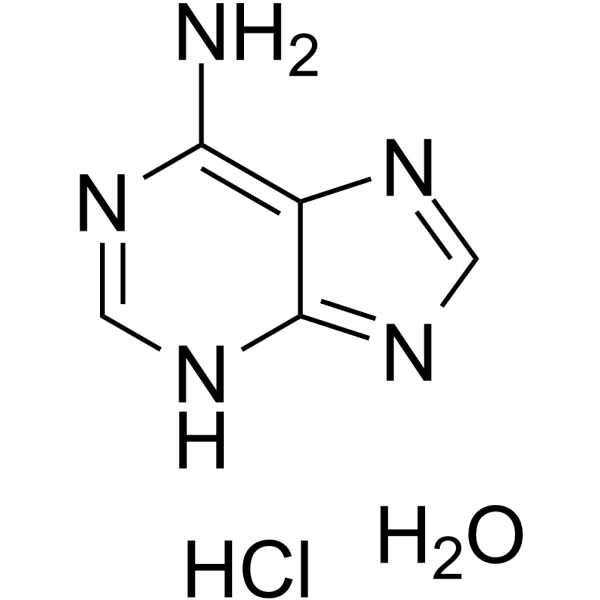
Adenine monohydrochloride hemihydrate
 0 Images
Adenine monohydrochloride hemihydrate is a hydrochloride derivative of Adenine. Adenine (6-Aminopurine), a purine, is one of the four nucleobases in the nucleic acid of DNA. Adenine acts as a chemical component of DNA and RNA. Adenine also plays an important role in biochemistry involved in cellular respiration, the form of both ATP and the cofactors (NAD and FAD), and protein synthesis.
-
Formic acid ammonium (Standard)
 0 ImagesCat. No.: HY-Y0488ARCAS No.: 540-69-2Synonyms: Ammonium formate (Standard)
Formic acid ammonium (Standard) is the analytical standard of Formic acid ammonium. This product is intended for research and analytical applications. Formic acid ammonium is the ammonium salt form of formic acid, which is an endogenous metabolite. Formic acid ammonium activates the nitric oxide/cyclic guanosine monophosphate (NO/cGMP) signaling pathway in endothelial cells and inhibits calcium ion influx in vascular smooth muscle cells, resulting in vasomotor relaxation. Formic acid ammonium inhibits cytochrome C oxidase (CcO) and disrupts the electron transport chain, leading to ATP depletion. Formic acid ammonium can be used as a feed additive, which can lower the feed pH value, inhibit the growth of microorganisms (such as Escherichia coli, Salmonella), and extend the shelf life of the feed.
-
Arachidonoyl-L-carnitine chloride
 0 ImagesSynonyms: C20:4 Carnitine chloride; L-Arachidonoylcarnitine chloride; L-Carnitine arachidonoyl ester chloride
Arachidonoyl-L-carnitine (C20:4 Carnitine) chloride is an arachidonic acid-L-carnitine complex and also a substrate for β-oxidation. Arachidonoyl-L-carnitine chloride undergoes mitochondrial β-oxidation, a process that requires energy-dependent function provided by NADP+ transhydrogenase supplying NADPH for 2,4-enoyl-CoA reductase activity. Arachidonoyl-L-carnitine chloride shows reduced respiration under uncoupling conditions, and ATP partially restores its oxidation.
-
Mitochondrial respiration-IN-1 hydrobromide
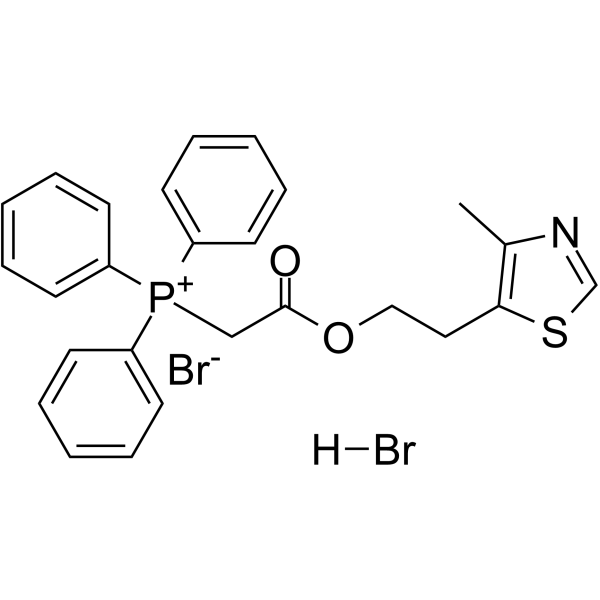 0 ImagesCat. No.: HY-131453APurity: 99.92%
Mitochondrial respiration-IN-1 hydrobromide (compound 49) is a potent mitochondrial inhibitor (IC50=8.8 mg/mL) extracted from patent US20110301180A1, compound 49. Mitochondrial respiration-IN-1 hydrobromide significantly reduces mitochondrial respiration in platelets.
-
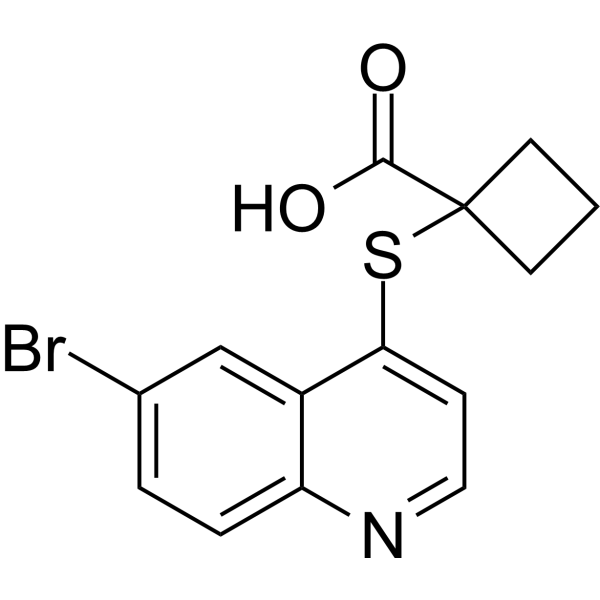
Ruzinurad
 0 ImagesSynonyms: HR011303; SHR4640
Ruzinurad (HR011303) is a highly selective URATl inhibitor (WO2020088641, compound I). Ruzinurad can be used in the study of hyperuricemia.
-
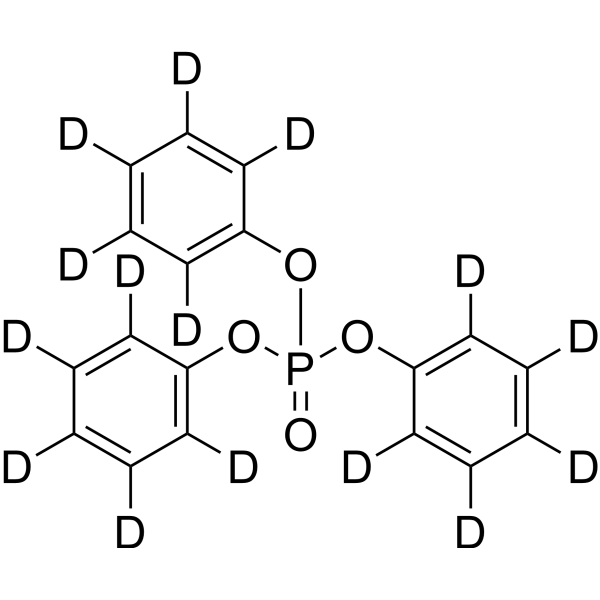
Triphenyl phosphate-d15
 0 ImagesSynonyms: Celluflex TPP-d15; DHPF 005-d15; Disflamol TP-d15; Disflamoll TP-d15; NSC 57868-d15; Phenyl phosphate ((PhO)3PO)-d15; Phoscon FR 903N-d15
Triphenyl phosphate-d15 is the deuterium labeled Triphenyl phosphate. Triphenyl phosphate is an orally active, blood-brain barrier-permeable aryl organophosphate flame retardant and endocrine disruptor. Triphenyl phosphate disrupts mitochondrial dynamic balance through oxidative stress, induces excessive mitophagy and apoptosis, and ultimately leads to myocardial fibrosis. In the brain, Triphenyl phosphate activates the NF-κB inflammatory pathway by disrupting the gut microbiota, alters tryptophan metabolism and elevates neurotoxins, thereby inducing anxiety- and depression-like behaviors. In the skeletal and reproductive systems, Triphenyl phosphate inhibits osteoblast differentiation and induces germ cell apoptosis by suppressing the MAPK/ERK pathway and activating the JNK signal, respectively. In adipose and placental tissues, Triphenyl phosphate promotes lipid accumulation by activating the PI3K/AKT-PPARγ axis, and disrupts placental metabolism via the MAOA/ROS/NF-κB cascade, impairing neurodevelopment of offspring.