



Selonsertib
Based on 25 publication(s) in Google Scholar
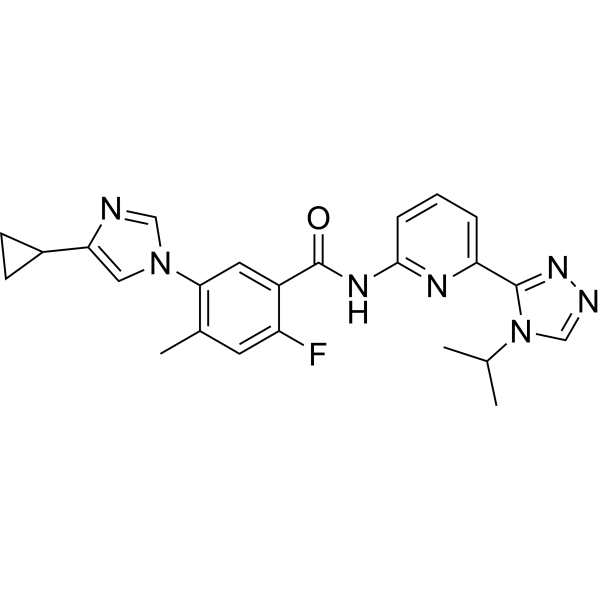
Selonsertib (GS-4997), an orally bioavailable, selective apoptosis signal-regulating kinase 1 (ASK1) inhibitor with a pIC50 of 8.3, has been evaluated as an experimental treatment for diabetic nephropathy and kidney fibrosis.
商品は「研究用試薬」です。人や動物の医療用・臨床診断用・食品用の製品ではありません。
研究用途以外に使用した場合、当社は一切の責任を負いかねます。
- 純度 : 98.87%
- CAS 番号: 1448428-04-3
- 分子式: C24H24FN7O
- 分子量:445.49
-
保管条件:Powder -20°C, 3 years , 4°C, 2 years ; In solvent -80°C, 1 year , -20°C, 6 months

To place orders, for customer services and technical support, please contact: MedChemExpress USA
Tel: 609-228-6898 E-mail: [email protected] [email protected]


-
 生物活性
生物活性
-
化学情報
-
溶剤 & 溶解度
- プロトコル
- 純度とドキュメンテーション
- 参考文献
-
 Help & FAQs


-
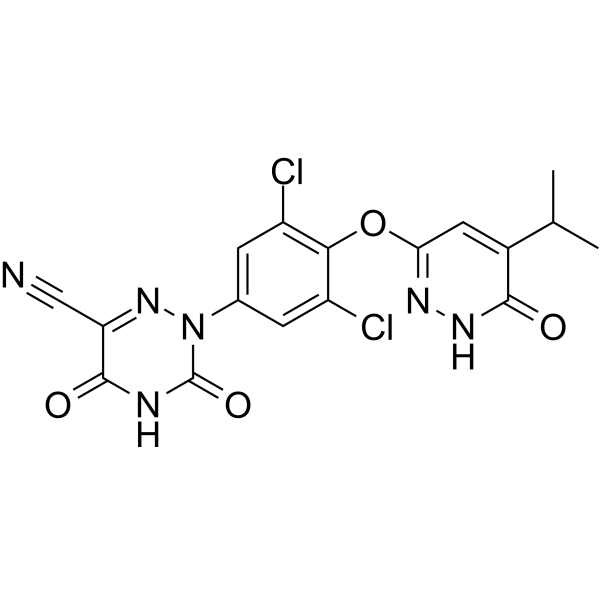
HY-12216
ResmetiromTHR-β Agonist -
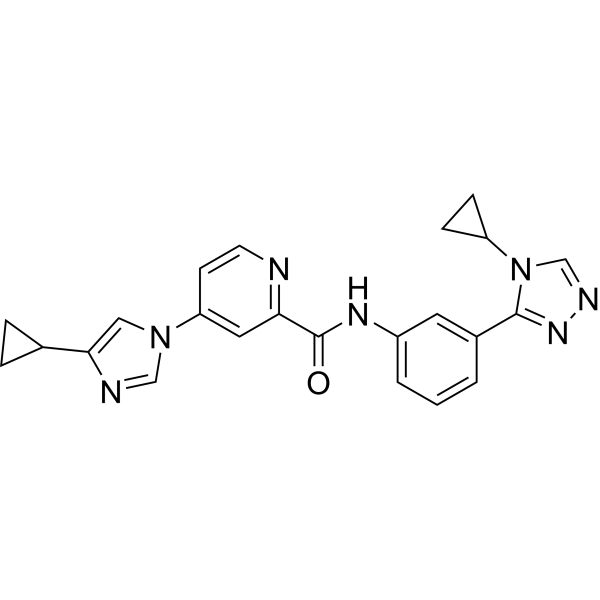
HY-100844
GS-444217ASK1 Inhibitor -
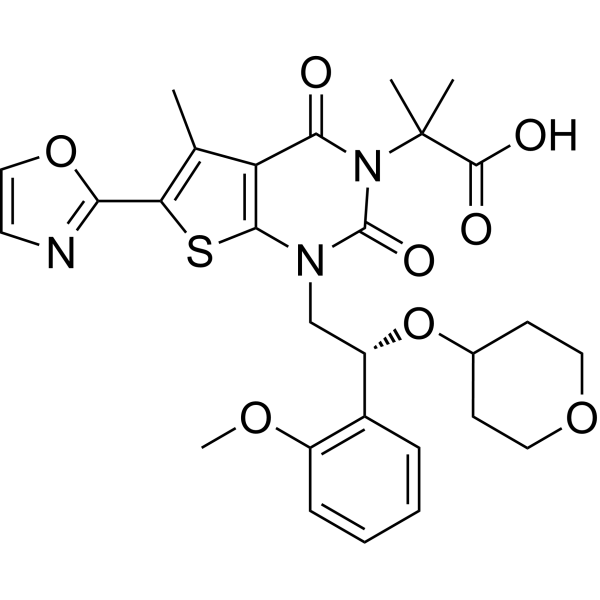
HY-16901
FirsocostatACC Inhibitor -
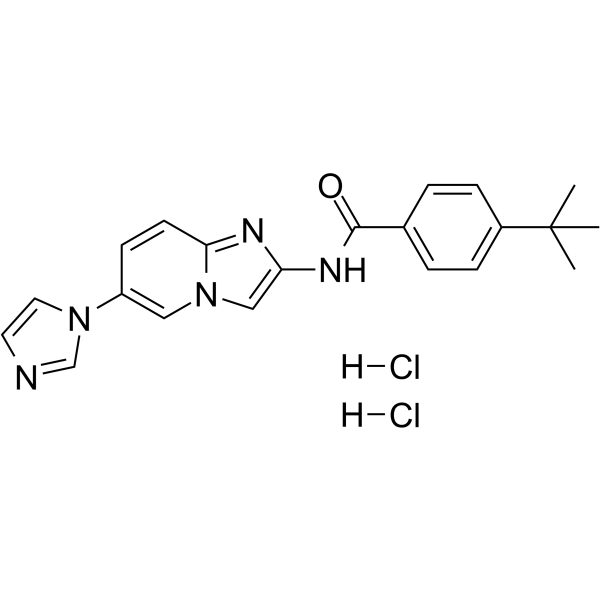
HY-103258
TC ASK 10ASK1 Inhibitor -
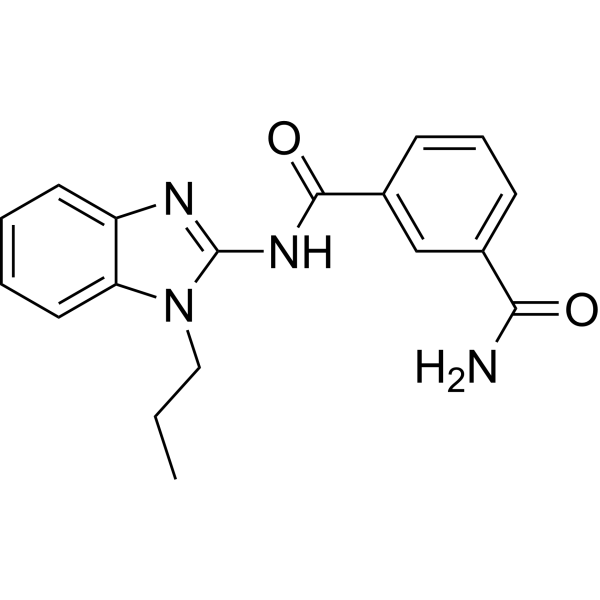
HY-103490
TakinibTAK1 Inhibitor -
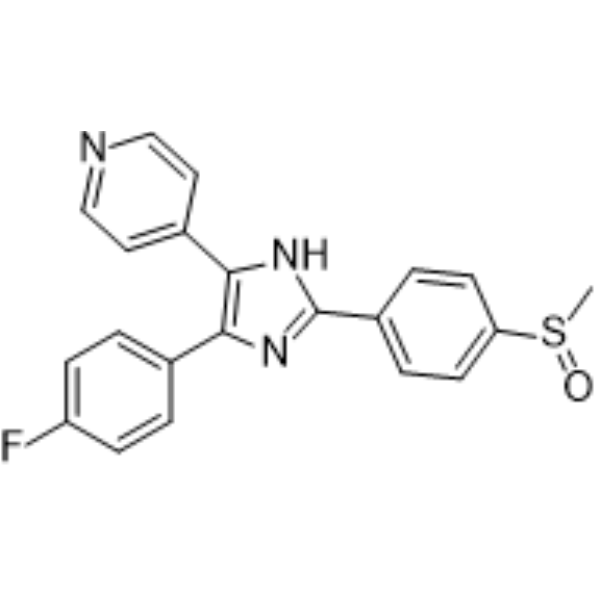
HY-10256
Adezmapimodp38 MAPK Inhibitor -
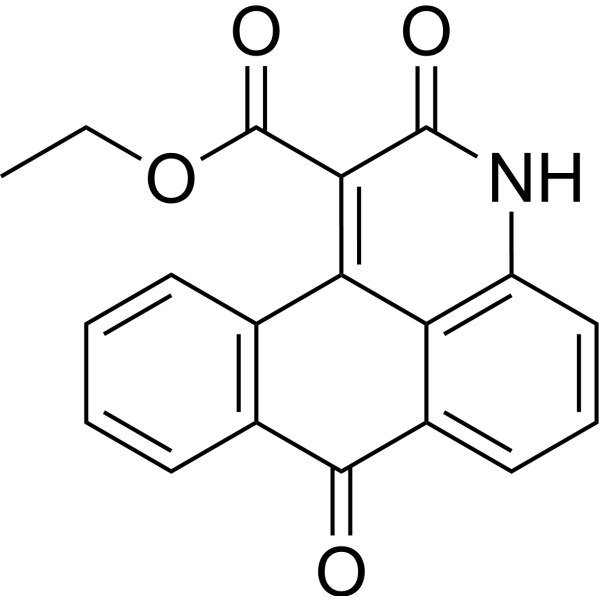
HY-19566
NQDI-1ASK1 Inhibitor -
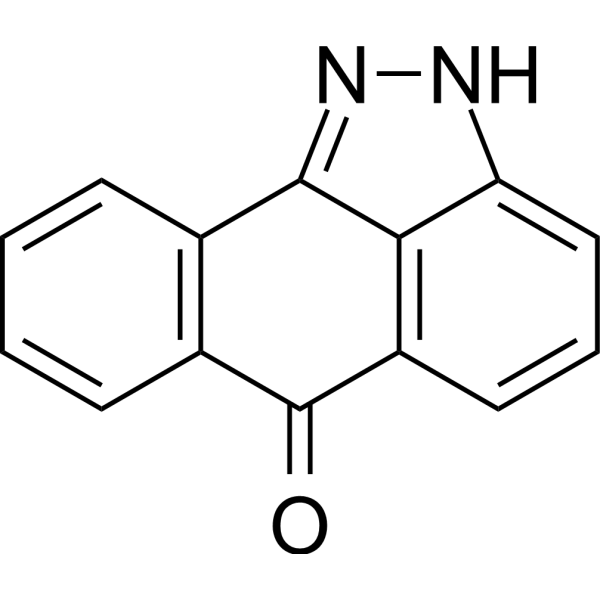
HY-12041
SP600125JNK Inhibitor -
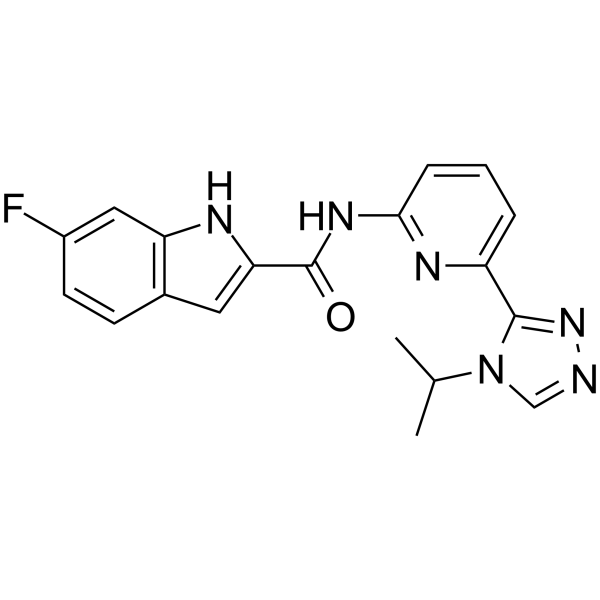
HY-131969
ASK1-IN-2ASK1 Inhibitor -
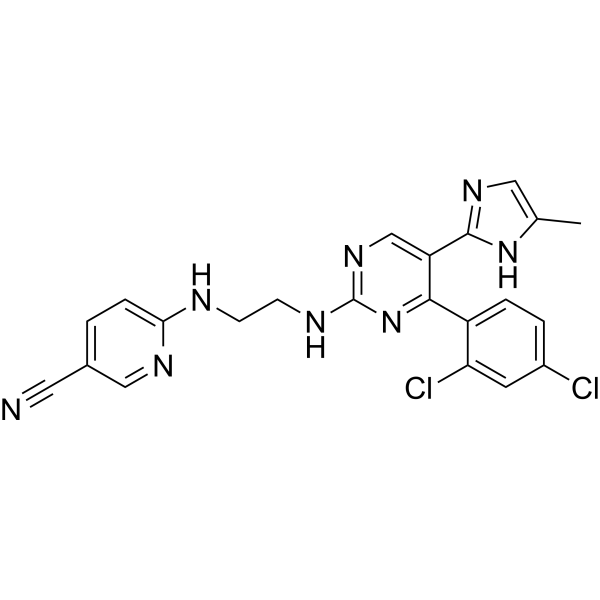
HY-10182
LaduviglusibGSK-3 Inhibitor -
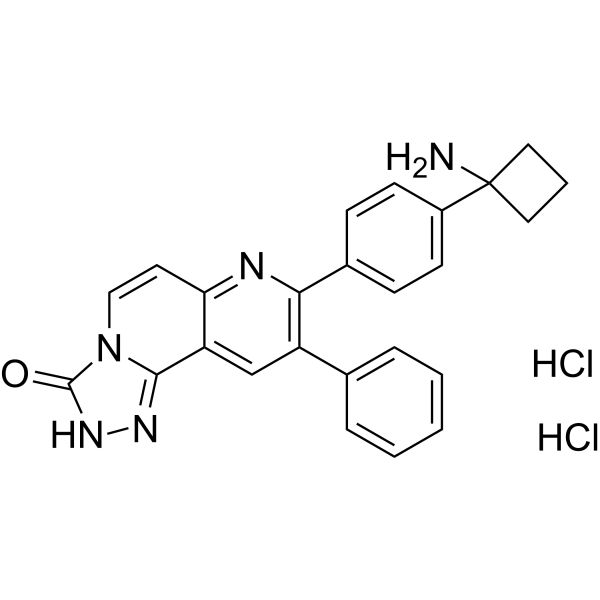
HY-10358
MK-2206 dihydrochlorideAllosteric Akt Inhibitor -
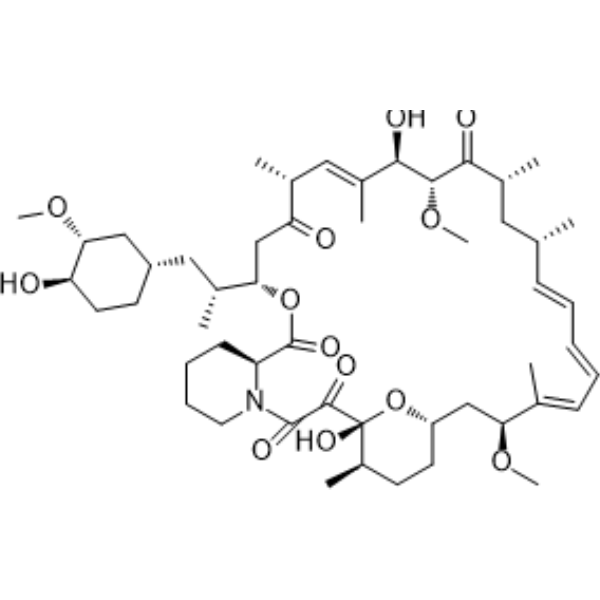
HY-10219
RapamycinmTOR Inhibitor
MedChemExpress(MCE)の使用を引用している文献 Selonsertib
More- Acta Pharm Sin B. 2025 Sep;15(9):4789-4806. [Abstract]
- Biomaterials. 2022 Nov:290:121817. [Abstract]
- Cell Death Dis. 2023 Aug 26;14(8):561. [Abstract]
- Phytomedicine. 2023 Mar:111:154646. [Abstract]
- J Hazard Mater. 2021 Jun 5:411:125179. [Abstract]
- Acta Pharmacol Sin. 2025 Jun 11. [Abstract]
- Basic Res Cardiol. 2026 Jun;121(3):459-479. [Abstract]
- Apoptosis. 2026 Apr 17;31(4):127. [Abstract]
- Phytother Res. 2023 Apr;37(4):1274-1292. [Abstract]
- Cell Biosci. 2021 Jan 7;11(1):9. [Abstract]
- Life Sci. 2026 Mar 1:388:124173. [Abstract]
- Commun Biol. 2025 May 21;8(1):781. [Abstract]
- Int Immunopharmacol. 2026 Mar 1:172:116121. [Abstract]
- Int Immunopharmacol. 2023 Jan:114:109563. [Abstract]
- Biochim Biophys Acta Mol Basis Dis. 2022 Dec 1;1868(12):166553. [Abstract]
- Sci Rep. 2024 Mar 11;14(1):5885. [Abstract]
- Cancers (Basel). 2022 Dec 15;14(24):6206. [Abstract]
- Neurochem Res. 2022 Dec;47(12):3829-3837. [Abstract]
- FASEB J. 2025 Dec 15;39(23):e71311. [Abstract]
- Animal Model Exp Med. 2025 Jan;8(1):102-113. [Abstract]
- PLoS One. 2024 Nov 1;19(11):e0308647. [Abstract]
- bioRxiv. 2026 Jan 25.
- University of Oxford. 2023 Oct.
- Research Square Print. 2022 Aug.
- Research Square Preprint. 2021 Jul.
 Customer Validation & Images

-
IF
-
Others
-
Histological Imaging/Staining
-
ELISA
-
IHC
MAP3K アイソフォーム固有の製品をすべて表示
More

生物活性
製品説明
IC50 & Target
[1]|
ASK1 8.3 (pIC50) |
Cellular Effect
|
Cell Line

|
Type | Value | Description | References |
|---|---|---|---|---|
| HEK-293T | IC50 |
20 nM
Compound: 4; GS-4997
|
Inhibition of V5 tagged human ASK1 expressed in HEK-293T cells assessed as reduction in T838 autophosphorylation incubated for 1 hr
Inhibition of V5 tagged human ASK1 expressed in HEK-293T cells assessed as reduction in T838 autophosphorylation incubated for 1 hr
|
[PMID: 31710475] |
| HEK-293T | IC50 |
20 nM
Compound: 3
|
Inhibition of V5 tagged human ASK1 expressed in HEK293T cells assessed as reduction in T848 autophosphorylation incubated for 1 hr by MSD assay
Inhibition of V5 tagged human ASK1 expressed in HEK293T cells assessed as reduction in T848 autophosphorylation incubated for 1 hr by MSD assay
|
[PMID: 32292554] |
| HepG2 | IC50 |
20 μM
Compound: 1; GS-4997
|
Cytotoxicity against human HepG2 cells assessed as inhibition of cell growth
Cytotoxicity against human HepG2 cells assessed as inhibition of cell growth
|
[PMID: 32289582] |
体外実験
Selonsertib (GS-4997) is a clinical stage ASK1 inhibitor, which has been evaluated as an experimental treatment for diabetic nephropathy and kidney fibrosis[1]. Selonsertib (GS-4997) is a highly selective and potent once-daily oral ASK1 inhibitor that competes with ATP in the ASK1 catalytic kinase domain[2].
MedChemExpress (MCE) has not independently confirmed the accuracy of these methods. They are for reference only. Further protocols information, click here.
臨床実験
| NCT Number | Sponsor | Condition | Start Date |
Phase
|
|---|---|---|---|---|
| NCT01329991 | Plexxikon| | 2011-05 | PHASE1 |


化学情報
-
CAS 番号 1448428-04-3
-
性状 Solid
-
分子量 445.49
-
分子式 C24H24FN7O
-
Color White to light yellow
-
SMILES
O=C(NC1=NC(C2=NN=CN2C(C)C)=CC=C1)C3=CC(N4C=C(C5CC5)N=C4)=C(C)C=C3F
-
別名
GS-4997
-
輸送条件
Room temperature in continental US; may vary elsewhere.
-
保管条件
Powder -20°C 3 years 4°C 2 years In solvent -80°C 1 year -20°C 6 months


Publications (25)
-
Journal Impact Factor
-
Most Recent
-
Acta Pharm Sin B
Palmitoylated SARM1 targeting P4HA1 promotes collagen deposition and myocardial fibrosis: A new target for anti-myocardial fibrosis. [Abstract]2025 Sep;15(9):4789-4806. PMID: 41049740
Selonsertib purchased from MedChemExpress. Usage Cited in: Acta Pharm Sin B. 2025 Sep;15(9):4789-4806. [Abstract]
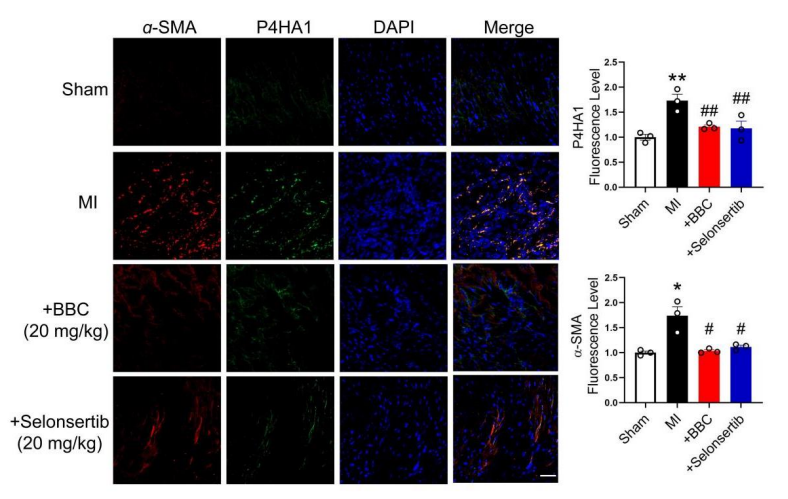
Immunofluorescence in determining the expression of P4HA1 after treated with Berberine (BBC; p.o.; 20 mg/kg for 7 days ) and Selonsertib (p.o.; 20 mg/kg for 7 days ) in the heart tissue of MI mice. n=3. *P < 0.05, **P < 0.01 vs. Sham, #P < 0.05, ##P < 0.01 vs. MI. Scale bar, 200 µm.
Selonsertib purchased from MedChemExpress. Usage Cited in: Acta Pharm Sin B. 2025 Sep;15(9):4789-4806. [Abstract]
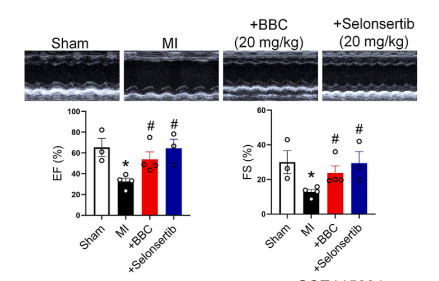
Echocardiographic detection of cardiac function changes in MI mice and treated with Berberine (BBC; p.o.; 20 mg/kg for 7 days ) and Selonsertib (p.o.; 20 mg/kg for 7 days ) . n=3-4. *P < 0.05 vs. Sham, #P < 0.05 vs. MI.
-
Biomaterials
2022 Nov:290:121817. PMID: 36208587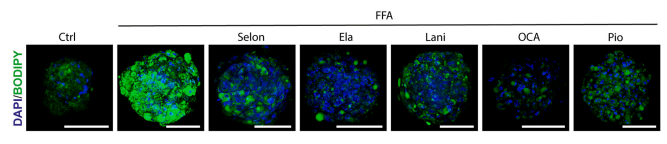
Selonsertib purchased from MedChemExpress. Usage Cited in: Biomaterials. 2022 Nov:290:121817. [Abstract]
Selonsertib (Selon; 10 μM; 10 days) slightly decreased the lipid uptake in the MCLS culture.
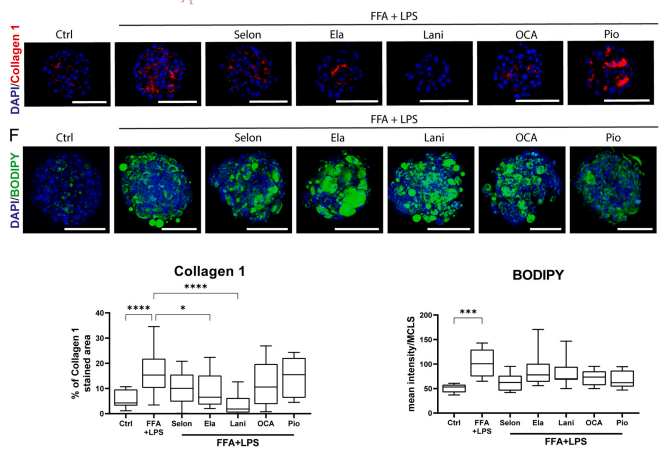
Selonsertib purchased from MedChemExpress. Usage Cited in: Biomaterials. 2022 Nov:290:121817. [Abstract]
Selonsertib (Selon; 10 μM; 48 h) slightly decreased the expression of Collagen 1 and lipid accumulation in the MCLS culture.
-
Cell Death Dis
Targeted inhibition of protein synthesis renders cancer cells vulnerable to apoptosis by unfolded protein response. [Abstract]2023 Aug 26;14(8):561. PMID: 37626037 -
Phytomedicine
Apigenin ameliorates non-eosinophilic inflammation, dysregulated immune homeostasis and mitochondria-mediated airway epithelial cell apoptosis in chronic obese asthma via the ROS-ASK1-MAPK pathway. [Abstract]2023 Mar:111:154646. PMID: 36645975 -
J Hazard Mater
Combined exposure of alumina nanoparticles and chronic stress exacerbates hippocampal neuronal ferroptosis via activating IFN-γ/ASK1/JNK signaling pathway in rats. [Abstract]2021 Jun 5:411:125179. PMID: 33858114 -
Acta Pharmacol Sin
Targeting PPARα activation sensitizes glioblastoma cells to temozolomide and reverses acquired resistance by inhibiting H3K18 lactylation. [Abstract]2025 Jun 11. PMID: 40500345 -
Basic Res Cardiol
Deubiquitinase USP43 exacerbates myocardial ischemia-reperfusion injury by stabilizing ASK1 and activating the JNK/P38 MAPK pathway. [Abstract]2026 Jun;121(3):459-479. PMID: 42012501 -
Apoptosis
2026 Apr 17;31(4):127. PMID: 41995771 -
Phytother Res
Perilla frutescens L. alleviates trimethylamine N-oxide-induced apoptosis in the renal tubule by regulating ASK1-JNK phosphorylation. [Abstract]2023 Apr;37(4):1274-1292. PMID: 36420586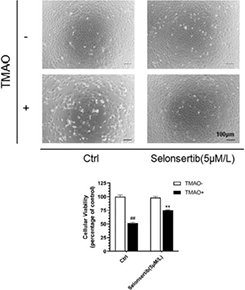
Selonsertib purchased from MedChemExpress. Usage Cited in: Phytother Res. 2023 Apr;37(4):1274-1292. [Abstract]
Selonsertib (5 µM) alleviates TMAO-induced morphological changes and improve cellular viability in RTEC cells.
-
Cell Biosci
Selonsertib, a potential drug for liver failure therapy by rescuing the mitochondrial dysfunction of macrophage via ASK1-JNK-DRP1 pathway. [Abstract]2021 Jan 7;11(1):9. PMID: 33413667 -
Life Sci
Galectin-9 in human trophoblast cells: Implications for maternal-fetal immune balance and pregnancy complications. [Abstract]2026 Mar 1:388:124173. PMID: 41544754 -
Commun Biol
2025 May 21;8(1):781. PMID: 40399666
Selonsertib purchased from MedChemExpress. Usage Cited in: Commun Biol. 2025 May 21;8(1):781. [Abstract]
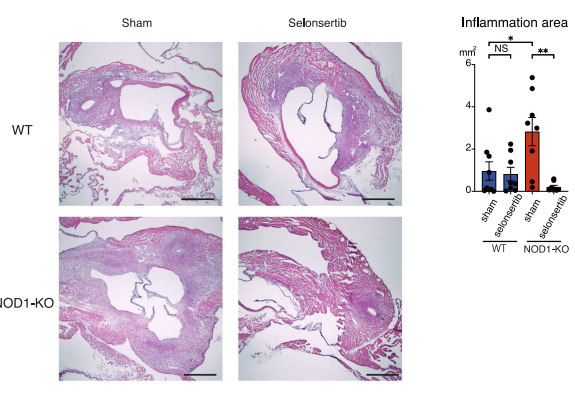
Selonsertib (15 mg/kg; IP; daily) reduced exaggerated inflammation in NOD1-KO mice.
Selonsertib purchased from MedChemExpress. Usage Cited in: Commun Biol. 2025 May 21;8(1):781. [Abstract]
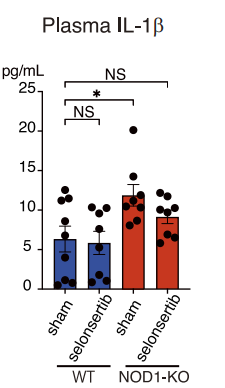
Selonsertib (15 mg/kg; IP; daily) reduced plasma IL-1β levels in the NOD1-KO mice.
Selonsertib purchased from MedChemExpress. Usage Cited in: Commun Biol. 2025 May 21;8(1):781. [Abstract]
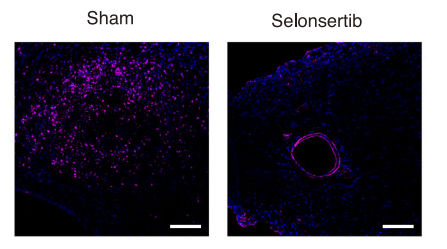
Selonsertib (15 mg/kg; IP; daily) reduced IL-1β (magenta) and DAPI (blue) in the coronary arteries of NOD-KO mice.
-
Int Immunopharmacol
Monocrotaline induces liver injury via TRX1-ASK1-JNK Axis-mediated mitochondrial damage in hepatocytes. [Abstract]2026 Mar 1:172:116121. PMID: 41519004 -
Int Immunopharmacol
2023 Jan:114:109563. PMID: 36513021 -
Biochim Biophys Acta Mol Basis Dis
PUMA overexpression dissociates thioredoxin from ASK1 to activate the JNK/BCL-2/BCL-XL pathway augmenting apoptosis in ovarian cancer. [Abstract]2022 Dec 1;1868(12):166553. PMID: 36122664 -
Sci Rep
Digital pathology with artificial intelligence analysis provides insight to the efficacy of anti-fibrotic compounds in human 3D MASH model. [Abstract]2024 Mar 11;14(1):5885. PMID: 38467661 -
Cancers (Basel)
Coxsackievirus Group B3 Has Oncolytic Activity against Colon Cancer through Gasdermin E-Mediated Pyroptosis. [Abstract]2022 Dec 15;14(24):6206. PMID: 36551691 -
Neurochem Res
Anti-neuroinflammatory Effects and Brain Pharmacokinetic Properties of Selonsertib, an Apoptosis signal-regulating Kinase 1 Inhibitor, in mice. [Abstract]2022 Dec;47(12):3829-3837. PMID: 36309631 -
FASEB J
E3 Ubiquitin Ligase TRIM21 Exacerbates Pathological Cardiac Hypertrophy Through ASK1 K63-Linked Polyubiquitination. [Abstract]2025 Dec 15;39(23):e71311. PMID: 41359290 -
Animal Model Exp Med
Targeting ASK1 by CS17919 alleviates kidney- and liver-related diseases in murine models. [Abstract]2025 Jan;8(1):102-113. PMID: 38873818 -
PLoS One
A novel small molecule screening assay using normal human chondrocytes toward osteoarthritis drug discovery. [Abstract]2024 Nov 1;19(11):e0308647. PMID: 39485774 -
-
-
-


溶剤 & 溶解度
体外:
DMSO : 66.67 mg/mL (149.66 mM; ultrasonic and warming and heat to 60°C; Hygroscopic DMSO has a significant impact on the solubility of product, please use newly opened DMSO)
Please refer to the solubility information to select the appropriate solvent. Once prepared, please aliquot and store the solution to prevent product inactivation from repeated freeze-thaw cycles.
Storage method and period of stock solution: -80°C, 1 year; -20°C, 6 months. When stored at -80°C, please use it within 1 year. When stored at -20°C, please use it within 6 months.
Please refer to the solubility information to select the appropriate solvent. Once prepared, please aliquot and store the solution to prevent product inactivation from repeated freeze-thaw cycles.
Storage method and period of stock solution: -80°C, 1 year; -20°C, 6 months. When stored at -80°C, please use it within 1 year. When stored at -20°C, please use it within 6 months.
濃度 (開始) × 体積 (開始) = 濃度 (終了) × 体積 (終了)
体内:
Select the appropriate dissolution method based on your experimental animal and administration route.
- For the following dissolution methods, please ensure to first prepare a clear stock solution using an In Vitro approach and then sequentially add co-solvents:
- To ensure reliable experimental results, the clarified stock solution can be appropriately stored based on storage conditions. As for the working solution for In Vivo experiments, it is recommended to prepare freshly and use it on the same day.
- The percentages shown for the solvents indicate their volumetric ratio in the final prepared solution. If precipitation or phase separation occurs during preparation, heat and/or sonication can be used to aid dissolution.
Add each solvent one by one: 10% DMSO 40% PEG300 5% Tween-80 45% Saline
Solubility: ≥ 2.08 mg/mL (4.67 mM); Clear solution
This protocol yields a clear solution of ≥ 2.08 mg/mL (saturation unknown).
Taking 1 mL working solution as an example, add 100 μL DMSO stock solution (20.8 mg/mL) to 400 μL PEG300, and mix evenly; then add 50 μL Tween-80 and mix evenly; then add 450 μL Saline to adjust the volume to 1 mL.
Preparation of Saline: Dissolve 0.9 g sodium chloride in ddH₂O and dilute to 100 mL to obtain a clear Saline solution.
Add each solvent one by one: 10% DMSO 90% (20% SBE-β-CD in Saline)
Solubility: ≥ 2.08 mg/mL (4.67 mM); Clear solution
This protocol yields a clear solution of ≥ 2.08 mg/mL (saturation unknown).
Taking 1 mL working solution as an example, add 100 μL DMSO stock solution (20.8 mg/mL) to 900 μL 20% SBE-β-CD in Saline, and mix evenly.
Preparation of 20% SBE-β-CD in Saline (4°C, storage for one week): 2 g SBE-β-CD powder is dissolved in 10 mL Saline, completely dissolve until clear.
In Vivo Dissolution Calculator
Please enter the basic information of animal experiments:
-
-
-
-
Recommended: Prepare an additional quantity of animals to account for potential losses during experiments.
Please enter your animal formula composition:
-
%DMSO +
Recommended: Keep the proportion of DMSO in working solution below 2% if your animal is weak.
-
%+
-
+%Tween-80 + +
-
%Saline +
The co-solvents required include: DMSO, . All of co-solvents are available by MedChemExpress (MCE). , Tween 80. All of co-solvents are available by MedChemExpress (MCE).
Working solution concentration: 0.22 mg/mL
Method for preparing stock solution: mg drug dissolved in μL DMSO. Stock solution concentration: mg/mL.
1. Take μL DMSO stock solution;
2. Add μL .
μL , mix evenly;
3. Then add μL Tween 80, mix evenly;
4. Then add μL
Please ensure that the stock solution in the first step is dissolved to a clear state, and add co-solvents in sequence. You can use ultrasonic heating (ultrasonic cleaner, recommended frequency 20-40 kHz), vortexing, etc. to assist dissolution.

プロトコル
-
Fibrosis/Collagen Morphometry
Fibrosis and collagen morphometry is based on the quantitative visualization of fibrillar collagen deposition in tissue sections using histochemical stains such as Sirius Red (Picrosirius Red) or Masson's trichrome, followed by image-based or polarization-enhanced analysis to estimate collagen proportional area as a surrogate of extracellular matrix accumulation during fibrotic remodeling. Sirius Red combined with polarized light microscopy enhances detection of collagen fibers due to birefringence properties, enabling more specific visualization of collagen type I and III fibrils compared to conventional bright-field histology, while whole-section or region-restricted digital morphometry reduces field-selection bias in fibrosis assessment. Alternative quantitative approaches include second harmonic generation (SHG) and two-photon excited fluorescence microscopy, which enable label-free detection of fibrillar collagen and have been validated against histological staining and biochemica
-
Collagen: Sirius Red Staining
Sirius Red or picrosirius red staining is a histochemical method for visualizing collagen-rich extracellular matrix in tissue sections, and collagen fibers are detected as red-stained structures under bright-field microscopy with enhanced birefringence under polarized light. Picrosirius red is useful for assessing total collagen organization, distribution, and fibrosis burden, but polarized color should not be interpreted as a definitive collagen type I versus type III readout because color is affected by fiber orientation, thickness, and packing.
-
Apoptosis
Apoptosis, also called programmed cell death, is generally characterized by distinct morphological characteristics.
-
TUNEL staining for apoptotic DNA fragmentation
TUNEL staining detects DNA strand breaks by using terminal deoxynucleotidyl transferase to add labeled nucleotides to exposed 3′-OH DNA termini, generating either microscopic staining in fixed cells or tissue sections, or fluorescence/cytometric signal in cell suspensions. TUNEL positivity reflects DNA fragmentation but should not be interpreted alone as definitive apoptosis, because TUNEL can also label necrotic, autolytic, mechanically damaged, or DNA-repair-associated DNA breaks.
-
Annexin V plus membrane-impermeant dye apoptosis staining
Annexin V-based apoptosis assays rely on the detection of phosphatidylserine (PS) externalization from the inner leaflet of the plasma membrane to the outer leaflet, an early biochemical hallmark of apoptosis. Fluorescently labeled Annexin V binds PS in a calcium-dependent manner, enabling identification of early apoptotic cells by flow cytometry or fluorescence microscopy. When combined with a membrane-impermeant DNA-binding dye (e. g. , propidium iodide), this approach allows discrimination between viable (Annexin V−/dye−), early apoptotic (Annexin V+/dye−), and late apoptotic or necrotic (Annexin V+/dye+) cell populations by assessing membrane integrity and PS exposure.
-
Connective Tissue: Masson's Trichrome/Collagen Trichrome Staining
Masson’s Trichrome (collagen/trichrome staining) is a histological technique that differentially stains tissue compartments using sequential acidic dyes to distinguish collagen from muscle and cytoplasmic components based on dye affinity and tissue permeability differences, enabling visualization of fibrosis and connective tissue architecture in histological sections. The classical formulation typically uses Weigert's iron hematoxylin for nuclear staining, Biebrich scarlet-acid fuchsin for cytoplasm and muscle, and aniline blue (or light green variants) for collagen, producing a characteristic blue/green collagen signal contrasted against red cytoplasm and dark nuclei. The staining principle relies on selective displacement of smaller dye molecules by larger anionic dyes in collagen-rich regions under controlled acidified conditions, which enhances collagen-specific dye retention. This property makes the method widely used for fibrosis assessment in organs such as heart, liver, lung, a
-
Apoptosis Solutions
Apoptosis is a regulated, generally non-lytic cell-death pathway that removes unwanted, damaged, infected, or abnormal cells through coordinated morphological changes, caspase activation, DNA fragmentation, and membrane remodeling. The intrinsic apoptosis pathway is controlled mainly by mitochondrial outer membrane permeabilization, BCL-2 family proteins, cytochrome c release, apoptosome formation, caspase-9 activation, and downstream executioner caspase-3/7 activation. The extrinsic apoptosis pathway is initiated by death receptors such as Fas, TNFR, and TRAIL receptors, which recruit adaptor proteins and activate caspase-8 before engaging executioner caspases or mitochondrial amplification through BID cleavage. Apoptosis is linked to many phenotypes, including cancer cell killing, tissue homeostasis, immune regulation, neurodegeneration, infection response, and treatment-induced cytotoxicity; unresolved questions include how apoptosis interacts with necroptosis, pyroptosis, ferroptos


純度とドキュメンテーション
-
データシート (273 KB)
-
SDS (419 KB)
- English - EN (419 KB)
- Français - FR (419 KB)
- Deutsch - DE (419 KB)
- Norwegian - NO (419 KB)
- Español - ES (419 KB)
- Swedish - SV (419 KB)
- Italian - IT (419 KB)
- Korean - KR (419 KB)
- Portuguese - PT (419 KB)
-
取扱説明書 (2659 KB)
参考文献
[1]. Lanier M, et al. Structure-Based Design of ASK1 Inhibitors as Potential Agents for Heart Failure. ACS Med Chem Lett. 2017 Feb 8;8(3):316-320. [Content Brief]
[2]. Lin JH, et al. Design of a phase 2 clinical trial of an ASK1 inhibitor, GS-4997, in patients with diabetic kidney disease. Nephron. 2015;129(1):29-33. [Content Brief]
[3]. Loomba R, et al. The ASK1 inhibitor selonsertib in patients with nonalcoholic steatohepatitis: A randomized, phase 2trial. Hepatology. 2018 Feb;67(2):549-559. [Content Brief]


Complete Stock Solution Preparation Table
Please refer to the solubility information to select the appropriate solvent. Once prepared, please aliquot and store the solution to prevent product inactivation from repeated freeze-thaw cycles.
Storage method and period of stock solution: -80°C, 1 year; -20°C, 6 months. When stored at -80°C, please use it within 1 year. When stored at -20°C, please use it within 6 months.
| Optional Solvent | Concentration Solvent Mass | 1 mg | 5 mg | 10 mg | 25 mg |
|---|---|---|---|---|---|
| DMSO | 1 mM | 2.2447 mL | 11.2236 mL | 22.4472 mL | 56.1180 mL |
| 5 mM | 0.4489 mL | 2.2447 mL | 4.4894 mL | 11.2236 mL | |
| 10 mM | 0.2245 mL | 1.1224 mL | 2.2447 mL | 5.6118 mL | |
| 15 mM | 0.1496 mL | 0.7482 mL | 1.4965 mL | 3.7412 mL | |
| 20 mM | 0.1122 mL | 0.5612 mL | 1.1224 mL | 2.8059 mL | |
| 25 mM | 0.0898 mL | 0.4489 mL | 0.8979 mL | 2.2447 mL | |
| 30 mM | 0.0748 mL | 0.3741 mL | 0.7482 mL | 1.8706 mL | |
| 40 mM | 0.0561 mL | 0.2806 mL | 0.5612 mL | 1.4029 mL | |
| 50 mM | 0.0449 mL | 0.2245 mL | 0.4489 mL | 1.1224 mL | |
| 60 mM | 0.0374 mL | 0.1871 mL | 0.3741 mL | 0.9353 mL | |
| 80 mM | 0.0281 mL | 0.1403 mL | 0.2806 mL | 0.7015 mL | |
| 100 mM | 0.0224 mL | 0.1122 mL | 0.2245 mL | 0.5612 mL |


Selonsertib 関連分類
HY-18938 関連分類
 Powered by Bioz