



Apoptosis
Apoptosis
Apoptosis is a distinctive form of cell death exhibiting specific morphological and biochemical characteristics, including cell membrane blebbing, chromatin condensation, genomic DNA fragmentation, and exposure of specific phagocytosis signaling molecules on the cell surface. Cells undergoing apoptosis differ from those dying through necrosis. Necrotic cells are usually recognized by the immune system as a danger signal and, thus, resulting in inflammation; in contrast, apoptotic death is quiet and orderly.
There are two major pathways of apoptotic cell death induction: The intrinsic pathway, also called the Bcl-2-regulated or mitochondrial pathway, is activated by various developmental cues or cytotoxic insults, such as viral infection, DNA damage and growth-factor deprivation, and is strictly controlled by the BCL-2 family of proteins. The extrinsic or death-receptor pathway is triggered by ligation of death receptors (members of the tumor necrosis factor (TNF) receptor family, such as Fas or TNF receptor-1 (TNFR1)) that contain an intracellular death domain, which can recruit and activate caspase-8 through the adaptor protein Fas-associated death domain (FADD; also known as MORT1) at the cell surface. This recruitment causes subsequent activation of downstream (effector) caspases, such as caspase-3, -6 or -7, without any involvement of the BCL-2 family.
Studies suggest that alterations in cell survival contribute to the pathogenesis of a number of human diseases, including cancer, viral infections, autoimmune diseases, neurodegenerative disorders, and AIDS (acquired immunodeficiency syndrome). Treatments designed to specifically alter the apoptotic threshold may have the potential to change the natural progression of some of these diseases.
All Product Categories
-
Apoptosis Inhibitors
(901)
View all products
-
Apoptosis Agonists
(7)
View all products
-
Apoptosis Antagonists
(9)
View all products
-
Apoptosis Activators
(362)
View all products
-
Apoptosis Modulators
(60)
View all products
-
Apoptosis Inducers
(7887)
View all products
-
Apoptosis Degrader
(1)
View all products
-
Apoptosis Controls
(33)
View all products
-
Apoptosis Related Products (9821)
Related Products (9821)

-
Antibodies (120)
-
AR Degrader-3
 0 ImagesCat. No.: HY-178938CAS No.: 1182011-65-9AR Degrader-3 is an orally active molecular glue that targets AR/ARV7 and induces the degradation of AR and ARV7 through the ubiquitin-proteasome pathway (UPP). AR Degrader-3 directly interacts with the ligand-binding domain (LBD) and the N-terminal domain (NTD) of AR. AR Degrader-3 effectively suppresses the transcriptional activity of wild-type AR (AR-WT), AR mutants, and ARV7. AR Degrader-3 downregulates the mRNA and protein levels of downstream AR target genes, thereby overcoming antiandrogen resistance mediated by ARV7 and AR point mutations. AR Degrader-3 induces apoptosis in Enzalutamide (HY-70002) (ENZa)-resistant cells and increases cleaved caspase-3 protein levels. AR Degrader-3 can be used for the study of castration-resistant prostate cancer (CRPC).
-
GSK-3β inhibitor 15
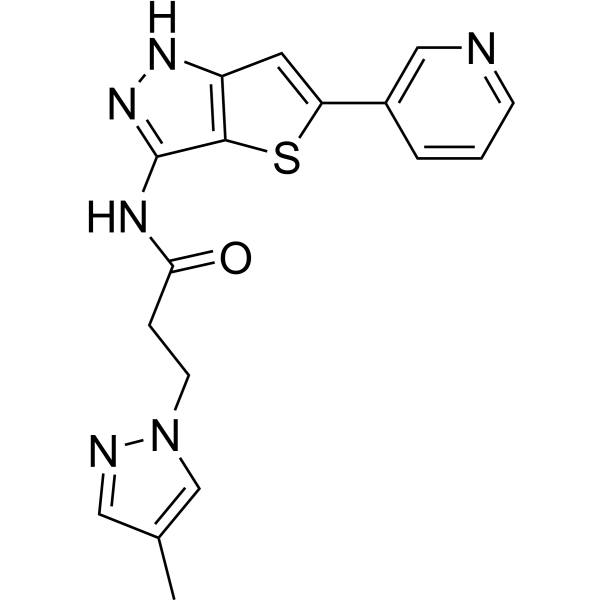 0 ImagesCat. No.: HY-149542GSK-3β inhibitor 15 (Compound 54) is a GSK-3β inhibitor (IC50: 3.4 nM). GSK-3β inhibitor 15 inhibits Aβ1-42-induced GSK-3β and tau protein phosphorylation. GSK-3β inhibitor 15 inhibits LPS-induced iNOS expression. GSK-3β inhibitor 15 has neuroprotective effects on Aβ1-42-induced neurotoxicity. GSK-3β inhibitor 15 can be used for research of Alzheimer’s disease (AD).
-
NQO1-responsive prodrug
 0 ImagesCat. No.: HY-178451NQO1-responsive prodrug is a prodrug of Gemcitabine (dFdC) (HY-17026) with anti-cancer effect. NQO1-responsive prodrug remains stable in plasma and liver/intestinal S9 fractions, releasing dFdC in an NQO1-dependent manner. NQO1-responsive prodrug induces S-phase arrest and apoptosis. NQO1-responsive prodrug inhibits tumor growth in an A549 xenograft mouse model. NQO1-responsive prodrug can be used for breast and non-small cell lung cancer (NSCLC) research.
-
Apoptosis inducer 36
 0 ImagesCat. No.: HY-168927CAS No.: 2831492-41-0Apoptosis inducer 36 (Compound 42) exhibits anti-leukemic activity through reduction of leukemia stem cells (LSCs) and induction of differentiation. Apoptosis inducer 36 inhibits the proliferation of AML cells, arrests cell cycle at G1 phase, and induces PANoptosis including apoptosis, pyroptosis and necrosis. Prodrug of apoptosis inducer 36 exhibits orally active antitumor efficacy in mouse model.
-
KRASG12D-IN-7
 0 ImagesCat. No.: HY-175529KRASG12D-IN-7 is a selective KRASG12D inhibitor. KRASG12D-IN-7 displays strong binding activity for KRASG12D in both its GDP- and GTP- bound states, with Kd value of 1.12 nM and 1.86 nM, respectively. KRASG12D-IN-7 inhibits the proliferation of KRASG12D harboring AsPC-1 cells with an IC50 value of 10 nM and suppresses MAPK signaling. KRASG12D-IN-7 induces G0/G1 phase arrest and apoptosis in AsPC-1 cells, and strongly inhibits their colony formation. KRASG12D-IN-7 can be used for the study of cancers harboring KRASG12D mutation, particularly pancreatic ductal adenocarcinoma (PDAC).
-
GSPT1 degrader-17
 0 ImagesCat. No.: HY-177766GSPT1 degrader-17 is a selective GSPT1 molecular glue degrader with a DC50 of 35 nM. GSPT1 degrader-17 induces GSPT1 degradation via the ubiquitin-proteasome system, which leads to G0/G1 phase cell cycle arrest and triggers apoptosis, thereby inhibiting the proliferation of leukemia cells. GSPT1 degrader-17 can be used in leukemia research.
-
EGFR-IN-182
 0 ImagesCat. No.: HY-178955EGFR-IN-182 (Compound 4) is an EGFR inhibitor with an IC50 value of 199 nM. EGFR-IN-182 inhibits HSP90 and PI3K, with IC50 values of 5.007 and 13.596 μM respectively. EGFR-IN-182 exhibits strong anti-proliferative activity against MCF-7 and MDA-MB-231 cells. EGFR-IN-182 downregulates Cyclin D1, inducing cell cycle arrest; it enhances the activity of caspase-9, inducing cell apoptosis. EGFR-IN-182 downregulates the expressions of ERK and AKT. EGFR-IN-182 can be used for research on breast cancer.
-
CP 461
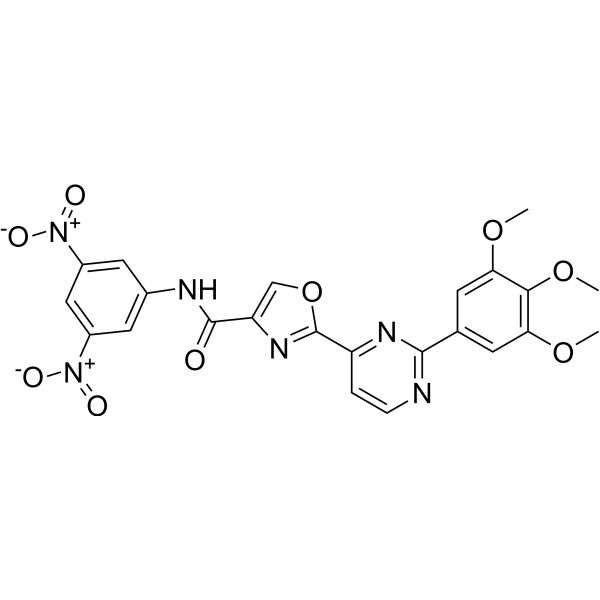
 0 ImagesCat. No.: HY-16372CAS No.: 227619-96-7Synonyms: OSI-461CP-461 (OSI-461) is a selective apoptotic antineoplastic drug (SAAND) by engaging tubulin on colchicine site
-
CBR1-IN-6
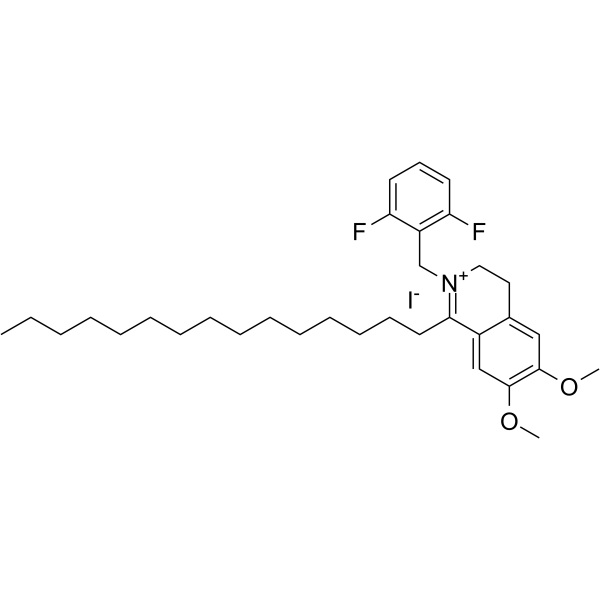
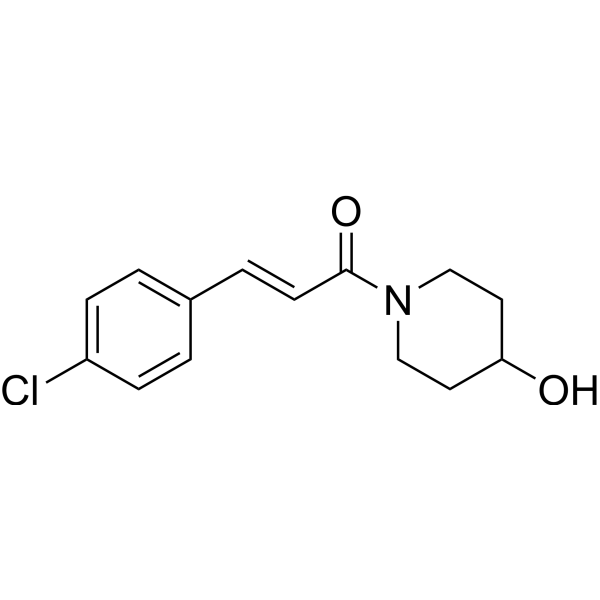 0 ImagesCat. No.: HY-157448CAS No.: 3028977-01-4CBR1-IN-6 (compound 1a) is a CBR1 inhibitor with chemosensitizing and cardioprotective activities.
-
Peiminine (Standard)
 0 ImagesCat. No.: HY-N0213RCAS No.: 18059-10-4Synonyms: Verticinone (Standard); Raddeanine (Standard)Peiminine (Standard) is the analytical standard of Peiminine. This product is intended for research and analytical applications. Peiminine is a compound that can be isolated from Bolbostemma paniculatum (Maxim) Franquet (Cucurbitaceae family). Peiminine can induce apoptosis in human hepatocellular carcinoma HepG2 cells through both extrinsic and intrinsic apoptotic pathways. Peiminine has anti-inflammatory, anticancer, anti-osteoporosis, cardioprotective and other activities in many animal models.
-
Undecylprodigiosin hydrochloride
 0 ImagesCat. No.: HY-113627ACAS No.: 56247-02-0Undecylprodigiosin hydrochloride, a member of the family of prodiginines, is a potent antibiotic. Undecylprodigiosin hydrochloride can selectively induce apoptosis in human breast carcinoma cells independent of p53. Undecylprodigiosin hydrochloride shows immunosuppressive, anticancer properties and antimicrobial activities.
-
Bcl-2-IN-7
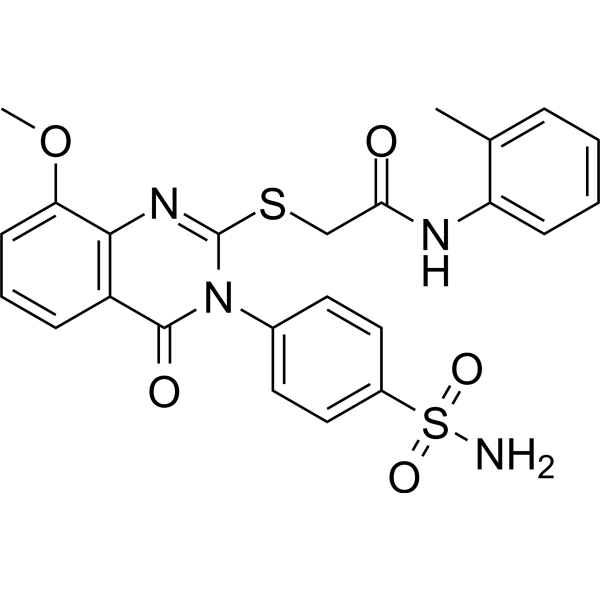 0 ImagesCat. No.: HY-144792CAS No.: 3027734-46-6Bcl-2-IN-7 (compound 6) is a potent Bcl-2 (B-cell lymphoma-2) inhibitor. Bcl-2-IN-7 down-regulates the expression of Bcl-2, and increases the expression of p53, Bax, and caspase-7 mRNA. Bcl-2-IN-7 induces cell cycle arrest and apoptosis in breast cancer MCF-7 cells. Bcl-2-IN-7 shows good anticancer activity, with IC50 values of 20.17, 22.64, 45.57, and 51.50 μM against MCF-7, LoVo, HepG2, and A549 cell lines, respectively.
-
Cytostatin sodium
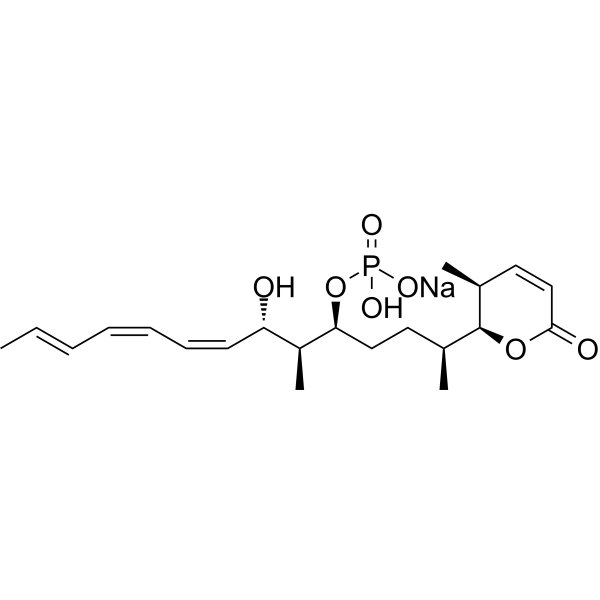 0 ImagesCat. No.: HY-113612ACAS No.: 457070-06-3Cytostatin sodium is an effective and selective protein phosphatase 2A (PP2A) inhibitor with an IC50 value of 210 nM. Cytostatin sodium exhibits anti-metastatic properties, good antitumor activity, and can induce apoptosis. Cytostatin sodium can also prevent the adhesion of B16 melanoma cells to components of the extracellular matrix (laminin and collagen). Cytostatin sodium belongs to the family of natural product fosriecin.
-
YN14-H
 0 ImagesCat. No.: HY-173250YN14-H is a potent mutant KRASG12C PROTAC degrader. The DC50 values of YN14-H in NCI-H358 and MIA PaCa-2 cells are 28.9 nM and 18.1 nM, respectively, with corresponding IC50 values of 42 nM and 21 nM. YN14-H degrades KRASG12C in a ubiquitin-proteasome system-dependent manner, thereby significantly inducing apoptosis and inhibiting cell migration. YN14-H can be used for targeting tumors with KRASG12C mutations (such as non-small cell lung cancer, pancreatic cancer, etc.).
-
VEGFR-2-IN-22
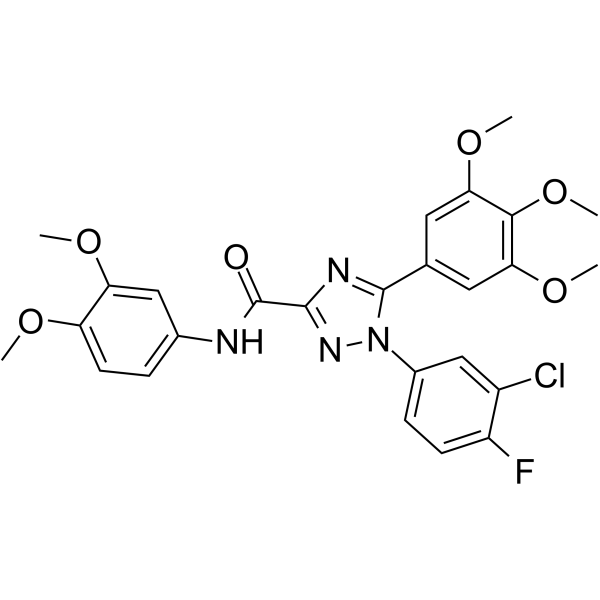 0 ImagesCat. No.: HY-147872CAS No.: 2447587-73-5VEGFR-2-IN-22 (Compound 25) is a dual VEGFR-2 and β-tubulin polymerization inhibitor with an IC50 of 19.82 nM against VEGFR-2. VEGFR-2-IN-22 induces apoptosis.
-
HeFi-1
 0 ImagesCat. No.: HY-P991553HeFi-1 is a mouse anti-CD30 IgG1 monoclonal antibody. HeFi-1 recognizes the ligand-binding site on CD30. HeFi-1 can inhibit the growth of tumor cells with high expression of CD30. HeFi-1 can induce eosinophil apoptosis. HeFi-1 can be used for researches on cancer or inflammation conditions such as anaplastic large-cell lymphoma (ALCL) and asthma.
-
Enniatin B-13C33
 0 ImagesCat. No.: HY-N3806SEnniatin B-13C33 is the 13C-labeled Enniatin B (HY-N3806). Enniatin B is a Fusarium mycotoxin that acts as an ionophore to form cation-selective membrane channels, disrupt ion homeostasis and mitochondrial function, inhibit cell proliferation, and induce apoptosis, while modulating ERK, p38 MAPK, and STAT3 signaling pathways. Enniatin B is used in research on atherosclerosis, hypercholesterolemia, cervical cancer, and colon adenocarcinoma.
-
Antiproliferative agent-19
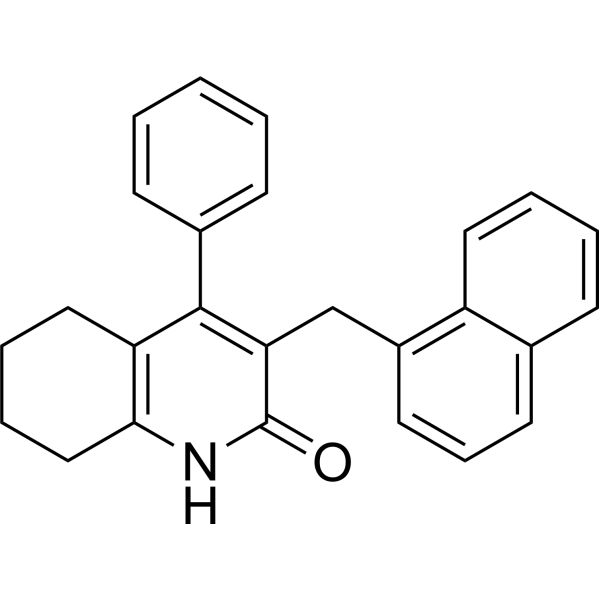 0 ImagesCat. No.: HY-152099Antiproliferative agent-19 (compound 4a) is an anti-cancer agent that exerts anti-proliferative effects on lung cancer cells by inducing apoptosis. antiproliferative agent-19 also induces cell cycle arrest in the G2/M phase.




