



Apoptosis Inducer
-
STA-1474
 0 ImagesCat. No.: HY-13752CAS No.: 1118915-78-8
STA-1474 is an orally active and highly selective HSP90 inhibitor, as well as a phosphate prodrug of the HSP90 inhibitor STA-9090 (HY-15205). STA-1474 disrupts the chaperone function of HSP90 and promotes the degradation of client proteins. STA-1474 inhibits the phosphorylation of Met, Akt and STAT3, thereby blocking related signaling pathways. STA-1474 induces apoptosis and inhibits proliferation of osteosarcoma cells, and triggers the up-regulation of HSP70 and HSP90. STA-1474 induces tumor regression and caspase-3 activation in mouse osteosarcoma xenograft models. STA-1474 can be used in the research of osteosarcoma.
-
SOS1-IN-26
 0 ImagesCat. No.: HY-184422
SOS1-IN-26 is a potent, orally active selective allosteric SOS1 inhibitor with a KD of 33 nM and SOS1-KRAS binding IC50 of 4.0 nM. SOS1-IN-26 disrupts SOS1-KRAS interaction, inhibits MAPK/PI3K signaling, induces G1 phase arrest and tumor cell apoptosis. SOS1-IN-26 serves as a balanced lead therapeutic candidate for pan-KRAS-driven colorectal cancer studies.
-
Gossypin (Standard)
 0 ImagesCat. No.: HY-125911RCAS No.: 652-78-8
Gossypin (Standard) is the analytical standard of Gossypin. This product is intended for research and analytical applications. Gossypin is an orally active flavone isolated from Hibiscus vitifolius. Gossypin has antioxidant, antiinflammatory, anticancer, anticataract, antidiabetic, and hepatoprotective activities. Gossypin inhibits NF-κB and NF-κB-regulated gene expression. Gossypin inhibits AURKA and RSK2. Gossypin inhibits invasion and induces apoptosis. Gossypin can be used for gastric cancer study.
-
Mcl-1 inhibitor 21
 0 ImagesCat. No.: HY-170762CAS No.: 2155856-87-2
Mcl-1 inhibitor 21 (Example 1-36) is a Mcl-1 inhibitor with an IC50 of 328 nM. Mcl-1 inhibitor 21 exhibits proapototic and anti-proliferation activities against SUDHL5 and SUDHL10 cell lines and can be utilized in cancer research.
-
STAT3/NF-κB-IN-1
 0 ImagesCat. No.: HY-175227
STAT3/NF-κB-IN-1 is a potentSTAT3 and NF-κB inhibitor with IC50s of 5.86 (STAT3) and 4.22 μM (NF-κB) in 4T1 cells. STAT3/NF-κB-IN-1 is able to induce apoptosis via its upregulation on key apoptotic regulators; caspases-3/9, Bax and downregulation of Bcl-2. STAT3/NF-κB-IN-1 exerts considerable anticancer activity against breast cancer cell lines and reduces tumor volume in vivo. STAT3/NF-κB-IN-1 can be used for the study of breast cancer.
-
SKLB06489
 0 ImagesCat. No.: HY-186045
SKLB06489 is a selective and orally active inhibitor of type I PRMT enzymes, with IC50 values of 64.55 nM (PRMT1), 4.21 nM (PRMT6), and 51.27 nM (PRMT8). SKLB06489 inhibits cell proliferation, colony formation, DNA replication, and DNA damage repair in cancer cells. SKLB06489 induces G0/G1-phase cell cycle arrest and apoptosis in cancer cells. SKLB06489 enhances intracellular cholesterol efflux via ABCA1 and ABCG1 upregulation, disrupts cholesterol metabolic homeostasis, and suppresses tumor growth in subcutaneous xenograft models. SKLB06489 can be used for the research of triple-negative breast cancer (TNBC).
-
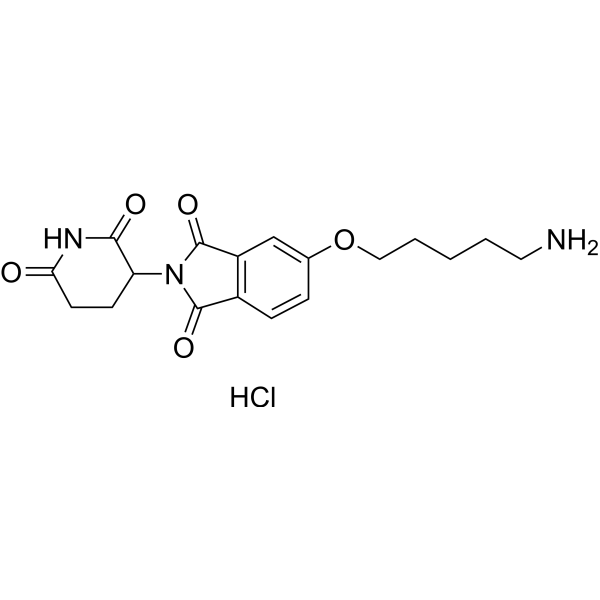
Thalidomide-5-O-C5-NH2 hydrochloride
 0 ImagesCat. No.: HY-149562CAS No.: 2761385-94-6
Thalidomide-5-O-C5-NH2 hydrochloride is the Thalidomide (HY-10984)-based cereblon ligand used in the recruitment of CRBN protein.Thalidomide-5-O-C5-NH2 hydrochloride can be connected to the ligand for protein by a linker to form PROTACs.
-
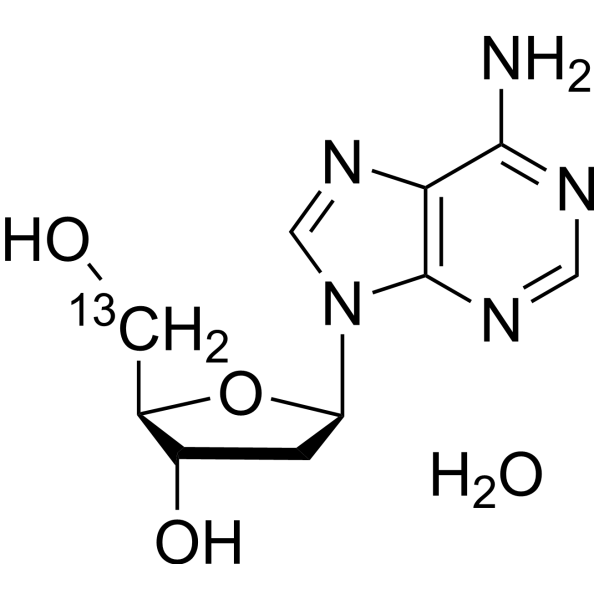
2'-Deoxyadenosine monohydrate-5′-13C
 0 ImagesCat. No.: HY-W011683S3CAS No.: 478510-77-9
2'-Deoxyadenosine monohydrate-5′-13C is the 13C labeled 2'-Deoxyadenosine monohydrate (HY-W011683). 2′-Deoxyadenosine monohydrate is an adenine nucleoside that inhibits glucose-stimulated insulin release. 2′-Deoxyadenosine monohydrate inhibits glucose-stimulated increases seen in islet cyclic AMP (cAMP) accumulation. 2'-Deoxyadenosine monohydrate activates caspase-3 and promotes apoptosis. 2'-Deoxyadenosine monohydrate inhibits the activity of S-adenosyl-L-homocysteine hydrolase (SAHH). 2'-Deoxyadenosine monohydrate inhibits the growth of various cells. 2'-Deoxyadenosine monohydrate has an anticancer effect on colon cancer.
-
Dinoprost (methoxyamine)
 0 ImagesCat. No.: HY-113909CAS No.: 101913-98-8Synonyms: Prostaglandin F2α (methoxyamine); PGF2α (methoxyamine)
Dinoprost methoxyamine is an orally active, potent prostaglandin F (PGF) receptor (FP receptor) agonist. Dinoprost methoxyamine is a luteolytic hormone produced locally in the endometrial luminal epithelium and corpus luteum (CL). Dinoprost methoxyamine plays a key role in the onset and progression of labour.
-
PARP1-IN-46
 0 ImagesCat. No.: HY-178178CAS No.: 2505146-00-7
PARP1-IN-46 is a potent PARP-1 inhibitor with an IC50 of 2.4 nM. PARP1-IN-46 demonstrates remarkable anti-proliferative activity in both rat (C6) and human (U87MG) glioma cells. PARP1-IN-46 promotes PARP cleavage, triggers DNA damage, and increases ROS. PARP1-IN-46 effectively inhibits the migration, invasion and colony formation of glioma cells, and ultimately induces cell apoptosis. PARP1-IN-46 can be used to the study of glioma.
-
L-threo-PPMP hydrochloride
 0 ImagesCat. No.: HY-115737A
L-threo-PPMP hydrochloride is a GlcT (UDP-Glc: Ceramide β1,1glucosyltransferase) inhibitor. L-threo-PPMP hydrochloride inhibits glycosphingolipid biosynthesis and induces apoptosis. L-threo-PPMP hydrochloride has anti-cancer activity.
-
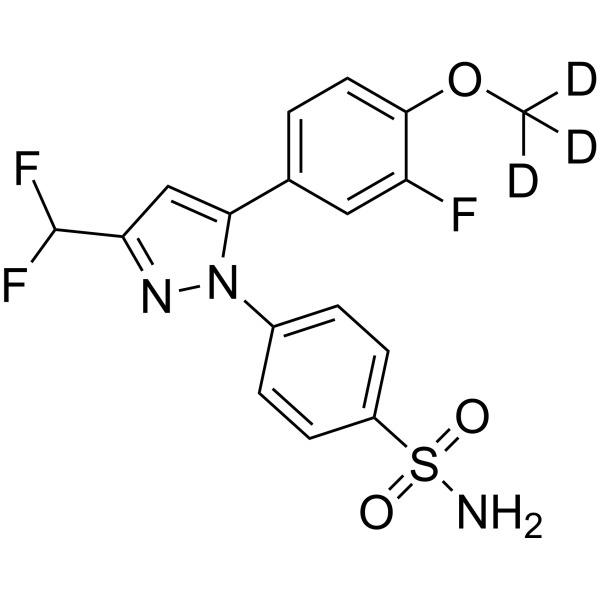
Deracoxib-d3
 0 ImagesCat. No.: HY-17509SCAS No.: 2012598-48-8Synonyms: SC 046-d3; SC 46-d3; SC 59046-d3
Deracoxib-d3 (SC 046-d3; SC 59046-d3) is the deuterium labeled Deracoxib (HY-17509). Deracoxib, an orally active COX-2 inhibitor, is a veterinary nonsteroidal anti-inflammatory agent used exclusively in dogs. Deracoxib inhibits the COX-2 enzyme to reduce the production of prostaglandins, effectively controlling pain and inflammation after canine soft tissue surgery. Deracoxib reduces the inhibition of COX-1 and lowers the risk of gastrointestinal side effects. Deracoxib induces tumor cell cycle arrest and apoptosis, and shows anti-tumor activity in canine osteosarcoma, breast tumors and bladder transitional cell carcinomas.
-
LSD1-IN-26
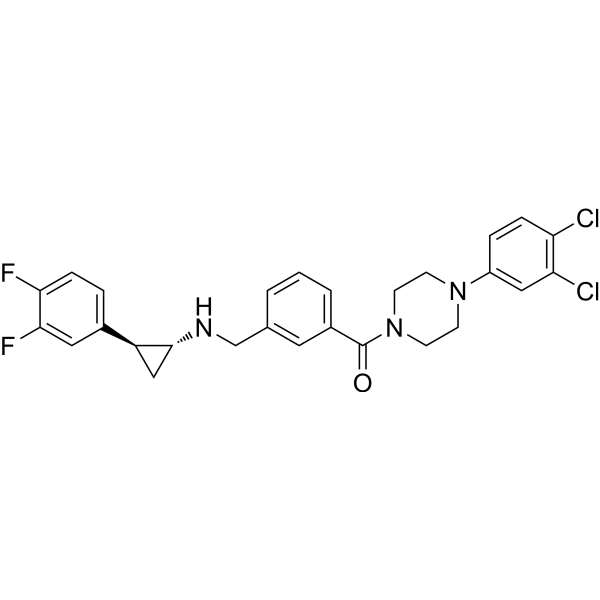 0 ImagesCat. No.: HY-149978CAS No.: 3041141-72-1
LSD1-IN-26 (compound 12u) is a potent LSD1 inhibitor, with an IC50 of 25.3 nM. LSD1-IN-26 also inhibits MAO-A (IC50=1234.57 nM) and MAO-B (IC50=3819.27 nM). LSD1-IN-26 significantly induces apoptosis in MGC-803 cells. LSD1-IN-26 can be used for gastric cancer research.
-
FLT3-IN-41
 0 ImagesCat. No.: HY-182281
FLT3-IN-41 is a highly potent FLT3 inhibitor. The IC50 values of FLT3-IN-41 against human FLT3-ITD and FLT3-WT are 3.16 nM and 294.7 nM, respectively. By binding to the ATP-binding pockets of FLT3-ITD and FLT3-WT and forming hydrogen bonds with hinge region residues and Phe830, FLT3-IN-41 inhibits the STAT5, Akt and Erk signaling pathways. FLT3-IN-41 induces G2/M phase arrest and promotes apoptosis in FLT3-ITD-positive acute myeloid leukemia cells, exhibiting significant antiproliferative activity. FLT3-IN-41 serves as a valuable tool for the study of acute myeloid leukemia.
-
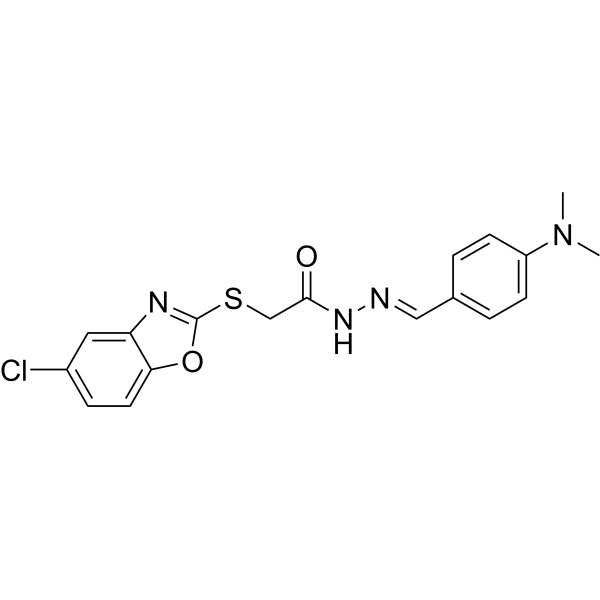
Antitumor agent-79
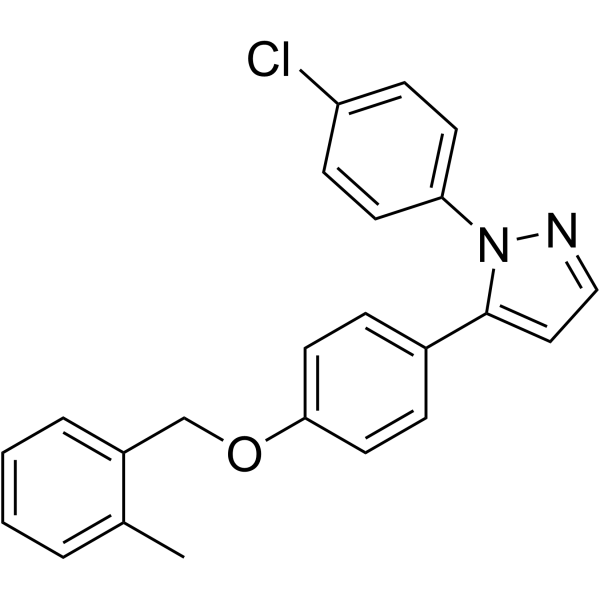 0 ImagesCat. No.: HY-151618CAS No.: 2750233-50-0
-
Ibandronate Sodium Monohydrate (Standard)
 0 ImagesCat. No.: HY-B0515RCAS No.: 138926-19-9Synonyms: BM-210955 (Standard); RPR-102289A (Standard)
Ibandronate Sodium Monohydrate (BM-210955; RPR-102289A) (Standard) is the analytical standard of Ibandronate Sodium Monohydrate (HY-B0515). This product is intended for research and analytical applications. Ibandronate Sodium Monohydrate (BM-210955; RPR-102289A) is an orally active, selective inhibitor of farnesyl pyrophosphate synthase (FPP synthase). Ibandronate Sodium Monohydrate can block the mevalonate pathway to inhibit the isoprenylation modification of small GTPases (such as RAS, RHO family proteins), induce tumor cell apoptosis and inhibit bone resorption. Ibandronate Sodium Monohydrate inhibits tumor cell proliferation (such as ER+ breast cancer cells), promotes the expression of the pro-apoptotic gene FAS, and can produce synergistic anti-tumor effects with anti-estrogen compounds. Ibandronate Sodium Monohydrate is used in the study of osteoporosis and bone metastatic tumors (such as breast cancer bone metastasis).
-
Ir-CA
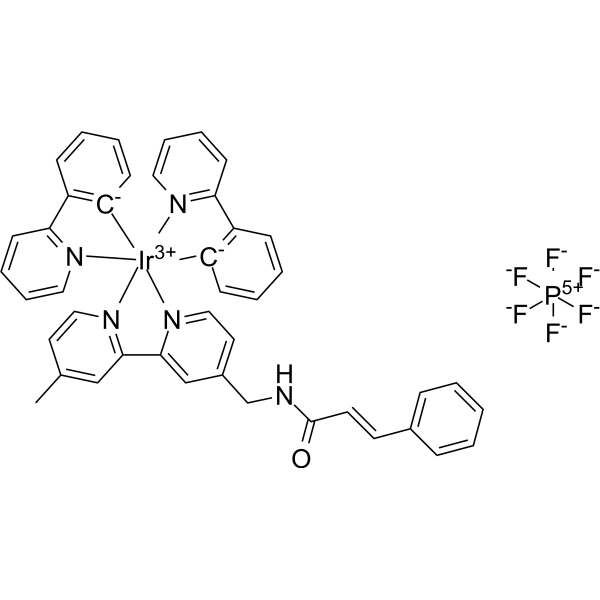 0 ImagesCat. No.: HY-162344CAS No.: 2870682-93-0
Ir-CA is an antitumor agent. Ir-CA can accumulate in mitochondria and induces mitochondria dysfunction. Ir-CA induces apoptosis and autophagy. Ir-CA initiates mitophagy and cell cycle arrest to kill Cisplatin (HY-17394)-resistant A549R cells. Ir-CA can effectively inhibit metastasis by inhibiting MMP-2/MMP-9.




