



Apoptosis Inducer
-
L-744832
 0 ImagesCat. No.: HY-116428CAS No.: 160141-09-3
L-744832 is a farnesyl transferase inhibitor. L-744832 effectively inhibits the farnesylation of H-Ras and N-Ras, but has little effect on K-Ras treatment. L-744832 not only directly targets the oncogenic pathway by inhibiting Ras farnesylation, but also enhances radiosensitivity by restoring TGF-β signaling through epigenetic reprogramming. L-744832 can induce cell cycle arrest and apoptosis. L-744832 can be used in combination therapy studies for Ras-driven tumors such as pancreatic cancer.
-
LSD1-IN-48
 0 ImagesCat. No.: HY-181781CAS No.: 3104325-26-7
LSD1-IN-48 is a tranylcypromine-pyrimidine derivative and selective LSD1 inhibitor with a human IC50 of 7.87 nM. LSD1-IN-48 increases H3K4me1/2 histone methylation levels. LSD1-IN-48 induces apoptosis, upregulates CD86, downregulates SOX2 and CD44, inhibits proliferation in cancer cells. LSD1-IN-48 can be used for the research of acute myeloid leukemia.
-
AXL/Angiokinase-IN-1
 0 ImagesCat. No.: HY-170776
AXL/Angiokinase-IN-1 (compound 11b) is an AXL/triple angiokinase inhibitor, IC50=3.75 nM (AXL expression). AXL/Angiokinase-IN-1 inhibits epithelial-mesenchymal transition (EMT) in Bxpc-3, blocking lung cancer cell metastasis. AXL/Angiokinase-IN-1 also inhibits vascular and fibroblast functions, promoting apoptosis (apoptosis) in cancer cells and fibroblasts. AXL/Angiokinase-IN-1 features low toxicity and good metabolic stability.
-
SHP2-IN-8
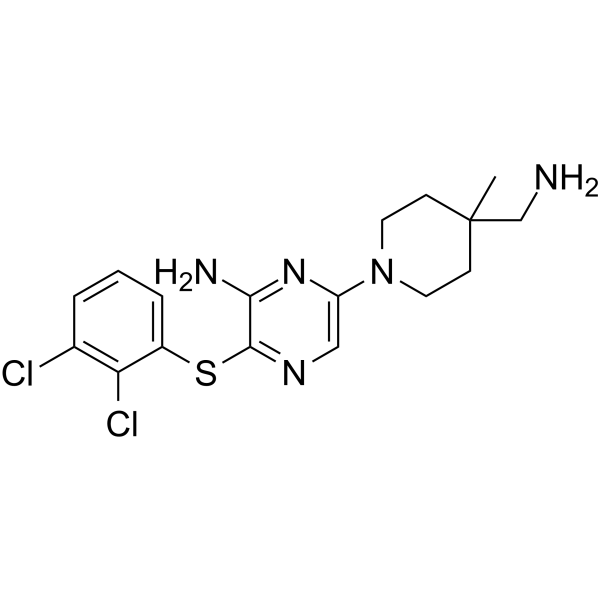 0 ImagesCat. No.: HY-144396CAS No.: 1801692-60-3
SHP2-IN-8 is a highly potent, selective, and cellularly active allosteric SHP2 inhibitor with IC50 value of 23 nM and Ki of 22 nM. SHP2-IN-8 is reversible and noncompetitive. SHP2-IN-8 causes a significant thermal shift with the ΔTm of 7.01 °C. SHP2-IN-8 induces the apoptosis and inhibits the phosphorylation of AKT in Hela cells.
-
Flurbiprofen-13C,d3
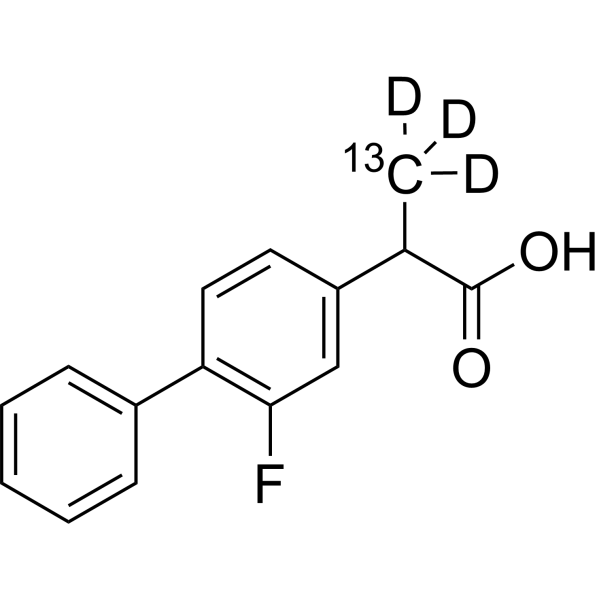 0 ImagesCat. No.: HY-10582S2CAS No.: 2747917-55-9Synonyms: dl-Flurbiprofen-13C,d3
Flurbiprofen-13C,d3 is the 13C- and deuterium labeled Flurbiprofen. Flurbiprofen (dl-Flurbiprofen) is a potent, orally active nonsteroidal anti-inflammatory agent (NSAIA/NSAID), with antipyretic and analgesic activities. Flurbiprofen is commonly used for the research of inflammatory diseases, including osteoarthritis and rheumatoid arthritis. Flurbiprofen is a non-selective cyclooxygenase (COX) inhibitor that can be used for the research of colorectal cancer.
-
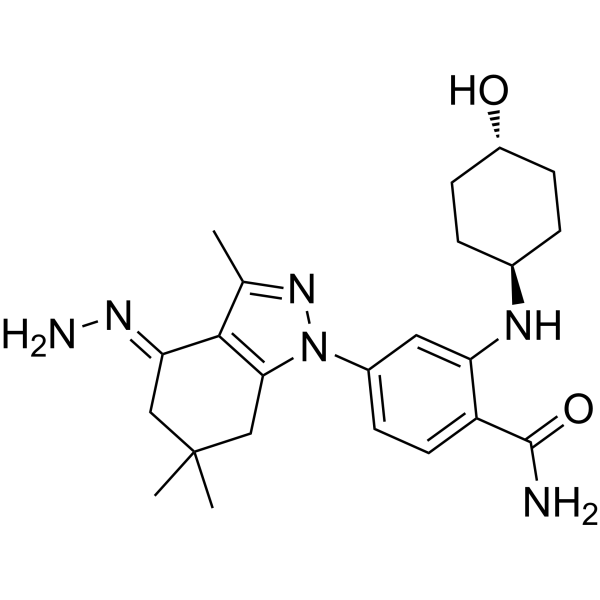
ZNL-02-096
 0 ImagesCat. No.: HY-208742CAS No.: 2414418-56-5
ZNL-02-096 is a selective Wee1 PROTAC degrader. ZNL-02-096 binds to CRBN and Wee1 to form a ternary complex, inducing CRBN- and proteasome-dependent ubiquitination and proteasomal degradation of Wee1. ZNL-02-096 inhibits recombinant PLK1 with an IC50 of 102 nM, but does not induce its degradation in cells. ZNL-02-096 induces G2/M phase arrest, Apoptosis, transient integrated stress response, upregulation of ATF4, and phosphorylation of GCN2. ZNL-02-096 reduces Tyr15 phosphorylation of CDK1. ZNL-02-096 can be used in research related to ovarian cancer, acute lymphoblastic leukemia, triple-negative breast cancer, multiple myeloma, and pancreatic ductal adenocarcinoma.
-
Apoptosis inducer 55
 0 ImagesCat. No.: HY-180226
Apoptosis inducer 55 (Compound 10) is an Apoptosis inducer. Apoptosis inducer 55 induces rapid apoptosis via the intrinsic pathway. Apoptosis inducer 55 potently inhibits several signaling cascades including AKT, ERK1/2, STAT1, STAT3, and S6K. Apoptosis inducer 55 has anti-cancer activity against melanoma.
-
3-Ethoxy-5,6-dibromosalicylaldehyde
 0 Images
3-Ethoxy-5,6-dibromosalicylaldehyde is an IRE1/ERN1 inhibitor, with an IC50 of 0.12 μM, a Ki of 71-88 nM, and a Kd of 100 nM against the ribonuclease activity of hIRE1α, as well as an IC50 of 4.8 μM against yeast Ire1. It shows selectivity toward IRE1 ribonuclease. 3-Ethoxy-5,6-dibromosalicylaldehyde blocks the IRE1/ERN1-mediated unfolded protein response (UPR) signaling pathway, including XBP-1 mRNA splicing, induction of XBP1 target genes, and activation of MAPK8/9/10, but does not alter the phosphorylation level of IRE1α or the PERK/ATF6 pathway. 3-Ethoxy-5,6-dibromosalicylaldehyde inhibits chikungunya virus replication, induces growth arrest, apoptosis and clonogenic inhibition in pancreatic cancer cells, reduces FB1 (Fumonisin B1) (HY-N6719)-induced autophagy and cell death, regulates PGG-induced senescence and apoptosis, and alleviates Sorafenib (HY-10201)-induced vacuolization and damage in hepatic stellate cells. 3-Ethoxy-5,6-dibromosalicylaldehyde can be used in research related to chikungunya virus infection, pancreatic cancer, FB1-induced nephrotoxicity, liver cancer, breast cancer, lung cancer and liver fibrosis.
-
Carbonic anhydrase inhibitor 33
 0 ImagesCat. No.: HY-172899
Carbonic anhydrase inhibitor 33 (11D) is a dual inhibitor of CA (Carbonic anhydrase) IX/XII and CDK6, with Ki values of 19.7 nM and 26.1 nM for hCA IX and hCA XII, respectively. Carbonic anhydrase inhibitor 33 (11D) induces G1 arrest and apoptosis. Carbonic anhydrase inhibitor 33 (11D) can be used in the research for NSCLC.
-
Merodantoin
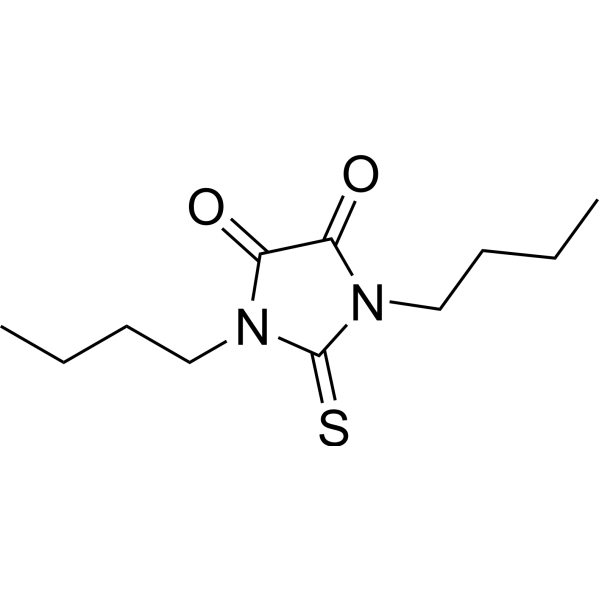 0 ImagesCat. No.: HY-121350CAS No.: 143413-73-4
Merodantoin has significant antitumor activity in vitro and in vivo, and has less toxicity to normal cells and tissues.
-
Thalidomide-O-C4H4-N(Me)-piperidine-boc
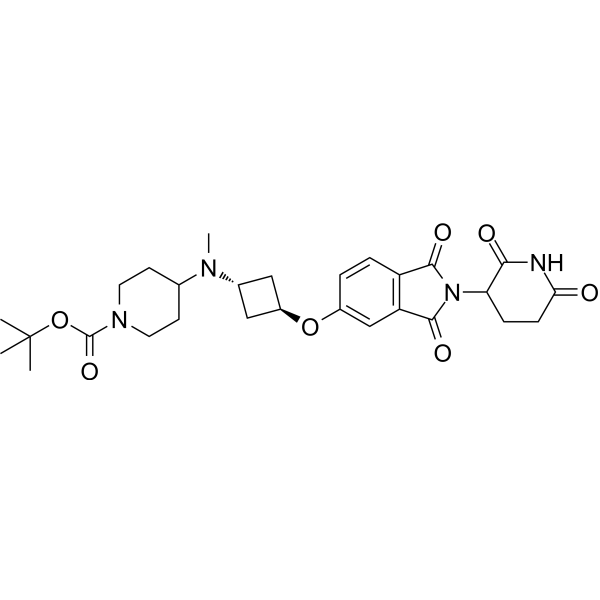 0 ImagesCat. No.: HY-161204
Thalidomide-O-C4H4-N(Me)-piperidine-boc is a conjugate of E3 ligase ligand and linker, consisting of Thalidomide (HY-14658) and the corresponding Linker. Thalidomide-O-C4H4-N(Me)-piperidine-boc can serve as a Cereblon ligand to recruit CRBN protein and serve as a key intermediate for the synthesis of complete PROTAC molecules.
-
Methyl(E)-cinnamate-d7
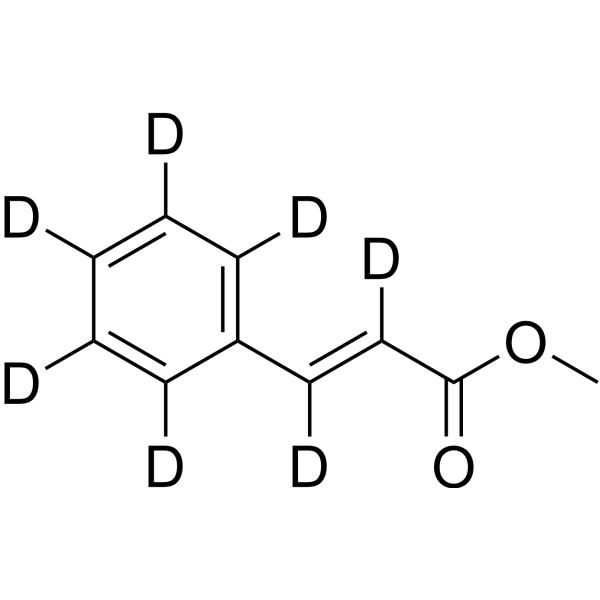 0 ImagesSynonyms: Methyl(E)-3-phenylpropenoate-d7
Methyl(E)-cinnamate-d7 is the deuterium labeled Methyl (E)-cinnamate. Methyl (E)-cinnamate (Methyl (E)-3-phenylpropenoate) is a natural flavor compound with anti-inflammatory properties found in Alpinia katsumadai Hayata. Methyl (E)-cinnamate induces apoptosis via reduced anti-apoptotic protein expression, increased TUNEL-positive cells, and apoptotic morphological changes. Methyl (E)-cinnamate can be used for the research of abnormalities of osteoblast function in bone diseases.
-
PB28
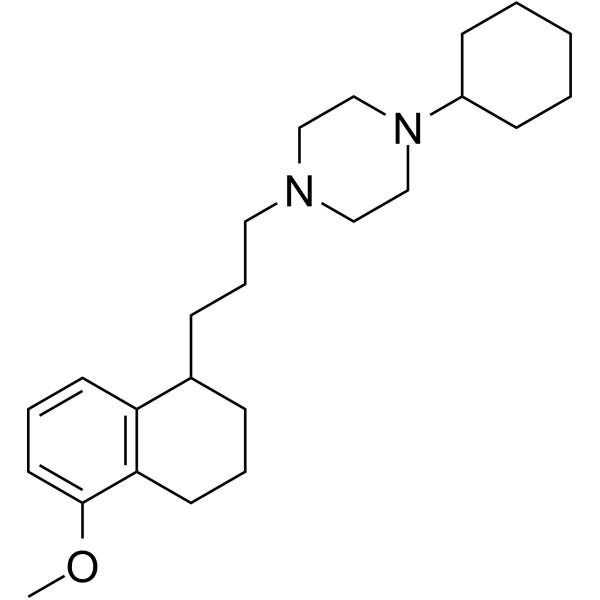 0 ImagesCat. No.: HY-108511ACAS No.: 172906-90-0
PB28 is a cyclohexylpiperazine derivative and a high affinity and selective sigma 2 (σ2) receptor agonist with a Ki of 0.68 nM. PB28 is also a σ1 antagonist with a Ki of 0.38 nM. PB28 is less affinity for other receptors. PB28 inhibits electrically evoked twitch in guinea pig bladder and ileum with EC50 values of 2.62 μM and 3.96 μM, respectively. PB28 can modulate SARS-CoV-2-human protein-protein interaction. PB28 induces caspase-independent apoptosis and has antitumor activity.
-
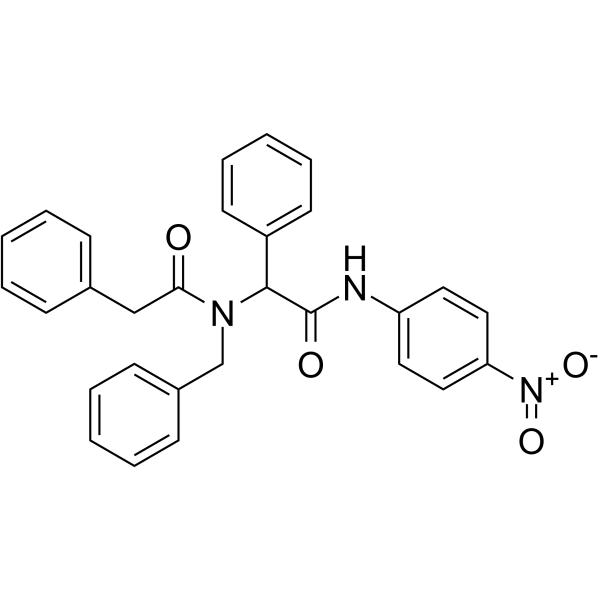
Mcl-1-IN-21
 0 ImagesCat. No.: HY-181054
Mcl-1-IN-21 is a selective Mcl-1 protein inhibitor. Mcl-1-IN-21 can induce apoptosis, elevate intracellular ROS, reduce mitochondrial membrane potential, exert cytotoxicity against human cervical cancer cells, and inhibit tumor growth in a human cervical cancer xenograft mouse model. Mcl-1-IN-21 can be used for the research of cervical cancer.
-
EGFR-IN-137
 0 ImagesCat. No.: HY-169408
EGFR-IN-137 (Compound 4c) is an inhibitor for aromatase and EGFR with IC50s of 1.67 μg/mL and 0.08 μg/mL. EGFR-IN-137 inhibits the proliferation of cancer cell MCF-7 and MDA-MB-231 with IC50s of 1.62 µM and 4.14 µM. EGFR-IN-137 arrests the cell cycle at G0/G1 phase in MDA-MB-231, and induces apoptosis through caspase-dependent pathway.
-
SL-1-73
 0 ImagesCat. No.: HY-130558CAS No.: 2000199-44-8
SL-1-73 is a tubulin ligand. SL-1-73 exhibits antitumor activity against esophageal squamous cell carcinoma (ESCC) both in vitro and in vivo by inhibiting microtubule assembly, inducing G2/M phase cell cycle arrest and apoptosis, and disrupting tumor blood vessels. SL-1-73 can be used for the research of ESCC and other tumors.
-
AKT1-IN-11
 0 ImagesCat. No.: HY-179516CAS No.: 3087064-94-3
AKT1-IN-11, a Podophyllotoxin (HY-15552) derivative, is a AKT1/tubulin dual inhibitor. AKT1-IN-11 down-regulates the phosphorylation level of AKT kinase in tumor cells, disrupting cell proliferation, causeing G2/M phase arrest and inducing apoptosis. AKT1-IN-11 also promotes tubulin depolymerization. AKT1-IN-11 can be used for the research of colorectal cancer.
-
MGD-22
 0 ImagesCat. No.: HY-175502CAS No.: 2991818-12-1
MGD-22, a molecular glue, is an orally active IKZF1/2/3 degrader with DC50 values of 8.33 nM, 9.91 nM, and 5.74 nM, respectively. MGD-22 exhibits extremely potent anti-proliferative activity against diverse hematological cancer cells. MGD-22 induces apoptosis in cancer cells. MGD-22 demonstrates potent anti-tumor efficacy in mice bearing NCI-H929 xenografts or WSU-DLCL-2 xenografts. MGD-22 can be used for the study of hematological cancers, including multiple myeloma (MM), acute myeloid leukemia (AML), and diffuse large B-cell lymphoma (DLBCL).



