



BRD4
BRD4 (Bromodomain Containing Protein 4) is a member of the BET (bromodomain and extra-terminal) protein family that recognizes acetylated histones and functions as a central regulator of chromatin-associated transcriptional programs[1][2]. Mechanistically, BRD4 promotes RNA polymerase II transcriptional elongation through functional interaction with positive transcription elongation factor b (P-TEFb), thereby facilitating productive gene expression and transcriptional pause release[3][4][5]. Beyond transcriptional control, BRD4 contributes to chromatin organization, DNA replication, and DNA damage response pathways, linking epigenetic regulation to genome stability[1][6]. BRD4 also supports efficient transcription elongation that limits R-loop accumulation and transcription-replication conflicts, processes that are important for maintaining cellular viability[6]. In disease contexts, aberrant BRD4 activity has been associated with cancer, inflammatory disorders, viral infection, and neurological disease, reflecting its broad influence on gene regulatory networks[1][2]. In multiple tumor models, BRD4 regulates transcriptional programs linked to oncogenic drivers and tumor cell survival, supporting its relevance as a therapeutic target[7][8]. Compared with related BET family members BRD2, BRD3, and the testis-restricted BRDT, BRD4 possesses a characteristic C-terminal domain that mediates interaction with P-TEFb and plays a distinct role in transcriptional elongation control[3][9]. For experimental applications, small-molecule BET inhibitors such as JQ1 and I-BET disrupt bromodomain-dependent chromatin interactions and have become widely used tools for investigating BRD4-dependent transcriptional mechanisms and target validation in disease models[1][7][8].
References:
- [1]. Cheung KL, et al. The Functions of BET Proteins in Gene Transcription of Biology and Diseases. Front Mol Biosci. 2021 Sep 3;8:728777. [Content Brief]
- [2]. Liang Y, et al. BRD4 in physiology and pathology: ''BET'' on its partners. Bioessays. 2021 Dec;43(12):e2100180. [Content Brief]
- [3]. Zheng B, et al. Distinct layers of BRD4-PTEFb reveal bromodomain-independent function in transcriptional regulation. Mol Cell. 2023 Aug 17;83(16):2896-2910.e4. [Content Brief]
- [4]. Altendorfer E, et al. BRD4: a general regulator of transcription elongation. Transcription. 2022 Feb-Jun;13(1-3):70-81. [Content Brief]
- [5]. Kanno T, et al. BRD4 assists elongation of both coding and enhancer RNAs by interacting with acetylated histones. Nat Struct Mol Biol. 2014 Dec;21(12):1047-57. [Content Brief]
- [6]. Edwards DS, et al. BRD4 Prevents R-Loop Formation and Transcription-Replication Conflicts by Ensuring Efficient Transcription Elongation. Cell Rep. 2020 Sep 22;32(12):108166. [Content Brief]
- [7]. Jung M, et al. Targeting BET bromodomains for cancer treatment. Epigenomics. 2015;7(3):487-501. [Content Brief]
- [8]. Lucas X, et al. 4-Acyl pyrroles: mimicking acetylated lysines in histone code reading. Angew Chem Int Ed Engl. 2013 Dec 23;52(52):14055-9. [Content Brief]
- [9]. Kargbo RB. PROTAC Degradation of Bromodomain for the Treatment of Hyperplasia and Cancer. ACS Med Chem Lett. 2019 Sep 30;10(10):1372-1373. doi: 10.1021/acsmedchemlett.9b00424. PMID: 31620218; PMCID: PMC6792170. et al. PROTAC Degradation of Bromodomain for the Treatment of Hyperplasia and Cancer. ACS Med Chem Lett. 2019 Sep 30;10(10):1372-1373. [Content Brief]
-
BRD4 Related Products (298)
Related Products (298)

-
I-BET762 carboxylic acid
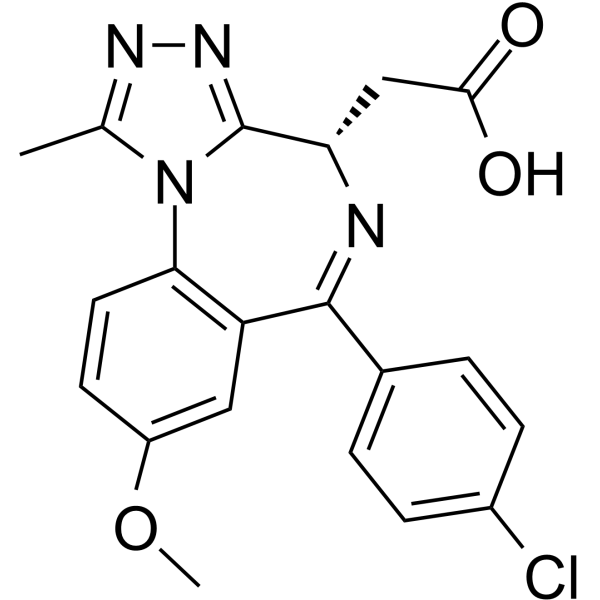 0 ImagesSynonyms: Molibresib carboxylic acid; GSK525762A carboxylic acid; PROTAC BRD4-binding moiety 2
-
QCA570
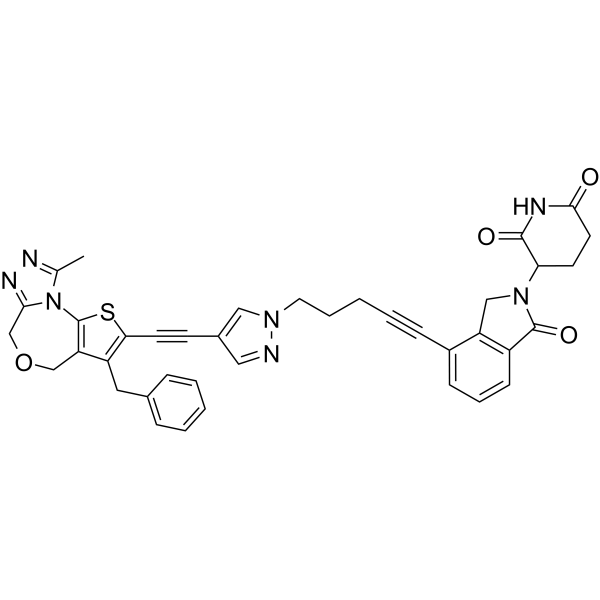 0 ImagesQCA570 is a pan-BET-BRD PROTAC degrader. QCA570 degrades BRD2/3/4 and BRDT via cereblon and the ubiquitin-proteasome pathway, inhibits the expression of c-MYC, EZH2 and Mcl-1, induces tumor cell apoptosis, cycle arrest and regression, and exerts a synergistic inhibitory effect on Osimertinib (HY-15772)-resistant EGFR-mutant non-small cell lung cancer. QCA570 can be used in the research of acute myeloid leukemia, acute lymphoblastic leukemia, bladder cancer and non-small cell lung cancer.
-
GSK8814
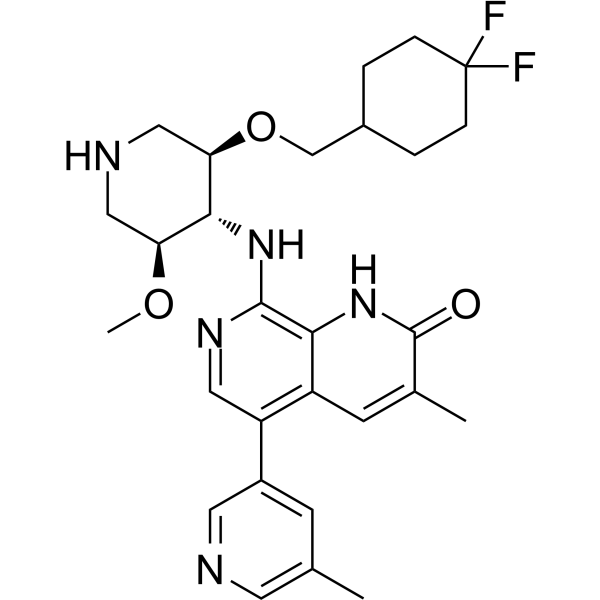 0 ImagesGSK8814 is a potent and selective ATAD2 bromodomain chemical probe and inhibitor (IC50 = 0.059 μM), with a binding constant pKd = 8.1 and a pKi = 8.9 in BROMOscan. GSK8814 binds to ATAD2 and BRD4 BD1 with pIC50s of 7.3 and 4.6, respectively. GSK8814 shows 500-fold selectivity for ATAD2 over BRD4 BD1. GSK8814 can be researched for cancer associated with ATAD2 bromodomain.
-
dBET57
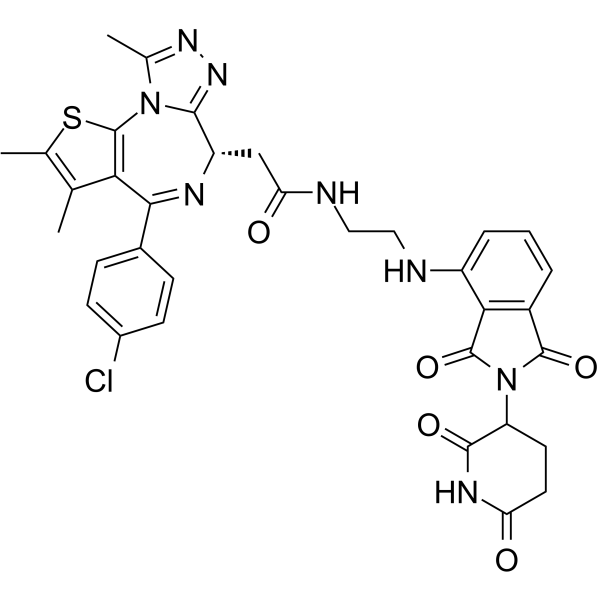 0 ImagesdBET57 is a potent and selective BRD4BD1 PROTAC degrader with a DC50 of approximately 500 nM. dBET57 forms a ternary complex with CRL4CRBN and BRD4BD1, induces the ubiquitination and degradation of BRD4, and indirectly inhibits the transcription of MYCN, c-Myc and PD-L1, ultimately leading to cell cycle arrest and apoptosis. dBET57 can be used in related research on neuroblastoma, non-small cell lung cancer and colorectal cancer.
-
NVS-CECR2-1
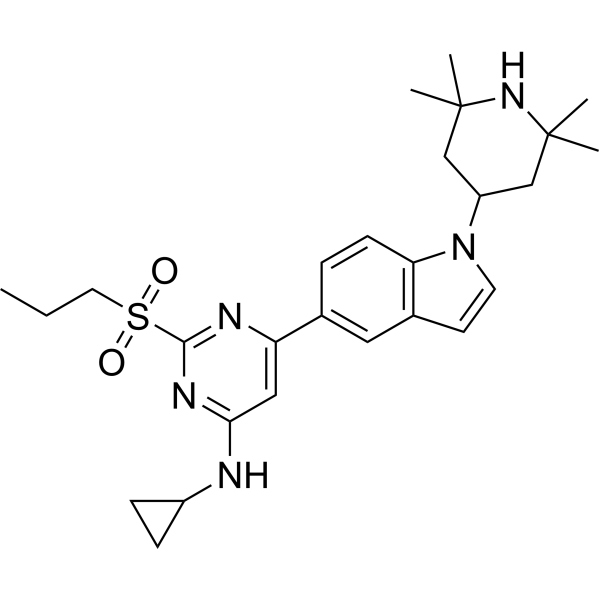 0 ImagesNVS-CECR2-1, a non-BET family Bromodomain (BRD) inhibitor, is a potent and selective cat eye syndrome chromosome region, candidate 2 (CECR2) inhibitor. NVS-CECR2-1 binds to CECR2 BRD with high affinity (IC50=47 nM; KD=80 nM). NVS-CECR2-1 exhibits cytotoxic activity and induces apoptosis against various cancer cells by targeting CECR2 as well as via CECR2-independent mechanism. NVS-CECR2-1 is a chemical probe.
-
SIM1
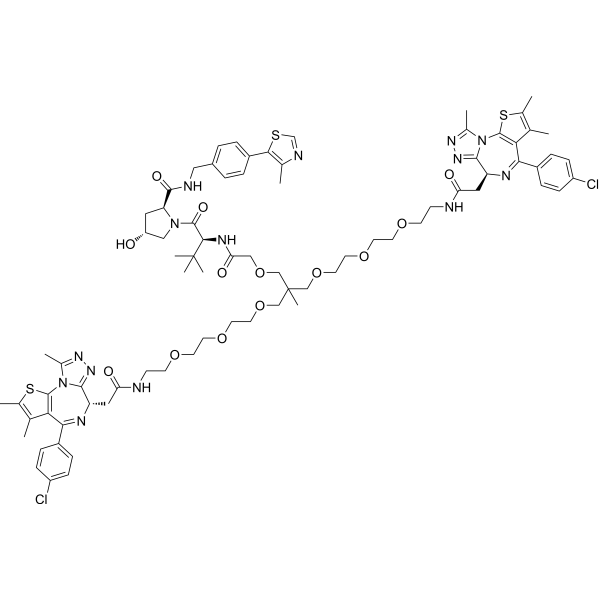 0 ImagesSIM1 is a potent von Hippel-Lindau (VHL)-based trivalent PROTAC capable of degradation for all BET family members, with preference for BRD2 degradation (IC50=1.1 nM; Kd=186 nM). SIM1 shows sustained anti-cancer activity.
-
IBG3
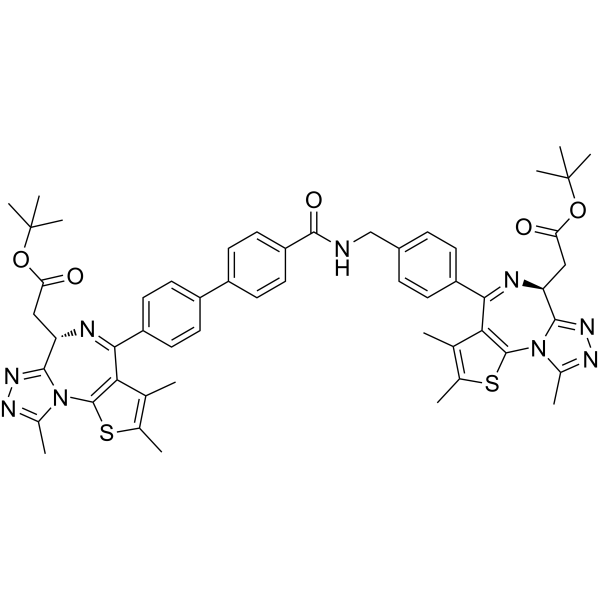 0 ImagesCat. No.: HY-160528Purity: 98.53%IBG3 is a bivalent molecular glue degrader that targets BRD2 and BRD4, with an EC50 of 32 nM and a Kd of 0.6 µM against human BRD4. IBG3 exhibits selectivity for BRD2 and BRD4 over BRD3. By recruiting the DCAF16 E3 ligase, IBG3 cis-binds to the tandem bromodomains of BRD2 and BRD4, enhances BRD-DCAF16 binding affinity, promotes ubiquitination and proteasomal degradation, and does not degrade isolated bromodomains. IBG3 lacks degradation selectivity for PSMA-positive and PSMA-negative prostate cancer cells, but shows lower in vivo antitumor efficacy than the PSMA-targeting conjugate IBG-P3, and can be used in prostate cancer-related research.
-
TMX1
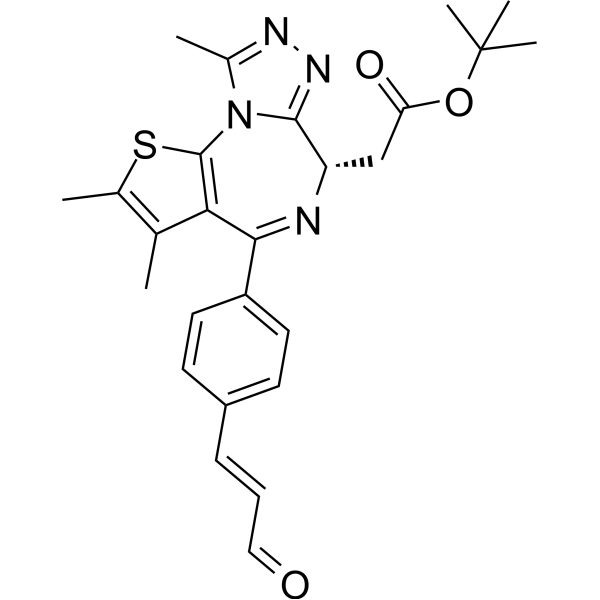 0 ImagesTMX1 is a covalent, selective BRD4 molecular glue degrader. TMX1 binds to the JQ1-binding site of BRD4BD2, forms covalent bonds with Cys58 of DCAF16 and Cys87 of GAK in a BRD4BD2-dependent template-assisted manner, stabilizes the BRD4-TMX1-DCAF16 ternary complex, and promotes the ubiquitination of BRD4 via the CRL4DCAF16 ubiquitin ligase complex. TMX1 induces selective degradation of BRD4, mild degradation of BRD2 and BRD3, as well as DCAF16-dependent cytotoxicity.
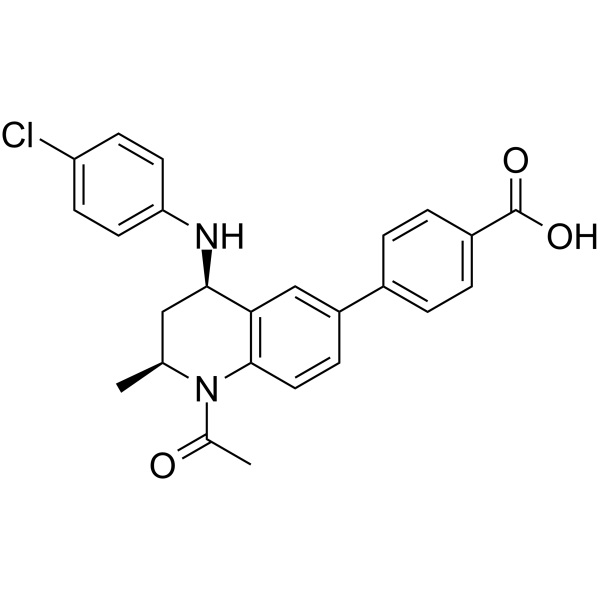
-
Methyl (S)-2-(4-(4'-((4-(N-(3-cyano-4-methyl-1H-indol-7-yl)sulfamoyl)benzyl)carbamoyl)-[1,1'-biphenyl]-4-yl)-2,3,9-trimethyl-6H-thieno[3,2-f][1,2,4]triazolo[4,3-a][1,4]diazepin-6-yl)acetate
![Methyl (S)-2-(4-(4'-((4-(N-(3-cyano-4-methyl-1H-indol-7-yl)sulfamoyl)benzyl)carbamoyl)-[1,1'-biphenyl]-4-yl)-2,3,9-trimethyl-6H-thieno[3,2-f][1,2,4]triazolo[4,3-a][1,4]diazepin-6-yl)acetate](https://file.medchemexpress.com/product_pic/hy-153459.gif "Click to View Methyl (S)-2-(4-(4'-((4-(N-(3-cyano-4-methyl-1H-indol-7-yl)sulfamoyl)benzyl)carbamoyl)-[1,1'-biphenyl]-4-yl)-2,3,9-trimethyl-6H-thieno[3,2-f][1,2,4]triazolo[4,3-a][1,4]diazepin-6-yl)acetate Product Detail") 0 ImagesIBG1 is a bivalent molecular glue degrader targeting BRD2/BRD4, with IC50 values of 12.8 nM and 462 nM, respectively, and an EC50 of 44 nM. By binding to the adjacent BD1 and BD2 bromodomains of BRD2 and BRD4, IBG1 stabilizes the ternary complex formed with DCAF16, thereby driving CRL-mediated ubiquitination and proteasomal degradation. IBG1 induces cancer cell apoptosis and inhibits cancer cell growth in a DCAF16-dependent manner, and downregulates MYC expression through DCAF16-independent BET bromodomain inhibition. IBG1 can be used in research of various cancers including prostate cancer.
0 ImagesIBG1 is a bivalent molecular glue degrader targeting BRD2/BRD4, with IC50 values of 12.8 nM and 462 nM, respectively, and an EC50 of 44 nM. By binding to the adjacent BD1 and BD2 bromodomains of BRD2 and BRD4, IBG1 stabilizes the ternary complex formed with DCAF16, thereby driving CRL-mediated ubiquitination and proteasomal degradation. IBG1 induces cancer cell apoptosis and inhibits cancer cell growth in a DCAF16-dependent manner, and downregulates MYC expression through DCAF16-independent BET bromodomain inhibition. IBG1 can be used in research of various cancers including prostate cancer.
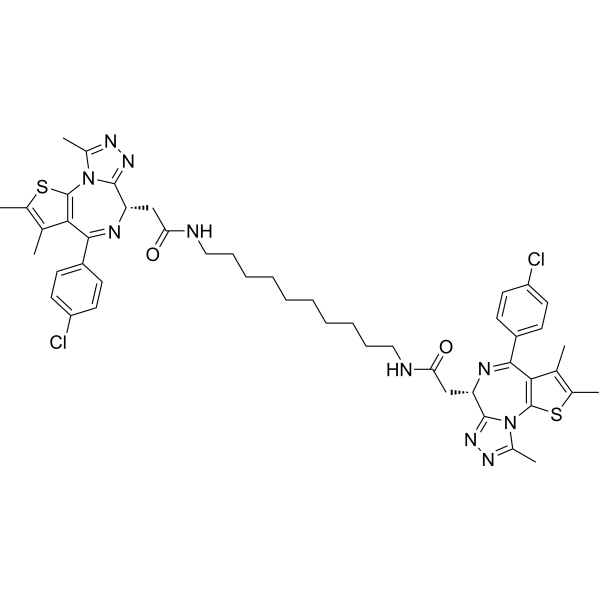
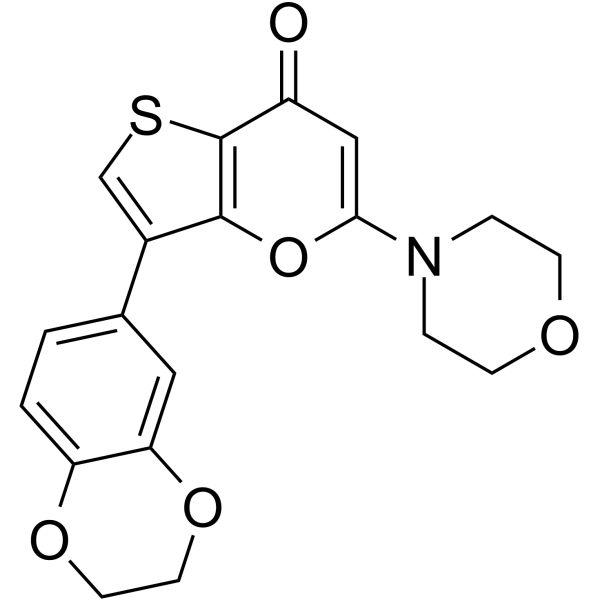
-
GSK973
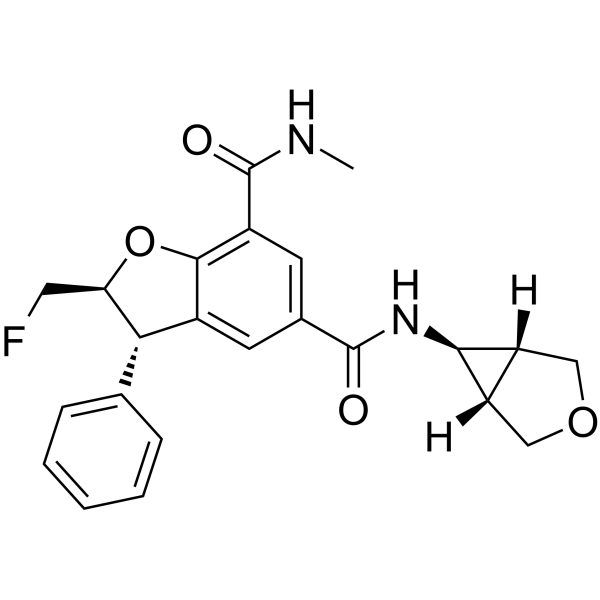 0 ImagesGSK973, a chemical probe, is a highly selective, orally bioavailable inhibitor of the BD2s (second bromodomains) of the BET family, with a pIC50 of 7.8 and a pKd of 8.7 for BRD4 BD2. GSK973 displays a 1600-fold selectivity for BRD4 BD2 over BRD4 BD1. GSK973 shows good potency against BRD2 BD2, BRD3 BD2, and BRDT BD2 (pIC50=7.4~7.8; pKd=8.3~8.5).
-
ZL0580
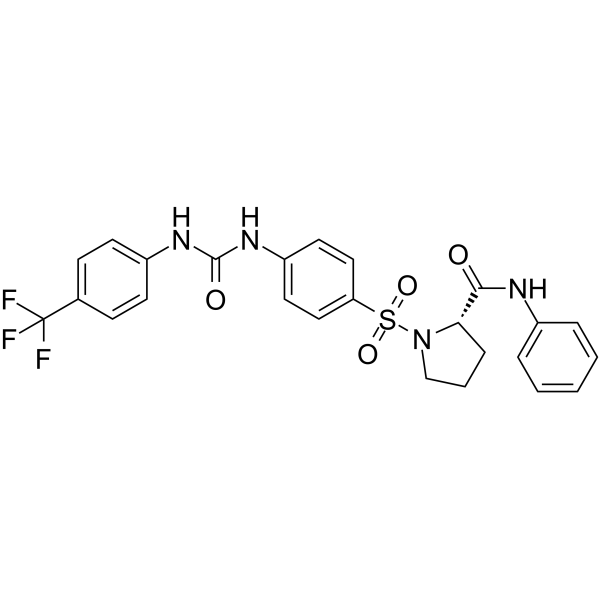 0 ImagesZL0580, a structurally close analog of ZL0590, induces epigenetic suppression of HIV via selectively binding to BD1 domain of BRD4. ZL0580 induces HIV suppression by inhibiting Tat transactivation and transcription elongation as well as by inducing repressive chromatin structure at the HIV promoter.
-
BETd-260
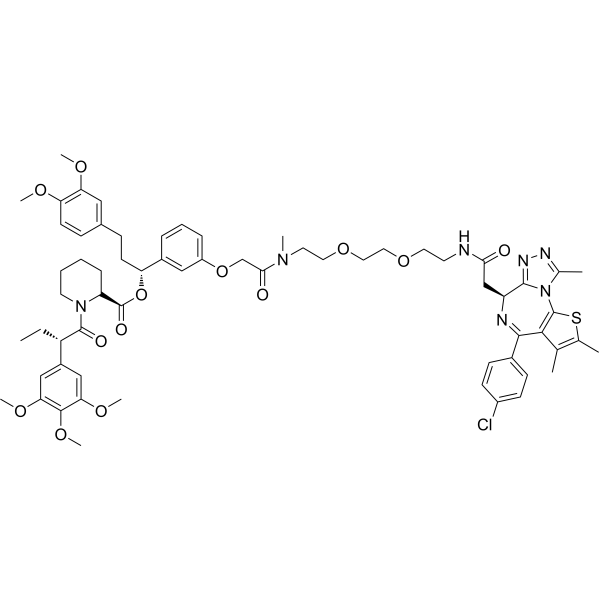
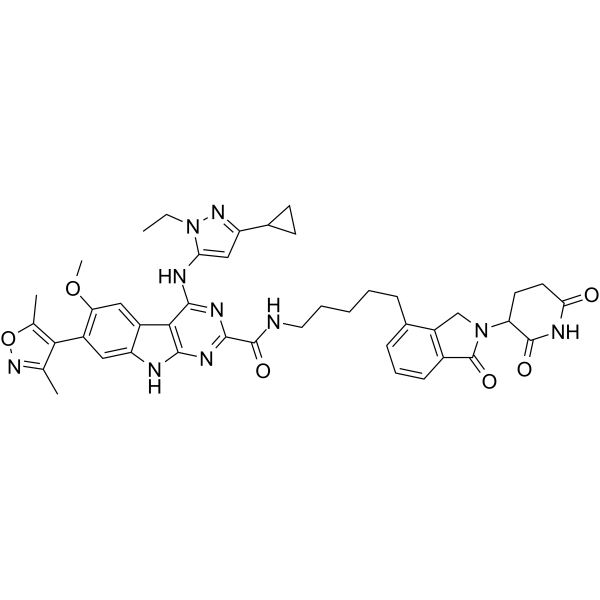 0 ImagesSynonyms: ZBC 260BETd-260 (ZBC 260) is a BET PROTAC degrader. BETd-260 recruits BRD2, BRD3, and BRD4 to the CUL4-RBX1-DDB1-CRBN E3 ubiquitin ligase complex, driving cereblon-, proteasome-, and NEDD8-activating enzyme-dependent ubiquitination and degradation, with a DC50 of approximately 30-100 pM in RS4;11 cells. BETd-260 induces cancer cell apoptosis via endogenous signaling pathways, regulates the expression of the Bcl-2 family, inhibits the oncogene c-Myc, and reduces cell viability. BETd-260 suppresses tumor growth in mouse xenograft models with good biosafety. BETd-260 can be used in research related to acute leukemia, hepatocellular carcinoma, osteosarcoma, and triple-negative breast cancer.
-
PROTAC BRD4 Degrader-5-CO-PEG3-N3
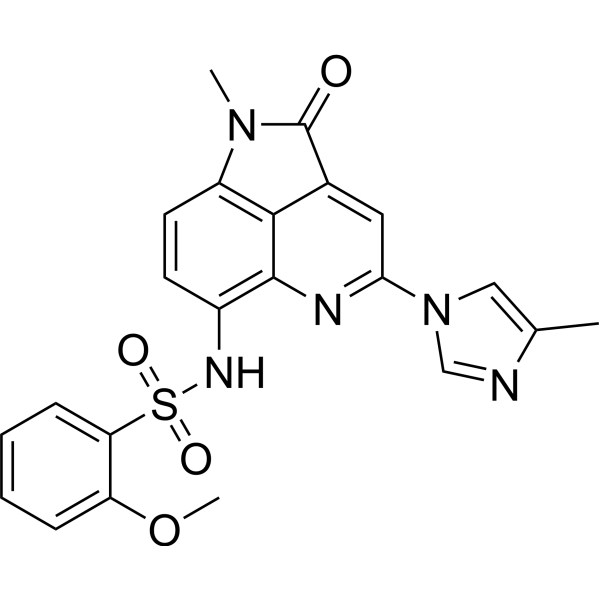
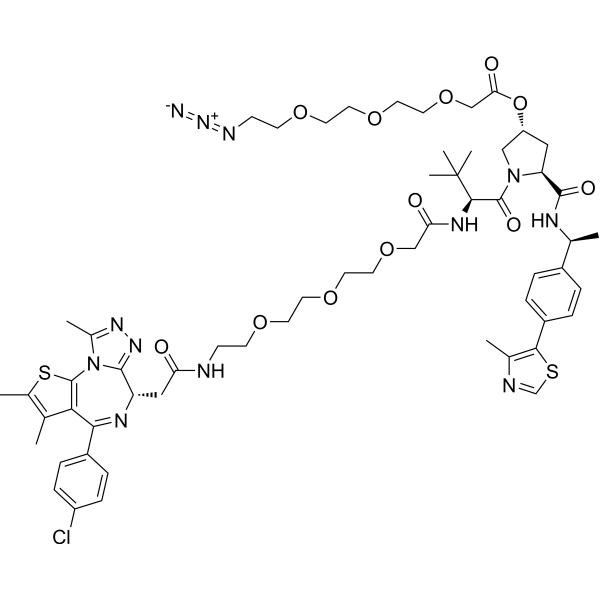 0 ImagesPROTAC BRD4 Degrader-5-CO-PEG3-N3 is a PROTAC-linker Conjugate for PAC, comprises the BRD4 degrader (MZ 1 (HY-107425) analog) and PEG-based linker. PROTAC BRD4 Degrader-5-CO-PEG3-N3 is a click chemistry reagent, it contains an Azide group and can undergo copper-catalyzed azide-alkyne cycloaddition reaction (CuAAc) with molecules containing Alkyne groups. It can also undergo strain-promoted alkyne-azide cycloaddition (SPAAC) reactions with molecules containing DBCO or BCN groups. PROTAC BRD4 Degrader-5-CO-PEG3-N3 can be used for the research of HER2-positive breast cancer.
-
(S)-JQ-35
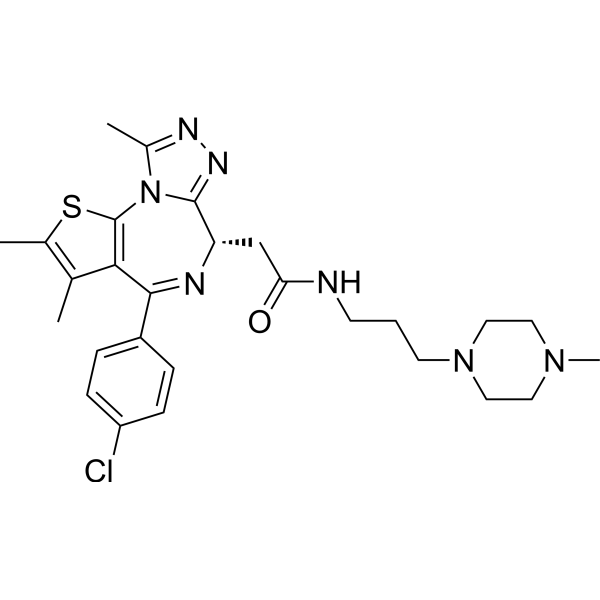 0 ImagesSynonyms: TEN-010(S)-JQ-35 (TEN-010) is an orally active, blood-brain barrier-permeable bromodomain inhibitor that selectively targets the bromodomain and extra-terminal domain (BET) protein family (BRD4, BRD3, BRD2 and BRDT). (S)-JQ-35 blocks the activation of Myc gene expression by BRD4, thereby inhibiting cancer cell proliferation and promoting cancer cell apoptosis. (S)-JQ-35 can be used in research related to NUT midline carcinoma and neuroblastoma.



