



Tyrosinase
Tyrosinase is a copper-containing metalloprotein belonging to the type-3 copper protein family, together with haemocyanins and catechol oxidases. Tyrosinases are the catalysts in mammals responsible for the formation of melanin in skin and hair color, as well as browning in fruit and vegetables following cell damage.
Tyrosinases are found in various prokaryotes as well as in plants, fungi, arthropods, and mammals and are responsible for pigmentation, wound healing, radiation protection, and primary immune response. Tyrosinases perform two sequential enzymatic reactions: hydroxylation of monophenols and oxidation of diphenols to form quinones which polymerize spontaneously to melanin. In plants, sponges, and many invertebrates, tyrosinases are important for wound healing and primary immune responses; in arthropods, they play a role in sclerotization, and in bacteria, tyrosinases protect DNA from UV damage.
All Product Categories
-
Tyrosinase Inhibitors
(273)
View all products
-
Tyrosinase Antagonist
(1)
View all products
-
Tyrosinase Activators
(10)
View all products
-
Tyrosinase Modulator
(1)
View all products
-
Tyrosinase Inducer
(1)
View all products
-
Tyrosinase Degrader
(1)
View all products
-
Tyrosinase Substrates
(7)
View all products
-
Tyrosinase Ligand
(1)
View all products
-
Tyrosinase Related Products (319)
Related Products (319)

-
Antibodies (9)
-
(±)-Taxifolin-13C3
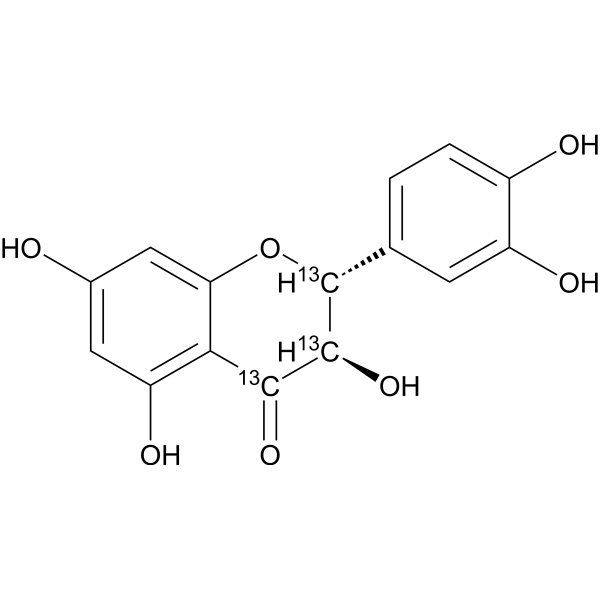 0 ImagesCat. No.: HY-N0136S1Purity: 99.63%Synonyms: (±)-Dihydroquercetin-13C3(±)-Taxifolin-13C3 ((±)-Dihydroquercetin-13C3) is a derivative of (±)-Taxifolin, labeled with 13C3. (±)-Taxifolin is the racemate of Taxifolin. Taxifolin exhibits important anti-tyrosinase activity. Taxifolin exhibits significant inhibitory activity against collagenase with an IC50 value of 193.3 μM. Taxifolin is an important natural compound with antifibrotic activity. Taxifolin is a free radical scavenger with antioxidant capacity.
-
Obtusifolin-2-O-glucoside
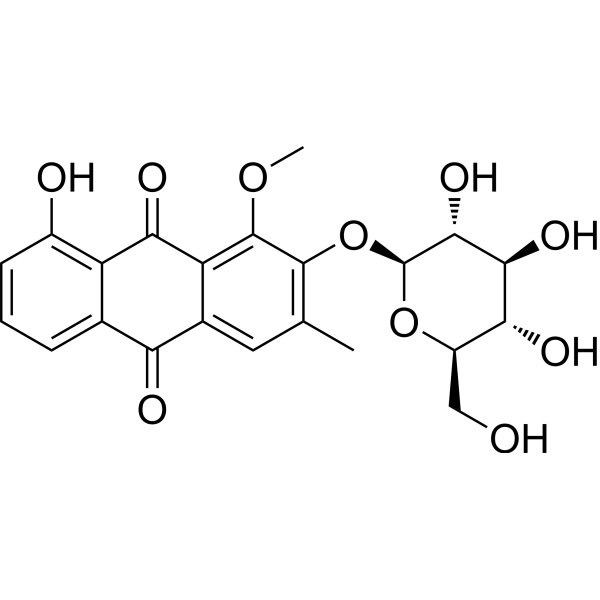 0 ImagesCat. No.: HY-N11063CAS No.: 120163-18-0Obtusifolin-2-O-glucoside (compound 7) is a Tyrosinase inhibitor (IC50=9.2 μM). Obtusifolin-2-O-glucoside can be isolated from cassia seed.
-
(±)-Taxifolin
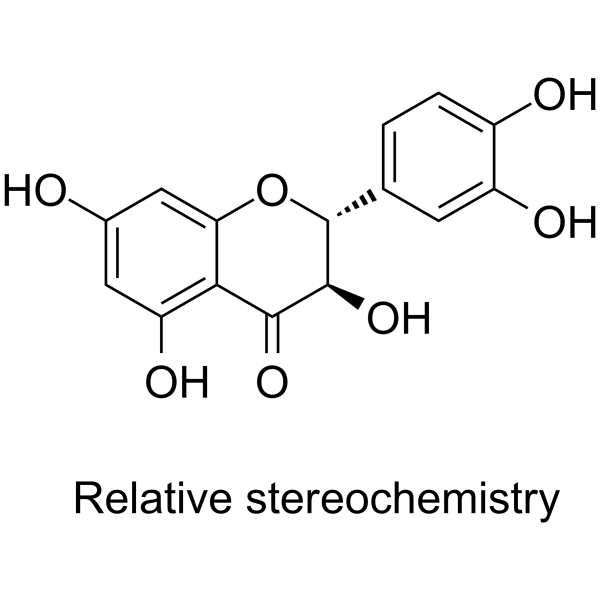 0 ImagesSynonyms: (±)-Dihydroquercetin(±)-Taxifolin ((±)-Dihydroquercetin) is the racemate of Taxifolin (HY-N0136). Taxifolin exhibits important anti-tyrosinase activity. Taxifolin exhibits significant inhibitory activity against collagenase with an IC50 value of 193.3 μM. Taxifolin is an important natural compound with antifibrotic activity. Taxifolin is a free radical scavenger with antioxidant capacity.
-
α-Arbutin (Standard)
 0 ImagesSynonyms: 4-Hydroxyphenyl α-D-glucopyranoside (Standard)α-Arbutin (Standard) is the analytical standard of α-Arbutin. This product is intended for research and analytical applications. α-Arbutin (4-Hydroxyphenyl α-D-glucopyranoside) is emerging as popular and effective skin whiteners, acting as tyrosinase inhibitor.
-
2-Ketoglutaric acid potassium
 0 ImagesSynonyms: Alpha-Ketoglutaric acid potassium2-Ketoglutaric acid (Alpha-Ketoglutaric acid) (potassium) is an intermediate in the production of ATP or GTP in the Krebs cycle. 2-Ketoglutaric acid potassium is a reversible and orally active inhibitor of tyrosinase with an IC50 value of 15 mM. 2-Ketoglutaric acid potassium also acts as the major carbon skeleton for nitrogen-assimilatory reactions. 2-Ketoglutaric acid potassium significantly suppresses abnormal intestinal permeability, delocalization of tight junction proteins from the intestinal cells, expression of TNFα in vitro and in vivo. 2-Ketoglutaric acid potassium directly binds to TAK1, and inhibits the TRAF6-TAK1 interaction. 2-Ketoglutaric acid potassium also alleviates inflammatory bowel disease (IBD) symptoms and gut microbiota dysbiosis, evident by the improvements in the intestine length.
-
2-Ketoglutaric acid-13C
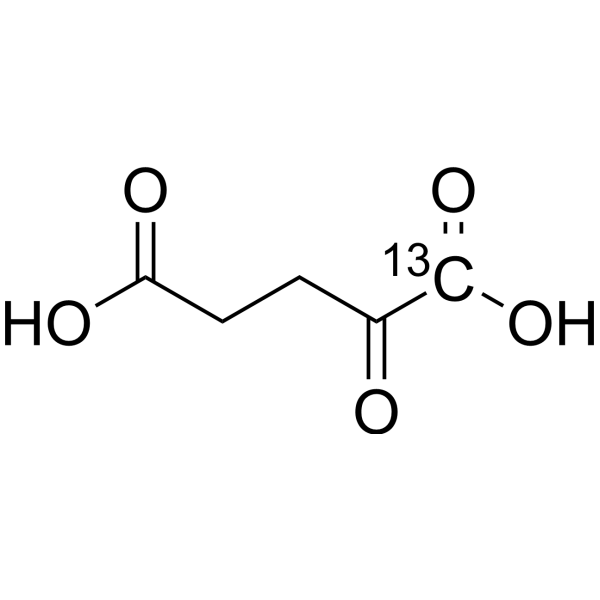 0 ImagesCat. No.: HY-W013636S3CAS No.: 108395-15-9Synonyms: Alpha-Ketoglutaric acid-13C2-Ketoglutaric acid-13C (Alpha-Ketoglutaric acid-13C) is a 13C labeled 2-Ketoglutaric acid (HY-W013636). 2-Ketoglutaric acid (Alpha-Ketoglutaric acid) is an intermediate in the production of ATP or GTP in the Krebs cycle. 2-Ketoglutaric acid also acts as the major carbon skeleton for nitrogen-assimilatory reactions. 2-Ketoglutaric acid is a reversible inhibitor of tyrosinase (IC50=15 mM).
-
Viscumneoside III
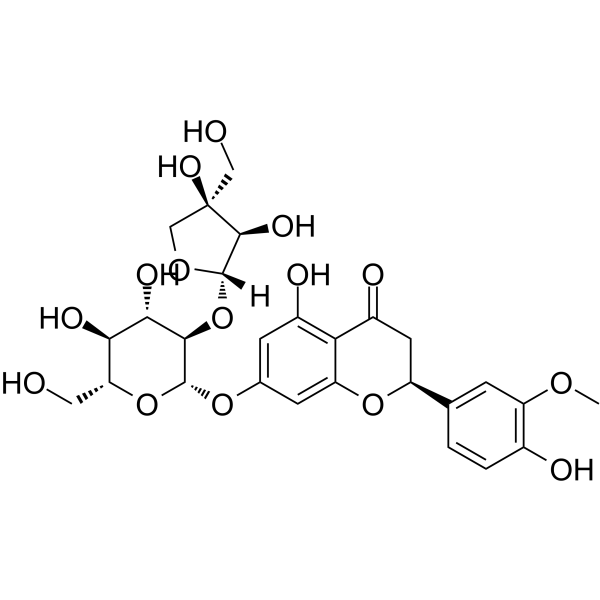 0 ImagesViscumneoside III, a dihydroflavone O-glycoside, is a potent tyrosinase inhibitor with an IC50 of 0.5 mM. Viscumneoside III has anti-angina pectoris.
-
Pedalitin
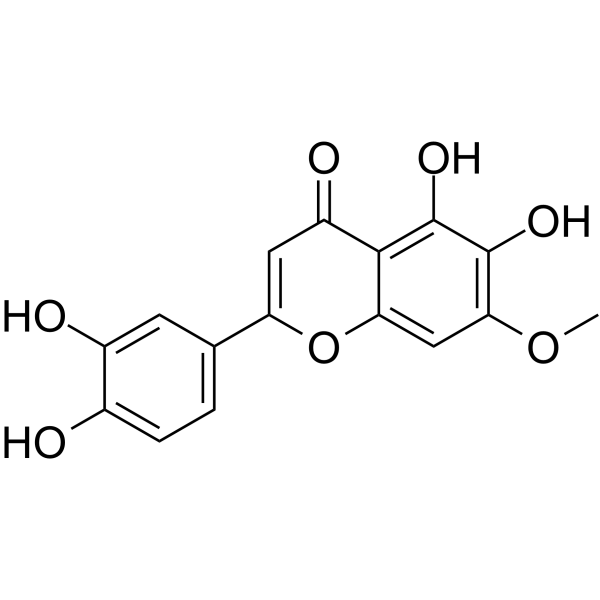 0 ImagesPedalitin is a inhibitor of tyrosinase(IC50=0.28 mM) and α-glucosidase(IC50=0.29 mM).
-
SU-4942
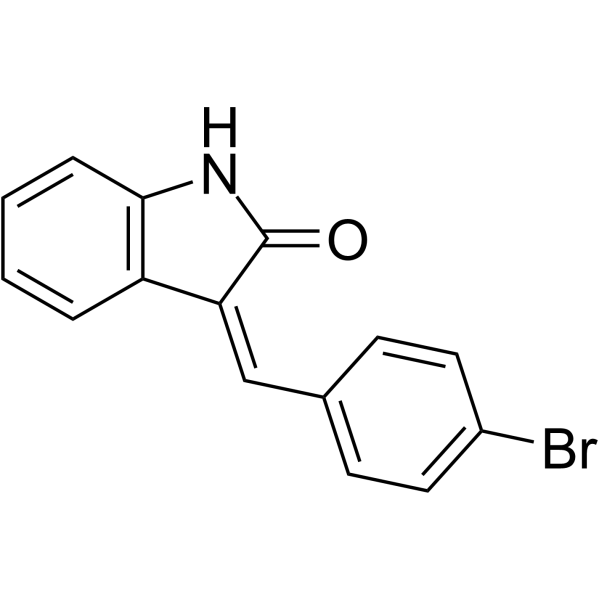 0 ImagesSU-4942 is a tyrosine kinase signal signal modulator. SU-4942 inhibits VEGF- and endothelial cell growth factor (ECGF)-induced mitogenesis in endothelial cells (US5792783A).
-
Tyrosinase-IN-18
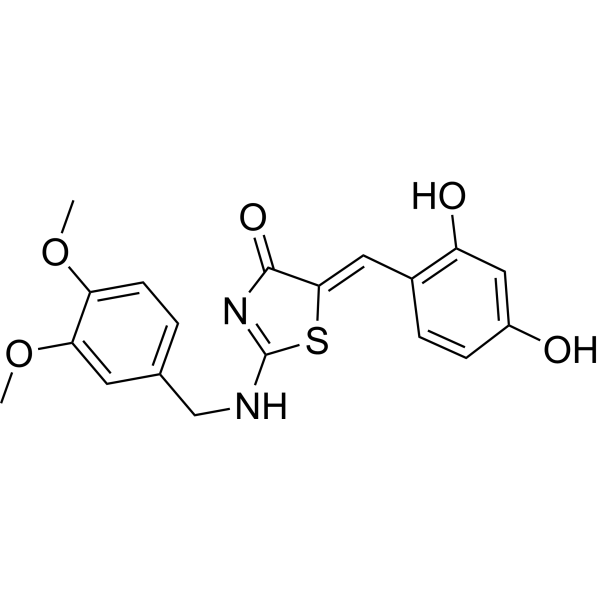 0 ImagesCat. No.: HY-157123Purity: 99.33%Tyrosinase-IN-18 (compound 6) is a potent tyrosinase inhibitor. Tyrosinase-IN-18 inhibits melanogenesis in B16F10 mammalian cells. Tyrosinase-IN-18 has strong antioxidant activities against ROS, ABTS+, and DPPH radicals.
-
Ethyl 3,4,5-trimethoxybenzoate
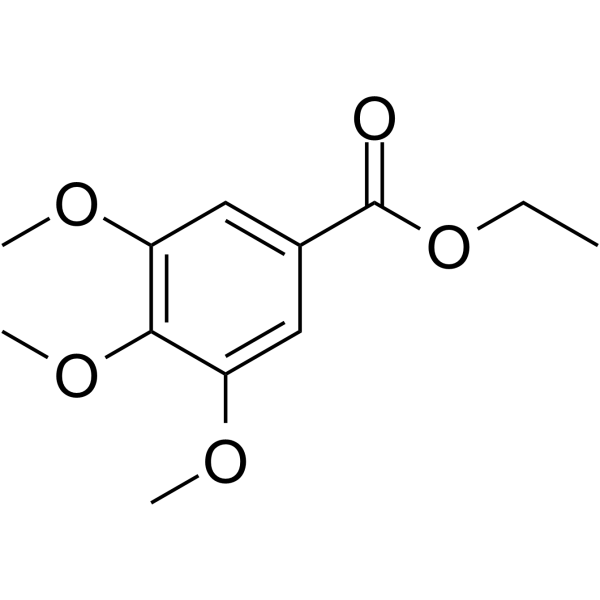 0 ImagesEthyl 3,4,5-trimethoxybenzoate is a melanogenesis inhibitor. Ethyl 3,4,5-trimethoxybenzoate does not directly target tyrosinase activity, but inhibits melanin synthesis in a dose-dependent manner by downregulating α-MSH (HY-P0252)-induced tyrosinase protein expression and scavenging ROS. Ethyl 3,4,5-trimethoxybenzoate scavenges DPPH free radicals. Ethyl 3,4,5-trimethoxybenzoate can be used in the research of hyperpigmentation.
-
Isolindleyin
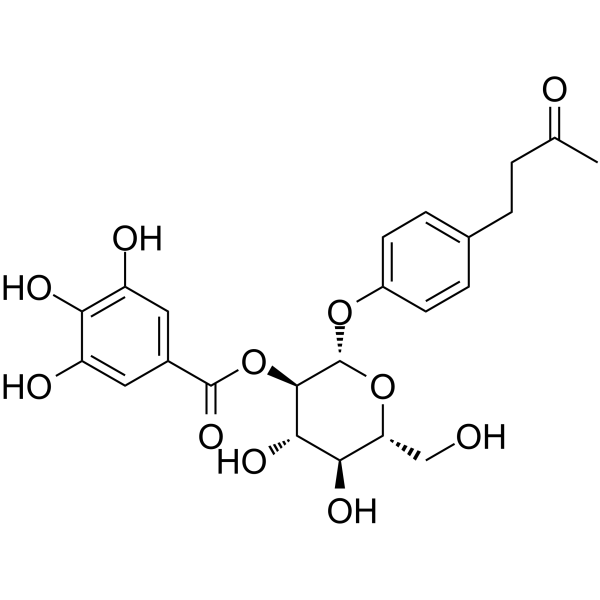 0 ImagesIsolindleyin, a butyrophenone, is a tyrosinase inhibitor, with a Kd of 54.8 μM for human tyrosinase. Isolindleyin exhibits anti-inflammatory, analgesic and anti-melanogenic activities.
-
2-Ethoxybenzamide
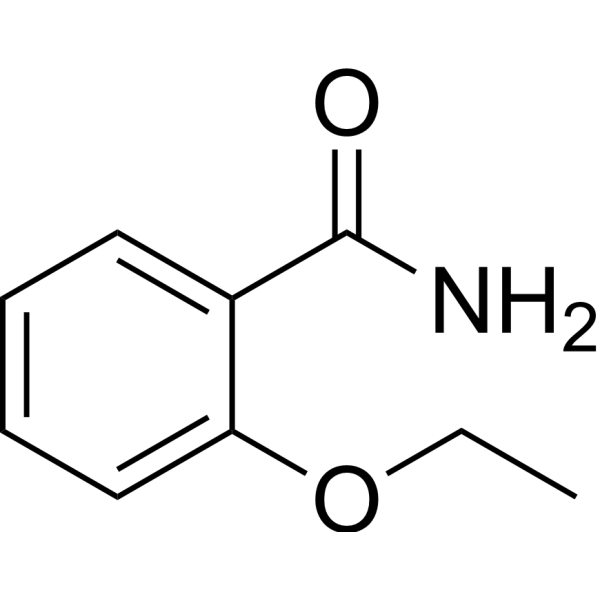 0 Images2-Ethoxybenzamide (Ethenzamide) is a nonsteroidal anti-inflammatory agent that shows analgesic and antipyretic effects. 2-Ethoxybenzamide induces melanin synthesis via cAMP response element-binding protein (CREB) phosphorylation. 2-Ethoxybenzamide can be used in the research of hypopigmentation and inflammation-related diseases.
-
Polyphyllin C
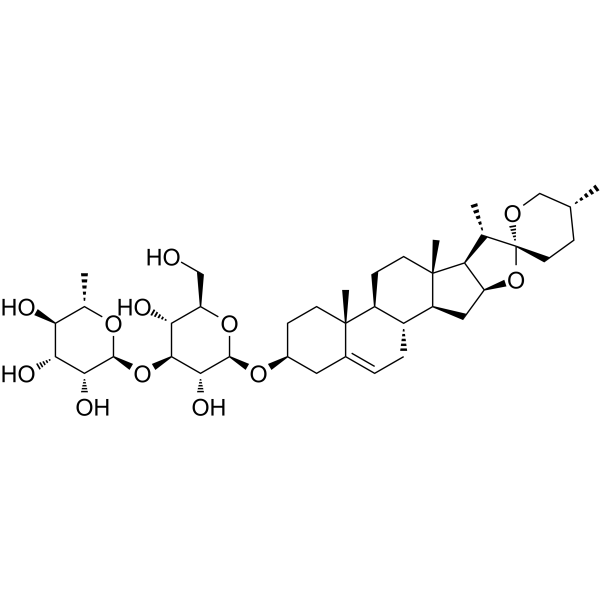 0 ImagesCat. No.: HY-W019829CAS No.: 76296-71-4Polyphyllin C (compound 2) is a spirostanol saponin. Polyphyllin C exhibits mild (IC50=36.87 µM) activities against the tyrosinase and moderate (IC50=1.59 µg/mL) antileishmanial activities.
-
Kojic acid dipalmitate
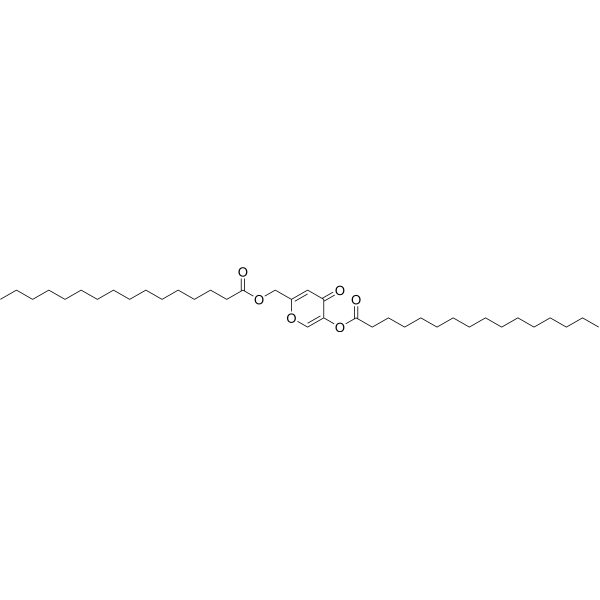 0 ImagesSynonyms: Kojic dipalmitateKojic acid dipalmitate (Kojic dipalmitate) is a derivative of Kojic acid (HY-W050154), a fungal metabolite that can be produced by species of Aspergillus, Acetobacter and Penicillium. Kojic acid dipalmitate is a slow and reversible competitive inhibitor of tyrosinase. Kojic acid dipalmitate can be used for skin‐lightening agent research.
-
7DG
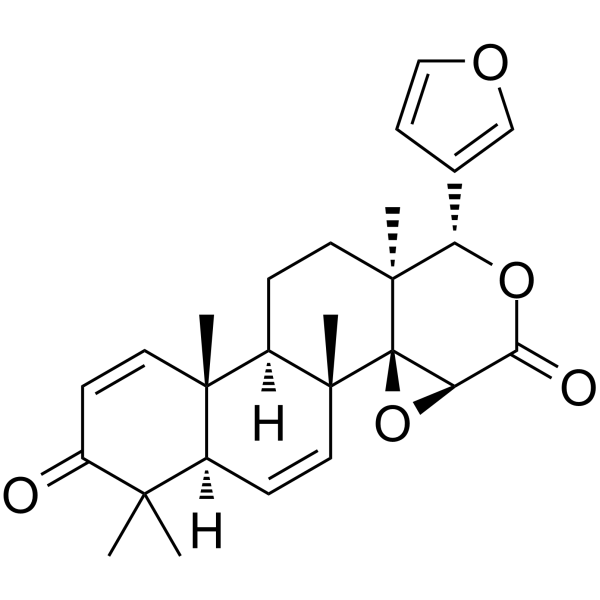 0 ImagesSynonyms: 7-Desacetoxy-6,7-dehydrogedunin7DG (7-Desacetoxy-6,7-dehydrogedunin) is a PKR inhibitor, P2X7 purinergic receptor inhibitor, and skin-lightening agent. 7DG binds outside the ATP-catalytic domain of PKR, blocks the kinase activity-independent protein-protein interactions of PKR, inhibits the phosphorylation and activity of PKR, disrupts ASC assembly and caspase-1 activation, and suppresses the activation of the NLRP1 inflammasome. 7DG inhibits pyroptosis, suppresses the ATP-P2X7 signaling pathway, and abolishes ATP-induced increases in the expression levels of MITF, tyrosinase, PMEL/gp100, and melanin content. 7DG exerts skin-lightening effects in cultured skin in vitro. 7DG can be used in research related to chronic obstructive pulmonary disease, gout, type 2 diabetes, Alzheimer's disease, and hyperpigmentary skin disorders.
-
RDN2150
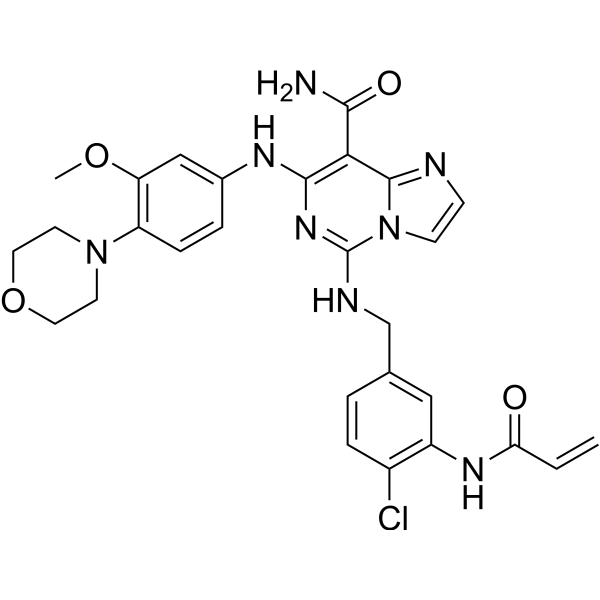 0 ImagesCat. No.: HY-155978CAS No.: 2839429-51-3RDN2150 is a ZAP-70 inhibitor with an IC50 of 14.6 nM, and it exhibits selectivity for Syk over other kinases. RDN2150 inhibits signal transduction and activation of T cells/CAR-T cells, reduces the phosphorylation level of Erk1/2, suppresses the induction of CD69 and IL-2, and downregulates phosphotyrosine signaling pathways including hnRNP sites in T cells. RDN2150 can be used for psoriasis-related research.
-
Decanoic acid-13C
 0 ImagesDecanoic acid-13C is the 13C-labeled Decanoic acid (HY-W015309). Decanoic acid is a key component of the medium-chain triglyceride (MCT) found in coconut oil. Decanoic acid is a brain-penetrant and non-competitive inhibitor of AMPA receptor showing antiseizure activity in rats. Decanoic acid reduces tyrosinase activity and inhibits melanosome maturation. Decanoic acid suppresses the phosphorylation of c-Met and induced apoptosis in hepatocellular carcinoma (HCC) cells by inhibiting the expression of various oncogenic proteins, which is promising for research in the field of mTORC1 signaling, HCC and epilepsy.
-
Glycolic acid (Standard)
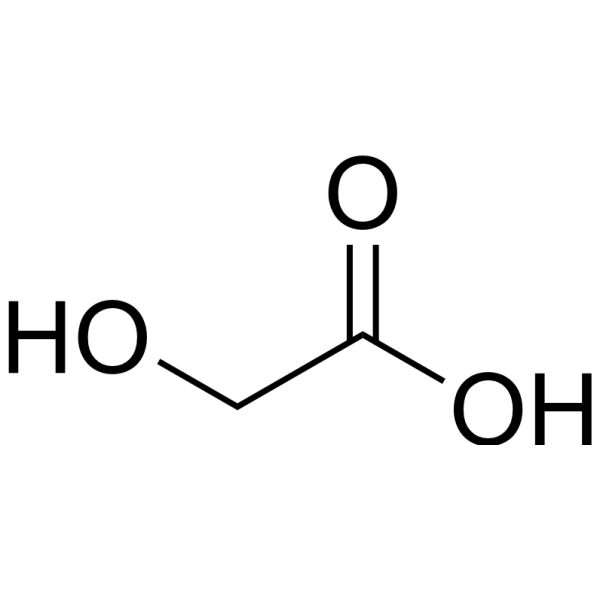 0 ImagesCat. No.: HY-W015967RCAS No.: 79-14-1Synonyms: Hydroxyethanoic acid (Standard)Glycolic acid (Standard) is the analytical standard of Glycolic acid. This product is intended for research and analytical applications. Glycolic acid is an inhibitor of tyrosinase, suppressing melanin formation and lead to a lightening of skin colour.
-
(E)-2-Methoxycinnamaldehyde
 0 ImagesCat. No.: HY-W046353ACAS No.: 60125-24-8Synonyms: (E)-O-Methoxycinnamaldehyde(E)-2-Methoxycinnamaldehyde ((E)-o-Methoxycinnamaldehyde) is a tyrosinase inhibitor with an IC50 of 0.42 mM for mushroom tyrosinase. (E)-2-Methoxycinnamaldehyde is found in the twigs of Cinnamomum cassia. (E)-2-Methoxycinnamaldehyde can be used for the research of Parkinson's disease.




