



mTOR Activator
-
Hydroxycitric acid tripotassium
 0 Images
Tripotassium hydroxycitrate is an orally active, multi-target, multi-bioactive organic acid. Tripotassium hydroxycitrate activates Nrf2 and its downstream molecule GPX4, increases glutathione levels, and thereby inhibits ferroptosis. Tripotassium hydroxycitrate activates the Nrf2/Keap1 and ACLY/NF-κB signaling pathways, upregulates the activities of antioxidant enzymes such as superoxide dismutase, reduces MDA content, thereby alleviating oxidative stress and renal tubular epithelial cell apoptosis, and improves pulmonary vascular and right ventricular remodeling. Tripotassium hydroxycitrate activates both the AMPK and mTORC1/S6K pathways, triggers the unfolded protein response, arrests the cancer cell cycle, and induces DNA fragmentation.
-
Rapastinel Trifluoroacetate
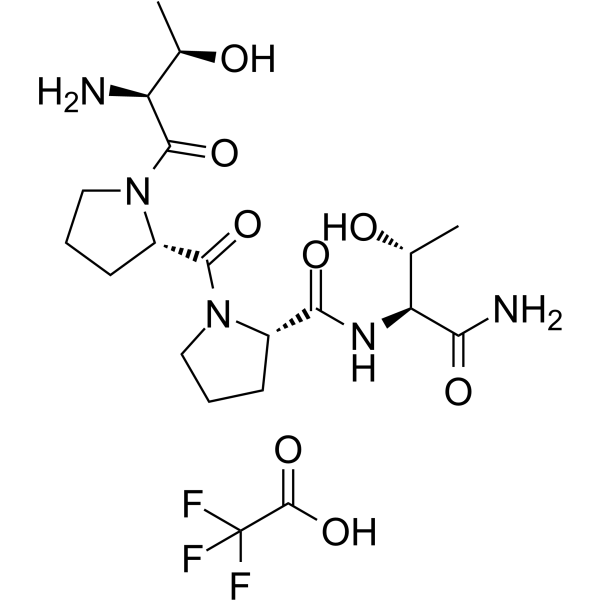 0 ImagesSynonyms: GLYX-13 Trifluoroacetate
Rapastinel (GLYX-13) Trifluoroacetate is a potent NMDAR modulator capable of crossing the blood-brain barrier, and it exhibits extremely high affinity for human NMDAR (EC50=0.0017-9.9 nM). Rapastinel Trifluoroacetate enhances ERK signaling and activates the mTOR pathway, thereby upregulating the expression of BDNF and VGF, and inducing significant neuroplastic changes such as enhanced LTP and increased mature dendritic spine density in the hippocampus. Rapastinel Trifluoroacetate moderately elevates the efflux of dopamine, norepinephrine and 5-HT in the prefrontal cortex, and uniquely avoids side effects of traditional antidepressants such as dissociation, addiction or sedation. Rapastinel Trifluoroacetate is applicable to the research of major depressive disorder and hepatocellular carcinoma.
-
Levomilnacipran hydrochloride
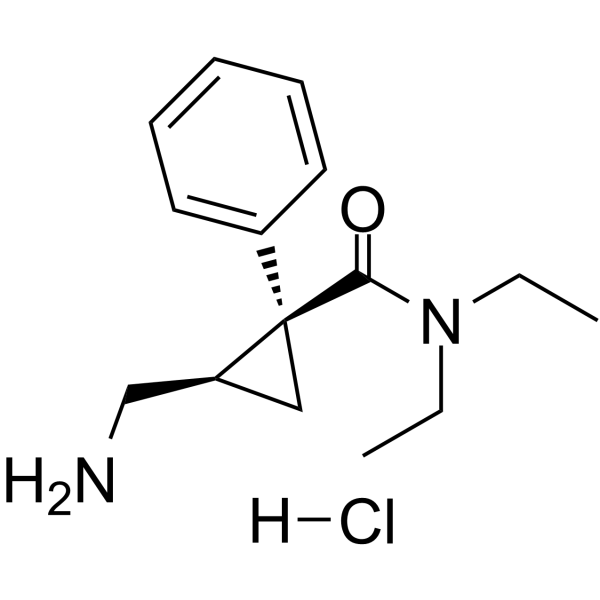 0 ImagesSynonyms: (1S,2R)-Milnacipran hydrochloride; F-2695 hydrochloride
Levomilnacipran ((1S,2R)-Milnacipran) hydrochloride is the enantiomer of Milnacipran (HY-B0168) and a strong substrate of P-gp that can cross the blood-brain barrier. Levomilnacipran hydrochloride is a serotonin and norepinephrine reuptake inhibitor, with IC50 values of 10.5 nM and 19.0 nM, and Ki values of 92.2 nM and 1.2 nM for human norepinephrine transporter (NET) and serotonin transporter (SERT), respectively. Levomilnacipran hydrochloride has antidepressant and anxiolytic activities. Levomilnacipran hydrochloride can be used for the research of depression.
-
Ganglioside GT1b (bovine) ammonium
 0 Images
Ganglioside GT1b (bovine) ammonium is a member of the ganglioside family. Ganglioside GT1b (bovine) ammonium acts as a protective signal against nerve injury-induced spinal synapse elimination. Ganglioside GT1b (bovine) ammonium induces HA synthesis and the phosphorylation of Akt/mTOR in orbital fibroblasts. Ganglioside GT1b (bovine) ammonium enhances porcine oocyte maturation and induce activation of EGFR and ERK1/2 signaling. Ganglioside GT1b (bovine) ammonium is a putative host cell receptor for the Merkel cell polyomavirus. Ganglioside GT1b (bovine) ammonium can be used for the researches of cancer, infection, immunology, endocrinology and neurological disease, such as Thyroid eye disease.
-
Psicose
 0 ImagesSynonyms: DL-Psicose
Psicose (DL-Psicose) is an orally effective sugar substitute. Psicose activates the PI3K/Akt/mTOR pathway to promote muscle synthesis. Psicose upregulates IGF-1 and downregulates Myostatin. Psicose normalizes mitochondrial dysfunction by increasing G6P activity. Psicose enhances the activity of antioxidant enzymes and reduces oxidative stress markers. Psicose increases muscle mass, grip strength and muscle weight in aged mice and diet-induced obese mice. Psicose improves obesity and type 2 diabetes. Psicose can be used in the research of age-related sarcopenia.
-
Rapastinel
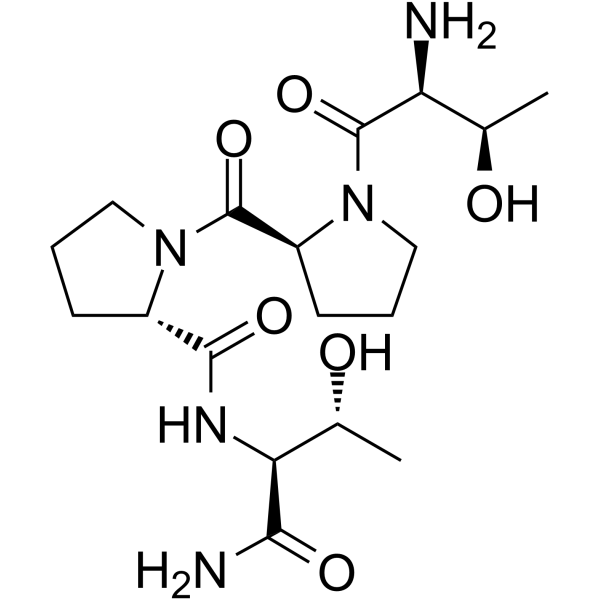 0 ImagesSynonyms: GLYX-13
Rapastinel (GLYX-13) is a potent NMDAR modulator capable of crossing the blood-brain barrier, and it exhibits extremely high affinity for human NMDAR (EC50=0.0017-9.9 nM). Rapastinel enhances ERK signaling and activates the mTOR pathway, thereby upregulating the expression of BDNF and VGF, and inducing significant neuroplastic changes such as enhanced LTP and increased mature dendritic spine density in the hippocampus. Rapastinel moderately elevates the efflux of dopamine, norepinephrine and 5-HT in the prefrontal cortex, and uniquely avoids side effects of traditional antidepressants such as dissociation, addiction or sedation. Rapastinel is applicable to the research of major depressive disorder and hepatocellular carcinoma.
-
PI5P4Kγ-IN-1
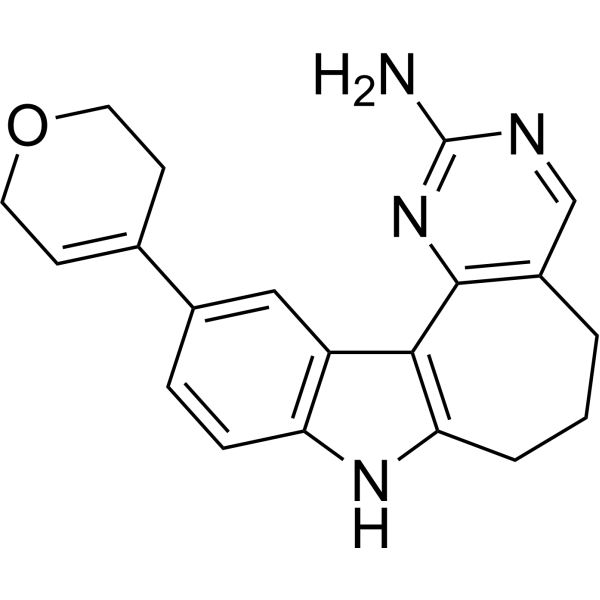 0 Images
PI5P4Kγ-IN-1 is an ATP-competitive, highly selective chemical probe for PI5P4Kγ, with a Kd of 19 nM and an IC50 of 67 nM. PI5P4Kγ-IN-1 effectively inhibits PI5P4Kγ function and activates the mTORC1 signaling pathway in cells. PI5P4Kγ-IN-1 can be used in studies related to diseases such as breast cancer.
-
NEO214
 0 Images
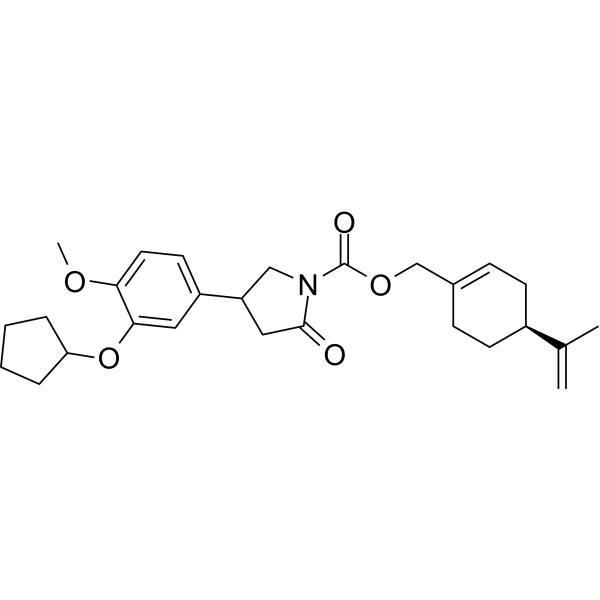
NEO214 is an autophagy inhibitor and a covalent conjugate of the PDE4 inhibitor Rolipram (HY-16900) and perillyl alcohol (HY-N7000). It has anti-cancer activity and blood-brain barrier (BBB) permeability. Over sex. NEO214 prevents autophagy-lysosome fusion, thereby blocking autophagic flux and triggering glioma cell death. The process involves mTOR activation, andTFEB(Transcription Factor EB) aggregation. NEO214 inhibitionMacroautophagy/autophagy in glioblastoma cells has the potential to overcome chemotherapy resistance in glioblastoma.
-
Arjunolic acid
 0 Images
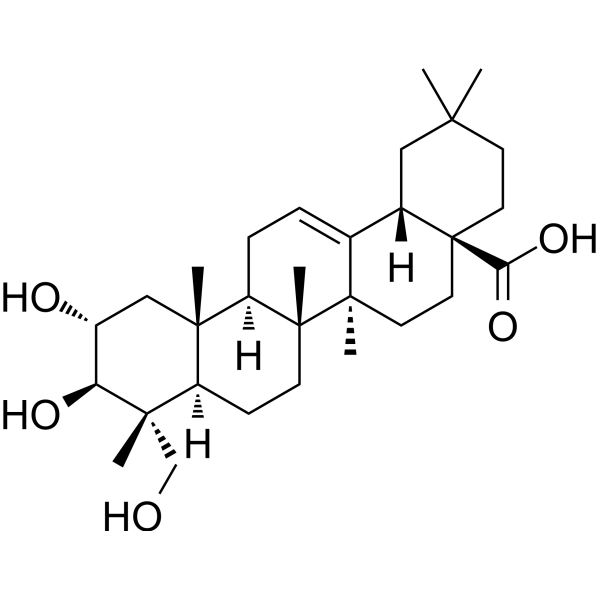
Arjunolic acid is an orally active, multifunctional bioactive compound. Arjunolic acid exhibits free radical scavenging activity, as well as fungal and bacterial activities. Arjunolic acid induces apoptosis (Apoptosis) in various cancer cells. Arjunolic acid protects hepatocytes against induced oxidative stress and apoptosis by reducing reactive oxygen species and inhibiting NF-κB activation. Arjunolic acid regulates pancreatic dysfunction in type 2 diabetic rats by blocking the activation of the TLR-4/MyD88 and canonical Wnt pathways. Arjunolic acid inhibits neuroinflammation and ameliorates depressive behaviors via the SIRT1/AMPK/Notch1 signaling pathway in microglia. Arjunolic acid improves Crohn's disease-like colitis by restoring gut microbiota composition and inhibiting TLR4 signaling. Arjunolic acid suppresses osteosarcoma progression by inhibiting Wnt3a-mediated M2 polarization of macrophages. Arjunolic acid ameliorates diabetic retinopathy via the autophagy pathway regulated by AMPK/mTOR/HO-1. Arjunolic acid is applicable to research related to type 2 diabetes, organ toxicity, depression, Crohn's disease, osteosarcoma, diabetic retinopathy, and testicular dysfunction.
-
Stearamide (Standard)
 0 ImagesCat. No.: HY-W130610RCAS No.: 124-26-5
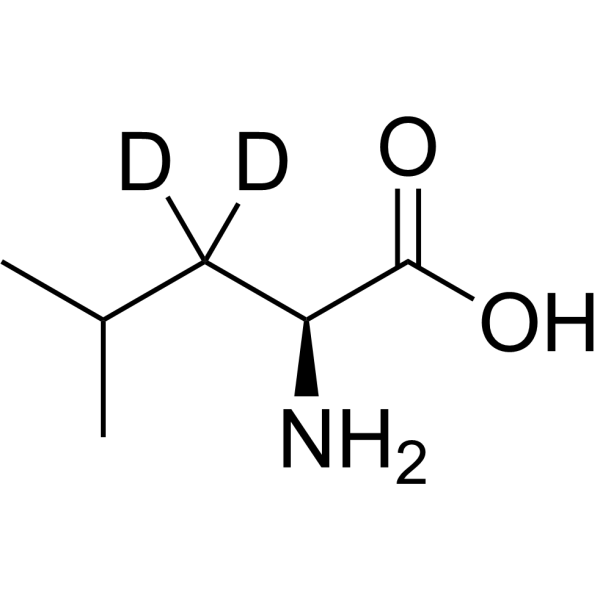
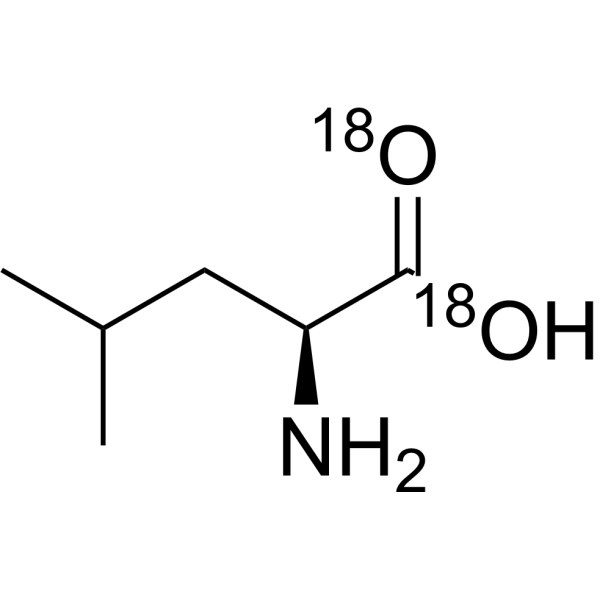
Ginsenoside C-K (Standard) is the analytical standard of Ginsenoside C-K. This product is intended for research and analytical applications. Ginsenoside C-K, a bacterial metabolite of G-Rb1, exhibits anti-inflammatory effects by reducing iNOS and COX-2. Ginsenoside C-K exhibits an inhibition against the activity of CYP2C9 and CYP2A6 in human liver microsomes with IC50s of 32.0±3.6 μM and 63.6±4.2 μM, respectively.
-
Ganglioside GT1b (porcine) ammonium
 0 Images
Ganglioside GT1b (porcine) ammonium is a member of the ganglioside family. Ganglioside GT1b (porcine) ammonium acts as a protective signal against nerve injury-induced spinal synapse elimination. Ganglioside GT1b (porcine) ammonium induces HA synthesis and the phosphorylation of Akt/mTOR in orbital fibroblasts. Ganglioside GT1b (porcine) ammonium enhances porcine oocyte maturation and induces activation of EGFR and ERK1/2 signaling. Ganglioside GT1b (porcine) ammonium is a putative host cell receptor for the Merkel cell polyomavirus. Ganglioside GT1b (porcine) ammonium can be used for the researches of cancer, infection, immunology, endocrinology and neurological disease, such as Thyroid eye disease.
-
Clemastine-d5 fumarate
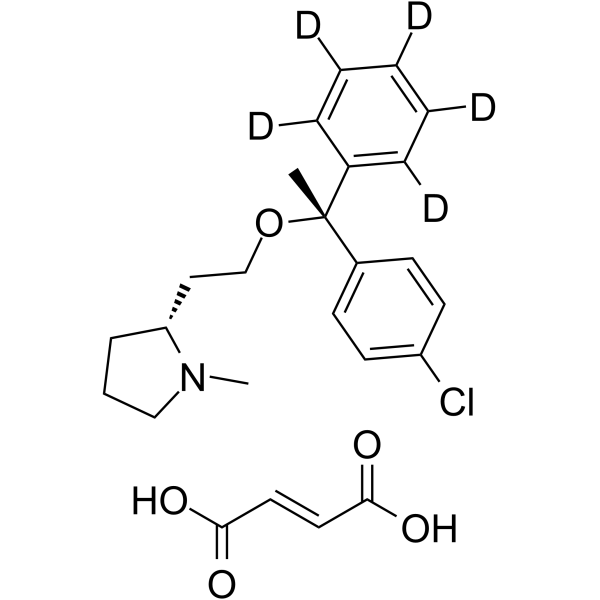 0 ImagesCat. No.: HY-B0298ASPurity: 99.79%Synonyms: HS-592-d5 fumarate; Meclastine-d5 fumarate
Clemastine (HS-592; Meclastine)-d5 fumarate is the deuterium labeled Clemastine fumarate. Clemastine fumarate is an orally active, blood-brain barrier-permeable H1 histamine receptor (H1 histamine receptor) antagonist with potent antiallergic effects. Clemastine fumarate also antagonizes muscarinic acetylcholine receptors (mAChR), particularly the M1 and M4 subtypes. In addition to antihistamine effects, Clemastine fumarate exhibits multiple pharmacological activities, especially in promoting central nervous system remyelination, activating autophagy and pyroptosis, exerting anti-apoptotic and neuroprotective effects, and suppressing inflammation .
-
Perfluorotetradecanoic acid
 0 ImagesSynonyms: PFTeDA
Perfluorotetradecanoic acid (PFTeDA) is an orally active perfluoroalkyl substance. Perfluorotetradecanoic acid directly binds to the ligand-binding domain of purified hPPARγ, with a Kd value of 157.8 μM. Perfluorotetradecanoic acid significantly reduces the activity of the SIRT1/PGC1α and AMPK signaling pathways while stimulating the activity of the AKT1/mTOR signaling pathway. Perfluorotetradecanoic acid significantly upregulates the expression of corticosterone biosynthesis genes. Perfluorotetradecanoic acid increases ROS levels and promotes Apoptosis. Perfluorotetradecanoic acid impairs Leydig cell function and male reproductive endocrine function in adult male rats.
-
Anti-CD160 Antibody (MAT 302)
 0 ImagesCat. No.: HY-P992201Synonyms: CL1-R2
Anti-CD160 Antibody (MAT 302) (CL1-R2) is a human monoclonal antibody targeting CD160. Anti-CD160 Antibody (MAT 302) blocks the CD160-HVEM protein interaction, inhibits FGF2-mediated renal tubular vascular growth, and induces endothelial cell apoptosis. Anti-CD160 Antibody (MAT 302) targets CD160 on neovascularization to exert anti-angiogenic and vascular normalization effects, trigger the production of IFN-γ, TNF and IL-6 by NK cells, and enhance glucose metabolism of NK cells through the AKT/mTOR/s6k signaling pathway. Anti-CD160 Antibody (MAT 302) reduces vascular density, normalizes remaining tumor blood vessels, and inhibits tumor growth in melanoma-bearing mice. Anti-CD160 Antibody (MAT 302) can be used in research related to neovascularization, proliferative diabetic retinopathy, and melanoma.
-
PF-4455242 hydrochloride
 0 Images
PF-4455242 hydrochloride is an orally bioavailable, blood-brain barrier-permeable κ-opioid receptor (KOR) inhibitor. PF-4455242 hydrochloride blocks in vivo effects induced by KOR and MOR agonists, and elicits KOR-independent outward currents in ventral tegmental area neurons. PF-4455242 hydrochloride promotes energy expenditure and activates the hypothalamic mTOR pathway. PF-4455242 hydrochloride attenuates stress-induced behavioral effects and produces antidepressant-like effects. PF-4455242 hydrochloride can be used in studies related to pain, depression, addictive disorders, and obesity induced by estrogen withdrawal.
-
PF-04455242
 0 ImagesCat. No.: HY-15691CAS No.: 1202647-54-8
PF-04455242 is an orally bioavailable, blood-brain barrier-permeable κ-opioid receptor (KOR) inhibitor. PF-04455242 blocks in vivo effects induced by KOR and MOR agonists, and elicits KOR-independent outward currents in ventral tegmental area neurons. PF-04455242 promotes energy expenditure and activates the hypothalamic mTOR pathway. PF-04455242 attenuates stress-induced behavioral effects and produces antidepressant-like effects. PF-04455242 can be used in studies related to pain, depression, addictive disorders, and obesity induced by estrogen withdrawal.



