



Devimistat
Based on 28 publication(s) in Google Scholar
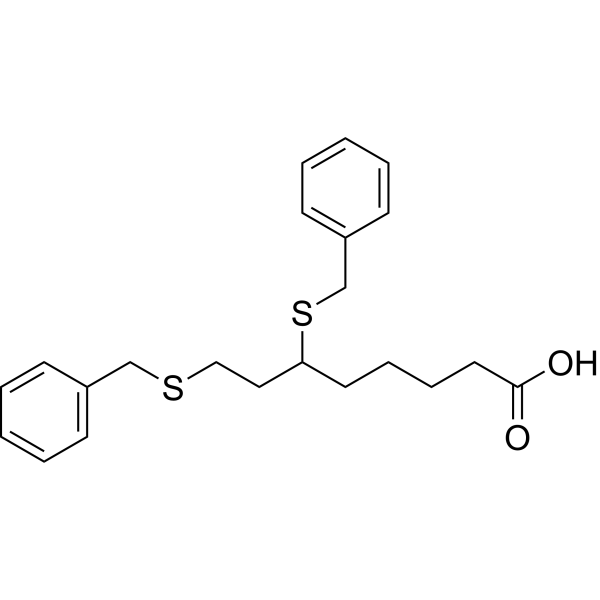
Devimistat is a mitochondrial metabolism inhibitor. Devimistat is a lipoic acid antagonist that abrogates mitochondrial energy metabolism to induce apoptosis in various cancer cells.
For research use only. We do not sell to patients.
- Purity : 99.57%
- CAS No.: 95809-78-2
- Formula: C22H28O2S2
- Molecular Weight:388.59
-
Storage:Powder -20°C, 3 years , 4°C, 2 years ; In solvent -80°C, 2 years , -20°C, 1 year

To place orders, for customer services and technical support, please contact: MedChemExpress USA
Tel: 609-228-6898 E-mail: [email protected] [email protected]


-
 Biological Activity
-
Chemical Information
-
Solvent & Solubility
- Protocols
- Purity & Documentation
- References
-
 Help & FAQs


-
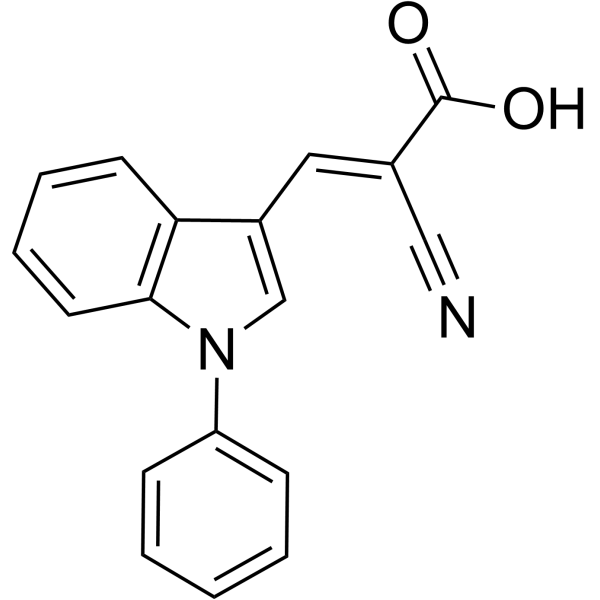
HY-15475
UK-5099Mitochondrial Pyruvate Carrier Inhibitor -
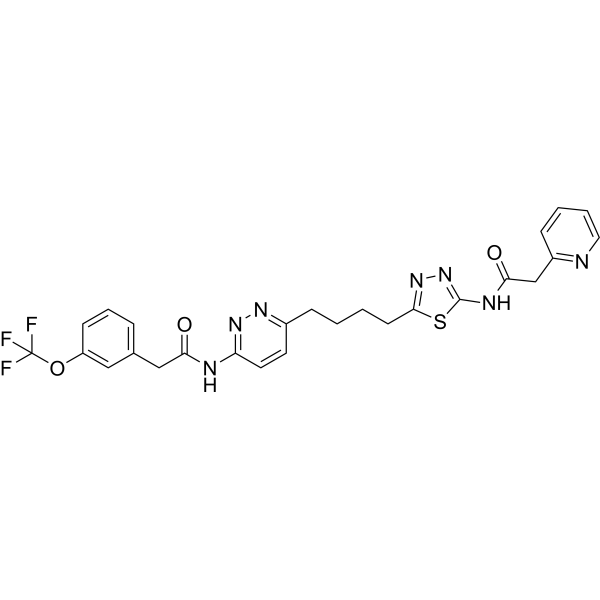
HY-12248
TelaglenastatGLS1 Inhibitor -
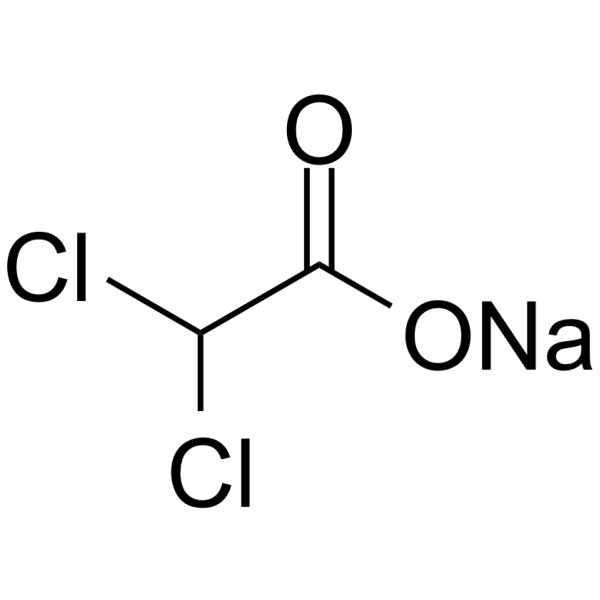
HY-Y0445A
Sodium dichloroacetatePDK Inhibitor -
HY-13966
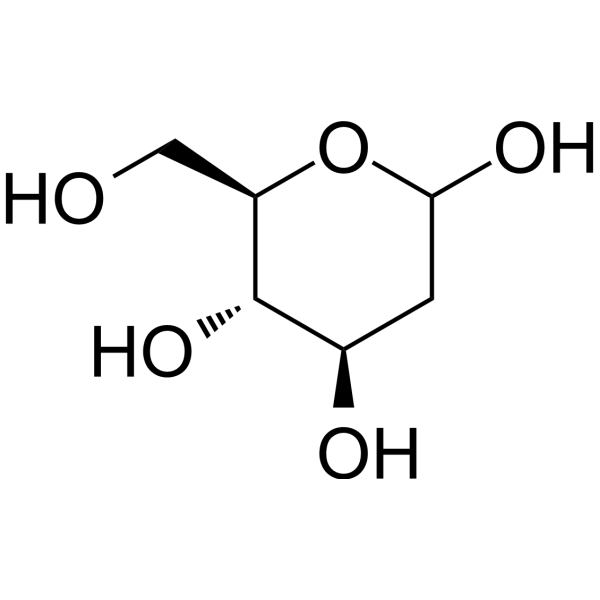
2-Deoxy-D-glucoseGlycolysis Inhibitor -
HY-50202
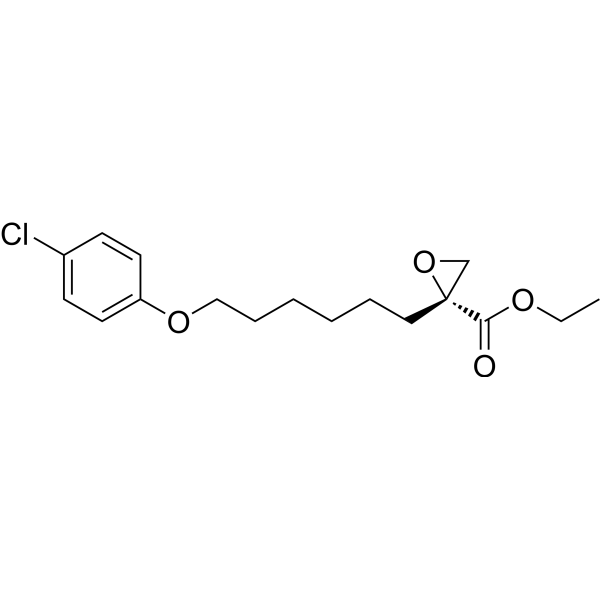
EtomoxirCPT1a Inhibitor -
HY-B0240
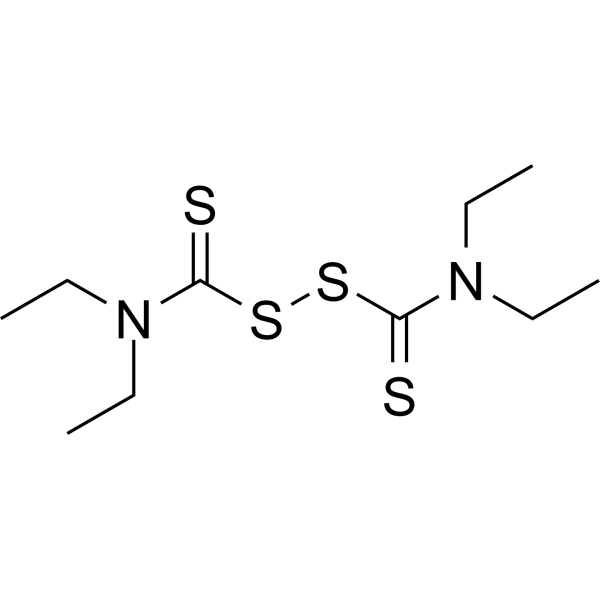
DisulfiramALDH1 Inhibitor -
HY-18767
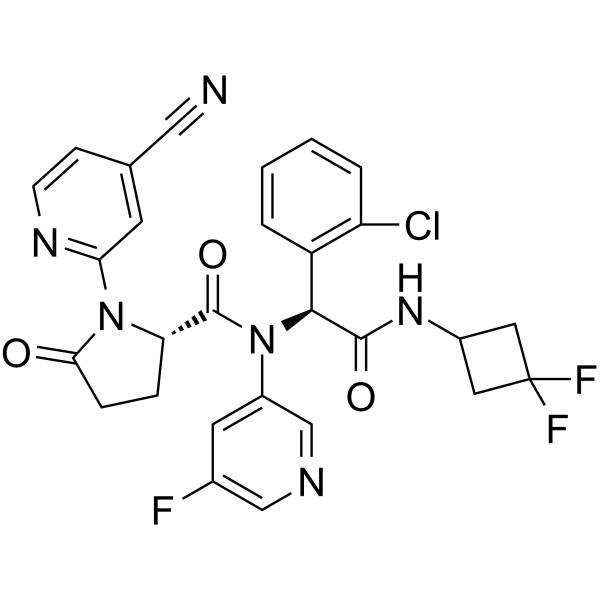
IvosidenibIDH1 Inhibitor -
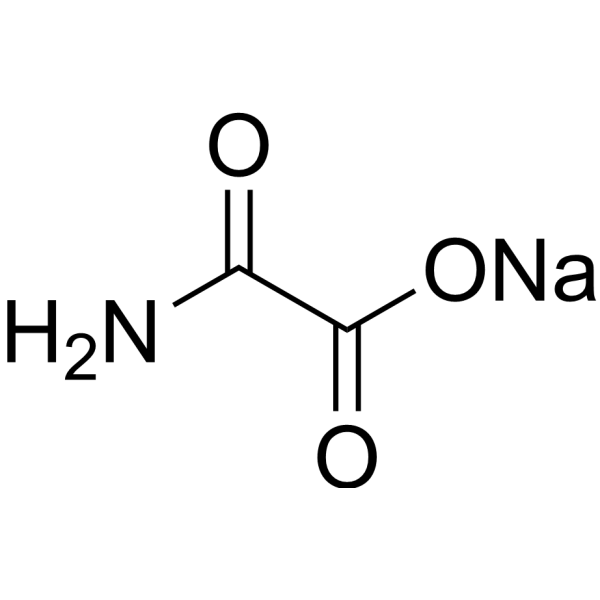
HY-W013032A
Oxamic acid sodiumLDH-A Inhibitor -
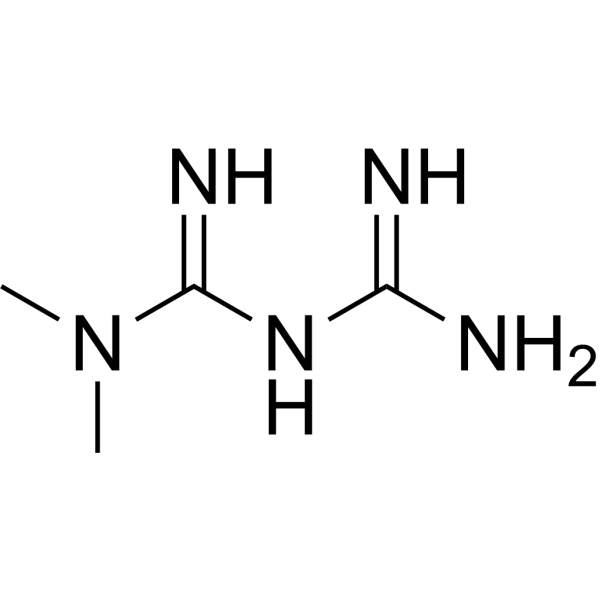
HY-B0627
MetforminAntihyperglycemic Agent -
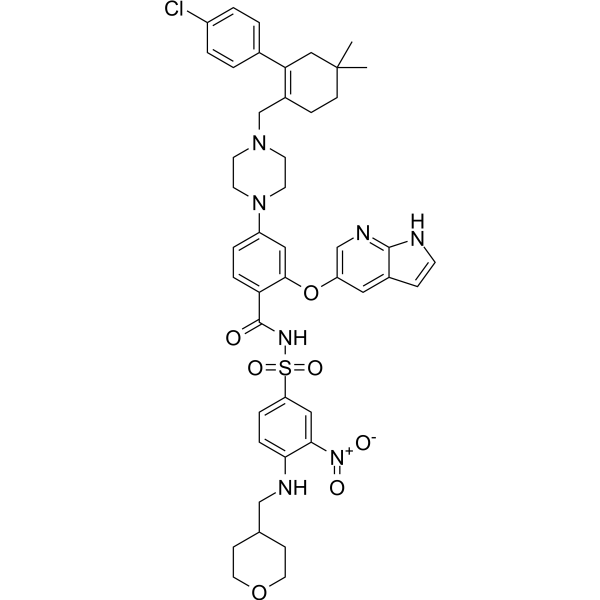
HY-15531
VenetoclaxBCL-2 Inhibitor -
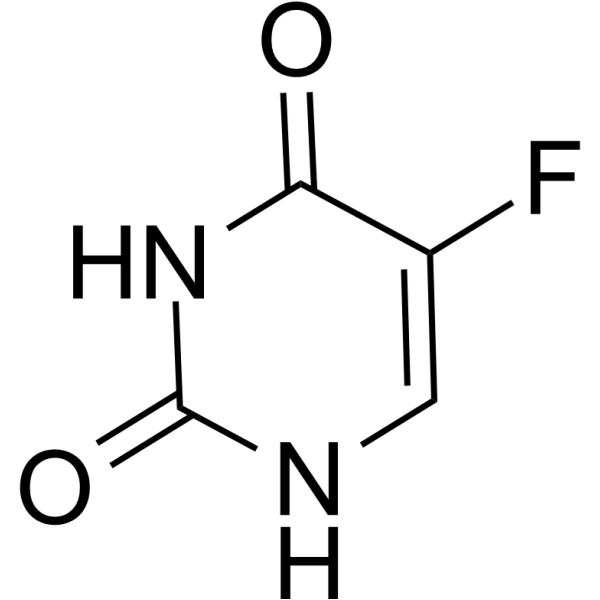
HY-90006
5-FluorouracilThymidylate Synthase Inhibitor -
HY-16589
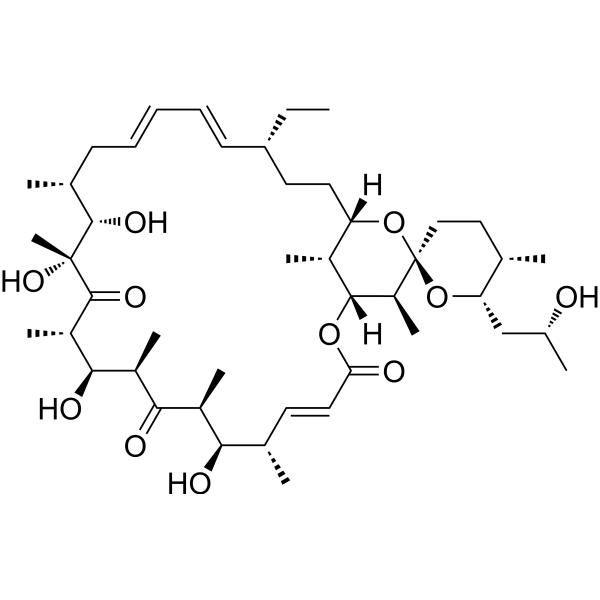
Oligomycin AMitochondrial ATP Synthase Inhibitor
Publications Citing Use of MedChemExpress (MCE) Devimistat
More- Signal Transduct Target Ther. 2025 Sep 26;10(1):315. [Abstract]
- Signal Transduct Target Ther. 2022 Sep 1;7(1):303. [Abstract]
- Nat Genet. 2025 Mar;57(3):680-693. [Abstract]
- Adv Sci (Weinh). 2026 Apr;13(21):e13341. [Abstract]
- Adv Sci (Weinh). 2026 Apr 22:e22570. [Abstract]
- Adv Sci (Weinh). 2025 Dec 5:e20444. [Abstract]
- Adv Sci (Weinh). 2023 Mar;10(9):e2207084. [Abstract]
- Cell Rep Med. 2025 Feb 18;6(2):101966. [Abstract]
- Sci Adv. 2025 Jul 18;11(29):eadw5228. [Abstract]
- Sci Adv. 2025 Apr 11;11(15):eadu5511. [Abstract]
- Cell Death Dis. 2026 Jun 25. [Abstract]
- Pharmacol Res. 2026 Feb:224:108110. [Abstract]
- J Immunother Cancer. 2023 Sep;11(9):e007146. [Abstract]
- Nano Today. 2023 Dec, 53, 102009.
- Nano Res. 2022.
- JHEP Rep. 2025 Jan 20;7(5):101329. [Abstract]
- Free Radic Biol Med. 2024 Feb 20:212:117-132. [Abstract]
- EMBO Mol Med. 2026 Sep;18(9):3540-3569.
- Aging Cell. 2026 Mar;25(3):e70434. [Abstract]
- Cell Rep. 2022 Feb 15;38(7):110391. [Abstract]
- Cell Prolif. 2026 Apr 27:e70216. [Abstract]
- Br J Pharmacol. 2025 May;182(9):1897-1911. [Abstract]
- JCI Insight. 2024 Mar 14;9(8):e172565. [Abstract]
- Commun Biol. 2021 Nov 16;4(1):1289. [Abstract]
- Cancers (Basel). 2024 Oct 25;16(21):3606. [Abstract]
- Cancers (Basel). 2022 Jun 16;14(12):2983. [Abstract]
- SSRN. 2026 Apr 23.
- Elife. 2020 Jun 2:9:e54954. [Abstract]
 Customer Validation & Images

-
In Vivo Efficacy Study
-
Cell Proliferation/Viability Assay
-
WB
-
RT-PCR
-
Bio/Physico-chemical Assay


Biological Activity
Description
IC50 & Target
mitochondrial metabolism[1]
Cellular Effect
|
Cell Line

|
Type | Value | Description | References |
|---|---|---|---|---|
| A549 | IC50 |
>50 μM
Compound: 2
|
Antiproliferative activity against human A549 cells by CCK8 assay
Antiproliferative activity against human A549 cells by CCK8 assay
|
[PMID: 37939862] |
| HepG2 | IC50 |
>50 μM
Compound: 2
|
Antiproliferative activity against human HepG2 cells by CCK8 assay
Antiproliferative activity against human HepG2 cells by CCK8 assay
|
[PMID: 37939862] |
| K562 | IC50 |
>50 μM
Compound: 2
|
Antiproliferative activity against human K562 cells by CCK8 assay
Antiproliferative activity against human K562 cells by CCK8 assay
|
[PMID: 37939862] |
| MCF7 | IC50 |
>50 μM
Compound: 2
|
Antiproliferative activity against human MCF7 cells by CCK8 assay
Antiproliferative activity against human MCF7 cells by CCK8 assay
|
[PMID: 37939862] |
| MDA-MB-231 | IC50 |
>50 μM
Compound: 2
|
Antiproliferative activity against human MDA-MB-231 cells by CCK8 assay
Antiproliferative activity against human MDA-MB-231 cells by CCK8 assay
|
[PMID: 37939862] |
| PANC-1 | IC50 |
>50 μM
Compound: 2
|
Antiproliferative activity against human PANC-1 cells by CCK8 assay
Antiproliferative activity against human PANC-1 cells by CCK8 assay
|
[PMID: 37939862] |
In Vitro
Devimistat induces apoptosis of GPM-2 gastric cancer cells. Devimistat targets the altered form of mitochondrial energy metabolism utilized by tumor cells. The change in mitochondrial enzyme activities and cellular redox status induced by devimistat leads to cell death, including apoptosis[1].
MedChemExpress (MCE) has not independently confirmed the accuracy of these methods. They are for reference only. Further protocols information, click here.
Clinical Trial
| NCT Number | Sponsor | Condition | Start Date |
Phase
|
|---|---|---|---|---|
| NCT01329991 | Plexxikon| | 2011-05 | PHASE1 |


Chemical Information
-
CAS No. 95809-78-2
-
Appearance Solid
-
Molecular Weight 388.59
-
Formula C22H28O2S2
-
Color White to off-white
-
SMILES
O=C(O)CCCCC(SCC1=CC=CC=C1)CCSCC2=CC=CC=C2
-
Synonyms
CPI-613
-
Shipping
Room temperature in continental US; may vary elsewhere.
-
Storage
Powder -20°C 3 years 4°C 2 years In solvent -80°C 2 years -20°C 1 year


Publications (28)
-
Journal Impact Factor
-
Most Recent
-
Signal Transduct Target Ther
A two-strata energy flux system driven by a stress hormone prioritizes cardiac energetics. [Abstract]2025 Sep 26;10(1):315. PMID: 40998786
Devimistat purchased from MedChemExpress. Usage Cited in: Signal Transduct Target Ther. 2025 Sep 26;10(1):315. [Abstract]
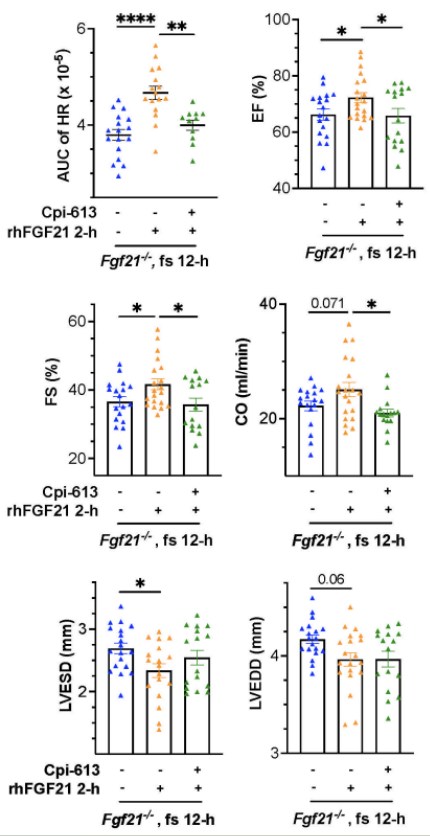
Cpi-613 (1 mg/mouse; i.p.). Effects of Cpi-613 in rhFGF21-promoted improvements of Echo parameters EF, FS, CO, LVEDD and LVESD in Fgf21-null mice fasted for 12 hours.
-
Signal Transduct Target Ther
Suppression of PFKFB3-driven glycolysis restrains endothelial-to-mesenchymal transition and fibrotic response. [Abstract]2022 Sep 1;7(1):303. PMID: 36045132 -
Nat Genet
2025 Mar;57(3):680-693. PMID: 40069506
Devimistat purchased from MedChemExpress. Usage Cited in: Nat Genet. 2025 Mar;57(3):680-693. [Abstract]
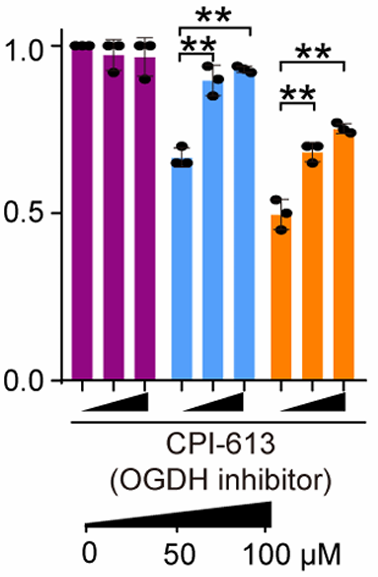
CPI-613 (0-100 μM; 24 h). A375 cells treated with OGDH inhibitor (CPI-613), co-cultured with T cells, and stained with crystal violet to measure survival.
Devimistat purchased from MedChemExpress. Usage Cited in: Nat Genet. 2025 Mar;57(3):680-693. [Abstract]
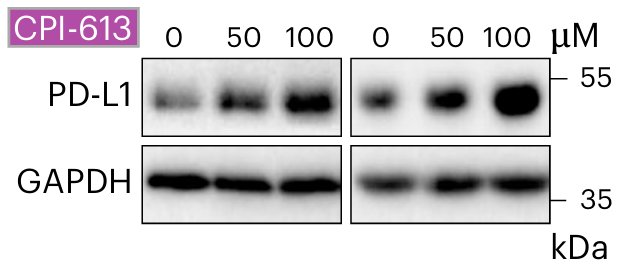
CPI-613 (0-100 μM; 24 h). Western blot analysis of PD-L1 protein levels in A375 and SK-MEL-28 cells treated with OGDH inhibitor (CPI-613).
Devimistat purchased from MedChemExpress. Usage Cited in: Nat Genet. 2025 Mar;57(3):680-693. [Abstract]
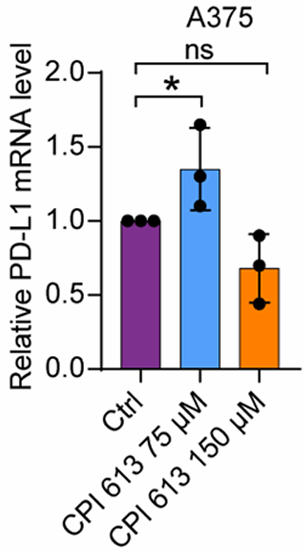
CPI-613 (75-150 μM; 24 h). mRNA levels of PD-L1 in A375 cells treated with 3-NPA, DMM, or CPI-613.
-
Adv Sci (Weinh)
Single-Mitochondrion ATP Profiling Directs Discovery of Targetable OXPHOS Dependency in Cancers. [Abstract]2026 Apr;13(21):e13341. PMID: 41684301 -
Adv Sci (Weinh)
Metabolic Imbalance Triggers Adaptive Remodeling to Accelerate Diploidization in Murine Haploid Embryonic Stem Cells. [Abstract]2026 Apr 22:e22570. PMID: 42018132 -
Adv Sci (Weinh)
NADH-Reductive Stress Induced by Dihydrolipoamide Dehydrogenase Activation Contributes to Cuproptosis. [Abstract]2025 Dec 5:e20444. PMID: 41346305
Devimistat purchased from MedChemExpress. Usage Cited in: Adv Sci (Weinh). 2025 Dec 5:e20444. [Abstract]
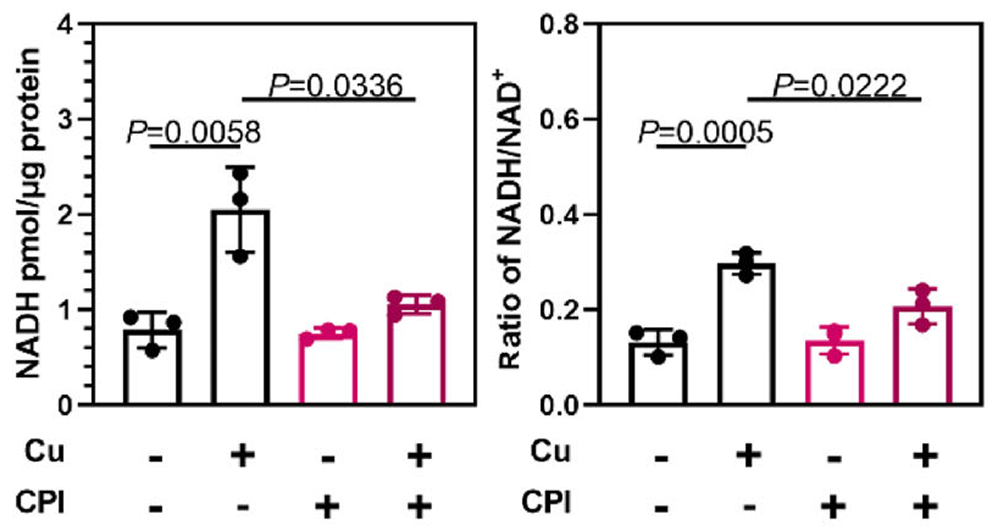
NADH level and NADH/NAD+ ratio of SH‐SY5Y cells treated with 250 µM CuSO4 and 4 nM CPI‐613 (CPI) for 18 h.
-
Adv Sci (Weinh)
Extracellularly Detectable Electrochemical Signals of Living Cells Originate from Metabolic Reactions. [Abstract]2023 Mar;10(9):e2207084. PMID: 36737855 -
Cell Rep Med
KRASG12D-driven pentose phosphate pathway remodeling imparts a targetable vulnerability synergizing with MRTX1133 for durable remissions in PDAC. [Abstract]2025 Feb 18;6(2):101966. PMID: 39970873 -
Sci Adv
2025 Jul 18;11(29):eadw5228. PMID: 40668928 -
Sci Adv
Acute myeloid leukemia mitochondria hydrolyze ATP to support oxidative metabolism and resist chemotherapy. [Abstract]2025 Apr 11;11(15):eadu5511. PMID: 40203117 -
Cell Death Dis
Targeting mitochondrial α-ketoglutarate sequestration disables dual oncogenic drivers and metabolic adaptability in pancreatic ductal adenocarcinoma. [Abstract]2026 Jun 25. PMID: 42350388 -
Pharmacol Res
YBX1-LDHB axis orchestrates pyruvate production from lactate to promote ICC initiation and development. [Abstract]2026 Feb:224:108110. PMID: 41577157 -
J Immunother Cancer
Inhibition of TCA cycle improves the anti-PD-1 immunotherapy efficacy in melanoma cells via ATF3-mediated PD-L1 expression and glycolysis. [Abstract]2023 Sep;11(9):e007146. PMID: 37678921 -
-
-
JHEP Rep
PLOD1 promotes the malignancy of hepatocellular carcinoma by facilitating the NF-κB/IL-6/STAT3-dependent TCA cycle. [Abstract]2025 Jan 20;7(5):101329. PMID: 40290518 -
Free Radic Biol Med
Potassium ion efflux induces exaggerated mitochondrial damage and non-pyroptotic necrosis when energy metabolism is blocked. [Abstract]2024 Feb 20:212:117-132. PMID: 38151213 -
-
Aging Cell
Decreased Glucose Metabolism and Declined Chaperones Are Unique Features Required for the Survival of Senescent Fibroblasts and Pyruvate Dehydrogenase Is a Potent Senolytic Target. [Abstract]2026 Mar;25(3):e70434. PMID: 41786630 -
Cell Rep
2022 Feb 15;38(7):110391. PMID: 35172156 -
Cell Prolif
Dissection of Mitochondrial Function via Chemical Perturbation and Single-Cell Profiling. [Abstract]2026 Apr 27:e70216. PMID: 42044679 -
Br J Pharmacol
Thiamine deficiency aggravates experimental colitis in mice by promoting glycolytic reprogramming in macrophages. [Abstract]2025 May;182(9):1897-1911. PMID: 39890689 -
JCI Insight
2024 Mar 14;9(8):e172565. PMID: 38483541 -
Commun Biol
DLST-dependence dictates metabolic heterogeneity in TCA-cycle usage among triple-negative breast cancer. [Abstract]2021 Nov 16;4(1):1289. PMID: 34785772 -
Cancers (Basel)
Deciphering the Metabolic Basis and Molecular Circuitry of the Warburg Paradox in Lymphoma. [Abstract]2024 Oct 25;16(21):3606. PMID: 39518046 -
Cancers (Basel)
α-Ketoglutarate-Mediated DNA Demethylation Sustains T-Acute Lymphoblastic Leukemia upon TCA Cycle Targeting. [Abstract]2022 Jun 16;14(12):2983. PMID: 35740646 -
-
Elife
MARCH5 mediates NOXA-dependent MCL1 degradation driven by kinase inhibitors and integrated stress response activation. [Abstract]2020 Jun 2:9:e54954. PMID: 32484436


Solvent & Solubility
In Vitro:
DMSO : 100 mg/mL (257.34 mM; Need ultrasonic; Hygroscopic DMSO has a significant impact on the solubility of product, please use newly opened DMSO)
Please refer to the solubility information to select the appropriate solvent. Once prepared, please aliquot and store the solution to prevent product inactivation from repeated freeze-thaw cycles.
Storage method and period of stock solution: -80°C, 2 years; -20°C, 1 year. When stored at -80°C, please use it within 2 years. When stored at -20°C, please use it within 1 year.
Please refer to the solubility information to select the appropriate solvent. Once prepared, please aliquot and store the solution to prevent product inactivation from repeated freeze-thaw cycles.
Storage method and period of stock solution: -80°C, 2 years; -20°C, 1 year. When stored at -80°C, please use it within 2 years. When stored at -20°C, please use it within 1 year.
Concentration (start) × Volume (start) = Concentration (final) × Volume (final)
In Vivo:
Select the appropriate dissolution method based on your experimental animal and administration route.
- For the following dissolution methods, please ensure to first prepare a clear stock solution using an In Vitro approach and then sequentially add co-solvents:
- To ensure reliable experimental results, the clarified stock solution can be appropriately stored based on storage conditions. As for the working solution for In Vivo experiments, it is recommended to prepare freshly and use it on the same day.
- The percentages shown for the solvents indicate their volumetric ratio in the final prepared solution. If precipitation or phase separation occurs during preparation, heat and/or sonication can be used to aid dissolution.
Add each solvent one by one: 10% DMSO 40% PEG300 5% Tween-80 45% Saline
Solubility: ≥ 2.08 mg/mL (5.35 mM); Clear solution
This protocol yields a clear solution of ≥ 2.08 mg/mL (saturation unknown).
Taking 1 mL working solution as an example, add 100 μL DMSO stock solution (20.8 mg/mL) to 400 μL PEG300, and mix evenly; then add 50 μL Tween-80 and mix evenly; then add 450 μL Saline to adjust the volume to 1 mL.
Preparation of Saline: Dissolve 0.9 g sodium chloride in ddH₂O and dilute to 100 mL to obtain a clear Saline solution.
Add each solvent one by one: 10% DMSO 90% (20% SBE-β-CD in Saline)
Solubility: ≥ 2.08 mg/mL (5.35 mM); Clear solution
This protocol yields a clear solution of ≥ 2.08 mg/mL (saturation unknown).
Taking 1 mL working solution as an example, add 100 μL DMSO stock solution (20.8 mg/mL) to 900 μL 20% SBE-β-CD in Saline, and mix evenly.
Preparation of 20% SBE-β-CD in Saline (4°C, storage for one week): 2 g SBE-β-CD powder is dissolved in 10 mL Saline, completely dissolve until clear.
In Vivo Dissolution Calculator
Please enter the basic information of animal experiments:
-
-
-
-
Recommended: Prepare an additional quantity of animals to account for potential losses during experiments.
Please enter your animal formula composition:
-
%DMSO +
Recommended: Keep the proportion of DMSO in working solution below 2% if your animal is weak.
-
%+
-
+%Tween-80 + +
-
%Saline +
The co-solvents required include: DMSO, . All of co-solvents are available by MedChemExpress (MCE). , Tween 80. All of co-solvents are available by MedChemExpress (MCE).
Working solution concentration: 0.22 mg/mL
Method for preparing stock solution: mg drug dissolved in μL DMSO. Stock solution concentration: mg/mL.
1. Take μL DMSO stock solution;
2. Add μL .
μL , mix evenly;
3. Then add μL Tween 80, mix evenly;
4. Then add μL
Please ensure that the stock solution in the first step is dissolved to a clear state, and add co-solvents in sequence. You can use ultrasonic heating (ultrasonic cleaner, recommended frequency 20-40 kHz), vortexing, etc. to assist dissolution.

Protocols
-
Apoptosis
Apoptosis, also called programmed cell death, is generally characterized by distinct morphological characteristics.
-
TUNEL staining for apoptotic DNA fragmentation
TUNEL staining detects DNA strand breaks by using terminal deoxynucleotidyl transferase to add labeled nucleotides to exposed 3′-OH DNA termini, generating either microscopic staining in fixed cells or tissue sections, or fluorescence/cytometric signal in cell suspensions. TUNEL positivity reflects DNA fragmentation but should not be interpreted alone as definitive apoptosis, because TUNEL can also label necrotic, autolytic, mechanically damaged, or DNA-repair-associated DNA breaks.
-
Annexin V plus membrane-impermeant dye apoptosis staining
Annexin V-based apoptosis assays rely on the detection of phosphatidylserine (PS) externalization from the inner leaflet of the plasma membrane to the outer leaflet, an early biochemical hallmark of apoptosis. Fluorescently labeled Annexin V binds PS in a calcium-dependent manner, enabling identification of early apoptotic cells by flow cytometry or fluorescence microscopy. When combined with a membrane-impermeant DNA-binding dye (e. g. , propidium iodide), this approach allows discrimination between viable (Annexin V−/dye−), early apoptotic (Annexin V+/dye−), and late apoptotic or necrotic (Annexin V+/dye+) cell populations by assessing membrane integrity and PS exposure.
-
Apoptosis Solutions
Apoptosis is a regulated, generally non-lytic cell-death pathway that removes unwanted, damaged, infected, or abnormal cells through coordinated morphological changes, caspase activation, DNA fragmentation, and membrane remodeling. The intrinsic apoptosis pathway is controlled mainly by mitochondrial outer membrane permeabilization, BCL-2 family proteins, cytochrome c release, apoptosome formation, caspase-9 activation, and downstream executioner caspase-3/7 activation. The extrinsic apoptosis pathway is initiated by death receptors such as Fas, TNFR, and TRAIL receptors, which recruit adaptor proteins and activate caspase-8 before engaging executioner caspases or mitochondrial amplification through BID cleavage. Apoptosis is linked to many phenotypes, including cancer cell killing, tissue homeostasis, immune regulation, neurodegeneration, infection response, and treatment-induced cytotoxicity; unresolved questions include how apoptosis interacts with necroptosis, pyroptosis, ferroptos


Purity & Documentation
-
Data Sheet (271 KB)
-
SDS (399 KB)
- English - EN (399 KB)
- Français - FR (399 KB)
- Deutsch - DE (399 KB)
- Norwegian - NO (399 KB)
- Español - ES (399 KB)
- Swedish - SV (399 KB)
- Italian - IT (399 KB)
- Korean - KR (399 KB)
- Portuguese - PT (399 KB)
-
Handling Instructions (2659 KB)
References


Complete Stock Solution Preparation Table
Please refer to the solubility information to select the appropriate solvent. Once prepared, please aliquot and store the solution to prevent product inactivation from repeated freeze-thaw cycles.
Storage method and period of stock solution: -80°C, 2 years; -20°C, 1 year. When stored at -80°C, please use it within 2 years. When stored at -20°C, please use it within 1 year.
| Optional Solvent | Concentration Solvent Mass | 1 mg | 5 mg | 10 mg | 25 mg |
|---|---|---|---|---|---|
| DMSO | 1 mM | 2.5734 mL | 12.8670 mL | 25.7341 mL | 64.3352 mL |
| 5 mM | 0.5147 mL | 2.5734 mL | 5.1468 mL | 12.8670 mL | |
| 10 mM | 0.2573 mL | 1.2867 mL | 2.5734 mL | 6.4335 mL | |
| 15 mM | 0.1716 mL | 0.8578 mL | 1.7156 mL | 4.2890 mL | |
| 20 mM | 0.1287 mL | 0.6434 mL | 1.2867 mL | 3.2168 mL | |
| 25 mM | 0.1029 mL | 0.5147 mL | 1.0294 mL | 2.5734 mL | |
| 30 mM | 0.0858 mL | 0.4289 mL | 0.8578 mL | 2.1445 mL | |
| 40 mM | 0.0643 mL | 0.3217 mL | 0.6434 mL | 1.6084 mL | |
| 50 mM | 0.0515 mL | 0.2573 mL | 0.5147 mL | 1.2867 mL | |
| 60 mM | 0.0429 mL | 0.2145 mL | 0.4289 mL | 1.0723 mL | |
| 80 mM | 0.0322 mL | 0.1608 mL | 0.3217 mL | 0.8042 mL | |
| 100 mM | 0.0257 mL | 0.1287 mL | 0.2573 mL | 0.6434 mL |


Devimistat Related Classifications
HY-15453 Related Classifications
 Powered by Bioz